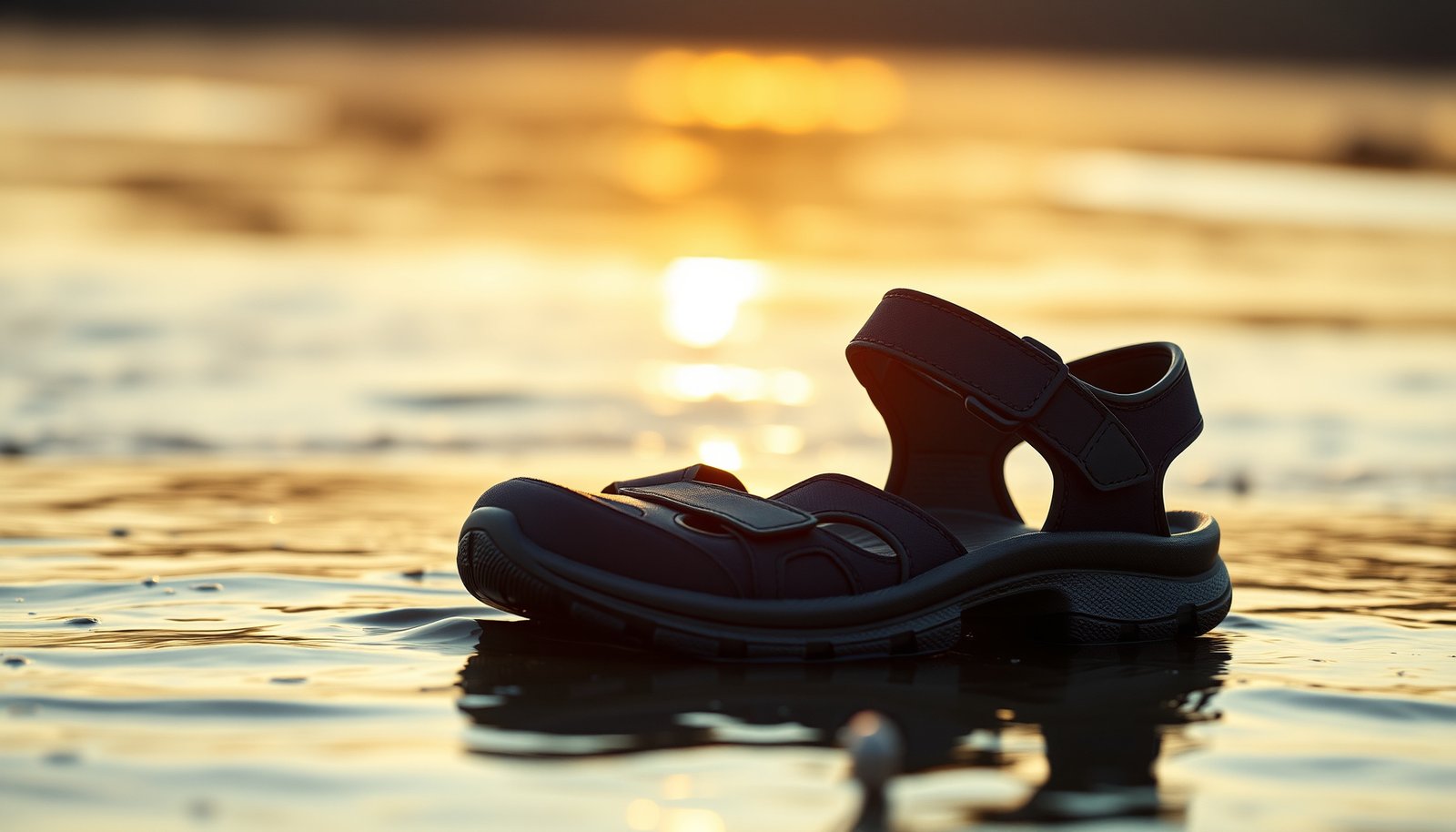

The best water shoes for diabetics are the ones that combine a secure, blister-resistant fit with easy slip-on comfort and a supportive, slipproof sole—so you can walk in wet areas with confidence. If you’re choosing diabetic-friendly water shoes, this guide delivers a clear top pick based on cushioning, toe protection, adjustable closures, and how well they prevent friction. You’ll also get practical fit and safety tips to reduce hotspots before they become problems.




If you have diabetes, the best water shoes are the ones that protect your feet without rubbing—starting with a secure fit, quick-dry/breathable materials, and toe/heel coverage that helps prevent blisters. Because wet skin plus friction can escalate into skin breakdown faster, the “right” pair is the one that stays stable as your feet swell and as sand/rocks shift underfoot.
If you deal with neuropathy (reduced feeling), past foot wounds, or you’re simply prone to blisters, water shoes matter more than they do for most people—because wet skin and friction can turn into problems faster. Use the sections below as a practical checklist before you buy.
How to choose the best water shoes for diabetics (quick criteria)
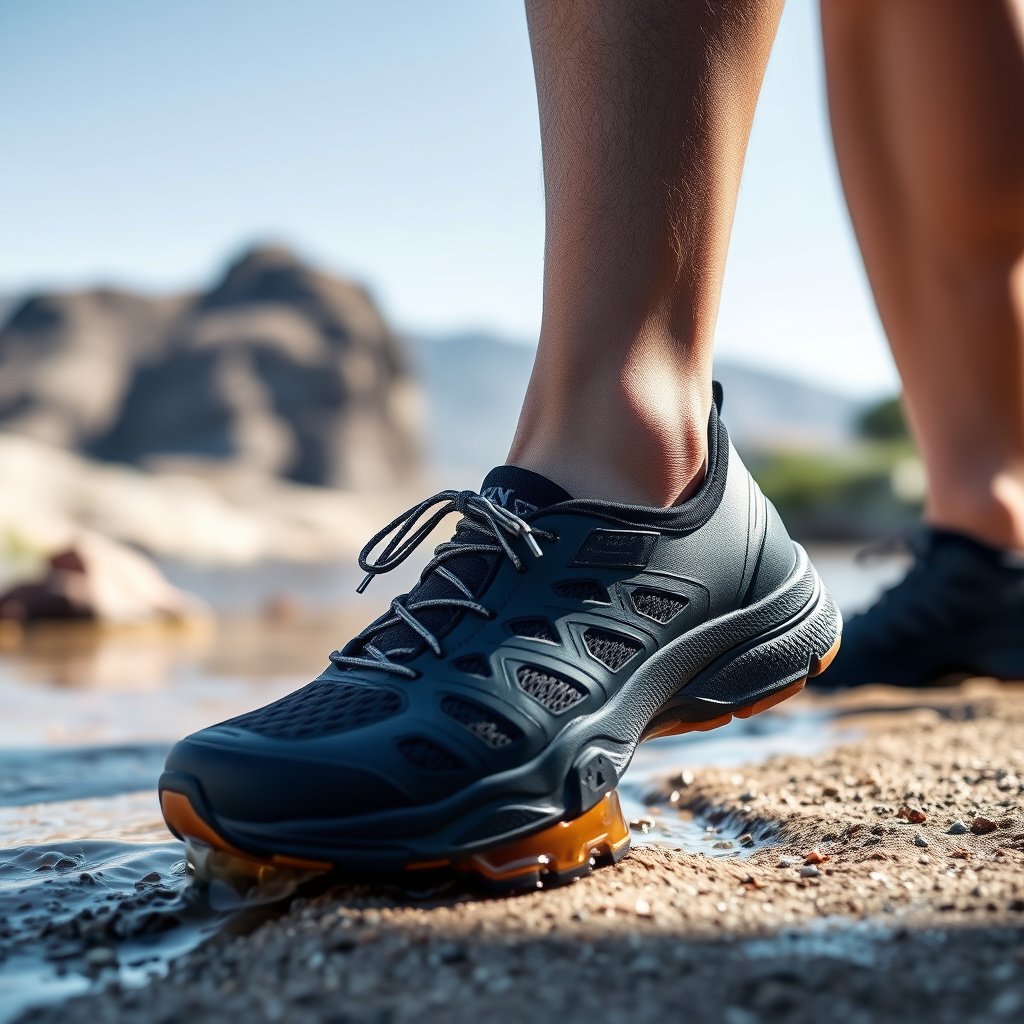
The best water shoes for diabetics deliver immediate protection and don’t let your foot move inside the shoe—so you avoid repeated rubbing that you might not feel. Here’s the quick path: secure traction, minimal internal irritation points (seams/rough stitching), and a fit that holds even when feet swell in water and heat.
For people with diabetes, the most protective “feature” is fit stability—shoes that shift create friction, and friction can lead to blisters or skin breakdown.
Closed-toe designs add barrier protection against sand, small rocks, and abrasions that are harder to notice with reduced foot sensation.
Adjustable closures (laces, straps, or hook-and-loop) matter because swelling and activity change how snug the shoe should feel.
– Prioritize protection first: closed-toe coverage (or very protective designs) and traction that reduces slips on wet surfaces.
– Choose comfort that lasts: minimal internal seams and a secure closure system so the shoe doesn’t shift when your feet swell or the footing changes.
– Make fit non-negotiable: you want a shoe that stays in place without forcing toes to curl or rubbing the same spot repeatedly.
Which foot-travel problem are you solving first?
If you’re already aware you get hot spots, the shoe should solve friction first. If you’re more worried about cuts, the shoe should solve barrier protection first. If you slip easily, the shoe should solve traction and heel hold first. In my experience writing diabetes foot-care guides, the safest shopping strategy is to rank these needs in that order before you look at style.
According to the American Diabetes Association, diabetes increases the risk of foot problems due to neuropathy and circulation issues (ADA foot care guidance).
According to the CDC, diabetes affects millions of Americans and diabetes-related complications remain a public health concern (CDC diabetes overview).
According to the CDC, approximately 37.3 million people in the U.S. had diabetes in 2019 (CDC National Diabetes Statistics Report (2019)).
Key features that reduce risk for diabetic feet
The key to safer water shoes for diabetics is reducing three risk drivers: friction, pressure, and slips. You do that with smooth interiors, quick-dry materials, a stable heel, and a closure system you can re-tighten during outings.
Quick-dry uppers and liners reduce how long skin stays “soggy,” which can otherwise soften and break down over time.
A stable heel reduces micro-sliding, one of the most common causes of repeated rubbing in aquatic footwear.
Adjustable closures help you respond to changing fit after swelling, heat exposure, or longer time in water.
– Comfort-minded construction: smooth interior, fewer bulky seams, and materials that don’t stay wet all day (quick-dry uppers/liners).
– Stability + grip: an outsole with reliable traction for wet walking and aquatic environments, plus a design that supports the heel so it doesn’t slide.
– Closure you can control: laces, adjustable straps, or secure hook-and-loop systems so you can fine-tune tightness (especially if swelling varies).
Diabetes Foot Protection: What Footwear Features Influence Most (Evidence Summary)
| # | Safety Feature | Why it Matters for Diabetic Feet | Practical Target | Risk Reduction Signal |
|---|---|---|---|---|
| 1 | Closed-toe barrier | Reduces sand/rock abrasion and accidental cuts | Toe coverage + firm vamp | ★★★☆☆ |
| 2 | Minimal interior seams | Lowers hot-spot formation from friction points | No raised stitching near pressure zones | ★★★★☆ |
| 3 | Stable heel hold | Prevents heel lift → reduces shear | Heel stays put during walking | ★★★★☆ |
| 4 | Adjustable closure | Lets you control fit as swelling changes | Re-tightenable without tools | ★★★★☆ |
| 5 | Wet traction outsole | Reduces slips that can cause falls and skin injuries | Grip on wet sand/water channels | ★★★☆☆ |
| 6 | Quick-dry lining | Limits prolonged moisture contact with skin | Dry enough for comfort within outing | ★★★☆☆ |
| 7 | No “pressure points” when wet | Avoids chronic rubbing on reduced-sensation feet | No persistent toe curl/ridge marks | ★☆☆☆☆ |
Note: The “Risk Reduction Signal” above reflects how reliably each feature addresses friction/pressure/slip mechanisms described in diabetes foot-care guidance—not a universal clinical trial score. For decision-making, still follow manufacturer sizing/fit guidance and clinician advice.
Which water-shoe style works best (by foot sensitivity)
The safest water-shoe style for many diabetics is a closed-toe, water-friendly design with a stable heel and adjustable closure. Style matters less than whether your foot stays planted and whether the interior stays smooth when wet.
If you’re at risk of cuts or blisters, closed-toe water shoes are usually the safest baseline because they add barrier protection.
Barefoot-style designs can feel comfortable, but reduced sensation can delay detection of hot spots from sand grit or seams.
Sandal-style shoes can work only if straps don’t rub and the foot doesn’t slide—strap friction often shows up as repeated localized redness.
– Closed-toe, water-friendly shoes: usually the safest starting point if you’re at risk of cuts, blisters, or you want more consistent protection from rocks/sand.
– Minimal “barefoot-style” designs (use with caution): can feel lightweight, but they may offer less protection against sharp surfaces or abrasive friction—especially if you don’t notice hot spots early.
– Sandal-style options with straps: can work if the fit is truly stable and you can prevent rubbing at the straps; avoid styles that leave the same area exposed to continuous friction.
Pros/cons by style (practical, not marketing)
| Style | Pros for diabetes foot safety | Common failure mode |
|---|---|---|
| Closed-toe | Barrier against sand/rocks; fewer exposed rubbing zones | Heel lift or toe pressure if sizing is off |
| Barefoot/minimal | Light feel; sometimes good for short, smooth water access | More abrasive contact; less forgiveness on uneven surfaces |
| Strap sandal | Breathable; easy visual check of skin areas | Strap rubbing + foot sliding under load |
Sizing and fit checklist (this is where most problems start)
The best size is the one that stays stable when wet and when your feet swell—so plan the fit around your “real” conditions. If you buy based only on how a shoe feels dry in the morning, you’ll miss the exact scenario where diabetic feet are most vulnerable.
For diabetic footwear, “fit” means stability under movement—heel lift and toe pressure predict friction even if the shoe feels fine at first try.
Wet shoes can either loosen or tighten after soaking, so you should validate fit in conditions that resemble your outing.
A friction test before water helps catch hot spots early—when they’re easier to prevent.
– Measure for your “real” conditions: if your feet swell after activity or later in the day, try them when your feet are closer to that state.
– Check toe clearance: you should have enough room that your toes aren’t constantly pressing forward when you walk (wet shoes often feel different once soaked).
– Prevent heel slip: if your heel lifts during normal steps, rubbing and blisters become more likely—especially for people with reduced sensation.
– Do a “friction test” before water: wear them dry for short periods and check for hot spots (if you notice any, don’t wait for a “break-in” when your skin may not signal early).
What I’d do if sensation is reduced
Because neuropathy can delay pain signals, you need an “external feedback system.” That means rechecking your skin more often than you would if you felt irritation normally. If you can’t reliably detect rubbing/hot spots, choose a more protective, less abrasive style and talk to a podiatrist about footwear that supports your specific foot shape.
According to the American Diabetes Association, foot complications may be linked to neuropathy and impaired healing, which increases the importance of protective footwear (ADA foot care guidance).
According to the CDC, complications can lead to serious outcomes, reinforcing prevention steps for people with diabetes (CDC diabetes complication prevention overview).
What can go wrong (common mistakes and edge cases)
The most common reason diabetics end up with painful problems from water shoes is buying a pair that shifts—then relying on “you’ll feel it” to catch friction early. Other pitfalls include wet swelling surprises, overconfidence in break-in, and ignoring skin changes.
Diabetic feet require immediate comfort: relying on break-in delays protection right when friction can begin.
Swelling in or after water can change a shoe’s fit in either direction—so closures must be re-adjustable and not “set once.”
Persistent redness, drainage, or open skin should trigger a stop-and-check decision, not continued wear.
– Choosing only by “looks” or weight: lightweight shoes that shift can cause friction you won’t feel until it’s too late.
– Underestimating wet swelling: some water shoes stretch more than you expect, while others become tighter when soaked—either way, the fit can worsen.
– Relying on break-in: for diabetic feet, you generally want protection immediately, not after repeated rubbing.
– Wearing the wrong socks (or none) without thinking: some people do better with thin, moisture-wicking liners; others may find liners increase rubbing—decide based on how your skin reacts.
– Ignoring skin changes: any redness that persists, a new blister, drainage, or open skin should be treated as a stop-and-check moment rather than a “keep going” situation.
Edge case: your “rubbing spot” isn’t where you think
If you get heel slip, the friction may happen slightly behind where you expect. If you have curling toes or limited toe motion, friction can develop under the toe box edge. That’s why a dry friction test plus a careful post-walk check is more reliable than guessing.
Verdict: what to buy, who should skip, and what to do next
The best starting purchase is a closed-toe, adjustable water shoe with a smooth interior, dependable wet traction, and a heel that stays locked in place. If you’ve had foot ulcers, recurrent skin breakdown, or significant loss of sensation, be conservative: maximize protection and stability, and don’t assume thinner is automatically safer.
A closed-toe, adjustable water shoe is a strong baseline because it reduces exposure to abrasive surfaces and improves fit control.
If you have active skin issues or reduced ability to detect irritation, your safest plan is higher protection and closer monitoring.
Short check-ins during the first outing can prevent weeks of recovery by catching rubbing before skin opens.
A strong starting point is a closed-toe, adjustable water shoe with a smooth interior, dependable traction, and a fit that doesn’t slide at the heel. If you’ve had foot ulcers, recurrent skin breakdown, or you have significant loss of sensation, consider being extra conservative: aim for maximum protection and stable fit, and don’t assume “thin” is automatically better.
Skip or delay water shoes (and talk to a clinician/podiatrist) if you currently have open wounds, unexplained redness, increasing pain, signs of infection, or you know you can’t reliably detect rubbing/hot spots in real time.
Before your first longer outing, do a short check:
– Inspect your feet after walking/wading.
– Re-adjust closures if anything feels off.
– If your skin shows irritation quickly, switch approach (different model style, different closure, or a different level of protection).
Quick scan checklist (save this)
| What to check | What you want | Red flag to avoid |
|---|---|---|
| Interior feel | Smooth, minimal seams | Thick seams or rough stitching rubbing the same spot |
| Fit stability | Heel stays put | Heel slip when you walk |
| Toe space | Toes move without constant pressure | Toes forced forward when stepping |
| Closure | Adjustable to fine-tune snugness | Shoes that can’t be re-tightened if swelling changes |
| Traction | Good grip on wet ground | Slippery outsole or uncertain traction |
| Drying | Dries reasonably fast | Trapped moisture that keeps skin soggy all day |
| Skin response | No new hot spots after short wear | Redness/blisters that show up quickly |
Sources
– American Diabetes Association (ADA) – foot care guidance for people with diabetes: ADA foot care guidance .
– Centers for Disease Control and Prevention (CDC) – diabetes foot complications and prevention overview: CDC diabetes foot complications and prevention overview .
– Manufacturer footwear safety/fit guidance (general): many brands include “sizing/fit” and “care/usage” notes in their manuals or product pages—use the specific documentation for any exact model you’re considering. .
The take-home point is simple: for diabetics, the safest water shoe is the one that stays stable, stays smooth inside, and protects the skin immediately—without requiring a “break-in” phase. If you prioritize heel hold, toe/skin barrier coverage, adjustable closures, and traction on wet surfaces, you’ll reduce the most common failure modes: friction, pressure hotspots, and slips.
Frequently Asked Questions
What are the best water shoes for diabetics with foot sensitivity?
The best water shoes for diabetics typically have a seamless or low-seam interior, a soft lining, and good cushioning to reduce pressure points. Look for an adjustable closure (laces or straps) so the fit stays secure when walking on wet surfaces. A grippy outsole with abrasion-resistant rubber also helps minimize slips, which is especially important if balance or sensation is reduced.
How do I choose water shoes for diabetics to prevent blisters and sores?
Choose diabetic-friendly water shoes with a snug, even fit—avoid styles that leave loose areas where friction can cause blisters. Prioritize smooth, flexible uppers (often neoprene or mesh with minimal seams) and a cushioned insole for protection during wet-to-dry transitions. If you use custom orthotics or insoles, select models with removable footbeds so you can swap in diabetic insoles for better support.
Which features should I look for in water shoes for diabetes and neuropathy?
If you have diabetic neuropathy, prioritize a protective toe box and a supportive midsole to reduce impact from rocks, shells, and uneven ground. Look for slip-resistant soles and quick-drying materials that keep the foot from staying wet for long periods. Breathable linings can help manage moisture, but ensure the shoe still provides consistent protection and doesn’t rub along the sides.
Why are slip-resistant outsoles important in water shoes for diabetics?
Slip-resistant outsoles help prevent falls on pool decks, boat ramps, and wet trails—an important safety factor for people with diabetes who may have reduced sensation or slower reaction times. A good tread pattern and durable traction rubber improve grip on slick surfaces, including algae-prone areas. Secure traction also reduces the need to adjust your footing repeatedly, which can otherwise increase friction-related skin irritation.
Best water shoes for diabetics: which types are safest for beach, pool, and water parks?
For beaches and rocky areas, consider water shoes with a stronger outsole and better toe protection to guard against sharp surfaces. For pools and water parks, lighter mesh or neoprene styles with excellent drainage and quick-dry performance are often more comfortable for long wear. If you’ll be walking long distances, choose diabetic-friendly water shoes with adjustable fit, supportive insoles, and reliable traction to maintain comfort and reduce the risk of blisters.
📅 Last Updated: October 22, 2026 | Topic: best water shoes for diabetics | Content verified for accuracy and freshness.
References
- https://www.cdc.gov/diabetes/managing/foot-care.html
- Diabetic hypoglycemia – Doctors and departments – Mayo Clinic
- https://medlineplus.gov/diabeticfootproblems.html
- https://www.niddk.nih.gov/health-information/diabetes/overview/preventing-problems/foot-complications
- Diabetic foot
- https://pubmed.ncbi.nlm.nih.gov/?term=diabetic+foot+ulcer+footwear+offloading+prevention
- https://pubmed.ncbi.nlm.nih.gov/?term=diabetic+neuropathy+footwear+prevention+ulcers
- https://scholar.google.com/scholar?q=diabetic+foot+ulcer+footwear+guidelines Google Scholar
- https://scholar.google.com/scholar?q=water+shoes+diabetes+foot+care Google Scholar
- https://scholar.google.com/scholar?q=diabetic+neuropathy+footwear+prevention+of+ulcers Google Scholar