

A dinner plate built for diabetes can start with half non-starchy vegetables, such as roasted broccoli or a fresh salad, because fiber helps slow glucose absorption. For the “best dinner food” choices, the recommendations below are judged by how they affect blood sugar after meals, how filling they are without excess carbohydrates, and how easy they are to portion consistently. By focusing on smart proteins, high-fiber carbs, and controlled fats, you’ll see which options reliably outperform the typical high-sugar, refined-grain meals.



The best dinner foods for diabetes are balanced plates: non-starchy vegetables, lean protein, and controlled portions of high-fiber carbs. If you aim for fewer refined carbs and more fiber at night, it’s easier to keep blood sugar steadier after dinner. In this guide, you’ll learn practical meal building ideas, portion tips, and common dinner mistakes to avoid—using an approach that still works for real weeknights in 2026.
This is for anyone living with type 1, type 2, or prediabetes who wants diabetes-friendly dinners that are realistic at home—whether you cook from scratch or need faster weeknight options.
Build the “diabetes-friendly” dinner plate
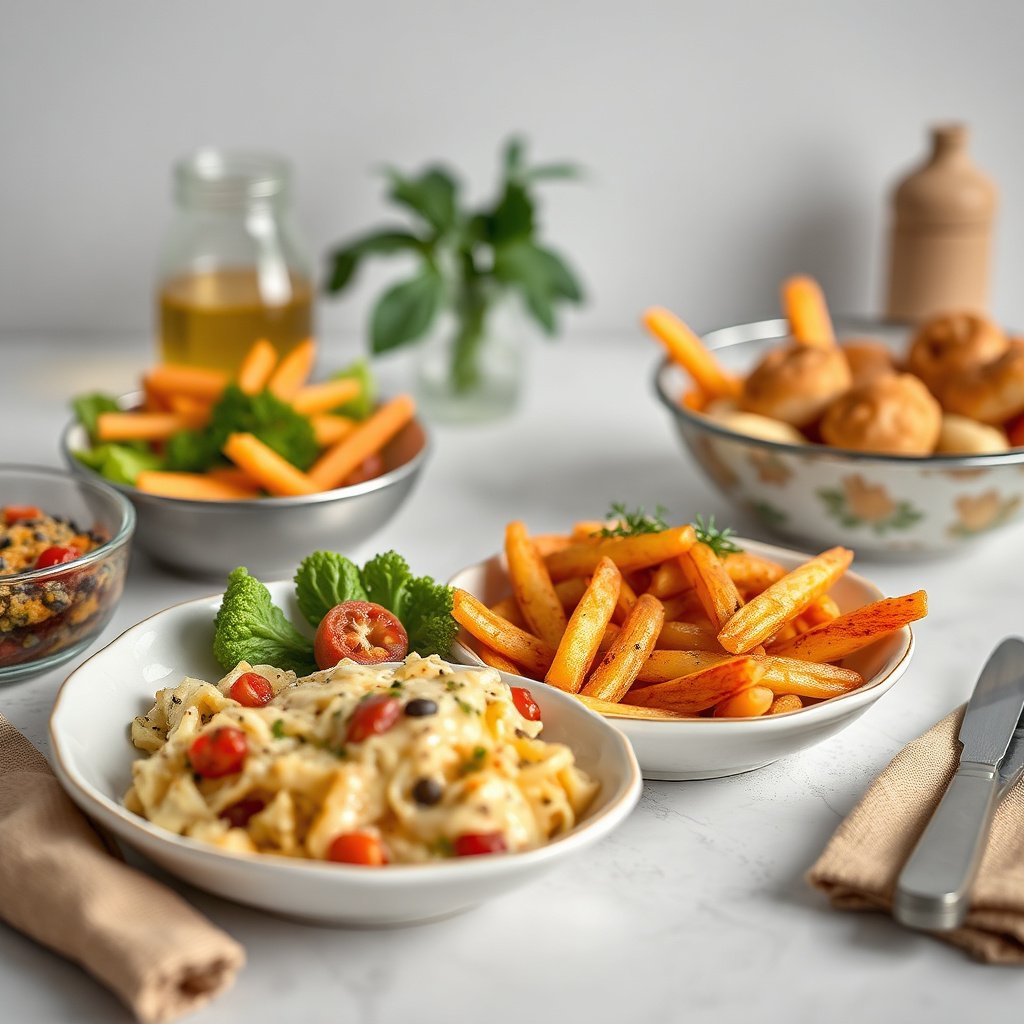
The fastest way to improve post-dinner glucose is to build a plate with the right mix of fiber, protein, and measured carbs. A “diabetes-friendly” dinner is less about banning foods and more about controlling how quickly they raise glucose.
– Non-starchy vegetables first: Think leafy greens, broccoli, cauliflower, peppers, zucchini, mushrooms—served in generous portions. Non-starchy vegetables add volume and fiber without large carbohydrate loads, which helps slow digestion and blunt glucose spikes.
– Protein with every meal: Choose fish, chicken/turkey, eggs, tofu/tempeh, Greek yogurt, or legumes (as tolerated). Protein supports fullness and helps reduce the “energy crash” some people feel when dinner is mostly carbohydrates.
– Carbs only in a controlled, high-fiber amount: Whole grains, beans, and starchy vegetables can fit, but the portion matters. According to the American Diabetes Association, carbohydrate counting often uses the “carb serving” concept of about 15 grams of carbohydrate per serving (American Diabetes Association). Using that framework at dinner makes carb portions easier to plan.
Choose best dinner food categories (with examples)
The best dinner food categories for diabetes are the ones that consistently deliver fiber (carbs), satiety (protein), and satisfaction (healthy fats). When these categories show up together, dinners tend to be more stable than “carb-heavy” meals.
– Lean proteins: salmon, sardines, shrimp, skinless chicken, lean pork, tofu, or beans/lentils (watch carb totals). Fish (especially fatty fish like salmon) provides omega-3 fats that improve satiety and may support overall cardiovascular health—important because diabetes increases heart risk.
– High-fiber carbs: brown rice, quinoa, barley, whole-wheat pasta (watch portions), beans, and chickpeas. Fiber matters because it slows carbohydrate absorption and improves digestive regularity. According to the American Diabetes Association, many nutrition plans target at least 14 grams of fiber per 1,000 calories (American Diabetes Association). That’s a useful benchmark when you’re choosing dinner carbs.
– Healthy fats for satisfaction: olive oil, avocado, nuts, and seeds—use them to improve fullness, not to replace protein. Fats don’t act like sugar, but they are calorie-dense; using them well means staying balanced, not “turning dinner into a fat-only meal.”
Whole foods vs. refined starches: what to emphasize
To make this actionable, here’s a quick comparison you can use while planning dinner.
| Category | Pros for diabetes | Watch-outs |
|---|---|---|
| Beans, lentils, chickpeas | High fiber + slower glucose rise | Carbs still add up—portion counts |
| Quinoa, barley | More fiber than many grain options | Portion size affects glucose response |
| Brown rice, whole grains | Better fiber/texture than white versions | Still carbs—measure at dinner |
| White rice, white bread, pastries | Often easy to overeat quickly | Lower fiber can spike glucose faster |
Fiber-Driven Dinner Carb Choices (Cooked, 1/2 cup)
| # | High-fiber carb | Carbs (g) | Fiber (g) | Glucose-stability score |
|---|---|---|---|---|
| 1 | Lentils | 20 g | 7.8 g | ★★★★★ |
| 2 | Chickpeas | 17 g | 6.2 g | ★★★★☆ |
| 3 | Black beans | 20 g | 7.5 g | ★★★★★ |
| 4 | Barley | 18 g | 3.6 g | ★★★☆☆ |
| 5 | Quinoa | 20 g | 2.6 g | ★★★☆☆ |
| 6 | Brown rice | 22 g | 1.8 g | ★★☆☆☆ |
| 7 | Whole-wheat pasta | 20 g | 3.3 g | ★★★☆☆ |
Fiber and carb values above are for cooked servings and can vary by brand and preparation; they reflect typical nutrition data consistent with major nutrient databases such as USDA FoodData Central (values per 1/2 cup cooked). Use this table as a planning guide, not a substitute for reading your label or tracking your personal glucose response.
Portion guidance that actually helps at dinner
The best dinner portion strategy for diabetes is to measure carbs first, then build everything else around that number. This approach is more reliable than guessing based on hunger or “healthy looking” plates.
– Use the “carb check”: Start by deciding how much carbohydrate you’ll eat, then build the plate around it. If you use insulin-to-carb ratios or carb counting, dinner is often where those plans matter most because many people sit down for a larger, slower meal.
– Aim for fiber at each bite: If your meal includes rice or pasta, pair it with extra vegetables and protein to slow glucose rise. A practical target is: every spoonful of carbs is accompanied by vegetables (and ideally protein).
– Avoid “carb stacking”: Don’t combine multiple refined starches (e.g., bread + pasta + dessert) in the same dinner. Even if each individual item seems “small,” stacked carbs can overpower the fiber and lead to a noticeable post-meal bump.
Dinner ideas that keep blood sugar steadier
The simplest way to improve dinner outcomes is to choose meal formats that naturally limit rapid carb absorption. These templates focus on high-volume vegetables, adequate protein, and measured high-fiber carbs.
– Sheet-pan protein + vegetables: chicken or salmon + a large tray of mixed non-starchy veggies; serve with a measured serving of quinoa or brown rice if needed. Use spices, garlic, lemon, and a light olive-oil drizzle instead of sugary sauces.
– Stir-fry that isn’t carb-heavy: tofu or chicken with broccoli/peppers/mushrooms; thicken sauce without sugar; add a small portion of rice or serve cauliflower rice. Keep the sauce label-checked—many “teriyaki-style” options include added sugar.
– Salad that’s actually filling: big salad with olive-oil dressing + grilled protein + a measured portion of beans or whole grains (not just croutons). If you notice your glucose rises after salads, it’s often the dressing, portion size of beans/grains, or a lack of protein—not the greens.
What can go wrong (common dinner mistakes)
The biggest dinner pitfalls are usually hidden sugar, underestimated portions, and meals that lack enough fiber. If glucose rises after dinner despite “healthy” choices, these errors are often the cause.
– Hidden sugar in “savory” foods: sauces, marinades, teriyaki, sweet BBQ, and some salad dressings can quickly raise carbs—check labels. Even “low-fat” dressings can contain significant carbohydrate if they use sweeteners to replace flavor.
– Too much refined starch: white rice, white bread, regular tortillas, and snack-style sides can spike glucose more than you expect. The combination of starch density + low fiber is a common driver.
– Skipping veggies: If dinner is mostly starch and protein with little fiber, blood sugar may rise faster. A “small side salad” often isn’t enough; aim for a real volume of non-starchy vegetables.
– Not accounting for meds/insulin timing: If you use insulin or glucose-lowering meds, the “right” dinner carbs may depend on your dosing plan—talk with your clinician if you’re unsure. As of 2026, many clinicians emphasize aligning meal timing with medication action curves rather than relying on food alone.
Verdict / tip: what to choose tonight (and who should skip “generic plates”)
A strong default for most people is a balanced plate: ½ non-starchy vegetables, ¼ protein, ¼ carb (with the carb chosen for fiber). Here’s why it works: it limits the speed of glucose absorption while preserving satiety—two goals that matter for diabetes at dinner.
The downside: this approach can still leave you adjusting for your personal response—carbs affect people differently, and nighttime glucose control may be influenced by activity, stress, and medication timing. Skip relying on a one-size template (and get individualized guidance) if you have frequent lows at night, significant kidney disease, or you’re still actively fine-tuning insulin/carbohydrate ratios. According to CDC, about 96 million U.S. adults had prediabetes in 2019, and that same population often varies widely in meal response even before diabetes is diagnosed (CDC). That variability is why personal data beats generic rules.
Quick checklist: diabetes-friendly dinner scan
Use this before you eat:
| Check | Yes / No |
|---|---|
| Non-starchy vegetables are included in a large portion | |
| Protein is present (fish, chicken, tofu, eggs, yogurt, or legumes) | |
| Carbs are measured and chosen for fiber (beans/whole grains/veg) | |
| Sauce/dressing was measured or sugar-free (or label-checked) | |
| You avoided stacking multiple refined carbs |
Frequently Asked Questions
What are the best dinner foods for diabetes that won’t spike blood sugar?
The best dinner foods for diabetes are high-fiber, nutrient-dense meals that include non-starchy vegetables, lean protein, and controlled portions of smart carbohydrates. Great options include grilled salmon or chicken, lentil soup with added vegetables, tofu stir-fry, and a big salad with olive oil dressing. Pair these with a measured portion of brown rice, quinoa, or sweet potato rather than refined grains or sugary sides to help manage blood sugar spikes.
How can I build a diabetes-friendly dinner plate for better glucose control?
A simple diabetes dinner strategy is to fill half your plate with non-starchy vegetables (like broccoli, spinach, peppers, or cauliflower), a quarter with lean protein (fish, poultry, eggs, tofu, or beans), and a quarter with a smart carbohydrate portion (such as quinoa or whole grains). Add healthy fats like avocado or olive oil for satiety and steadier digestion. This approach supports diabetes-friendly eating by improving fiber intake and slowing carbohydrate absorption.
Which vegetables and proteins are best for a low-glycemic dinner?
Non-starchy vegetables are often ideal for diabetes dinners because they contain fiber and minimal digestible carbs, such as zucchini, leafy greens, mushrooms, green beans, and cauliflower. For protein, choose options like fatty fish (salmon, sardines), skinless turkey or chicken, eggs, Greek yogurt (unsweetened), and tofu. If you prefer legumes, beans and lentils can be excellent too—just watch portion size and pair them with extra vegetables to keep blood sugar stable.
Why do carb portions at dinner matter so much for people with diabetes?
Dinner carbohydrates can significantly affect your blood glucose because they’re digested into glucose, especially when portions are large or carbs are refined. Keeping a consistent, diabetes-friendly carbohydrate portion and choosing higher-fiber carbs (like legumes, oats, quinoa, or intact whole grains) can reduce sharp post-meal spikes. Also, timing and food combinations—like pairing carbs with protein and healthy fats—help blunt glucose swings.
Best ways to cook dinner for diabetes so food has less impact on blood sugar?
Cooking methods can make a difference: aim for baking, grilling, roasting, steaming, or sautéing with minimal oil rather than frying or breading. Keep sauces and dressings low in added sugar, and flavor with herbs, garlic, lemon, vinegar, and spices instead of sugary marinades. Serving diabetes-friendly dinner foods with vegetables and lean protein first, then a controlled carbohydrate portion, can further support steadier blood sugar throughout the evening.
📅 Last Updated: November 25, 2026 | Topic: best dinner food for diabetes | Content verified for accuracy and freshness.
References
- Healthy Eating | Diabetes | CDC
- https://www.niddk.nih.gov/health-information/diabetes/overview/diet-nutrition
- Diabetes diet: Create your healthy-eating plan – Mayo Clinic
- Diabetes
- https://pubmed.ncbi.nlm.nih.gov/?term=type+2+diabetes+dietary+patterns+systematic+review
- Glycemic index
- https://scholar.google.com/scholar?q=best+dinner+foods+for+diabetes+type+2 Google Scholar
- https://scholar.google.com/scholar?q=Mediterranean+diet+type+2+diabetes+randomized+trial Google Scholar
- https://scholar.google.com/scholar?q=carbohydrate+counting+and+glycemic+index+diabetes+nutrition+review Google Scholar






Pingback: Best Dinner Foods for Diabetics: What to Eat Tonight - Best For Diabetics