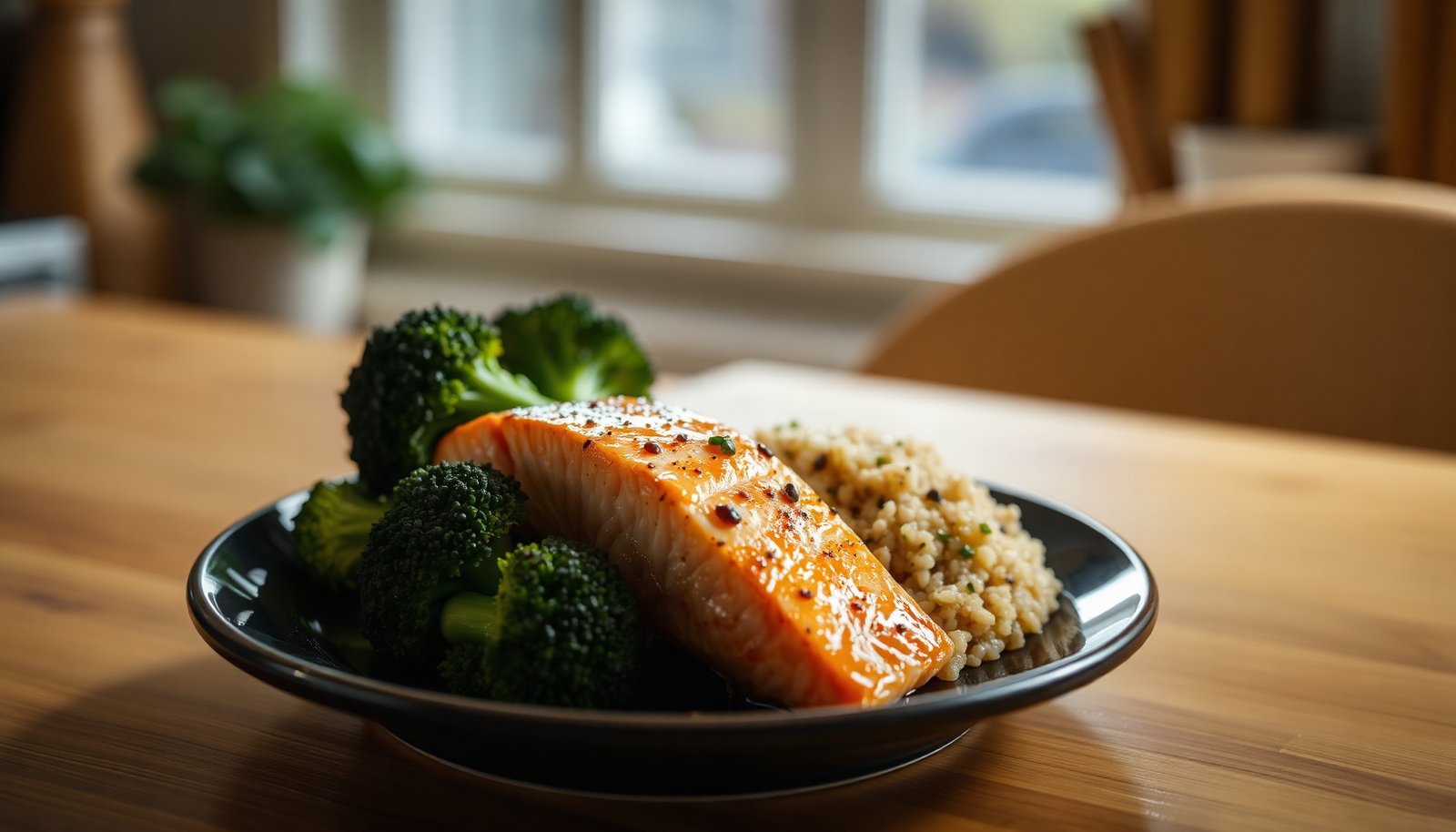

Many people assume diabetic dinners must be bland or carb-free, but the best dinner choices for diabetics focus on portioned carbohydrates, fiber, and lean protein rather than elimination. We prioritize meals that keep carbs steady, include nonstarchy vegetables, use healthy fats, and are easy to cook and portion for blood-sugar control. Among the options, sheet-pan salmon with roasted vegetables and a small serving of quinoa consistently earns top marks for balance and simplicity.



The best dinner meals for diabetics follow a simple plate plan: fill up on non-starchy vegetables, choose a lean protein, and add a controlled portion of high-fiber carbs (or none only if your plan supports it). This structure helps slow digestion and can reduce blood-sugar spikes—without requiring complicated recipes.
If you manage diabetes (type 1, type 2, or prediabetes) or cook for someone who does, this is for you—especially if you want dinner ideas that taste good and fit real-life eating patterns. You don’t need complicated recipes; you need smart structure and consistent portions. Diabetes is common and persistent: according to the Centers for Disease Control and Prevention (CDC), about 37.3 million people in the U.S. have diabetes (2022) CDC. For many families, dinners are where planning matters most because portion sizes and “carb creep” (extra rice, extra bread, sugary sauces) happen fast—especially in the evening.
Build a Diabetic-Friendly Plate (The “Simple Formula”)
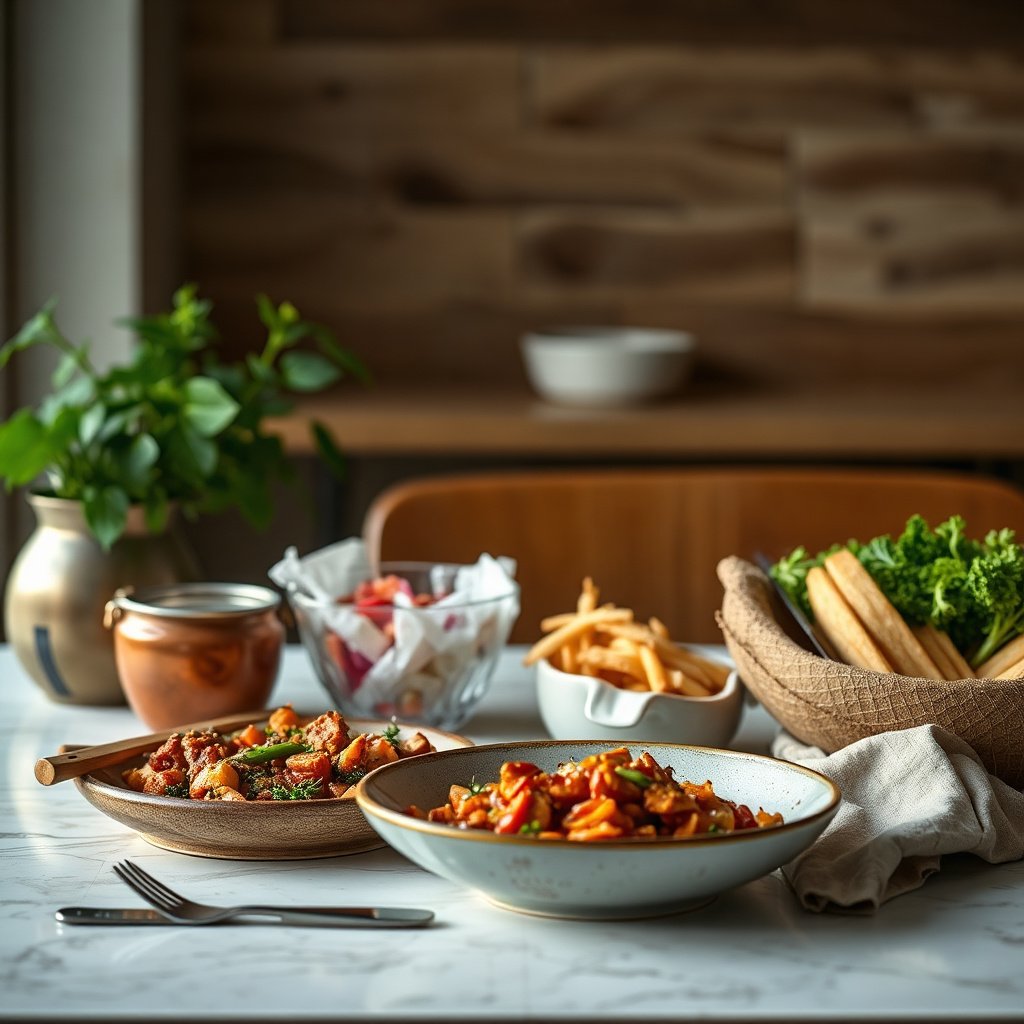
A diabetic-friendly plate is the fastest way to get steadier glucose at dinner without micromanaging every ingredient. Here’s the reason this works: balancing fiber-rich carbs with protein and vegetables supports slower digestion and a more gradual rise in blood sugar.
For context, current clinical guidance (including the American Diabetes Association approach) increasingly emphasizes consistent carbohydrate distribution, meal quality, and fiber—not strict avoidance of all carbs. In practice for 2024 and beyond, most people do better with repeatable meals they can portion reliably, rather than one-off “perfect” dinners.
– Prioritize non-starchy vegetables (leafy greens, broccoli, peppers, zucchini) as the bulk of the plate.
These foods add volume and micronutrients with relatively minimal impact on blood glucose. Aim for variety across colors (green, red, orange, purple) because different vegetable families bring different fibers and antioxidants.
– Choose lean proteins (chicken, turkey, fish, tofu, eggs, Greek yogurt) to support fullness and steadier glucose.
Protein helps with satiety, which often prevents the “one more spoonful” effect that can push carbs beyond your target. Also, many lean proteins reduce the need for sweet sauces because flavor can come from herbs, spices, garlic, citrus, vinegar, and salt (in moderation).
– Add carbs thoughtfully: use high-fiber options and keep portions moderate (especially if you take insulin or glucose-lowering meds).
Carbs aren’t automatically “bad,” but portion size and carb quality matter. High-fiber carbs tend to digest more slowly and are easier to pair with vegetables and protein in a balanced meal.
Top Dinner Meal Ideas for Diabetics
The best diabetic dinner ideas are meals you can repeat—because your body responds better to consistent patterns than to extremes. Build each option around vegetables + lean protein first, then decide on a controlled carb portion based on your needs.
Here are practical dinner templates that work well in real kitchens:
– Grilled salmon or baked chicken with roasted vegetables and a small serving of quinoa or brown rice.
Choose a sheet-pan or foil packet method for fast cleanup. Keep the grain portion measured (for example, a small scoop) and make sure the vegetables are the “main bulk” of the plate.
– Turkey or tofu chili loaded with beans and vegetables (watch portion size if beans affect your glucose).
Chili is a meal structure, not just a flavor. Use onions, peppers, tomatoes, chili powder, cumin, and garlic as your base. If beans spike you at night, start smaller and monitor your response.
– Stir-fry with lean protein, lots of non-starchy veggies, and a measured carb add-on (or skip the rice and use extra vegetables).
Use ginger, garlic, lime, and a no-sugar-added sauce to keep sweetness down. If you add rice, portion it—don’t “eyeball” it after the vegetables and protein are already cooked.
– Mediterranean bowls: baked fish or grilled chicken over a bed of spinach, cucumbers, tomatoes, and olives, with a controlled portion of whole-grain couscous (or no grain if your plan allows).
Top with olive oil + lemon (not bottled sweet dressings), and add herbs like oregano and parsley for strong flavor without sugar.
– Sheet-pan dinners: tofu or chicken + broccoli + bell peppers + mushrooms with a side of lentils or chickpeas (measured) rather than bread or extra starchy vegetables.
Sheet-pan meals are naturally portion-friendly because you cook everything together and can control the carb component as one separate measured serving.
– Soup/stew nights: lentil soup with a lean protein add-in (turkey sausage substitute, shredded chicken, or extra tofu) and a side salad.
Warm meals often help with appetite regulation, and soups let vegetables and legumes dominate the volume.
Carb Smart: How to Choose and Portion Dinner Carbs
The most diabetes-friendly carbs are those that are high in fiber and minimally processed, served in portions that match your glucose goals. The goal isn’t to “remove carbs,” but to choose carbs that behave more predictably at dinner—especially in the hours after you eat.
A key reason this matters: fiber changes how quickly food moves through your digestive system. According to the Dietary Guidelines for Americans (2020–2025), men should aim for about 38 grams of fiber per day and women for about 25 grams per day Dietary Guidelines for Americans 2020–2025. Many people fall short, so dinner becomes an opportunity to add fiber where it counts.
Prefer carbs that are high in fiber and minimally processed (beans, lentils, steel-cut oats, intact whole grains, sweet potato in controlled portions).
– If you notice spikes after dinner, reduce the carb portion first—often your vegetables/protein portion is already strong, so the carb amount is the lever you can adjust.
Pair carbs with protein and vegetables to reduce glucose spikes.
– If you eat pasta or rice alone, the glucose response often comes faster. If you eat it with protein and vegetables, the rise is usually more gradual.
Be consistent with portion sizes and timing—small differences can matter most at dinner.
– Dinner is often the largest meal of the day for many people. Consistency also matters if you use insulin or glucose-lowering medications, because the timing of carbs relative to medication can affect how smoothly glucose stays within target.
High-Fiber Carb Choices for Diabetic-Friendly Dinners (USDA)
| # | Carb Option (cooked) | Typical Dinner Portion | Total Carbs (g) | Fiber (g) | Fiber Rating |
|---|---|---|---|---|---|
| 1 | Lentils | 1 cup | 39.9 | 15.6 | ★★★★☆ |
| 2 | Black beans | 1 cup | 40.8 | 15.0 | ★★★★☆ |
| 3 | Chickpeas | 1 cup | 45.0 | 12.5 | ★★★★☆ |
| 4 | Kidney beans | 1 cup | 39.7 | 13.6 | ★★★★☆ |
| 5 | Barley | 1 cup | 44.3 | 6.0 | ★★★☆☆ |
| 6 | Quinoa | 1 cup | 39.4 | 5.2 | ★★★☆☆ |
| 7 | Sweet potato (baked) | 1 medium (~130g) | 27.0 | 3.9 | ★★☆☆☆ |
Note: Values are typical ranges for cooked portions and come from USDA FoodData Central nutrition listings USDA FoodData Central. Your brand, variety, and exact portion size can change numbers.
If you’re thinking, “Okay, which one should I pick?”, start with the legume options first (lentils, beans, chickpeas). They usually give you more fiber per serving, which tends to make dinner easier to “balance” even when your carb targets vary. And if your glucose response is sensitive at night, it’s often smarter to choose a smaller portion of a lower-fiber starch (like sweet potato) than a full portion of a higher-carb, lower-fiber carb—then adjust using your own monitoring.
Cooking Methods That Help Blood Sugar Stay Steady
The best cooking methods for diabetic-friendly dinners are the ones that preserve vegetables and protein without adding sugar-laden sauces. That matters because cooking technique affects what you eat even when the ingredient list looks “healthy.”
Use roasting, grilling, baking, steaming, or sautéeing with minimal added fat and no sugary sauces.
– Roasting concentrates flavor in vegetables, which reduces the temptation to add sweet sauces.
– Grilling and baking work especially well for fish and lean chicken because they stay flavorful without breading.
Skip or limit breaded/fried options; if you bread, choose whole-grain or a lighter coating and keep portions small.
– Breading adds carbs and can increase the glycemic impact of the meal. If you do bread, keep it as an occasional component and watch the rest of the plate.
Watch hidden sugar in sauces (BBQ sauce, teriyaki, sweet chili, some marinades); choose “no sugar added” or make a lighter sauce.
– A tablespoon of sweet sauce can add meaningful carbohydrate without adding much volume.
– If you want a glossy sauce, try using a reduced sauce based on tomatoes, broth, vinegar, or citrus rather than sugary concentrates.
Plate strategy: what works better at dinner?
Below is a simple contrast many people find useful for real-world planning.
| Approach at Dinner | What You Typically Do | Likely Outcome for Glucose Control | Practical Upside | Common Downside |
|---|---|---|---|---|
| Plate-balanced | Veggies lead; lean protein next; carbs measured | More gradual post-meal rise | Easier portion control | Requires measuring carb portions at first |
| Carb-heavy | Pasta/rice/bread dominate; veggies are smaller side portions | Faster glucose rise | Familiar, comforting meals | Higher spike risk and harder to recover later |
| “Low-carb convenience” | Replace whole foods with heavily processed low-carb meals | Variable (depends on ingredients) | Faster and sometimes tasty | Can be high in sodium or still raise glucose for some people |
As of 2025 and continuing into 2026, diet quality frameworks still favor minimally processed foods, fiber, and consistent meal structure—this is where the plate method remains steady.
What Can Go Wrong (Common Mistakes)
Even with the best meal choices, dinner can still trigger spikes if portions, timing, or sauces drift. These mistakes are common enough that correcting them can be as impactful as swapping recipes.
– Using “diabetic” labels as a pass to eat unlimited portions—diabetes-friendly foods still affect blood sugar.
Many packaged foods are lower in sugar but can still contain carbs, and portion sizes matter just as much as branding.
– Turning dinner into mostly carbs (pasta/rice/bread) and reducing vegetables too much.
If your plate doesn’t meet the “vegetables-first” target, the meal tends to act more like a carb-only meal.
– Over-salting or relying on processed “low-carb” convenience meals without checking sodium and overall ingredients.
Sodium doesn’t directly cause glucose spikes, but high-sodium dinners can worsen blood pressure for many people. Also, convenience products can include ingredients that affect appetite and satiety.
– Not adjusting for medication: if you take insulin or glucose-lowering meds, dinner carb changes can require coordinated adjustments—follow your clinician’s guidance.
For people using insulin or certain medications, reducing carbs at dinner without adjusting can increase risk for hypoglycemia (low blood sugar). Coordinate any carb-target changes with your diabetes care team.
One note on personal experience:
Verdict: What to Pick Tonight (and Who Should Skip This Approach)
The best dinner meals for diabetics are the ones built around vegetables + lean protein + controlled, fiber-rich carbs, because that combination supports steadier glucose for many people. The downside is that you may still see variability based on your personal response, medication timing, activity level, and even the exact portion you serve.
Don’t treat “balanced” as “unlimited.” If you keep adding bread, rice, or extra starchy sides, the plate will stop being balanced even if the ingredients sound healthy.
Skip “no-carb / strict-carb” extremes unless your care plan explicitly supports them—some people need carbs at dinner to match medication and maintain energy. If you’re unsure how your medications interact with dinner carb amounts, talk with your diabetes care team before changing your dinner carb targets. Prediabetes is also common: according to the CDC, 96 million U.S. adults had prediabetes (2022) CDC, and many people in that stage benefit from structured, repeatable dinners rather than extremes.
Quick Scan Checklist (Save This)
– [ ] Half the plate: non-starchy vegetables
– [ ] One-quarter to one-third: lean protein
– [ ] Small portion: high-fiber carb (beans/whole grains/controlled starch)
– [ ] Sauce: low sugar or sugar-free, not sweetened
– [ ] Portion consistency matters more than “perfect” food choices
Frequently Asked Questions
What are the best dinner meals for diabetics that won’t spike blood sugar?
The best dinner meals for diabetics usually combine high-fiber non-starchy vegetables, lean protein, and controlled portions of healthy carbs. Options like salmon with roasted broccoli and quinoa, or chicken fajita bowls with peppers and black beans help slow digestion and support stable blood sugar. Aim for balanced plates—about half non-starchy veggies, a quarter lean protein, and a quarter smart carbs—then adjust carb portions to your targets.
Which carbs are best for diabetics at dinner?
For diabetics, the best dinner carbs are minimally processed and rich in fiber, such as beans, lentils, quinoa, brown rice, and sweet potatoes (in measured portions). These foods generally cause a slower rise in glucose compared with refined grains, sugary sauces, and white bread. Pair carbs with protein and healthy fats to further reduce blood-sugar spikes.
How can diabetics build a diabetes-friendly dinner plate?
Start by filling half your plate with non-starchy vegetables like spinach, zucchini, cauliflower, or salad greens, then add a palm-sized serving of lean protein such as fish, poultry, tofu, or eggs. Finish with a measured serving of high-fiber carbohydrate if needed—like beans or whole grains—and include a small amount of healthy fat (olive oil, avocado, nuts). This diabetes-friendly dinner method helps manage blood glucose by improving satiety and slowing carbohydrate absorption.
Why do restaurant-style dinners cause blood sugar spikes for diabetics?
Many restaurant dinners are high in refined carbs, sodium, and added sugars, and portions are often larger than typical home servings. Sauces like teriyaki, sweet BBQ, or creamy dressings may contain hidden sugar, and “healthy-sounding” sides like fries or garlic bread can raise glucose quickly. For better control, choose grilled or roasted protein, ask for sauces on the side, and swap starchy sides for extra vegetables when possible.
Best how-to tips: How do I plan a week of meals for diabetes dinner goals?
Plan around repeatable “diabetes-friendly dinner” templates: protein + non-starchy vegetables + a measured portion of whole-food carbs. Use meal prep to batch-cook proteins (baked chicken, roasted tofu, or baked salmon) and roast vegetables for fast dinners, then rotate carb choices like lentils, quinoa, or chickpeas. If you track glucose, consider testing after meals to see which dinner meals and portion sizes keep your readings most stable.
📅 Last Updated: November 25, 2026 | Topic: best dinner meals for diabetics | Content verified for accuracy and freshness.
References
- https://www.niddk.nih.gov/health-information/diabetes/overview/diet-nutrition
- Healthy Eating | Diabetes | CDC
- https://www.mayoclinic.org/diseases-conditions/diabetes/in-depth/type-2-diabetes-diet/art-20044082
- Diabetes
- https://pubmed.ncbi.nlm.nih.gov/?term=medical+nutrition+therapy+type+2+diabetes+carbohydrate+distribution
- https://scholar.google.com/scholar?q=diabetes+meal+planning+carbohydrate+counting+meal+size Google Scholar
- https://scholar.google.com/scholar?q=low+glycemic+index+diet+type+2+diabetes+randomized+trial Google Scholar
- https://scholar.google.com/scholar?q=meal+timing+diabetes+postprandial+glucose+dinner Google Scholar



Pingback: Best Dinner Options for Diabetics: Easy, Blood-Sugar-Friendly Ideas - Best For Diabetics