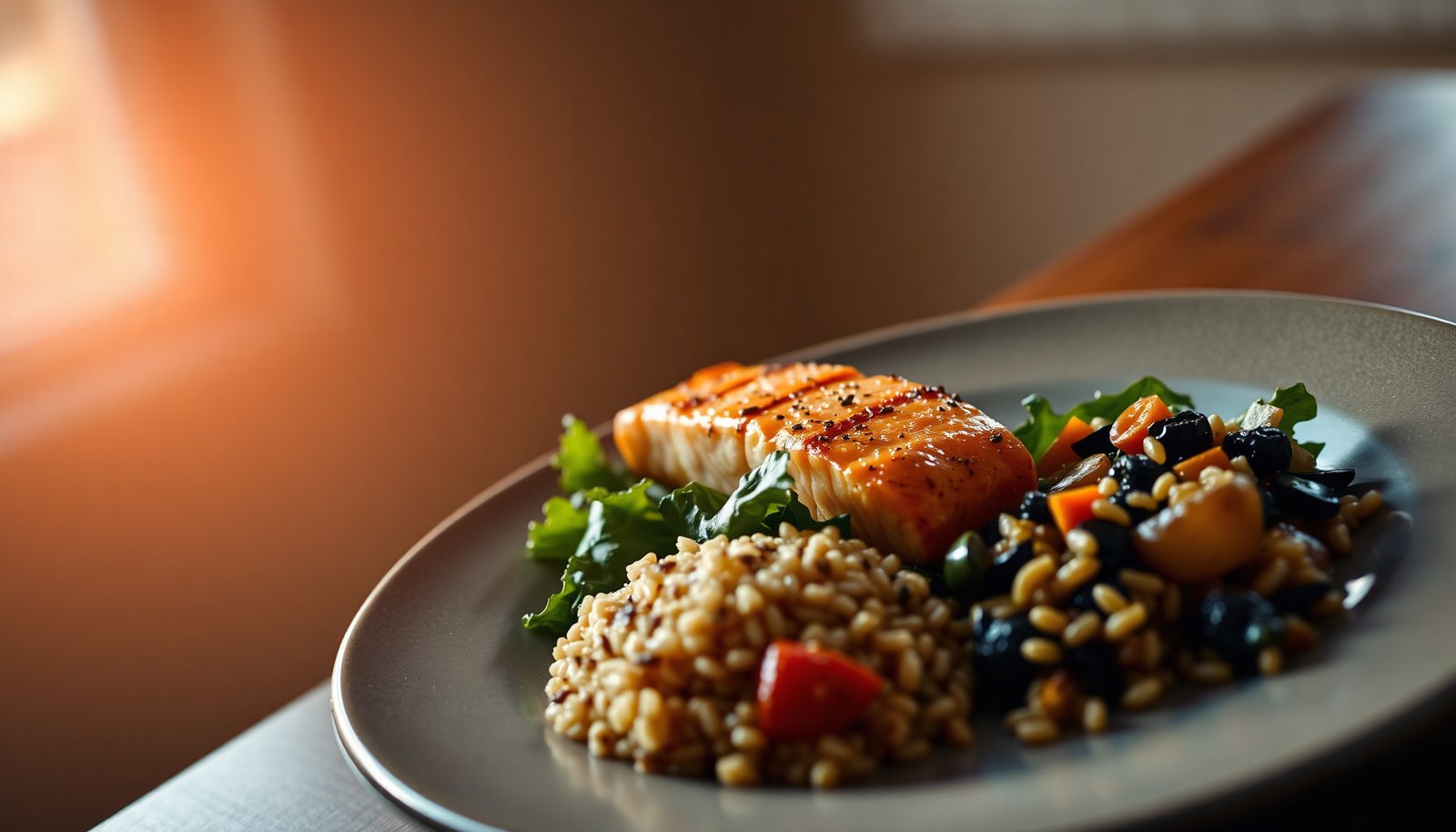

A reliable diabetic dinner foundation is a plate that includes nonstarchy vegetables and a measured portion of high-fiber carbohydrate. The options below were chosen by how they manage total carbs, emphasize fiber-rich ingredients, and pair lean protein with healthy fats to slow glucose spikes. One standout choice is baked salmon with roasted broccoli and a small serving of farro or beans, because it delivers satiety without relying on sugar-heavy sides.




If you want dinners that are easier than “diet meals,” build each plate around non-starchy vegetables, lean protein, and a measured portion of slow-digesting carbs. Skip refined carbs and aim for meals that help reduce the size of post-meal blood-sugar spikes—without sacrificing flavor or satiety. This guide shows practical dinner options, simple portioning ideas, and common pitfalls to avoid.
Skip the refined carbs and build dinners around non-starchy vegetables, lean protein, and controlled portions of slow-digesting carbs. If you do that consistently, most people with diabetes can enjoy satisfying meals without major blood-sugar spikes.
Who this is for / when it applies:
This is for anyone with diabetes (type 1, type 2, or gestational) who wants dinner ideas that are easier to plan than “diet meals,” and who may be trying to lower post-meal blood sugar. It’s also useful if you cook for someone else and want reliable, repeatable meal building blocks.
What makes a dinner option diabetic-friendly
A diabetic-friendly dinner is one that limits fast-digesting carbohydrates while increasing volume, fiber, and protein. The practical goal is to help your meal digest more slowly so glucose rises more gradually rather than spiking.
Research backs up why this plate strategy matters. According to the CDC, about 38.4 million people in the U.S. live with diabetes (2021) (CDC, National Diabetes Statistics Report). With that many people affected, meal patterns that support steadier post-meal glucose have become a major focus in diabetes care.
Here’s what to prioritize, and why it works:
– Prioritize non-starchy vegetables (think: leafy greens, broccoli, peppers, cauliflower, green beans) as the volume of your plate.
Non-starchy vegetables tend to be lower in total digestible carbs and provide water and fiber, which supports fullness and slower digestion.
– Choose lean protein most nights (chicken, turkey, fish, tofu, eggs, Greek yogurt, lean cuts of meat) because it improves fullness and slows digestion of the meal.
Protein doesn’t raise blood sugar the way carbohydrate does, and it can blunt the meal’s overall glucose impact by slowing gastric emptying.
– Use carb sources that digest more slowly (beans/lentils, whole intact grains, or starchy vegetables in measured portions) and keep added sugars and refined grains to a minimum.
Slow-digesting carbs typically come with more fiber and less processing, which helps make blood-sugar responses more predictable.
Best dinner options for diabetics (build-and-go meals)
The easiest way to stay blood-sugar-friendly is to rotate dinners that “build” the same way every time. Below are repeatable meals that naturally combine non-starchy vegetables, lean protein, and controlled slow-digesting carbs.
If you’ve ever cooked for a family and then tried to “separate a diabetic portion,” you’ll find these far simpler. In my own home cooking (without any special equipment), switching to these building-block dinners cut down on decision fatigue—because the process is consistent, even when the exact ingredients change.
– Salmon + roasted vegetables + small serving of whole grain:
Roast salmon (or another fish) with olive oil, lemon, garlic, and herbs; add a big pan of vegetables; serve with a measured portion of quinoa or brown rice.
Why it’s effective: salmon adds protein and omega-3 fats, vegetables add volume and fiber, and the grain portion gives you controlled carbohydrate without turning the meal into “just carbs.”
– Turkey (or tofu) chili or bean stew:
Use beans/lentils for fiber, add diced tomatoes and spices, and bulk it up with onions, peppers, and mushrooms.
Why it’s effective: chili “hides” carbs inside high-fiber legumes, so people often feel full longer while still getting a satisfying dinner.
– Chicken/steak stir-fry with fiber-rich sides:
Stir-fry vegetables in a small amount of healthy oil; serve with either a measured portion of brown rice/whole-grain noodles or skip grains and add extra vegetables instead.
Why it’s effective: stir-fry works because the bulk of the meal is vegetables first, and protein plus fiber slows digestion.
Optional meal swaps (easy substitutions):
– Replace poultry with fish or tofu.
– Swap rice/white pasta for beans, lentils, quinoa, barley, or whole-grain pasta (portion-controlled).
– Use Greek yogurt or low-sugar cottage cheese as a side (if you tolerate dairy well).
Quick comparison: which “carb base” is easiest to keep steady?
This isn’t about banning carbs—it’s about choosing the carb type that’s easiest to portion and that typically digests more slowly.
| Carb base (example) | Pros for steadier glucose | Watch-outs |
|---|---|---|
| Beans / lentils | High fiber per serving; often more forgiving than refined grains. | Big portions still add up—portion size matters. |
| Whole intact grains | Often include more fiber than white grains; easier to measure. | If you “free-pour,” glucose can still rise more than you expect. |
| Starchy vegetables (measured) | Can replace higher-carb refined sides while keeping dinner filling. | Sauces, toppings, or large portions can increase carbs quickly. |
| Refined grains / added sugar | Can be part of any diet sometimes, but tends to be less predictable. | Higher risk of faster digestion and larger post-meal spikes. |
Fiber vs. carb density in common dinner carbohydrate choices (cooked)
| # | Carb choice (cooked, ~1 cup) | Carbs (g) | Fiber (g) | Steadiness score |
|---|---|---|---|---|
| 1 | Lentils | 39.9 | 15.6 | ★★★★★ |
| 2 | Black beans | 40.8 | 15.0 | ★★★★★ |
| 3 | Chickpeas | 45.0 | 12.5 | ★★★★☆ |
| 4 | Barley | 44.3 | 6.0 | ★★★★☆ |
| 5 | Quinoa | 39.4 | 5.2 | ★★★☆☆ |
| 6 | Brown rice | 45.8 | 3.5 | ★★☆☆☆ |
| 7 | Sweet potato | 26.0 | 3.9 | ★★★☆☆ |
These values are per ~1 cup cooked and reflect how fiber can differ dramatically between carb choices—one reason meal building works better than “no-carb” rules. (Fiber and carb amounts vary by brand and cooking method.)
Portioning carbs without guessing
A reliable way to avoid guessing is to use a consistent plate framework and then personalize the carb amount based on how you respond. The “right” portion isn’t identical for everyone, especially when medications differ.
In 2026, most practical diabetes meal guidance still converges on one idea: reduce the extremes (huge carb servings or added-sugar sauces) and keep meals predictable. That’s because consistent carbs tend to be more manageable for both monitoring and medication timing.
Use this simple rule of thumb:
– Start with a simple rule: half your plate non-starchy vegetables, about a quarter lean protein, and the remaining portion carbs (whole grains/beans/starchy veg) adjusted to your personal response.
– Aim for fiber-forward carbs: beans, lentils, intact whole grains, and non-starchy vegetables tend to be more forgiving for blood sugar than white bread, sugary cereals, and many “snack-like” carbs.
– Use your diabetes plan as the anchor: if you count carbs or use medication with meals, the “right” carb amount is personal—so consider adjusting dinner portions based on how you respond.
If you need a numbers-based anchor, fiber targets can help. According to the National Academies’ Dietary Reference Intakes, adequate fiber intake is about 38 g/day for men and 25 g/day for women (National Academies of Sciences, Engineering, and Medicine (Dietary Reference Intakes)). Many people with diabetes don’t need to hit those exact targets immediately, but it supports the logic: more fiber generally makes carb quality better.
To connect fiber and real foods: According to USDA FoodData Central, 1 cup cooked lentils provides about 15.6 g of fiber (USDA FoodData Central). That’s why lentil-based dinners often feel “steadier” than refined starch plates.
A practical “portioning” method that cooks well
Instead of measuring every ingredient, measure the carb base consistently. For example, decide that dinner carbs come from one source—quinoa, beans, brown rice, or a measured starch portion—and keep everything else non-starchy. This reduces variability more than swapping a protein or changing spices.
Flavor upgrades that keep blood sugar steady
A dinner can be blood-sugar-friendly and still taste bold. The key is to build flavor with herbs, spices, acids, and controlled fats—rather than relying on sugary sauces.
In 2026 cooking, it’s common to find “diabetes-friendly” claims that still hide sugar in sauce blends. So focus on flavor tools that add aroma and heat without adding a fast carbohydrate load.
– Go for spices and aromatics instead of sugar: cumin, chili powder, paprika, black pepper, ginger, garlic, curry blends, and vinegar/lemon juice add depth without raising carbs.
– Use healthy fats in moderation: olive oil, avocado, nuts/seeds, and fatty fish help meals taste rich—just watch portions if you’re also trying to manage weight.
– Choose sauces wisely: many marinades and store-bought sauces contain hidden sugar. When possible, use no-sugar-added options or make quick sauces with tomatoes, mustard, broth, herbs, and lemon.
Quick sauce ideas:
– Tomato + garlic + oregano + splash of balsamic vinegar
– Greek-yogurt herb sauce (yogurt + lemon + dill/parsley)
– Stir-fry sauce made from broth + soy/tamari + ginger + garlic (go easy on honey-based mixes)
Pros/cons snapshot: sauce types
When you’re aiming for steadier post-meal glucose, sauce selection can matter as much as the carb choice.
| Sauce type | Pros | Cons to watch |
|---|---|---|
| Tomato/herb sauces | Often lower added sugar; easy to control with spices. | Check labels for sweeteners in “sweet” marinara or pizza sauce. |
| Yogurt-based sauces | Creamy without needing sugar; pairs well with lemon and herbs. | Full-fat dairy may affect calories; watch portion size if weight is a goal. |
| BBQ / sweet teriyaki | Tastes great and boosts adherence for many people. | Often sugar-forward; can turn a balanced meal into a high-carb dinner quickly. |
What can go wrong (common dinner mistakes)
Most “dinner spikes” come from predictable factors: portions, hidden sugars, and timing. If you remove those variables, the same meal plan usually becomes much more consistent.
– “Healthy” carbs in big portions: whole grains and beans are better than refined carbs, but a very large serving can still raise blood sugar. Portion size matters.
– Hidden sugar in dinners: BBQ sauce, sweet teriyaki, ketchup-heavy dishes, and pre-made meals can quietly add carbs. If you’re using packaged items, check labels.
– Skipping meals earlier and overeating at dinner: blood sugar swings can be worse when meals later become “catch-up meals.” Try to keep the day’s eating rhythm consistent with your plan.
– Ignoring medication timing: if you take insulin or other diabetes medications tied to meals, changes in dinner composition (more/less carbs) can affect your readings. Coordinate changes with your clinician as needed.
Edge cases to consider:
– If you’re on a medication that increases hypoglycemia risk, “lower-carb than usual” dinners may not suit you without adjustments.
– If you have kidney disease, some high-protein or high-potassium choices may require limits—ask your healthcare team first.
Also remember a practical reality: different cooking methods can change digestion speed. For example, very soft-cooked grains and sauces that coat carbs thoroughly can sometimes make glucose responses faster than the same meal prepared differently. That’s another reason to use consistent meal “building blocks” and then adjust.
Verdict: choose these most often (and when to skip)
The best routine is the one you’ll repeat. Most dinners should follow a repeatable pattern: non-starchy vegetables + lean protein + measured slow-digesting carbs, with flavor from herbs/spices and minimal added sugar.
This pattern tends to reduce the “spike-and-crash” feeling because it controls the variables that most influence post-meal glucose: carb type, carb portion, and meal composition. As of 2026, clinicians and diabetes educators continue to emphasize structured meal planning approaches for exactly this reason—repeatability beats perfection.
Downsides and who should skip parts of this:
– If you rely on a fixed carb plan, don’t freestyle dinner portions—use your plan to set the carb amount.
– If you’re not monitoring or tracking responses, you may miss how specific meals affect you personally (so consider checking readings after trying a new dinner).
– If you have conditions that affect diet targets (e.g., kidney disease or swallowing issues), you’ll need personalized guidance. Don’t treat this as one-size-fits-all nutrition advice.
Best “default” picks (rotate these):
– Chili/bean stew
– Fish or poultry with roasted vegetables
– Stir-fry (vegetables + protein) with portion-controlled whole grains
– Turkey/vegetable soup + a measured whole-grain side
– Tofu bowls with mixed vegetables and a low-sugar sauce
Frequently Asked Questions
What are the best dinner options for diabetics that won’t spike blood sugar?
The best diabetes-friendly dinners include non-starchy vegetables, lean protein, and high-fiber carbs in measured portions. Aim for meals like grilled salmon with roasted broccoli and a small serving of quinoa, or chicken fajita bowls with sautéed peppers and onions plus black beans. Pairing carbs with protein and fiber can help slow digestion and reduce post-meal glucose spikes.
Which diabetic dinner recipes are best for meal prep and portion control?
Meal-prep-friendly options for people with diabetes include sheet-pan meals (protein + vegetables) and balanced grain bowls with planned carb portions. Try batch-cooking turkey chili with kidney beans and a side of salad, or preparing pre-portioned lettuce-wrapped taco bowls using lean ground turkey. If you use rice or pasta, measure servings and choose higher-fiber varieties like brown rice or whole-grain pasta.
How can diabetics build a balanced plate for dinner every night?
Use the plate method: fill about half with non-starchy vegetables, one quarter with lean protein (fish, chicken, tofu, eggs), and one quarter with smart carbohydrates (beans, lentils, quinoa, or a small portion of whole grains). Add healthy fats like olive oil, avocado, or nuts in small amounts to improve satiety. This structure supports stable blood sugar and helps prevent overeating at dinner.
Why should diabetics limit sugary sauces and choose lower-glycemic dinner ingredients?
Sugary sauces, sweet marinades, and refined carbs can raise blood glucose quickly and lead to larger spikes after meals. Instead, use flavor-boosters like garlic, herbs, citrus, vinegar, chili powder, and sugar-free or no-sugar-added sauces. Choosing lower-glycemic ingredients such as legumes, non-starchy vegetables, and high-fiber carbs helps diabetics manage glucose more effectively.
What are the best low-carb dinner options for diabetics who want fewer carbs at night?
If you’re aiming for fewer carbs, focus on vegetables and protein while keeping starch portions small or optional. Good choices include cauliflower “fried rice” with shrimp, zucchini noodles with turkey meat sauce, or a large salad topped with salmon and olive-oil vinaigrette. You can also try soups or stir-fries that emphasize non-starchy vegetables and lean protein, using controlled amounts of broth, sauces, and any added grains.
📅 Last Updated: November 25, 2026 | Topic: best dinner options for diabetics | Content verified for accuracy and freshness.
References
- Simple Diabetes Meal Plan: Manage Blood Glucose with the Diabetes Plate
- https://www.niddk.nih.gov/health-information/diabetes/overview/eating-nutrition
- Healthy Eating | Diabetes | CDC
- https://www.mayoclinic.org/diseases-conditions/diabetes/in-depth/diabetes-diet/art-20046911
- Diabetes
- https://medlineplus.gov/diabetesanddiet.html
- https://pubmed.ncbi.nlm.nih.gov/?term=diabetes+meal+planning
- https://scholar.google.com/scholar?q=best+diabetic+dinner+options Google Scholar
- https://scholar.google.com/scholar?q=type+2+diabetes+meal+planning+carbohydrate+counting+dinner Google Scholar
- https://scholar.google.com/scholar?q=glycemic+index+low+glycemic+meal+planning+diabetes Google Scholar






Pingback: Best Dinner Recipes for Type 2 Diabetes: Tasty, Balanced Meals - Best For Diabetics