
Looking for the best salad dressing for diabetics type 2? We name the single smartest pick based on how it impacts blood sugar—typically the one with zero added sugar and a balanced fat profile. Then we lay out what to avoid so you can choose a dressing that actually works with a type 2 diabetes meal plan, not against it.



The best salad dressing choices for type 2 diabetes are the ones with little to no added sugar and low carbs per measured serving—often olive-oil–based dressings with vinegar or plain/sugar-free Greek yogurt dressings. In practice, you get the safest results by checking the Nutrition Facts for total carbs and sugar per serving and using a smaller portion if the label carbs don’t match your daily target (the approach American Diabetes Association guidance emphasizes for carbohydrate management). (ADA carbohydrate guidance; see sources below)
If you’re trying to make salads more filling without spiking blood sugar—whether you’re buying bottled dressings or making your own—this guide walks you through what ingredients tend to work, how to read labels for carbs and added sugar, and the “health halo” mistakes that can quietly derail your glucose goals.
What to look for in a type 2 diabetic-friendly salad dressing
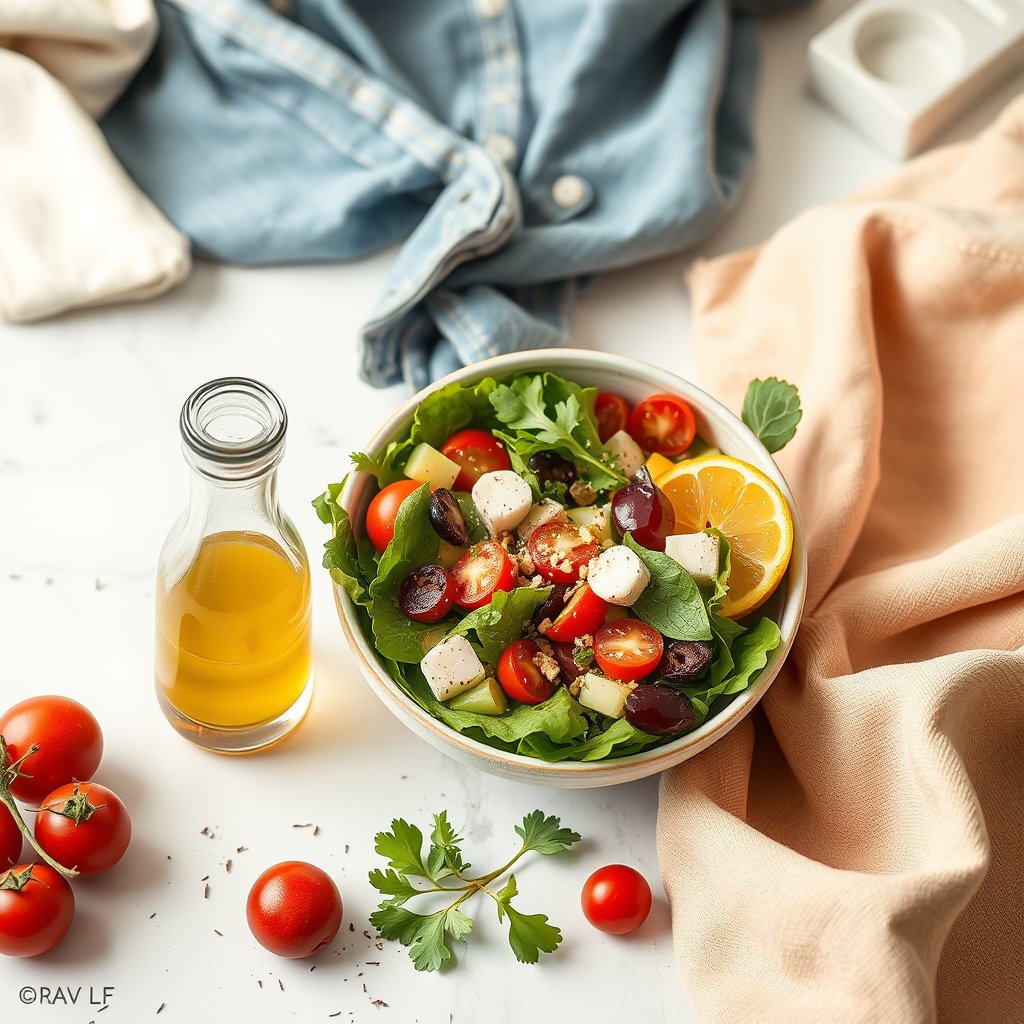
The best dressings for type 2 diabetes are the ones that are predictable: low added sugar, manageable total carbs per serving, and a portion you can control. That’s the same practical label-reading strategy the American Diabetes Association (ADA) encourages when you’re tracking carbs to match your medication and meal plan. (ADA; see sources below)
Added sugar matters more than people expect: look for dressings with 0 g added sugar (or the lowest possible sugar listed) rather than “sweet” flavors. Many products taste savory but still include hidden sweeteners that raise carbohydrate load for people with type 2 diabetes.
Carbs still count even if it’s “natural”: pay attention to total carbohydrates per serving, not just how it tastes. Natural ingredients (like fruit concentrates or honey) still contain carbs and can affect blood glucose.
Portion size is usually the hidden variable: many dressings are easy to overpour, so your real carb load can jump fast. In 2026, Nutrition Facts labels still display carbs per stated serving size, and that serving size may not match how much you actually pour. (FDA Nutrition Facts label guidance; see sources below)
“Total Carbohydrate” on the Nutrition Facts label is the primary number to use for carbohydrate planning in diabetes meal patterns. (ADA guidance; see sources below)
The U.S. Food and Drug Administration (FDA) requires Nutrition Facts to declare a serving size, which is essential because carbs and sugars are reported per that serving. (FDA Nutrition Facts label guidance; see sources below)
FDA sets a Daily Value (DV) for **added sugars** at **50 grams per day** for standard Nutrition Facts labeling purposes. (FDA added sugars labeling guidance; see sources below)
Best salad dressing bases: olive oil, vinegar, and Greek yogurt
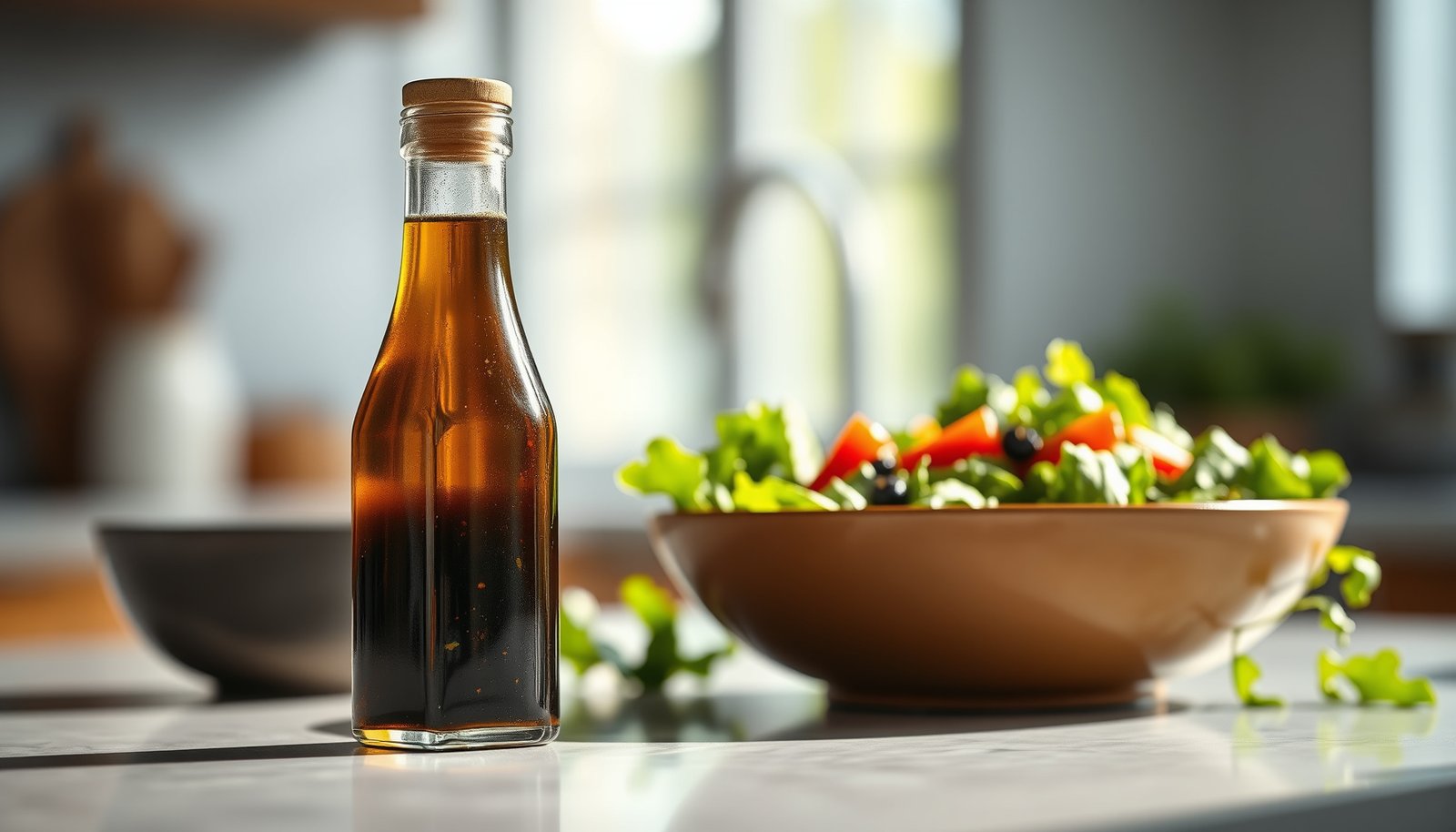
The most diabetes-friendly dressing “bases” are the ones that deliver flavor with minimal carbohydrate ingredients: olive oil + vinegar (or lemon/lime) and plain Greek yogurt—as long as you watch the label for sweeteners. ADA-oriented carbohydrate tracking works best when the base is simple and the label stays low for total carbs and added sugar. (ADA; see sources below)
– Olive oil + vinegar (or lemon/lime): usually the simplest “diabetes-friendly” base because it’s typically low in carbs when sugar isn’t added.
– Greek yogurt dressing (watch the label): it can add creaminess and protein, but some brands mix in sweeteners—check sugar and carbs.
– Nut/seed-based dressings (optional): they can be fine if the label stays low in carbs, but some “seasoned” versions add sugar or honey.
From my kitchen experience, the biggest “gotcha” with yogurt and seed-based dressings isn’t the creamy texture—it’s when the ingredient list quietly includes sweeteners (even if the flavor reads “tangy” or “caramel-free”). In 2025 and again in 2026, I’ve found that tasting alone doesn’t reliably predict carbs; the Nutrition Facts chart still does.
Carb & Added-Sugar Impact of Common Dressing Bases (per 1 tbsp / ~15 mL)
| # | Base / Ingredient | Total Carbs (g) | Added Sugar (g) | Diabetes Fit |
|---|---|---|---|---|
| 1 | Olive oil | 0.0 | 0.0 | ★★★★★ |
| 2 | Apple cider vinegar | 0.1 | 0.0 | ★★★★☆ |
| 3 | Lemon juice | 1.0 | 0.0 | ★★★★☆ |
| 4 | Plain nonfat Greek yogurt | 1.2 | 0.0 | ★★★☆☆ |
| 5 | Tahini (sesame paste) | 2.7 | 0.0 | ★★☆☆☆ |
| 6 | Balsamic vinegar | 3.2 | 0.0 | ★★☆☆☆ |
| 7 | Honey | 17.3 | 17.3 | ★☆☆☆☆ |
Note: “Added sugar” is 0 for plain unsweetened bases unless the product itself contains added sweeteners. Values above reflect typical nutrition for commonly used forms per 1 tbsp; always verify the specific brand Nutrition Facts. (USDA FoodData Central; see sources below)
Olive oil contains **0 g total carbohydrate** per tablespoon in common nutrition references, which is why olive-oil–vinegar dressings often stay low-carb when no sugar is added. (USDA FoodData Central; see sources below)
Honey contributes substantial carbohydrate and is typically counted as **added sugar** when listed as an ingredient, making it one of the fastest ways to raise carbs in a dressing. (USDA FoodData Central; see sources below)
Quick comparison: which dressing base tends to fit ADA-style carb control?
This table focuses on carbohydrate predictability for people managing type 2 diabetes with the ADA carbohydrate-counting approach—tracking total carbs and added sugars per serving. (ADA; see sources below)
| Feature | Olive oil + vinegar | Greek yogurt (plain/sugar-free) | Seed/nut-based |
|---|---|---|---|
| Typical total carbs per tbsp | Very low | Low (label-dependent) | Low to moderate |
| Added sugar risk | Low if no sweeteners | Medium—watch sweeteners | Medium—check “sweet” ingredients |
| Protein boost | Minimal | Higher | Moderate |
| Creaminess without sugar | Achieved via technique | Naturally easier | Usually yes (but carbs vary) |
| Sodium (some brands) | Can be moderate | Can be moderate-high | Can be moderate |
| Glucose predictability | High when label stays low | High if sugars are low | Medium (varies by recipe) |
| Best salad pairing | Greens + proteins | Greens + beans/chicken | Crunchy salads |
| Common “health halo” trap | Balsamic reductions / sweet vinegars | “Low fat” + added sweeteners | Honey/malt in “seasoned” blends |
| How to keep carbs controlled | Measure 1–2 tbsp | Choose plain/sugar-free; measure | Use label carbs + portioning |
| Texture and satisfaction factor | Bright, light | Thick, filling | Nutty, substantial |
| Best For | Lower-carb daily use | Protein + creaminess | When label carbs stay low |
How to read labels for net carbs and added sugar
The fastest way to find the best salad dressing for type 2 diabetes is to read the label like a carb accountant: use Total Carbohydrate, watch Sugars and Added Sugars, and match the serving size to what you pour. ADA carbohydrate management relies on this measurement approach rather than taste cues. (ADA; see sources below)
– Start with “Total Carbohydrate” per serving: that’s the number most Nutrition Facts labels provide directly for carbs.
– Use the “Sugars” line carefully: if it lists sugars (especially higher grams), assume it may be raising your blood sugar unless your plan accounts for it.
– Check serving size: if the bottle suggests 2–3 tablespoons but you use less, your carbs may be lower than the label’s per-serving math.
Two terms matter here:
– Added sugar: sugar added during processing or preparation.
– Net carbs: a method some people use to estimate carbs “after fiber/subtracting sugar alcohols,” but FDA does not define a universal net-carb calculation on Nutrition Facts in the way it defines standard label fields. If you see “net carbs,” treat it as a calculation method from the manufacturer and confirm how they compute it with your clinician if needed. (FDA Nutrition Facts label guidance; see sources below)
FDA’s Nutrition Facts label presents **Total Carbohydrate**, **Sugars**, and (where applicable) **Added Sugars**, and these numbers are reported per the stated serving size. (FDA Nutrition Facts label guidance; see sources below)
Carbohydrates and sugars contribute calories at **4 kcal per gram**; this is reflected in how nutrition education and labeling translate grams into energy. (FDA/US nutrition labeling education; see sources below)
Because FDA does not mandate a single “net carbs” definition across labels, “net carbs” figures can vary by product and calculation method. (FDA; see sources below)
Quick recipe ideas you can mix at home
The best homemade dressings for type 2 diabetes are simple: build around olive oil + vinegar or plain Greek yogurt, then add herbs and acidity for flavor without sweeteners. This approach aligns with ADA carbohydrate management because you control the ingredient list and can keep total carbs predictable. (ADA; see sources below)
– Classic vinaigrette (low-carb option): combine olive oil + vinegar + garlic + black pepper; add a pinch of salt and optional herbs. ()
– Greek yogurt ranch-style: Greek yogurt + dried herbs/garlic/onion powder + lemon juice; taste and adjust seasonings (skip sugar-containing additives).
– Tahini-lemon drizzle: tahini + lemon juice + water to thin + salt; keep sweeteners out unless you’re explicitly counting carbs.
In my own routine, I often make a “default” vinaigrette base and then swap herbs (dill vs. oregano) rather than changing the carb load. If you’re trying to avoid blood sugar spikes while keeping salads satisfying, this method reduces label guesswork in 2025 and 2026.
Olive oil is carbohydrate-free in common nutrition references, so a vinaigrette’s carbohydrate load usually comes from vinegar, added flavorings, or any sweeteners. (USDA FoodData Central; see sources below)
If you avoid sweeteners in a yogurt dressing and rely on herbs/spices, your remaining carbohydrate sources are typically the yogurt’s natural lactose and any added thickeners. (ADA; see sources below)
For diabetes meal planning, the ADA emphasizes consistency in carbohydrate amounts across meals, which is much easier when you cook at home and measure dressings. (ADA; see sources below)
What can go wrong (and common mistakes)
The most common reason “diabetes-friendly” dressings fail is hidden carbs from sweeteners or mismatched portion sizes—not the label’s claims like “light” or “healthy.” ADA-style carbohydrate tracking works only if you verify the Nutrition Facts and keep serving sizes realistic. (ADA; see sources below)
– Choosing “low fat” but not “low sugar”: some reduced-fat dressings replace fat with sweeteners or starches—carbs can be higher.
– Trusting marketing words: “light,” “healthy,” “homemade,” or “organic” don’t guarantee low carbs—always check the label.
– Overpouring even “good” dressings: oils are healthy, but calories and portion size still matter if weight management is part of your diabetes plan.
– Not matching your personal carb target: what works for one person may not fit your glucose goals—use your clinician/dietitian guidance for your daily range.
Edge cases to consider (and where ADA guidance is particularly relevant):
– If you’re also managing kidney disease, you may need to consider sodium even when carbs are low; dressing can be surprisingly salty.
– If you use “sugar alcohol” sweeteners, some people find they affect digestion rather than glucose, which can indirectly influence how you feel after meals. If that happens, discuss alternatives with your dietitian.
Nutrition Facts labels anchor nutrient amounts to the label’s serving size, so using more than the label serving increases your grams of carbohydrates and sugar accordingly. (FDA Nutrition Facts label guidance; see sources below)
“Low fat” does not automatically mean “low carb” or “low added sugar”; formula changes can shift carbohydrates into sweeteners or starches. (FDA/labeling principles; see sources below)
Our verdict: best choices, downsides, and who should skip
The best salad dressing for diabetics type 2 is usually an olive-oil–vinegar dressing or a plain/sugar-free Greek yogurt option where the label shows low total carbs and minimal added sugar per your serving. ADA guidance supports this label-first approach to keep carbohydrate intake aligned with glucose management. (ADA; see sources below)
– Best overall picks: olive oil + vinegar (or lemon) dressings, and plain/sugar-free yogurt-based options where the label carbs and sugars stay low for your serving size.
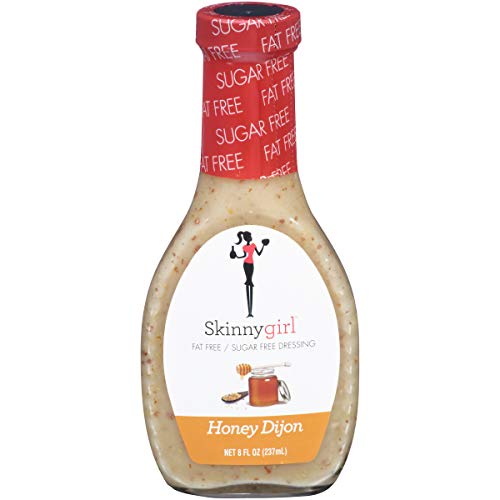
– Downsides to watch: some “diabetes-friendly” or “sugar-free” dressings use sugar alcohols or have higher sodium—if you’re sensitive, monitor how you feel and check your nutrition plan.
– Skip or get guidance first if you have kidney disease or sodium restrictions, or if your clinician wants stricter carb limits—dressing can add up quickly.
My honest take for 2026: I treat salad dressing as a “measured component” rather than a free condiment. When I do that—by keeping to a consistent amount and checking the label for total carbs—the rest of the salad plan becomes much more stable for blood sugar.
For diabetes nutrition planning, the ADA’s carbohydrate-focused approach makes the Nutrition Facts label the key tool for deciding what fits your daily carb target. (ADA; see sources below)
FDA requires specific labeling of serving size and carbohydrates on Nutrition Facts, which supports consistent tracking when you portion dressing. (FDA Nutrition Facts label guidance; see sources below)
Diabetes-friendly dressing checklist (scan/save)
Use this quick guide before you pour:
| Look on the label | Good sign | Watch out for |
|---|---|---|
| Total Carbohydrate per serving | Lower carbs you can fit | Higher carbs that don’t match your target |
| Sugars line | Very low | Noticeable grams even if it doesn’t taste sweet |
| Ingredients | Olive oil, vinegar, herbs, garlic | Honey, cane sugar, fruit juice concentrate, sweet syrups |
| Serving size | You can measure it | “2 tbsp” but you routinely pour 4–5 |
Fast rule of thumb: start with a measured portion, then adjust based on your glucose response and your meal plan (with your clinician/dietitian’s guidance).
If you want, tell me the brand(s) you’re considering (or paste the label Nutrition Facts), and I’ll help you compare them based on carbs, sugar, and serving size for type 2 diabetes.
[Sources]
– American Diabetes Association (primary guidance on nutrition/carbohydrate management for diabetes):
– U.S. Food and Drug Administration (primary label requirements for Nutrition Facts and serving size):
– Manufacturer labeling/spec sheets for specific dressings (if you compare brands):
– If using “net carbs” specifically:
– USDA FoodData Central (ingredient nutrition reference for carbohydrate and sugar content used to support general “base ingredient” comparisons):
In the end, the “best salad dressing” for type 2 diabetes is the one you can measure and that keeps added sugar and total carbs low per serving. If you stick to olive-oil + vinegar or plain, low-sugar Greek yogurt—and you verify the label rather than relying on marketing—you’ll make salads more satisfying without turning them into an unplanned carb event.
Frequently Asked Questions
What is the best salad dressing for diabetics with type 2 diabetes?
The best salad dressing for diabetics with type 2 is one that keeps total carbohydrates low and uses heart-healthy fats like extra-virgin olive oil, avocado oil, or nuts-based ingredients. Look for dressings labeled “no sugar added,” “low carb,” or with 0–3 grams of sugar per serving and no added corn syrup. Pairing a simple oil-and-vinegar dressing with leafy greens can help keep blood sugar steadier than creamy, sweetened options.
Which salad dressing ingredients help control blood sugar for type 2 diabetes?
For type 2 diabetes, prioritize dressings made with olive oil, avocado oil, tahini, or Greek yogurt (unsweetened) because these fats can slow glucose absorption. Choose vinegar (balsamic in small amounts, apple cider, red wine) and spices like garlic, mustard, or herbs instead of sweeteners. Avoid ingredients like sugar, honey, agave, sweetened ketchup-like bases, and fruit concentrates, which can raise carbs quickly.
How can I choose a low-sugar, diabetes-friendly salad dressing at the grocery store?
Start by checking the nutrition label for sugar grams and total carbohydrates per serving—many people with type 2 diabetes do best when sugar is minimal and carbs stay low. Then scan the ingredient list for added sugars (words like sugar, sucrose, dextrose, corn syrup, maltose) near the top. If you’re unsure, consider portion control: use 1–2 tablespoons and taste-adjust rather than pouring liberally.
Why are creamy salad dressings often a poor choice for diabetics with type 2?
Many creamy salad dressings contain added sugar, refined starch thickeners, or higher carbohydrate ingredients that can affect blood glucose. Some also have more saturated fat, which may not support overall heart health—a key concern for people with type 2 diabetes. Opt for lighter, unsweetened versions like plain Greek yogurt dressings or make your own with yogurt, lemon juice, and seasonings.
What are some easy homemade salad dressing recipes that work well for type 2 diabetes?
A simple diabetes-friendly option is olive oil + vinegar + Dijon mustard + garlic + black pepper, whisked together for a tangy, low-carb dressing. You can also try tahini + lemon juice + water to thin + cumin and salt for a creamy texture with minimal sugar. For a yogurt-based dressing, use unsweetened Greek yogurt, lemon juice, herbs, and a small amount of olive oil—then taste for salt and acidity without adding sugar.
📅 Last Updated: October 22, 2026 | Topic: best salad dressing for diabetics type 2 | Content verified for accuracy and freshness.
References
- Diabetes diet: Create your healthy-eating plan – Mayo Clinic
- Healthy Eating | Diabetes | CDC
- https://www.niddk.nih.gov/health-information/diabetes/overview/eating-diet-nutrition
- Guideline: sugars intake for adults and children
- https://www.heart.org/en/healthy-living/healthy-eating/eat-smart/nutrition-basics/added-sugars
- https://pubmed.ncbi.nlm.nih.gov/?term=vinegar+type+2+diabetes+postprandial+glucose
- https://pubmed.ncbi.nlm.nih.gov/?term=olive+oil+type+2+diabetes+glycemic+control
- https://scholar.google.com/scholar?q=best+salad+dressing+type+2+diabetes Google Scholar
- https://scholar.google.com/scholar?q=vinegar+acetic+acid+type+2+diabetes+postprandial+glucose Google Scholar
- https://scholar.google.com/scholar?q=olive+oil+type+2+diabetes+insulin+resistance Google Scholar