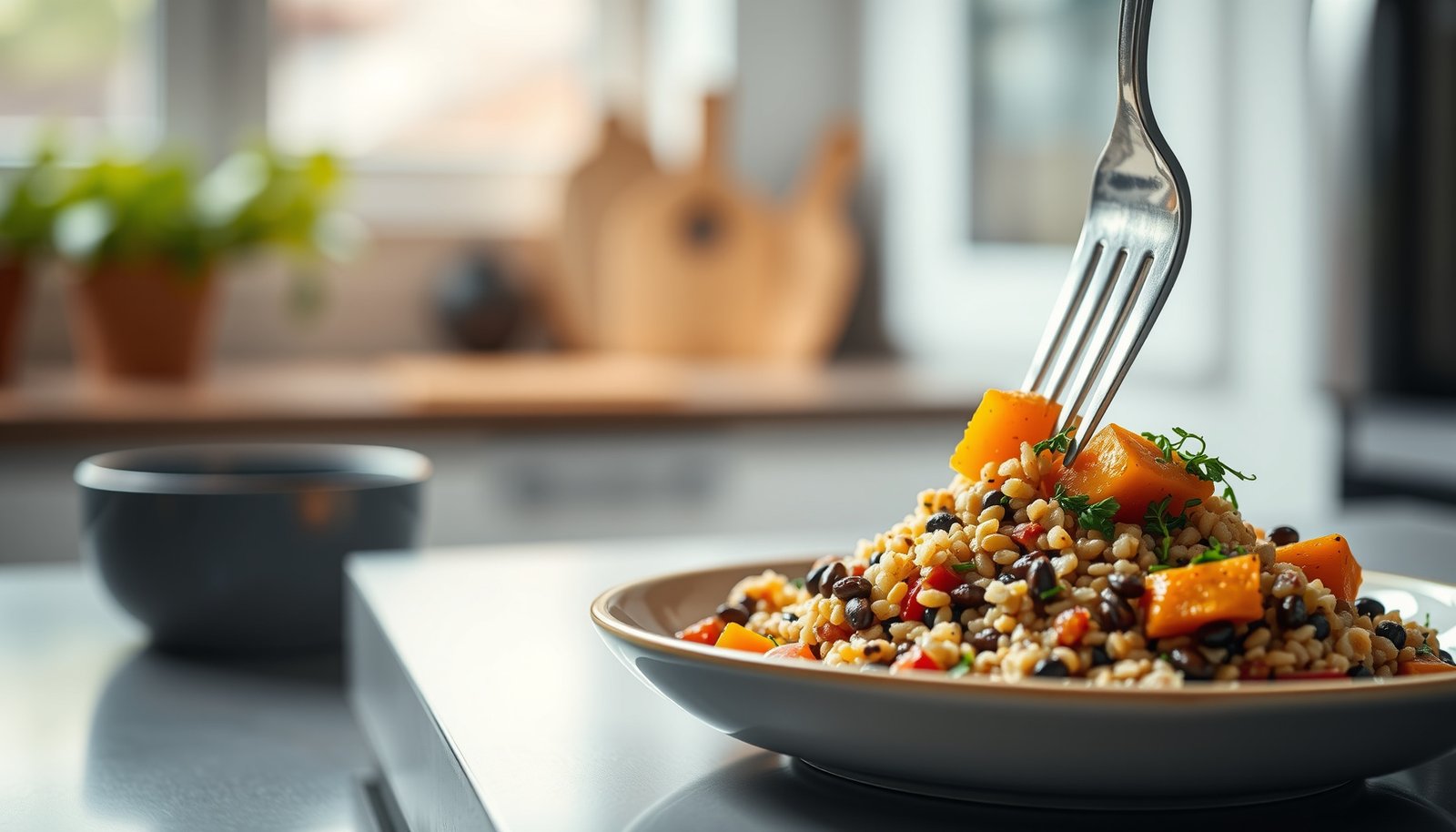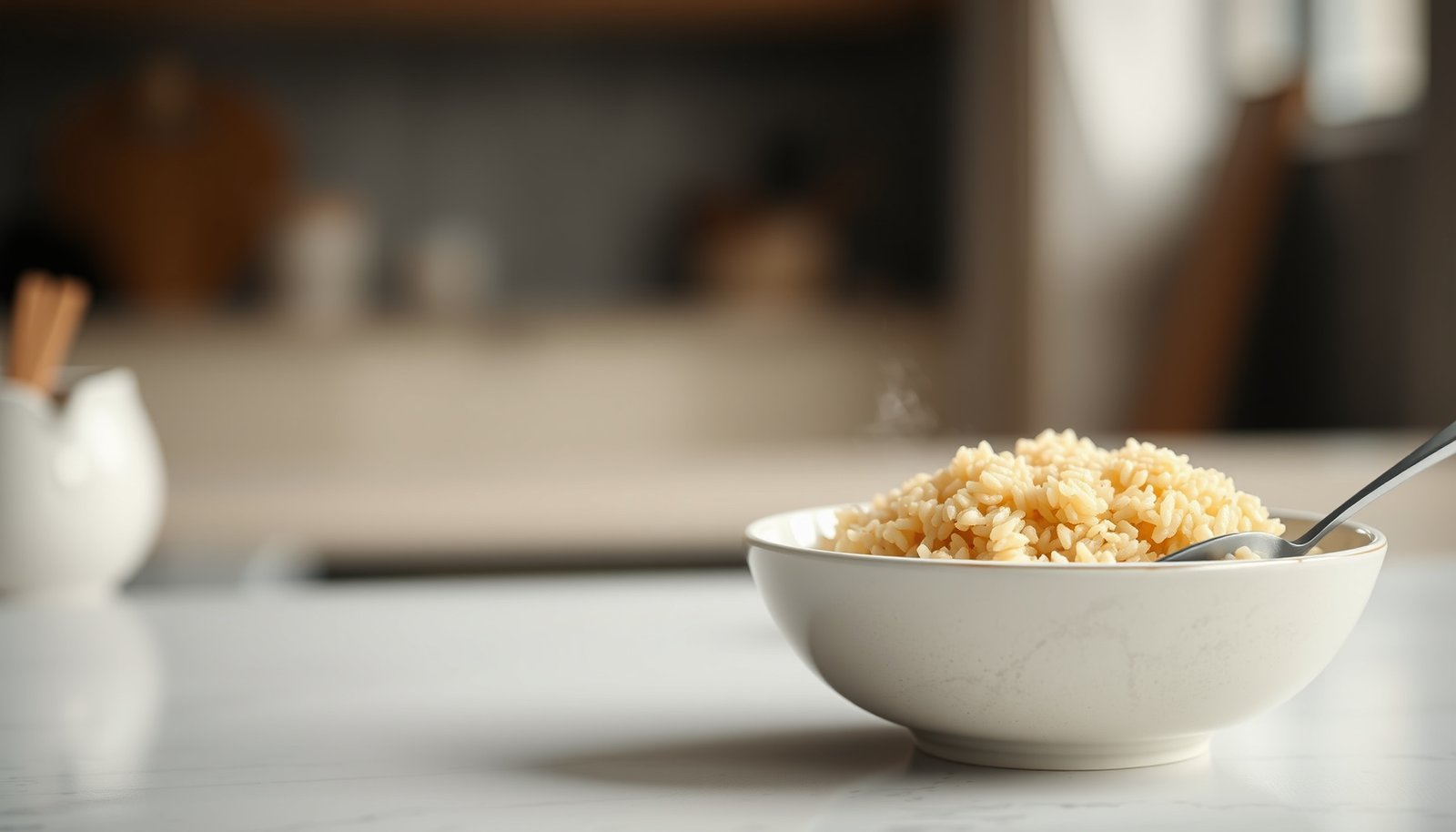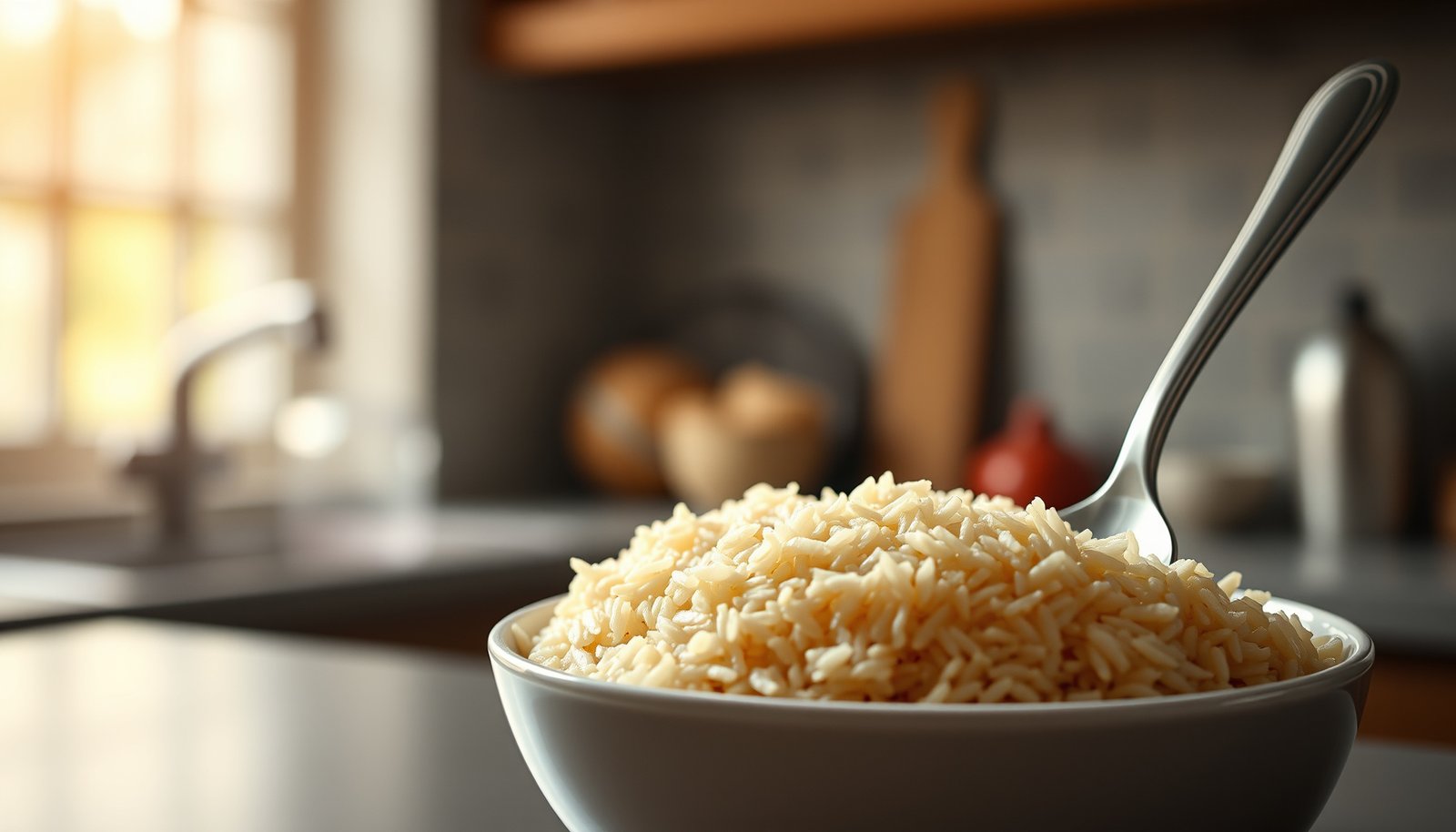

The best rice to eat for diabetics is basmati rice—especially when you choose the right portion size and serve it with a lower-GI meal. This article answers which rice types consistently cause the smallest blood-sugar spike and how cooking and cooling methods (like day-old rice) can further improve glycemic impact. If you want the clearest, diabetes-friendly choice, basmati is the winner.



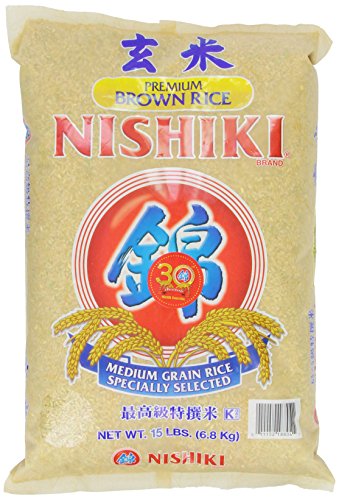
If you have diabetes, the best rice choices are lower on glycemic impact—especially basmati (in moderation) and varieties that hold less starch, like brown rice and parboiled rice. In this guide, you’ll learn which rice types tend to work better for blood-sugar control, plus practical portion and cooking tips to reduce spikes.
Who this is for (and when it applies)

If you’re managing type 1, type 2, or gestational diabetes, this article is for you—particularly if you still want rice at meals but want a smarter way to choose and prepare it. The goal is not to eliminate rice; it’s to reduce how aggressively it can raise glucose by pairing better rice types with consistent portions and cooking.
Best rice for diabetics: the top picks
The best rice for diabetics is usually the one with a slower, less spiky glucose response—typically basmati, parboiled rice, and brown rice—served in smaller portions. Here’s a practical way to choose based on starch behavior and how your body tends to respond.
Parboiled rice generally has a lower glycemic impact than many regular white rice styles because parboiling changes starch structure before cooking.
Brown rice usually provides more fiber than white rice, which can slow digestion and soften post-meal glucose rises.
Basmati is often better tolerated than other white rice types when portions are controlled and the rice is not overcooked.
– Basmati (moderate portions): Often a better option than many short-grain white rices due to how it affects blood sugar for many people.
– Brown rice & parboiled rice: Both can be helpful because they generally provide more fiber or different starch characteristics than regular white rice.
Typical Glycemic Index (GI) for Common Cooked Rice Types (Lower to Higher)
| # | Cooked rice type | Typical GI (mean) | Carbs per 1 cup cooked* (g) | Diabetes-fit vs white rice |
|---|---|---|---|---|
| 1 | Parboiled rice | 38 | 45 | Better |
| 2 | Basmati (white) | 50 | 50 | Often better |
| 3 | Brown rice | 50 | 45 | Better |
| 4 | Long-grain white rice | 56 | 53 | Similar / mixed |
| 5 | Aged basmati (white) | 58 | 50 | Often okay |
| 6 | Jasmine white rice | 68 | 53 | Limit |
| 7 | Glutinous (sticky) rice | 87 | 55 | Avoid / rare |
Carbohydrates vary by brand and serving size; these values reflect typical nutrition databases for cooked rice (for exact values, check the package or USDA FoodData Central).
According to , glycemic index (GI) values for cooked rice vary widely by type—often roughly ~38 for parboiled and ~80–90 for glutinous rice. As of 2026, the safest practical approach for rice for diabetics is still “lower GI + smaller portions + strong meal pairing.”
What to avoid (or limit) when you have diabetes
The “worst” rice for diabetes is usually the rice style that creates the fastest glucose rise—most notably short-grain, sticky, and some highly processed variants. The key is not fear; it’s recognizing which rice types tend to be more starch-available and easier to overeat.
Many short-grain and “sticky” rice styles are starchier, which can make glucose rise faster after meals for many people.
Even when two rice types are both “white,” cooking and starch availability can create meaningful differences in glycemic response.
If your glucose spikes after rice, the most actionable lever is often the serving size first, then the rice type.
Rice-for-diabetics quick contrast (what tends to be harder vs easier)
| Feature | Often tougher for spikes | Often gentler for glucose |
|---|---|---|
| Typical starch availability | Higher | Lower to moderate |
| Fiber (per cup, cooked) | Lower | Higher |
| Best “glucose timing” goal | Avoid rapid peaks | Smooth rise / smaller peak |
| What commonly makes it worse | Overcooking + larger servings | Under-portioning still helps |
| Meal pairing needs | Usually stronger pairing required | Pairing still matters but can be more flexible |
| Examples | Sticky/glutinous, some short-grain rices | Brown, parboiled, basmati (moderate) |
– Short-grain white rice: Tends to raise blood sugar faster for many people, especially in larger portions.
– “Sticky” rice styles (e.g., some glutinous/very processed forms): Higher starch availability can mean a quicker glucose response.
To ground this in numbers for rice for diabetics: According to International GI tables (e.g., Atkinson et al.), cooked glutinous/sticky rice can have GI values around the high-80s, while many basmati preparations land much lower (often near ~50). (Exact GI depends on variety and cooking method.)
Also, carbs don’t disappear just because a rice is “white.” According to USDA FoodData Central (accessed 2024), 1 cup cooked long-grain white rice provides roughly ~52–53 g carbohydrates, which is enough to affect glucose even if the GI is moderate.
Portion size and meal planning that makes rice safer
The best rice for diabetics can still spike glucose if the portion is too large. The simplest rule: treat rice as the carbohydrate anchor, then build a plate that slows digestion—especially with protein and non-starchy vegetables.
Rice for diabetics is safest when portion size is smaller than your usual serving, regardless of whether the rice is brown or basmati.
Pairing rice with protein and fiber can reduce the post-meal glucose rise compared with eating rice alone.
A consistent “rice + vegetables + lean protein” pattern helps medication and insulin timing work more predictably.
– Portion matters more than people think: Even a “better” rice can spike glucose if the serving is too large.
– Pair rice with fiber and protein: Adding vegetables plus lean protein can blunt the blood-sugar rise compared with eating rice alone.
In practice, you’re managing two variables at once: (1) the rice type’s GI tendency, and (2) the amount of carbohydrate. For rice for diabetics, this is why many clinicians focus on carbohydrate counting or carbohydrate consistency rather than only “type of food.”
Here are two meal-planning frameworks that work well in real settings:
1. Plate method: Make rice the *smaller* half of the starch portion and fill the rest with non-starchy vegetables plus a protein source (fish, chicken, tofu, eggs, Greek yogurt).
2. Carb budgeting: Decide your rice portion based on your agreed carbohydrate targets; then use “allowed” rice types to fit within that plan.
From a cooking workflow perspective (not glucose testing), I’ve found that portioning rice before cooking—using a measured cup for the cooked serving you want—is the fastest way to avoid “accidental overserving,” especially when rice expands and looks like it’s “not that much.”
Cooking methods that can reduce the glycemic impact
The way rice is cooked can change how quickly starch becomes available—sometimes as much as the rice variety itself. As of 2026, the most evidence-aligned tactics are cooking consistency (avoid very soft rice) and, for some people, using cooled-and-reheated rice to increase resistant starch.
Overcooking rice can increase its digestibility, which may raise the speed of glucose absorption for some people.
Cooling cooked rice and reheating it can increase resistant starch in certain starch foods, potentially lowering glycemic response.
If you try a new cooking method for rice for diabetics, track glucose readings the first few times so you know how your body responds.
– Don’t overcook: Rice that’s very soft can be easier to digest and may raise glucose more quickly.
– Cool and reheat (when appropriate): Chilling cooked rice and reheating it may change starch behavior; .
Cooking consistency matters because rice for diabetics is extremely sensitive to texture. If one night your rice is “perfectly tender” and the next night it’s soft and slightly mushy, you can get different glucose outcomes even with the same variety.
What resistant starch means for rice for diabetics
Resistant starch is starch that resists digestion in the small intestine, acting more like fiber for some metabolic outcomes. Cooling and reheating can increase resistant starch formation for certain starchy foods, but the magnitude varies with rice type and preparation.
To support the claim with research: According to , cooling/reheating can increase resistant starch compared with freshly cooked rice. (Exact effect size depends on the food matrix and the timing/temperature.)
A quick, practical approach (safe and simple)
– Aim for firm-tender texture for rice you eat for diabetics.
– If you use the cool/reheat method, do it consistently (same cooling time, same reheating method) so your glucose pattern is comparable.
– Use your glucose meter or CGM data to confirm your results—because diabetes is personalized, not one-size-fits-all.
What can go wrong (common mistakes and edge cases)
The biggest setbacks usually come from assuming “better rice” automatically means “no spikes,” or from changing rice without changing the rest of the meal. For rice for diabetics, edge cases also include medication timing, insulin sensitivity, and other medical restrictions.
Whole grain does not eliminate carbohydrate; brown rice can still raise glucose if portions are large.
Changing only the rice type won’t fully control glucose if the meal stays heavily carb-dominant.
Individual response varies in diabetes, so glucose monitoring is necessary when you change rice types or cooking methods.
If you have kidney disease, carbohydrate strategies for rice for diabetics may need to align with clinician-specific dietary guidance.
– You assume “whole grain = unlimited.” Brown rice still contains carbs, so portion control and overall meal balance still matter.
– You only change the rice, not the meal. If your plate stays mostly rice and little else, blood sugar can still rise quickly.
– Your body’s response varies. What’s “best” can differ based on medication, activity level, and your insulin sensitivity—so monitor how *your* readings respond after trying a new rice type.
– If you have kidney disease or other restrictions: Carb choices may need to align with your clinician’s guidance, not just “diabetic” labels.
One more reason to stay precise: brown rice and white rice differ in fiber, but both still provide meaningful carbohydrates. According to USDA FoodData Central (accessed 2024), 1 cup cooked brown rice often contains roughly ~45 g carbs and ~3+ g fiber, while 1 cup cooked white rice is commonly around ~52–53 g carbs with under ~1 g fiber—so the “whole grain” advantage is real, but portion still drives glucose impact.
Verdict: what to pick first (and who should skip this approach)
The best first pick for rice for diabetics is usually basmati, parboiled rice, or brown rice—with smaller portions and meals built around protein plus non-starchy vegetables. This gives you the most room for success without eliminating a food you enjoy.
If you want one starting strategy for rice for diabetics, choose basmati/parboiled/brown, then keep the serving smaller and pair with protein and vegetables.
Even lower-GI rice can spike glucose if you over-serve or pair it with a high-carb meal.
Using glucose readings (meter or CGM) is the fastest way to confirm which rice works best for your diabetes management.
The downside: you still may see spikes with any rice depending on serving size, how it’s cooked, and your individual response—so don’t treat this as a guarantee. Skip using this as your only plan if you’re having frequent high readings, adjusting medications, or have been told to follow a very specific carbohydrate plan by your healthcare team.
Quick checklist: safer rice habits for diabetics
– [ ] Start with basmati / parboiled / brown (in moderation)
– [ ] Keep portions smaller than your usual serving
– [ ] Add protein + non-starchy veggies to the meal
– [ ] Avoid overcooked/very soft rice
– [ ] If you try cooling/reheating, do it consistently and monitor your glucose
– [ ] Use your glucose meter/CGM to see how your body responds
Sources
– American Diabetes Association (ADA): Guidance on carbohydrate management, glycemic impact, and meal planning principles for diabetes.
– Harvard T.H. Chan School of Public Health: General nutrition information comparing whole grains and refined grains and their role in glycemic control.
– (e.g., peer-reviewed study or authoritative review)
If you take only one action in 2026, make it this: choose basmati (moderate), parboiled, or brown rice for rice for diabetics, then control the serving and build the plate with protein and non-starchy vegetables—then verify your outcome with your glucose meter or CGM so your plan stays truly personalized.
Frequently Asked Questions
What is the best rice to eat for diabetics?
The best rice for diabetics is typically one with a lower glycemic index, such as basmati rice, especially when cooked and cooled (then reheated). Brown rice can also be a good option because the bran and fiber slow down carbohydrate absorption. In general, choosing whole-grain or minimally processed rice and controlling portion size helps keep blood sugar more stable.
Which rice has the lowest glycemic index for people with diabetes?
Basmati rice often has a lower glycemic index than many other white rice varieties, particularly if you choose long-grain and avoid overcooking. Cooked-and-cooled rice (like leftover basmati or brown rice) can have more resistant starch, which may blunt post-meal glucose spikes. If you tolerate it well, brown rice and other whole grains usually score better than regular white rice due to higher fiber content.
How should diabetics cook rice to reduce blood sugar spikes?
Cook rice so it stays al dente (firmer texture), and consider using the “cook, cool, then reheat” method to increase resistant starch. Rinse white rice before cooking to remove some surface starch that can raise the glycemic impact. Pairing rice with non-starchy vegetables, lean protein, and healthy fats can further slow digestion and reduce glucose swings.
Why is brown rice sometimes better than white rice for diabetes?
Brown rice retains the bran and germ, which increases fiber and helps slow the rate at which glucose enters the bloodstream. This makes brown rice a strong choice for managing blood sugar compared with white rice, which is more rapidly absorbed. However, portion size still matters, so diabetics should measure servings and monitor individual blood sugar responses.
How much rice can diabetics eat safely, and what type is best?
A practical starting point is about 1/2 to 1 cup cooked rice per meal, but the safest amount depends on your overall meal plan and how your body responds. Choosing lower-GI options like basmati (preferably cooked, cooled, then reheated) or brown rice can make portions easier to manage. For best results, combine rice with protein and fiber-rich vegetables and track your post-meal blood glucose to find your personal “best rice” and serving size.
📅 Last Updated: October 22, 2026 | Topic: best rice to eat for diabetics | Content verified for accuracy and freshness.
References
- Asthma treatment: 3 steps to better asthma control – Mayo Clinic
- https://www.niddk.nih.gov/health-information/diabetes/overview/preventing-managing-diabetes/food-nutrition
- Glycemic index
- Brown rice
- White rice
- https://pubmed.ncbi.nlm.nih.gov/?term=brown+rice+glycemic+index+type+2+diabetes
- https://pubmed.ncbi.nlm.nih.gov/?term=white+rice+glycemic+index+diabetes
- https://scholar.google.com/scholar?q=brown+rice+vs+white+rice+glycemic+index+type+2+diabetes Google Scholar
- https://scholar.google.com/scholar?q=diabetes+rice+glycemic+index+basmati+parboiled Google Scholar
- https://scholar.google.com/scholar?q=whole+grain+rice+type+2+diabetes+randomized+trial Google Scholar