
Looking for the best snack before bed for diabetics to keep blood sugar steady through the night? For most people, the clear winner is a protein-forward, low-glycemic option—think plain Greek yogurt or a small serving of cottage cheese—because it slows glucose spikes without triggering a late-night crash. Read on for the specific choices to fit common diabetes scenarios and the “avoid” list that can raise overnight readings.




A good bedtime snack for diabetics is one that’s small, low in rapidly absorbed carbs, and includes protein (sometimes with a little healthy fat) to help prevent overnight blood-sugar swings. If you tend to run low at night (often with insulin or certain diabetes meds), the “best” snack may be different—your clinician’s plan should guide it. In this guide, you’ll get practical snack ideas and how to pick the right one for your situation.
If you have diabetes and you’re trying to avoid waking up high (or low) after dinner, this is for you. It also helps if you’re doing carbohydrate counting, or you’ve noticed your glucose trends change during the night.
What makes a “best” snack before bed for diabetics?
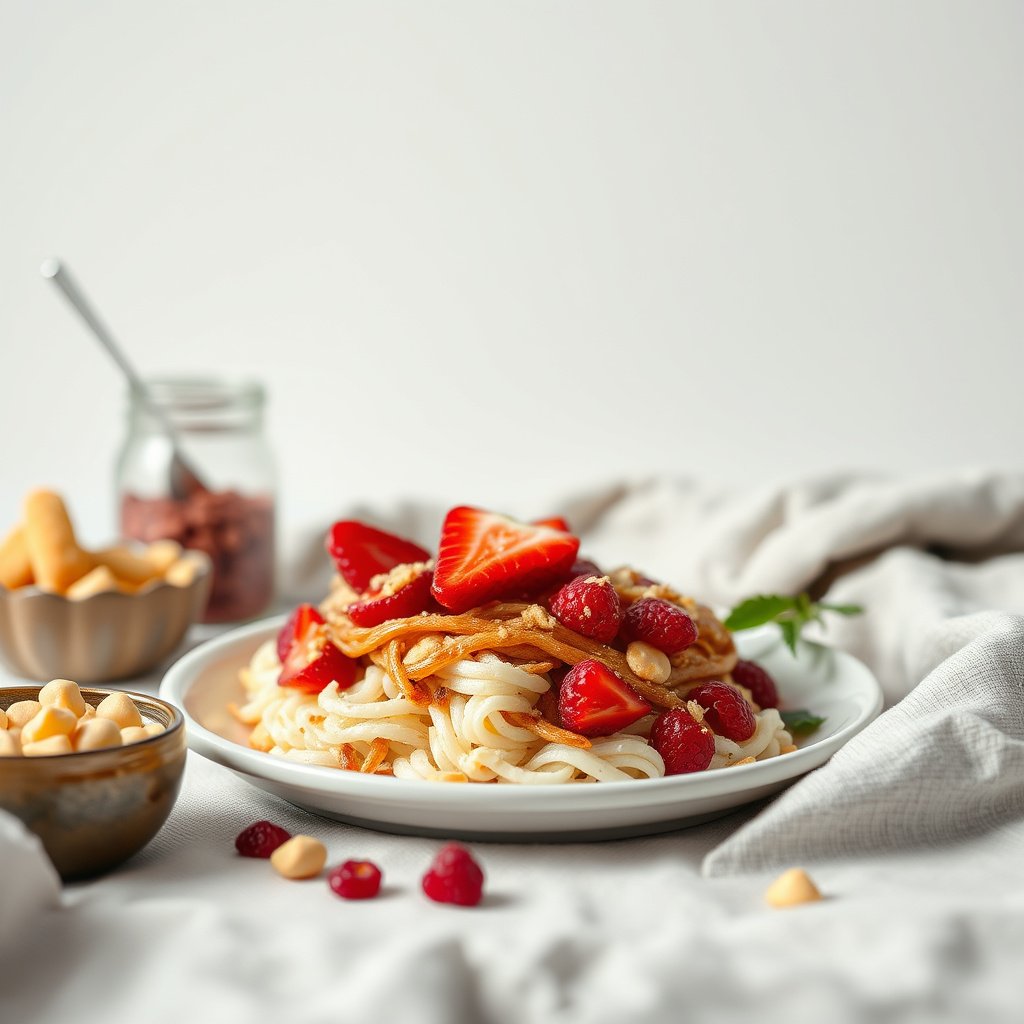
The best snack before bed for diabetics supports overnight stability by slowing glucose absorption and adding protein to reduce swings. As of 2026, most diabetes nutrition guidance still centers on matching your snack to your actual overnight pattern—especially if you use insulin or other glucose-lowering medications.
A “best” bedtime snack isn’t one universal food. It’s a strategy that blends food choice + portion size + timing with your body’s overnight physiology and your treatment plan (insulin, sulfonylureas, metformin, GLP-1 RAs, SGLT2 inhibitors, and so on).
Hypoglycemia is commonly defined as a blood glucose level below 70 mg/dL in diabetes education materials from the National Institute of Diabetes and Digestive and Kidney Diseases (NIDDK).
Nighttime glucose management depends on both meal composition and medications, which is why diabetes clinicians typically tailor bedtime snack guidance to a patient’s glucose trends.
Pairing carbs with protein or fat is a common nutrition strategy intended to blunt rapid glucose rises after eating.
The core “mechanics” behind stable overnight glucose
Here’s why certain bedtime snacks tend to work better for many people with diabetes:
– Aim for steadier blood sugar: choose snacks with protein and/or healthy fats rather than mostly sugar or refined carbs.
– Keep portions modest: “small” matters because even healthy carbs can add up overnight.
– Match the goal to your pattern: bedtime snacks can be used to *prevent lows* or *reduce highs*, and the choice should reflect which problem you’re seeing.
A useful anchor for planning is that carbohydrates raise blood glucose, while protein and fat generally slow digestion, which can reduce the speed of glucose entry into the bloodstream. That’s especially relevant overnight, when activity is low and your liver’s glucose output has a bigger influence.
What “small” usually means in practice
For many bedtime snacks, “small” is less about a universal number and more about not turning your snack into a second meal. In carbohydrate counting, that often means keeping bedtime carbs tightly controlled relative to your total daily plan. If you don’t count carbs, you can still apply the principle by choosing single-serving, measured portions rather than “a handful” or “whatever is left in the bowl.”
Quick reality check: “best” depends on your meds
If you take insulin (especially longer-acting plus mealtime insulin) or a medication class that can cause lows (for example, sulfonylureas), the “best snack” may be the one your clinician selected to protect you during sleep—not the one that optimizes only post-dinner highs.
According to , hypoglycemia is typically defined as blood glucose below 70 mg/dL ().
According to , diabetes care emphasizes individualized nutrition and medication planning based on glycemic patterns ().
According to , carbohydrate provides 4 calories per gram ().
Best snack ideas (diabetes-friendly, bedtime-appropriate)
For most diabetics trying to avoid waking up high after dinner, the best bedtime snacks are protein-forward and portion-controlled, often with a small amount of fat. If your main issue is overnight low blood sugar, your “best” snack may include additional carbs—your clinician’s plan should set that target.
Protein-forward snacks (such as plain Greek yogurt or cottage cheese) are often used at bedtime because they add protein without large amounts of rapidly absorbed sugar.
Nut portions and seeds (like almonds, walnuts, chia, and flax) provide fat and fiber, which can slow digestion compared with refined carbohydrates.
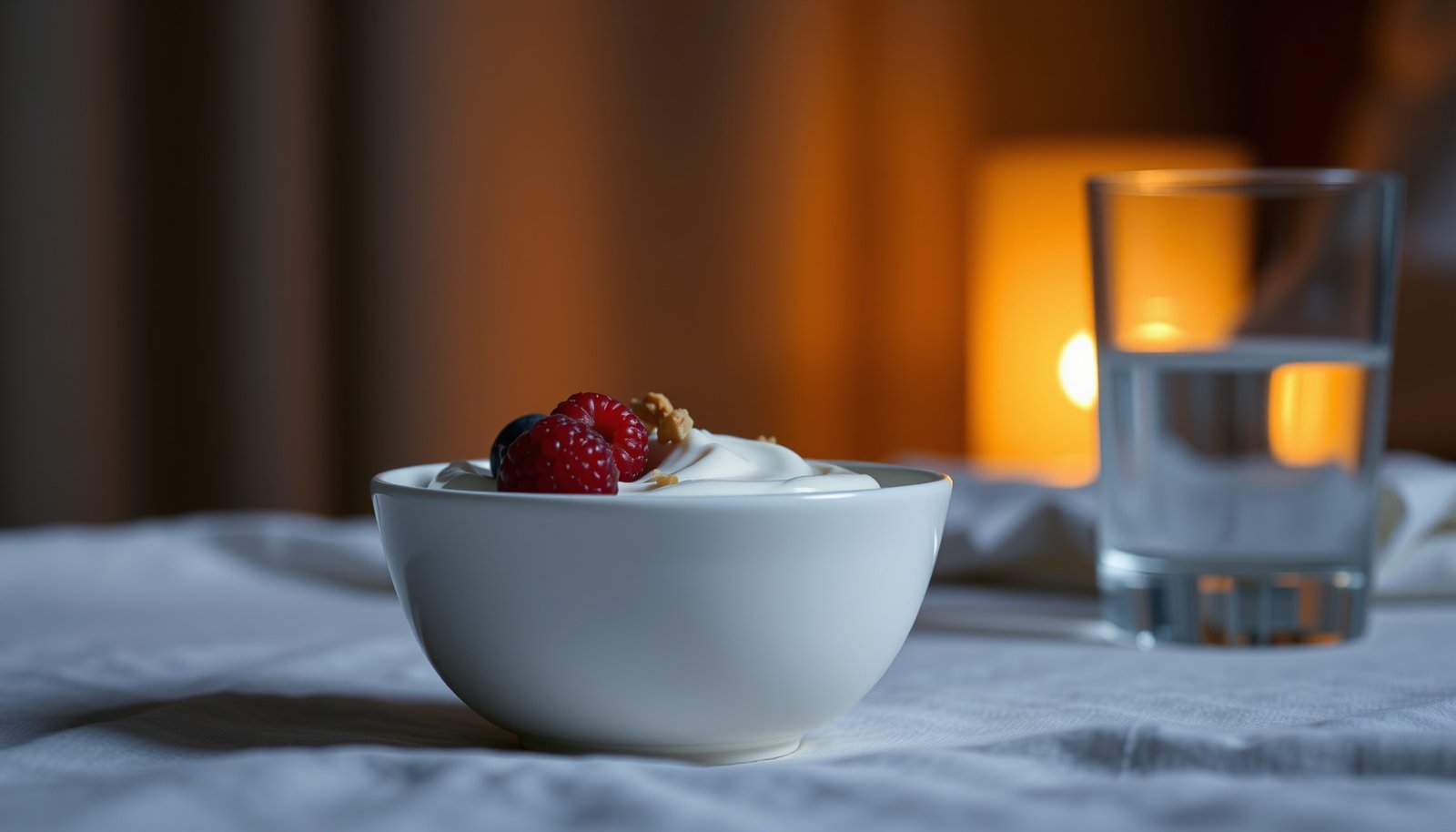
If you include fruit, diabetes-friendly approaches usually pair fruit with protein (for example, berries with plain yogurt) rather than eating fruit alone.
Protein-forward options (often the “default best”)
These tend to be steady, simple choices for many people:
– Plain Greek yogurt (choose unsweetened if possible)
– Cottage cheese
– A small serving of cheese
– Eggs (for example, two hard-boiled eggs)
Practical note: “plain” matters. Many flavored yogurts and “sweetened” dairy products add significant sugars and carbs that can raise overnight glucose.
Add-ins that slow glucose rise (without making it complicated)
If you want a little extra staying power, consider:
– Nuts (almonds, walnuts, pistachios)
– Chia or flax seeds
– Nut butter, paired with a protein base
Avoid going heavy on honey, syrups, or added sugars. Even when a snack is “natural,” the carb load can still be fast and substantial enough to move your morning glucose.
If you want a carb: choose lower-spike patterns
If your bedtime goal includes reducing nighttime lows *and* you need a carb-containing snack, don’t assume that fruit automatically behaves like a “free” carb. The more reliable approach is carb + protein:
– Berries + plain yogurt
– Small fruit portion + cheese (for some people)
A quick comparison: bedtime snacks by overnight goal
Below is a practical comparison to help you think in terms of goals—not just foods.
| Overnight pattern | Bedtime snack direction | Pros | Watch-outs |
|---|---|---|---|
| Wake up high |
Protein-forward + small carbs (if any) |
|
|
| Wake up low |
Medication-informed plan; sometimes carb-inclusive |
|
|
Mandatory data table: common bedtime snack serving profiles
The table below summarizes typical macronutrient profiles for seven commonly chosen bedtime snacks. Use these as a starting point—always check the label for your exact product.
Seven Common Bedtime Snacks: Typical Carbs & Protein (per standard serving)
| # | Bedtime snack (standard serving) | Total carbs (g) | Protein (g) | Overnight stability fit |
|---|---|---|---|---|
| 1 | Plain Greek yogurt (170 g) | 6 | 17 | ★★★★★ |
| 2 | Cottage cheese (1/2 cup, 113 g) | 6 | 12 | ★★★★☆ |
| 3 | Cheddar cheese (1 oz, 28 g) | 1 | 7 | ★★★★☆ |
| 4 | Hard-boiled eggs (2 large) | 1 | 12 | ★★★★★ |
| 5 | Almonds (1 oz, 28 g) | 6 | 6 | ★★★☆☆ |
| 6 | Peanut butter (1 Tbsp, 16 g) | 3 | 4 | ★★★★☆ |
| 7 | Strawberries (1 cup, ~152 g) | 12 | 1 | ★★☆☆☆ |
How to choose timing and portion size (without guessing)
The best bedside snack plan is the one that fits your timing and your glucose pattern—not just your food list. In 2026, the most actionable approach is to treat bedtime snacks as part of your measured daily strategy and adjust using meter or CGM feedback.
If you have diabetes, your body doesn’t respond to “bedtime snacks” in isolation. It responds to the whole day, including dinner composition, digestion rate, and medication kinetics.
Diabetes clinicians commonly recommend using blood glucose data (meter or continuous glucose monitoring) to refine meal timing and carbohydrate intake.
Carbohydrate counting treats carbs as grams of carbohydrate, which helps match food intake to medication and glucose targets.
Nighttime hypoglycemia prevention often requires individualized planning, especially for people using insulin or sulfonylureas.
Use your glucose trend: high vs low changes the “right” snack
Here’s a simple decision framework for bedtime snack selection:
– If you often wake up high: reduce the carb load at bedtime and keep the snack protein-forward.
– If you often wake up low: discuss a protective strategy for overnight lows before changing snack composition or quantity.
This distinction matters. A strategy that reduces post-dinner highs can worsen overnight lows if your medication is strongly active during sleep.
Treat the snack like part of your plan
If you’re doing carbohydrate counting, include the bedtime snack in your totals when possible. For people using insulin, bedtime carbs (or lack of them) can interact with insulin timing—so changes should be deliberate.
If you don’t count carbs, you can still track impact by logging:
– snack type
– approximate portion (measured or labeled)
– bedtime time
– wake time
– fasting reading or CGM trend
Then adjust one variable at a time (food, portion, or timing).
Start conservative and adjust gradually
Rather than making big overnight changes, start with a smaller portion than you think you need, then adjust based on the next morning reading and your clinician’s guidance. This “small-step” approach reduces the risk of overshooting either direction (highs or lows).
Practical timing considerations
Timing isn’t just about bedtime—it’s about when the carbs become available. Eating very close to bedtime can make it harder to interpret why your overnight glucose moved. For many people, a consistent “snack window” (rather than late-night grazing) makes patterns clearer.
What can go wrong (common bedtime snack mistakes)
The most common problems with bedtime snacks happen when the snack targets the wrong overnight issue or when portions slip upward. If you’re using insulin or medications that can cause lows, the wrong bedtime carb level can be risky—so the “best snack” depends on individualized planning.
A carb-heavy snack intended to prevent highs can increase overnight glucose and may contribute to morning hyperglycemia.
People using insulin or insulin secretagogues may experience overnight hypoglycemia, so bedtime snack changes should align with medication timing.
Even foods perceived as “healthy,” including some fruits and granola, can raise blood glucose when portions are large.
Mistake #1: fixing the wrong problem
If you’re having overnight lows, a carb-heavy snack meant for “preventing highs” can backfire. The risk is especially relevant when insulin action peaks overnight.
Mistake #2: “healthy” doesn’t guarantee stable glucose
Fruit, granola, and sweetened yogurt can still spike glucose—mainly because portions and added carbs can be higher than expected.
Mistake #3: timing-related confusion
Eating too close to bedtime (or frequent late-night grazing) can muddy your trend interpretation. If you change snack timing and food at the same time, it’s harder to know what caused a morning high or low.
Special cases to flag
– Gastroparesis or frequent overnight reflux: some heavier snacks may worsen symptoms even if they look “diabetes-friendly.” If digestion is delayed, timing effects can change.
– Kidney disease: ask about protein-focused choices with your care team, since targets can differ based on kidney function and overall diet prescription.
When you should not freestyle a bedtime snack
You should pause and ask your clinician first if any of these apply:
– you’ve had repeated nocturnal hypoglycemia
– you’re starting or changing insulin dosing
– you’ve been told you must follow a specific bedtime-carb routine
– your CGM shows significant overnight excursions and you don’t yet have a plan to respond
Verdict / tip: choose a small protein-forward snack unless your doctor says otherwise
If you want a broadly safe starting point, pick a small protein-based snack (plain Greek yogurt/cottage cheese, cheese, or eggs) and avoid added sugars. The downside is that this won’t necessarily prevent overnight lows for everyone—some people may need a medication-adjusted or carb-targeted plan. If you have a history of nocturnal hypoglycemia, you’re using insulin or a sulfonylurea, or you’ve been told to follow a specific bedtime-carb routine, talk to your diabetes clinician before changing your snack strategy.
For many people with diabetes, protein-forward snacks can reduce rapid glucose rises compared with snacks dominated by refined carbs.
Overnight glucose safety is strongly influenced by medication timing, so individualized clinician guidance matters when adjusting bedtime intake.
Pros/cons of the “protein-forward default”
To make the trade-offs explicit:
– Pros
– Lower likelihood of large, rapid glucose spikes when portions are controlled
– Often easy to measure (e.g., single-serve yogurt, measured cheese, eggs)
– Can improve “stickiness” of overnight glucose stability
– Cons
– May not protect you from overnight lows if your medication profile makes you vulnerable
– Some protein snacks still include carbs (e.g., yogurt variants), so labels and portion size still matter
– Doesn’t address individualized needs like gastroparesis, reflux, or kidney-diet constraints
Quick bedtime snack checklist (scan this)
| Ask yourself | What to do |
|---|---|
| Is my bedtime goal to avoid waking up high, low, or both? | Pick snacks that support your *specific* pattern |
| Does this snack add mostly fast carbs? | Switch to protein-first or pair carbs with protein |
| Is the portion clearly “small”? | Reduce amount before changing food type |
| Am I on insulin or meds that can cause lows at night? | Follow your clinician’s overnight plan first |
| Can I track the result (meter/CGM) next morning? | Use feedback to adjust gradually |
Using overnight feedback from a meter or CGM helps you refine bedtime snack choices instead of relying on guesswork.
When your treatment includes medications that can cause hypoglycemia, snack selection should match the clinician’s overnight strategy.
Sources
– American Diabetes Association (ADA) — Standards of Care in Diabetes (nutrition therapy and glycemic management guidance).
– NIDDK (National Institute of Diabetes and Digestive and Kidney Diseases) — educational information on low blood sugar (hypoglycemia) and diabetes management concepts.
A smart bedtime snack for diabetics is less about chasing a single “superfood” and more about matching food choice, portion size, and timing to your overnight goal—avoid highs, prevent lows, or both. Start with a small, protein-forward option, track what happens overnight using your meter or CGM, and adjust gradually with clinician guidance when insulin or hypoglycemia risk is involved.
Frequently Asked Questions
What is the best snack before bed for diabetics to prevent overnight blood sugar spikes?
A good bedtime snack for diabetics is one that combines high-fiber carbohydrates with protein and/or healthy fat, such as Greek yogurt (unsweetened) with berries or a small apple plus peanut butter. These snacks digest more slowly, which can help reduce overnight blood sugar spikes. Aim for a snack portion that matches your meal plan or carb target rather than “eating a lot because it’s bedtime.”
How can diabetics choose a low-carb bedtime snack that won’t cause hunger or lows?
Look for snacks that are lower in rapidly absorbed carbs and higher in fiber, such as cottage cheese, nuts, chia pudding, or hummus with raw vegetables. Pairing carbs with protein (and sometimes fat) can help keep blood sugar steadier through the night and may reduce the risk of going too low. If you use insulin or diabetes medications, consider discussing a bedtime carb target with your clinician to avoid overnight hypoglycemia.
Why do blood sugar levels change overnight, and how does a snack before bed affect them?
Overnight blood sugar can rise due to factors like your body’s natural hormone cycles (including dawn phenomenon) and the timing/digestibility of your last meal. A well-chosen diabetic-friendly bedtime snack can smooth out those changes by slowing digestion and reducing glucose swings. However, the wrong snack—especially one high in sugar or refined carbs—can lead to higher overnight readings.
Which bedtime snacks are best for diabetics with reflux or a sensitive stomach?
If you’re prone to heartburn, choose smaller, less acidic options like plain yogurt, cottage cheese, or a small serving of nuts rather than citrus, tomato-based foods, or spicy snacks. Avoid large, high-fat meals right before sleep, as they can worsen reflux and make glucose management harder. A simple approach is a small protein-forward snack plus a fiber source (like berries or a few whole-grain crackers) if it sits well with you.
Best snack ideas for diabetics include options with how many carbs before bed?
Many diabetics do well with a modest bedtime snack in the range of about 10–20 grams of carbohydrates, but the “best” amount depends on your medication, insulin regimen, and typical overnight glucose trends. If your glucose runs high at night, you may need fewer carbs or a more protein-and-fat–forward snack; if you’re running low, you may need a measured carb amount. For the most accurate target, test your blood sugar before bed and in the early morning after trying a consistent snack for a few nights.
📅 Last Updated: October 22, 2026 | Topic: best snack before bed for diabetics | Content verified for accuracy and freshness.
References
- https://www.niddk.nih.gov/health-information/diabetes/overview/preventing-problems/hypoglycemia-low-blood-glucose
- Hypoglycemia – Symptoms and causes – Mayo Clinic
- Low blood sugar (hypoglycaemia) – NHS
- https://pubmed.ncbi.nlm.nih.gov/?term=bedtime+snack+nocturnal+hypoglycemia+diabetes
- https://pubmed.ncbi.nlm.nih.gov/?term=nocturnal+hypoglycemia+carbohydrate+intake
- Hypoglycemia
- https://scholar.google.com/scholar?q=bedtime+snack+nocturnal+hypoglycemia+type+1+diabetes Google Scholar
- https://scholar.google.com/scholar?q=meal+timing+bedtime+snack+glycemic+control+diabetes Google Scholar
- https://scholar.google.com/scholar?q=nocturnal+hypoglycemia+carbohydrate+snack+guideline Google Scholar