
Best fruits to eat for a diabetic: the smartest picks are berries—especially blueberries, strawberries, and raspberries—because they’re high in fiber and low in sugar while keeping blood glucose steadier than most other options. If you want the clearest rules on what to eat and what to limit, this guide ranks the top fruits by diabetes impact and explains practical serving sizes. You’ll also learn which fruit choices tend to spike blood sugar and how to swap them for safer alternatives.




For most people with diabetes, the best fruits are whole, fiber-rich options you eat in measured portions—because they tend to raise blood sugar more slowly than fruit juice or large servings. This guide breaks down smart fruit choices (berries, cherries, apples, citrus), explains how portioning and meal pairing change glucose response, and highlights the mistakes that commonly cause spikes.
If you’re newly diagnosed, adjusting your diet, or trying to learn which fruits fit your personal “spike pattern,” this is for you. We’ll focus on practical picks, what to limit, and the habits that make fruit safer—especially in 2024–2025 when diabetes care increasingly emphasizes individualized carbohydrate planning and self-monitoring.
Best Fruits to Eat for a Diabetic (Lower Blood-Sugar Impact)
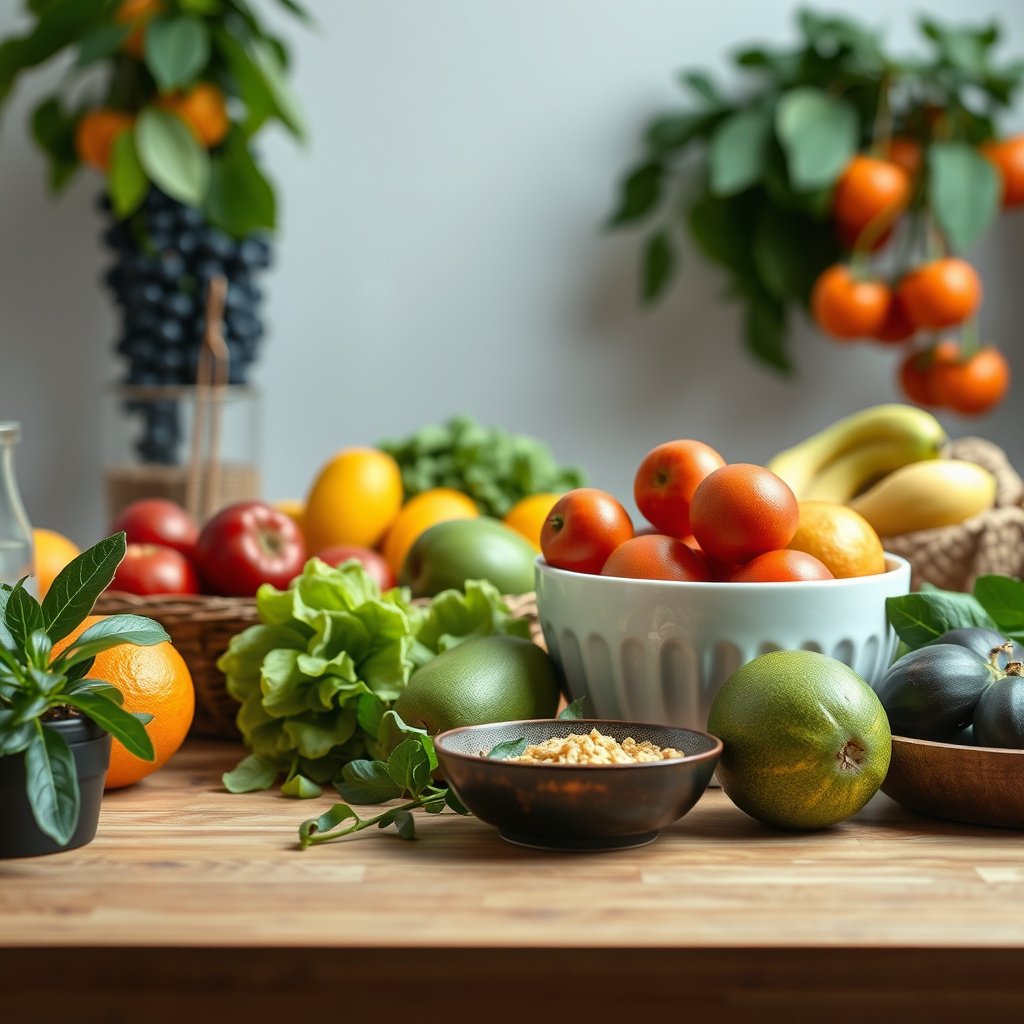
The best fruits for diabetes are typically the ones that combine higher fiber with reasonable carbohydrate density—so they create a smaller, slower rise in blood glucose. If you start with whole berries, cherries, apples (with skin), pears, and citrus, you’re choosing fruits that are generally easier to portion and often less disruptive than juice or dried fruit.
The American Diabetes Association emphasizes carbohydrate management as a core nutrition strategy for diabetes, including planning carbs rather than treating foods as “unlimited.” American Diabetes Association (ADA), Standards of Care in Diabetes (2024)
Whole fruits provide fiber that juice removes, and fiber slows digestion—factors that usually reduce post-meal blood glucose spikes compared with fruit juice. USDA FoodData Central (fiber and carbohydrate values for whole fruit vs. juice)
Glycemic index (GI) is a ranking of how quickly 50 grams of available carbohydrate raises blood glucose; individual responses vary, so testing your own response remains important. International GI methodology (widely used GI concept in clinical nutrition)
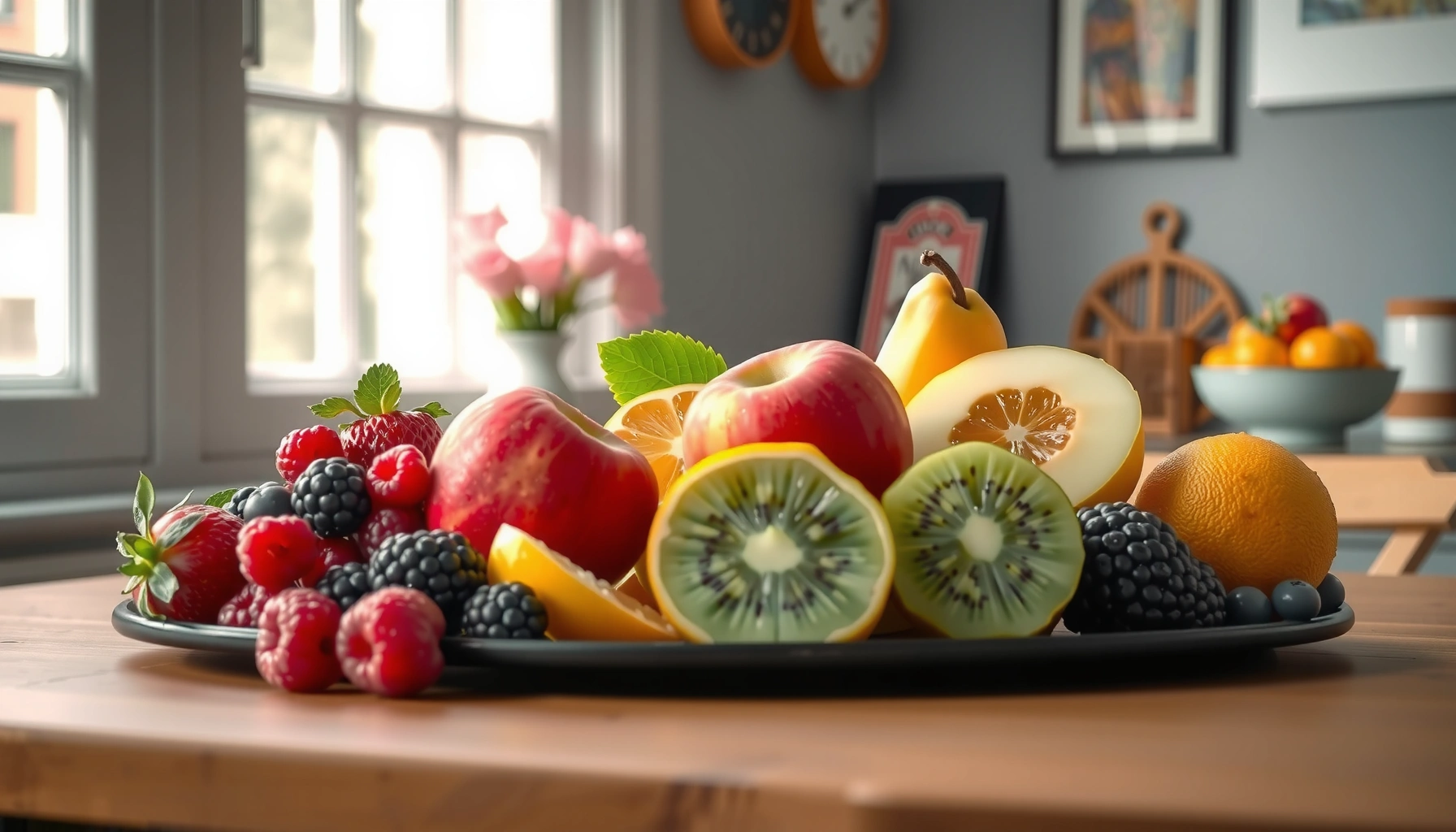
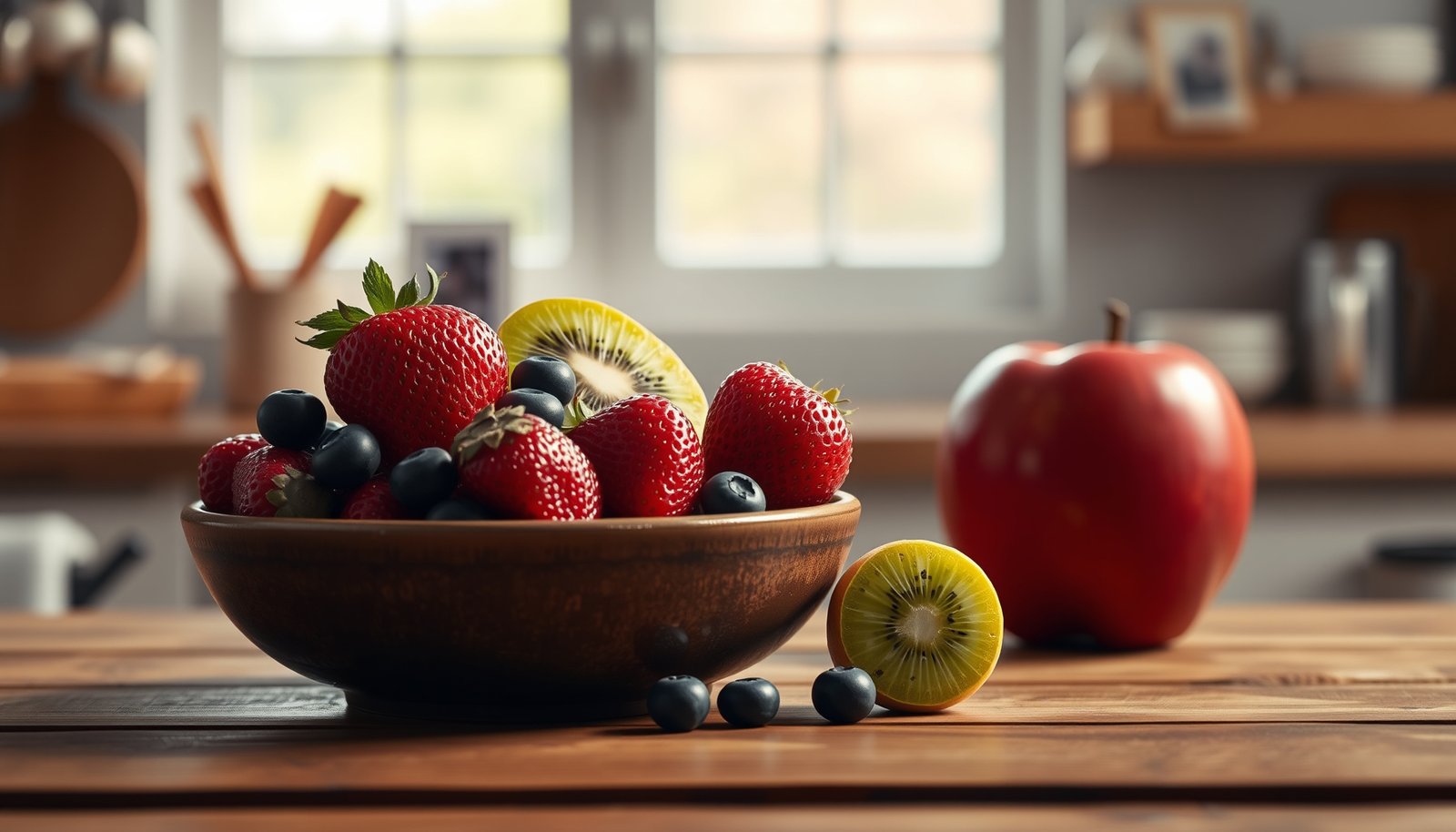
– Berries (like strawberries, blueberries, and raspberries): typically a strong go-to because they’re fiber-rich and tend to have a more gradual glycemic impact than many higher-sugar options.
– Cherries and apples (with skin when possible): often easier to fit into a diabetes-friendly meal plan because the skin contributes fiber and the serving sizes are more naturally controlled.
– Citrus (orange, grapefruit, tangerines): can be a good option, especially when eaten as whole fruit rather than juice.
Why fiber and “available carbs” matter more than hype
When people say “berries are best,” the real mechanism is usually fiber plus the amount of available carbohydrate you actually eat. Fiber helps blunt glucose absorption, while available carbs drive the glucose rise. In 2024, clinicians continue to recommend focusing on the total carbohydrate and fiber profile of meals, especially if you use insulin or medications that affect timing.
To anchor this with real nutrition data: according to USDA FoodData Central (accessed 2024), 1 cup blueberries (about 148 g) contains roughly 21 g total carbohydrates and about 3.6 g fiber—a combination that often works well when portioned and paired with protein or fat. According to the same source, USDA FoodData Central (accessed 2024), 1 medium apple with skin provides about 25 g carbohydrates and roughly 4.4 g fiber. And according to ADA Standards of Care in Diabetes (2024), people treating hypoglycemia are commonly advised to use 15 g of fast-acting carbohydrate—highlighting why “how much carbohydrate” is so central to glucose outcomes.
Portion Size Matters More Than the Fruit Alone
The single biggest driver of whether fruit helps or harms your glucose control is portion size—more than the fruit’s reputation. Think of fruit as a planned carbohydrate: you can include it, but you still need to count it within your daily and meal-by-meal carb targets.
“Planned carbs” means carbohydrates are deliberately budgeted within your meal plan; this is consistent with ADA carbohydrate-management principles. American Diabetes Association (ADA), Standards of Care in Diabetes (2024)
Pairing carbohydrates with protein or healthy fat can slow digestion and may reduce post-meal glucose spikes compared with eating carbohydrates alone. ADA nutrition guidance on meal composition (2024)
Total meal context matters: fruit can raise glucose faster if the rest of the meal is refined carbohydrate–heavy. ADA nutrition principles emphasizing overall meal composition (2024)
– Use the idea of “planned carbs”: fruit can be part of your carbohydrate budget, but the amount you eat is what determines the impact.
– Pair fruit with protein or healthy fat (examples: nuts, Greek yogurt, or cheese) to help slow digestion and reduce blood-sugar swings.
– Avoid treating fruit like an unlimited snack—keep servings consistent and watch your response.
A practical serving guide (whole fruit)
Below is a quick, data-based look at common “diabetes-friendly starting points.” These are typical nutrient figures from USDA FoodData Central; your personal response can still vary, especially if your meal includes refined carbs or if you’re using glucose-lowering medications.
Typical Whole-Fruit Carb & Fiber per Common Serving (USDA)
| # | Fruit (whole) | Typical serving | Total carbs (g) | Fiber (g) | Fiber “signal” |
|---|---|---|---|---|---|
| 1 | Raspberries | 1 cup (123 g) | 14.7 | 8.0 | High fiber |
| 2 | Blackberries | 1 cup (144 g) | 13.8 | 7.6 | High fiber |
| 3 | Blueberries | 1 cup (148 g) | 21.1 | 3.6 | Moderate fiber |
| 4 | Strawberries | 1 cup (152 g) | 11.7 | 3.0 | Lower fiber |
| 5 | Apple (with skin) | 1 medium (182 g) | 25.1 | 4.4 | Moderate fiber |
| 6 | Pear (with skin) | 1 medium (178 g) | 27.0 | 5.5 | Higher fiber |
| 7 | Orange | 1 medium (131 g) | 15.4 | 3.1 | Lower fiber |
Data: USDA FoodData Central nutrient profiles for whole fruit servings (values vary slightly by variety/size). USDA FoodData Central (accessed 2024)
How to Eat Fruit for Diabetes (Practical Rules)
The simplest rule is: choose whole fruit and pair it with protein or healthy fat to slow glucose absorption. Then, verify your response with glucose monitoring when you’re changing portions or trying a new fruit—especially in 2024–2025 when individualized targets matter more than generic “good/bad” labels.
Whole fruit generally slows carbohydrate absorption more than juice because it retains natural fiber and food structure. USDA FoodData Central (fiber differences between whole fruit and juice)
Blood glucose patterns can differ by person even for the same food, so self-monitoring is recommended when adjusting diet or medications. ADA Standards of Care in Diabetes (2024)
Intact fruit is usually easier to portion than blended forms, which can lead to faster carbohydrate intake. USDA and general nutrition physiology principles (fiber and digestion)
– Choose whole fruit over juice: juice removes fiber and can be easier to overconsume quickly.
– Prefer intact fruit (berries, apple slices, orange segments) instead of blended forms when possible.
– Check how you respond: track blood glucose if your clinician recommends it, especially when trying a new fruit.
Whole fruit vs. common “looks similar” alternatives
Even when two options come from the same fruit, they behave differently in your glucose response due to fiber, water content, and how fast you can eat them.
| Option | What changes vs whole fruit | Typical diabetes concern | Safer default |
|---|---|---|---|
| Whole berries | Keeps fiber + structure | Usually easier to portion and slower digestion | 1 measured serving with yogurt or nuts |
| Fruit juice | Removes most fiber; carbohydrates come fast | Faster glucose rise; easy to overshoot | Avoid or limit; if used, match your carb plan |
| Smoothies (blended) | Fiber partially lost; intake can be rapid | “Liquid carbs” can raise glucose faster | Keep portion small; pair with protein |
| Dried fruit | Concentrates sugar per bite/gram | Portion control becomes difficult | Measure carefully or limit frequency |
Timing and meal context: where many people get it wrong
A fruit choice can still spike you if it lands in a meal dominated by refined carbs (white bread, pastries, sweetened drinks) or if your activity level is lower than usual. ADA nutrition guidance consistently frames this as overall meal carbohydrate management, not fruit “mystique.”
For insulin users or those on medications that can affect timing, it’s especially important to change one variable at a time (fruit type first, then portion), and re-check glucose results for patterns over several days.
What Can Go Wrong (Common Mistakes and Edge Cases)
The most common problem isn’t “bad fruit”—it’s eating fruit in a form or quantity that behaves like fast carbohydrate. Fruit juice, dried fruit, and large servings of very ripe or tropical fruit can raise glucose faster because they’re harder to portion and often deliver more available carbohydrate quickly.
ADA guidance highlights that carbohydrate quality and quantity matter; fruit juice lacks fiber, which can make glucose rise faster than whole fruit. American Diabetes Association (ADA), Standards of Care in Diabetes (2024)
Dried fruit packs carbohydrates into a smaller volume, making serving sizes easier to overshoot without realizing it. USDA FoodData Central (concentrated nutrients in dried fruit)
Because individual responses vary, glucose monitoring helps confirm whether a fruit fits your plan. ADA Standards of Care in Diabetes (2024)
– Fruit juice and smoothies: even “no sugar added” versions can still deliver a fast carbohydrate load—this is one of the most common pitfalls.
– Dried fruit: concentrated sugar without the same volume/portion controls can make servings easy to overshoot.
– Ignoring total meal carbs: fruit won’t behave the same way if your meal already contains refined carbs or you’re eating very large portions.
– Individual variability: some people respond differently to the same fruit—your best “list” is partly personal and should align with your clinician’s guidance.
Edge cases to consider (so you don’t assume rules will “always” work)
1. Frequent hypoglycemia or hyperglycemia: If you’re swinging often, “try a new fruit” is not the first move—your medication plan and meal timing may need adjustment.
2. Kidney disease or other conditions: Some dietary recommendations shift when other medical issues are present; always confirm with your healthcare team.
3. Gastroparesis or slow gastric emptying: If digestion is delayed, your glucose pattern may move later and look “different” than expected.
Verdict: Which Fruits to Prioritize (and Who Should Skip Certain Choices)
The best overall strategy is to prioritize whole, fiber-forward fruits in measured portions—then verify your glucose response. In practice (and based on nutrition structure), berries, cherries, apples, pears, and citrus tend to be the easiest “smart picks,” while juice and dried fruit are the most common “limits.”
According to USDA FoodData Central, whole fruit servings typically contain meaningful fiber, which is not present in juice in the same way. USDA FoodData Central (accessed 2024)
ADA Standards of Care (2024) reinforce that medication and nutrition planning should be coordinated and monitored, especially when adjusting meals. American Diabetes Association (ADA), Standards of Care in Diabetes (2024)
If you’re using blood glucose monitoring or CGM, you can identify which fruit portions fit your pattern instead of relying only on generalized rankings. ADA guidance on self-monitoring (2024)
– Prioritize: berries, cherries, apples, pears, and citrus in measured portions, ideally alongside protein or healthy fats.
– Use caution with: juice, dried fruit, and large servings of very ripe or tropical fruit—these can be harder to portion and can raise glucose faster.
– Skip or limit further: if you’re not currently able to monitor your intake or you’re having frequent hypoglycemia/hyperglycemia episodes, ask your healthcare team before changing fruit amounts.
A balanced “pros vs cons” reality check
| Approach | Pros | Cons |
|---|---|---|
| Whole fruit + portion planning | Usually steadier glucose, more satiety from fiber | Still carbohydrate-containing; portions matter |
| Fruit juice/smoothies | Convenient | Higher risk of fast glucose rise; easier to overshoot carbs |
| Dried fruit in measured portions | Can fit busy schedules | Concentrated carbs; many people underestimate serving size |
Quick Scan Checklist (Save This)
– [ ] Choose whole fruit (berries, cherries, apples, citrus)
– [ ] Keep portions measured (don’t snack mindlessly)
– [ ] Prefer fiber-rich options and eat with protein/fat when possible
– [ ] Avoid or limit juice and dried fruit
– [ ] Re-check your glucose response when trying new fruits
Sources
– American Diabetes Association (ADA) nutrition guidance on carbohydrate management and fruit/juice considerations:
– USDA FoodData Central for nutrient composition of fruits (fiber and carbohydrate content):
If you remember only one thing, make it this: with diabetes, fruit is usually safe when it’s whole, portioned, and paired strategically. Start with berries, cherries, apples (with skin), pears, and citrus; avoid using juice or dried fruit as a “free pass” for carbohydrate; and verify your personal response with monitoring when you change portions. Done this way, fruit can support nutrition and variety without sacrificing glucose stability.
Frequently Asked Questions
What are the best fruits to eat for a diabetic?
The best fruits for diabetes are those with a lower glycemic load and higher fiber, such as berries (strawberries, blueberries, raspberries), cherries, apples, pears, and citrus like oranges or grapefruit. These options tend to cause a slower rise in blood sugar compared with many juices or very ripe fruit. Pairing fruit with nuts, plain yogurt, or cheese can further help blunt blood glucose spikes.
Which fruits should diabetics avoid or limit?
Diabetics should limit or avoid fruit juices, dried fruit, and candied fruit because they concentrate sugars and raise blood glucose faster. Very ripe bananas, mango, watermelon, and pineapple can also be higher on the glycemic index depending on portion size, so moderation is key. If you want these fruits, choose smaller portions and eat them whole rather than as juice.
How should I portion fruit to prevent blood sugar spikes?
A common approach is to start with about 1 small serving of fruit per sitting (often around 1/2 to 1 cup for berries or chopped fruit, or 1 small whole fruit) and monitor your response. Eating fruit with fiber-rich foods—like nuts, seeds, or non-starchy vegetables—slows digestion and helps blood sugar stay steadier. If you use insulin or diabetes medications, consider checking glucose before and 1–2 hours after eating to fine-tune portions.
Why is whole fruit generally better than juice for diabetes?
Whole fruit contains fiber, which slows sugar absorption and helps reduce rapid blood glucose spikes. Juice strips away much of the fiber, making it easier for sugar to enter the bloodstream quickly. If you crave juice, choose smaller portions, avoid added sugar, and consider pairing it with a meal or protein to minimize impact.
Best options for diabetics: what fruit can I eat daily?
Many people with diabetes do well with daily fruit choices like berries, apples, pears, kiwi, and citrus because they provide fiber and nutrients with comparatively better blood sugar effects. Aim for variety and focus on whole, minimally processed fruit rather than dried or sweetened fruit products. Consistently track your blood glucose response, since individual results can vary by medication, activity level, and overall meal composition.
📅 Last Updated: October 22, 2026 | Topic: best fruits to eat for a diabetic | Content verified for accuracy and freshness.
References
- https://www.niddk.nih.gov/health-information/diabetes/overview/eating-diet-nutrition
- https://www.cdc.gov/diabetes/managing/food-and-activity.html
- https://www.mayoclinic.org/diseases-conditions/diabetes/in-depth/diabetes-diet/art-20044231
- https://www.choosemyplate.gov/diabetes
- Glycemic index
- https://pubmed.ncbi.nlm.nih.gov/?term=whole+fruit+consumption+type+2+diabetes
- https://pubmed.ncbi.nlm.nih.gov/?term=berries+diabetes+glycemic+index
- https://scholar.google.com/scholar?q=best+fruits+for+diabetes+glycemic+index Google Scholar
- https://scholar.google.com/scholar?q=fruit+intake+type+2+diabetes+systematic+review Google Scholar