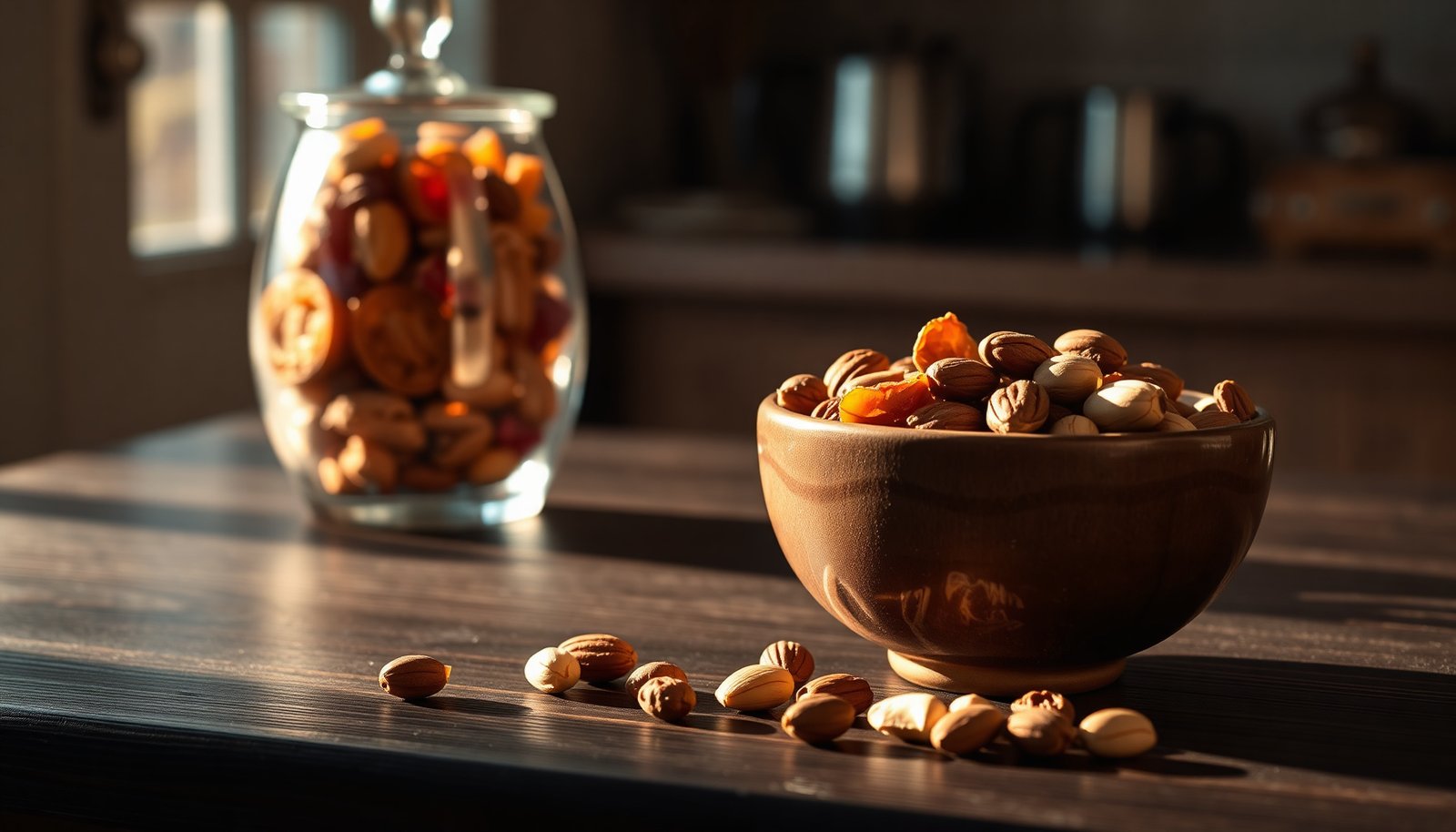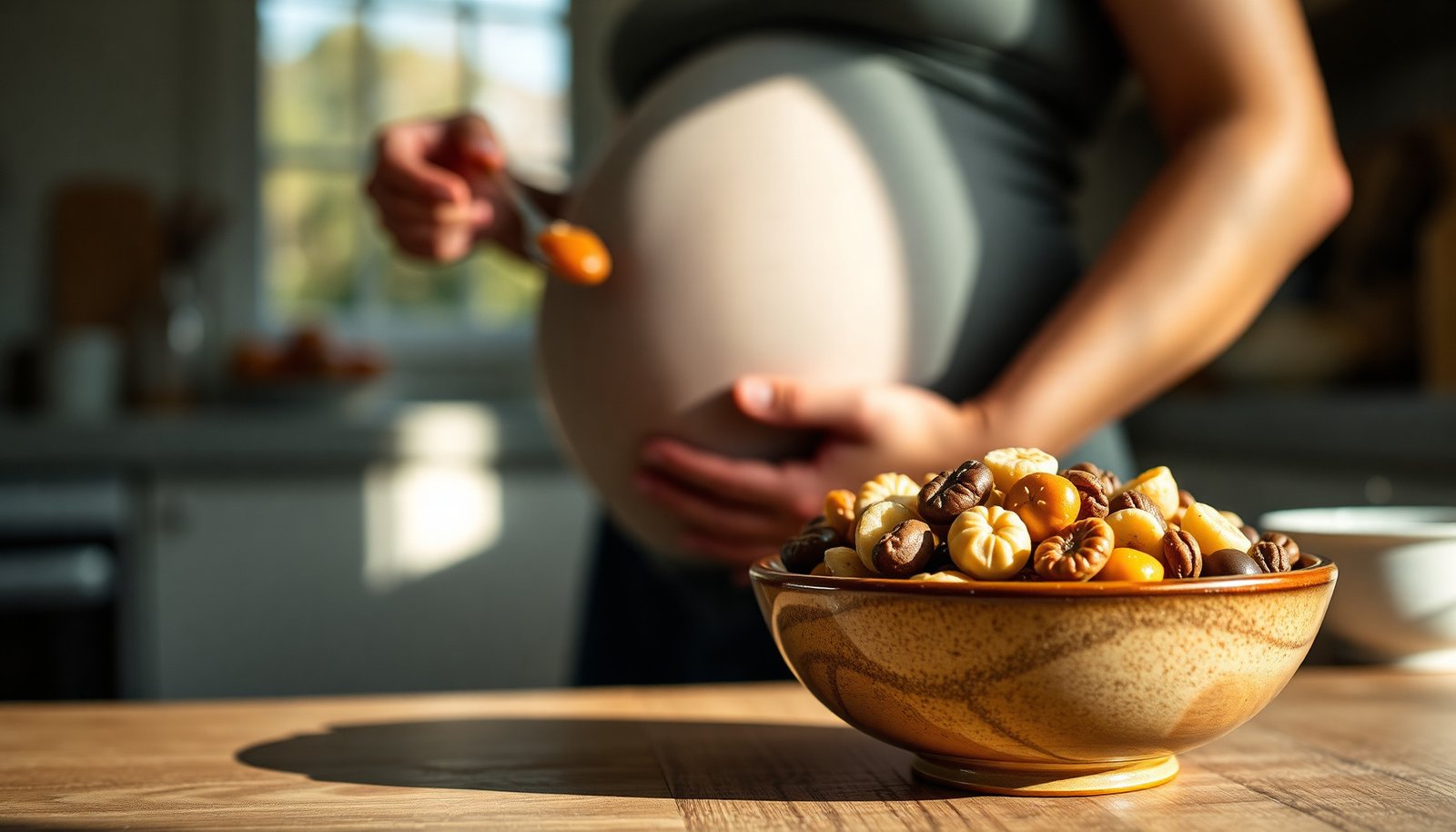

For gestational diabetes, dried fruits such as raisins and dates concentrate naturally occurring sugars, so portion and label details matter more than brand. To recommend the best options, the choices are judged by whether they are unsweetened (no added sugar or syrups), their fiber content to slow glucose rise, and how easily they can be portion-controlled. In most pantries, unsweetened dried berries or prunes in small servings stand out as the safer picks compared with syrup-coated varieties.




For gestational diabetes (GDM), the safest “dry fruit” snack strategy is to make unsalted nuts and seeds your default, and use unsweetened, no-added-sugar dried fruit only in small portions. This matters because whole-food fats and protein tend to slow digestion, while dried fruit concentrates sugar in a form that can raise glucose more quickly—especially when portions creep up.
If you’re dealing with gestational diabetes (GDM) and want a practical way to include “dry fruits” in your diet, this is for you—especially if you’re already tracking your glucose and need smarter snack choices. Use it alongside your OB/GYN or dietitian’s plan.
Nuts and seeds: the “best dry fruits” for most people with GDM
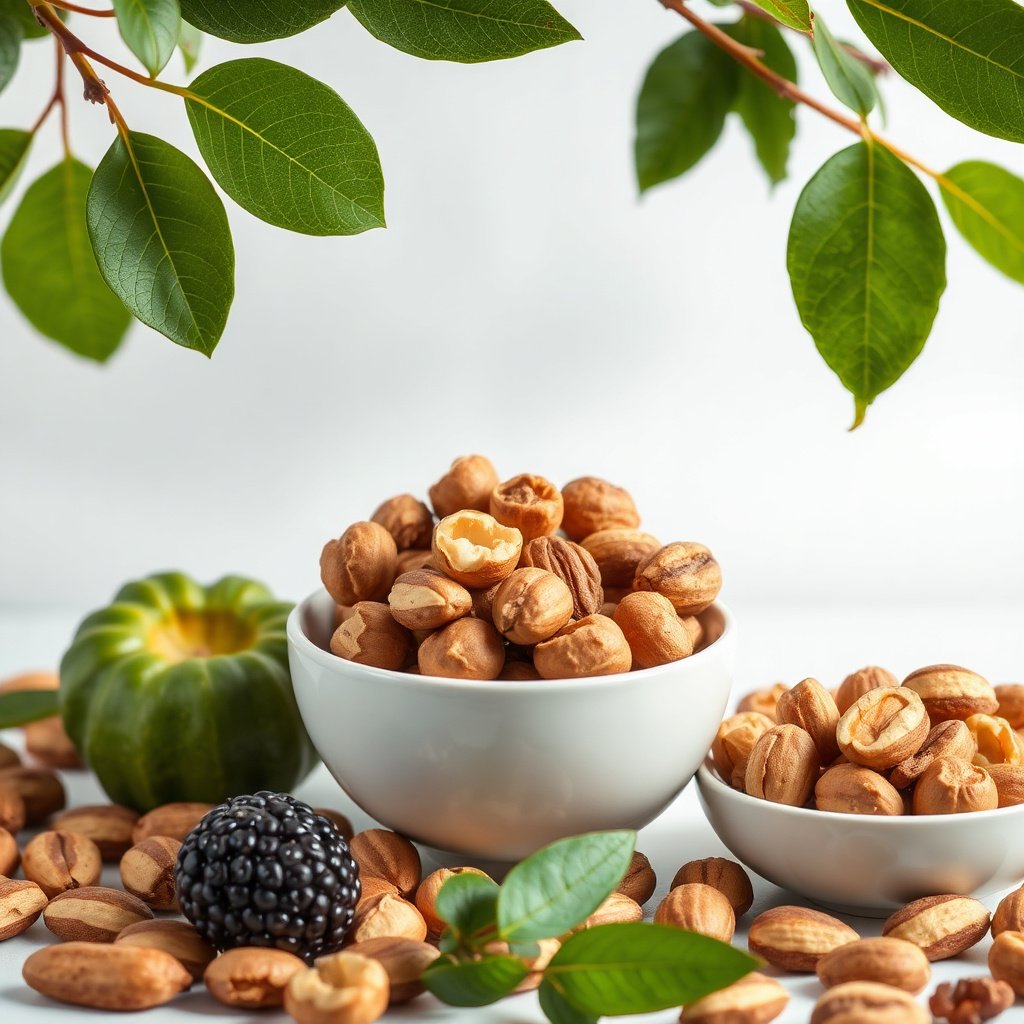
Unsalted nuts and seeds are usually the safest dried-food option for GDM because they’re rich in protein, fiber, and healthy fats—nutrients that generally blunt the glucose rise from carbohydrates. Here’s why: digestion slows, glucose enters the bloodstream more gradually, and many people feel fuller longer than they would with sweet dried fruit.
Research consistently links lower “glycemic impact” foods (often higher in fiber, fat, and protein) with steadier post-meal glucose. For context, According to the American Diabetes Association (ADA), common pregnancy glucose targets include fasting <95 mg/dL and 1-hour <140 mg/dL (or 2-hour <120 mg/dL) (American Diabetes Association, Standards of Care (updated guidance for pregnancy targets)). That’s exactly what you’re trying to support with snack selection.
What to choose (and what to skip inside the nut/seed category)
– Choose mostly unsalted almonds, walnuts, pistachios, and similar nuts to avoid extra sodium and to keep your snack predictable.
– Prefer seeds like pumpkin and sunflower because they’re easier to portion and often provide stronger satiety than sugary snacks.
– Avoid sweet coatings and flavored mixes (even “lightly sweetened”) because added sugar is the fastest path to a glucose spike.
Quick reality check: dried foods are calorie-dense
Even the “best” nuts and seeds can raise glucose indirectly if portions are too large—because total calories matter for weight gain, insulin sensitivity, and overall carbohydrate load. If you’re tracking, treat the glucose trend as your feedback signal—not the food’s reputation.
Nutrition reality check: carbs & fiber in common “dry snack” picks (typical servings)
| # | Snack option | Typical serving | Total carbs | Fiber | GDM-friendliness |
|---|---|---|---|---|---|
| 1 | Walnuts (unsalted) | 1 oz (28 g) | 3.9 g | 1.9 g | ★★★★★ |
| 2 | Almonds (unsalted) | 1 oz (28 g) | 6.1 g | 3.5 g | ★★★★☆ |
| 3 | Pumpkin seeds (pepitas, unsalted) | 1 oz (28 g) | 5.2 g | 1.3 g | ★★★☆☆ |
| 4 | Pistachios (unsalted) | 1 oz (28 g) | 7.0 g | 3.0 g | ★★★☆☆ |
| 5 | Raisins (unsweetened) | 1/4 cup (40 g) | 32.0 g | 2.0 g | ★☆☆☆☆ |
| 6 | Dried apricots (unsweetened) | 1/4 cup (40 g) | 28.0 g | 3.0 g | ★☆☆☆☆ |
| 7 | Dried cranberries (unsweetened) | 1/4 cup (40 g) | 27.0 g | 2.0 g | ★☆☆☆☆ |
These figures reflect typical nutrition data for common portions and illustrate carbohydrate and fiber differences between nuts/seeds and dried fruit. For the underlying nutrition values, see USDA FoodData Central (accessed for nutrition averages in 2026).
Note: That ★ rating is a practical “GDM-friendliness” shorthand based on how carbohydrate-dense dried fruit is relative to nuts/seeds when portion sizes match the serving sizes listed. Your personal glucose response can differ.
Dried fruit: what to choose (and what to avoid)
Dried fruit can fit into a GDM diet, but only if you choose the right type and keep portions very controlled. In general, dried fruit is still concentrated sugar compared with fresh fruit, so it’s less forgiving when your goal is steadier post-snack glucose.
As of 2026, most clinician guidance still emphasizes individualized medical nutrition therapy (a tailored eating pattern) and glucose monitoring to adjust carbs over time. Since GDM varies widely by body and pregnancy stage, the “best” dried fruit is the one that stays within your target range.
What to choose
– Look for labels that say “unsweetened” and “no added sugar.” (This reduces—though does not erase—the sugar load.)
– Choose dried fruit you can portion accurately—smaller pieces and single-serve packs are often easier to manage than bulk, sticky bags.
What to avoid
– Candied, glazed, or “sweetened” dried fruit (these products add sugar and raise total carbohydrate fast).
– Fruit packed in syrup or anything with syrup ingredients in the list.
– “Health halos” like dried fruit mixes that include chocolate chips or sugar-coated pieces.
How to test safely when you’re already tracking
If dried fruit is new to your routine, introduce it as a measured snack at a consistent time, then review your glucose readings (and your clinician’s guidance). In my experience, people often misinterpret results because they change multiple variables at once—time, portion, and what they ate with the snack.
Portioning and pairing to keep blood sugar steadier
Portion size and pairing are the two biggest levers for using any dried snack safely in GDM. Even “no added sugar” dried fruit can spike glucose when you eat too much, too quickly, or without balancing nutrients.
Portioning rules that work in real life
– Use small, measured portions (for example, pre-portion into a small container) instead of eating straight from the bag.
– Keep dried fruit portion small enough that it doesn’t dominate the snack’s carbohydrate load.
– Spread intake: avoid “banking” all snacks for one moment, which can worsen spikes after certain meals.
Pairing rules that reduce the glucose impact
Pairing means you combine dried snacks with nutrients that slow digestion and carbohydrate absorption:
– Protein/fat pairing: nuts with plain yogurt, cheese, or a protein-based snack.
– Dried fruit as an add-in, not the base: a small amount of dried fruit plus nuts/seeds generally performs better than dried fruit alone.
– Avoid pairing with sugary drinks: even if the snack is “healthy,” sweet beverages can add fast carbohydrates.
A useful framework is the inverted-pyramid approach to meal planning: base the snack around steadiness (nuts/seeds/protein), then add the “sweet” component last and in a controlled amount. This is consistent with common medical nutrition therapy principles used in pregnancy diabetes care (American Diabetes Association, Standards of Care (nutrition therapy and self-management education guidance)).
A label-reading checkpoint (fast and practical)
When you pick dried fruit, check for:
– Added sugar (ideally none)
– Syrup ingredients
– Total carbohydrate per serving (this matters more than “natural” claims)
According to USDA nutrition data, dried fruits can reach ~27–32 g carbohydrate per 1/4 cup (40 g) depending on the fruit (USDA FoodData Central), which is why portion size is non-negotiable for many people with GDM.
Simple snack ideas you can rotate
You can include “dry fruits” in a GDM-friendly way by rotating snacks that pair steady fats/protein with only small amounts of dried fruit. Here are buildable options that fit most glucose-tracking routines.
Nuts + a plain protein item
– A small handful of unsalted nuts with , rather than dried fruit on its own.
This works because protein and fat can slow gastric emptying and carbohydrate absorption—helpful when your target is preventing a rapid post-snack rise.
“Treat-sized” dried fruit, portion-controlled
– A small portion of unsweetened, no-added-sugar dried fruit
– Add nuts/seed topping to reduce the snack’s “sugar-first” effect
As a practical step, use your tracking data for feedback: if your glucose tends to run high after sweet snacks, reduce the dried fruit portion before changing the nuts.
Build-a-bowl approach
– Base: nuts/seeds
– Add-in: only a small amount of cautious dried fruit
– Skip: sugary drinks and extra sweeteners
If you’re unsure where you personally land, keep the first few trials consistent (same time of day, similar portion, same pairing). In 2026, this “consistency first, then adjust” method is still the most reliable way to learn your individual response.
What can go wrong with dry fruits and GDM
The most common problems aren’t usually the food type—they’re portion creep, label misunderstandings, and timing. These errors can make even “better choices” look like they failed, simply because the snack wasn’t managed in the way your body needs.
Overeating and “calorie drift”
Nuts and dried fruits are calorie-dense, and dry foods are easy to eat without noticing quantity. The result can be higher glucose, plus increased difficulty with overall pregnancy weight goals.
Hidden sugar that isn’t obvious
Some dried fruits labeled “natural” still have:
– added sugar,
– sweet coatings,
– syrups,
– or higher total carbohydrate per serving.
Timing surprises
Even if you choose the right foods, glucose response can change based on:
– how close the snack is to your last meal,
– physical activity after eating,
– sleep quality,
– and pregnancy hormone effects that change throughout gestation.
According to ADA guidance, self-monitoring and individualized adjustments are core parts of diabetes care because responses differ between people and across time (American Diabetes Association, Standards of Care).
Verdict: best picks, downsides, and who should skip them
Best overall: unsalted nuts and seeds as your default dry snack, with dried fruit limited to small amounts of unsweetened, no-added-sugar options. The upside is steadier glucose for many people; the downside is that both categories can still affect readings if portions get large or labels include added sugar.
Nuts & seeds vs dried fruit: practical trade-off table
| Criteria | Unsalted nuts & seeds | Unsweetened dried fruit (no added sugar) |
|---|---|---|
| Carbohydrate concentration | Typically lower per measured snack serving | Higher per portion (drying concentrates sugar) |
| Protein & fat buffering | Often present, which can slow glucose rise | Usually not enough to buffer without pairing |
| Fiber impact | Often contributes to slower absorption | Helps somewhat, but sugar density dominates for many portions |
| Ease of portion control | Can be portioned well when pre-measured | Can be easy to overeat if not pre-portioned |
| Label risk (added sugar) | Lower risk if “unsalted, no sugar coating” | Higher risk—check for “sweetened” and syrup |
| Most likely glucose effect | Slower rise when paired and portioned | Potentially faster rise if eaten alone or in larger amounts |
| Digestive tolerance | Some people need to reduce large nut/seed servings | Dried fruit can cause bloating or loose stools for some people |
| Best use role | Default base snack | Optional “small add-in” when glucose allows |
| Who benefits most | Most people with GDM seeking steady snacks | People who tolerate small portions and track results |
| Best For | Steadier glucose snacks with repeatable portion control | Occasional sweet component in a paired, measured snack |
“VS” decision table (criteria first, verdict later)
| Criterion | Nuts & seeds (unsalted) | Dried fruit (unsweetened, no added sugar) |
|---|---|---|
| Default snack fit | Strong fit | Limited fit |
| Added sugar sensitivity | Lower (if label is clean) | Higher (must read labels carefully) |
| Carb speed | Typically slower due to fat/protein/fiber | Typically faster when unpaired |
| Portion ease | Good with pre-measured snacks | Needs stricter pre-portions |
| Satiety | Often higher | Mixed—can spike then fade |
| Digestive risk | Can cause GI discomfort at high amounts | May cause bloating/loose stools |
| Glucose predictability | Often more predictable across trials | More variable by portion and pairing |
| Typical role in meal plan | Base + occasional add-ins | Small add-in only |
| Label complexity | Simpler when “unsalted” and unflavored | Higher—watch for syrups and sweeteners |
| When readings spike | Often indicates portion too large or pairing imbalance | Often indicates portion too big or eaten alone |
| Overall recommendation | Default choice | Use sparingly and measure |
Who should skip or be extra cautious
Skip or be extra cautious if:
– your clinician/dietitian has you limiting nuts/seeds or restricting fats for medical reasons,
– your glucose readings consistently spike after dried foods (even unsweetened/no-added-sugar),
– you’re struggling with consistent portion control.
Also, if you’re experiencing frequent GI discomfort, it may be worth reducing nut/seed amounts and reassessing dried fruit tolerance. And if you’re managing GDM medication, always coordinate snack changes with your care team so timing aligns with dosing.
Scan/Save Checklist | Do this | Avoid |
| Default choice | Unsalted nuts and seeds | Sweetened/glazed/candied dried fruit |
|---|---|---|
| Reading labels | Look for “unsweetened” and “no added sugar” | Fruit packed in syrup or with added sugar |
| Portion control | Use a small, measured amount | Eating straight from the package |
| Pairing | Combine with protein/fat or a balanced meal | Dried fruit alone on an empty stomach |
| Personal response | Adjust based on your glucose readings | Assuming one “safe” food is always safe |
Frequently Asked Questions
Which dry fruits are best for gestational diabetes?
Generally, the best options are unsweetened, portion-controlled nuts and seeds such as almonds, walnuts, pistachios, and chia or flax seeds, because they have lower carbohydrate impact and more fiber and healthy fats. Dates, raisins, and other dried fruits with added sugars are usually higher in carbs and can raise blood sugar more quickly. Always choose no-sugar-added varieties and pair them with protein to reduce glucose spikes.
What is the ideal portion of dry fruits for gestational diabetes?
A practical approach is to start with a small serving like 1 small handful (about 20–30 g) of nuts, or 1–2 tablespoons of seeds, and then adjust based on your glucose readings. Since dried fruits can be more concentrated in sugar, limit them to much smaller portions (or avoid them) and monitor your post-meal blood sugar. Keep servings consistent daily so you can better identify what works for your body.
How can I include dry fruits in my diet without spiking blood sugar?
Combine dry fruits with protein or healthy fats—for example, eat almonds or walnuts with Greek yogurt, or sprinkle chia/flax on unsweetened yogurt—to slow carbohydrate absorption. Avoid eating dry fruits alone on an empty stomach, and choose whole, minimally processed options without syrup or added sugar. Test your response by checking blood sugar 1–2 hours after eating, as guidance can vary by individual.
Why are some dried fruits like raisins and dates more problematic in gestational diabetes?
Raisins and dates contain natural sugars in a more concentrated form because water is removed during drying, which can raise blood glucose faster than fresh fruit for the same volume. They also tend to be easier to overeat, especially when snacking, which increases the carbohydrate load. If you want them occasionally, keep portions very small and track how they affect your glucose levels.
Best practices: which dry fruits should I avoid, and which are safer?
It’s usually best to avoid dried fruits that are coated in sugar or syrup (candied nuts, sweetened dried fruit) and limit high-sugar options like dates, raisins, figs, and dried mango. Safer choices for gestational diabetes are unsweetened nuts (almonds, walnuts, pistachios), seeds (chia, flax), and occasional unsweetened coconut in small portions. If you’re unsure, check labels for “added sugar” and count total carbs rather than relying only on serving size.
📅 Last Updated: November 25, 2026 | Topic: best dry fruits for gestational diabetes | Content verified for accuracy and freshness.
References
- Gestational Diabetes | Diabetes | CDC
- https://www.niddk.nih.gov/health-information/diabetes/overview/diabetes-pregnancy/gestational-diabetes
- Gestational Diabetes | ACOG
- Gestational Diabetes | American Diabetes Association
- https://pubmed.ncbi.nlm.nih.gov/?term=dried+fruit+glycemic+index+diabetes
- https://pubmed.ncbi.nlm.nih.gov/?term=gestational+diabetes+diet+glycemic+index+carbohydrate
- https://scholar.google.com/scholar?q=gestational+diabetes+dried+fruit+raisins+dates Google Scholar
- https://scholar.google.com/scholar?q=gestational+diabetes+glycemic+index+carbohydrates+nutrition Google Scholar
- https://scholar.google.com/scholar?q=dried+fruit+glycemic+index+diabetes+systematic+review Google Scholar