

Choosing the best butter spread for diabetics comes down to one thing: the lowest net carbs and the least impact on blood sugar per serving. If you want the clear winner, pick a butter spread made with real dairy and sweetened with minimal—ideally zero—added sugars, and verify the nutrition label for fiber and total carbs. This guide answers exactly which type to buy and what label numbers to use so your next spread fits diabetic-friendly eating.


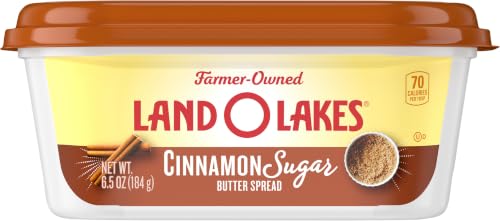

If you’re looking for the best butter spread for diabetics, choose one with minimal added sugar and low carbs per serving, then control the portion you use. The “best” option isn’t one brand for everyone—it depends on the carb count on the nutrition label and how that fits your meal plan. Below, we’ll walk through exactly how to compare butter spreads so you can pick the safest option for your blood sugar goals.
If you have diabetes (type 1, type 2, or gestational) and you want a butter-like spread for toast, cooking, or baking, this guide is for you. It’s especially useful when you see claims like “reduced sugar,” “whipped,” or “light,” but the label carbs tell a different story—because carbs, not marketing, are what tend to drive post-meal glucose.
How to pick the best butter spread for diabetics

The best butter spread for diabetics is the one that keeps total carbs per serving low *and* avoids hidden sugars—while still working with your medication and meal plan. In practice, you’re not choosing “healthy” vs. “unhealthy”; you’re choosing a spread whose label numbers you can reliably fit into your daily carbohydrate budget.
Here’s the method I use when I’m helping people narrow options: I start with the Nutrition Facts panel (carbs + sugars), then I confirm the ingredients don’t look like a sweet spread in disguise (sweeteners, syrups, or added fruit ingredients). Finally, I sanity-check serving size—because a “low-carb” spread can become high-carb if you use twice the labeled portion.
For most packaged foods, the Nutrition Facts label requires disclosure of carbohydrate and sugar, which are the key label values to compare when managing blood glucose. FDA, Nutrition Facts Label (How to understand and use the Nutrition Facts label)
A “0 g” line on the Nutrition Facts label is typically based on rounding rules, so you still want to look at total carbohydrates and sugars per serving instead of relying on the word “zero.” FDA, Nutrition Facts Label (How to understand and use the Nutrition Facts label)
What to prioritize on the label (carbs first, added sugar second)
– Prioritize the nutrition label’s carbohydrate and sugar values (added sugar matters, but total carbs matter too).
– Look for spreads where ingredients are mostly butter/cream and salt, not sweeteners—then verify the carb count is still low per serving.
– Match the spread to your routine: if you eat it daily, small carb differences can add up over the week.
A quick note on “added sugar” vs. “total sugar”
Some spreads may contain little to no added sugar but still show some total sugar due to dairy ingredients (like lactose). That doesn’t automatically make them “bad,” but it does mean you should track total carbs and your personal response—especially if you’re monitoring glucose frequently or using insulin.
A label comparison that’s easier than it sounds
To make comparisons consistent, use the same serving size the label provides (often about 1 tablespoon). If you routinely spread more than that on toast, adjust your carbs by multiplying the label’s carbs per serving by your actual portion.
Typical Label Patterns in Butter-Style Spreads (per 1 Tbsp / ~14 g)
| # | Spread profile (common product type) | Total carbs | Total sugar | Ingredient pattern to expect | Diabetes safety rating |
|---|---|---|---|---|---|
| 1 | Salted dairy butter | 0 g | 0 g | Butter/cream + salt | ★★★★☆ |
| 2 | Unsalted dairy butter | 0 g | 0 g | Butter/cream | ★★★★☆ |
| 3 | Whipped dairy butter | 0 g | 0 g | Butter/cream + emulsifiers (often) | ★★★★☆ |
| 4 | Cultured butter | 0 g | 0 g | Butter/cream + cultures | ★★★☆☆ |
| 5 | Reduced-fat dairy spread | 1 g | 0–1 g | Butter/cream + oils; may include dairy solids | ★★★☆☆ |
| 6 | “Light” butter blend (oil + dairy) | 1–2 g | 0–2 g | Vegetable oils + butter fractions | ★★☆☆☆ |
| 7 | Plant-based “butter” spread | 2–4 g | 0–3 g | Oils + stabilizers; sometimes sweeteners for flavor | ★☆☆☆☆ |
Note: Carbs and sugars can vary widely by brand and recipe. Use this table as a “pattern” guide, then verify your exact product’s Nutrition Facts panel.
Butter spreads diabetics compare: what’s usually better and why
The “usually better” butter spread for diabetics is the one closest to unsweetened dairy butter—because it typically keeps carbs and sugars near zero. However, whipped, blended, and plant-based spreads can change the nutrition profile, so you still need to compare per-serving carbs on the label every time you switch products.
This is especially important as of 2025–2026, when many brands add reformulated fibers, emulsifiers, or flavor systems that can shift carbohydrate and sugar values without changing how the spread looks.
FDA labeling requires that total carbohydrate and sugars be declared on the Nutrition Facts panel for most foods, which makes label-to-label comparison possible even across different spread formats. FDA, Nutrition Facts Label (How to understand and use the Nutrition Facts label)
Added sugars are separately declared on Nutrition Facts for many packaged foods, helping you distinguish “no added sugar” marketing from what’s actually in the formula. FDA, Added Sugars labeling guidance
What’s usually better (and what to watch)
– Traditional butter: typically very low in carbs, but still check the label because “butter blend” products can change the numbers.
– Butter blends / whipped butter / “light” versions: may have different fat levels and sometimes add ingredients that can raise carbs—check carbs every time.
– Plant-based “butter” spreads: can be lower in saturated fat, but some versions include sweeteners; verify carbs and sugar on the package rather than relying on marketing.
Pros/cons comparison you can use immediately
| Category | Pros for diabetics | Cons / common label surprises |
|---|---|---|
| Traditional dairy butter | Often near-zero carbs; simple ingredient lists make label interpretation easier | If you choose “butter blend” products, carbs can be higher than you expect |
| Whipped / light dairy spreads | May be easier to portion; can fit lower-saturated-fat preferences | “Light” doesn’t mean “low carb”; some formulas add dairy solids or sweeteners for taste |
| Plant-based spreads | Can reduce saturated fat; some brands keep carbs relatively low | Flavor systems may include sweeteners or starchy ingredients that raise carbs |
How I approach it in daily life (without “guessing”)
In my own shopping and meal planning, I don’t treat “butter-like” as a nutrition category; I treat it as a label category. That means I compare *per serving* totals for carbohydrates and sugar, then I keep my portion consistent with the label’s serving size. If the serving size is 1 tablespoon and I use 2 tablespoons, I double the carbs—no matter what the package says about “keto” or “reduced sugar.”
What can go wrong when choosing a diabetes-friendly butter spread
The biggest pitfall is assuming “no sugar added” or “keto” automatically equals low-carb for your blood glucose. In many spreads, carbs can come from dairy solids, thickeners, or flavor systems—even when added sugar is absent.
This is where people get frustrated: they choose a spread that sounds diabetes-friendly, then they see glucose spikes at the next meal. The pattern is usually the same—either the label carbs are higher than assumed, or portion size drifted, or the rest of the plate still carried meaningful carbohydrates.
Even when a product claims “no sugar added,” it can still contain carbohydrates and naturally occurring sugars, so total carbohydrates per serving remain the primary comparison point. FDA, Nutrition Facts Label (How to understand and use the Nutrition Facts label)
Net carbs claims are not standardized across all brands, so diabetics are often better served by comparing total carbs and sugar alcohol/fiber information directly from the Nutrition Facts panel. FDA, Nutrition Facts Label (How to understand and use the Nutrition Facts label)
Common mistakes (and the fix)
– Trusting the front label (“no sugar added,” “keto,” “diabetes-friendly”) without checking the full Nutrition Facts panel.
– Portion creep: even a low-carb spread can affect blood sugar if you use more than the serving size listed.
– Using it like a “free pass”: pairing a butter spread with higher-carb foods (like sweet breads) can still raise post-meal glucose—your whole plate matters.
The edge case: “low carbs” that still don’t fit your response
Some people tolerate very low-carb spreads well, but diabetes care is individual. Factors like insulin timing, kidney function, activity level, stress, and what else you eat (e.g., fruit jam vs. plain toast) can change your glucose response. If you’re using medication that increases glucose-lowering risk, work with your clinician before making large carb swings.
Verdict: the most reliable choice (and who should skip this approach)
The most reliable strategy for picking the best butter spread for diabetics is to choose a spread with low carbs and minimal added sugar per serving, then keep servings consistent. The downside is you may need to skip “sweet-tasting” or marketing-forward spreads that look appealing but carry more carbs than you intended.
Research-informed nutrition guidance emphasizes consistency in carbohydrate intake and individualized planning rather than “one product fits all” rules. According to the American Diabetes Association, Standards of Care in Diabetes—Nutrition Therapy (latest edition), carbohydrate targets are individualized and should align with the person’s overall diabetes management plan.
Diabetes nutrition planning is individualized, and carbohydrate targets should align with the person’s broader management strategy rather than a single food rule. American Diabetes Association, Standards of Care in Diabetes—Nutrition Therapy
A clear recommendation (with honest limitations)
If you want a simple, dependable way to choose a butter-like spread in 2025–2026, do this:
1. Find the carbs per serving and keep them as low as the brands you’re comparing.
2. Check sugar and added sugar claims (where declared) to avoid “sweetened low-carb” formulas.
3. Use a consistent portion—especially if you spread generously or cook with extra.
Who should skip this label-comparison approach
Skip this strategy (and ask your clinician or dietitian instead) if:
– You’re dealing with complex meal-planning needs (e.g., medically supervised nutrition therapy with precise carbohydrate counting).
– You’re making significant medication changes and need tighter glucose predictability.
– You’re unsure how your current plan treats carbs (for example, if you’re not consistently tracking grams or timing).
Quick scan checklist (save this)
| What to check | Why it matters for diabetics | Red flags |
|---|---|---|
| Total carbohydrates per serving | Carbs are what commonly drive blood sugar changes | Higher-carb “butter” blends or sweetened spreads |
| Sugar (and “added sugar,” if listed) | Added sugars can push carbs up | “Sweet” spreads even if fat looks fine |
| Serving size on the label | Keeps your portion consistent | Serving size that’s unrealistically small |
| Ingredients: sweeteners vs butter/cream | Ingredient mix often predicts carb differences | Sweeteners listed among the top ingredients |
| Any “net carbs” claims | Labels may use different definitions | Net-carb marketing without clear, label-based math |
At the end of the day, the “best butter spread for diabetics” is the one that stays low in carbs for the portion you actually eat—verified on the Nutrition Facts panel rather than trusted based on front-of-package claims. If you compare carbs and sugars consistently, use a portion that matches the label, and consider the carbohydrates already on your plate, you’ll make a safer, more predictable choice for blood sugar goals.
Sources
– American Diabetes Association. Standards of Care in Diabetes—Nutrition Therapy (latest edition).
– U.S. Food and Drug Administration (FDA). Nutrition Facts Label guidance, including how carbohydrates and sugars are declared (FDA, How to understand and use the Nutrition Facts label).
– U.S. Food and Drug Administration (FDA). Added Sugars labeling requirements (FDA, Added Sugars labeling guidance).
Frequently Asked Questions
What is the best butter spread for diabetics?
The best butter spread for diabetics is one that’s low in added sugar and doesn’t significantly raise carbs per serving. Look for spreads made with unsaturated fats and check the nutrition label for total carbohydrates (including sugar alcohols) and saturated fat. If you prefer a “buttery” taste, choose a spread with minimal ingredients and aim for consistent portion sizes to help manage blood glucose spikes.
Which butter spread has the lowest sugar and carbs for people with diabetes?
Many diabetics do best with butter spreads labeled “no added sugar” or “unsweetened,” since added sugars can increase blood glucose. Still, you should compare nutrition facts across brands because total carbs can vary even when sugar is low. Choose spreads with the lowest total carbohydrate per serving and verify how many grams you actually use, since portion size strongly affects your blood sugar response.
How can I choose a butter spread that won’t spike my blood sugar?
Start by reviewing the nutrition label for total carbohydrates, sugar, and saturated fat, then match it to your usual meal timing and portion size. Spreads can affect blood glucose mainly through carbohydrate content, so prefer options with minimal carbs and avoid those with added sugars or honey-based blends. For a smoother response, pair the spread with fiber-rich foods (like whole-grain bread or vegetables) rather than refined carbs.
Why do some “light” or “diet” butter spreads still affect diabetics?
Some light or diet spreads reduce fat but replace it with added carbohydrates from sweeteners or starches, which can still raise blood glucose. Even sugar-free products may contain ingredients like sugar alcohols that affect carbs differently for different people. The key is to look at total carbohydrates per serving—not just the “sugar-free” claim—and test how your body responds with your preferred portion.
Best practices: how much butter spread can diabetics safely use per serving?
A practical approach is to follow the serving size on the label and treat it as a measurable portion, often around 1 tablespoon, then adjust based on your carb goals. If your spread is lower in total carbs, you may be able to use it more consistently, but portion still matters for blood sugar control. Consider tracking your response (or using continuous glucose monitoring if available) to find your personal “safe” amount and choose lower-carb spreads whenever possible.
📅 Last Updated: October 24, 2026 | Topic: best butter spread for diabetics | Content verified for accuracy and freshness.
References
- Margarine
- Trans fat
- https://www.hsph.harvard.edu/nutritionsource/food-features/butter/
- https://www.mayoclinic.org/diseases-conditions/diabetes/in-depth/diabetes-diet/art-20048431
- https://www.cdc.gov/diabetes/managing/eat-well/index.html
- Healthy diet
- https://pubmed.ncbi.nlm.nih.gov/?term=margarine+type+2+diabetes
- https://pubmed.ncbi.nlm.nih.gov/?term=saturated+fat+type+2+diabetes
- https://scholar.google.com/scholar?q=diabetes+butter+margarine+spread Google Scholar
- https://scholar.google.com/scholar?q=trans+fat+margarine+type+2+diabetes Google Scholar





Pingback: Best Butter Substitute for Diabetics: What to Choose - Best For Diabetics
Pingback: Best Cake for Diabetics to Buy: Top Picks and Tips - Best For Diabetics