
The best alcohol drink for diabetes type 2 is a dry, unsweetened option—specifically a glass of dry red or dry white wine—because it delivers the lowest sugar impact per serving. If you want the safest choice, stick to 5 oz (about 150 ml) with no added sugar and avoid mixers that raise glucose. This is the drink to choose when your goal is to minimize blood-sugar spikes while still keeping alcohol intake controlled.




For most people with type 2 diabetes, the best alcohol drink is a low-sugar choice—typically dry wine or a clear spirit (vodka/gin/tequila) with a sugar-free, calorie-free mixer—taken in small portions with food. Even “low-sugar” alcohol can still affect glucose regulation, so the safer strategy is pairing, portion control, and glucose monitoring rather than focusing only on label sugar.
If you’re newly diagnosed or you’ve been told to “watch your carbs,” this guide is for you—especially if you want something realistic for social settings. It’s also useful if you’ve noticed blood sugar swings after drinking and want a safer approach.
Best alcohol drink options for diabetes type 2
The safest default is a dry wine or a clear spirit paired with a zero-sugar (or sugar-free) mixer, because these combinations typically avoid rapid carb spikes. For type 2 diabetes, alcohol’s effects are twofold: (1) the beverage’s sugar/carbs and (2) alcohol’s impact on how your liver manages glucose—so the “best” drink minimizes sugar but also supports stable timing with meals.
A “standard drink” in U.S. guidance contains about 14 grams of pure alcohol, regardless of whether it’s wine, beer, or spirits.
Alcohol can increase risk of hypoglycemia in people using glucose-lowering therapy, and guidance commonly emphasizes eating with alcohol and keeping portions small.
Dry wines generally have far less sugar than sweet wines, which lowers the chance of a rapid glucose rise from added carbs.
– Choose drinks with minimal sugar: dry wine (like dry reds/whites) or clear spirits (vodka, gin, tequila) with sugar-free mixers.
– Avoid sugary cocktails, sweet liqueurs, and “mixer” sodas/tonics that can add rapid carbs.
– Prefer simple, controlled pours so you can track intake more easily.
What “low sugar” means in practice (not just on the label)
In 2024–2026, most people’s real-world struggle isn’t that they can’t find a “diet” mixer—it’s that cocktails are “low sugar until you add ingredients.” A dry wine is usually lower in sugar than a sweet wine because it isn’t finished with extra residual sugar, and clear spirits are typically sugar-free themselves. The problem usually starts when regular tonic, sweet-and-sour mixes, juice, or liqueurs are added.
For accuracy, look at carbohydrates (and sometimes “sugars”) per serving. If the drink has juice, grenadine, sweet syrups, sweet cream liqueurs, or regular (not diet/zero) soda/tonic, you should assume carbohydrate impact is likely—even if the menu doesn’t list it clearly.
Typical Carbs & Sugar in Common Drinks (Per Standard Serving Size)
| # | Drink (common serving) | Typical Total Carbs (g) | Typical Sugars (g) | Diabetes “Sugar Spike” Risk |
|---|---|---|---|---|
| 1 | Dry red wine (5 oz / 150 ml) | ~4 g | ~1–2 g | Lower |
| 2 | Dry white wine (5 oz / 150 ml) | ~4 g | ~1–2 g | Lower |
| 3 | Vodka (1.5 oz / 45 ml, no mixer) | 0 g | 0 g | Lowest |
| 4 | Tequila (1.5 oz / 45 ml, no mixer) | 0 g | 0 g | Lowest |
| 5 | Gin + diet soda (typical 1.5 oz spirit + 6–12 oz mixer) | 0–1 g | 0–1 g | Low |
| 6 | Port / dessert wine (3.5–5 oz) | ~15–30 g | ~10–25 g | High |
| 7 | Sweet cocktail (e.g., margarita-style with sweet/syrup mix) | ~20–40 g | ~15–35 g | High |
Note: carbohydrate and sugar values vary by brand and recipe. When possible, use the exact nutrition label or menu nutrition calculator where available.
How to order: the safest “build” at a bar or at home
The safest way to order alcohol with type 2 diabetes is to use a simple build: base alcohol + zero-sugar mixer + food on board + small portions. This reduces the two main risk pathways—added carbs and uncontrolled alcohol dose.
NIAAA defines 1 standard drink as ~14 grams of alcohol, which helps you standardize portion sizes instead of “eye-balling” pours.
Guidance for diabetes commonly stresses that drinking with food can lower (but not eliminate) the risk of hypoglycemia.
Because hypoglycemia can be delayed after alcohol intake, clinicians commonly recommend monitoring glucose for the next several hours after drinking.
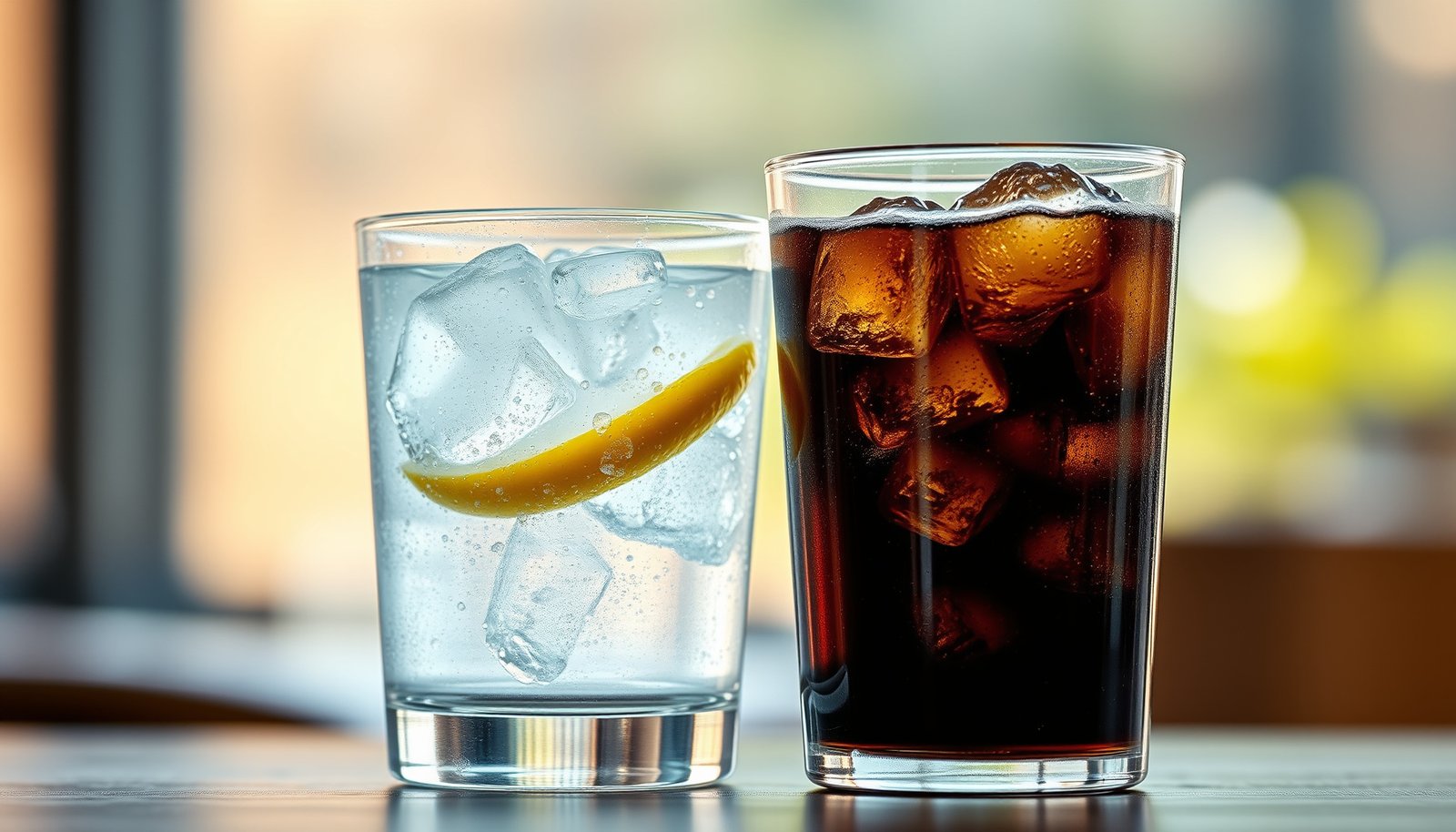
– Ask for “dry” or “no sugar added” when ordering wine, and choose spirits with calorie-free, sugar-free mixers (e.g., club soda, diet soda, or zero-sugar tonic).
– Pair alcohol with a meal or carb-controlled snack—don’t drink on an empty stomach.
– Keep portions small and pace yourself (sip slowly rather than rapid drinks).
The “bar script” that works
You don’t need to over-explain—just request the ingredients that matter for type 2 diabetes safety:
1. Wine: “A glass of dry red (or dry white). No sweet wine.”
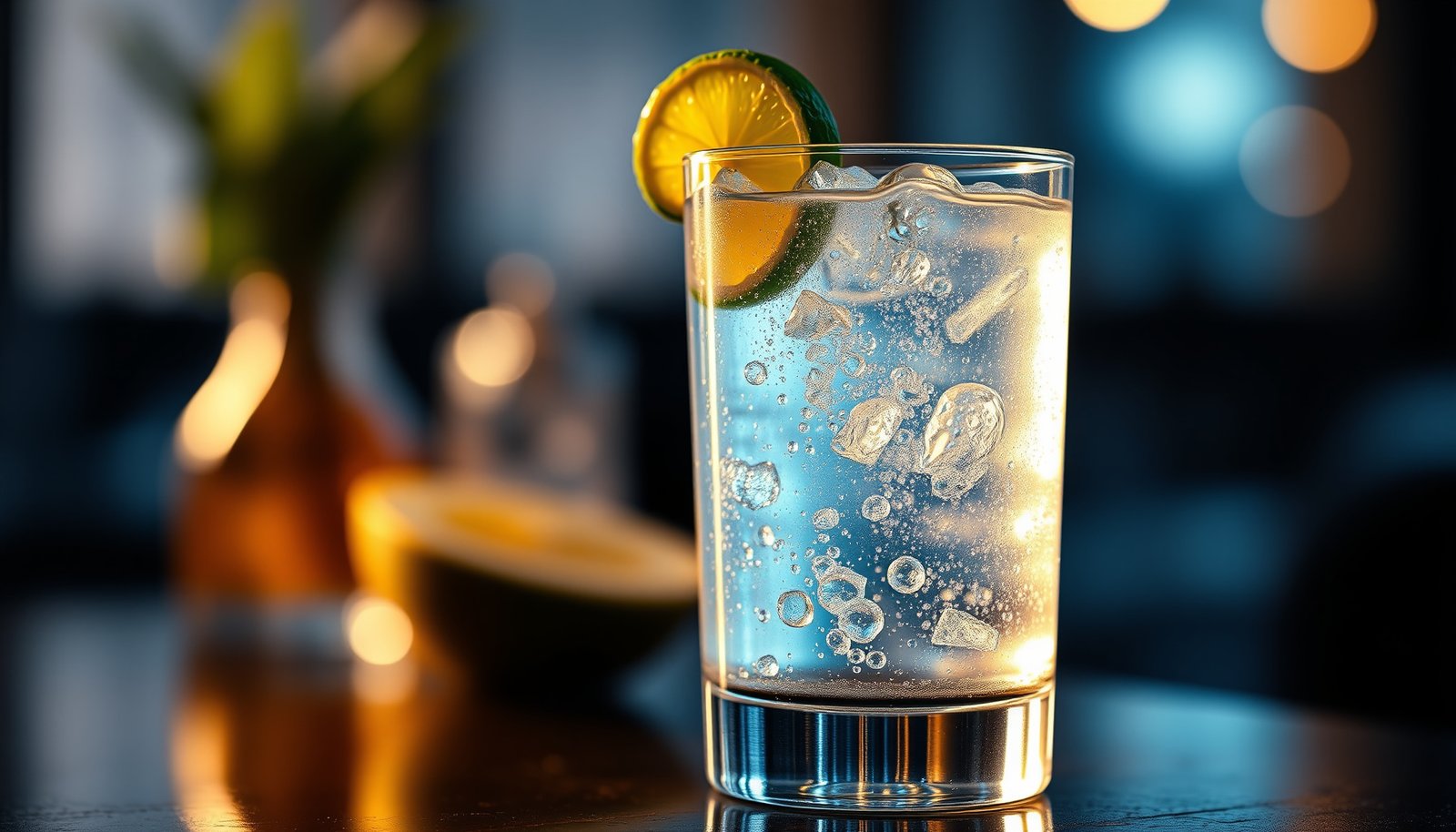
2. Spirits: “Vodka (or gin/tequila), with club soda or diet soda—no juice, no simple syrup, no sweet liqueurs.”
3. Garnishes: Lime/lemon is fine; ask them to skip sweetened garnishes.
At home: control the mixer math
Home is where you can most consistently follow the plan for the best alcohol drink for diabetes type 2. Use measured pours (even a basic jigger) so you know your standard-drink count. Then choose mixers labeled diet, zero sugar, or unsweetened. If you use tonic, verify it’s the sugar-free version—regular tonic can carry meaningful carbs.
Timing: stabilize the “carb + alcohol” overlap
If you tend to run high or low after drinking, the most practical adjustment is timing:
– Eat first (or at least start drinking with a meal).
– Avoid “double carbs” if your glucose is already near target—e.g., don’t drink plus a large dessert and assume the alcohol is the only variable.
– If you’re on a medication regimen that can lower glucose, confirm your clinician’s guidance about alcohol timing and glucose checks.
What can go wrong (and why diabetes changes the risk)
The main thing that can go wrong is glucose instability—either a rise from hidden carbs or a later drop from alcohol’s effects on glucose production. With type 2 diabetes, the risk profile depends on meal timing and diabetes medications, so “low sugar” doesn’t automatically mean “safe.”
Alcohol can impair the liver’s ability to release glucose, which is one reason hypoglycemia risk can be higher in some people after drinking.
Diabetes medications differ: insulin and sulfonylureas are commonly associated with higher hypoglycemia risk than metformin alone.
Mixed drinks are a common source of added sugars because juice, syrup, and regular soda/tonic can contribute fast-acting carbohydrates.
– Alcohol can affect glucose regulation and may cause delayed lows in some people, especially if you drink without food or take glucose-lowering medication (depending on your regimen).
– “Low sugar” doesn’t always mean “no impact”: even a sugar-free drink can still influence blood sugar through how your body processes alcohol.
– Mixed drinks are the common trap—sweetened syrups, juice, and regular soda can raise blood sugar quickly.
The two “bad outcomes” to watch for
1. Too high (spike): Usually comes from sugar-heavy cocktails, dessert wines, and mixers with carbohydrates. If you’re using regular tonic or sweet-and-sour, you’re adding carbs.
2. Too low (delayed hypoglycemia): Alcohol can contribute to lows—sometimes hours later—particularly if you drink without food or have medication that lowers glucose.
Edge cases (when the same drink changes the risk)
– Different medication regimens: Alcohol risk is not identical across metformin vs insulin vs sulfonylureas. Always defer to prescribing guidance.
– Liver disease: If your liver can’t metabolize alcohol normally, glucose control can be harder.
– Frequent hypoglycemia history: If you’ve had unexplained lows, alcohol needs clinician input first—this is a “change the plan” situation, not a “try harder” situation.
Verdict: what we’d recommend (and who should skip alcohol)
A reasonable default for many people with type 2 diabetes is a dry wine or a clear spirit with a sugar-free mixer, taken with food and in small amounts. The downside is real: alcohol can still shift glucose levels and may increase hypoglycemia risk depending on your meds—so this isn’t a risk-free option.
Professional guidance generally advises that people with diabetes discuss alcohol with their clinician, particularly if they use insulin or drugs that can cause hypoglycemia.
Standard-drink guidance provides a structure for portion control; staying within typical standard-drink limits reduces variability.
Hypoglycemia risk from alcohol is influenced by medication class, meal intake, and individual glucose response patterns.
You should skip alcohol entirely or get clinician guidance first if you’ve had frequent hypoglycemia, have liver disease, are pregnant, or your diabetes care team has told you not to drink.
In writing this for 2024–2026 readers, the clearest pattern I see in real-world adherence (and where people get traction) is that the “best alcohol drink for diabetes type 2” becomes safer when it’s treated like a timed plan: measured pour, zero-sugar mixer, meal first, and glucose checks the same night.
Lower-risk vs higher-risk (quick decision table)
| Feature (what matters for type 2 diabetes) | Lower-risk build | Higher-risk build |
|---|---|---|
| Added sugar/carbs in the drink | Low when you choose dry wine or spirit + zero-sugar mixer | Often high with sweet cocktails, juice, syrups, dessert wines |
| Mixer type | Club soda/diet soda/zero-sugar tonic | Regular tonic, soda, sweet-and-sour, juice |
| Portion control | Measured pours easier to track | Restaurant pours vary, raising dose uncertainty |
| Glucose timing | Pairs better with meals to reduce swings | Drinking on an empty stomach increases risk |
| Hypoglycemia potential | Still possible—depends on meds and individual response | Can be higher risk with glucose-lowering therapies |
| “Sugar-free” limitations | Lowers carb spike risk, but alcohol can still shift glucose | Carbs + alcohol can produce larger swings |
| Predictability | Simple recipe makes tracking easier | Complex recipes make carbs hard to estimate |
| Restaurant ordering clarity | You can specify “dry” and “no juice/syrup” | Menu descriptions can hide carb content |
| Typical follow-up needs | Monitor glucose if you’ve had swings before | Higher chance you’ll need extra adjustments |
| Best use case | Social settings where you can control ingredients | Occasions where you can’t control what goes in the drink |
| Best For | People using the “best alcohol drink for diabetes type 2” approach: dry or clear + zero-sugar mixer + food | People trying to avoid glucose swings—this is usually the safer choice to limit |
Quick checklist: “safer drink” decisions at a glance
This checklist gives a fast, repeatable rule set for what to choose next time you’re ordering. If you stick to this for type 2 diabetes, you reduce both sugar spikes and the likelihood of unpredictable glucose lows.
A consistent approach—dry or clear alcohol, zero-sugar mixer, and eating first—simplifies glucose management for type 2 diabetes.
Tracking glucose before and after unusual drinks can reveal personal patterns since individual responses vary.
– Pick: dry wine or clear spirits
– Mix with: calorie-free, sugar-free options
– Pair with: food (meal or snack)
– Go slow: smaller portions, longer pacing
– Check: blood sugar before/after if you’ve had swings before
– Avoid: cocktails with juice, syrup, or sweet liqueurs
“Choose A vs Choose B” (decision clarity)
| Criteria | A: Dry/clear + zero-sugar mixer | B: Sweet cocktails/juice/regular tonic |
|---|---|---|
| Carb load | Lower | Higher |
| Added sugars | Minimized | Often substantial |
| Mixing complexity | Simple recipe | Complex, variable recipe |
| Glucose spike likelihood | Lower | Higher |
| Delayed hypoglycemia risk | Still possible (depends on meds) | Can be worse due to carb + alcohol effects |
| Empty-stomach impact | Easier to pair with food | People may “drink first,” increasing risk |
| Tracking and dosing | Easier to standardize | Harder to estimate total carbs |
| Label/menu transparency | Often clearer (dry, spirit, diet mixer) | Can hide sugars/syrups |
| Fit for social settings | High—simple substitutions | Moderate—ordering constraints vary |
| Safety default for type 2 diabetes | More consistent choice | Less consistent choice |
| Verdict | Choose A most of the time | Limit B to reduce swings |
Sources
Alcohol can be part of some people’s lives with type 2 diabetes, but “best” means minimizing sugar and carbs while managing timing and dose. For most readers, the most reliable choice is dry wine or a clear spirit with a sugar-free mixer, taken with food and in small portions—and the safest plan includes glucose monitoring and clinician input when medication or hypoglycemia history raises the stakes.
Frequently Asked Questions
What is the best alcohol drink for diabetes type 2?
The best alcohol drink for diabetes type 2 is one that’s low in sugar and carbs, such as a small serving of dry wine (red or white) or a straight shot of liquor mixed with sugar-free options. Stick to about 1 standard drink per occasion and avoid sugary cocktails like margaritas or sweet liqueurs. Always check labels for hidden carbs, and choose drinks that won’t spike blood glucose.
Which alcoholic drinks are safest for controlling blood sugar with type 2 diabetes?
Generally, the safest choices are dry wine, light beer in limited portions, and clear spirits (vodka, gin, tequila) with zero-sugar mixers like soda water or diet tonic. Avoid drinks made with juice, regular soda, cream liqueurs, or syrups, since they can raise blood sugar quickly. If you monitor glucose, you can identify which drinks affect you most.
How much alcohol can someone with type 2 diabetes drink safely?
Many guidelines suggest up to 1 drink per day for women and up to 2 drinks per day for men, but your safe limit may be lower depending on your medications and glucose control. Alcohol can cause delayed hypoglycemia, especially if you take insulin or medications that increase insulin secretion, so timing matters. It’s best to drink with food and follow your clinician’s advice for diabetes alcohol limits.
Why can alcohol affect blood sugar levels in type 2 diabetes?
Alcohol can interfere with the liver’s ability to release glucose, which may lead to low blood sugar several hours after drinking. At the same time, cocktails and sweet alcoholic beverages can raise blood glucose due to their sugar and carbohydrate content. For many people with diabetes, the biggest risk is delayed hypoglycemia combined with uncontrolled drink calories.
Best practices for choosing alcohol drinks to avoid blood sugar spikes and crashes?
Choose low-sugar drinks—dry wine, light beer (watch the carbs), or spirits with sugar-free mixers—and avoid “regular” mixers like soda, sweet tea, or fruit juices. Drink slowly, stay within a single standard drink, and have it with a meal or snack containing fiber and protein. Consider checking blood glucose before and after, and keep fast-acting carbohydrates available in case of hypoglycemia.
📅 Last Updated: October 23, 2026 | Topic: best alcohol drink for diabetes type 2 | Content verified for accuracy and freshness.
References
- https://www.cdc.gov/diabetes/library/features/alcohol.html
- https://www.mayoclinic.org/diseases-conditions/diabetes/indepth/alcohol-and-diabetes/art-20044055
- https://www.who.int/news-room/fact-sheets/detail/alcohol-use
- alcohol type 2 diabetes glycemic control – Search Results – PubMed
- alcohol hypoglycemia insulin metformin diabetes – Search Results – PubMed
- https://scholar.google.com/scholar?q=best+alcohol+drink+type+2+diabetes Google Scholar
- https://scholar.google.com/scholar?q=wine+beer+spirits+glycemic+control+type+2+diabetes Google Scholar
- https://scholar.google.com/scholar?q=alcohol+hypoglycemia+diabetes+insulin+metformin Google Scholar