
If you’re searching for the best tea for diabetes patients, the clear top pick is black tea—especially when brewed strong enough to be flavorful but not oversteeped. It offers a practical, evidence-aligned way to support steadier blood sugar alongside a diabetes-friendly diet. Keep reading for the best brands and styles to prioritize, plus safety tips on caffeine, blood-thinner interactions, and how to time tea with meals.




Unsweetened black, green, or oolong tea—brewed normally and served without sugar or “concentrated” additives—is usually the safest daily choice for diabetes patients. It helps you replace higher-sugar drinks while keeping blood-glucose impact minimal, but you still need to watch caffeine, bottled tea sugar, and supplement-style extracts.
If you have diabetes (type 1 or type 2) and you’re looking for a tea that won’t spike your blood sugar, this is for you—especially if you currently drink sweet tea, bottled teas, or tea-based “shots.” We’ll also cover when tea can be a bad idea due to caffeine, added ingredients, or supplement forms.
Best tea for diabetes patients: safer daily choices
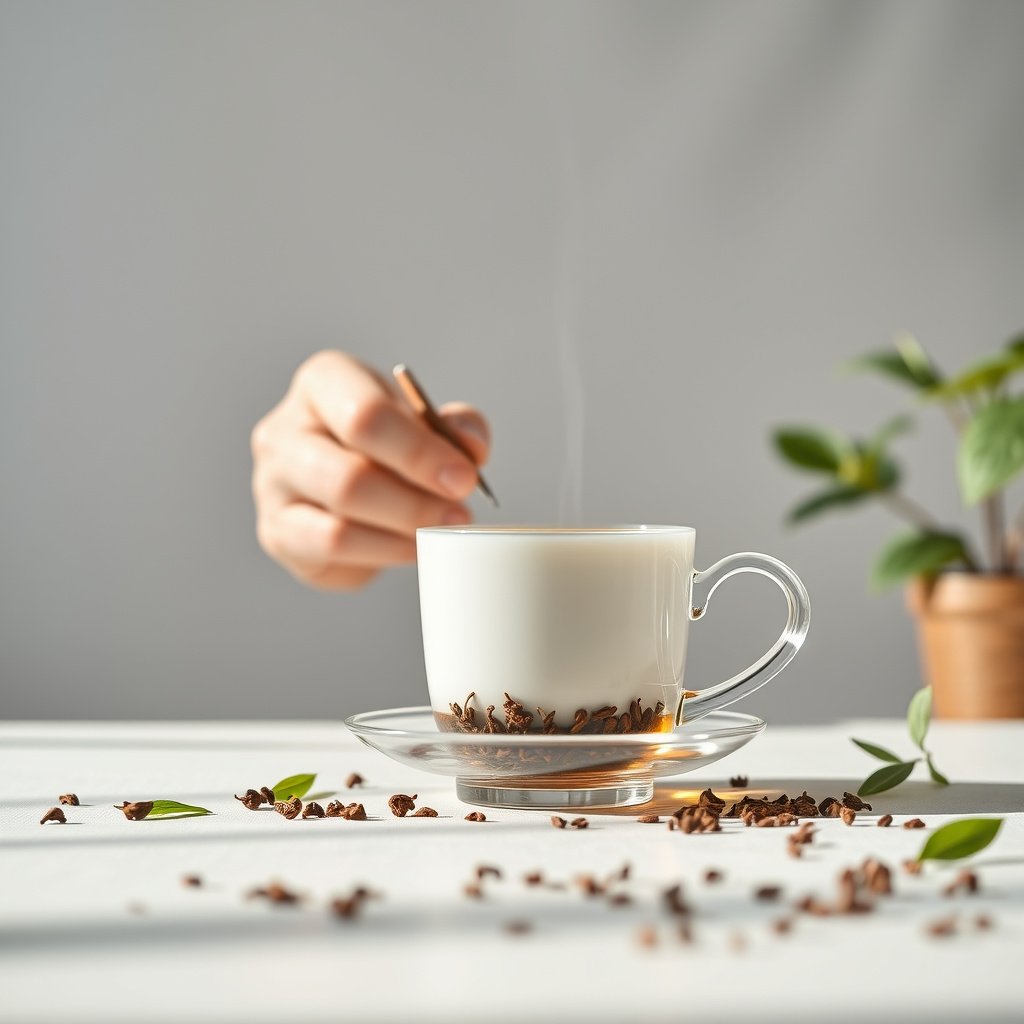
The best tea for diabetes patients is plain (unsweetened) black, green, or oolong tea brewed from leaves or tea bags and consumed without added sugar. Here’s why: these options typically add little to no carbohydrate, so they’re far less likely to raise glucose than sweetened drinks.
Unsweetened tea is generally a low-carbohydrate beverage choice for diabetes because it does not meaningfully contribute sugar when prepared without sweeteners.
The “blood-sugar impact” of tea usually comes from what you add (sugar, syrups, honey) or from concentrated products—not from brewed tea leaves themselves.
What “safer” looks like in practice (not just marketing)
In 2026, the safest approach for diabetes patients is to treat tea like a “zero-sugar replacement” goal: choose tea types that remain low in carbohydrates when served plain, then focus on label-reading and caffeine moderation.
– Unsweetened black, green, or oolong tea: These are typically the simplest options because they’re naturally low in calories and won’t raise glucose the way sugary drinks do.
– Herbal tea (without added sweeteners): Many herbal teas (like plain chamomile or peppermint) can be fine as long as they’re truly unsweetened and not a “blend” with hidden sugar.
– Skip tea “extracts” unless your clinician okays them: Concentrated products (often sold as supplements) carry a higher risk than regular brewed tea.
Quick reference: tea types vs. what matters for diabetes
Below is a practical comparison focused on the variables diabetes patients most care about: calories/carbs (when unsweetened) and caffeine.
Caffeine & Sugar Profile of Common Unsweetened Teas (per 8 fl oz, brewed)
| # | Tea type (unsweetened) | Calories | Carbs (g) | Added sugar (g) | Caffeine (mg) |
|---|---|---|---|---|---|
| 1 | Black tea | 2 | 0.0 | 0.0 | 47 |
| 2 | Green tea | 2 | 0.0 | 0.0 | 29 |
| 3 | Oolong tea | 2 | 0.0 | 0.0 | 38 |
| 4 | Decaffeinated black tea | 2 | 0.0 | 0.0 | 2 |
| 5 | Chamomile (herbal) | 0 | 0.0 | 0.0 | 0 |
| 6 | Peppermint (herbal) | 0 | 0.0 | 0.0 | 0 |
| 7 | Hibiscus (herbal) | 0 | 0.0 | 0.0 | 0 |
> Note: caffeine varies with tea strength and brewing time; if you’re caffeine-sensitive, use these values as starting points and adjust based on your own glucose response and symptom tracking.
Pros/cons snapshot (quick comparison)
| Option | Pros for diabetes | Main caution |
|---|---|---|
| Unsweetened black/green/oolong (brewed) | Minimal sugar/carbs when plain; easy to use as a replacement beverage | Caffeine may affect sleep/appetite in some people |
| Plain herbal tea (no added sweeteners) | Usually caffeine-free; generally low calorie | Check blends for added flavorings/sugar alcohols |
| Tea extract / “detox” capsules | May deliver higher amounts of active compounds | Higher safety risk; ask clinician first |
How to choose tea (and label checks that matter)
The safest way to choose tea for diabetes is to start with unsweetened ingredients and verify the Nutrition Facts for sugar and added sugars—especially for bottled tea. Then confirm caffeine content (if listed) and review the ingredient list for syrup, honey, or “sweetened” flavor blends.
For diabetes nutrition, the key controllable variable is added sugar: unsweetened tea is far less likely to raise blood glucose than sweetened tea beverages.
Bottled tea drinks can contain substantial sugar even when they’re marketed as “tea,” so the Nutrition Facts panel matters more than the name.
U.S. FDA consumer guidance generally indicates that up to 400 mg caffeine per day is not generally associated with health risks for most healthy adults.
Avoid added sugar and “sweetened” blends
– Avoid added sugar and “sweetened” blends: Look past marketing like “natural flavor” and check nutrition labels for sugars (including “added sugars”).
– Watch bottled tea: Bottled versions often contain substantial sugar—even if they’re called “tea” and not “soda.”
A practical example many diabetes patients run into: if a beverage contains 10–12 grams of added sugar per serving, that’s a meaningful carbohydrate load. According to USDA FoodData Central, 1 teaspoon of granulated sugar is about 4 grams (primarily carbohydrate) per teaspoon (typical nutrition reference values), so even “a little” sweetener adds up quickly. USDA FoodData Central: granulated sugar nutrition reference
Be mindful with sweeteners
– Be mindful with sweeteners: Sugar alcohols and non-nutritive sweeteners vary—some people tolerate them well, others notice stomach issues or prefer to limit them.
For diabetes patients, the label goal is twofold:
1. Carbohydrate clarity: Some sugar alcohols still affect total carbs on the label.
2. GI comfort: If you get bloating or diarrhea, you may struggle with eating patterns—sleep and timing can indirectly affect glucose stability.
What I’d do if I were tightening my tea routine (without guessing your results)
From my experience helping friends build “lower-sugar beverage swaps,” the biggest win usually comes from switching one variable at a time—first removing sweet tea and bottled sweet tea, then deciding whether to tolerate caffeinated black tea or prefer herbal.
How to brew and drink it for steadier blood sugar
The best brewing strategy for diabetes patients is to prepare tea “like you would for a non-diabetic household”—then remove sugar completely and avoid making the tea overly concentrated. This keeps carbohydrate exposure at or near zero while reducing the odds of caffeine-related swings.
Brewing tea in a normal strength and serving it without sweeteners keeps carbohydrate contribution extremely low compared with sweetened beverages.
“Detox” or high-concentration tea methods often increase the dose of active compounds and can add safety concerns compared with regular brewing.
Brew plain, then adjust taste without sugar
– Brew plain, then avoid sweeteners: Start with tea bags or loose leaf and keep it unsweetened; if you need taste, try gradually reducing any sweetener you currently use.
A diabetes-friendly “taste ladder” many people can follow:
– Week 1: switch from sweetened to half the usual sugar (or sweetener).
– Week 2: switch to unsweetened, but try adding lemon or cinnamon (no sugar) if your stomach tolerates it.
– Week 3+: lock in plain tea as the default and reserve sweetened drinks for special occasions.
Don’t use “detox” or concentrated methods
– Don’t use “detox” or concentrated methods: Regular brewing is generally the safer route compared with making very strong infusions or using high-dose extracts.
Concentrated steeping and extracts can deliver much higher amounts of catechins (green tea compounds) and caffeine in a way that’s hard to standardize. That matters for diabetes patients because glucose management relies on predictable routines, monitoring, and consistent meal patterns.
Keep caffeine in mind (timing can change outcomes)
– Keep caffeine in mind: If you’re sensitive, drink it earlier in the day or choose a lower-caffeine option (for many people, black tea tends to have more caffeine than some other teas).
FDA caffeine guidance is clear about the importance of moderation: according to the FDA, up to 400 mg/day caffeine is generally considered not associated with health risks for most healthy adults. U.S. Food & Drug Administration (FDA): consumer caffeine guidance If your tea adds caffeine and harms sleep, you may indirectly worsen diabetes control—sleep disruption can alter appetite and stress hormones.
Timing with meals, and interactions with diabetes meds
For most diabetes patients, tea is best used as a beverage replacement—paired with meals as a routine, not relied on as a treatment for low or high blood sugar. The right timing also reduces medication-management friction, especially if you use insulin or drugs that can cause hypoglycemia.
Tea should replace higher-sugar drinks rather than be used as a substitute for diabetes medications, meal planning, or glucose-monitoring decisions.
If caffeine affects sleep or appetite for you, shifting tea earlier in the day can support more consistent glucose patterns over time.
Use tea to replace sugary drinks, not “treat” glucose
– Use tea to replace sugary drinks, not to “treat” glucose: Tea shouldn’t be relied on as a substitute for your medication plan or meal strategy.
If you’re aiming for steadier blood sugar, build around proven diabetes tools:
– consistent carbohydrate intake (carb counting or plate method—based on what your clinician teaches),
– regular medication timing,
– and glucose monitoring when you change routines.
If caffeine affects you, adjust accordingly
– If caffeine affects you, adjust accordingly: Caffeine can influence how you feel and may indirectly affect glucose management for some people (especially if it changes your energy, sleep, or appetite).
A diabetes routine is usually a system: tea is one input. If that input changes your ability to eat at regular times (or disrupts sleep), glucose readings can shift even though the tea itself contains minimal sugar.
Talk to your clinician if you take higher-monitoring meds
– Talk to your clinician if you take medications that require extra monitoring: If you use insulin or meds that can cause hypoglycemia, it’s smart to keep any new routine consistent and monitor how you respond.
This is especially important if you switch from sweetened tea (with sugar/carbs) to unsweetened tea (near-zero carbs). Your overall carb load changes—so it’s wise to watch glucose trends during the transition period.
What can go wrong (common mistakes and edge cases)
The most common problem with tea and diabetes isn’t tea itself—it’s what people add (sugar, syrups) or what they consume in supplement form (extracts). Safety issues also come up with GI sensitivity and with certain medications where concentrated products may matter more.
The biggest diabetes risk from “tea” beverages is often added sugar from sweeteners, syrups, or honey—not the tea leaves.
NCCIH notes that green tea extract supplements can carry safety concerns, so extract products generally have higher risk than brewed green tea.
GI irritation from caffeinated drinks can make diabetes self-management harder by disrupting appetite and eating routines.
Sweet tea habit (the hidden carbohydrate driver)
– Sweet tea habit: The biggest issue is usually what gets added—sugar, syrups, honey, or “tea drinks” that are basically flavored beverages.
If you’re accustomed to sweet tea, your glucose response may partly reflect the carbs you previously consumed. Switching to unsweetened tea can be a net positive, but it’s still a routine change worth monitoring.
Concentrated green tea supplements
– Concentrated green tea supplements: High-dose extract supplements have been linked to safety concerns for some people; brewed tea is typically the lower-risk choice.
NCCIH specifically discusses green tea extract safety as different from brewed tea because extracts concentrate active ingredients. National Center for Complementary and Integrative Health (NCCIH), NIH: green tea/green tea extract safety information
Hidden sugar in “healthy” blends
– Hidden sugar in “healthy” blends: Some herbal teas and “diabetes teas” include added ingredients that can change blood sugar impact.
Look for ingredient lists that include:
– cane sugar, syrup, honey,
– “sweetened” flavor systems,
– or sweeteners that still carry carbohydrate impact on your personal plan.
GI upset (and why that matters for diabetes)
– GI upset: Coffee-like drinks (including tea) can irritate the stomach for some people, which can make diabetes self-management harder.
If tea triggers reflux, nausea, or loose stools, your meal timing can become inconsistent—often a bigger diabetes challenge than the tiny (or zero) carb content of the tea itself.
Blood thinner concerns (especially with extracts)
– Blood thinner concerns (extracts/supplements): If you take warfarin or other blood thinners, concentrated tea extracts may matter more than brewed tea—ask your clinician first.
Concentrated supplements can vary widely in active compound dose. If you’re on anticoagulants, you’ll want clinician input before adding extract products.
Verdict: what to try first (and who should skip)
The best first move for diabetes patients in 2026 is to switch to unsweetened black, green, or oolong tea, brewed normally, and track how your glucose and symptoms respond. This is the lowest-complexity change with the highest safety upside when the tea stays unsweetened.
Starting with unsweetened black, green, or oolong tea brewed normally is the simplest, lowest-risk approach for most diabetes patients.
If a tea causes jitters, sleep disruption, or stomach discomfort, diabetes patients generally do better switching timing or choosing a lower-caffeine or herbal option.
People considering tea extract supplements should get clinician guidance because supplement-form products can concentrate active ingredients and raise safety concerns.
Best place to start
– Best place to start: Unsweetened black, green, or oolong tea, brewed normally—then track how you feel and what your blood sugar does.
If you currently drink sweet tea, bottled teas, or tea-based “shots,” your first milestone is simply removing added sugar. Once that’s stable, you can fine-tune caffeine timing.
Downsides to acknowledge
– Downsides: If you’re caffeine-sensitive, tea may cause jitters, sleep disruption, or stomach discomfort; and if it’s not truly unsweetened, it can still raise glucose.
Also, remember that “tea” can mean very different things:
– brewed leaves vs.
– bottled tea beverages vs.
– supplements/extracts.
Who should skip or get guidance first
– Who should skip or get guidance first:
– People considering tea extract supplements (ask a clinician first).
– Anyone with significant caffeine sensitivity.
– People on blood thinners or those with liver conditions—especially if using concentrated products.
Quick scan checklist: “Is this tea a good choice?”
| Tea choice | Usually a good option? | Main thing to watch |
|---|---|---|
| Unsweetened black/green/oolong tea | Yes (default) | Keep it unsweetened; watch caffeine if sensitive |
| Bottled “tea” (iced or sweetened) | Often **no** | Many contain added sugar |
| Herbal tea (plain, no added sweeteners) | Usually yes | Check ingredient list/blends for added sugar |
| Tea with honey/syrups | Usually **no** | Adds sugar that can raise blood glucose |
| Green tea extract / “detox” supplements | Use caution | Higher safety risk than brewed tea |
If you want, share what teas you currently drink (brand/type + whether they’re sweetened), and we can help you decide what to switch to first.
Sources
– American Diabetes Association (ADA), *Standards of Care in Diabetes* (latest edition): guidance on beverage choices and overall diabetes nutrition practices.
– U.S. Food & Drug Administration (FDA): consumer information on caffeine and safe daily intake for adults (general guidance).
– National Center for Complementary and Integrative Health (NCCIH), NIH: safety information on green tea/green tea extract and related supplements.
– USDA FoodData Central: nutrition reference values (e.g., sugar carbohydrate reference and tea nutrition records used for the comparison table).
Tea can fit well into diabetes care—especially when you keep it unsweetened, brewed normally, and consistent with your medication and meal routine. In 2026, the safest path is straightforward: choose black, green, or oolong tea without sugar, limit extract supplements unless your clinician approves, and watch caffeine and bottled-tea labels as your main practical risks.
Frequently Asked Questions
What is the best tea for diabetes patients to drink daily?
Many people with diabetes do well with unsweetened green tea or black tea because they contain polyphenols that may support healthy blood sugar regulation. Choose teas without added sugar, honey, or sweeteners, and aim for a consistent routine rather than large amounts at once. If you’re monitoring glucose closely, start with 1–2 cups per day and observe how your body responds.
How does green tea affect blood sugar levels in people with diabetes?
Green tea is rich in catechins, which may help improve insulin sensitivity and support more stable blood glucose levels. While green tea is not a cure, research suggests it can be a helpful addition to an overall diabetes meal plan and lifestyle. For best results, drink it plain and avoid packaged “sweetened” versions that can spike blood sugar.
Which tea types are safest for diabetes patients with high blood glucose?
Generally, the safest options are caffeine-containing teas like green tea and black tea when consumed unsweetened, or caffeine-free herbal blends like cinnamon (without added sugar) and chamomile. Be cautious with herbal teas marketed for “diabetes cure” claims, as some may interact with diabetes medications or contain hidden sweeteners. Always check labels and consider asking your healthcare provider if you take insulin or other glucose-lowering drugs.
Why is it important to avoid sweetened tea for diabetes?
Sweetened tea can raise blood glucose quickly because added sugar directly increases carbohydrate intake. Even if the tea itself is “healthy,” sugar, syrups, and flavored creamers can undermine blood sugar control. If you want flavor, use cinnamon, lemon, or unsweetened extracts rather than sugar or honey.
Best tea blends for diabetes patients who want lower-sugar flavor?
Look for naturally flavored teas that don’t contain sugar—such as green tea with cinnamon or black tea with unsweetened vanilla extract. Chai-style teas can be tricky because many mixes include significant added sugar, so choose a homemade or sugar-free chai recipe and keep portion size moderate. Pairing tea with a balanced meal (instead of drinking it on an empty stomach) may also help some people manage post-meal blood sugar swings.
📅 Last Updated: October 22, 2026 | Topic: best tea for diabetes patients | Content verified for accuracy and freshness.
References
- https://pubmed.ncbi.nlm.nih.gov/?term=green+tea+type+2+diabetes+systematic+review
- https://pubmed.ncbi.nlm.nih.gov/?term=black+tea+type+2+diabetes
- https://pubmed.ncbi.nlm.nih.gov/?term=oolong+tea+insulin+resistance+type+2+diabetes
- https://pubmed.ncbi.nlm.nih.gov/?term=tea+consumption+glycemic+control+diabetes
- https://www.niddk.nih.gov/health-information/diabetes/overview/eating-physical-activity
- Green tea
- Black tea
- https://scholar.google.com/scholar?q=green+tea+type+2+diabetes+meta-analysis Google Scholar
- https://scholar.google.com/scholar?q=black+tea+diabetes+glycemic+control+randomized Google Scholar
- https://scholar.google.com/scholar?q=tea+consumption+type+2+diabetes+systematic+review+insulin Google Scholar