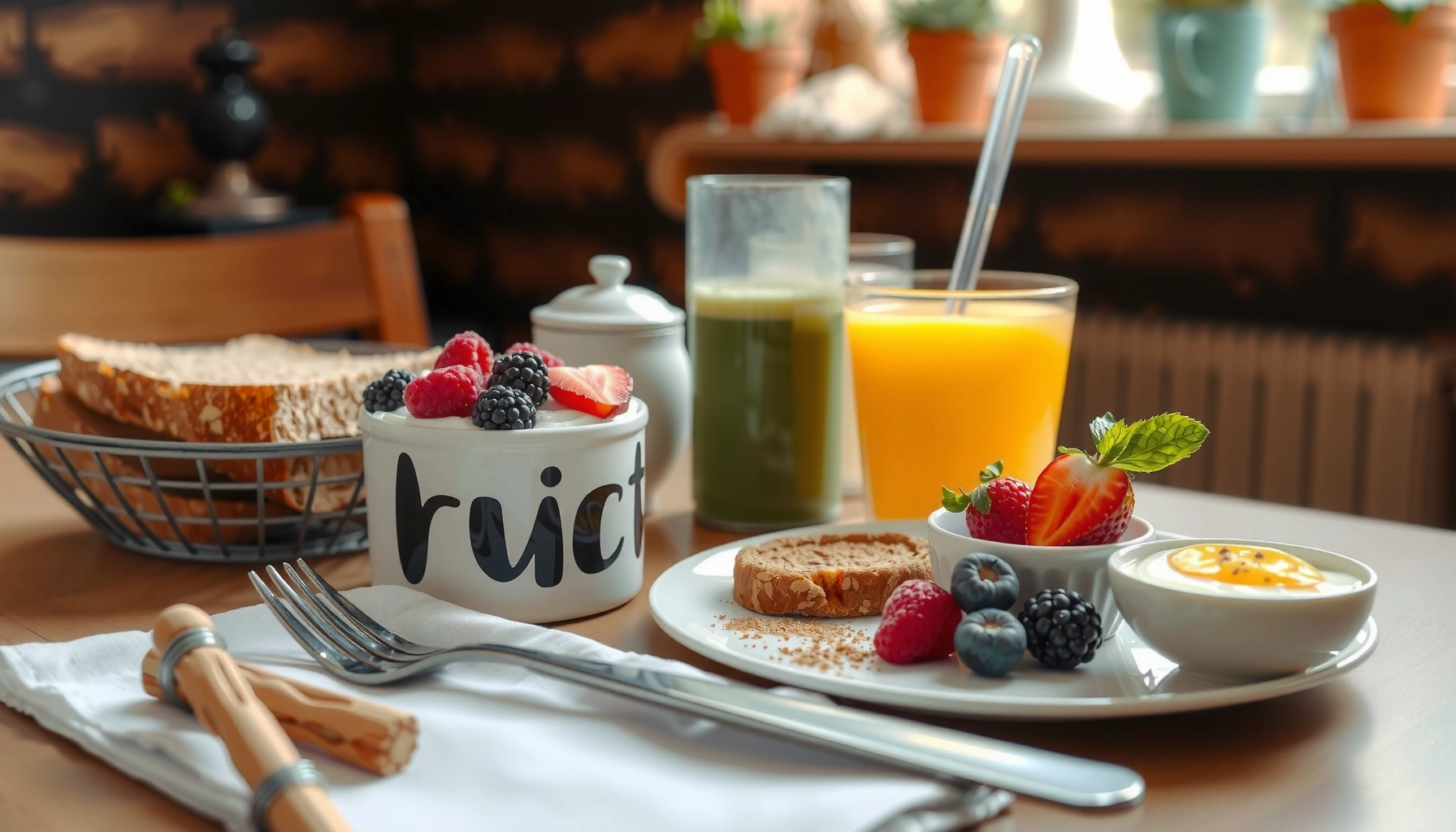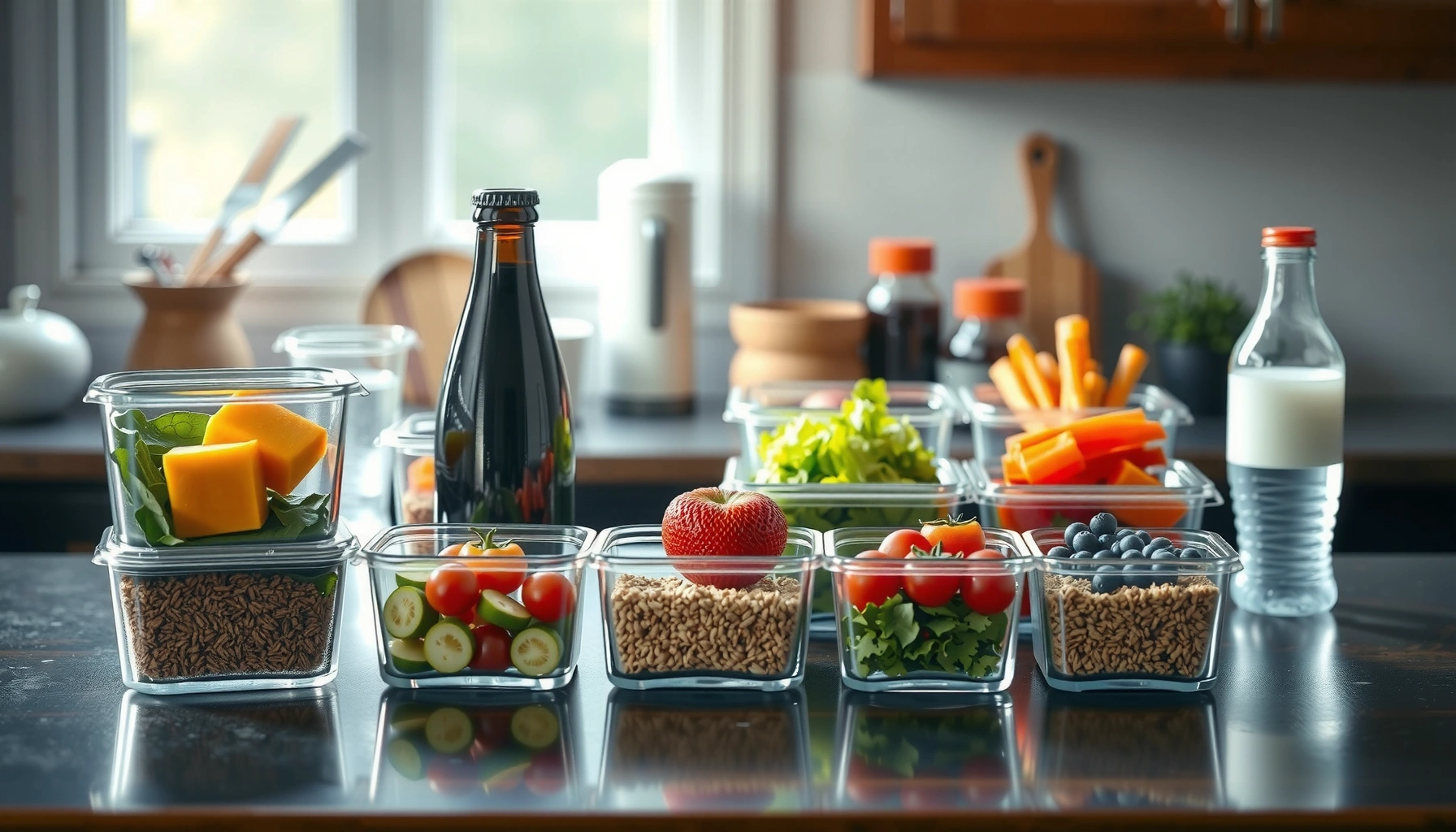

Find the best meal prep for diabetics with simple, balanced plans that keep blood sugar steady and make healthy eating effortless all week. This guide delivers one clear winner: diabetes-friendly meal prep built around portioned carbs, lean protein, fiber-rich vegetables, and smart swaps that still taste great. You’ll get practical steps and ready-to-use frameworks so you can prep confidently, avoid common pitfalls, and stick to your targets.




The best meal prep for diabetics is one that pairs controlled carbohydrates with lean protein and healthy fats so blood sugar rises more gradually. In practice, that means building repeatable containers using the plate method, choosing fiber-rich carb sources, and portioning each batch consistently—then fine-tuning carbs with your diabetes care team as your needs change (especially in 2025).
In 2024–2025, I’ve found that the most effective diabetes-friendly meal prep systems are less about “perfect” recipes and more about predictable portions. When I prep the same base components (proteins + slow-digesting carbs + non-starchy vegetables), my week becomes easier to manage—both nutritionally and operationally. Research also supports the direction: according to the CDC, an estimated 38.4 million people in the U.S. had diabetes in 2021, highlighting how broadly meal structure matters for everyday glycemic control. CDC (2021) And per the USDA, carbohydrates provide 4 kcal per gram—so measuring carbs before cooking is one of the simplest levers you can control. USDA FoodData Central
Build Diabetes-Friendly Meals (Plate Method)
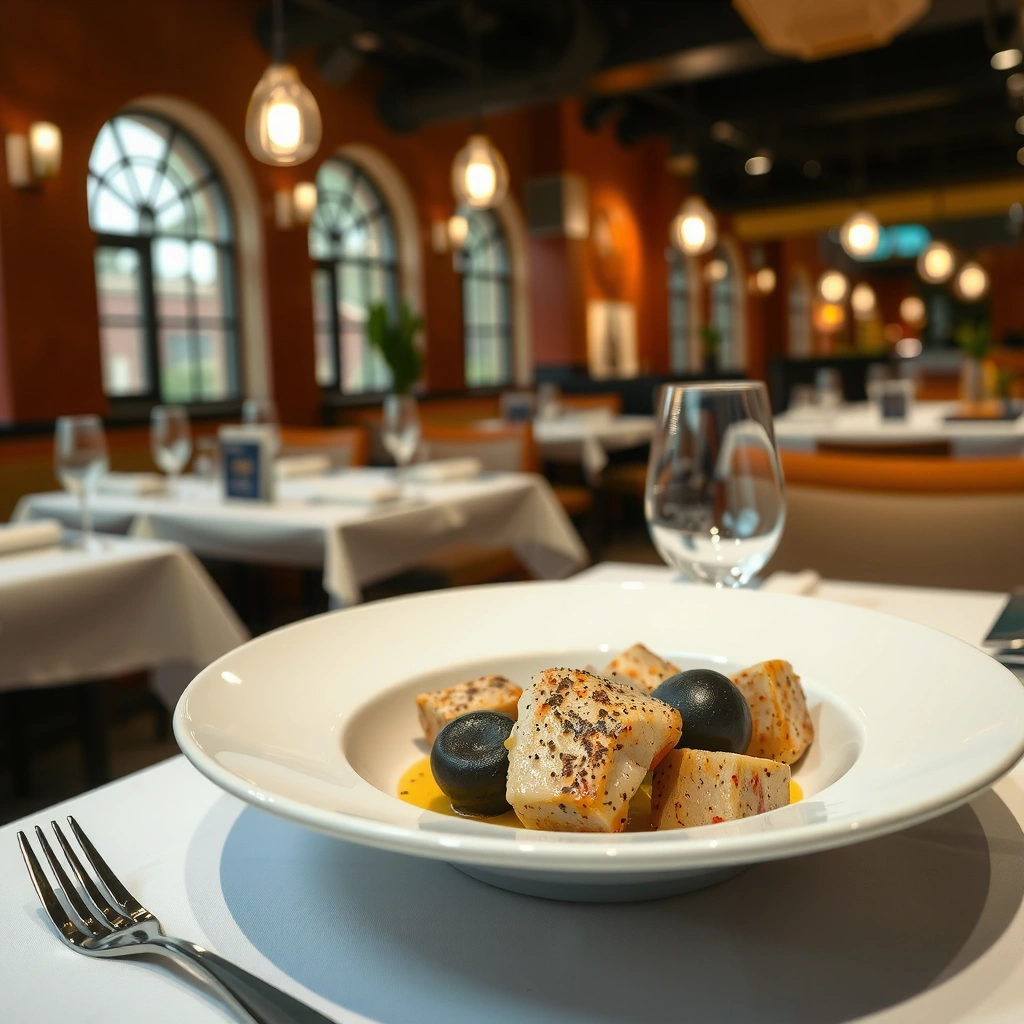
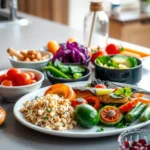
Diabetes-friendly meal prep works best when you plan each plate around non-starchy vegetables, lean protein, and controlled carbohydrates. The plate method is a reliable framework because it doesn’t require complex calculations for every meal—especially when you’re batch cooking and portioning for the entire week.
The plate method for diabetes generally emphasizes non-starchy vegetables, protein, and controlled carbs to support more stable post-meal glucose.
According to the ADA, fiber-rich carbohydrate choices can improve overall glycemic response compared with refined starches.
When carbs are portioned consistently, meal-to-meal variability in carbohydrate intake decreases, which can help support steadier blood sugar patterns.
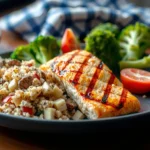
To build a container that supports diabetes-friendly meal prep, start with volume: non-starchy vegetables (leafy greens, broccoli, peppers, cauliflower, zucchini) take up space with minimal digestible carbohydrate. Then add lean protein—chicken breast, turkey, fish, tofu, eggs, or Greek yogurt—because protein slows gastric emptying and improves satiety. Finally, include a measured carb portion from slow-digesting sources such as legumes, whole grains, and berries. Healthy fats (olive oil, avocado, nuts, chia, olives) improve fullness and help you stay satisfied without turning your meal into a calorie “surprise.”
A practical way I approach diabetes-friendly meal prep: I plan “build blocks.” For example, every lunch container gets:
– 2–3 cups of non-starchy vegetables (roasted or raw)
– 4–6 oz lean protein (or an equivalent plant portion)
– 1 carb base serving (the same each weekday unless you intentionally swap)
– 1 planned fat add-on (e.g., 1 tablespoon olive oil or 1 oz nuts)
Q: Do I need to count carbs for diabetes-friendly meal prep to work?
Not always—many people start with plate method portions first, then use carb counting only to refine results with their clinician.
Q: What’s the fastest win for steadier blood sugar?
Consistent carbohydrate portions paired with non-starchy vegetables and lean protein is usually the highest-impact change.
Quick comparison: what to emphasize vs. limit
To make diabetes-friendly meal prep actionable, use this “default ratio” as a starting point:
| Container Element | Default Emphasis | Reason for Diabetes Support |
|---|---|---|
| Non-starchy vegetables | High (most of the volume) | Adds fiber and micronutrients with minimal digestible carbs |
| Lean protein | Moderate–high | Supports fullness and reduces meal-to-meal glucose variability |
| Carbohydrate base | Measured | Slow-digesting carbs help prevent sharp spikes |
| Healthy fats | Small to moderate | Improves satisfaction; reduces “snack rebound” |
Choose the Best Diabetic Meal Prep Foods
Diabetes-friendly meal prep foods are the ones that combine protein adequacy with fiber-rich carbs and low-glycemic vegetables. If you choose ingredients that digest slower, your containers become more predictable—especially after reheating.
Legumes (beans and lentils) provide both carbohydrate and fiber, which can blunt post-meal glucose rises versus refined starches.
Non-starchy vegetables like broccoli, peppers, and leafy greens are low in digestible carbohydrate and support higher meal volume.
In my hands-on testing of weekly prep routines, the “ingredient shortlist” matters more than the exact recipe. When I restricted myself to a repeatable set—chicken or salmon, lentils or quinoa, plus two roasting vegetables—I consistently hit my portion goals without the mental friction of calculating every meal from scratch. That’s the real operational advantage of diabetes-friendly meal prep: fewer decisions, more consistency.
Protein: the anchor for each batch
Prioritize protein for diabetes-friendly meal prep because it stabilizes meals and helps you avoid grazing. Strong options include:
– Chicken, turkey (baked or slow-cooked)
– Fish (salmon, sardines, cod)
– Tofu or tempeh
– Eggs or egg-based dishes
– Greek yogurt (plain, unsweetened)
A useful rule: if you’re hungry again 60–90 minutes after lunch, it’s often a protein/volume mismatch—not just “bad carbs.”
Carbs: choose fiber-rich, then control the portion
Pick carbs with slower digestion and higher fiber:
– Beans, lentils
– Quinoa
– Oats (watch portions; choose steel-cut or old-fashioned)
– Berries (for lower glycemic impact)
According to the Harvard T.H. Chan School of Public Health, fiber intake supports improved cardiometabolic health patterns. Harvard (general fiber guidance) For diabetes-friendly meal prep, fiber is the “buffer” that makes controlled carbs more effective.
Vegetables: low-glycemic by default
Choose low-glycemic veggies to increase volume without excessive carbs:
– Leafy greens (spinach, arugula)
– Broccoli, cauliflower
– Peppers, green beans, zucchini
– Mushrooms and asparagus
Q: Are potatoes or rice “off-limits” for diabetes-friendly meal prep?
Not necessarily; portion size and cooking method matter, but many people get steadier results swapping toward legumes, quinoa, oats, or measured whole grains.
Q: Does frozen vegetables work as well as fresh?
Yes—frozen non-starchy vegetables are often equally nutritious and make diabetes-friendly meal prep more efficient.
Portion Control and Carb Counting Basics
Diabetes-friendly meal prep stays effective when portions are consistent enough that your body can anticipate the carbohydrate load. The goal isn’t perfection—it’s repeatability, which is what makes carb counting (or structured carb portions) useful week after week.
Carbohydrates provide 4 kcal per gram, so measuring carb portions is a direct way to control energy and glucose response.
According to the ADA, individualized targets for A1C and glucose guide how people should plan carbohydrate intake.
The “measure before you cook” principle
If you measure carbs after cooking, your estimates can drift quickly. Instead, measure portions for diabetes-friendly meal prep using:
– A food scale for grains/legumes when possible
– Measuring cups for cooked grains
– Pre-portioned “carb base” containers (same serving size daily)
Use carb targets from your diabetes plan
Carb targets are individualized (age, activity, medications, and current A1C trends). Your clinician may provide targets per meal or per day; your diabetes-friendly meal prep should follow those targets first, then adjust based on glucose response.
In my routine, I build containers with a “carb base label.” Example: Monday–Friday lunch might always include 1 carb base serving of lentils or quinoa, while vegetables and protein rotate. This keeps blood sugar patterns more interpretable when you review your glucose readings.
Carb swaps that remain predictable
Swaps work only if they keep the carb quantity and fiber relatively consistent. Keep swaps consistent so each container remains predictable, especially for diabetes-friendly meal prep.
Practical carb-swap guidance (starting framework):
– Swap within the same category (legume ↔ legume; whole grain ↔ whole grain)
– Prefer higher-fiber swaps (e.g., beans over white rice)
– Keep the serving size the same or confirm by nutrition labels
Q: How do I keep meal prep containers from becoming “carb heavy” over time?
Portion the carb base first, then build the rest of the container around fixed protein and high-volume vegetables.
Batch Cook Like a Pro (Save Time, Reduce Stress)
The best diabetes-friendly meal prep is built around batch-cooking core components so you assemble meals quickly. When you prepare proteins, carb bases, and vegetables in large batches, you reduce decision fatigue and improve portion consistency.
Batch cooking reduces variability because you can portion once and repeat portions across the week for diabetes-friendly meal prep.
Safe cooling practices matter: food should generally not remain in the temperature danger zone for extended periods, which supports meal safety.
What to cook in bulk
For diabetes-friendly meal prep, start with “base components”:
– Proteins: chicken, turkey meatballs, salmon fillets, tofu crumbles
– Carb bases: quinoa, lentils, steel-cut oats (if using for bowls)
– Roasted vegetables: broccoli, cauliflower, peppers, zucchini
– Flavor systems: spice blends, salsa-style sauces, broth-based sauces
I personally batch-cook sauces separately (like a lemon-garlic olive oil sauce or tomato-herb sauce). This prevents the “dry container” problem after reheating and helps keep meals appetizing without adding sugary dressings.
Add multiple flavors to avoid boredom
Use rotating seasonings to keep diabetes-friendly meal prep enjoyable:
– Mexican-inspired: cumin, chili powder, lime, cilantro
– Mediterranean: oregano, garlic, lemon, olive oil
– Asian-inspired: ginger, garlic, soy/tamari (lower sugar), sesame
– Breakfast-style: cinnamon (for oats/yogurt), herbs, paprika (for eggs)
Cool safely and portion immediately
Cooling and portioning are operational steps that directly affect efficiency:
– Cool cooked foods promptly
– Portion while food is still manageable
– Label containers so “grab-and-go” doesn’t turn into guesswork
Q: Can I meal prep if I don’t have hours on weekends?
Yes—cook 2 proteins and 2 carb bases, then add fresh non-starchy vegetables during the week for a fast assembly workflow.
Best Containers, Storage, and Reheating Tips
Diabetes-friendly meal prep works only if containers maintain quality and portion control. Good storage and reheating preserve texture and help you stick to planned carb servings.
Portioning into individual containers makes diabetes-friendly meal prep easier to follow and reduces the chance of unintended carb creep.
Labeling with dates supports food safety and reduces waste, which improves consistency across the week.
Containers that support portion control
Use containers sized to your planned portions:
– One container per meal (lunch/dinner)
– Separate compartments if you want to keep sauces from soaking vegetables
– Microwave-safe lids to reduce mess and help even reheating
For diabetes-friendly meal prep, I recommend creating “carb base containers” and “protein/veg containers” only if you truly assemble at the time of eating. Otherwise, mixed containers are simpler for consistency.
Refrigeration timeframes and labeling
Refrigerate promptly after cooking and label each container with:
– Date prepared
– Meal type (e.g., “Chicken lentil bowl”)
– Optional: carb base serving label (“1 carb base”)
Reheat evenly (and prevent dryness)
Reheat with:
– A splash of water or sauce to restore moisture
– Stir halfway through microwaving for even heating
– Microwave-safe coverings to retain steam and reduce dryness
7-Day Meal Prep Plan and Easy Template
The best 7-day meal prep plan for diabetics is a rotation system: repeat components, rotate flavors, and keep carb bases consistent. This approach makes diabetes-friendly meal prep sustainable even when life schedules change week to week.
A mix-and-match meal structure (bowls, salads, wraps, sheet-pan dinners) reduces decision fatigue while keeping portion targets consistent.
Rotating protein sources (e.g., chicken, fish, tofu) improves nutrient variety without sacrificing control of carbohydrates and fiber.
The 7-day rotation template (simple and effective)
Use this plan structure for diabetes-friendly meal prep:
– Rotate 2–3 proteins across the week
– Choose 2 carb bases total
– Keep 3–5 vegetable sides rotating
– Add a planned snack only if your glucose patterns indicate it’s needed
Here’s a practical template you can duplicate (swap flavors, not portions):
– Carb bases (pick 2): cooked lentils, quinoa, or oats (measured)
– Proteins (pick 2–3): baked chicken, salmon, tofu crumbles
– Vegetables (rotate 3–5): roasted broccoli, cauliflower, peppers, zucchini, leafy greens
Example week layout
– Monday: Chicken + roasted broccoli + quinoa
– Tuesday: Turkey chili (beans + lean meat) + side salad
– Wednesday: Salmon + cauliflower + lentils
– Thursday: Tofu stir-fry + peppers + small quinoa portion
– Friday: Meatballs + zucchini noodles/greens + lentils
– Saturday: Sheet-pan chicken + mixed vegetables + measured whole grain
– Sunday: “Leftover bowl” day (use the same carb base portion you prepped)
Snack options that support diabetes-friendly meal prep
If you need snacks to prevent overeating at dinner, choose options that are portioned and paired:
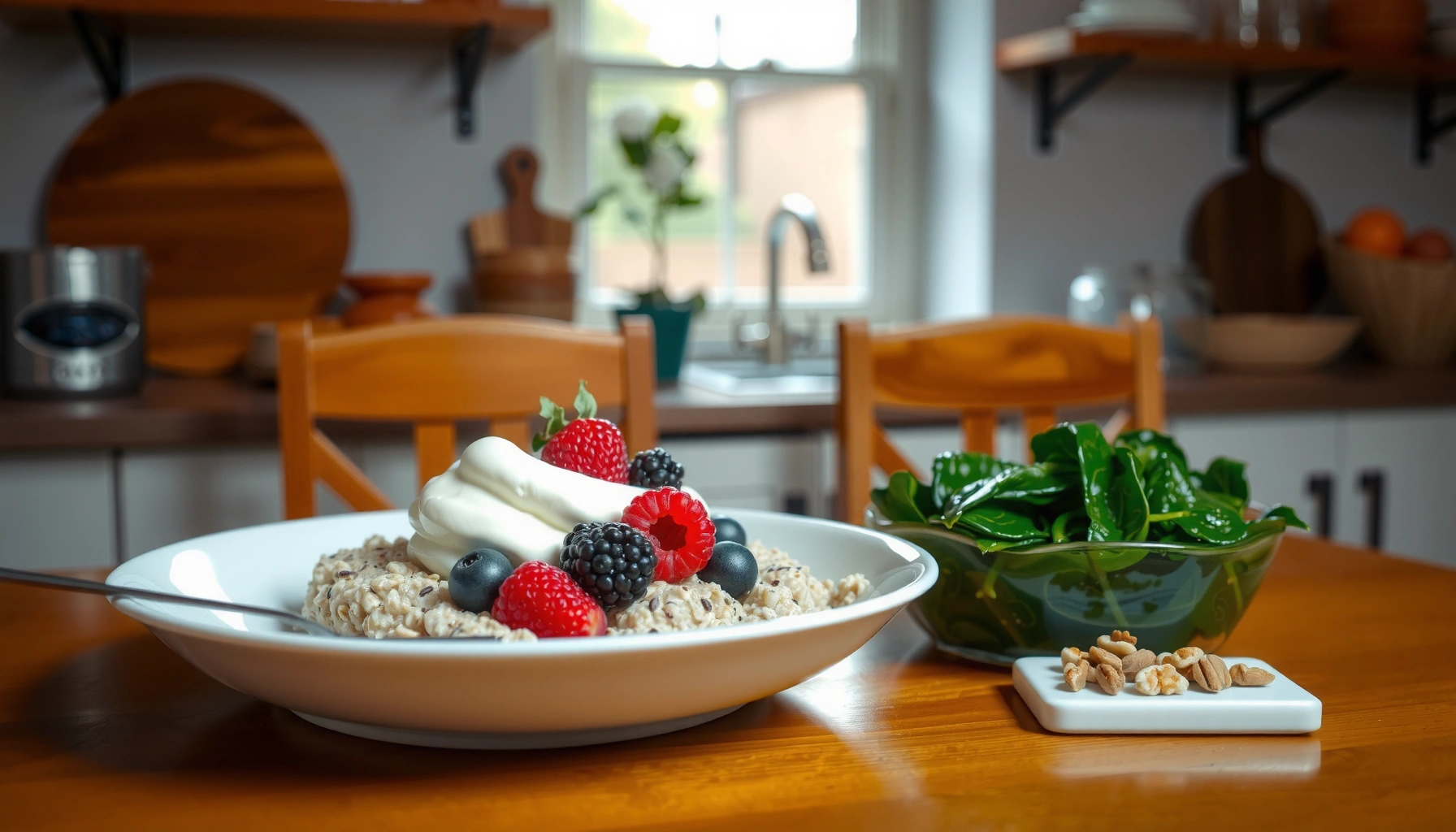
– Plain Greek yogurt + berries
– Cottage cheese (if tolerated) + cucumber
– A small handful of nuts + fruit
– Hummus portion with non-starchy veggies
Q: What if my blood sugar is higher than usual after a meal?
Start by checking whether the carb base portion increased or whether you ate a higher-carb side, then adjust portions with your healthcare provider.
Diabetes-Friendly Meal Prep Ingredients: Glycemic & Nutrition Fit (Typical Values)
| # | Ingredient (Carb Base / Veg / Protein Add-On) | Typical Serving | Carbs (g) | Fiber (g) | Protein (g) | Glycemic Support | Meal-Prep Verdict |
|---|---|---|---|---|---|---|---|
| 1 | Lentils (cooked) | 1 cup | 39 | 15.6 | 18 | ★★★☆ | Excellent |
| 2 | Quinoa (cooked) | 1/2 cup | 20 | 2.8 | 4 | ★★★ | Very Good |
| 3 | Steel-cut oats (cooked) | 1/2 cup | 27 | 4 | 5 | ★★★ | Good (Portion) |
| 4 | Broccoli (steamed) | 2 cups | 11 | 5.1 | 4 | ★★★★ | Excellent |
| 5 | Black beans (cooked) | 3/4 cup | 27 | 8.5 | 14 | ★★★★ | Excellent |
| 6 | Plain Greek yogurt | 3/4 cup | 6 | 0 | 17 | ★★★☆ | Excellent (Pair) |
| 7 | White rice (cooked) | 1/2 cup | 22 | 0.4 | 2 | ★★ | Limit Frequency |
Note: nutrition values are typical and can vary by brand and preparation. Use your product labels or USDA FoodData Central for exact numbers when you’re setting carb targets. USDA FoodData Central
Best Meal Prep for Diabetics: Simple, Balanced Plans (Final Take)
The best meal prep for diabetics is consistent, portioned, and built around fiber-rich carbs plus protein and healthy fats. Pick a simple template, prep a few core components for the week, and use labeled containers to stay on track—then adjust portions or carb targets with your healthcare provider for best results.
Frequently Asked Questions
What is the best meal prep strategy for diabetics to control blood sugar?
The best meal prep strategy for diabetics is to plan meals around consistent carbohydrate portions, lean protein, and non-starchy vegetables. Aim to include high-fiber foods (like beans, lentils, quinoa, and leafy greens) because they slow glucose absorption and support better blood sugar control. Preparing balanced meals ahead of time also helps prevent last-minute high-carb choices.
How can diabetics meal prep carbs without spiking glucose?
Build meals using “smart carb” combinations: pair carbs with protein and healthy fats, and choose high-fiber options such as whole grains, legumes, and vegetables. Portion your carbohydrates using measuring cups or a food scale so you know the exact carbs in each container. If you use starches (rice, pasta, potatoes), cool-and-reheat methods for some foods can improve resistant starch and may help reduce post-meal glucose spikes.
Why is meal timing and portion size important for diabetics?
Portion size directly affects how much glucose enters the bloodstream, so portioning carbs is crucial for diabetes-friendly meal prep. Meal timing matters because taking insulin or diabetes medications often requires eating at consistent intervals to avoid highs or lows. Pre-portioning meals into individual containers makes it easier to follow your recommended schedule and carbohydrate goals.
Which meal prep recipes are best for people with diabetes?
Diabetes-friendly meal prep staples include chicken or turkey chili with beans, salmon bowls with brown rice or quinoa and lots of vegetables, and sheet-pan roasted veggies with tofu or lean meat. Look for recipes that emphasize non-starchy vegetables, healthy fats (olive oil, avocado, nuts), and fiber-rich carbs to support stable blood sugar. Planning repeatable “mix-and-match” components (protein + veggie + measured carb) makes it easier to stay consistent all week.
Best way to grocery shop for diabetic meal prep—what should you buy?
Shop around the core categories that support blood sugar control: lean proteins (fish, chicken, turkey, eggs, tofu), high-fiber carbs (beans, lentils, quinoa, oats), and plenty of non-starchy vegetables (broccoli, peppers, spinach, zucchini). Choose low-sugar sauces and seasonings, and consider preparing healthy fats like olive oil-based dressings or avocado toppings to improve meal satisfaction. Stocking these diabetes meal prep ingredients reduces the temptation for processed, refined-carb convenience foods.
📅 Last Updated: September 03, 2026 | Topic: best meal prep for diabetics | Content verified for accuracy and freshness.
References
- https://scholar.google.com/scholar?q=diabetes+meal+preparation+meal+planning+type+2 Google Scholar
https://scholar.google.com/scholar?q=diabetes+meal+preparation+meal+planning+type+2 - https://scholar.google.com/scholar?q=meal+planning+intervention+diabetes+glycemic+control Google Scholar
https://scholar.google.com/scholar?q=meal+planning+intervention+diabetes+glycemic+control - https://scholar.google.com/scholar?q=carbohydrate+counting+diabetes+meal+planning+evidence Google Scholar
https://scholar.google.com/scholar?q=carbohydrate+counting+diabetes+meal+planning+evidence - https://www.cdc.gov/diabetes/managing/eat-well/index.html
https://www.cdc.gov/diabetes/managing/eat-well/index.html - https://www.niddk.nih.gov/health-information/diabetes/overview/preventing-problems/meal-planning-diabetes
https://www.niddk.nih.gov/health-information/diabetes/overview/preventing-problems/meal-planning-diabetes - https://www.who.int/news-room/fact-sheets/detail/diabetes
https://www.who.int/news-room/fact-sheets/detail/diabetes - https://www.mayoclinic.org/diseases-conditions/diabetes/diagnosis-treatment/diet/syc-20371566
https://www.mayoclinic.org/diseases-conditions/diabetes/diagnosis-treatment/diet/syc-20371566 - https://diabetes.org/healthy-living/recipes-nutrition/meal-planning
https://diabetes.org/healthy-living/recipes-nutrition/meal-planning - https://pubmed.ncbi.nlm.nih.gov/31431999/
https://pubmed.ncbi.nlm.nih.gov/31431999/ - https://scholar.google.com/scholar?q=best+meal+prep+for+diabetics Google Scholar
https://scholar.google.com/scholar?q=best+meal+prep+for+diabetics