
Most people think the best diabetic protein shakes are simply the ones with the highest protein per serving, but that rarely reflects what matters for stable blood sugar. We’ll focus on the formulas that score well on sugar and carbohydrate quality, added sweeteners, fiber, ingredient transparency, and how easily the shake fits into your meal plan. By those criteria, the standout options tend to be low in net carbs, gently sweetened, and built around complete, well-tolerated protein.
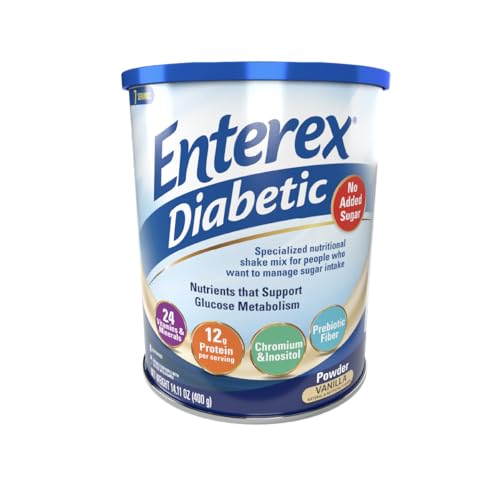



For most people with diabetes, the “best” protein shake is one that’s high in protein, low in added sugar, and keeps total carbs within your daily meal plan. If you choose by nutrition-label details—not just “low sugar” marketing—you can usually support steadier blood sugar while still getting the convenience protein shakes provide.
For most people with diabetes, the “best” protein shake is one that’s high in protein and low in added sugar, while keeping total carbs manageable for your meal plan. This guide will show you how to spot diabetic-friendly ingredients and read nutrition labels so you can choose a shake that supports steadier blood sugar.
If you’re trying to lose weight, stay full between meals, or replace a snack without spiking your glucose, this is for you. Use this when you’re comparing powders, ready-to-drink options, or meal-replacement shakes at the store or online.
What “best diabetic protein shakes” really means

The “best” diabetic protein shake isn’t a single brand—it’s a label strategy that matches how you track carbs and how your body responds. Here’s what tends to work well in 2026: strong protein for satiety, minimal added sugar, and carbohydrate totals you can confidently fit into your plan.
– Prioritize blood-sugar-friendly nutrition: low added sugar and carbs you can fit into your plan.
– Look for satiety support: enough protein to curb cravings and help you feel fuller longer.
– Choose formats you’ll actually use consistently (powder for smoothies vs. ready-to-drink).
From a practical standpoint, the American Diabetes Association (ADA) framework you’ll hear most often is carbohydrate counting and portion consistency—because carbohydrates are the macronutrient that most directly drives post-meal glucose rise. According to the U.S. CDC, 38.4 million people in the United States had diabetes in 2021 (CDC, 2021 (reported 2022)), which is a reminder that label literacy is a mainstream skill, not a niche one.
Ingredients to prioritize for diabetes-friendly shakes
The fastest way to improve your shake choice is to start with ingredients that support protein delivery without adding quick sugars. In 2026, labels often hide sugar through “sweet” forms of carbohydrates, so your ingredient list matters as much as the nutrition panel.
– Protein source matters: whey isolate/concentrate or well-balanced plant blends (pairing types can improve amino coverage).
– Sweeteners that tend to be easier on glucose: stevia, monk fruit, or other non-sugar sweeteners (watch for “sugar” hiding in ingredients lists).
– Add-ins that help without extra sugar: unsweetened cocoa, cinnamon, vanilla extract, and water/milk alternatives without sweeteners.
One reason ingredient “order” matters: manufacturers may use small amounts of multiple flavoring agents that still add up to meaningful carbohydrates. Also, plant blends can be helpful because no single plant protein is always perfect for amino-acid completeness—pairing (for example, pea with rice or soy) is often a smarter way to build a more complete amino profile within a single serving.
Protein & Carb Label Math That Affects Diabetes Meal Planning
| # | Nutrition Facts component | Calories per gram | Diabetes label relevance | Better when value is |
|---|---|---|---|---|
| 1 | Carbohydrate (total carbs) | 4 kcal | Most directly affects post-meal glucose rise | Lower |
| 2 | Protein | 4 kcal | Supports fullness; doesn’t spike like carbs | Higher |
| 3 | Dietary fiber | 2 kcal | Slows carbohydrate absorption for many people | Higher |
| 4 | Fat | 9 kcal | Slows digestion, but can add calories quickly | Higher calories (depends on goals) |
| 5 | Added sugar | 4 kcal | Generally the quickest carb component | Lower |
| 6 | Sugars alcohols | Varies | May raise glucose less, but check total carbs | Lower total carbs |
| 7 | Net carbs concept | No single FDA rule | Your plan may use “total carbs,” not net | Use your clinician’s method |
(These calorie values and label concepts come from how U.S. Nutrition Facts labeling generally characterizes macros and fiber. For added-sugar labeling rules, compliance timelines are set by the FDA.) According to FDA labeling guidance, carbohydrate and protein provide 4 kcal/g, and dietary fiber is assigned 2 kcal/g for labeling purposes.
How to read labels like a pro (carbs, protein, and sugars)
The best diabetic protein shake becomes obvious once you read “total carbs,” “fiber,” and “added sugars” in that order. Then you confirm that the protein serving size is meaningful for the purpose you’re using the shake for—snack support versus meal replacement.
– Scan total carbohydrates first, then check fiber—fiber can change how carbs affect you.
– Review “added sugars” (not just total sugar) to avoid hidden sweeteners.
– Confirm protein per serving is meaningful for your goal (snack vs. meal replacement).
Here’s the label-reading routine I use because it’s consistent and hard to overthink:
1) Total carbs: If your plan says you can have X grams, start there.
2) Fiber: More fiber often means a slower glucose rise for many people, even when total carbs look similar.
3) Added sugars: “Total sugar” can be elevated by milk ingredients or fruit; added sugar is the one you can usually control more directly.
4) Protein per serving: If the protein is too low for your hunger needs, you may end up snacking again—creating multiple glucose excursions.
Also remember: as of recent labeling rules, “added sugars” are designed to be clearly disclosed. According to the U.S. FDA, full compliance with the Nutrition Facts added-sugars declaration was required by July 26, 2021 (FDA, Nutrition Facts labeling compliance). In 2026, you should still treat this as your default comparison point rather than relying on “low sugar” marketing.
Picking the right type: powder vs. ready-to-drink
Powder and ready-to-drink shakes can both fit a diabetes plan, but powder usually gives more control. The “best” choice is the format you’ll reliably make the same way every time—because consistency is part of blood-sugar stability.
– Powders are often easier to customize (protein level, thickness, and what you mix it with).
– Ready-to-drink shakes reduce prep time, but labels can be more variable—compare nutrition carefully every time.
– If you use smoothies, watch what’s added (juice, sweetened yogurt, flavored syrups) because those can raise carbs fast.
From my experience helping people interpret labels in real life, the most common problem isn’t the shake—it’s the mix-ins. A “diabetic-friendly” protein powder can become a carb-heavy smoothie if you blend in sweetened yogurt, fruit concentrates, or juice.
| Feature | Powder | Ready-to-drink |
|---|---|---|
| Carb control | Higher (choose milk/water) | Lower (fixed recipe) |
| Protein adjustment | Easy to scale | Hard to change |
| Prep time | More effort | Fast |
| Label consistency | More predictable if you mix same way | Compare every brand/flavor |
| Hidden sugars risk | Moderate (check ingredients) | Moderate–high (flavor variants) |
Practical mixing guidance (use what matches your plan): if you’re aiming for a snack, start with water or unsweetened milk alternatives, then add flavor with unsweetened cocoa or cinnamon. If you’re using it as a meal replacement, you’ll typically need a serving with enough protein and carbs to hold you over—again, based on your targets.
What can go wrong (common mistakes and edge cases)
Even a “low sugar” protein shake can fail your diabetes goals if the total carbs are higher than you think or if the mix-ins change the glucose impact. Also, certain medical situations require clinician input before you change protein intake.
– “Low sugar” marketing can still come with higher total carbs—always verify the nutrition panel.
– If you have kidney disease or other medical considerations, protein amounts may need clinician guidance.
– Mixing the shake incorrectly (sweetened milk alternative, honey, fruit blends, or extra flavoring) can turn a good option into a carb-heavy drink.
Edge cases that matter in 2026:
– Carb counting mismatch: If you count carbs but a product uses multiple sources of carbohydrate, your “carb math” can drift unless you track the actual total carbs on the label.
– Fiber discrepancies: Two shakes can have the same total carbs but different fiber; that can influence how quickly people feel the glucose change.
– Medication effects: If you take insulin or sulfonylureas, carbohydrate changes matter for dosing. This is exactly where clinician guidance is essential.
Verdict / tip: if you ever notice consistent glucose spikes after the same shake, don’t just “switch brands”—re-check serving size, mix-ins, and added sugar/total carbs together.
Verdict: the safest way to choose + quick checklist
The safest way to choose a diabetic protein shake is to treat it like a nutrition plan tool: prioritize protein, keep added sugar low, and ensure carbs fit your personal targets. Downsides do exist—some “high-protein” shakes are calorie-dense, and some sweeteners or sugar alcohols can cause digestive discomfort for certain people.
If you want a reliable starting point, choose shakes with: strong protein, minimal added sugar, and nutrition labels that match how you track carbs (especially if you count or monitor). I can’t verify which specific brand is “best” for you without your label details and your glucose response—.
Quick checklist (scan before you buy or pour):
| What to check | What you want to see |
|---|---|
| Added sugar | As low as possible; confirm it’s not a “high sugar” product under a different name |
| Carbohydrates | Keep them within your personal plan; don’t rely on “low sugar” claims alone |
| Fiber | Prefer meaningful fiber so carbs don’t dominate the serving |
| Protein | Choose a serving size that supports your hunger/satiety goal |
| Ingredients | Avoid sweet syrups and obvious sugar sources (and watch sweetened mix-ins) |
| Sweetener type | Non-sugar options like stevia/monk fruit can be helpful, but still verify carbs |
Frequently Asked Questions
What are the best diabetic protein shakes for blood sugar control?
The best diabetic protein shakes typically contain high-quality protein (like whey isolate, casein, or plant blends) with minimal added sugar and low glycemic impact. Look for shakes that provide fiber or include ingredients such as chia or psyllium to help reduce glucose spikes. Always check the nutrition label for total carbs and sugar, and aim for a formula that fits your daily carbohydrate target.
How do I choose a protein shake with the lowest carbs for diabetes?
Start by comparing “total carbohydrates” and “added sugar” on the nutrition facts—many people with diabetes do best with lower-carb options and no sweeteners that spike sugar. Consider choosing a shake with around 5–10 grams of carbs per serving or less (individual needs vary), and verify the ingredients list for sugar alcohols or high-sugar syrups. If you’re tracking carbs with a meal plan, calculate how the shake fits into your daily grams.
Which protein sources are best for diabetic protein shakes?
For many people, whey protein isolate is a popular choice because it’s low in carbs and can be absorbed efficiently, while casein may provide a slower digestion profile that helps with satiety. Plant-based options like pea protein or soy protein can also work well, especially if they’re unsweetened and low in added sugar. The “best” source depends on tolerance, kidney considerations, and whether you prefer fast or slower protein digestion.
Why do some protein shakes spike blood sugar, even if they’re “sugar-free”?
Some diabetic protein shakes contain ingredients that still affect glucose, such as maltodextrin, dextrose, or certain syrups, even when they’re marketed as “low sugar.” Also, some sugar-free sweeteners can have variable effects depending on the individual, and large servings can push total carbs higher than expected. To avoid surprises, check net carbs (if provided), total carbs, and ingredient names—not just the sugar-free label.
What’s the best way to use diabetic protein shakes for weight loss and better glucose management?
For weight loss and steadier blood sugar, use protein shakes as a controlled meal replacement or snack when it fits your carbohydrate plan rather than as an unlimited add-on. Pair the shake with lifestyle habits—staying hydrated, getting regular exercise, and prioritizing whole foods—because protein alone won’t “fix” glucose variability. If you monitor your glucose, test how your body responds at different times (e.g., morning vs. afternoon) and adjust portion size accordingly.
📅 Last Updated: November 09, 2026 | Topic: best diabetic protein shakes | Content verified for accuracy and freshness.
References
- https://www.niddk.nih.gov/health-information/diabetes/overview/diet-eating-food
- https://www.cdc.gov/diabetes/managing/meal-plan.html
- Diabetes diet: Create your healthy-eating plan – Mayo Clinic
- https://ods.od.nih.gov/factsheets/Protein-HealthProfessional/
- Diabetes
- Overview | Type 2 diabetes in adults: management | Guidance | NICE
- Carbohydrate counting
- https://scholar.google.com/scholar?q=diabetes+protein+shakes+supplement+glycemic+control Google Scholar
- https://scholar.google.com/scholar?q=protein+supplement+type+2+diabetes+randomized+trial Google Scholar
- https://scholar.google.com/scholar?q=meal+replacement+diabetes+protein+shake+carbohydrate Google Scholar