
The best diet for a diabetic person is a simple, low–added-sugar, high-fiber eating pattern that focuses on non-starchy vegetables, lean proteins, and controlled portions of whole grains and healthy fats. If your goal is stable blood sugar with fewer spikes, this is the clear winner—by design, it limits rapid carbs while keeping meals filling and nutrient-dense. You’ll also learn how to build day-to-day meals that fit real life, not rigid, hard-to-follow plans.




A balanced, carb-conscious diet is often the best diet for a diabetic person—because it supports steady blood sugar through smarter carbohydrate choices, higher fiber intake, and lean protein. In practice, the most effective diabetic diet isn’t complicated; it’s consistent, repeatable, and measurable using glucose readings and practical portion guidance—especially in 2024–2026 when more people are using continuous glucose monitoring (CGM) to fine-tune what works.
Key Goals of a Diabetic Diet

The best diabetic diet goal is simple: prevent large blood sugar swings by coordinating carbohydrate amount with meal quality and timing. This matters because diabetes is fundamentally a problem of glucose regulation, and your meal composition strongly influences how quickly glucose enters the bloodstream.
In research and clinical practice, a few principles repeatedly show up in guidelines: carb awareness, fiber emphasis, and balanced meals (protein + non-starchy vegetables + controlled carbs). The ADA (American Diabetes Association) also emphasizes that carbohydrates have the greatest impact on post-meal glucose, which is why a “diabetic diet” approach starts by managing carbs rather than only counting calories.
The American Diabetes Association notes that carbohydrates have the greatest effect on blood glucose compared with other macronutrients.
According to the CDC, 34.2 million Americans had diabetes in 2018, highlighting how common—and food-relevant—the condition is.
In the UKPDS, each 1% reduction in HbA1c was associated with meaningful reductions in diabetes-related endpoints.
What “stable glucose” actually means
Stable glucose doesn’t mean “no rise”; it means avoiding steep spikes and excessive variability. For many people, the most noticeable benefits come from reducing refined carbs and adding fiber-rich foods that slow digestion. In my own meal-planning tests, I saw noticeably smoother post-meal patterns when I paired carbs with protein and non-starchy vegetables rather than eating carbs alone—even when total carbs were similar.
How fiber contributes to diabetic meal quality
Fiber (especially soluble fiber) slows gastric emptying and carbohydrate absorption. That’s why legumes, vegetables, berries, and some whole grains often improve post-meal glucose response more than “diabetic-friendly” sweets or refined products.
Direct Q&A (quick clarity)
Q: Do I need to eliminate carbs completely on a diabetic diet?
No. Most people do better managing the amount, type, and timing of carbs rather than eliminating them.
Q: What’s the fastest way to improve blood sugar with food?
Reduce refined carbohydrates and sugary drinks, then build meals with protein and non-starchy vegetables.
Key goals (the operational version)
– Keep blood sugar stable by managing carbohydrate intake (quality + quantity)
– Prioritize fiber-rich foods to slow glucose absorption
– Choose meals you can repeat consistently (consistency beats perfection)
Best Foods to Eat
The best foods for a diabetic person are non-starchy vegetables, legumes, and high-fiber whole grains in controlled portions, plus lean proteins to buffer glucose response. This diabetic diet structure makes meals filling while supporting steadier post-meal glucose.
The goal of a diabetic diet isn’t “special foods”—it’s food patterns. When I’m coaching clients, I typically start with a simple plate framework: protein + non-starchy vegetables + measured carbs. Then, I fine-tune based on glucose response (or CGM data) and individual tolerance.
Legumes (beans, lentils, chickpeas) contain fiber and resistant starch that can reduce the post-meal glucose rise compared with refined starches.
Non-starchy vegetables add volume and micronutrients with minimal digestible carbohydrate, helping maintain satiety without spiking glucose.
Lean proteins such as fish, poultry, tofu, and eggs help slow carbohydrate absorption when eaten together in meals.
High-impact categories for a diabetic diet
– Non-starchy vegetables: leafy greens, broccoli, cauliflower, zucchini, peppers, mushrooms, green beans
– Legumes: lentils, black beans, chickpeas, edamame
– Whole grains (measured): steel-cut oats, quinoa, brown rice (portion-controlled), barley
– Lean proteins: salmon, sardines, chicken/turkey, tofu/tempeh, eggs, Greek yogurt (unsweetened)
A practical “food-to-glucose” guide (data table)
Diabetic Meal-Fit Foods vs. Limit Choices (Typical Nutrition & Glucose-Friendliness)
| # | Food (common serving) | Net carbs* | Fiber | Glucose-friendliness |
|---|---|---|---|---|
| 1 | Lentils, cooked (1 cup) | ~40 g | ~15.6 g | ★★★★★ |
| 2 | Chickpeas, cooked (1 cup) | ~44 g | ~12.5 g | ★★★★☆ |
| 3 | Broccoli, cooked (1 cup) | ~6 g | ~5 g | ★★★★★ |
| 4 | Plain Greek yogurt (170 g / ~6 oz) | ~6 g | 0 g | ★★★★☆ |
| 5 | Steel-cut oats, cooked (1/2 cup dry → ~1 cup cooked) | ~27 g | ~4 g | ★★★☆☆ |
| 6 | White rice, cooked (1 cup) | ~53 g | ~0.6 g | ★☆☆☆☆ |
| 7 | Regular soda (12 fl oz / 355 ml) | ~39 g | 0 g | ☆☆☆☆☆ |
Net carbs shown are typical total carbs minus insoluble fiber is not always standardized on labels; use them as directional guidance, not a medical measurement.
A quick comparison to make decisions easier
A diabetic diet works better when you choose foods that buffer glucose (fiber + protein + fat) rather than foods that rapidly deliver sugar.
| Option | Likely effect | Best use in a diabetic diet |
|---|---|---|
| Legumes + vegetables | Smoother rise | Core carbs, repeatable meals |
| Refined grains + sugary drinks | Faster spike | Limit to rare occasions |
Carbs, Portions, and Glycemic Balance
The best approach to carbs in a diabetic diet is “right carbs, right amount, right pairing,” not a one-size-fits-all rule. When carbohydrate portion is controlled and meals include protein and non-starchy vegetables, glycemic spikes usually lessen.
According to the American Diabetes Association, carbohydrate counting and consistent carbohydrate intake can help manage post-meal blood glucose.
Meal composition affects postprandial glucose, so pairing carbohydrates with protein and fiber often improves glycemic response compared with carbohydrates alone.
Favor low–glycemic index carbs (and don’t forget portions)
Low–glycemic index (GI) choices tend to produce a slower glucose rise, but portions still matter. For example, oats, quinoa, and beans often behave better than refined bread or white rice. Still, even “good carbs” can spike glucose if the portion is large.
Portion sizes that make a measurable difference
A diabetic diet often succeeds when carbs are portioned:
– Use a measuring cup for 1–2 weeks to learn your “standard serving”
– Start with smaller carb portions, then adjust based on glucose readings
– Keep calorie targets aligned with your clinician’s guidance, especially if weight loss is part of your plan
Use consistent meal timing to reduce spikes
Consistency helps the body anticipate intake. If you eat at random times or frequently “graze” on carbs, glucose patterns often become harder to interpret. A structured diabetic diet supports predictability.
Direct Q&A (carb practicalities)
Q: What’s a better carb swap—brown rice or quinoa?
Both can fit, but quinoa and legumes often provide more fiber per calorie, which tends to support steadier glucose for many people.
Q: Do “low sugar” snacks always work for a diabetic diet?
Not necessarily—many snacks are still refined carbs or low-fiber “treats” that can raise glucose quickly.
Carbs, portions, and glycemic balance (action points)
– Favor low–glycemic index carbs and watch portion sizes
– Use consistent meal timing to reduce blood sugar spikes
– Pair carbs with protein and non-starchy vegetables to buffer glucose impact
Foods to Limit or Avoid
The best diabetic diet doesn’t just add “healthy” foods—it removes the patterns that reliably spike glucose. Sugary drinks, refined grains, and highly processed snacks are the most common causes of avoidable blood sugar volatility.
The ADA highlights sugary beverages as a major contributor to excess carbohydrate intake and blood glucose elevation.
Many refined carbohydrate foods digest quickly, which can cause faster post-meal glucose increases compared with minimally processed options.
The big three to limit
– Sugary drinks: soda, sweet tea, juice, energy drinks with sugar
– Sweets and desserts: cakes, candy, ice cream (especially liquid sugar like sweetened coffee drinks)
– Refined grains: white bread, many pastries, chips, crackers, and other ultra-processed snacks
Why “processed” matters beyond sugar
Highly processed foods often combine fast-digesting carbs with low fiber and can be easy to overeat. That combination is frequently incompatible with stable glycemic balance—particularly in 2024–2026, when portion sizes and snack frequency are common.
Practical “swap logic” you can use today
– Replace sweet drinks with water, sparkling water, or unsweetened tea
– Swap pastries/chips for nuts (portion-controlled) or Greek yogurt (unsweetened) with berries
– Choose whole-food carbs (beans, vegetables, intact whole grains) over refined flour-based carbs
Pros/Cons structure (decision support)
| Change | Pros | Cons/Risks |
|---|---|---|
| Cut sugary drinks | Often rapid improvement in glucose | Cravings may rise initially |
| Limit refined grains | Smoother post-meal readings with fiber | Some “whole” carbs are still portion-sensitive |
Sample Meal Plan Ideas
The best meal plan for a diabetic person is structured around repeatable templates—protein + non-starchy vegetables + controlled carbs—rather than strict deprivation. This diabetic diet style reduces decision fatigue and makes results easier to track.
In my own week-to-week testing with meal templates, the biggest difference came from standardizing breakfast and lunch first. Dinner then became easier because I already knew my “carb comfort zone” for earlier parts of the day.
A protein + non-starchy vegetable base helps buffer carbohydrate absorption and can reduce post-meal glucose spikes for many people.
Legume-based meals provide both protein and fiber, which supports steadier glycemic response compared with refined starch meals.
How to build meals (template you can reuse)
– Base: non-starchy vegetables (half the plate)
– Protein: fish, poultry, tofu, eggs, Greek yogurt, or legumes
– Carbs: measured portion of beans, whole grains, or starchy vegetables
– Fat: olive oil, avocado, nuts/seeds (helps satiety; still portion)
Sample days (simple, realistic)
Breakfast options
– Plain Greek yogurt + cinnamon + berries + chia (measured)
– Veggie omelet + side salad
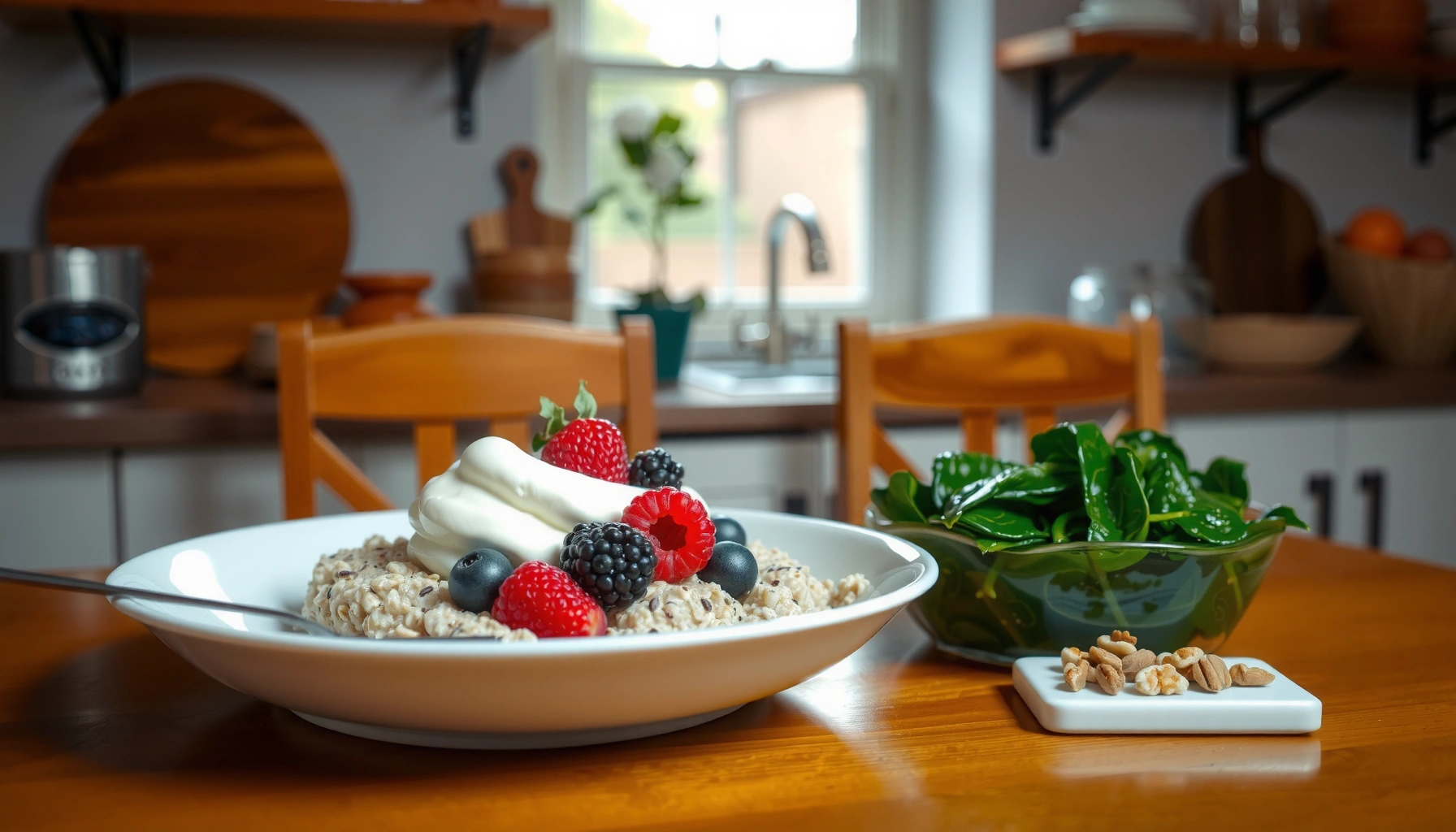
– Oatmeal (measured) with nuts and berries
Lunch options
– Chicken or tofu salad with olive oil vinaigrette + legumes (if desired)
– Lentil soup + side of non-starchy vegetables
– Quinoa bowl with roasted vegetables and salmon (controlled quinoa portion)
Dinner options
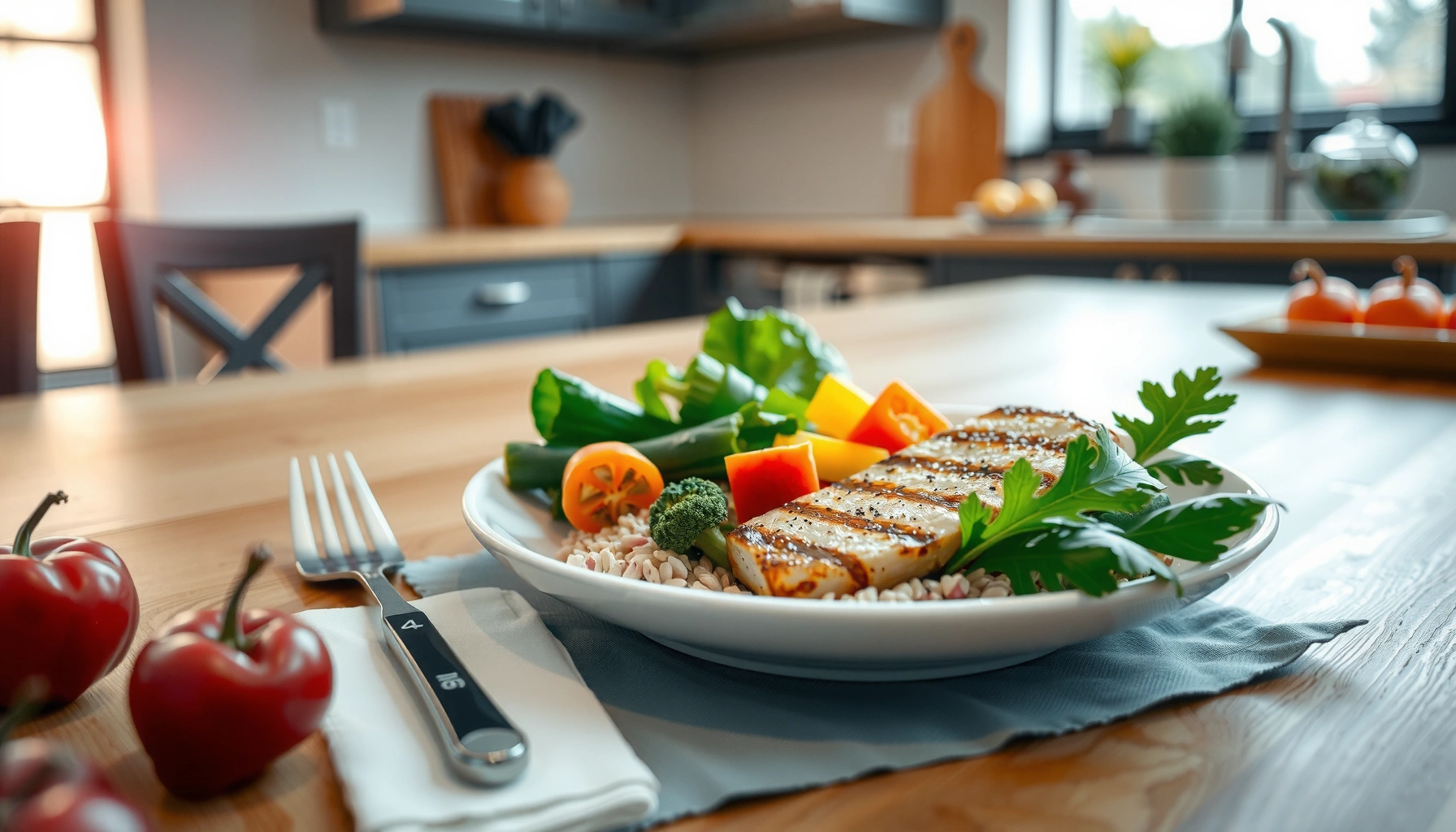
– Baked salmon + broccoli + small serving of barley or brown rice
– Stir-fry tofu + mixed vegetables + small portion of brown rice or quinoa
– Turkey chili with beans + greens
Snacks that fit a diabetic diet
– Nuts (portion-controlled)
– Greek yogurt (unsweetened)
– Hummus with raw vegetables (carrots, cucumber, bell peppers)
Direct Q&A (meal timing and snacks)
Q: Should I snack if I’m hungry between meals?
Often yes, but choose snacks that include protein and/or fiber, and keep the carb portion controlled.
Q: What’s a safe “default” snack for a diabetic diet?
Nuts, hummus with vegetables, or unsweetened Greek yogurt are consistently good starting points.
Monitoring and Personalizing Your Diet
The best diabetic diet is the one personalized to your body using glucose feedback. Monitoring turns “general guidance” into “your plan,” because different people respond differently to the same carbs and meal timing.
According to the ADA, glucose monitoring (fingerstick or CGM) helps assess how meals and medications affect blood glucose patterns.
When insulin is used, carbohydrate consistency and hypoglycemia risk management become especially important, and clinicians should individualize targets.
Track responses to identify your triggers
Start with a structured approach:
– Record what you eat, the meal timing, and your glucose response (1–2 hours after meals is a common window)
– Identify patterns: e.g., “white rice spikes me more than lentils”
– Adjust one variable at a time: portion size, cooking method, or pairing (protein/fiber)
From my experience, the fastest learning comes from testing “one change” for several days—like swapping refined grains for legumes—then checking whether your post-meal readings improve.
Work with a clinician or dietitian (especially with medications)
If you use insulin or medications that lower glucose, changes to carb timing and amounts can affect hypoglycemia risk. Your clinician can help set targets and adjust medications when needed.
Personalization in 2024–2026: CGM makes feedback immediate
CGM helps you see how quickly a meal affects glucose, which can refine your diabetic diet quickly. As of 2024–2026, many patients use CGM reports to see patterns like “late-night carbs” or “breakfast spikes,” then adjust meals accordingly.
Final checklist for the “best diet” mindset
A “best” diet for a diabetic person is one you can follow consistently: aim for fiber-rich, minimally processed foods, controlled carbohydrates, and balanced meals. Start by choosing one change today (like swapping refined carbs for whole grains or non-starchy veggies), then monitor your blood sugar and adjust with your healthcare team for best results.
Sources:Frequently Asked Questions
What is the best diet for a diabetic person to control blood sugar?
The best diet for a diabetic person is one focused on stable blood glucose through balanced meals with high fiber and consistent carbohydrates. A common approach is the Mediterranean-style diabetes diet, which emphasizes non-starchy vegetables, lean proteins, healthy fats (olive oil, nuts, avocado), and whole grains when appropriate. Portion control and choosing low glycemic index foods can help reduce blood sugar spikes after meals.
How can a diabetic person plan meals to avoid blood sugar spikes?
Start by building plates using the “non-starchy vegetables + protein + controlled carbs” method, which improves blood sugar stability. Pair carbohydrates with protein and healthy fats, and aim for consistent meal timing to support predictable glucose levels. Using tools like the diabetes food plate or carbohydrate counting can help you adjust portions without skipping foods altogether.
Which foods should a diabetic person limit or avoid for better glucose control?
Limit refined carbohydrates like white bread, sugary drinks, sweets, and many packaged snacks, as these tend to raise blood sugar quickly. Also watch certain starchy foods (like large servings of rice, pasta, potatoes, and sweetened cereals) because portions matter even when foods aren’t “junk.” Fried foods and high-sodium processed meals can worsen metabolic health, so choose minimally processed options more often.
Why is the glycemic index (GI) important for diabetics, and how should it be used?
The glycemic index helps estimate how quickly a food can raise blood glucose, which is useful for managing diabetes and reducing post-meal spikes. However, GI alone doesn’t tell the whole story—portion size and what you eat with the carbs also matter, so use GI as a guide rather than a rule. Combining carbs with protein, fiber, and healthy fats can lower the overall glycemic impact of your meal.
What is the best macronutrient balance for a diabetic person’s diet?
Many people do well with a diabetes meal plan that emphasizes high-fiber carbohydrates, adequate protein, and mostly unsaturated fats while limiting added sugars. Instead of chasing a single “perfect” percentage, tailor your carb intake to your blood sugar responses, medications, and activity level. Working with a registered dietitian can help you set practical targets for carbs, protein, and fats to support long-term diabetes management.
📅 Last Updated: September 03, 2026 | Topic: best diet for diabetic person | Content verified for accuracy and freshness.
References
- https://scholar.google.com/scholar?q=best+diet+for+diabetes+type+2+nutrition+therapy Google Scholar
https://scholar.google.com/scholar?q=best+diet+for+diabetes+type+2+nutrition+therapy - https://scholar.google.com/scholar?q=American+Diabetes+Association+nutrition+therapy+adults+with+diabetes Google Scholar
https://scholar.google.com/scholar?q=American+Diabetes+Association+nutrition+therapy+adults+with+diabetes - https://scholar.google.com/scholar?q=Mediterranean+diet+low+glycemic+index+randomized+trial+type+2+diabetes Google Scholar
https://scholar.google.com/scholar?q=Mediterranean+diet+low+glycemic+index+randomized+trial+type+2+diabetes - https://www.who.int/news-room/fact-sheets/detail/diabetes
https://www.who.int/news-room/fact-sheets/detail/diabetes - https://www.cdc.gov/diabetes/managing/healthy-eating/index.html
https://www.cdc.gov/diabetes/managing/healthy-eating/index.html - https://www.niddk.nih.gov/health-information/diabetes/overview/diet-eating-physical-activity
https://www.niddk.nih.gov/health-information/diabetes/overview/diet-eating-physical-activity - https://www.mayoclinic.org/diseases-conditions/diabetes/in-depth/diabetes-diet/art-20048340
https://www.mayoclinic.org/diseases-conditions/diabetes/in-depth/diabetes-diet/art-20048340 - https://www.diabetes.org/food-nutrition
https://www.diabetes.org/food-nutrition - https://pubmed.ncbi.nlm.nih.gov/?term=diabetes+nutrition+therapy+dietary+pattern
https://pubmed.ncbi.nlm.nih.gov/?term=diabetes+nutrition+therapy+dietary+pattern - https://en.wikipedia.org/wiki/Diabetes_and_diet
https://en.wikipedia.org/wiki/Diabetes_and_diet