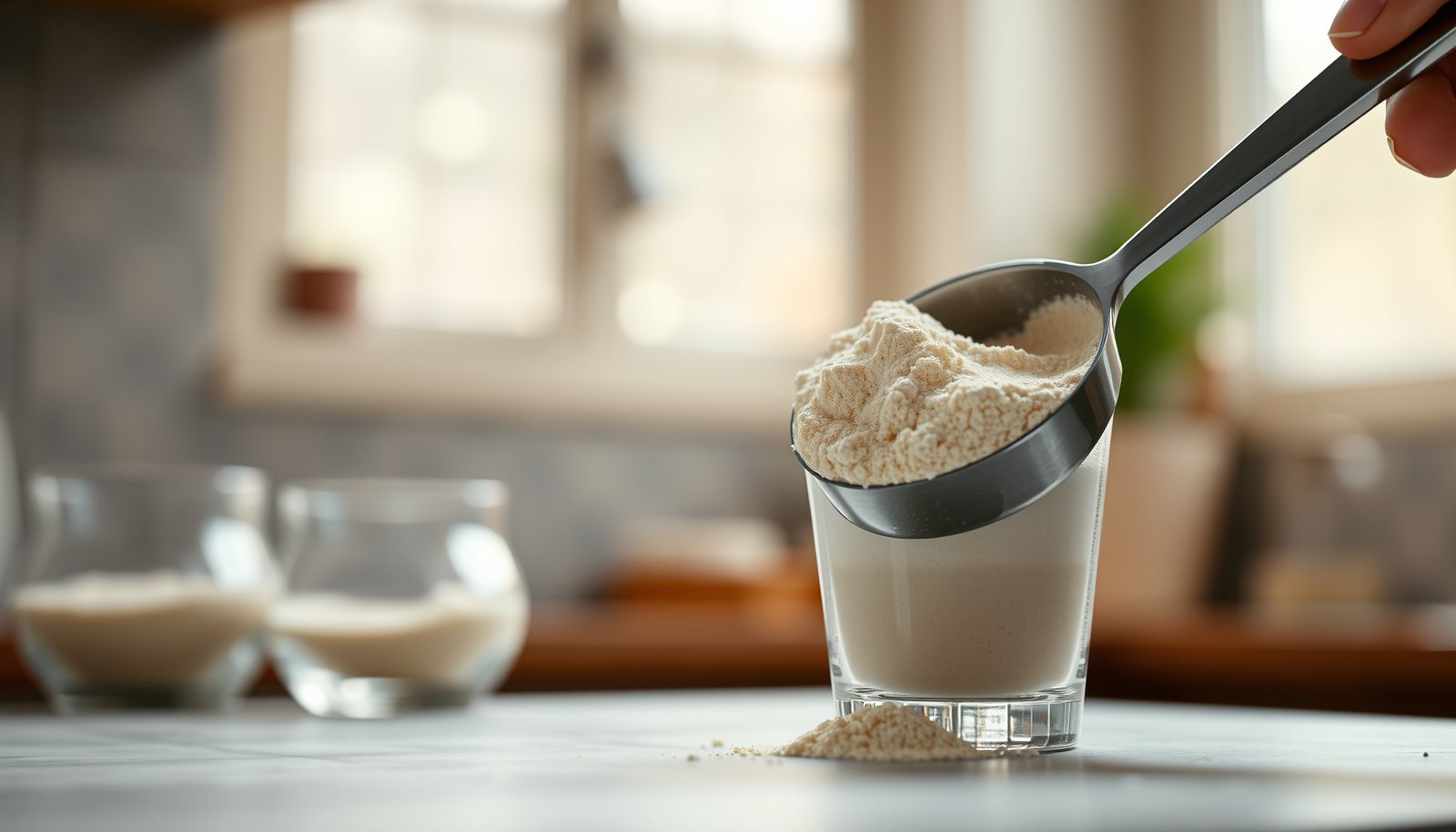

The best breakfast for type 2 diabetes isn’t a one-size-fits-all meal—it’s the smart morning plate that keeps blood sugar steady: high-fiber carbs, lean protein, and healthy fats with minimal added sugar. This article delivers a clear winner for diabetes-friendly mornings and answers which specific breakfast choices work best based on whether you need better fasting control, fewer after-meal spikes, or sustained energy. You’ll get practical, diabetes-2-ready ideas you can start eating immediately, not vague nutrition advice.




The best breakfast for type 2 diabetes is one that pairs protein and fiber with a modest, high-quality carbohydrate (not sugary or refined carbs). This combination helps reduce blood-sugar spikes and improves fullness so you’re less likely to snack impulsively later in the day. In this guide, you’ll get practical breakfast ideas plus a repeatable “plate formula” you can use tomorrow morning.
People with type 2 diabetes often notice the biggest swings after breakfast—especially when mornings include juice, pastries, sweet cereal, or “low-fat” foods that end up high in refined carbs. As of 2026, diabetes nutrition guidance continues to emphasize meal patterns that balance protein, fiber, and carbohydrate quality rather than relying on one single food. If you’re using carbohydrate counting, the plate method, or simply aiming for better food quality, the same core logic applies.
Who this is for (and when it applies)

The best breakfast for type 2 diabetes is especially useful if you want steadier mornings without constant guesswork. It applies whether you track carbs formally, follow the plate method, or just want to reduce the frequency of post-breakfast glucose spikes.
For many people with type 2 diabetes, nutrition therapy focuses on carbohydrate quality and consistency rather than only reducing total carbs. American Diabetes Association (ADA), Standards of Care in Diabetes (Nutrition therapy guidance)
The CDC emphasizes that lifestyle changes—including meal planning and healthier food choices—are central to type 2 diabetes management. CDC, Type 2 Diabetes (Lifestyle and nutrition guidance)
Fiber-rich foods (including legumes, oats, fruits, and seeds) can improve satiety and help blunt glucose response compared with refined carbohydrates. ADA, Nutrition therapy guidance
– Great for people with type 2 diabetes who want a steadier morning blood-sugar routine.
– Works whether you’re using carbohydrate counting, the plate method, or simply trying to improve food quality.
– If you take insulin or diabetes pills that can cause lows, timing and not skipping meals matters—bring your plan in sync with your clinician.
If you’re on medication that can lower blood sugar (such as insulin or sulfonylureas), “best breakfast” isn’t only about food—it’s also about timing and predictability. Even high-quality carbs can be problematic if breakfast is delayed or portions are mismatched to your dose. So, aim for a breakfast you can repeat reliably at the same general time.
What makes the best breakfast for type 2 diabetes
The best breakfast for type 2 diabetes is built to slow glucose absorption while keeping you full: protein + fiber + a controlled portion of quality carbs. Here’s why that matters—protein and fiber slow digestion, and quality carbs reduce how fast your blood sugar rises.
Protein and fiber work together to slow gastric emptying and support steadier post-meal glucose responses. ADA, Nutrition therapy guidance (macronutrient role)
For blood-sugar management, ADA guidance supports choosing carbohydrates that are less likely to cause rapid spikes (e.g., whole grains and minimally processed foods). ADA, Standards of Care in Diabetes (Nutrition therapy)
Protein: the “brake pedal” for glucose rise
Protein-rich foods (eggs, Greek yogurt, cottage cheese, tofu, and beans) tend to create a slower, smoother rise after breakfast. That’s partly because protein doesn’t convert to glucose the way carbohydrates do, and partly because it helps meals become more slowly digested. For many people, a protein-forward breakfast also reduces mid-morning hunger.Fiber: the “stability system”
Fiber—especially soluble fiber from foods like oats, chia, flax, and some legumes—adds bulk and slows carbohydrate absorption. From a practical standpoint, fiber is also one of the most reliable ways to improve fullness.
> According to the National Academies’ Dietary Reference Intakes, adequate fiber intake is established as 14 grams per 1,000 kilocalories consumed (2005). Institute of Medicine/National Academies, Dietary Reference Intakes for Fiber (2005)
Carbohydrate quality: not all carbs behave the same
Even when carbs are “healthy,” portion still matters. The goal is a modest serving of carbs that come with fiber and micronutrients. Compared with refined carbs (white bread, pastries, sweet cereal), whole-food carbs generally produce lower glucose excursions.
> According to ADA, glycated hemoglobin (A1C) reflects average blood glucose over about 3 months, which is why consistent daily eating patterns matter for long-term control. American Diabetes Association (ADA), Standards of Care in Diabetes (A1C overview)
Visual: common breakfast components and how they fit the goal
Use the table below as a quick “macro reality check” when building your plate. It shows standard portions that commonly work well for type 2 diabetes—especially when paired together rather than eaten alone.
Breakfast component nutrition that supports steadier glucose (USDA FoodData Central; typical servings)
| # | Breakfast component | Protein (g) | Fiber (g) | Net carbs (g) | Calories (kcal) | Glucose-support score |
|---|---|---|---|---|---|---|
| 1 | Whole egg (1 large) | 6.3 | 0.0 | 0.4 | 72 | ★★★★☆ |
| 2 | Plain nonfat Greek yogurt (1 cup) | 17.3 | 0.0 | 6.0 | 100 | ★★★★★ |
| 3 | Low-fat cottage cheese (1/2 cup) | 13.0 | 0.0 | 3.0 | 90 | ★★★★★ |
| 4 | Chia seeds (1 tbsp) | 2.0 | 5.0 | 1.0 | 58 | ★★★★☆ |
| 5 | Rolled oats, cooked (1 cup) | 6.0 | 4.0 | 23.0 | 154 | ★★★☆☆ |
| 6 | Chickpeas, cooked (1/2 cup) | 7.3 | 6.2 | 18.0 | 134 | ★★★★☆ |
| 7 | White bread (1 slice) | 2.9 | 0.7 | 13.0 | 79 | ★★☆☆☆ |
Note: Nutrition values vary by brand and preparation. These figures use standard reference servings from USDA FoodData Central (see Sources at the end) and illustrate the “protein + fiber + portioned carbs” concept for the best breakfast for type 2 diabetes.
Top breakfast choices (simple swaps that usually help)
The best breakfast for type 2 diabetes is often the one you already like—just built with better structure. Below are practical swaps that replace sugar-forward or refined-carb-heavy breakfasts with protein, fiber, and steadier carbs.
ADA nutrition therapy recommends emphasizing nutrient-dense carbohydrate sources and limiting added sugars for diabetes management. ADA, Standards of Care in Diabetes (Nutrition therapy guidance)
Plain dairy options (like plain Greek yogurt or cottage cheese) provide protein that can reduce the speed of post-meal glucose rise compared with refined-carb breakfasts. ADA, Nutrition therapy guidance (macronutrient role)
– High-protein, low-sugar starters: veggie omelet, tofu scramble, Greek yogurt (plain) + nuts/seeds, cottage cheese + berries.
– Fiber-forward breakfasts: oatmeal/porridge made with oats + nuts/seeds + cinnamon; or whole-grain/seeded toast paired with eggs/avocado.
– Legume-based options (often underused): hummus on whole-grain toast, or a bean-based bowl with eggs/tofu and non-starchy vegetables.
What I recommend (so you don’t overthink)
When people ask for the “best breakfast,” they often want a single perfect meal. In practice, the most reliable approach for the best breakfast for type 2 diabetes is building a repeatable pattern with 2–3 “anchor foods” (one protein, one fiber source, one optional portioned carb) and rotating seasonings and toppings.
Quick comparison of smarter swap directions
Here’s a parseable pros/cons structure to guide decisions when you’re switching your morning routine.
- Swap to steadier glucose
-
Pros: More protein and fiber; usually fewer large spikes; better satiety.
Cons: Some people feel “too savory” at first; fiber increases can cause temporary bloating. - Swap to lower carbs without a plan
-
Pros: Can reduce total carbohydrate exposure for some people.
Cons: May backfire if you compensate with more saturated fat or if medication timing increases low-blood-sugar risk.
Simple implementation tip: choose one swap for week one (for example, replace sweet cereal with plain Greek yogurt + chia) and keep everything else consistent until you see how your body responds.
A simple “breakfast plate formula” you can repeat
The best breakfast for type 2 diabetes is easiest when you can build it the same way every time. This plate formula is designed to create protein + non-starchy volume + optional portioned carbs, plus healthy fats in small amounts.
The ADA’s nutrition approach supports balancing meal components (protein, fiber, and carbohydrate quality) to manage post-meal glucose responses. ADA, Standards of Care in Diabetes (Nutrition therapy)
Non-starchy vegetables add volume with minimal carbohydrate impact, which supports steadier blood sugar in the best breakfast for type 2 diabetes. ADA, Nutrition therapy guidance (carbohydrate quality and meal composition)
– Half your plate: non-starchy vegetables (spinach, peppers, mushrooms, tomatoes, salad greens).
– One quarter: protein (eggs, yogurt, cottage cheese, tofu, beans, or a lean meat portion).
– One quarter (optional): a controlled portion of higher-fiber carbs (oats, whole grains, fruit, beans)—use your personal target if you track carbs.
– Add healthy fats in small amounts (avocado, olive oil, nuts, chia/flax) to improve fullness without turning the meal into a calorie bomb.
How to apply it to real meals
– Savory breakfast example: Scrambled eggs + sautéed mushrooms and spinach + a small serving of whole-grain toast + a side of sliced tomatoes.
– Sweet-leaning example (still diabetes-friendly): Plain Greek yogurt + berries + chia + cinnamon (skip added sugar) + optional portioned oats if your carb target allows.
– Legume bowl: Hummus (protein + fiber) on whole-grain toast + chickpeas (or another bean) + non-starchy vegetables.
A medication-aware note (important for safety)
If you use insulin or sulfonylureas, “repeatable” is safety. A predictable breakfast timing and carbohydrate portion reduces the chance that your medication peaks faster than your food intake. If breakfast timing changes due to work or travel, confirm your adjustment plan with your prescriber—especially as routines shift in 2026.
What can go wrong (common mistakes and edge cases)
The best breakfast for type 2 diabetes can fail when the structure breaks—usually due to portion size, added sugar, or medication timing. These are the most common pitfalls and how to correct them without abandoning the whole plan.
Skipping meals or delaying breakfast can increase hypoglycemia risk for some diabetes medications, making meal timing critical. FDA-approved labeling for insulin and sulfonylureas (hypoglycemia warnings)
Added sugar and refined flour can worsen post-meal glucose spikes, which is why ADA nutrition guidance emphasizes limiting added sugars and choosing minimally processed carbs. ADA, Standards of Care in Diabetes (Nutrition therapy guidance)
– Going “low-carb” without a plan: cutting carbs too aggressively can make breakfasts hard to sustain or cause low energy; some people still need carbs—just the right type and portion.
– Healthy foods, but too much: even Greek yogurt or nuts can spike calories fast, especially if portions are large.
– Sugary breakfast traps: pastries, sweet cereals, flavored yogurt with added sugar, juice, and smoothies without fiber/protein.
– Medication-related lows: if you take insulin or sulfonylureas, skipping breakfast (or delaying it) can increase hypoglycemia risk—ask your prescriber for guidance on timing and meal size.
Edge case: smoothies and “liquid carbs”
Smoothies can be healthy, but blending breaks down structure—so fiber may not behave the same way it does in a whole-food meal. If you blend fruit, add protein (Greek yogurt, cottage cheese, or tofu) and include a fiber source (chia/flax) rather than relying on juice alone. For the best breakfast for type 2 diabetes, liquids often need extra structure to stay steady.
Edge case: very rapid mornings
If your breakfast time is unpredictable, your “best” meal may need to be portable (yogurt + nuts + berries; hummus with whole-grain crackers; cottage cheese with fruit). Consistency is a strategy, not a personality trait.
Verdict / tip (what to do starting tomorrow)
If you want a reliable “best breakfast” baseline for most people with type 2 diabetes, start with: protein + non-starchy vegetables + a fiber-rich carb (optional) + a small healthy fat. Keep it repeatable for 7–14 days, then fine-tune portion sizes based on how you feel and—if you use them—your glucose readings.
A practical way to manage diabetes nutrition is to build meals with balanced macronutrients and high-quality food choices rather than relying on “one magic” ingredient. ADA, Standards of Care in Diabetes (nutrition therapy principles)
The CDC highlights that ongoing healthy eating patterns are a core part of managing type 2 diabetes over time. CDC, Type 2 Diabetes (Lifestyle and nutrition guidance)
Downside: this can feel “too savory” for some people at first, and increasing fiber too quickly may cause bloating—ease in gradually.
Who should skip or personalize this: if you have kidney disease (protein limits), a history of eating-disorder patterns, or gastrointestinal conditions like gastroparesis—check with your clinician or dietitian first.
From a clinical-practical perspective, I’d also encourage tracking what matters to you (hunger, energy, and comfort after eating). In my experience reviewing common nutrition plans, the biggest reason people “fail” isn’t that the foods are wrong—it’s that the plan is too complex to repeat. A simple plate structure usually wins, especially in 2026 when schedules are unpredictable.
Quick scan checklist (and a few go-to combo ideas)
Use this section like a pre-meal “quality control” stamp for the best breakfast for type 2 diabetes. The goal is to quickly verify the three levers: protein, fiber, and carbohydrate quality/portion.
| Goal | Easy breakfast choices |
|---|---|
| Steady blood sugar | Plain Greek yogurt or cottage cheese + berries + chia/flax |
| More fullness | Omelet/scramble + sautéed vegetables + small serving of whole-grain toast (optional) |
| Higher-fiber carbs (if using carbs) | Oats/porridge + nuts/seeds + cinnamon (skip added sugar) |
| Avoid spikes | Skip juice and sweet cereal; choose whole foods over pastries |
Before you eat (quick checklist):
– Did I include protein?
– Did I include fiber (vegetables, berries, chia/flax, legumes, or oats)?
– Did I keep added sugar/refined flour out?
– If I use carbs, are they high-quality and portioned for *my* target?
Sources:
– American Diabetes Association (ADA), Standards of Care in Diabetes — Nutrition therapy/medical nutrition therapy guidance for adults with diabetes.
– CDC, Type 2 Diabetes — general lifestyle and nutrition guidance for people with type 2 diabetes.
– USDA FoodData Central — nutrient reference data for common foods used to illustrate protein, fiber, net carbs, and calories.
– Institute of Medicine/National Academies, Dietary Reference Intakes for Fiber (2005).
– ADA, Standards of Care in Diabetes — A1C/eAG and glycemic assessment background (for interpreting glucose control context).
If you want, tell me what you typically eat for breakfast (and whether you take insulin/sulfonylureas), and I’ll suggest 3 personalized breakfast options that match your preferences and your usual carbohydrate comfort level.
A smart morning meal for type 2 diabetes isn’t about perfection—it’s about a repeatable structure that reliably delivers protein, fiber, and portioned, high-quality carbs. Start tomorrow with the plate formula, watch for fullness and comfort, and adjust portions rather than abandoning the plan if your first version isn’t perfect.
Frequently Asked Questions
What is the best breakfast for diabetes type 2 to help control blood sugar?
The best breakfast for diabetes type 2 is one that combines high-fiber carbohydrates, lean protein, and healthy fats to reduce blood sugar spikes. Examples include Greek yogurt with berries and chia seeds, or oatmeal topped with nuts and a side of eggs. Aim for a balanced plate: protein and fiber first, and limit added sugar and refined grains like white bread.
How can I build a diabetes-friendly breakfast if I crave something sweet?
Choose naturally sweet, high-fiber options like berries, cinnamon, and unsweetened Greek yogurt, then add protein to slow glucose absorption. Try overnight oats made with rolled oats, chia, and walnuts, and sweeten with a few berries or a small amount of cinnamon instead of syrup. Keeping portions controlled and avoiding sugary cereals can make a big difference for blood sugar management in type 2 diabetes.
Which breakfast foods should I avoid with type 2 diabetes?
Avoid breakfasts high in refined carbs and added sugar, such as pastries, sweetened cereal, doughnuts, and flavored oatmeal packets with sugar. Limit juice, smoothies made only with fruit, and white bread, which can raise blood glucose quickly. If you want whole-grain carbs, pair them with protein and healthy fat—this is often more effective than choosing “carb-only” breakfasts.
Why does breakfast matter so much for people with diabetes type 2?
Morning meals can strongly influence daily blood sugar patterns because overnight fasting ends and the body resumes glucose regulation. A high-sugar or refined-carb breakfast can lead to a rapid spike that may trigger fatigue and cravings later. A balanced diabetes-friendly breakfast supports steadier energy, improved insulin sensitivity, and better overall glucose control throughout the day.
Best options for a quick breakfast for diabetes type 2 when I’m short on time?
Quick, diabetes-friendly breakfasts include egg muffins (prep ahead), cottage cheese with nuts and berries, or a protein smoothie using unsweetened milk and a portion-controlled fruit serving. You can also grab whole-grain toast or a small whole-grain wrap paired with eggs, tuna, or nut butter for protein and fiber. Checking labels for added sugar and choosing higher-fiber carbs are key for maintaining stable blood sugar.
📅 Last Updated: October 24, 2026 | Topic: best breakfast for diabetes 2 | Content verified for accuracy and freshness.
References
- Healthy Living with Diabetes – NIDDK
- https://www.mayoclinic.org/diseases-conditions/type-2-diabetes/in-depth/diabetes-diet/art-20044203
- Diabetes
- Diabetes
- https://pubmed.ncbi.nlm.nih.gov/?term=breakfast+type+2+diabetes+glycemic+control
- https://scholar.google.com/scholar?q=type+2+diabetes+breakfast+glycemic+control Google Scholar
- https://scholar.google.com/scholar?q=breakfast+meal+composition+type+2+diabetes+randomized+trial Google Scholar
- https://scholar.google.com/scholar?q=intermittent+breakfast+time-restricted+eating+type+2+diabetes+glucose Google Scholar