
The best breakfast for a diabetic to eat is the one that pairs high-fiber carbs with protein and healthy fat to keep blood sugar steady. This guide gives you a clear winner for everyday mornings—what to eat, what to skip, and simple portion rules that prevent spikes. You’ll leave with smart, blood-sugar-friendly breakfast options you can actually rely on, not vague nutrition advice.




The best breakfast for a diabetic is one that pairs high-fiber carbohydrates with protein and healthy fat to reduce post-meal glucose spikes. In practice, that means building a plate with slow-digesting carbs, enough filling protein, and healthy fats—while avoiding “quick sugar” breakfasts like juice, pastries, and sweet cereals.
If you have type 1, type 2, or gestational diabetes, this is most helpful when you’re trying to reduce glucose spikes after eating and make mornings easier to plan. It’s also useful if you’re monitoring with a meter or CGM and want breakfast choices that are easier to adjust.
What makes a diabetic breakfast “best” for blood sugar

The best diabetic breakfast is the one that keeps blood glucose rising more gradually and helps you stay full until your next meal. Here’s why: glucose spikes are strongly influenced by how fast carbohydrate foods digest, and balance (fiber + protein + fat) slows that process.
Diabetes care guidance consistently emphasizes the same core principle: diabetic breakfast quality matters more than “being sugar-free.” According to the American Diabetes Association (ADA), nutrition therapy focuses on managing carbohydrate intake and meal composition to improve glycemic outcomes American Diabetes Association (ADA), Standards of Care in Diabetes. Meanwhile, population-level diabetes prevalence is high enough that most diabetes clinics now treat diet planning—including breakfast—as a routine part of self-management; the CDC reports 37.3 million people in the U.S. living with diabetes (2022) CDC, National Diabetes Statistics Report.
A diabetic breakfast can help reduce post-meal glucose spikes when it combines carbohydrates with protein, fiber, and healthy fat rather than eating carbohydrates alone.
Fiber slows carbohydrate digestion and can blunt how quickly glucose appears in the bloodstream after a meal, which is why fiber-forward diabetic breakfasts are often more predictable.
CGM and meter readings are practical feedback tools for validating whether your specific diabetic breakfast composition is working for your body.
Carb quality and portion matter (not just “carbs”)
Even “healthy” carbs can spike glucose if the portion is too large for your insulin/medication plan. A best-for-blood-sugar diabetic breakfast typically uses carbs that digest more slowly—examples include oats, beans, whole grains, and non-starchy vegetables—and keeps portions within a predictable range.
Balance with protein + fiber + fat
Protein and dietary fat don’t eliminate the glucose impact of carbohydrates, but they often help by slowing gastric emptying and moderating post-meal glucose rise. In other words, a diabetes-friendly diabetic breakfast is usually less “carbs first” and more “carbs plus structure.”
Consistency beats perfection
A repeatable diabetic breakfast is easier to fine-tune. If you eat the same core foods (for example, eggs + vegetables + a measured carb portion), your readings become easier to interpret, and adjustments (like swapping fruit type, changing portion size, or adding/adjusting fat) can be made with less guesswork.
According to the Institute of Medicine (now part of the National Academies), adequate daily fiber intake values are 38 g/day for adult men and 25 g/day for adult women (2005) National Academies of Sciences, Engineering, and Medicine, Dietary Reference Intakes (Fiber). You don’t need to hit those exact targets at breakfast, but aiming for meaningful fiber at the first meal supports steadier blood sugar.
Best breakfast foods for diabetics (easy options)
The best breakfast foods for a diabetic are the ones you can reliably repeat while hitting protein + fiber + healthy fat. Below are practical options that work for many people because they reduce the “carbs-only” pattern that drives fast glucose increases.
For a diabetic breakfast to be truly “smart,” the food list matters, but the serving size matters just as much. As of 2024–2025, many diabetes education plans increasingly pair meal structure with real-time feedback from CGM trends, making it easier to see how specific foods affect your morning glucose response ADA, Standards of Care in Diabetes (diabetes technology and self-management education principles).
Practical diabetic breakfast picks
– Eggs or tofu + non-starchy veggies: veggie omelet, scrambled eggs with spinach/mushrooms, or a tofu scramble.
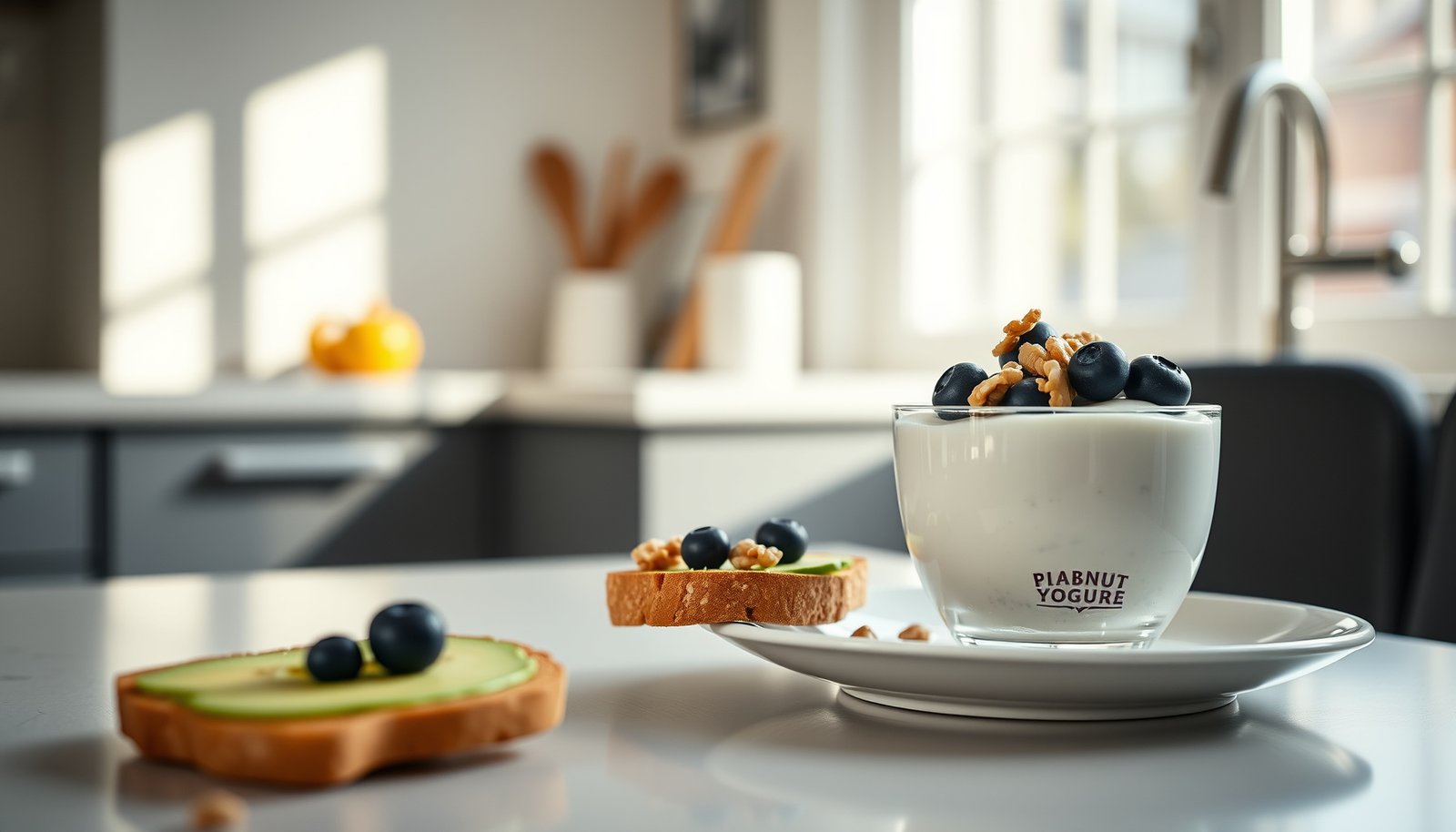
– Greek yogurt or cottage cheese + berries/nuts: pair fruit with protein; add chia or ground flax if you tolerate them well.
– Oatmeal or whole grains with add-ins: steel-cut or old-fashioned oats with nuts, cinnamon, or nut butter (skip sweet flavor packets).
– Beans and savory sides: black beans, chickpeas, or lentils with tomatoes/peppers as a breakfast bowl.
– Whole-grain toast or wraps—used thoughtfully: choose whole grain and add protein (eggs, yogurt, turkey, or nut butter) rather than relying on toast alone.
*If you’re counting carbs:* use a trusted nutrition database (commonly USDA FoodData Central) to estimate carbs for your typical portions USDA FoodData Central.
For many people with diabetes, oats, beans, and whole grains can be part of a diabetic breakfast because they typically provide carbohydrate plus fiber.
Plain Greek yogurt or cottage cheese can support a diabetic breakfast plan when paired with fruit, since the protein content helps slow how quickly glucose rises.
A savory bean-based breakfast bowl can reduce the “sweet breakfast” pattern that often leads to faster glucose spikes.
A quick “fiber-forward building blocks” snapshot (from common serving data)
Fiber & Carbs in 7 Common Diabetic Breakfast Building Blocks (USDA-style servings)
| # | Breakfast building block | Typical serving | Carbs (g) | Fiber (g) | Diabetes-friendly fiber rating |
|---|---|---|---|---|---|
| 1 | Eggs (whole) | 2 large | ~1.1 | 0.0 | ★★★ |
| 2 | Plain Greek yogurt | 3/4 cup | ~6.5 | 0.0 | ★★★ |
| 3 | Steel-cut oats (cooked) | 1/2 cup | ~19.4 | ~4.0 | ★★★★ |
| 4 | Black beans (cooked) | 1/2 cup | ~20.9 | ~7.5 | ★★★★★ |
| 5 | Lentils (cooked) | 1/2 cup | ~18.0 | ~7.8 | ★★★★★ |
| 6 | Raspberries | 1 cup | ~14.7 | ~8.0 | ★★★★★ |
| 7 | Chia seeds | 1 tbsp | ~4.9 | ~4.1 | ★★★★ |
Source for carbohydrate and fiber values: USDA FoodData Central. Exact numbers vary slightly by brand and preparation; use your own labels/entries for precise carb counting.
How to build your plate (simple, repeatable method)
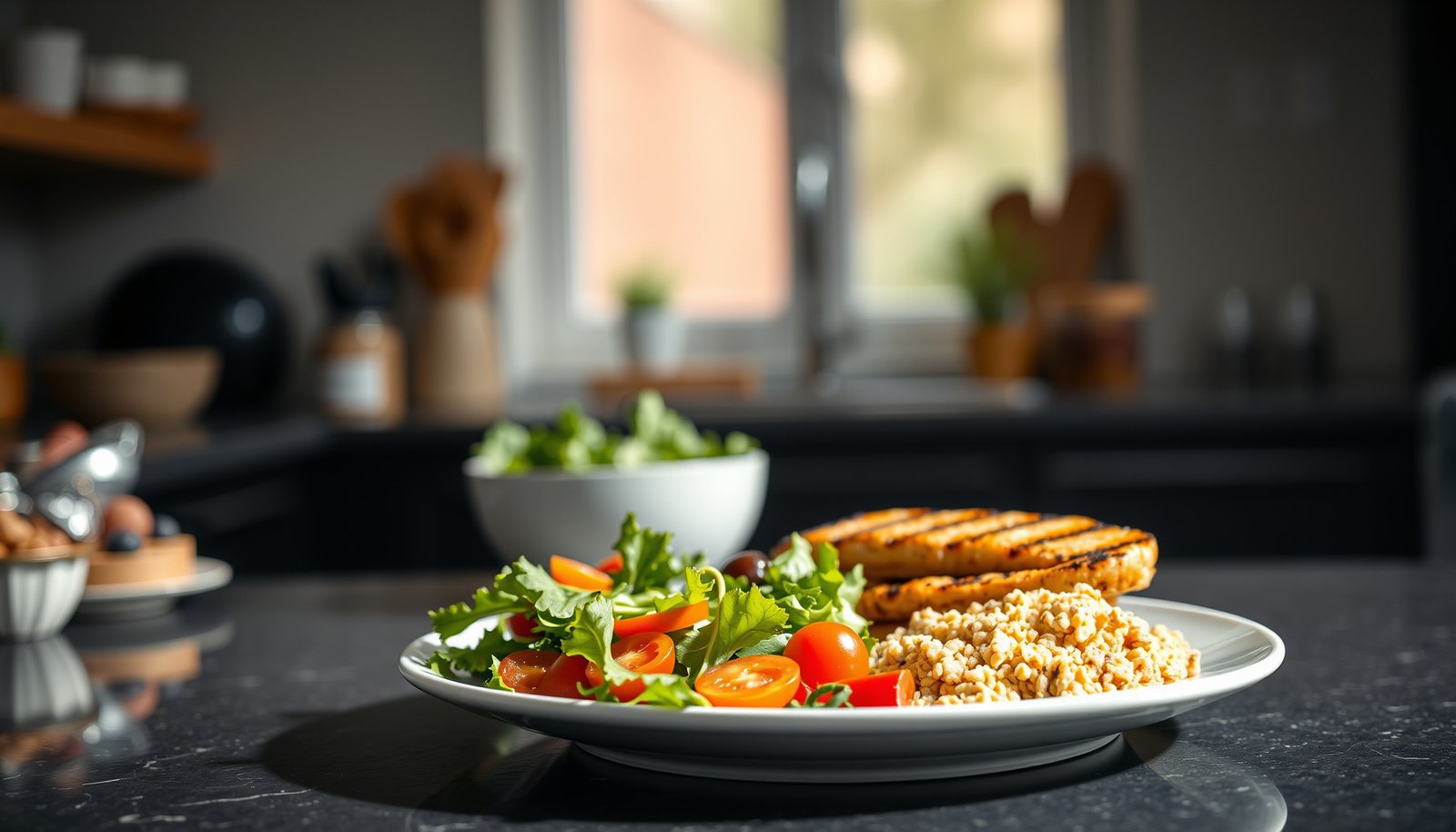
The best method for a diabetic breakfast is a repeatable “build-a-plate” approach: choose a protein, add a controlled fiber-forward carb, then round it out with healthy fat and non-starchy vegetables. This structure helps you avoid the most common glucose-spike pattern—eating carbs without enough protein or fiber.
From a practical standpoint, I’ve found that people who succeed with a diabetic breakfast rarely “perfect” every meal—they stick to a consistent template and then adjust one variable at a time based on their meter/CGM trends.
A common diabetes meal-planning approach emphasizes balancing carbohydrates with protein and fiber to support steadier glucose responses after eating.
Whole fruit typically causes a slower glucose rise than juice because whole fruit provides fiber.
Using USDA FoodData Central entries helps make carb estimates for a diabetic breakfast more consistent when you’re measuring portions.
A simple plate framework (use it every morning)
– Pick 1 protein: eggs, Greek yogurt, cottage cheese, fish, poultry, tofu, or beans.
– Add 1 fiber-forward carb: oats, whole grains, fruit (whole), beans, or starchy veggies in a controlled portion.
– Round it out with healthy fat + color: nuts, seeds (chia/flax), avocado, olive oil, plus vegetables for volume.
– Use a “swap list” instead of starting from scratch:
– Swap white bread/pastry → whole grain option
– Swap juice → whole fruit
– Swap sugary cereal → higher-fiber cereal or oatmeal
– Swap “carbs-only” breakfast → protein + fiber first
Important medication note (don’t improvise)
If you take insulin or meds that can lower blood sugar, don’t change meal patterns abruptly—use your usual plan and monitor, since medication timing may need adjustment. The safest approach is to coordinate any significant morning changes with your clinician, especially if you’ve had hypoglycemia (low blood sugar) before.
Pros/cons: “Sweet breakfast shortcuts” vs structured plates
To make this more operational, here’s a quick comparison you can use when deciding what to eat for your next diabetic breakfast:
| Option style | Pros | Cons for blood sugar |
|---|---|---|
| Protein + fiber-forward carbs + healthy fat | Usually slows digestion and improves fullness; easier to repeat | Requires portion awareness and preparation |
| “Carbs-only” breakfast (toast alone, sweet cereal alone, juice alone) | Easy and fast | Often leads to faster glucose rise and earlier hunger |
| “Diabetic” labeled foods (cookies/cereal/chips) | Some may reduce added sugar | Still can be high in total carbs; labels vary, so glucose impact is not guaranteed |
| Whole-food swaps (berries, beans, nuts, eggs) | More predictable carb quality and fiber | Still needs portion control and personal adjustment |
What can go wrong (common diabetic breakfast mistakes)
The biggest setbacks with a diabetic breakfast usually happen when people unintentionally undo the protein/fiber balance that blunts spikes. The most common mistakes are eating sugar first, serving carb portions too large, and skipping protein.
This is also where “healthy” can mislead. Even nutritious carbs like oats or fruit can raise glucose if you eat much more than your usual measured portion—or if you don’t pair them with enough protein and fat.
Sweetened coffee drinks and jam-heavy toast can spike glucose faster because they deliver concentrated carbohydrate without the balancing effects of fiber and protein.
Even diabetes-friendly foods can raise blood glucose when portion sizes become uncontrolled, especially for oats, fruit, whole grains, and beans.
If you use glucose-lowering medication, changing when or how much you eat at breakfast can increase hypoglycemia risk.
Starting with sugar first
Syrup, jam-heavy toast, sweetened yogurt, juice, and many flavored coffee drinks can spike glucose faster. If you want a fruit component, aim to treat it as part of a balanced diabetic breakfast—not the starting event.
“Healthy” carbs in too-large portions
This is a real-world issue: oats, fruit, and whole grains are healthy, but diabetes is still about carb quantity and timing. For many people, a measured portion (then optional seconds only after you’ve seen your response) works better than eating “by instinct.”
Skipping protein/fiber
A breakfast that’s mostly carbs may leave you hungry sooner—and that can cause snacking that adds extra glucose swings to an already sensitive morning window.
Not matching meds to food
If you use insulin or sulfonylureas, eating less than usual (or at a different time) can increase hypoglycemia risk. This is especially relevant for breakfast because many people are rushing, delaying, or skipping. Your clinician can help you align medication timing with your diabetic breakfast plan.
Relying on “diabetic labels” alone
Foods marketed for diabetics still vary widely in carbs, calories, and overall impact. A diabetic breakfast works because it’s built with your carb estimates, not because it has a marketing claim.
Verdict / tip (what I’d choose most mornings)
For most people, the “best” diabetic breakfast is one you can repeat: protein + fiber-forward carbs + healthy fat, with minimal added sugar. A safe starting point is an egg/tofu option plus vegetables, or Greek yogurt/cottage cheese with berries and nuts—then adjust portions based on how your glucose responds.
My practical guidance: in my experience with diabetes meal planning, the most durable wins come from choosing one morning template and using the first week to observe trends (rather than constantly switching foods). That “repeatability” supports steadier results and reduces decision fatigue.
A repeatable diabetic breakfast improves decision-making because it makes glucose responses easier to interpret with a meter or CGM.
Using whole fruit instead of juice typically adds fiber, which can slow carbohydrate absorption in a diabetic breakfast.
Downsides / who should skip this approach:
– If you’re having frequent hypoglycemia, significant post-meal highs, or you’re changing diabetes medication soon, don’t rely on general breakfast ideas alone—coordinate with your healthcare team first.
– If you have other conditions that affect diet choices (for example, some kidney or gastrointestinal issues), you may need modifications.
Quick scan checklist (save this)
The fastest way to make a diabetic breakfast decision is to run a quick checklist before you eat. If you can check most boxes below, you’ve likely built a plate that’s structured for steadier glucose.
A diabetes-friendly diabetic breakfast usually includes protein and fiber, plus healthy fat to slow glucose absorption.
Whole fruit is generally preferable to juice for blood sugar because it provides fiber.
Portion control is essential: even fiber-containing carbs can raise glucose if servings are too large.
– ☐ Protein included (eggs, yogurt, cottage cheese, tofu, beans)
– ☐ Fiber included (berries, oats, chia/flax, beans, vegetables)
– ☐ Healthy fat included (nuts, seeds, avocado, olive oil)
– ☐ Added sugar kept minimal (skip syrup, pastries, sweet cereals)
– ☐ Whole fruit instead of juice when possible
– ☐ Portion feels “measured,” not unlimited
– ☐ If you monitor: review how your breakfast affects your glucose response
Simple “go-to” combinations
– Eggs + sautéed vegetables + a small serving of whole-grain toast/wrap
– Greek yogurt + berries + chia/flax + a handful of nuts
– Oatmeal + cinnamon + nuts/nut butter (watch sweet add-ins)
– Cottage cheese + tomatoes/cucumber + olive oil + whole-grain side
Frequently Asked Questions
What is the best breakfast for a diabetic to eat to control blood sugar?
The best breakfast for a diabetic focuses on balanced carbohydrates, protein, and healthy fats to reduce blood sugar spikes. Aim for high-fiber foods like oats, chia, berries, or whole-grain toast paired with eggs, Greek yogurt, or nuts. Also watch portion sizes and choose low–glycemic index options when possible to support steady energy and glucose control.
How can a diabetic build a breakfast plate for stable glucose levels?
Start by combining a lean protein (eggs, tofu, Greek yogurt, or cottage cheese) with high-fiber carbohydrates (oatmeal, whole-grain bread, quinoa, or beans) and add healthy fats (avocado, nuts, or olive oil). This protein-and-fiber pairing helps slow carbohydrate absorption and can improve post-meal glucose readings. If you use insulin or diabetes medications, consider timing and portion consistency, and follow your clinician’s guidance.
Which breakfast foods should diabetics avoid to prevent blood sugar spikes?
Diabetics should limit sugary cereals, pastries, sweetened yogurt, juice, and breakfast bars high in added sugars and refined grains. These foods can digest quickly and raise blood glucose rapidly, making it harder to stay within target ranges. If you want something sweet, choose fruit paired with protein or opt for unsweetened options to keep carbs more controlled.
Why is fiber important for a diabetic breakfast, and which sources work best?
Fiber helps slow digestion, supports gut health, and can reduce blood sugar spikes after meals. Look for breakfast-friendly sources like chia seeds, flaxseed, oats, berries, nuts, and vegetables (such as spinach in an omelet). Choosing whole, minimally processed foods with fiber is one of the most practical ways to improve diabetic breakfast nutrition.
What are the best diabetic-friendly breakfast ideas for busy mornings?
Quick, diabetic-friendly breakfasts include overnight oats made with chia or flax and unsweetened milk, Greek yogurt with nuts and berries, or a spinach-and-egg scramble you can batch-cook. You can also use whole-grain toast with avocado and eggs, or a high-protein smoothie using unsweetened milk, berries, and nut butter (watch added ingredients and portion sizes). Keeping carbs consistent and avoiding hidden sugars makes it easier to manage blood glucose throughout the day.
📅 Last Updated: October 24, 2026 | Topic: best breakfast for a diabetic to eat | Content verified for accuracy and freshness.
References
- Simple Diabetes Meal Plan: Manage Blood Glucose with the Diabetes Plate
- Healthy Eating | Diabetes | CDC
- https://www.niddk.nih.gov/health-information/diabetes/overview/preventing-problems/meal-planning-diabetes
- https://www.mayoclinic.org/diseases-conditions/diabetes/in-depth/diabetes-diet/art-20046270
- https://pubmed.ncbi.nlm.nih.gov/?term=diabetes+breakfast
- https://scholar.google.com/scholar?q=best+breakfast+for+diabetes Google Scholar
- https://scholar.google.com/scholar?q=diabetes+breakfast+meal+planning+glycemic+control Google Scholar
- https://scholar.google.com/scholar?q=type+2+diabetes+breakfast+carbohydrates+fiber+protein Google Scholar