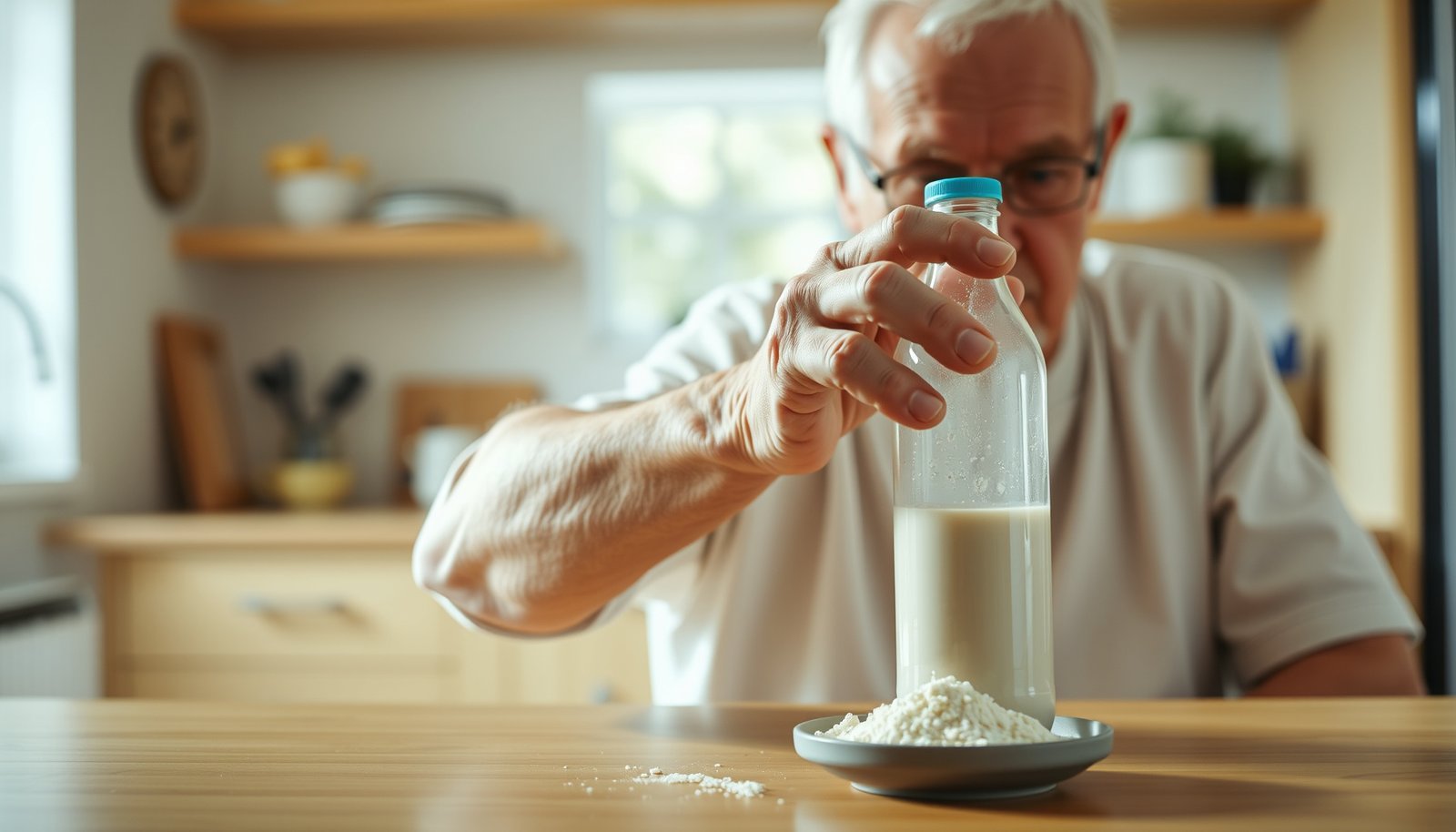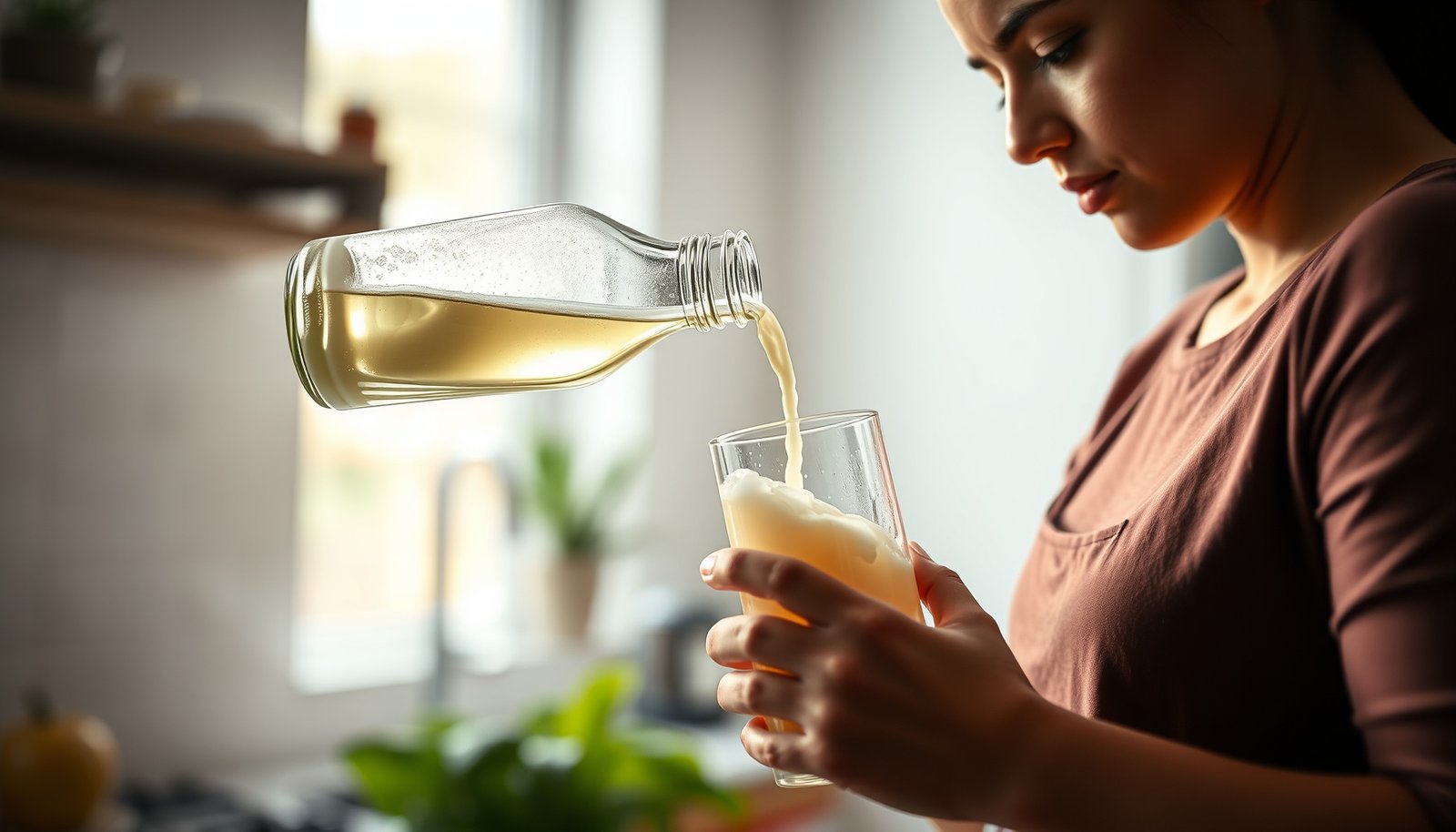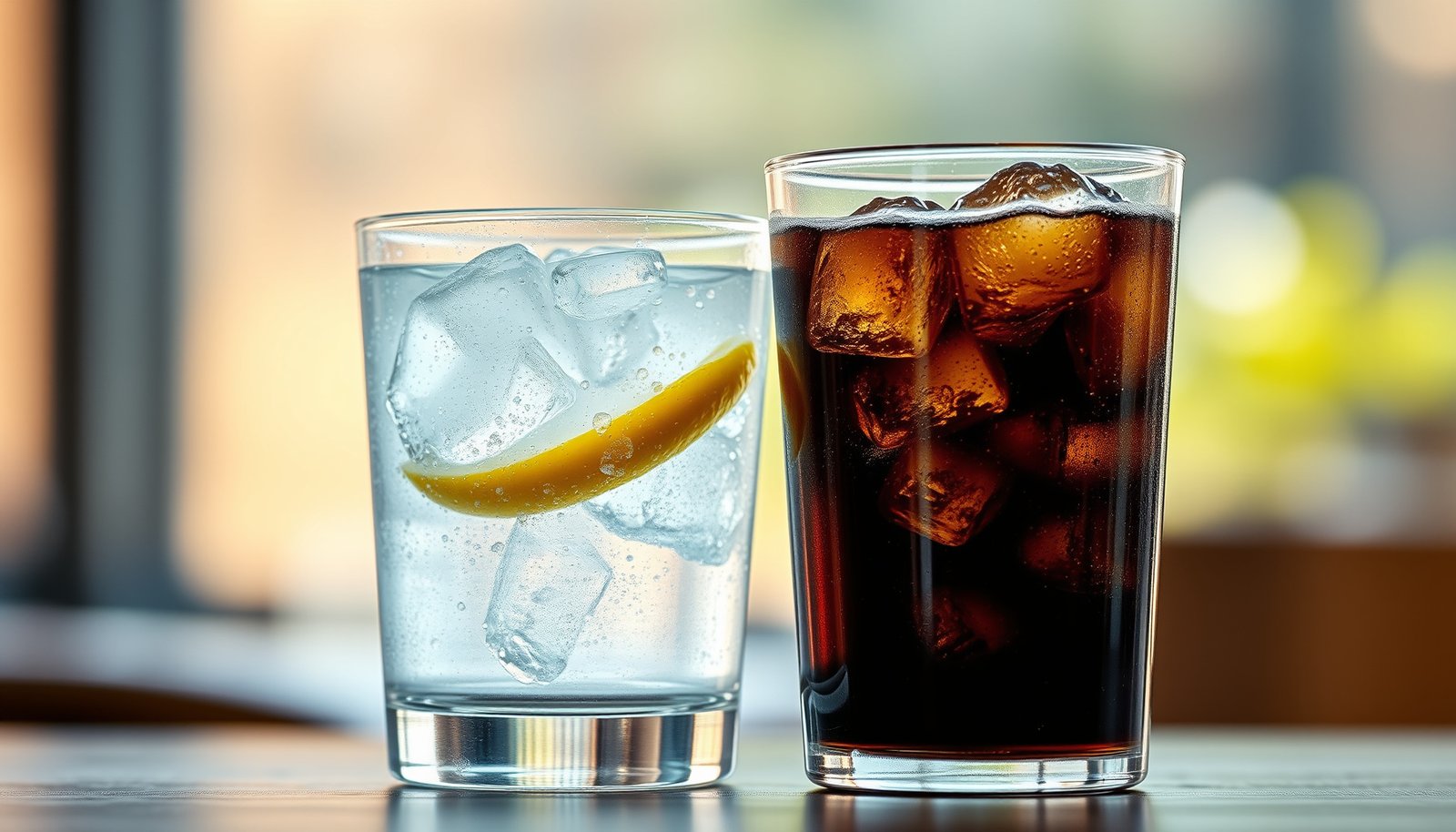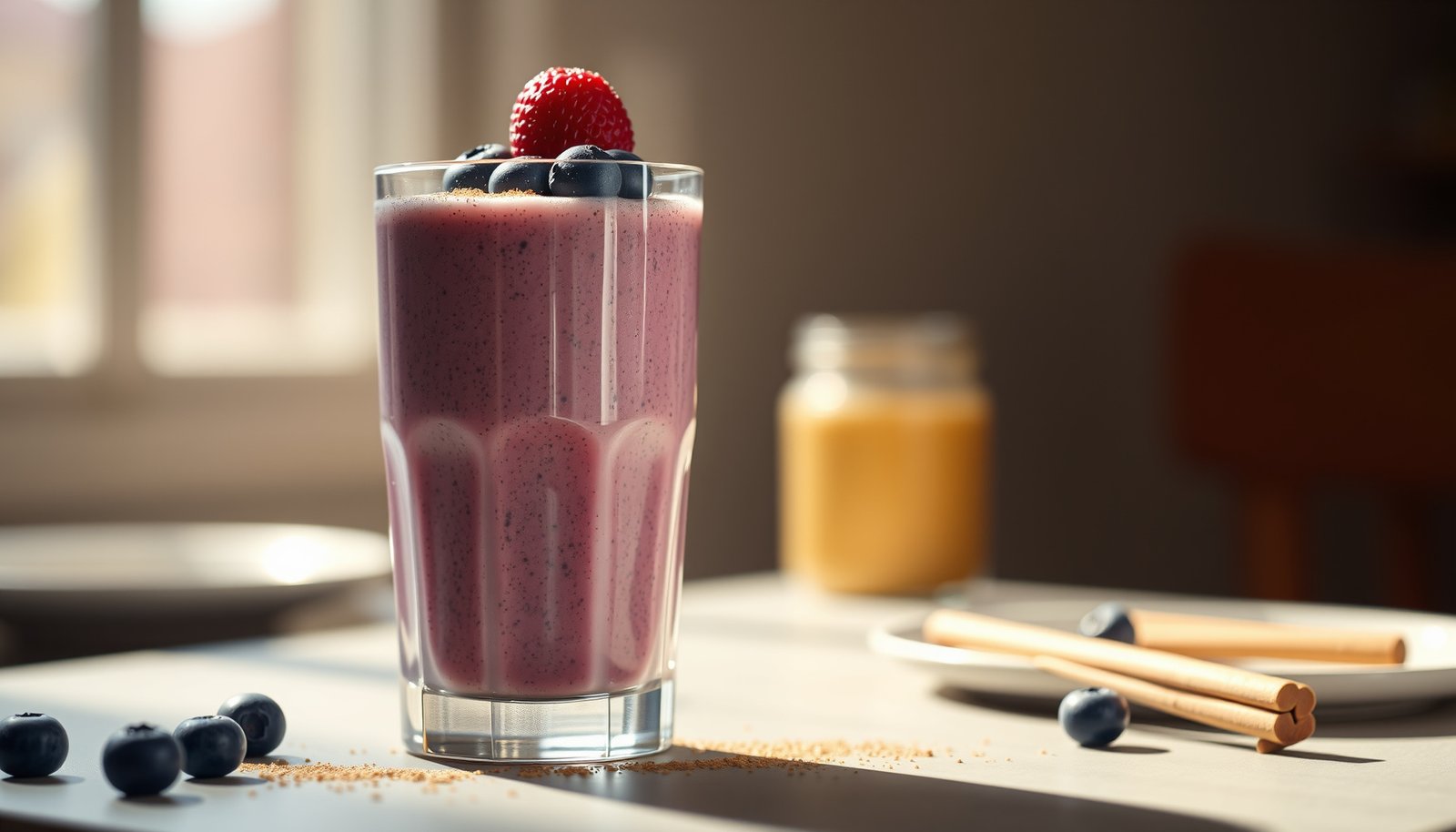

Looking for the best breakfast drinks for diabetics that keep blood sugar steady? The clear winner for most people is unsweetened Greek yogurt or kefir-based smoothies with chia and a splash of berries—high protein, minimal sugar, and fewer spikes. If you need something warm, unsweetened black or green tea beats juice every time.




The best breakfast drinks for diabetics are typically unsweetened coffee/tea and plain, unsweetened milk or milk alternatives, plus smoothies you control (measured fruit + protein and/or healthy fat). These choices usually keep added sugar and fast-digesting carbs lower, which can make morning glucose management more predictable.
This is for people with diabetes (type 1, type 2, or gestational) who want morning drink ideas that don’t rely on sugary juices, flavored coffees, or dessert-style smoothies. It’s also helpful if you’re trying to read labels and spot “hidden carbs” before they hit your glucose.
What to look for in a diabetic-friendly breakfast drink
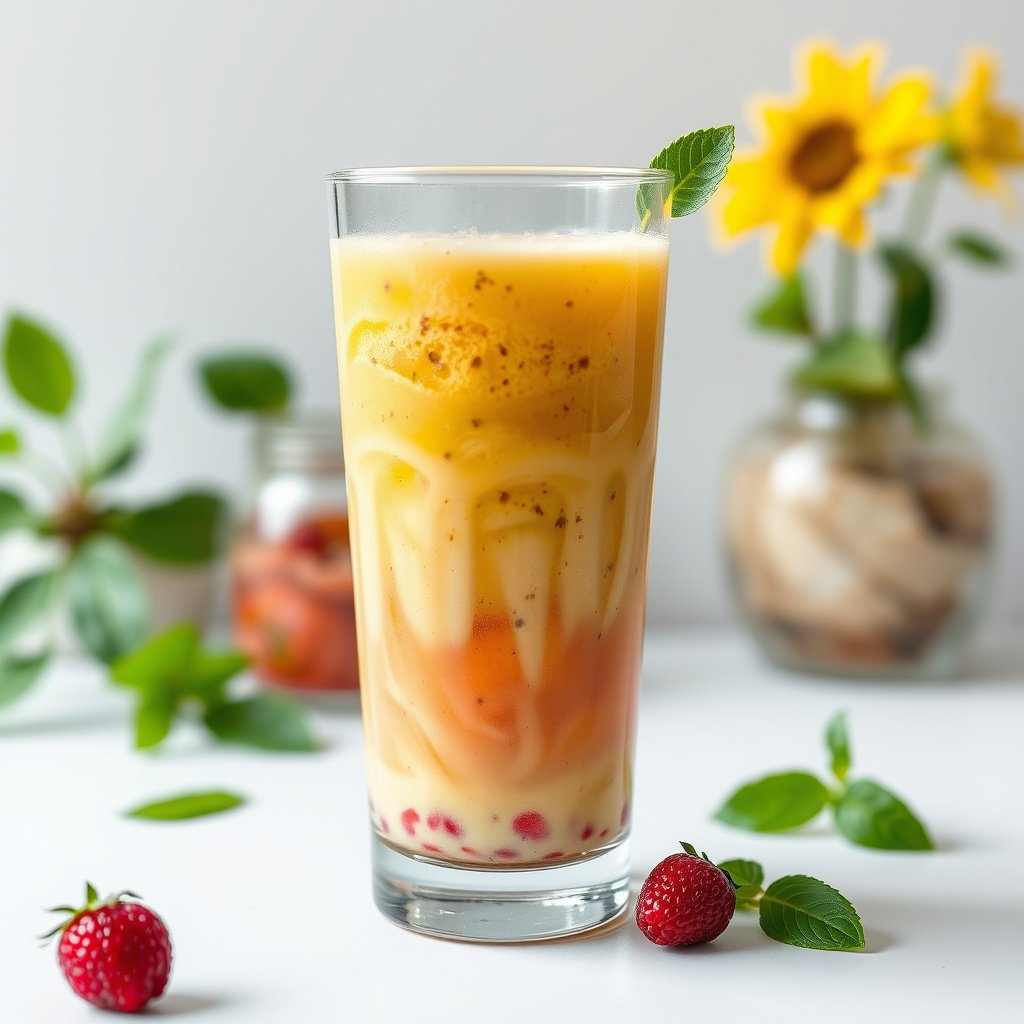
The fastest way to pick a diabetes-friendlier breakfast drink is to scan total carbohydrates and added sugar—not just “sugar-free” marketing. The goal is to choose drinks that include fiber, protein, or healthy fat, because those nutrients slow digestion and can reduce how quickly glucose rises.
For label reading and diabetes nutrition planning, here’s what matters most:
– Prioritize low added sugar and watch total carbohydrates (not just “sugar-free”).
– Choose drinks that provide fiber, protein, or healthy fat (they often slow how fast carbs hit).
– Read labels for added sugars and serving size—one “single” drink can contain multiple servings.
According to the U.S. FDA’s Nutrition Facts labeling guidance, the **Daily Value (DV) for “Added Sugars” is 50 grams per day**, which helps consumers interpret how much is in a serving.
According to the U.S. Dietary Guidelines for Americans (2020–2025), added sugars should make up **less than 10% of total daily calories**, supporting lower added-sugar intake for overall cardiometabolic health.
When you compare drinks, don’t stop at “sugar.” Total carbohydrates includes starches and sugars that convert into glucose. Added sugars are a narrower category defined for labeling and are what you’re trying hardest to reduce. Also, a beverage can be “diabetes-friendly” in theory and still be too carb-dense in practice if your portion is large.
A practical framework we use for diabetes-friendly breakfast drinks is: carb amount + carb speed + nutrient context. For example, fruit juice has carbs but lacks structure (fiber is mostly removed), while whole fruit has more resistance to digestion. Similarly, a milk-based drink with protein usually behaves differently than a juice-based drink with the same “sugar” content.
Best breakfast drinks for diabetics (simple, everyday picks)
The most reliable diabetes-friendly breakfast drinks for most people are unsweetened coffee/tea and plain, unsweetened milk or unsweetened plant milk. They’re easier to standardize (you know the portion) and easier to label-check than “latte” or “juice smoothie” styles.
– Unsweetened coffee or tea: usually minimal carbs if you skip sugar, syrups, and sweetened creamers.
– Plain yogurt drinks / milk (if they fit your plan): better when you pick unsweetened versions and pay attention to carb counts.
– Unsweetened plant milks (almond, soy, etc.): often workable, but verify carbs and avoid “vanilla” or “sweetened” varieties.
According to FDA Nutrition Facts labeling, “added sugars” and “total carbohydrates” are reported separately, so you can’t rely on “sugar-free” alone to predict the drink’s carb impact.
If a coffee drink contains **sweetened creamer, flavored syrup, or sweetened condensed-style dairy**, it can add substantial carbohydrates even when the base coffee is carb-free.
What “simple” really means for glucose control
When diabetes-friendly breakfast drinks are working well, they tend to be simple in ingredients:
– one main base (coffee/tea/milk/unsweetened plant milk),
– one portion size you can repeat,
– and minimal sweeteners.
In my own day-to-day label-checking, I’ve found the biggest “surprises” come from hidden serving sizes (e.g., a bottle that’s two servings) and sweetened add-ins that aren’t obvious at first glance.
Typical Carb & Added Sugar Load of Common Breakfast Drinks (per single serving)
| # | Drink (typical serving) | Total carbs (g) | Added sugars (g) | Protein (g) | Diabetes-friendliness |
|---|---|---|---|---|---|
| 1 | Black coffee (8 fl oz) | 0 | 0 | 0 | ★★★★★ |
| 2 | Unsweetened tea (8 fl oz) | 0 | 0 | 0 | ★★★★★ |
| 3 | Unsweetened almond milk (8 fl oz) | 1 | 0 | 1 | ★★★★☆ |
| 4 | Unsweetened soy milk (8 fl oz) | 4 | 0 | 7 | ★★★★☆ |
| 5 | 2% milk (8 fl oz) | 12 | 0 | 8 | ★★★☆☆ |
| 6 | Plain low-fat kefir (8 fl oz) | 12 | 0 | 8 | ★★★☆☆ |
| 7 | Orange juice, 100% (8 fl oz) | 26 | 0 | 1 | ★☆☆☆☆ |
Note: Carb/protein values above are representative for common plain or unsweetened versions in USDA FoodData Central; brands and formulations vary, so you should verify your exact label. USDA FoodData Central (nutrition data for common beverage items)
Smoothies and blended drinks without blood-sugar surprises
The safest smoothie strategy for diabetes is simple: blend less fruit and build the smoothie around protein and/or fiber. When fruit becomes the “main ingredient,” smoothies often behave more like liquid carbs than a balanced meal.
– If you blend fruit, use smaller portions and aim for a base that adds structure (e.g., Greek yogurt, unsweetened soy milk, or a protein source).
– Add fiber (like chia/flax) and consider pairing with protein or nut butter to reduce the “all at once” carb effect.
– Avoid “smoothie” traps: juice, honey, agave, and sweetened mix-ins can quickly turn a healthy drink into a high-sugar meal.
Whole fruit provides fiber that slows digestion, while fruit juice removes much of that structure—this difference often matters for blood-glucose response.
Dietary carbohydrate still counts in blended drinks: the FDA requires total carbohydrates to be declared on the Nutrition Facts label for packaged beverages.
How to build a diabetes-friendlier smoothie (a repeatable template)
A practical formula for diabetes-friendly breakfast drinks is:
Base (choose 1):
– Unsweetened soy milk, or
– Unsweetened Greek yogurt (or plain yogurt), or
– A low-sugar protein shake that fits your plan
Add fruit (measured):
– Use measured portions instead of “fill the blender” portions. If you need a starting point, treat fruit like a carb—not a free ingredient.
Add structure:
– Chia or ground flax can increase fiber in a way that helps smoothies feel more “meal-like.”
Add healthy fat or extra protein (choose 1):
– Natural nut butter in a measured amount, or
– Extra Greek yogurt, or
– A protein add-in (if it doesn’t add sugar)
Skip hidden sweeteners:
– Juice, honey, agave, sweetened syrups, sweetened powders, and “dessert” flavored boosters.
Pros/cons snapshot (quick decision support)
| Smoothie approach | Pros (often helpful) | Cons / watch-outs |
|---|---|---|
| Fruit + Greek yogurt + chia | More protein + fiber; usually less “carb spike” than juice | Still carb-containing—portion size matters |
| Fruit + juice | Easy to drink and tastes sweet | Juice delivers fast carbs with less fiber; often increases glucose quickly |
| “Green” smoothie with little fruit | Often lower carb and more micronutrients | Some “healthy greens” smoothies add sweeteners or fruit-heavy amounts |
Flavor without sugar: add-ins that work
The easiest way to make diabetes-friendly breakfast drinks taste good without sugar is to use aroma and acidity (cinnamon, vanilla extract, cocoa, lemon/lime) instead of sweet syrups. These flavors don’t automatically change glucose the way added sugar does.
– Use cinnamon, vanilla extract, cocoa (unsweetened), or lemon/lime for flavor instead of syrups.
– Be careful with “sugar-free” products: some sweeteners are fine for many people, but sugar alcohols can cause gas or loose stools for some.
– If you use sweeteners, treat them as a personal trial—your best option depends on how your body responds and how your glucose reacts.
The Nutrition Facts label distinguishes “added sugars” from “total carbohydrates,” which helps you evaluate flavoring choices like syrups versus non-sugar flavor agents.
Sugar alcohols (polyols) can have gastrointestinal side effects for some people, so they’re not automatically interchangeable with non-nutritive sweeteners.
Practical flavor combos that usually stay lower sugar
Here are diabetes-friendly morning flavor ideas that avoid the “coffee-shop dessert” pattern:
– Cinnamon + unsweetened coffee (warm spice effect)
– Vanilla extract + unsweetened tea (no sugar needed for aroma)
– Cocoa powder (unsweetened) + milk or unsweetened plant milk (chocolate flavor without syrup)
– Lemon or lime zest + unsweetened iced tea (bright acidity)
If you do use sweeteners, the key is consistency. Changing brands, dosing, and portion size makes it harder to interpret how your glucose responds. In 2026, label-reading is still the most dependable method because formulations change frequently.
What can go wrong (common mistakes with breakfast drinks)
Even “healthy” drinks can raise glucose if they’re built around fast carbs or misleading labeling. The most common pitfalls are easier to avoid than people expect once you know what to watch.
– Fruit juice and “100% juice”: even without added sugar, juice delivers fast carbs and can spike glucose for many people.
– Thinking “sugar-free” means “carb-free”: carb impact still matters; always check the nutrition facts.
– Overdoing “healthy” add-ins: nut butters, granola, and large smoothie portions can raise calories and carbs even when they’re not “sweet.”
According to FDA labeling rules, “sugar-free” does not mean “no carbohydrates,” so you still need to check the “Total Carbohydrate” line for drinks.
USDA Dietary Guidelines emphasize reducing added sugars; beverages with added sweeteners are a common source of excess added sugar in many diets.
Edge cases that deserve caution
– “Single-serve” bottles that aren’t single-serve: One bottle can equal multiple servings, and the carbs you see may be per serving, not per bottle.
– “Protein” marketing: Some “protein” smoothies add fruit purées or sweeteners that keep carbohydrates high.
– Gestational diabetes variability: Pregnancy changes insulin sensitivity over time, so the “same smoothie” can affect glucose differently across weeks. Your clinician’s guidance matters here.
Verdict / tip: what’s worth starting with (and who should skip)
If you want the most predictable diabetes-friendly breakfast drinks, start with unsweetened coffee/tea and plain unsweetened milk/plant milk, then use smoothies only in a controlled, protein/fiber-forward format. This approach is practical, easier to label-check, and generally more consistent for morning glucose management.
Start your morning with unsweetened coffee/tea or plain unsweetened milk/plant milk, and save smoothies for versions you control—measured fruit + protein/fiber, not juice-forward blends. These approaches are practical, easier to label-check, and generally more predictable for glucose.
Skip (or limit) breakfast drinks that are juice-based, dessert-like, or heavily sweetened, especially if you notice consistent glucose spikes after them.
FDA guidance on Nutrition Facts supports evaluating both “added sugars” and “total carbohydrates,” which directly impacts how breakfast beverages affect glucose-related nutrition planning.
The American Diabetes Association’s nutrition guidance emphasizes carbohydrate-aware eating patterns rather than relying only on “sugar” labels.
Important downside note: Even diabetes-friendly breakfast drinks can raise glucose if the portion is large or if the drink is blended into a high-carb concentration (especially with multiple fruit servings). If you’re using insulin or other glucose-lowering medication, you may need individualized meal planning rather than a one-size-fits-all drink strategy.
Who should skip this approach (or get individualized guidance first):
People who have been instructed to follow a specific carbohydrate target, those with medical nutrition therapy requirements (e.g., certain kidney conditions), or anyone who experiences significant, repeated post-drink hyperglycemia despite adjustments should review beverage choices with a clinician or registered dietitian.
Quick scan checklist (save this):
| Drink choice | Usually better | Watch-outs |
|---|---|---|
| Coffee/tea | Unsweetened, plain milk/creamer measured | Syrups, sweetened creamers |
| Milk / plant milk | Unsweetened, label-checked carbs | Vanilla/sweetened versions |
| Yogurt drink | Plain/unsweetened or low-sugar | Flavored, “drinkable dessert” styles |
| Smoothie | Fruit + protein + fiber | Juice, big fruit portions, added sweeteners |
| “Sugar-free” drinks | Still label-check carbs | Sugar alcohol GI effects, hidden carbs |
Frequently Asked Questions
What are the best breakfast drinks for diabetics to start the day with steady blood sugar?
The best breakfast drinks for diabetics are those that are low in added sugar and high in fiber or protein to help reduce blood sugar spikes. Look for options like unsweetened Greek yogurt smoothies (or yogurt-based protein shakes), high-fiber chia water, or coffee/tea without sugar. If you use milk, choose unsweetened versions and pair it with protein (like chia, flax, or protein powder) to improve glycemic response.
Which juices are safest for people with diabetes, and what should diabetics avoid at breakfast?
Most juice—especially orange, apple, and fruit punch—can raise blood glucose quickly because it contains concentrated natural sugars and fewer fibers than whole fruit. If you want juice occasionally, dilute it heavily, measure portions, and combine it with protein or a small serving of whole fruit instead of drinking it alone. For daily breakfast drinks, prefer whole-food options like smoothies made with whole berries, or fiber-rich drinks such as chia or kefir.
How can diabetics make a breakfast smoothie that won’t spike blood glucose?
To make a diabetes-friendly smoothie, start with unsweetened base liquids like almond milk, soy milk, or plain kefir, then add protein (Greek yogurt or protein powder) and fiber (chia seeds or ground flax). Choose low-glycemic fruits in small portions—such as berries instead of bananas or mango—and avoid juice or sweetened syrups. Also consider portion control: smaller fruit amounts and thicker consistency often help slow carbohydrate absorption.
Why do coffee and tea choices matter for diabetics during breakfast?
Coffee and tea themselves are generally low in carbohydrates, but sweeteners, flavored creamers, and specialty syrups can add significant sugar and carbs that affect blood sugar. If you want a safer diabetic-friendly option, choose unsweetened coffee or unsweetened tea and add cinnamon or a small amount of milk for flavor without loading sugar. If you use sugar alternatives, still check labels for added carbs in sugar alcohol blends.
Best way to choose a breakfast drink if you have diabetes and morning cravings?
If you’re dealing with morning cravings, the best approach is choosing drinks that combine protein and fiber to improve fullness and reduce sugar cravings. Options like a Greek yogurt parfait drink, kefir with chia, or a protein shake with ground flax are often easier to control than sugary beverages. Always check the nutrition label for total carbohydrates (not just “sugar”), and consider portion size—many “healthy-sounding” drinks are still high in carbs.
📅 Last Updated: October 24, 2026 | Topic: best breakfast drinks for diabetics | Content verified for accuracy and freshness.
References
- https://www.cdc.gov/diabetes/managing/healthy-eating.html
- Diabetes diet: Create your healthy-eating plan – Mayo Clinic
- Healthy diet
- Guideline: sugars intake for adults and children
- Glycemic index
- https://pubmed.ncbi.nlm.nih.gov/?term=sugar-sweetened+beverages+type+2+diabetes+systematic+review
- https://pubmed.ncbi.nlm.nih.gov/?term=coffee+tea+consumption+type+2+diabetes+meta-analysis
- https://scholar.google.com/scholar?q=best+breakfast+drinks+for+people+with+diabetes+milk+coffee+tea Google Scholar
- https://scholar.google.com/scholar?q=fruit+juice+intake+type+2+diabetes+systematic+review Google Scholar
- https://scholar.google.com/scholar?q=sugar-sweetened+beverages+and+type+2+diabetes+meta-analysis Google Scholar