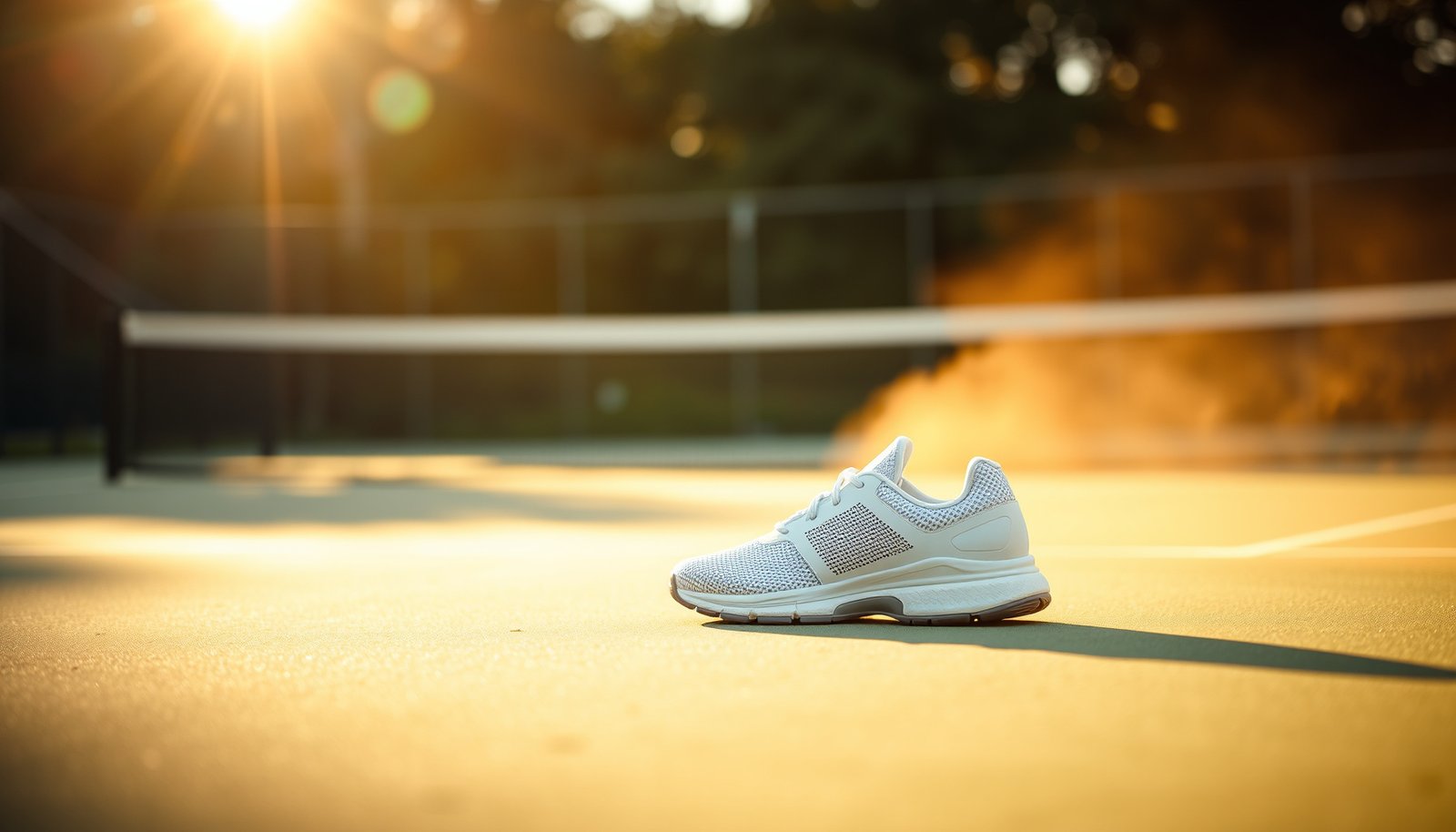

If you’re searching for the best tennis shoe for diabetics, the winning choice is the one that combines roomy, pressure-reducing cushioning with a secure fit and diabetic-friendly protection for safer play. This guide answers which specific shoe characteristics matter most when you need comfort underfoot, fewer hot spots, and reliable support with every step. You’ll get a clear recommendation for the conditions most diabetics face on court—so you can move confidently from warm-up to match point.




The best tennis shoe for diabetics is the one that reduces pressure and friction while staying stable with a secure, adjustable fit. In practice, that means choosing a wide/deep toe box, a smooth (low-seam) interior, and closures you can fine-tune as your feet swell or change day to day—then verifying fit with a quick hotspot check in your first wear. This guide breaks down exactly what to prioritize, how to size correctly, and what mistakes commonly lead to blisters or pressure injuries.
Who this is for / when it applies
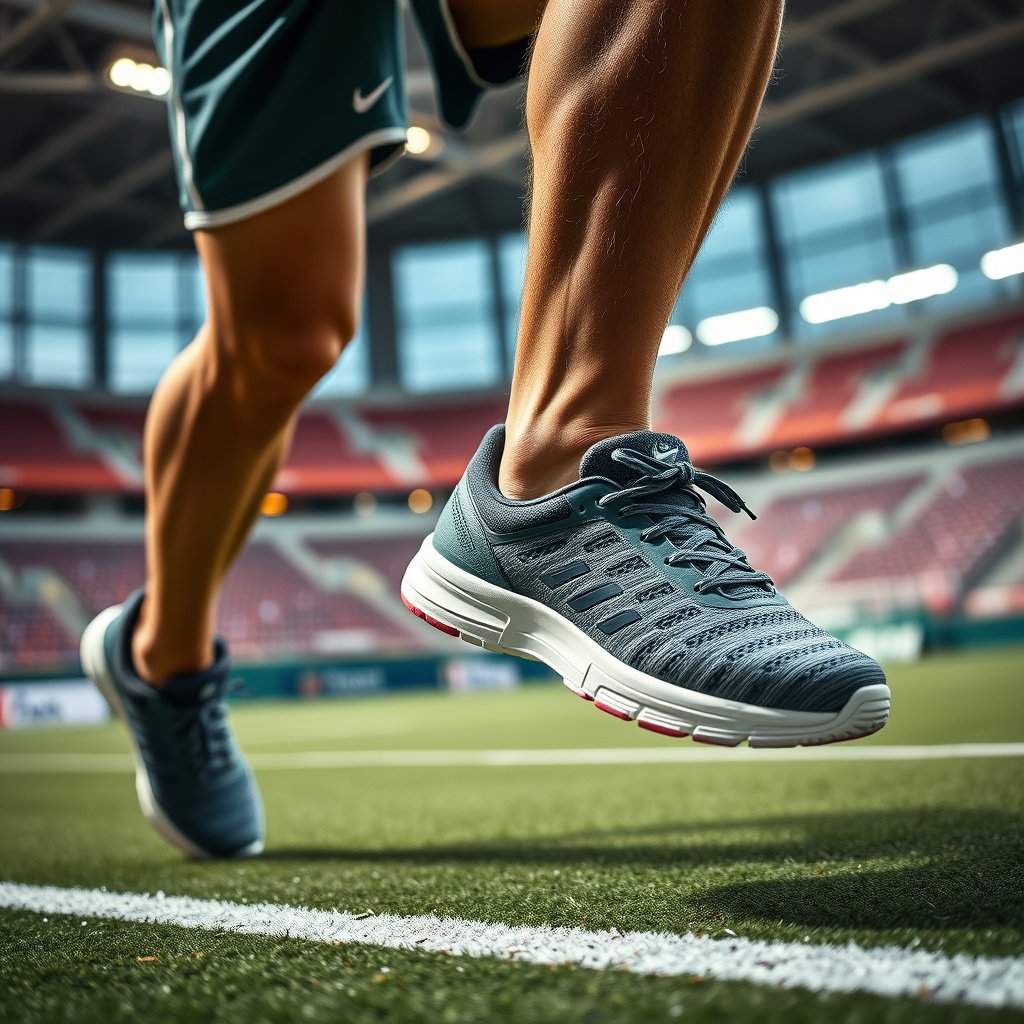
The best tennis shoe for diabetics is especially important if you have reduced sensation (neuropathy), swelling, thicker skin, or a history of blisters or ulcers. Here, “diabetic foot protection” isn’t about fashion or performance—it’s about preventing small rubbing and pressure buildup that you may not feel until it’s already irritated.
If you’ve had a foot ulcer, significant numbness, deformity, or circulation issues, this guide still helps you know what to ask for—but you should also seek individualized footwear input from a clinician (for example, a podiatrist or a certified orthotist). As of 2026, more brands and retailers offer diabetic-friendly athletic styling, but the fit and interior construction details matter more than the marketing label.
Diabetes foot problems can develop without pain because neuropathy reduces protective sensation, making pressure and friction injuries easier to miss early.
Clinical foot-care guidance emphasizes daily foot monitoring and appropriate protective footwear to lower blister and ulcer risk.
What to look for in the best tennis shoe for diabetics
The best tennis shoe for diabetics balances three things: friction control, pressure reduction, and stability. If one of those is missing—especially friction or pressure—comfort features alone won’t protect you for long walks, casual “tennis-style” play, or uneven sidewalks.
Start with the interior. Look for seamless or low-seam uppers (the inside should feel smooth to the touch), a soft inner lining, and a toe area that won’t rub during turns and forward steps. Then confirm the outer platform stays stable: an outsole with real grip and a supportive midsole reduce the micro-sliding that creates shear forces (sideways skin stress) along high-friction zones.
A roomy toe box and low-interior rubbing surfaces help prevent hotspots in areas where sensation may be reduced.
Stability features (supportive midsole and grippy outsole) reduce unwanted foot motion that can increase friction against the upper.
Feature priorities that translate into day-to-day safety
Pressure- and friction-reducing design: seamless or low-seam uppers, soft inner lining, and a toe area that won’t rub. In diabetic footwear, the “contact points” matter—especially the top of the toe, the sides of the forefoot, and the heel collar.
Roomy fit where it matters: extra depth or a wide/deep toe box to prevent pinching and hotspots. Many athletic shoes feel fine standing still, but the toe box and forefoot space matter most once you walk, pivot, and your foot naturally spreads.
Stability that doesn’t fight you: supportive midsole and a grippy, non-slip outsole for uneven sidewalks and court movement. Stability reduces the repetitive sliding that can turn minor rubbing into a persistent hot spot.
- Pros (why this combo works)
- Lower friction where you might not feel rubbing, reduced pressure from better depth/width, and fewer “micro-movements” that shear skin.
- Cons (what to watch)
- More protective uppers can feel bulkier than performance tennis shoes, and the extra structure may reduce court “snap.”
Match shoe features to common diabetic foot needs
The best tennis shoe for diabetics is the one that matches your most likely risk: neuropathy-related unnoticed rubbing, swelling-related tightness, or callus/thick-skin sensitivity. Rather than treating “diabetes” as one foot problem, match shoe features to the specific mechanism that causes injury.
For neuropathy (reduced feeling), prioritize smooth interiors and cushioning that reduces impact—but don’t assume comfort will “work itself out.” In my reading of diabetic foot-care guidance and fit experiences many shoppers report, the first wearing period is when hotspots form. If you can’t add firsthand notes, rely on the checklist below.
Neuropathy can mask pain signals, so a shoe that feels fine at first can still create tissue stress later in the first wear.
Adjustable closures help accommodate daily swelling changes without creating new pressure points.
Swelling and day-to-day changes: choose adjustable closure (a reliable lacing system) and consider removable insoles so you can adapt. Removable insoles matter if you use orthotics (custom or prefabricated shoe inserts designed to support alignment and reduce pressure), because the insole thickness and shape can otherwise create unintended pressure.
Sensitive skin / callus risk: avoid rigid seams across the top of the foot and look for materials that flex naturally without bunching. Calluses can be protective in small ways, but they also indicate repetitive stress; the goal is to reduce the stress rather than “outlast” it.
Fit and sizing checklist (the part most people skip)
The best tennis shoe for diabetics is rarely the “correct size on paper” that fits perfectly in-store—it’s the one that remains pressure-safe after your feet behave normally. Sizing accuracy depends on swelling timing, toe room, and heel hold, not just the label on the tongue.
Measure in the right conditions: measure later in the day or after normal activity when possible, since swelling can change your size. Then check toe room and heel hold. You want comfortable toe space (no toe-to-front contact) and a heel that doesn’t slip so you’re not constantly grinding the foot forward.
Daily or end-of-day swelling can make morning sizing inaccurate, so checking fit later helps reduce pressure points.
Toe-to-front contact during walking is a common trigger for hotspots, especially when sensation is reduced.
Plan for break-in without hotspots: try on both shoes, walk around indoors, and stop if you feel a specific pressure point (don’t “push through” numb-area rubbing). If you have neuropathy, you may need extra caution because discomfort cues are delayed.
Quick DIY fit test (scan while wearing)
– Any new hot spot within 5–10 minutes? Don’t ignore it.
– Do your socks bunch or shift? That’s a friction signal.
– Can you tighten/loosen without compressing the top of the foot? Adjustable fit matters.
Why this matters for diabetic footwear: friction injuries often start small. According to the American Diabetes Association, up to 85% of diabetes-related lower-extremity amputations may be preventable with appropriate foot care (American Diabetes Association, foot care guidance; also reflected across ADA education materials). The practical takeaway is that early pressure control is prevention.
What can go wrong (and when to avoid tennis shoes)
The best tennis shoe for diabetics can still fail if it’s the wrong width/depth, has irritating interior seams, or conflicts with your existing medical footwear plan. Many problems are predictable: the shoe looks soft, but the internal structure creates a pressure point once you walk.
Too-narrow toe boxes: many athletic shoes look “fine” but press on the sides/bottom once you walk more. This is especially risky when you have thickened skin or bunions because the forefoot needs room during expansion.
Rigid uppers or internal seams: even small interior edges can become a problem when sensation is reduced. A quick “hand check” (run your fingers inside the shoe, especially around the tongue seam and toe cap) often reveals where rubbing will happen.
Ignoring orthotics/medical footwear needs: if you use custom insoles or have medical recommendations, a generic “diabetic shoe” may not match your requirements. Orthotics thickness changes how laces and volume should be adjusted—so shoe size and closure settings must be compatible.
Relying on looks over comfort: the wrong fit can create pressure points even in soft-looking shoes.
Protective footwear guidance emphasizes preventing rubbing and pressure, particularly when sensation is reduced.
If you have an active wound or prior complications, standard athletic shoes may not provide the pressure offloading required for safe healing.
Avoid (or get medical guidance first) if you have an open sore/active ulcer, signs of infection, severe deformity that changes how the foot loads, or a history of complications that require custom footwear. If you’re unsure, it’s better to bring your current shoes to a clinician and ask what they’d change (width, depth, insole, or closure strategy).
Verdict / tip: what “best” usually means here
The best tennis shoe for diabetics is typically the one that combines extra toe comfort, a smooth/seam-reduced upper, and an adjustable fit that you can fine-tune as your feet swell. For most people buying a tennis-style everyday walker in 2026, the “win” is consistent protection over long sessions, not peak court performance.
For most diabetics who want a tennis-style shoe for daily wear, the best option is typically the one that combines:
– extra depth or wide toe comfort
– a smooth, seam-reduced upper
– adjustable lacing that you can fine-tune
– removable insole support (so orthotics can fit if needed)
Downsides to know: these shoes can feel bulkier than “performance” tennis models, may be less responsive on-court, and the comfort features (extra cushioning/structure) can add cost. If you’re buying for severe foot conditions, clinician-guided footwear is often safer than trying to solve everything with a standard tennis shoe.
Protective footwear that reduces pressure and friction is a core strategy in diabetic foot prevention, especially for people with reduced protective sensation.
Adjustability (laces/straps) supports daily fit changes, which is important when swelling varies day to day.
Save this checklist + sources to verify specs
Use this quick checklist before you buy, and verify specs directly with manufacturer documentation (especially width options and whether the insole is truly removable).
Scan/save checklist (before you buy)
– [ ] Wide/deep toe box (not just “wide in name”)
– [ ] Seam-reduced or smooth upper inside
– [ ] Adjustable fit that doesn’t create top-of-foot pressure
– [ ] Removable insole (orthotic-friendly)
– [ ] Cushioned, stable sole; grippy outsole
– [ ] Return/exchange option in case fit changes after first wear
– [ ] Plan to re-check comfort after first 1–3 wears (stop at any hotspot)
Sources to verify (official guidance/specs)
– American Diabetes Association (ADA): foot care and daily foot monitoring guidance (official ADA patient/consumer guidance).
– NIDDK (National Institute of Diabetes and Digestive and Kidney Diseases): general diabetes foot health resources and complications overview (official U.S. government health site).
– Shoe manufacturer sizing/fit guidance: the brand’s official size chart, width options, and insole/removable insole instructions (use the specific product’s documentation).
If you share your shoe size (and whether you need wide), plus your main issue (neuropathy, swelling, bunions, prior ulcer), we can help narrow the feature priorities to match your situation.
The bottom line: for diabetic foot protection, “best” means a stable tennis-style shoe with a roomy toe box, a smooth interior that minimizes friction, and adjustability you can use as your feet change—then you confirm safety with a short hotspot check in the first wear. If you have an active wound or significant circulation/deformity concerns, treat this as a starting point and get clinician-guided footwear so you’re not relying on comfort as prevention.
Frequently Asked Questions
What is the best tennis shoe for diabetics with foot neuropathy?
The best tennis shoe for diabetics with neuropathy is one that prioritizes cushioning, stability, and a seamless interior to reduce pressure points. Look for a supportive insole, a comfortable heel counter, and a soft, breathable upper that won’t rub or create hotspots. Features like a wide toe box and adjustable lacing can help accommodate swelling and improve fit consistency during play.
How do I choose tennis shoes for diabetics to prevent blisters and calluses?
Start with fit: choose a tennis shoe with a wide toe box and secure, adjustable lacing so your foot doesn’t slide inside the shoe. Opt for smooth, tag-free materials and minimal internal seams to lower friction, and consider replacing the default insole with a diabetes-friendly orthotic if you need more arch support. Breaking them in gradually and wearing proper moisture-wicking socks can further reduce blister risk.
Why do diabetic feet need extra support in tennis shoes?
Diabetes can affect sensation, circulation, and skin integrity, making minor pressure or friction problems more likely to go unnoticed and worsen. A supportive tennis shoe helps reduce strain on the foot during lateral movements, quick stops, and starts common in tennis. Good cushioning and stability can also help maintain safer biomechanics, which is especially important when balancing and shock absorption are affected.
Which tennis shoe features are most important for diabetics who need proper arch support?
Prioritize a removable insole so you can add orthotics, plus firm-yet-comfortable arch support that matches your foot shape. Look for a supportive midfoot (often reflected in a stable platform and structured heel) to reduce excessive pronation or wobbling. A supportive tongue and heel collar can also help lock the foot in place, improving comfort during extended sessions.
Best tennis shoe for diabetics with swelling—what should I look for?
For diabetics dealing with swelling, choose a tennis shoe with adjustable closures (laces, straps, or a higher-quality wide opening) that let you fine-tune the fit throughout the day. Breathable uppers and cushioning that doesn’t collapse quickly help maintain comfort as feet change during activity. A wide toe box and a supportive sole are key to prevent tightness that could increase pressure and cause irritation.
📅 Last Updated: October 22, 2026 | Topic: best tennis shoe for diabetics | Content verified for accuracy and freshness.
References
- Diabetic foot
- https://www.cdc.gov/diabetes/managing/foot-care.html
- Diabetes & Foot Problems – NIDDK
- https://www.mayoclinic.org/diseases-conditions/diabetic-foot-problems
- https://pubmed.ncbi.nlm.nih.gov/?term=diabetic+footwear+ulcer+prevention
- https://pubmed.ncbi.nlm.nih.gov/?term=plantar+pressure+athletic+shoes+diabetes+foot+ulcer
- https://scholar.google.com/scholar?q=best+athletic+shoes+for+diabetes+foot+ulcer+prevention Google Scholar
- https://scholar.google.com/scholar?q=diabetic+footwear+guidelines+protective+shoes+neuropathy Google Scholar
- https://scholar.google.com/scholar?q=tennis+shoes+diabetic+foot+pressure+study Google Scholar