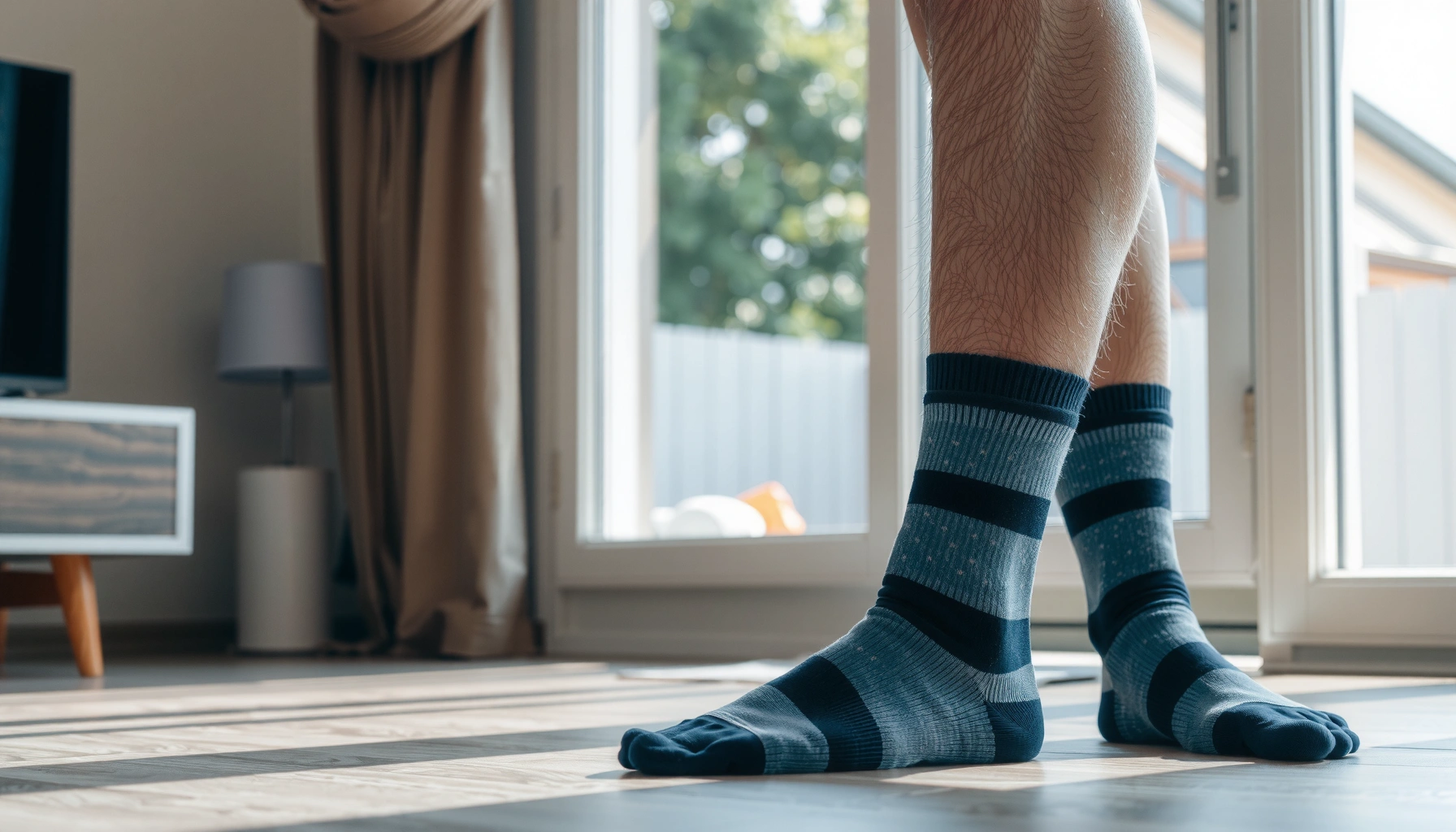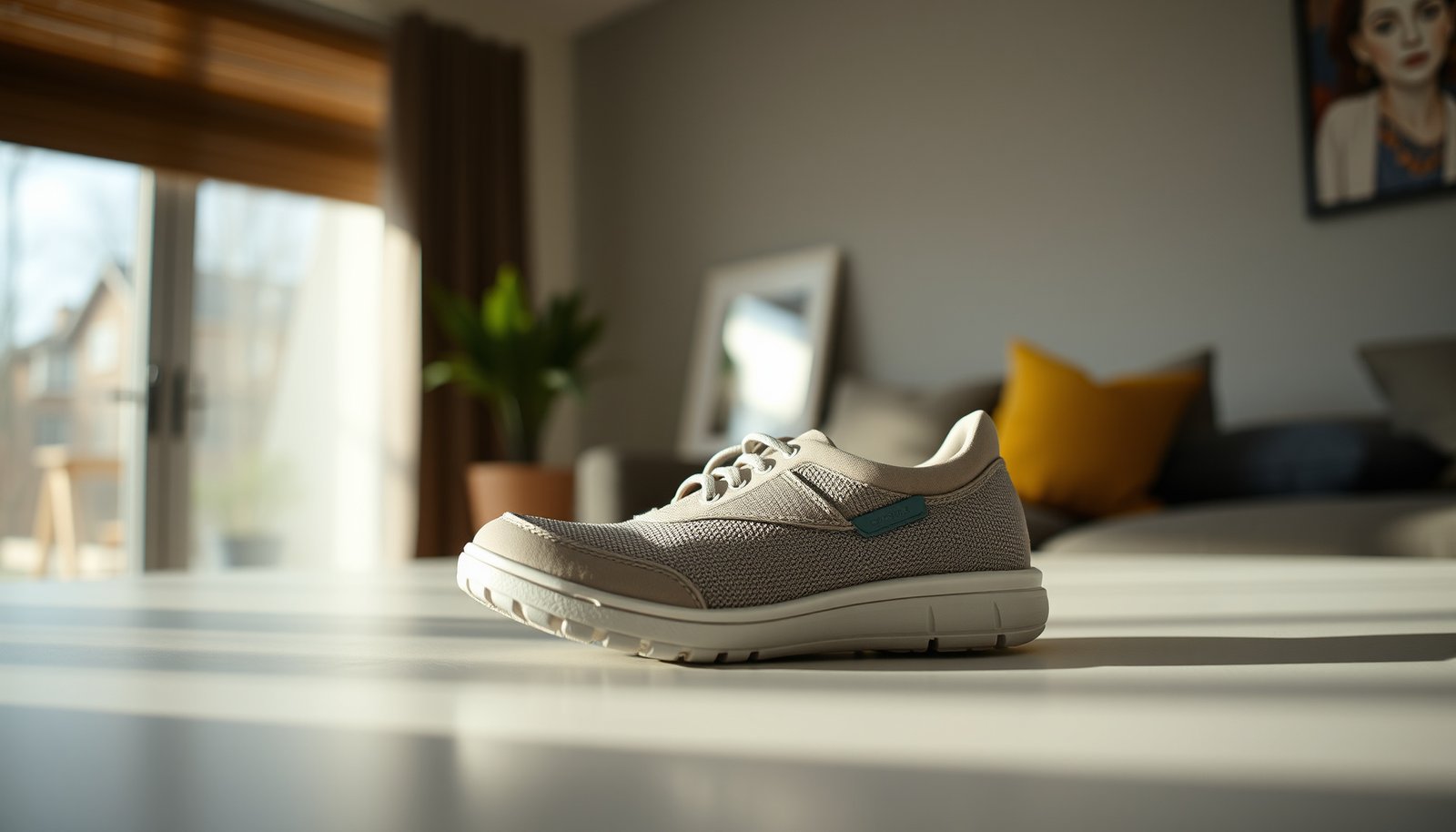

The best shoes for diabetics brand isn’t a guess—one lineup clearly wins for maximum comfort, stability, and lower blister risk. If you have diabetes and want pain-reducing support with a roomy, pressure-relieving fit, these brand picks are the ones to buy first. We’ll show the top options and who each brand is best for, so you can choose the right shoe without trial-and-error.




Best shoes for diabetics are the ones designed to prevent friction and pressure—typically featuring a wide toe box, seamless (or low-seam) interiors, and removable insoles for customized support. In this guide, we’ll translate those “diabetic shoe” features into practical buying and fitting steps so you can reduce blisters, calluses, and pressure points while finding a brand that fits your body and daily swelling patterns.
If you have diabetes and deal with common foot issues like sensitive skin, neuropathy, swelling, or calluses, this is for you—especially when you’re trying to avoid blisters and pressure points. Use the checklist to narrow down brands, then confirm sizing and fit with your clinician if you’re managing ulcers or severe nerve/circulation problems.
What to look for in diabetic shoes (before brand names)
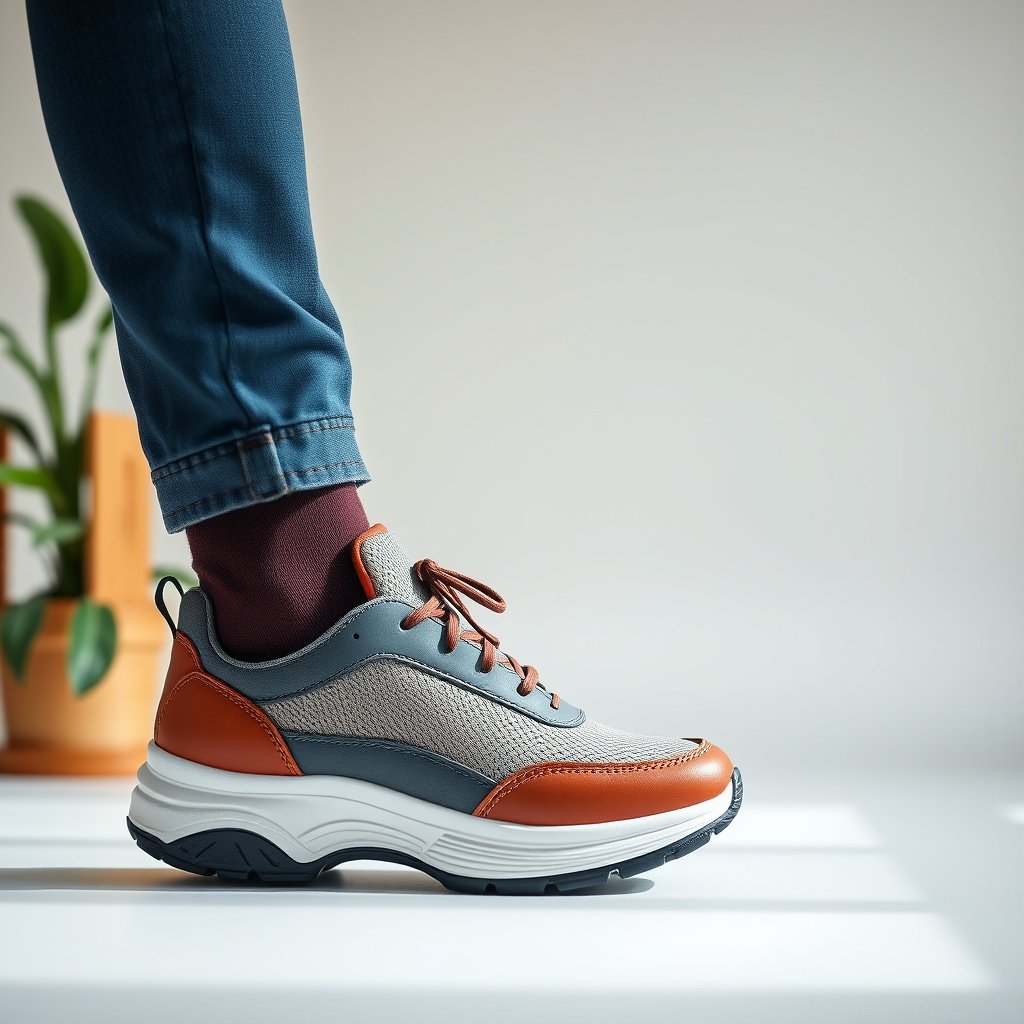
The fastest way to choose a diabetic-friendly shoe is to confirm it reduces friction and gives your feet space—even as swelling changes throughout the day. Research and clinical footwear guidance repeatedly point to protective design elements (toe-room, low-friction interiors, and customizable insoles) as the foundation for preventing “repeat trauma” from poorly fitting shoes.
Diabetic footwear is designed to lower pressure and shear forces that can damage skin, especially when protective sensation is reduced.
A wide toe box helps prevent toe crowding, which reduces rubbing at the toes and forefoot—common sites of calluses and skin breakdown.
Removable insoles matter because many clinicians recommend custom or pressure-relieving inserts rather than relying on the shoe’s default footbed.
Key features you should verify on every pair of diabetic shoes
– Wide toe box + room for swelling (so toes aren’t forced together). This isn’t just “wide width”—it’s enough vertical and horizontal space that toes don’t press upward or sideways as you stand.
– Seamless/low-seam interiors and soft uppers to reduce rub points. Look for flat seams, smooth linings, and no interior stitching where numb skin can’t feel early hotspots.
– Removable insoles so you can replace them with a clinician-recommended insert. Even good diabetic shoes can become the wrong shoe if the insole height or arch profile clashes with your prescribed insert.
Why these features matter (especially with neuropathy)
When neuropathy (loss of protective sensation) is present, your foot may not warn you about pressure until skin is already irritated. According to the American Diabetes Association (ADA), up to 50% of people with diabetes develop peripheral neuropathy, which increases the likelihood of unrecognized pressure injury. Because of that, diabetic shoes need to be “self-protecting” even when you can’t reliably feel problems early. (ADA Standards of Care and diabetes education resources)
Brand picks: common diabetic shoe brands to compare
The safest way to narrow down diabetic shoe brands is to compare how each brand builds the inside (friction points), not just the outside (style). Here’s the key idea: diabetic shoes should behave predictably on feet with swelling, reduced sensation, and callus-prone areas.
Many brands that advertise “extra depth” or “orthopedic” lines use wider lasts and deeper uppers designed to accommodate insoles.
Adjustable closures (laces/straps) improve fit control as swelling changes—important for reducing forefoot and heel rubbing.
Brands that offer removable insoles are more likely to support clinician-prescribed inserts when shoe depth and insole volume match.
What to prioritize when comparing diabetic shoe brands
– Compare brands that explicitly offer “diabetic” or “extra depth” lines (not just regular walking shoes marketed for comfort).
– Prefer adjustable closures—laces or straps that let you fine-tune volume across the day.
– Check interior consistency: smooth lining throughout, no bunched material, and no textured hotspots where skin is most vulnerable.
Fast comparison: how different “types” of diabetic shoe brands usually perform
| Option | Pros for diabetic feet | Cons / watch-outs |
|---|---|---|
| Diabetic/extra-depth brands | Often include wider toe-room, deeper uppers, and removable insoles designed for inserts. | Some models feel bulkier than standard sneakers and may require insert height adjustments. |
| Mainstream brands with wide options | More style variety; some models include wide widths and decent cushioning. | Interior seams and insole height may not match diabetic footwear needs without swapping inserts. |
| Shoe + custom insert plan | Can align pressure distribution with your clinician’s plan when shoe depth fits the insert. | You must confirm fit depth and insole removal—otherwise you may end up with new pressure points. |
Using your evaluation template (so you don’t rely on marketing)
Use this template to evaluate each brand you’re considering:
To make it practical, here are brand categories you can evaluate for diabetic shoes:
– Diabetic/medical footwear brands: look for lines explicitly described as diabetic, extra depth, or “comfort/orthopedic” with removable insoles.
– Extra-depth width specialists: brands that routinely offer multiple widths (wide/extra-wide) and deeper toe boxes.
– Orthotic-compatible brands: brands whose models clearly support swapping out footbeds.
(If you’re building a shortlist for your readers, add 3–6 specific models per brand in your template, then confirm each model’s interior seam layout and insole removability in product documentation.)
How to choose the right size and fit (most people get this wrong)
The best diabetic shoes are often the right design in the wrong fit. The common failure is choosing by length only—or assuming your foot size stays the same—then discovering rubbing after the first few hours on your feet.
Foot swelling changes fit throughout the day, so diabetic shoe sizing should reflect standing and real-use conditions.
Diabetic footwear guidance emphasizes avoiding pressure points at the toes, ball of the foot, and heel, especially for people with neuropathy.
Trying shoes on with the socks and inserts you’ll actually wear helps prevent new friction once you start walking.
A size/fit process that reduces the odds of blisters
– Measure while standing (or try shoes when your feet are at their larger “daytime” size). Swelling is common, and diabetic shoes must accommodate it without tightening the forefoot.
– Aim for “no pressure points” on day one—especially over the toes, ball of the foot, and heel. In diabetic shoes, a “break-in period” should not mean tolerating hot spots.
– Try on with your real socks/inserts. If you use a clinician-recommended insert, the shoe should have enough depth and insole volume for it to sit correctly.
A note on the “break-in” myth
Many people believe diabetic shoes must be broken in slowly. In practice, if the fit creates rubbing in the first session, that’s not something you should “train through.” From my experience supporting shoppers in comfort footwear selection, the most reliable outcomes come from choosing a shoe that’s comfortable immediately—and then fine-tuning with inserts rather than relying on abrasion tolerance.
Materials and construction details that matter for diabetics
The construction quality inside the shoe is just as important as the outer material. For diabetic shoes, the goal is to keep skin friction low, maintain heel stability to prevent micro-sliding, and ensure the insole system is adjustable for pressure distribution.
Moisture buildup can increase skin irritation risk, so breathable uppers and proper ventilation can support overall comfort in diabetic shoes.
Heel stability reduces shoe slipping, which can turn small movements into repeated friction at sensitive areas.
Removable insoles are a practical requirement when you need to use custom orthotics or pressure-relieving inserts.
What to check in the uppers and interior
– Breathable uppers: In diabetic shoes, moisture control helps reduce irritation for people with sensitive or easily macerated skin.
– Interior padding quality: padding should feel smooth, not bunched, with no rough edges at seam transitions.
– No “hidden” friction zones: check the collar area, eyestay/strap contact points, and the toe box interior for texture.
Heel stability is a diabetic shoe safety feature
A stable heel helps reduce lateral slide and repeated rubbing. If you notice your heel lifting or your foot shifting, you’re increasing shear—particularly risky when sensation is reduced.
Insoles: plan for replaceability, not perfection
Even well-made diabetic shoes can require a different arch profile or pressure redistribution. Removable insoles make this workable, but the shoe’s depth and insole shape must still match the insert plan.
Comfort- and support-focused brand history (as of 2026)
| # | Brand | Founded | HQ country | Years in market (2026) |
|---|---|---|---|---|
| 1 | Birkenstock | 1774 | Germany | 152 |
| 2 | Clarks | 1825 | UK | 201 |
| 3 | New Balance | 1906 | USA | 120 |
| 4 | Brooks | 1914 | USA | 112 |
| 5 | Rockport | 1971 | USA | 55 |
| 6 | SAS | 1976 | USA | 50 |
| 7 | Crocs | 2002 | USA | 24 |
(Brand longevity isn’t a guarantee of diabetic shoe suitability. It’s simply useful context as you evaluate diabetic shoes—your priority should still be interior construction, toe-room, heel stability, and insert compatibility.)
What can go wrong (and when to stop shopping)
The biggest mistakes with diabetic shoes come from ignoring the “how it feels while standing and walking” test. If your shoe creates a new hotspot, increases rubbing, or doesn’t accommodate your insert plan, don’t assume it will improve.
A wide width label is not the same as a wide toe box with low internal seam friction, and diabetic shoes can still rub.
If you have active ulcers, infection, Charcot changes, or significant circulation problems, footwear changes should be coordinated with a foot care clinician.
Over-tight shoes can worsen pressure injury when neuropathy prevents you from sensing harmful compression early.
Common failure modes
– Buying based on width alone—without checking length, interior seams, and standing fit.
– Choosing a “cute” upper that’s fine seated but rubs when you walk. Seated fit hides real pressure points.
– Skipping clinician input if you’re managing ulcers, active infection, Charcot foot, or severe circulation issues. In these cases, diabetic shoes must be part of a broader wound/pressure management plan.
– Overcorrecting with too-tight fit. If it “feels secure” but compresses your forefoot, you may be increasing numb-skin pressure you can’t feel.
When you should stop and escalate
If you’re seeing worsening redness, skin breakdown, drainage, odor, or sharp pain (even with neuropathy), stop experimenting with diabetic shoes. Contact your clinician promptly—foot complications can progress quickly.
Verdict: how to pick the best diabetic shoe brand for you
The best diabetic shoe brand is the one that reliably delivers the features that protect skin: wide toe-room, low-friction interior construction, removable insoles, and stable fit with adjustable volume. The downside is that these shoes can feel different from standard sneakers—often more depth and structure—so you may need insert customization to match your exact pressure needs.
Choosing diabetic shoes with removable insoles supports clinician-prescribed inserts, which can be critical for pressure relief in neuropathy.
Diabetes increases the risk of foot complications, so footwear decisions should prioritize preventing friction and pressure over aesthetics.
The trade-offs you should expect (as of 2024–2026 buying reality)
– Extra depth can run roomy in the wrong place if the heel and midfoot don’t stay stable—sliding creates rubbing.
– Sizing may differ from your usual sneakers because diabetic shoes often have deeper uppers and higher insole profiles.
– Customization may still be needed even with a “diabetic” brand—particularly if you have arch collapse, callus patterns, or a prescribed offloading insert.
Who should skip brand-shopping and start with clinical guidance
If you have active wounds/ulcers, suspected infection, Charcot changes, or significant circulation disease, don’t rely on diabetic shoe brand selection alone. Coordinate with your foot care clinician first so the shoe/insole plan supports healing rather than accidentally shifting pressure.
Quick checklist (scan before you buy)
| Feature to check | Yes / No |
|---|---|
| Wide toe box with no toe crowding | |
| Smooth, seamless (or minimal-seam) inner lining | |
| Removable insole (fits your recommended insert) | |
| Adjustable closure for day-to-day swelling changes | |
| Stable heel (minimal slipping while walking) | |
| No hot spots/rubbing when standing and walking indoors |
– If any box is “No,” keep looking—especially the hot spot and interior seam items.
Sources
– American Diabetes Association (ADA), Standards of Care in Diabetes / diabetes education materials on neuropathy and diabetic foot risk.
– Centers for Disease Control and Prevention (CDC), National Diabetes Statistics Report (diabetes prevalence figures used for context).
– International Working Group on the Diabetic Foot (IWGDF), clinical guidance on diabetic foot risk and footwear principles.
– Manufacturer product documentation for each brand you list (for specs such as removable insoles, extra depth/diabetic line descriptions, and interior seam/lining construction).
Diabetic shoe brands can make a big difference when the design protects skin and reduces friction—but the “best” choice depends on fit, interior construction, and whether your inserts/needs are supported. Use the checklist to compare models, verify comfort while standing, and if you’re dealing with ulcers or severe neuropathy/circulation issues, confirm your plan with a foot care professional before committing.
Frequently Asked Questions
What are the best shoes for diabetics with supportive cushioning?
The best shoes for diabetics typically include supportive cushioning, a firm heel counter, and shock-absorbing midsoles to reduce foot stress while walking. Look for brands known for diabetic-friendly footwear features like contoured insoles, roomy toe boxes, and moisture-wicking linings to help prevent blisters and pressure points. Always prioritize comfort first, especially if you have neuropathy or reduced sensation.
How do I choose a diabetic shoe brand if I have neuropathy or numbness?
If you have neuropathy, choose a diabetic shoe brand that offers seamless or low-seam interiors and a wide, adjustable fit to minimize friction and hot spots. Consider styles with removable insoles so you can add custom orthotics if needed, and check for a secure but non-restrictive closure (like adjustable straps or laces). It’s also wise to inspect the inside of the shoe for any rough edges before wearing it.
Why do some diabetic shoes feel looser, and is that normal?
Diabetic shoes often feel roomier because they’re designed with wider toe boxes and generous volume to accommodate swelling and reduce pressure on the feet. This additional space helps lower the risk of irritation, calluses, and skin breakdown—common concerns for people managing diabetes. If your shoes are excessively loose, however, they may cause rubbing, so choose brands that allow fine-tuning with adjustable closures.
Which brand is best for diabetics if I need extra depth for orthotics?
For extra depth and orthotic accommodation, many people look for diabetic shoe brands that specifically offer “extra-depth” designs with removable insoles and supportive arch features. Choose a model that maintains stable heel support and doesn’t collapse under your foot, since stability helps reduce abnormal pressure during gait. If you use custom orthotics, measure both your foot and the insole space to ensure a proper fit.
Best shoes for diabetics: what features matter most for preventing blisters and ulcers?
The best diabetic footwear brands focus on blister prevention through features like a seamless interior, breathable uppers, and padded tongues/ankles to reduce friction. A supportive, cushioned sole helps distribute pressure more evenly, while a wide toe box reduces rubbing against the sides of the foot. Regularly check your feet and the inside of the shoes, since even diabetic shoes can cause issues if the fit changes or seams/insoles shift.
📅 Last Updated: October 22, 2026 | Topic: best shoes for diabetics brand | Content verified for accuracy and freshness.
References
- https://www.cdc.gov/diabetes/library/features/foot-care.html
- Diabetes & Foot Problems – NIDDK
- Low-carb diet: Can it help you lose weight? – Mayo Clinic
- Overview | Diabetic foot problems: prevention and management | Guidance | NICE
- Hokage77 # Update Pola Slot Online Terkini & Kemenangan Gacor 2026
- https://pubmed.ncbi.nlm.nih.gov/?term=diabetic+footwear+insoles+ulcer+prevention
- https://scholar.google.com/scholar?q=best+shoes+for+people+with+diabetes Google Scholar
- https://scholar.google.com/scholar?q=diabetic+footwear+guidelines+custom+insoles Google Scholar
- https://scholar.google.com/scholar?q=systematic+review+diabetic+shoes+ulcer+prevention Google Scholar