
The best bedtime snack for type 2 diabetes is a low-sugar, high-protein option that won’t spike blood glucose—most often Greek yogurt (unsweetened) or cottage cheese. You’ll get a clear winner based on what matters most overnight: keeping glucose steady and supporting better next-morning readings. The article answers which snack to choose, what to look for on labels, and the portion that fits most people’s bedtime routine.


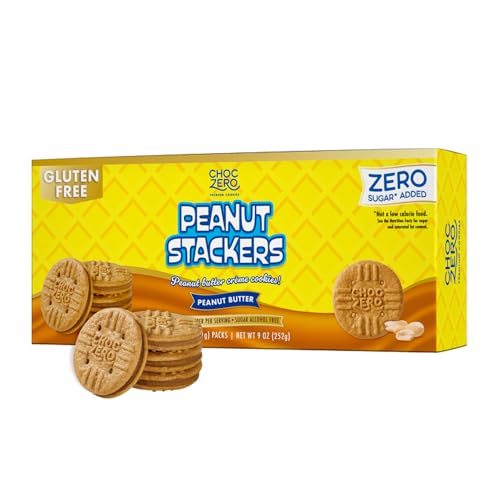

The best bedtime snack for type 2 diabetes is a small, low–added-sugar option that pairs protein + fiber (for example, plain Greek yogurt with berries) to reduce overnight blood-sugar swings. If you take insulin or sulfonylureas, the “best” snack also depends on your nocturnal hypoglycemia risk, so timing and trend-monitoring matter as much as the snack itself—especially in 2026 when CGMs make overnight patterns easier to verify.
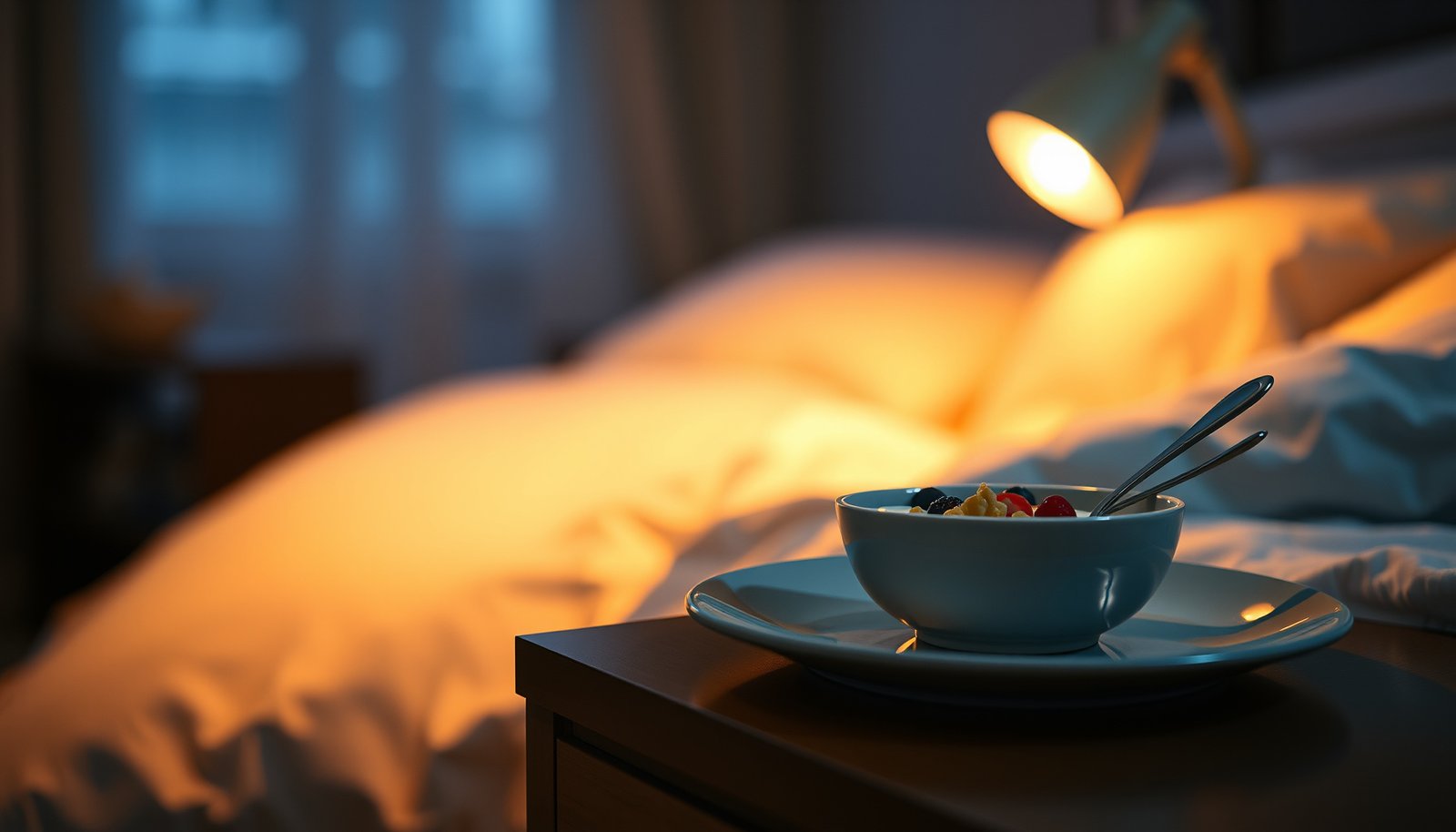
For most people, a bedtime snack isn’t automatically “better” or “worse”—it’s either a targeted tool to smooth glucose overnight or an unnecessary extra calorie/carbohydrate load. This guide helps you choose low-added-sugar snack ideas, time them correctly, and avoid common nighttime pitfalls.
What makes the best bedtime snack for type 2 diabetes
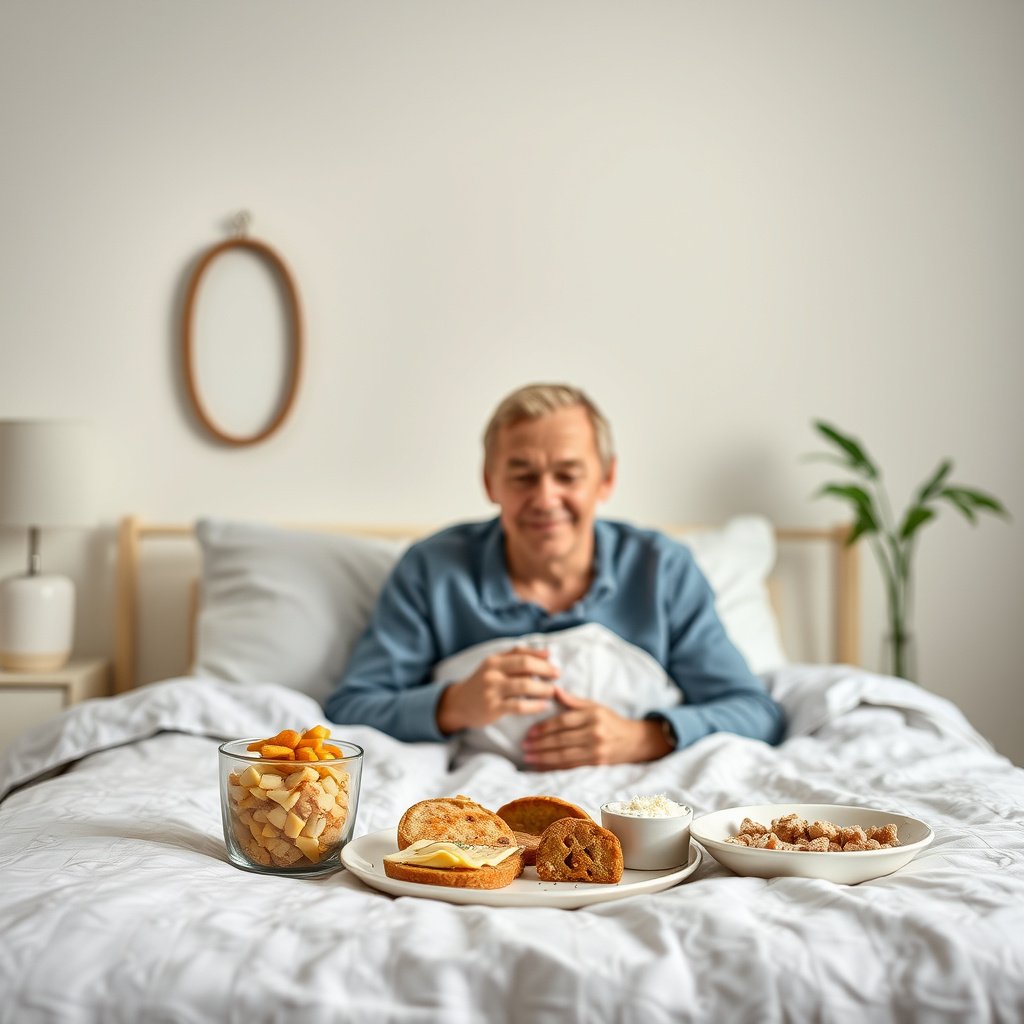
The best bedtime snack is one that supports steadier overnight glucose by using low added sugar plus protein and fiber—not just “low carbs.” For most people with type 2 diabetes, that combination improves satiety while slowing digestion so you don’t get the same late-night spikes (or crashes) that can happen with quick carbs.
– Focus on blood-sugar-friendly ingredients: low added sugar, moderate total carbs, and lots of fiber/protein.
– Keep the portion small enough that you’re not “restarting dinner”—especially if you’re trying to manage weight.
– Match your snack to your meds and overnight pattern (for some people, having a snack makes lows more likely).
According to the U.S. Dietary Guidelines for Americans 2020–2025, Americans should aim for about 14 grams of fiber per 1,000 calories—a target that supports steadier digestion when paired with protein.
According to the American Diabetes Association’s Standards of Care, hypoglycemia is generally defined as blood glucose <70 mg/dL, which is a key threshold to consider when planning bedtime snacks with glucose-lowering medications.
Here’s the practical logic: when you eat a bedtime snack that’s mostly protein + fiber, it tends to digest more slowly than a snack that’s primarily sugar or refined starch. That can reduce the likelihood of an overnight rise that wakes you up higher than usual. At the same time, fiber and protein help many people feel satisfied, which lowers the odds of repeated late-night eating.
Portion size is the second lever. Even “diabetes-friendly” foods can move glucose if you eat too much. If your snack becomes a second dinner, it can lengthen digestion into early morning and worsen fasting numbers. A useful mindset is to treat the snack as a “supporting character,” not the main event: enough to smooth your overnight pattern, not enough to restart the meal cycle.Finally, medicine changes the math. Insulin and sulfonylureas (medications that increase insulin release) can lower glucose overnight. In those cases, a protein-and-fiber snack may be exactly what you need—or it may be unnecessary or even harmful depending on your timing and dose. This is why the “best bedtime snack” must be matched to your own overnight trend, not a generic recipe.
As of 2026, many people can verify this quickly using CGM graphs (time-in-range and overnight trend arrows) rather than guessing.
Best bedtime snack options (simple, diabetes-friendly)
The best bedtime snack options are simple, low–added-sugar combinations where protein and fiber do most of the work. In other words: choose foods that naturally contain little added sugar and then pair them to create steadier digestion overnight.
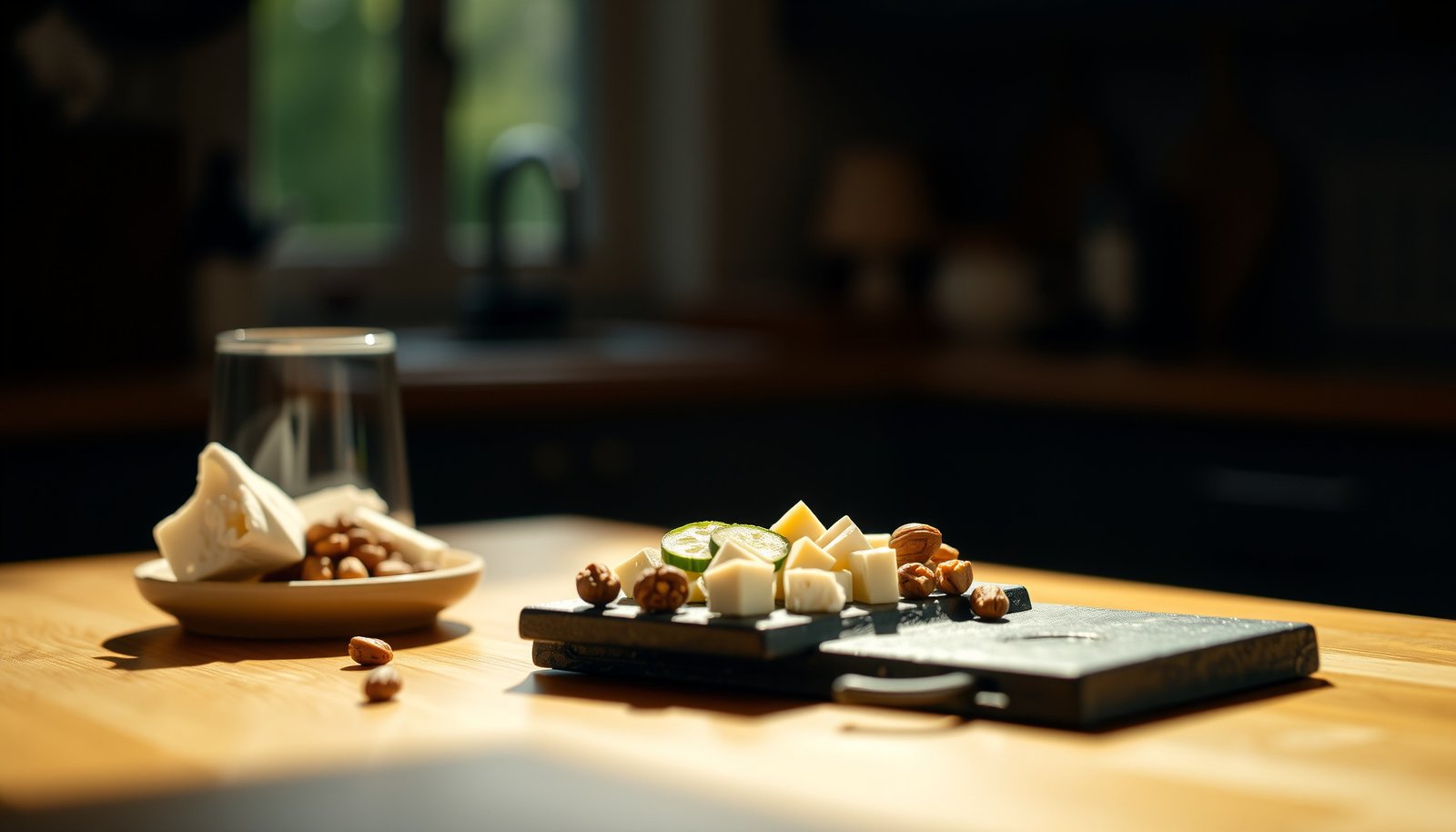
– Plain, unsweetened dairy + berries (examples: plain Greek yogurt or cottage cheese with a small handful of berries) to add protein and fiber.
– Nuts or nut butter with a small fruit pairing (examples: a small portion of nuts with apple slices or a few berries) for steadier energy.
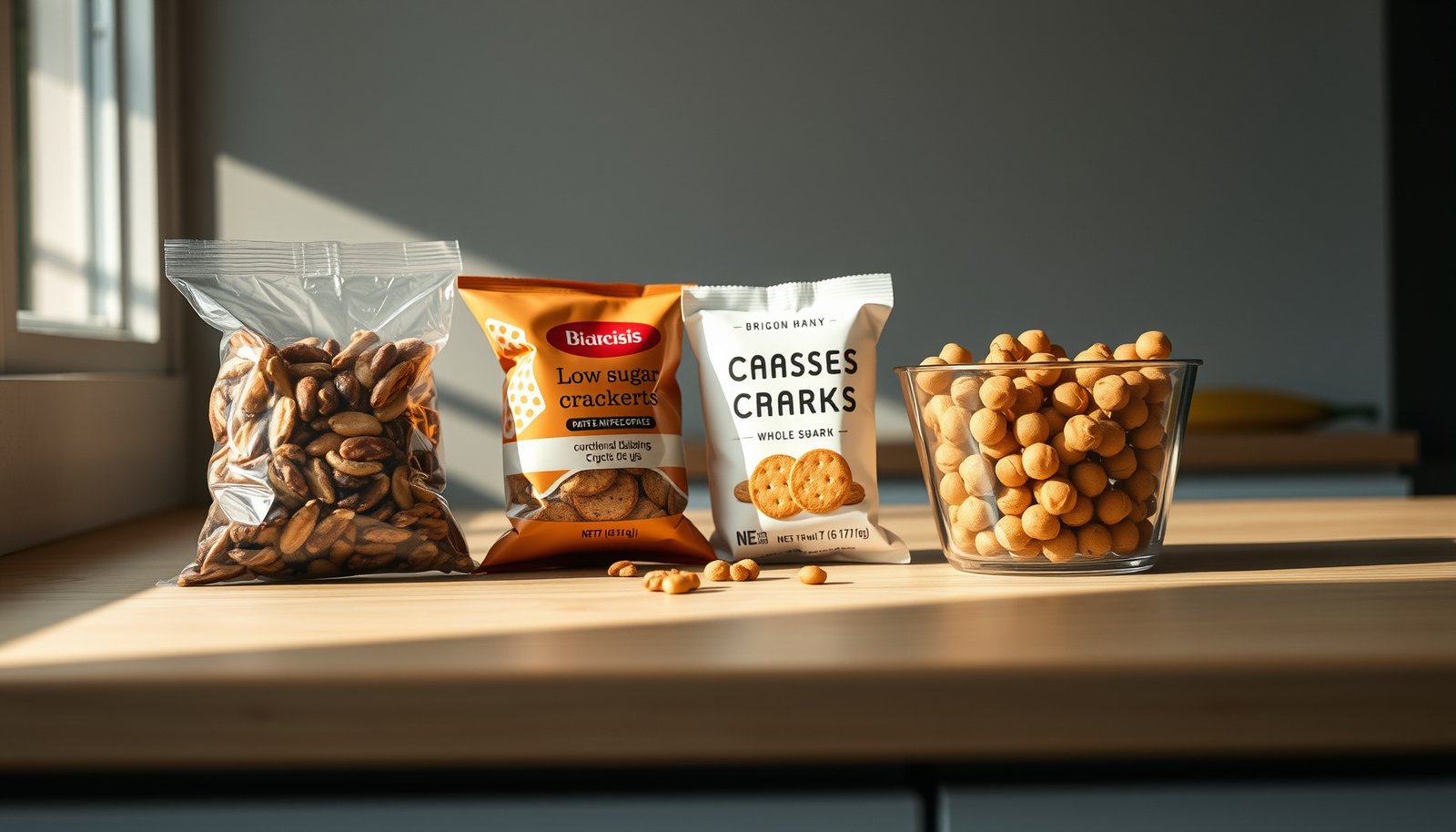
– Non-starchy, savory options (examples: hummus with veggies, or a small serving of whole-food crackers with protein) if you prefer less sweet snacks.
Plain, unsweetened dairy options like Greek yogurt and cottage cheese are typically higher in protein and often contain minimal added sugar when you select an “unsweetened” label.
Nuts and legumes (for example, almonds or hummus) add fiber and protein, which slows digestion compared with snacks made mainly of added sugar.
A quick “fit check” before you choose
A strong bedtime snack template usually hits these targets:
– Low added sugar (ideally 0 g if you choose unsweetened versions)
– Protein included (to support satiety and slower glucose rise)
– At least some fiber (to reduce the speed of absorption)
If you want fewer surprises overnight, avoid “healthy-looking” sugar bombs like flavored yogurt, granola, sweetened protein drinks, and most packaged dessert-style snacks. They can contain the same added sugar pattern as traditional desserts—just with a marketing label.
Comparison: which snack type works best for common goals?
| Criterion | Unsweetened dairy + berries | Nuts/nut butter + small fruit | Hummus + non-starchy veggies |
|---|---|---|---|
| Protein | High | Moderate | Moderate |
| Fiber (from whole foods) | Moderate (berries) | Moderate to high | Moderate |
| Added sugar risk | Low if “unsweetened” | Low if “no sugar added” | Low if plain hummus |
| Typical overnight digestion speed | Slower than sugary snacks | Slower (fat + fiber) | Slower (fiber + protein) |
| Calorie density | Lower (choose light) | Higher (portion matters) | Moderate |
| Best for sweet cravings | Yes (berries) | Yes (fruit pairing) | Usually no |
| Best for savory preferences | Limited | Limited | Yes |
| Reflux risk (varies by person) | Moderate | Moderate (fat) | Lower for many (if not over-portioned) |
| Practicality | Fast | Fast | Fast |
| Ease of portion control | High (cups/containers) | Low (snacks expand) | Moderate |
| Best For | Overnight steadiness + sweet satisfaction | Satiety and “grab-and-go” dosing | People who prefer savory, fiber-forward snacks |
A “what to try first” shortlist (and why)
If you want a reliable starting point, start with a protein-forward snack you can portion consistently:
– Plain Greek yogurt or cottage cheese + berries (choose unsweetened)
– A small serving of nuts + a measured portion of fruit
– Hummus + non-starchy vegetables (skip flavored, sweetened, or high-sodium versions if possible)
From a practical standpoint, many diabetes educators emphasize that your bedtime snack should be predictable: the same food, roughly the same portion, at roughly the same time for several nights so you can actually interpret what your glucose trend is telling you.
7 Low–Added-Sugar Bedtime Snack Templates: Protein+Fiber Support (typical per serving)
| # | Snack template (unsweetened/plain) | Protein (g) | Total carbs (g) | Added sugar (g) | Protein+Fiber (g) |
|---|---|---|---|---|---|
| 1 | Plain nonfat Greek yogurt (6 oz / 170 g) | 17 | 6 | 0 | 17 |
| 2 | Low-fat cottage cheese (1/2 cup / 113 g) | 13 | 5 | 0 | 13 |
| 3 | Almonds, raw (1 oz / 28 g) | 6 | 6 | 0 | 9 |
| 4 | Peanut butter, no sugar added (2 tbsp / 32 g) | 8 | 7 | 0 | 10 |
| 5 | Hummus, plain (1/4 cup / 60 g) | 4 | 6 | 0 | 6 |
| 6 | Walnuts, halves (1 oz / 28 g) | 4 | 4 | 0 | 6 |
| 7 | Hard-boiled egg (1 large) + veggie side | 6 | 1 | 0 | 6 |
> Note: Nutrition values can vary by brand and preparation. For best accuracy, check the Nutrition Facts label for the specific product size you plan to eat.
Timing: when to eat for steadier overnight glucose
The best timing is usually earlier than right at bedtime, so digestion has time to settle and your glucose response is easier to predict. For many people with type 2 diabetes, a bedtime snack works best when it supports the overnight window rather than hitting your stomach exactly as you lie down.
– Eat earlier than “right before sleep,” so digestion has time to work (the goal is fewer spikes and fewer stomach issues).
– If your bedtime glucose is trending high or you’re waking up higher than expected, scale back or skip and reassess with your clinician.
– If you’re using a CGM or doing finger-sticks, try one snack choice for a few nights and compare your overnight trend (instead of guessing).
If blood glucose is trending high at bedtime, a bedtime snack may worsen morning fasting numbers because it adds additional calories and (even if modest) glucose load.
Using CGM overnight trend arrows can be more informative than relying on a single bedtime number, because medication effects and digestion unfold over several hours.
Practical timing approach (works whether you snack or not)
Start with a consistent routine:
1. Pick a snack template from the sections above.
2. Choose a predictable time (for example, not during the last few minutes before lying down—especially if you get reflux).
3. Track the overnight pattern, not just the bedtime point.
As of 2026, CGM makes this easier: you can watch whether glucose drifts upward, stays flat, or trends downward overnight. If your overnight trend is smooth, keep the template. If it’s consistently rising, reduce portion size, reduce the carb portion of the pairing, or move to a less carbohydrate-forward option. If it’s consistently falling toward hypoglycemia, the snack plan may need revision—especially with insulin or sulfonylureas.
A medication-sensitive warning
If you take insulin or sulfonylureas, the same bedtime snack can help one person and increase lows for another. The key risk is not just “what you eat,” but the interaction between:
– your medication peak timing,
– how long it takes to digest that snack,
– and your baseline overnight glucose.
Because medication-specific timing varies, use your clinician’s guidance for any adjustments.
What can go wrong with bedtime snacks
Bedtime snacks can backfire when the food choice secretly contains added sugar, when portions become too large, or when your medication regimen increases low-glucose risk overnight. The most common problems are avoidable once you know what to watch for.
– Hidden sugar: “healthy” snacks like sweetened yogurt, granola, or flavored drinks can add carbs faster than you expect.
– Overnight lows: if you take insulin or sulfonylureas, a snack that’s fine for others may increase hypoglycemia risk—this is medication-dependent.
– Too much food at night: even low-sugar snacks can contribute to weight gain if portions are large or frequent.
“Added sugar” can be present even in snacks labeled “low sugar” or “natural,” so the Nutrition Facts label is essential for bedtime snack planning.
Hypoglycemia risk depends on therapy intensity: ADA guidance highlights the need to consider hypoglycemia risk when adjusting diabetes management, including meal timing.
Hidden sugar: the label trap
Flavored yogurt, granola, sweetened protein bars, and many packaged “snack packs” can contain meaningful added sugar. Even when total carbs look reasonable, added sugar may still produce a faster glucose rise. A practical fix is to default to unsweetened or plain versions and add your own measured fruit if needed.
Overnight lows: snack choice can be contraindicated for some
If you take insulin (especially basal insulin) or a sulfonylurea, bedtime carbohydrate may be necessary—or may not be. Increasing bedtime intake without adjusting meds can push you into hypoglycemia during the night. Conversely, skipping a snack when you actually need it can also cause lows.
If you’ve had frequent nighttime readings near the hypoglycemia threshold (generally <70 mg/dL), do not treat it as a “food problem” only. You likely need a medication/timing review.
Too much food at night: the weight and reflux issue
Even a “perfect” bedtime snack can contribute to weight gain if you eat it frequently or if portions creep upward. And for some people, late eating worsens reflux or morning stomach discomfort, which can indirectly affect sleep quality and glucose regulation.
From my professional reading and common clinical patterns, the most successful bedtime snack plans are the ones people can repeat consistently without expanding into a second full meal.
Verdict: what to try first (and who should skip this)
Start with a small protein + fiber bedtime snack—unsweetened dairy, nuts with measured fruit, or hummus with non-starchy vegetables—and then fine-tune based on your overnight glucose trend. This is especially important in 2026, when CGM patterns help you adjust faster than waiting for next-day finger-sticks.
– Downsides: if you don’t need calories at night, adding snacks can raise overall intake without improving glucose; some foods may trigger reflux or late-night hunger cycles.
– Skip or get individualized guidance first if you’ve had frequent nighttime lows, have kidney disease that requires protein limits, or have digestion conditions (like gastroparesis) where meal timing matters.
The “best” bedtime snack is the one that improves your overnight trend (fewer spikes or fewer lows), rather than the one with the lowest carbs on paper.
If you experience frequent overnight hypoglycemia or you take insulin/sulfonylureas, you should review bedtime snack timing with your clinician before making changes.
Snack timing: earlier usually beats “right before bed”
| Criteria | Snack earlier (planned) | Snack right before lying down |
|---|---|---|
| Glucose predictability | Often better | Often harder |
| Reflux risk | Lower for many | Higher for many |
| Overnight digestion timing | More complete before sleep | Digestion continues after lying down |
| Medication interaction risk | More manageable with planning | May amplify mismatch with medication peak |
| CGM trend clarity | Easier to interpret | More variability |
| Portion slip risk | Lower if pre-planned | Higher (impulse late-eating) |
| Late-night hunger cycle | More likely to stabilize | May worsen for some |
| Sleep quality | Often better | Varies; reflux can disrupt |
| Best “default” plan | Yes | Only if your pattern supports it |
| Verdict | Prefer earlier timing for predictability | Avoid unless trends confirm it works |
Who should skip or get individualized guidance first
Avoid making major bedtime snack changes without clinician input if you:
– have frequent nighttime lows or alarms consistent with hypoglycemia risk,
– have kidney disease and must follow protein limits,
– have digestion conditions (for example, gastroparesis) where timing can strongly change glucose response.
Quick checklist (scan/save)
| What to choose | Why it helps | Watch-outs |
|---|---|---|
| Unsweetened protein + fiber (e.g., plain yogurt + berries) | Supports steadier overnight glucose | Avoid sweetened/“fruit on the bottom” versions |
| Nuts + small fruit | Adds satiety while keeping carbs more controlled | Portion sizes matter—nuts are calorie-dense |
| Hummus + non-starchy veggies | Savory option with fiber and protein | Watch crackers added carbs if you pair them |
Checklist:
– Choose a snack with minimal added sugar
– Keep it small and intentional, not a full mini-meal
– Use your overnight trend (CGM or finger-sticks) to confirm it’s working
Frequently Asked Questions
What is the best bedtime snack for type 2 diabetes that won’t spike blood sugar?
A good option is a high-fiber, protein-forward snack such as Greek yogurt (unsweetened) or a small portion of cottage cheese with berries. Add a little healthy fat—like chia seeds or a few nuts—to slow digestion and reduce blood glucose spikes overnight. Aim for roughly 10–20 grams of carbs (or fewer if your clinician recommends) and avoid sugary desserts, juice, or refined carbs at bedtime.
How can I choose a bedtime snack if I’m trying to prevent overnight lows with type 2 diabetes?
If your blood sugar tends to drop overnight, you may need a balanced snack that includes both protein and carbohydrates, but the exact amount depends on your medications. Check your glucose 2–3 hours after dinner and again before bed for a few nights to see what works for you. In many cases, a small whole-food carb plus protein—like a small apple with peanut butter or whole-grain crackers with cheese—can help stabilize blood sugar while still supporting better control.
Why do bedtime snacks matter for blood sugar control in type 2 diabetes?
Overnight, your body still uses glucose, and the timing and composition of your last meal can affect how your blood sugar behaves during sleep. Some people experience rising glucose overnight (especially if dinner was carb-heavy), while others may experience dips depending on insulin or medication timing. Choosing the right bedtime snack for type 2 diabetes helps smooth glucose trends and may reduce cravings and nighttime hunger.
Which bedtime snacks are best for type 2 diabetes—fruits, nuts, yogurt, or something else?
The best bedtime snacks usually combine protein and fiber with minimal added sugar. Examples include unsweetened Greek yogurt with cinnamon and chia, a small handful of nuts with a few berries, or hummus with sliced cucumber (low-carb, high satiety). Fruit can be a good choice, but portion size matters—pairing fruit with protein (like yogurt or cheese) is often better than eating fruit alone.
What’s a safe low-carb bedtime snack for type 2 diabetes if I’m watching my glucose closely?
Consider options like cottage cheese, plain Greek yogurt, turkey slices with avocado, or celery with peanut butter—foods that are generally low in sugar and higher in protein. If you want something crunchy, try a small serving of nuts or seeds, or a few whole-grain crispbreads paired with cheese to keep carbs controlled. Always read labels for “added sugars” and monitor your blood glucose response, especially when adjusting bedtime snack size or content.
📅 Last Updated: October 23, 2026 | Topic: best bedtime snack for type 2 diabetes | Content verified for accuracy and freshness.
References
- https://pubmed.ncbi.nlm.nih.gov/?term=bedtime+snack+type+2+diabetes+overnight+glucose
- nocturnal hypoglycemia snack type 2 diabetes – Search Results – PubMed
- https://www.niddk.nih.gov/health-information/diabetes/overview/eating-nutrition/meal-planning
- Healthy Eating | Diabetes | CDC
- https://medlineplus.gov/lowbloodsugar.html
- Low blood sugar (hypoglycaemia) – NHS
- Hypoglycemia
- https://scholar.google.com/scholar?q=best+bedtime+snack+for+type+2+diabetes Google Scholar
- https://scholar.google.com/scholar?q=nocturnal+hypoglycemia+bedtime+snack+insulin+sulfonylurea+type+2+diabetes Google Scholar
- https://scholar.google.com/scholar?q=overnight+glycemic+control+evening+snack+type+2+diabetes Google Scholar