
Best frozen foods for diabetics aren’t the “lowest sugar” label—they’re the meals that keep carbs controlled while still tasting like food. This guide delivers a clear short list of the top diabetic-friendly frozen options, with winners chosen for fiber, ingredient quality, and predictable carbohydrate impact. If you want the easiest way to make smart frozen choices without guessing at blood-sugar effects, start here.



Best frozen foods for diabetics are the ones that keep total carbs steady and minimize added sugar—starting with plain non-starchy vegetables and unbreaded proteins. If you have diabetes, the best frozen foods are the ones that keep carbs steady and avoid added sugar—think non-starchy vegetables, plain frozen proteins, and portioned meals with lots of fiber. In this guide, we’ll show you what to look for on the label (carbs, fiber, and added sugars), which frozen categories usually work best, and how to prep them for steadier blood sugar.
If you’re shopping for convenience meals, planning breakfasts/lunches, or trying to cut back on sugar without giving up frozen food, this is for you. We’ll focus on practical label-reading and common frozen categories rather than specific brands, since nutrition can vary a lot by product and serving size.
If you have diabetes (or you support someone who does), these guidelines are most useful when you’re trying to make frozen food part of a repeatable routine—especially for portion-controlled meals and predictable carbohydrate intake. As of 2026, the U.S. Nutrition Facts label typically includes added sugars, making it easier to spot “sweet” products quickly.
What “best” means for diabetics (carbs, fiber, added sugar)
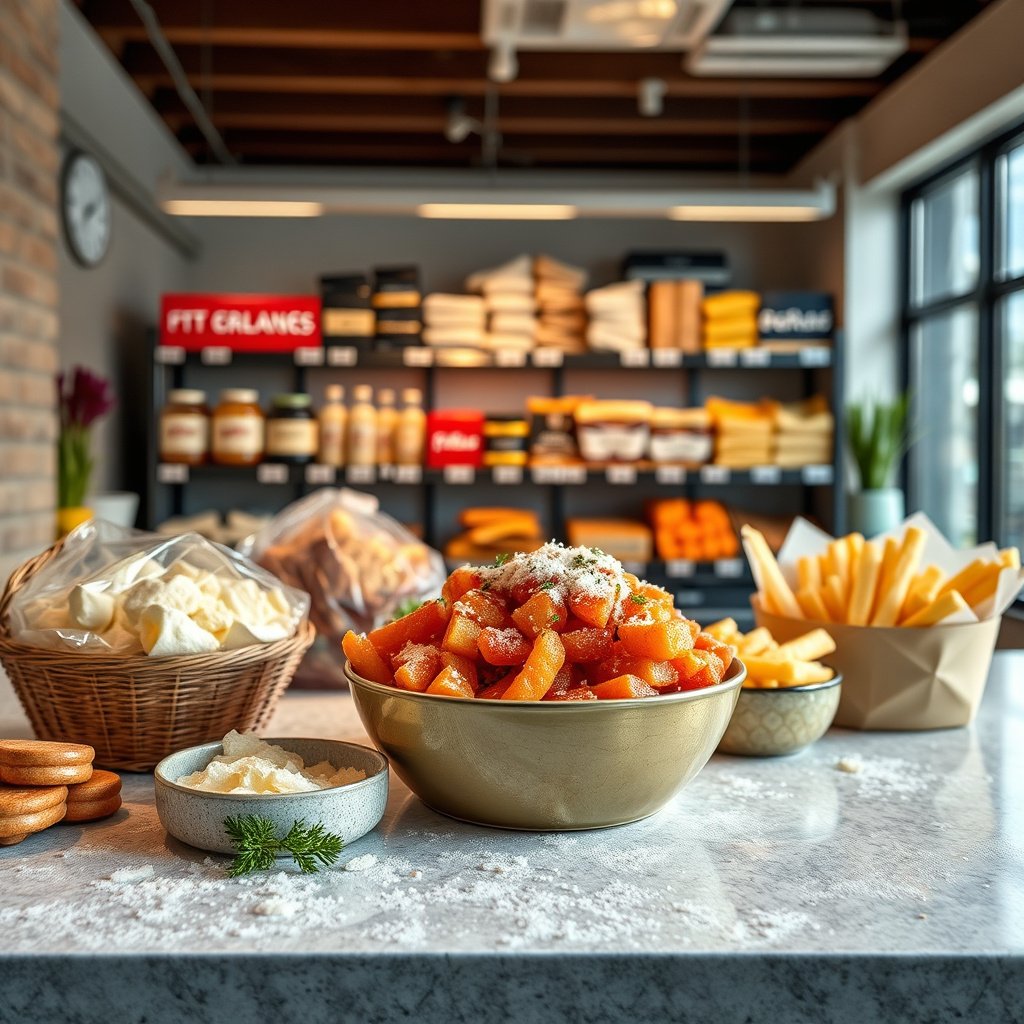
The “best” frozen foods for diabetes are the ones that deliver fewer digestible carbohydrates per serving, while also providing fiber and limiting added sugars. This combination helps blunt glucose spikes and makes results more consistent day to day.
– Prioritize foods with fewer digestible carbs per serving and more fiber, since fiber helps slow glucose impact.
– Avoid products where sugar is listed as an ingredient or where “sweet” flavors come from added sugars (not just fruit).
– Watch sodium too—many frozen meals are convenient but can be high in salt, which matters for overall health.
According to the U.S. FDA, the Nutrition Facts label includes a line for “Added Sugars,” helping shoppers identify sugar beyond naturally occurring sugars in ingredients (, current label format in effect in 2020+).
According to the National Academies’ Dietary Reference Intakes, adults should aim for about **25 g/day fiber (women)** and **38 g/day fiber (men)** for adequate intake (). Fiber supports steadier glucose responses when carbs are present.
In real-world shopping, the label often matters more than the food category name (e.g., “vegetable blend,” “medley,” or “lightly sauced”). For diabetics, it’s not that you must eliminate carbs—it’s that you want carbs to be measurable, consistent, and paired with fiber.
A practical mindset: if two frozen items have the same total carbohydrate, the one with more fiber grams usually creates a gentler glucose impact. Also, “carb-friendly” often falls apart when sauces are involved—because sauces can add both sugar and starchy thickeners.
Finally, sodium deserves attention because many frozen dinners are engineered for shelf stability and taste. While sodium isn’t the same as sugar or carbohydrates, higher sodium can undermine overall cardiovascular goals that often matter alongside diabetes.
How to read frozen food labels fast (without getting lost)
The fastest way to choose diabetes-friendly frozen food is to scan for serving size → total carbohydrate → fiber → added sugars, in that order. If you can do those four checks quickly, you’ll avoid most “gotchas” in the frozen aisle.
– Check the serving size first, then look at total carbohydrate and fiber grams—those drive the glucose response more than calories alone.
– Scan the ingredient list for added sugars (often words like sugar, syrup, dextrose, maltodextrin) and choose simpler ingredient lists when possible.
– Compare similar options: two products with the same “carb count” can feel very different if one has much more fiber.
According to the ADA, carbohydrate awareness is central to managing blood glucose because carbohydrates are the macronutrient most directly linked to glucose changes (, ADA nutrition guidance).
According to the FDA, ingredients listed in the ingredient list can reveal added sugars that may not be obvious from “low sugar” marketing alone (). Always verify the label’s “added sugars” line and ingredient list.
A simple “budget” approach for added sugar
Even if your carbohydrate target is reasonable, added sugar can still push sweetness and sometimes carbohydrate totals higher (or encourage bigger portions because the food tastes indulgent). A useful planning technique is to set an added-sugar budget per day and treat frozen meals as “lunch/dinner chunks” you account for.
Added-sugar allowance using a 10% of daily calories target (U.S. label planning)
| # | Daily calorie intake | Max added sugar (g/day) ≈ 10% | Meal planning comfort | Practical rating |
|---|---|---|---|---|
| 1 | 1,600 kcal | 40 g | Tighter allowance | ★★☆☆☆ |
| 2 | 1,800 kcal | 45 g | Moderate allowance | ★★★☆☆ |
| 3 | 2,000 kcal | 50 g | Standard planning target | ★★★★☆ |
| 4 | 2,200 kcal | 55 g | More flexibility | ★★★★☆ |
| 5 | 2,400 kcal | 60 g | Balanced allowance | ★★★★★ |
| 6 | 2,600 kcal | 65 g | Higher allowance | ★★★★★ |
| 7 | 2,800 kcal | 70 g | Most flexibility | ★★★★★ |
This “10% of calories” planning frame is a common public-health benchmark used in the nutrition guidance ecosystem; it helps you compare frozen options with added sugar lines. For diabetes, though, you still prioritize total carbohydrate and fiber—added sugar is a secondary (but important) check.
> Note: the numbers above convert 10% of daily calories into grams using 4 kcal per gram of sugar (a standard nutrition conversion). For individualized targets, use clinician guidance.
Best frozen vegetables and “sides” to stock
The best frozen sides for diabetes are usually non-starchy vegetables—because they’re high in volume and typically lower in digestible carbs. When you build meals around these, your glucose response tends to be easier to predict.
– Non-starchy vegetables (like broccoli, cauliflower, green beans, spinach) are usually the easiest swap for higher-carb sides.
– Choose plain frozen veggies over “creamy” or “butter sauce” mixes when you can—those additions can sneak in carbs and sodium.
– For variety, consider frozen cauliflower rice or chopped salad blends (just confirm they don’t include added sauces).
According to the USDA FoodData Central, many non-starchy vegetables (including broccoli and green beans) contain relatively low amounts of digestible carbohydrate per typical cooked serving compared with starchy side dishes ().
From a meal-planning standpoint, pairing vegetables with protein helps reduce “carb-only” eating, which tends to create sharper post-meal glucose rises for many people with diabetes (ADA nutrition guidance on carbohydrate awareness) ().
How to prep for steadier blood sugar
In my own routine, I’ve found that prep method mainly affects texture and portion control, not magic nutrition. For example, thawed-and-drained vegetables often taste better and make you less likely to over-serve yourself. Quick steps that usually work:
– Steam or sauté briefly instead of heavy simmering in sweet sauces.
– Drain excess liquid from “frozen veggie blends” before seasoning—watery mixes can feel smaller and push you toward larger portions.
– Keep sauces separate: add a controlled amount of olive oil, vinegar, garlic powder, or lemon instead of choosing “sauced” bags whenever possible.
For cauliflower rice and salad blends, always check for added dressing or sweetening agents. “Salad mix” can sometimes include toppings or seasoning packets that increase sugars and sodium.
Best frozen proteins (and how to pair them)
The best frozen proteins for diabetes are typically plain, unbreaded options because they offer protein with minimal carbs when prepared without breading or sugary marinades. Pairing them with non-starchy vegetables makes the full plate more glucose-friendly.
– Plain frozen fish, shrimp, chicken, and lean turkey can be great because they typically have minimal carbs when prepared without breading/sauces.
– If you want convenience, look for unbreaded or “lightly seasoned” options; breaded items often raise carbs quickly.
– Pair protein with a low-carb base (vegetables) and measure any higher-carb sides instead of assuming “healthy-sounding” meals will stay low.
According to USDA nutrient data principles, protein foods like plain fish or poultry generally contribute near-zero carbohydrate unless they’re breaded or glazed—carb changes often come from coatings and sauces ().
According to the ADA, carbohydrate counting focuses on carbohydrate grams; coatings and sauces matter because they add digestible carbs even when the main protein looks “lean” ().
Breaded vs. unbreaded: what changes on the plate?
When breading is involved, carbs usually rise fast because coatings include starches and sometimes added sugars. Here’s a quick comparison structure you can use in the aisle:
| Protein type (frozen) | Typical label “risk” | What to look for | Better pairing move |
|---|---|---|---|
| Unbreaded fish/shrimp/chicken/turkey | Lower carbs | Minimal ingredients; “no breading” | Add vegetables as the bulk of the meal |
| Lightly seasoned protein (no coating) | Moderate carbs if seasoning is sweetened | No sugar listed; check fiber (often 0) | Choose measured cooking oil + herbs |
| Breaded chicken/fish | Higher carbs per serving | Higher total carbohydrate; starch coatings | Treat as a carb-containing entrée and reduce starchy sides |
| Glazed or sweetened proteins | Often added sugar and starch thickener | “Sugar,” “syrup,” “dextrose,” “maltodextrin,” higher added sugars | Keep glaze off the plate; add a savory sauce instead |
Pairing that’s simple and repeatable
A repeatable “plate logic” approach helps: protein first, vegetables second, carb side last (if any). If you add rice, potatoes, pasta, or tortillas, choose a measured portion and build the rest of the plate with vegetables to reduce total carbohydrate load.
If you use insulin or other medication that relies on consistent carb intake, talk with your clinician about targets—because even “healthy” swaps can shift glucose.
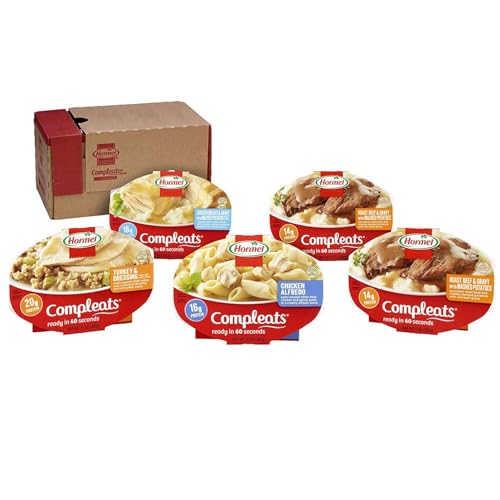
Best frozen meals when you want something ready-to-eat
The best frozen ready meals for diabetes are the ones where carbs are controlled and fiber is meaningful—so the meal doesn’t function like a refined-grain delivery system. Still, portion size matters even more than the marketing claim.
– Look for meals where carbs aren’t coming mainly from refined grains or sugary sauces—favor options with visible vegetables and decent fiber.
– Portion matters: a “single serving” meal may still be too carb-heavy for your plan, so consider splitting portions and saving half.
– Be cautious with “diabetic” or “no sugar added” labeling—still check total carbs and ingredients, because “no sugar added” doesn’t automatically mean low carbs.
According to the FDA added sugars definition, “no sugar added” can still include ingredients that raise total carbohydrate (e.g., refined grains or sweet starches), so shoppers should check total carbohydrate regardless of marketing ().
As of the modern Nutrition Facts label era, nutrition information is tied to the stated serving size; if you eat more than the label serving, you also increase carbs and calories by the same proportion (, current labeling framework in effect in 2020+).
How to make convenience meals behave
In practice, the best hack is often portioning before you heat. If a meal’s label serving is 1 tray but your plan needs half, split it on the day you buy it (or as soon as you heat it). This reduces “label-to-plate drift,” which is a common reason glucose results feel unpredictable.
Also, be selective about sauces. Teriyaki-style and sweet chili flavors can add both sweetness and starch-thickener components, which may raise carbohydrate beyond what you’d expect from “meat and vegetables.”
One more tip: when microwaving, avoid overcooking vegetables to the point they become mushy. Texture affects satiety, and satiety affects how much you end up eating.
What can go wrong (common mistakes and edge cases)
You can sabotage otherwise good frozen choices if you rely on marketing words, ignore serving sizes, or choose sauced/breaded items that hide carbs. These mistakes tend to show up when people “scan fast” instead of scanning the label.
– Relying on the word “organic,” “natural,” or “no sugar added” instead of checking total carbs and fiber.
– Eating the whole package without noticing it’s multiple servings—many frozen meals hide this in the nutrition label.
– Choosing sauces/mix-ins (teriyaki-style, sweet chili, creamy Alfredo, glazed items) because they can add sugar and starch even when the main ingredient looks low-carb.
– Using frying or sugary marinades at home—your cooking method can change the outcome even if the frozen food started “diabetes-friendly.”
According to ADA guidance on carbohydrate awareness, total carbohydrate grams—not “organic,” “natural,” or “no sugar added”—drive blood glucose response planning ().
According to FDA Nutrition Facts labeling rules, the stated serving size is the basis for the label’s carbohydrate, fiber, added sugar, and sodium values; consuming additional servings increases those nutrients proportionally ().
Edge cases to watch
– Vegetable mixes can include sauce packets: even small sweeteners add up across meals.
– “Cauliflower rice” isn’t always carb-free: some products blend in other ingredients or add starch-based anti-clumping agents.
– Fiber can drop your net “feel,” not net carbs: fiber affects glucose response, but if total carbs are high, glucose can still rise.
– Medication timing matters: if you use insulin or medications that require consistent carbohydrate intake, changes in meal composition and cooking method can affect outcomes.
Verdict / tip (what to buy first, and who should skip certain items)
If you want a simple shopping plan, start with plain frozen non-starchy vegetables and unbreaded frozen proteins, then add 1–2 frozen meal options that have clear fiber and no sugar-heavy sauces. The downside: convenience meals may still be sodium-heavy or carb-dense, so they work best as “planned” meals, not endless defaults.
Skip breaded/sauced frozen items if you’re trying to keep carbs very tightly managed, and be extra careful if you use insulin or medications that require consistent carb intake—make label-carb counting part of your routine (or ask your clinician for personalized targets).
According to ADA nutrition guidance, building meals around carbohydrate awareness and fiber is a practical strategy to support glucose management ().
According to USDA FoodData Central, ingredient composition is the key driver of nutrient differences; “plain” versions of foods typically contain less carbohydrate than breaded or sauced versions ().
Quick checklist (scan this before you buy)
| Frozen food type | Look for on the label | Best when you want… |
|---|---|---|
| Plain frozen vegetables | Higher fiber (if listed), no sugary sauce ingredients | Low-carb volume, easy sides |
| Cauliflower rice / veggie mixes | Simple ingredients, minimal sauce | Quick “base” for bowls |
| Unbreaded fish/shrimp/chicken/turkey | Minimal carbs, no breading | Protein-forward meals |
| Breaded or sauced proteins | Often higher carbs/sodium—confirm fiber + carbs | Only if it fits your carb plan |
| Frozen ready meals | Total carbs + fiber you can measure; watch sodium | Convenience with portion control |
Sources
– American Diabetes Association (ADA), “Nutrition” guidance and recommendations on carbohydrate awareness and fiber:
– U.S. Department of Agriculture (USDA), FoodData Central (for ingredient-level nutrition concepts when comparing products):
– Manufacturer nutrition facts / ingredient lists are the primary source for product-specific carbohydrate, fiber, added sugar, and sodium (use the label printed on the package you’re buying):
The most reliable way to pick diabetes-friendly frozen food in 2026 is to prioritize total carbs, fiber, and added sugars while treating portion size and sauces as “make-or-break” variables. If you build your freezer with plain vegetables and unbreaded proteins first, you’ll have the foundation for meals that are easier to portion, easier to predict, and more supportive of steadier blood glucose.
Frequently Asked Questions
What are the best frozen foods for diabetics that help manage blood sugar?
Look for frozen foods that are high in fiber and protein, with minimal added sugar and refined starch. Examples include frozen non-starchy vegetables (broccoli, cauliflower, green beans), plain salmon or shrimp, and plain Greek yogurt or unsweetened yogurt options if available. These choices can improve satiety and reduce blood sugar spikes when paired with a balanced meal.
Which frozen meals are safest for diabetics to eat—TV dinners or homemade-style options?
“Homemade-style” frozen meals are usually safer than many TV dinners because they’re often lower in sodium and contain clearer portions of protein and vegetables. Choose meals labeled “no sugar added,” “low sugar,” or with ingredients you recognize, and aim for vegetables as the base with a measured serving of whole grains or starchy sides. Always check nutrition facts for total carbohydrates, fiber, and added sugars to match your diabetes meal plan.
How can I choose frozen vegetables and avoid hidden carbs for diabetes?
Choose frozen vegetables without sauces, gravies, or sugar-based coatings, since these can add unnecessary carbs. Read the label for “total carbohydrate” and “fiber,” and remember that fiber can offset net impact on blood glucose for many people. Portion size matters too—use the serving size on the package and pair vegetables with protein like chicken, tofu, or fish for steadier blood sugar.
Why should diabetics be careful with frozen fruit, and what’s the best way to use it?
Frozen fruit can be healthy, but it still contains natural sugars and carbohydrates, so portions affect blood glucose response. Opt for fruit packed in juice or water (no added sugar) and consider measuring servings instead of eating straight from the bag. Pairing frozen berries with Greek yogurt, nuts, or chia seeds can slow digestion and support better blood sugar control.
Best frozen snacks for diabetics—what should I buy instead of sugary options?
The best frozen diabetic-friendly snacks include lower-sugar, higher-protein or fiber options like edamame, roasted chickpeas (without sweet coatings), and portioned bags of plain nuts. You can also choose frozen cauliflower “rice” bowls or vegetable-based snacks, using lean proteins to round out the meal. Avoid breaded, sweetened, or dessert-style frozen foods, and always check added sugar and carbohydrate grams per serving.
📅 Last Updated: October 22, 2026 | Topic: best frozen foods for diabetics | Content verified for accuracy and freshness.
References
- https://www.mayoclinic.org/diseases-conditions/diabetes/in-depth/diabetes-diet/art-20044218
- https://www.niddk.nih.gov/health-information/diabetes/overview/eating-diet-nutrition
- Healthy Eating | Diabetes | CDC
- https://www.fda.gov/food/nutrition-facts-label
- Glycemic index
- Diet in diabetes
- https://scholar.google.com/scholar?q=best+frozen+foods+for+diabetes Google Scholar
- https://scholar.google.com/scholar?q=frozen+vegetables+glycemic+index+diabetes Google Scholar
- https://scholar.google.com/scholar?q=frozen+meals+sodium+diabetes+nutrition Google Scholar