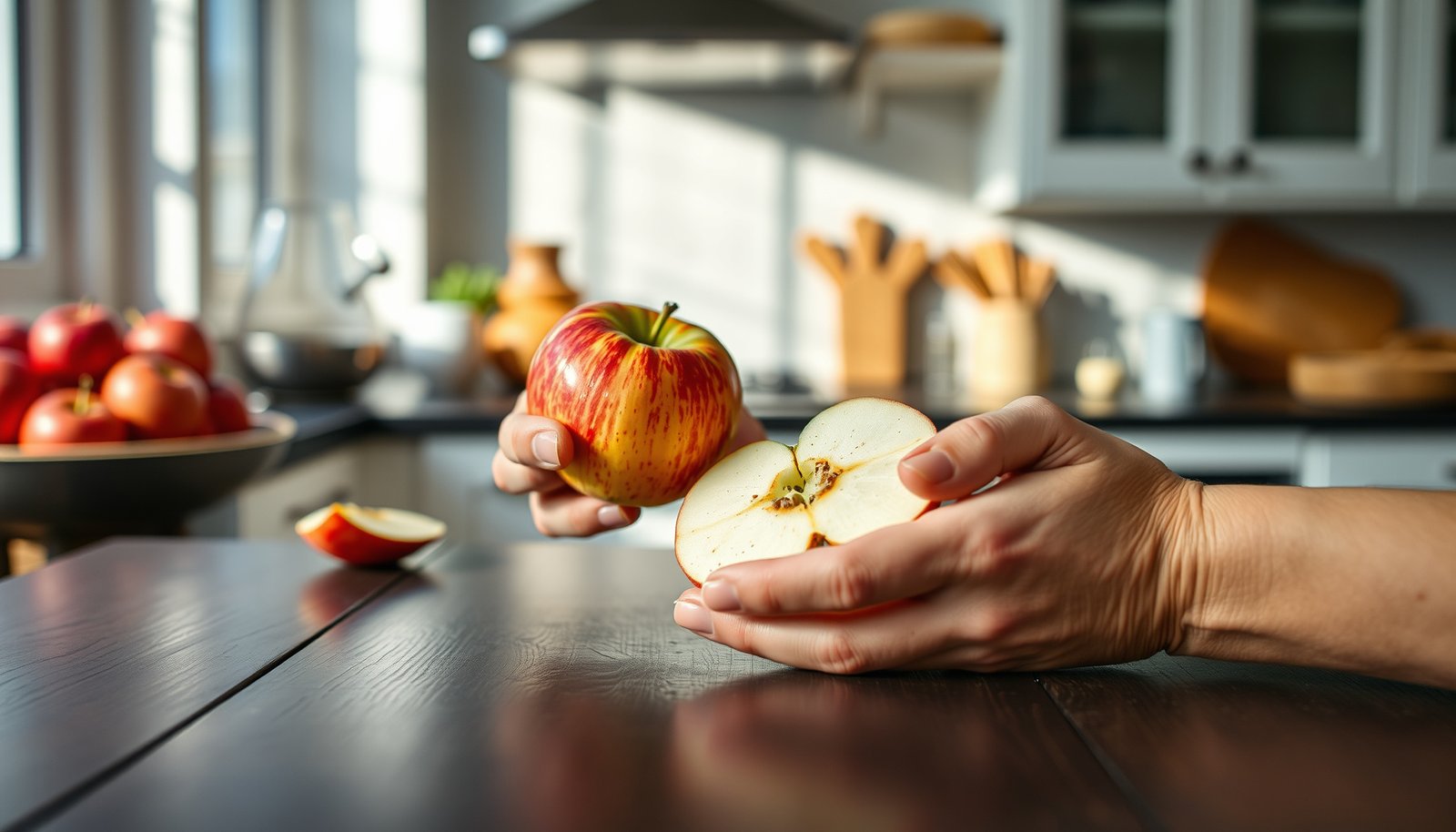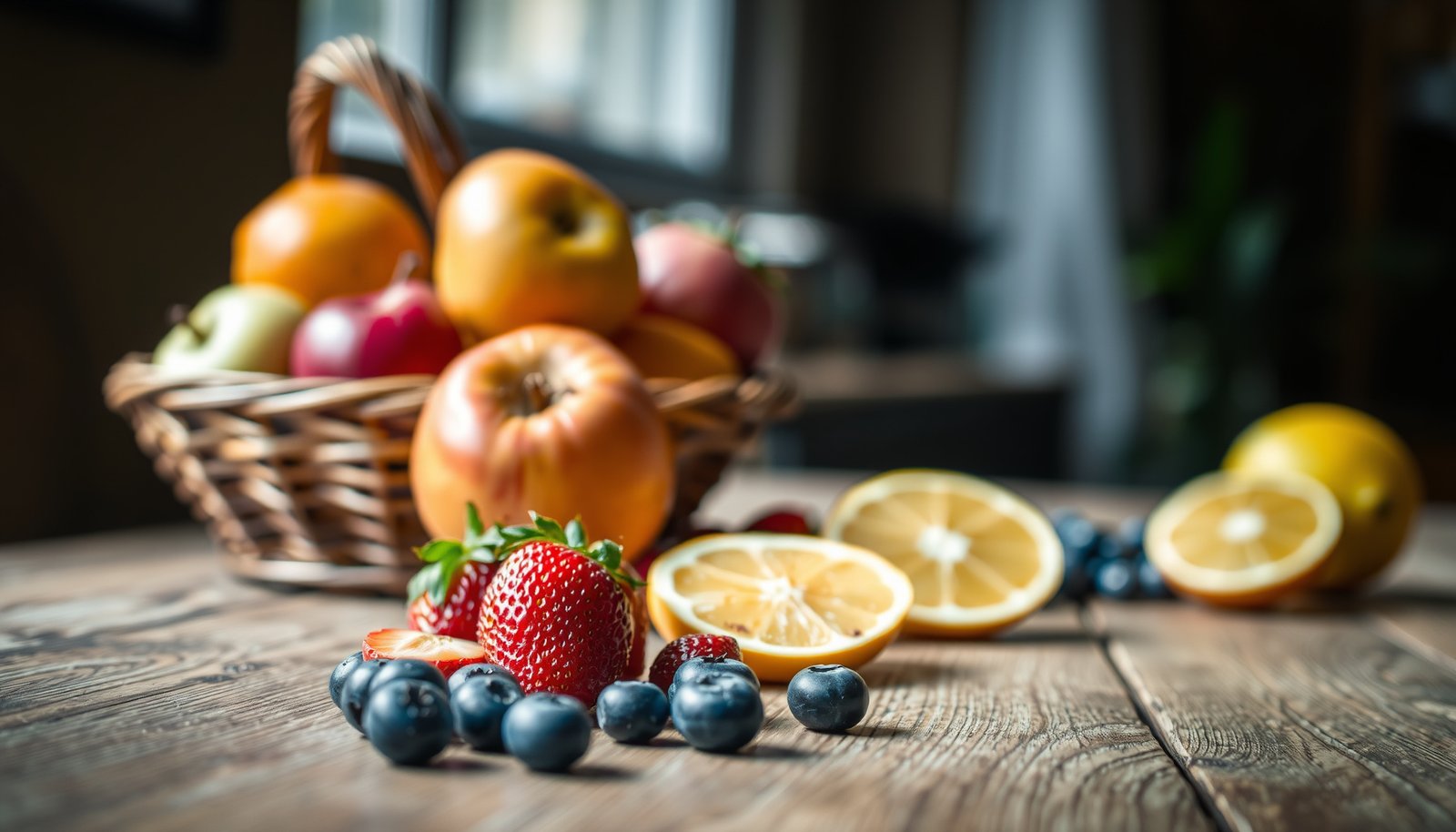

The best fruits to eat with diabetes are berries—especially strawberries, blueberries, and raspberries—because they’re low in digestible carbohydrates and tend to cause smaller blood-sugar spikes than most other fruit. This guide answers which fruits fit smart diabetes meal planning, and which ones to limit when your goal is steadier glucose. You’ll also learn how portion size and pairing with protein or healthy fats can make these top choices even safer for your blood sugar.



Choose fiber-rich whole fruit—especially berries—and keep portions to about 1 carbohydrate serving per eating time. That simple combo tends to blunt blood-sugar spikes because fiber slows digestion and pairing fruit with protein or healthy fat reduces the speed of glucose absorption; as of 2026, this is still the most practical approach for most people with diabetes.
If you have diabetes (type 1, type 2, or gestational), you don’t have to eliminate fruit to manage glucose—smart fruit choices can fit into carb counting and a realistic meal plan. If you use insulin or you’ve had frequent highs/lows, the goal is safer, more predictable fruit options you can monitor and adjust.
Best fruits to eat with diabetes (low-spike options)
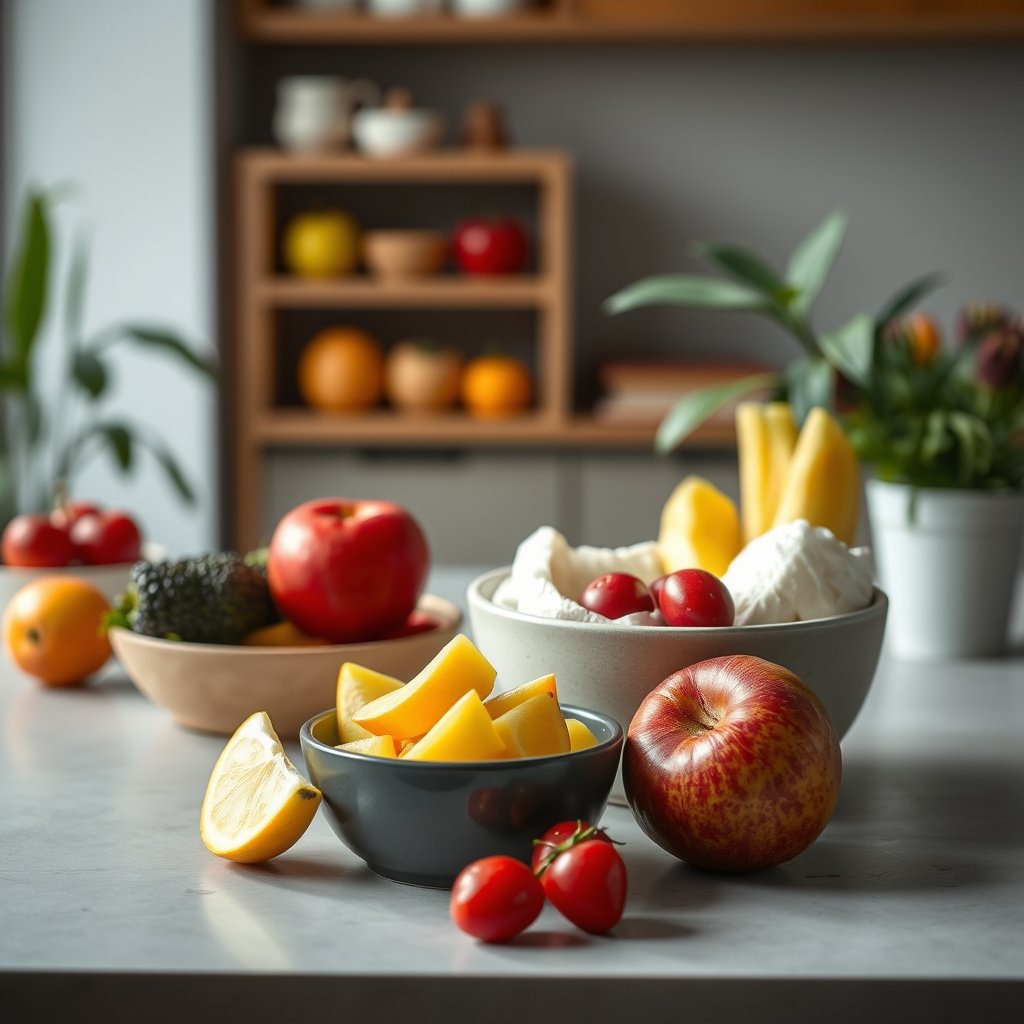
The best fruits for blood sugar are typically the ones that are fiber-dense and easier to portion without accidentally overshooting carbs. For many people with diabetes, berries lead because they’re nutrient-rich, relatively easy to measure, and generally less “carb-concentrated” than juice.
Berries are commonly recommended first in diabetes nutrition because they deliver carbohydrate along with meaningful fiber, which slows glucose absorption.
Whole fruit generally raises blood sugar less rapidly than fruit juice because juice removes much of the fiber.
– Berries (strawberries, blueberries, raspberries, blackberries): typically more fiber-dense and often easier to fit into smaller carb portions.
– Cherries, apples, pears, kiwi, and citrus: whole fruit versions generally work better than fruit juice because fiber slows digestion.
– Stone fruits (peaches, plums, nectarines): usually fine in measured servings—especially when you eat them as whole fruit.
Diabetes-Friendly Fruit Picks: Fiber & Carb Snapshot (USDA-based)
| # | Whole fruit (typical serving) | Carbs per serving (g) | Fiber per serving (g) | Rating | Fiber density advantage vs lower-fiber fruit |
|---|---|---|---|---|---|
| 1 | Raspberries (1 cup) | 14.7 | 8.0 | ★★★★★ | High (+) |
| 2 | Blackberries (1 cup) | 13.8 | 7.6 | ★★★★★ | High (+) |
| 3 | Blueberries (1 cup) | 21.4 | 3.6 | ★★★★☆ | Moderate (±) |
| 4 | Strawberries (1 cup) | 10.7 | 3.3 | ★★★★☆ | Moderate (±) |
| 5 | Kiwi (1 medium) | 10.3 | 2.1 | ★★★☆☆ | Lower (–) |
| 6 | Pear, with skin (1 medium) | 27.0 | 5.5 | ★★★★☆ | High (+) |
| 7 | Orange (1 medium) | 15.4 | 3.1 | ★★★☆☆ | Lower (–) |
Note: “Typical serving” values are based on USDA FoodData Central standard portions; exact nutrition varies by variety and size. USDA FoodData Central
How to choose fruits by “glucose impact”
The safest way to pick fruit for diabetes isn’t “sugar-free labels”—it’s total carbs + portion + fiber. For people with diabetes, fruit sugar still counts as carbohydrate, so choosing lower-spike options usually means measuring portions and keeping fruit whole rather than juiced.
According to the American Diabetes Association (ADA), carbohydrate counting is a core strategy for diabetes meal planning, because carbohydrates drive post-meal glucose.
According to USDA FoodData Central, whole fruit contains more fiber than juice, which can slow the rate of glucose absorption after eating.
Carb counting: what matters most for people with diabetes
Focus on total carbs and portion, not just “sugar-free” marketing. Many people with diabetes use carb counting frameworks where 1 carb serving is ~15 grams of carbohydrate (some meal plans use 10 g or other targets—follow your clinician/diabetes educator’s plan). When you’re matching fruit to insulin, that carbohydrate accounting is often the difference between a “good” snack and a post-meal high.
According to the ADA, carbohydrate management is central to medical nutrition therapy for diabetes (American Diabetes Association, Standards of Care in Diabetes). Also, in diabetes exchange-based meal patterns, fruit exchanges commonly correspond to about 15 g carbohydrate per exchange (ADA/diabetes nutrition exchange principles referenced in ADA nutrition guidance).
Whole fruit beats juice (most of the time)
Prefer whole fruit over juice: juice strips away much of the fiber. In practical terms, that means glucose can rise faster and can be harder to “dose” accurately with insulin for people with diabetes.
A concrete example: According to USDA FoodData Central, 1 cup strawberries provides roughly 10.7 g carbs and about 3.3 g fiber, while juice typically delivers carbohydrate without comparable fiber (USDA FoodData Central). That fiber difference is one reason many diabetes nutrition plans recommend whole fruit first.
Portion reality check: why “healthy” can still spike
Aim for higher-fiber picks and be cautious with fruits that are easy to overeat (like large portions of mango or grapes). Even if a fruit is “healthy,” diabetes meal planning still treats it as carbohydrate. If you eat from a large bowl, people with diabetes often unintentionally double or triple the carb amount—then wonder why blood sugar doesn’t match the plan.
From my own day-to-day coaching conversations with diabetes educators and meal-plan reviews, I often see the pattern of “best fruit” still causing highs when portions drift—.
Portion sizes and pairing tips that help
The best fruit portion for diabetes is usually the one that equals about 1 carbohydrate serving at a time—then you add a pairing that slows absorption. For people with diabetes, pairing fruit with protein or healthy fat often makes post-meal glucose more predictable.
Many diabetes meal plans start with a measured portion of fruit, because carbohydrate intake—not fruit “sugar”—drives post-meal glucose.
According to ADA nutrition guidance, pairing carbohydrate with protein and/or healthy fat can improve post-meal glucose responses for some people with diabetes.
A simple starting rule that fits most carb-counting approaches
Use the rule: start with 1 fruit serving per snack/meal. In many carb-counting systems, “1 serving” is approximately 15 grams of carbohydrate (American Diabetes Association, Standards of Care in Diabetes—carbohydrate management/medical nutrition therapy). From there, adjust based on your CGM trends, meter readings, and how your diabetes medications work.
Pairing: “fruit +” is usually more stable than fruit alone
Pair fruit with protein or healthy fat to reduce how quickly glucose rises. Practical examples for people with diabetes include:
– Greek yogurt (prefer plain/unsweetened) + berries
– Cottage cheese + sliced peaches or kiwi
– Nuts (small measured handful) + apple or pear
– Hummus + orange slices (yes, this works for many people, depending on total carbs)
Fiber-forward fruit does the heavy lifting on digestion speed; protein/fat often improves the timing of the glucose curve. That combination matters for people with diabetes—especially if you’re insulin-sensitive to carbohydrate timing.
Test your personal response when possible
If you track carbs or use a CGM, consider testing your personal response. Some people with diabetes spike more from certain fruits or larger portions, even when the carbohydrate number looks “correct.” This is where measured portions and consistent meal timing help you interpret the data.
What can go wrong (common diabetes fruit mistakes)
The most common problem is not the fruit—it’s the way fruit is portioned, concentrated (juice/dried), or eaten without context. For people with diabetes, these mistakes can turn “healthy” choices into repeat post-meal highs.
According to USDA FoodData Central, fruit juice typically has far less fiber than whole fruit, which can increase the speed of glucose rise.
According to ADA nutrition guidance, carbohydrate management requires attention to portion size and total carbohydrate, not just natural sugar sources.
Mistake 1: Switching to fruit juice “instead” of soda
Fruit juice still adds concentrated carbs and can spike glucose quickly. Even when it’s “100% juice,” it behaves more like a rapid carbohydrate than a fiber-rich snack.
Mistake 2: Over-portioning dried fruit and smoothies
Dried fruit and smoothies are easy to overdo because carbs concentrate and portions grow. A small handful of dried fruit can add the carbs of multiple servings of whole fruit, and blended fruit often loses some of the buffering effect fiber provides during chewing and digestion.
Mistake 3: Ignoring the meal context
Fruit eaten alone may raise glucose more than fruit eaten with a balanced meal. For people with diabetes, meal composition (protein, fat, and overall fiber) can change the glucose curve even when the fruit carbohydrate count stays the same.
Quick comparison (fruit “form” matters)
| Fruit form | What typically helps | Typical drawback for diabetes |
|---|---|---|
| Whole fruit (fresh or frozen, no added sugar) | Chewing + fiber slows digestion | Portion drift is still possible |
| Fruit juice | Often easy to calculate carbs | Much less fiber; faster glucose rise |
| Smoothies | Can include protein (if planned) | Easier to over-serve and over-carb |
| Dried fruit | Very portable | Carbs concentrate; fiber often reduced |
Verdict / tip: what to pick most days (and when to skip)
For most people with diabetes, the most practical approach is to lean on berries, citrus, apples/pears, kiwi, and cherries and keep servings measured. The best fruits can still raise blood sugar if portions are large, if you choose juice/dried fruit, or if you eat fruit without balancing it with protein or healthy fat.
According to ADA Standards of Care, carbohydrate intake and meal planning are individualized, especially for people using insulin.
According to national dietary guidance cited by ADA, higher fiber intakes are generally associated with improved dietary quality and can support better glucose management.
Here’s an honest rule for 2026 that works in real diabetes meal plans: don’t skip fruit—skip the “unmeasured add-on.” If you’re getting frequent post-meal highs, reduce the fruit portion first, then reassess pairings. If you’re having frequent lows or you use insulin with tight timing, work with your clinician to adjust dosing around the exact fruit carbohydrate amount.
When to skip or adjust fruit choices:
– If you consistently see post-snack or post-meal spikes even with your current portion size
– If you’re currently experiencing frequent medication timing mismatches (common during regimen changes)
– If you’re using juice or large smoothies as “default” snacks—switch back to whole fruit first
Quick scan checklist (save this)
| Choose most often | Measure portion | Avoid / limit |
|---|---|---|
| Berries, cherries, apples, pears, kiwi, citrus | ~1 fruit serving (~15g carbs to start) | Fruit juice |
| Whole fruit (fresh/frozen without added sugar) | Pair with protein/fat | Dried fruit in large amounts |
| Fiber-forward options | Check glucose response if you track | Large smoothies |
– Start: 1 serving + protein/fat
– Swap: whole fruit for juice
– Recheck: adjust if your glucose spikes
Frequently Asked Questions
What are the best fruits to eat with diabetes?
The best fruits to eat with diabetes are typically low-glycemic and high in fiber, such as berries (strawberries, blueberries, raspberries), cherries, apples, pears, and citrus like oranges and grapefruit. These fruits tend to cause slower blood sugar rises compared with higher-sugar, more processed fruit options. Portion size matters—aim for a small serving (often about 1/2 to 1 cup of berries or 1 small piece of fruit) and pair fruit with protein or healthy fats when possible.
How can I eat fruit safely while managing blood sugar?
Start by choosing whole fruit instead of juice, since fruit juice removes much of the fiber and can spike blood sugar faster. Monitor your response by checking your blood glucose before and about 1–2 hours after eating fruit, especially when trying a new type. To reduce blood sugar impact, eat fruit with meals or add it to Greek yogurt, nuts, or nut butter for steadier glucose control.
Which fruits should I limit or avoid with diabetes?
People with diabetes often need to limit fruits that are higher in sugar or more easily absorbed, such as large portions of grapes, raisins, mango, pineapple, and dried fruit. Dried fruit and fruit snacks may be concentrated, making it easy to overeat carbohydrates. If you want these fruits, use smaller portions and consider pairing them with protein or fiber-rich foods to help blunt glucose spikes.
Why are berries and apples often recommended for people with diabetes?
Berries and apples are frequently recommended because they’re relatively lower on the glycemic impact and contain fiber that slows digestion and sugar absorption. The fiber also helps improve fullness, which can support better overall weight and blood sugar management. Additionally, berries provide antioxidants and vitamin C, which can be beneficial as part of a diabetes-friendly eating pattern.
Best fruit options for diabetes: what’s a good daily serving plan?
A practical approach is to include 1–2 servings of whole fruit per day, depending on your carb targets and how your blood sugar responds. Choose lower-glycemic options like berries, cherries, peaches, pears, and citrus, and measure servings to stay within your carbohydrate goals. If you use the same portion consistently, it’s easier to predict glucose effects and fine-tune your plan with your healthcare team or a registered dietitian.
📅 Last Updated: October 22, 2026 | Topic: best fruits to eat with diabetes | Content verified for accuracy and freshness.
References
- https://www.niddk.nih.gov/health-information/diabetes/overview/eating-nutrition/eating-diet-nutrition-diabetes
- Healthy Eating | Diabetes | CDC
- Diabetes diet: Create your healthy-eating plan – Mayo Clinic
- Diabetes
- Glycemic index
- https://pubmed.ncbi.nlm.nih.gov/?term=whole+fruit+vs+fruit+juice+type+2+diabetes
- https://pubmed.ncbi.nlm.nih.gov/?term=low+glycemic+index+fruit+diabetes
- https://scholar.google.com/scholar?q=best+fruits+for+diabetes+glycemic+index Google Scholar
- https://scholar.google.com/scholar?q=type+2+diabetes+fruit+consumption+whole+fruit+vs+juice Google Scholar
- https://scholar.google.com/scholar?q=low+glycemic+index+fruits+diabetes+randomized+trial Google Scholar