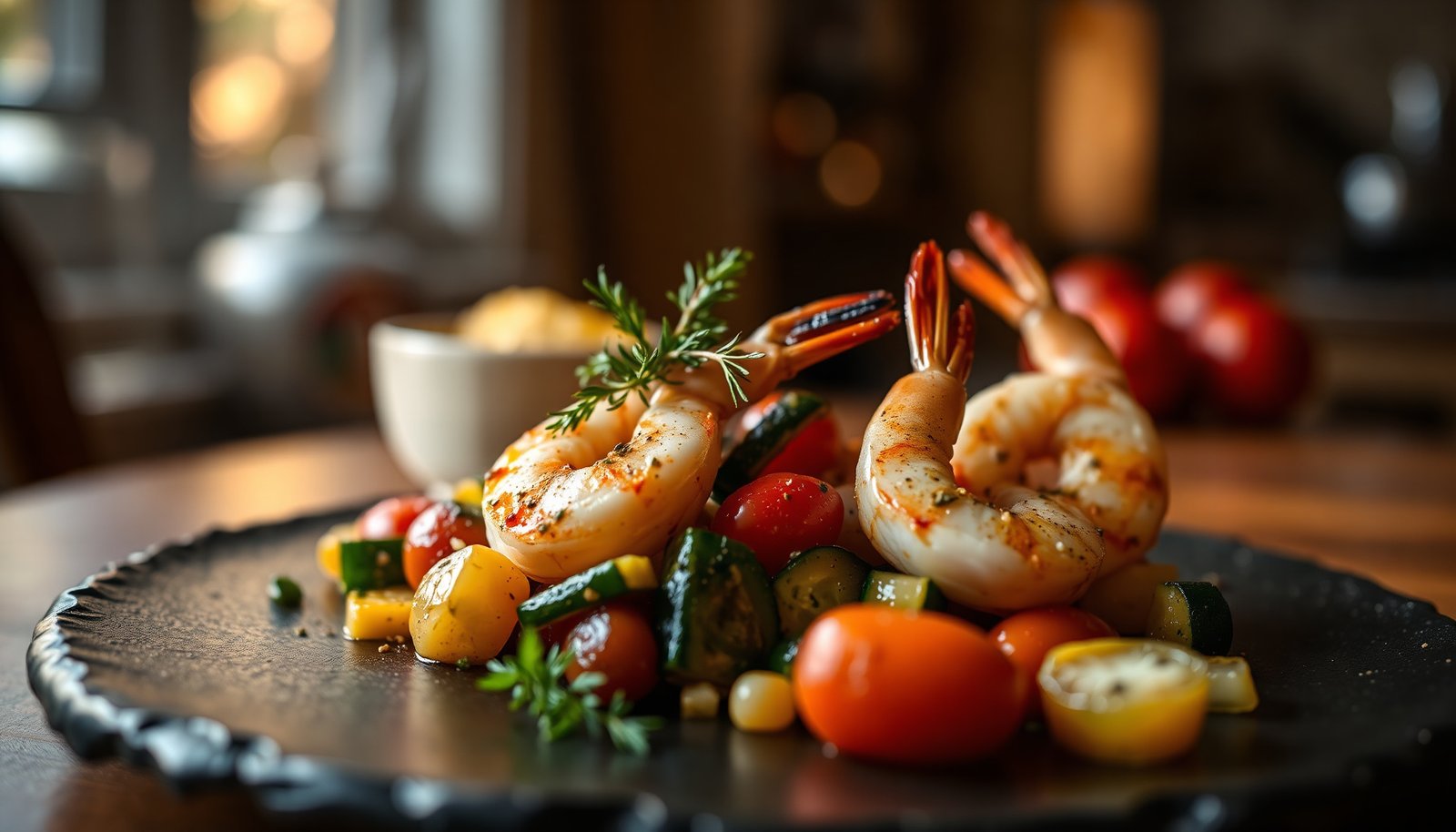

The best diabetic shrimp recipes are the ones that pair tender shrimp with low-sugar, portion-aware flavors you can repeat without guesswork. These recommendations are for people managing blood sugar who want meals that taste satisfying but keep carbs, added sugars, and sodium in check. We judged each recipe by ingredient quality, how the carbohydrate load is controlled, cooking method for consistent texture, and whether it stays balanced and easy to follow—so you can quickly spot the standouts.




Best diabetic shrimp recipes are the ones that keep carbs steady and let shrimp + non-starchy veggies do most of the work. Choose simple seasoning, olive oil, and sugar-free sauces, then pair with high-fiber sides and appropriate portions. Below, you’ll find practical shrimp recipe ideas and a scan-friendly checklist to help you build meals that fit a diabetic plan.
If you’re watching carbs, limiting added sugar, or trying to eat more protein at meals, these shrimp recipes are a solid starting point. They’re written to be flexible for different meal patterns—just adjust sides and portions to match your routine and any guidance from your clinician or dietitian.
These meal ideas are especially useful if you want diabetes-friendly dinners that feel flavorful (not bland) while still supporting blood sugar stability. They’re also a good fit for people who prefer low-prep weeknight cooking, because shrimp cooks fast and most of the “work” comes from smart seasoning and measured sides rather than complicated sauces.
What makes shrimp recipes diabetic-friendly
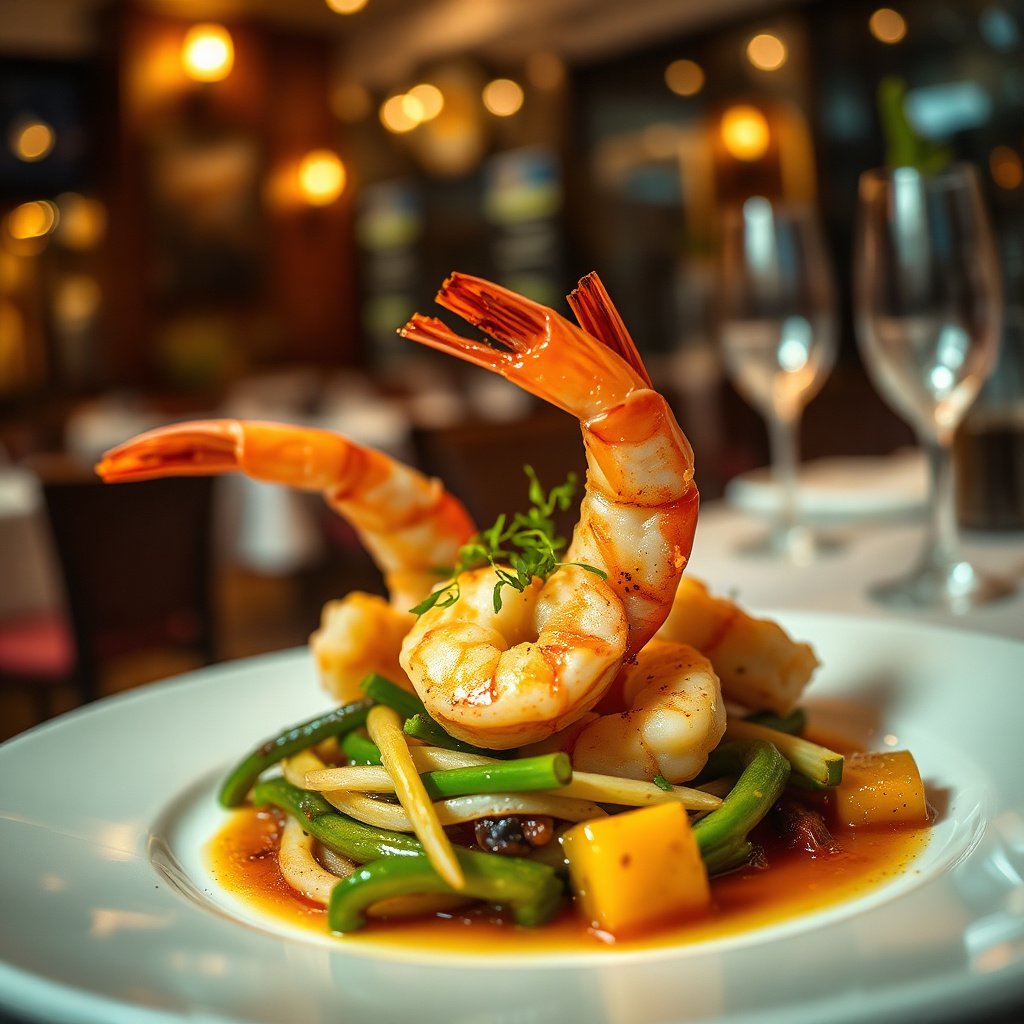
Diabetic-friendly shrimp recipes work because shrimp is naturally lean protein and most of the plate is built from low-starch vegetables and healthy fats. The goal is simple: reduce added sugar and avoid carb “surprises” from sauces and big starchy sides.
The “diabetic-friendly” advantage isn’t just what’s in the recipe—it’s the meal structure. Shrimp is a low-carb protein, and non-starchy vegetables add volume, texture, and fiber (which slows digestion and can help blunt glucose spikes). In practical terms, diabetic shrimp recipes usually follow a consistent pattern: shrimp + herbs/spices + olive oil + a sauce shortcut (citrus, garlic, vinegar) + a measured carb (or extra veggie volume).
Key reasons these diabetic shrimp recipes tend to fit better:
– Focus on low-glycemic building blocks: shrimp, non-starchy vegetables, herbs/spices, and healthy fats
– Keep added sugar out of the spotlight by using “sauce shortcuts” like citrus, garlic, vinegar, and no-sugar-added options
– Build around fiber: choose sides that add volume and slow digestion (leafy greens, roasted peppers, zucchini)
Quick nutrition reality check (why shrimp is the anchor)
According to USDA FoodData Central, cooked shrimp (about 3 oz / 85 g) provides roughly 84 calories, ~20 g protein, ~0.2 g carbohydrates, and 0 g fiber. That protein-heavy profile is exactly why diabetic shrimp recipes can be more “forgiving” than meals where the carb source is doing most of the work.
Because shrimp itself brings minimal carbohydrate, the biggest variables in diabetic shrimp meals are the sauce (especially sweet sauces) and the side portions.
Carb + Fiber Snapshot for Common Diabetic Shrimp Meal Staples (per typical serving)
| # | Meal component | Typical carbs (g) | Typical protein (g) | Typical fiber (g) | Diabetes-fit★ |
|---|---|---|---|---|---|
| 1 | Cooked shrimp (3 oz) | 0.2 | ~20.0 | 0.0 | ★ ★ ★ |
| 2 | Cauliflower rice (1 cup) | ~3.0 | ~2.0 | ~2.0 | ★ ★ ★ ★ |
| 3 | Cooked broccoli (1 cup) | ~11.2 | ~3.7 | ~5.1 | ★ ★ ★ ★ ★ |
| 4 | Cooked spinach (1 cup) | ~7.0 | ~5.4 | ~4.3 | ★ ★ ★ ★ ★ |
| 5 | Zucchini, cooked (1 cup) | ~3.9 | ~2.9 | ~1.7 | ★ ★ ★ ★ |
| 6 | Red bell pepper, roasted (1 cup) | ~9.0 | ~1.9 | ~2.4 | ★ ★ ★ ★ |
| 7 | Black beans, cooked (1/2 cup) | ~20.4 | ~7.6 | ~7.5 | ★ ★ ★ ★ ★ |
Build a diabetic-friendly plate
The best diabetic shrimp meals come from the plate design: shrimp + non-starchy veggies first, then a measured carb (or none). This approach makes diabetic shrimp recipes easier to fit into carbohydrate targets without guesswork.
If you’re building a diabetic-friendly plate, treat “carb control” as a deliberate choice rather than a side effect. Many people accidentally raise glucose because the side portion grows while the main protein stays the same. With shrimp, you can keep the shrimp flavorful while intentionally deciding what happens next: cauliflower rice, a measured portion of whole grains, or a bean-free veggie bowl.
A practical plate method:
– Pair shrimp with a carb that you can measure (or skip the extra carb entirely): cauliflower rice, a small portion of whole grains, or a bean-free veggie bowl
– Add fiber first: start with salad greens or roasted non-starchy vegetables, then add shrimp and any remaining sides
– Keep portion control consistent: “diabetic-friendly” still depends on how much you plate, not only what ingredients you use
How portion control usually plays out (without math overload)
Most carbohydrate counting systems revolve around the grams of carbohydrate you choose at a meal. For many meal plans, 1 carb choice is ~15 grams of carbohydrate (meal plans and clinicians often use this framework). American Diabetes Association Standards of Care discusses individualized medical nutrition therapy and carbohydrate management strategies.
If counting isn’t your method, portioning is still the lever. Try a repeatable plate rule for diabetic shrimp recipes: half the plate non-starchy veggies, one-quarter protein (shrimp), and one-quarter carbs—or reduce carbs to a smaller, measured serving and let vegetables add the bulk.
Best cooking methods for tender, low-sugar shrimp
The best cooking methods for diabetic shrimp recipes are the ones that minimize sugary coatings while preserving moisture and flavor. Sautéing, baking, and broiling work especially well because you can use lemon, garlic, herbs, and broth for “sauce” without added sugar.
Shrimp cooks quickly, so the main risk isn’t undercooking—it’s overcooking, which can lead to rubbery texture. From a safety standpoint, FDA guidance for fish and shellfish is a minimum internal temperature of 145°F (63°C). U.S. FDA provides seafood safety temperature guidance that many kitchen teams follow.
Pros and cons of common methods (for diabetic shrimp meals)
Here’s a quick comparison to help you choose the method that fits your evening:
| Cooking method | Pros for diabetes-friendly meals | Watch-outs |
|---|---|---|
| Sauté / stir-fry | Fast, easy pan sauce with lemon/garlic/broth; low-sugar by default | Shrimp can overcook in minutes—have veggies ready |
| Bake (sheet pan) | Hands-off; roast veggies for fiber and texture; minimal added sauce | Different veggie cook times—cut evenly |
| Grill / broil | Great char flavor using citrus + herbs; avoid sugary glaze | Broiling is fast—watch closely to avoid dryness |
Our best diabetic shrimp recipe ideas
The best diabetic shrimp recipe ideas share the same theme: sugar-free (or minimally sweet) flavor boosters and a carb-controlled, fiber-forward side. Below are options you can rotate while keeping your diabetic plan consistent.
A note before you cook: if you’re using bottled sauces, check labels for added sugar. Even “savory” sauces can contain sweeteners that don’t belong in low-sugar diabetic shrimp meals.
1) Garlic-lime shrimp with sautéed spinach
This is one of the simplest diabetic shrimp recipes because it relies on bright acidity (lime), aromatic garlic, and a quick sautéed veggie base.
– Season shrimp with black pepper, garlic powder (optional), and a pinch of chili flakes
– Sauté shrimp in olive oil until opaque
– Finish with lime juice, minced garlic, and a splash of low-sodium broth; fold in spinach until wilted
Why it works: shrimp stays the protein anchor, while spinach provides fiber and volume without starchy carbs.
2) Cajun shrimp “no-sugar” skillet
Cajun-inspired flavor works well for diabetic shrimp recipes when you skip sweet heat sauces and keep the seasoning dry.
– Use a Cajun seasoning blend and smoked paprika
– Add garlic, olive oil, and a little broth to form a light pan sauce
– Heat with chili flakes instead of sweet chili
Tip: if your Cajun seasoning contains sugar, choose one labeled no added sugar or make a spice mix yourself.
3) Greek-style shrimp bowls with vinegar drizzle
Greek flavors naturally support low added sugar because they lean on oregano, garlic, lemon/lime, cucumber, and vinegar instead of sweetness.
– Season shrimp with oregano, garlic, salt (go easy), and pepper
– Sauté quickly and assemble over cucumber/tomato (or roasted peppers)
– Add a simple olive oil + vinegar drizzle
If you add a side carb, keep it measurable: cauliflower rice, a small serving of whole grains, or a single measured fruit portion as your carbohydrate “slot.”
4) Roasted veggie + shrimp sheet pan
Sheet-pan meals are ideal for diabetic shrimp recipes because you can roast high-fiber vegetables and keep sauce minimal.
– Roast bell peppers, zucchini, and broccoli with olive oil and seasoning
– Add shrimp near the end (so it cooks through without drying out)
– Finish with lemon juice and herbs
(If you want, tell me what vegetables and flavors you like—Mediterranean, spicy Cajun, Asian-inspired, etc.—and we’ll tailor these into a tighter set of your “best” picks.)
What can go wrong with diabetic shrimp meals
Even the best diabetic shrimp recipes can fail when sauce sugar, hidden starch, or inconsistent portions creep in. The good news is that these issues are usually predictable—and fixable.
Most common pitfalls:
– “Healthy-sounding” sauces can hide sugar (teriyaki-style, sweet chili, and sweet glazes)—check labels or make sauces from scratch
– Overdoing starchy sides can erase the benefits of low-sugar shrimp (rice, pasta, large bread portions, or heavy chips)
– Breaded or deep-fried shrimp often adds extra carbs and can spike calories quickly—swap to seasoning + baking/sautéing when possible
Edge cases to consider:
– If you’re sensitive to sodium (or have blood pressure concerns), choose low-sodium broth and avoid heavy pre-salted spice blends.
– If you use meal replacements or frozen shrimp products, confirm nutrition labels for added sugar or breading.
– If you’re using insulin or diabetes medications that require careful carb matching, treat side carb changes as part of your plan—not an “afterthought.”
Verdict: when these recipes help (and who should skip)
These shrimp recipes help most when you want high-protein meals with controllable carbs and minimal added sugar. Their main downside is that diabetic-friendly benefits can be undermined by portion size and sauce choices, so you still need to measure carbs (when applicable) and verify ingredients.
When these diabetic shrimp recipes are a smart fit:
– You want fast, repeatable dinners without complicated cooking steps
– Your plan emphasizes consistent carbohydrate intake or carb-aware meal building
– You prefer flavor coming from citrus, garlic, herbs, and vinegar rather than sweetness
When to skip or modify:
– If you have a shrimp allergy, these are off the table.
– If your clinician/dietitian recommends a very different carbohydrate strategy, adjust sides accordingly (for example, lower-carb or different meal timing).
– If your glucose response indicates you need a stricter carb ceiling than your current plan allows, prioritize extra non-starchy vegetables over measured carb additions.
Also consider that diabetes goals are individualized. According to American Diabetes Association Standards of Care (2024), A1C targets are personalized for many nonpregnant adults (often around <7% for many, with exceptions). That means “best” is always relative to your plan and monitoring results.
Diabetic shrimp checklist + scan table (save this)
Use this quick checklist before you cook so diabetic shrimp recipes stay aligned with your glucose goals.
Quick checklist
– [ ] Shrimp + non-starchy veggies are the main volume
– [ ] Sauce is sugar-free (or you’re using citrus/herbs/garlic/vinegar instead)
– [ ] Carb side is measured (or replaced with cauliflower rice/extra veggies)
– [ ] You’re controlling added oils and portions (even “healthy” fats add up)
| Meal goal | Choose this | Skip this |
|---|---|---|
| Lower added sugar | Lemon/lime, garlic, herbs, vinegar, sugar-free options | Teriyaki/sweet chili/sugary glazes |
| Better carb control | Cauliflower rice, extra veggies, measured whole grains | Large portions of white rice, pasta, bread-heavy sides |
| More stable eating | Fiber-forward sides (greens, roasted veg) | Heavy refined sides with little fiber |
FAQ
– Are shrimp itself “diabetic-friendly”?
Yes—shrimp is lean protein, but how you cook it and what you serve with it matters most (especially sauces and carb portions).
– What sauces can I use without raising sugar?
Look for no-sugar-added versions, or make quick pan sauces using lemon/lime, garlic, broth, and spices (then taste as you go).
– Can I eat shrimp with rice or pasta?
Often you can, but keep it measured and fiber-balanced—consider smaller portions and add extra non-starchy veggies.
– Is breaded shrimp okay for diabetes?
It can be higher in carbs; if you use it, treat it like a carb-including meal and keep portions in check.
When you build your “best diabetic shrimp recipe” around sugar-free flavor (spices, citrus, garlic) and controlled sides (measured carbs or extra non-starchy veggies), you’ll get meals that are easier to fit into your plan. Pick one idea above, shop your basics, and use the checklist before you cook—then adjust sauces and portions based on what works best for your body and your clinician’s guidance.
Frequently Asked Questions
What are the best diabetic shrimp recipes that are low in carbs?
The best diabetic shrimp recipes are typically built around non-starchy vegetables and simple cooking methods like grilling, baking, or sautéing. Look for options that use olive oil, garlic, herbs, lemon juice, and vinegar instead of sugary marinades or thick glazes. Pair shrimp with cauliflower rice, zucchini noodles, or a big salad to keep carbs low while still feeling filling.
How can I make diabetic-friendly shrimp tacos without spiking my blood sugar?
Use corn tortillas sparingly or swap them for lettuce wraps or small whole-grain tortillas, then load up on high-fiber toppings like shredded cabbage, pico de gallo, and avocado. Choose a seasoning blend with smoked paprika, cumin, chili powder, and lime rather than bottled sauces that can contain added sugar. Add shrimp cooked in olive oil or a light chipotle-lime marinade, then finish with Greek yogurt-based crema for a lower-sugar option.
Which shrimp seasoning and marinades work best for diabetes-friendly meals?
For diabetes-friendly shrimp recipes, prioritize marinades that are sugar-free and carbohydrate-light, such as lemon-garlic, cilantro-lime, or a spicy olive-oil blend with vinegar. Fresh herbs, chili flakes, cumin, oregano, and black pepper provide big flavor without affecting blood sugar much. Avoid marinades with honey, brown sugar, teriyaki, or sweet chili sauce; if you want a glaze, use citrus and garlic and thicken with a small amount of reduced broth.
Why are shrimp recipes often a good choice for diabetics compared with other proteins?
Shrimp is a lean, high-protein seafood that can help support steadier blood sugar when it replaces higher-carb meals. Protein tends to slow digestion compared with refined carbohydrates, which may reduce post-meal glucose spikes when paired with vegetables. For best results, combine shrimp with non-starchy sides like roasted broccoli, sautéed spinach, or a hearty salad rather than starchy pasta or white rice.
Best way to cook shrimp for a diabetic diet—grilling, baking, or pan-searing?
The best method for diabetic shrimp recipes is the one that helps you control added fats and avoid sugary sauces—grilling, baking, or quick pan-searing all work well. Baking or grilling often makes it easiest to keep portions consistent, while pan-searing in olive oil plus garlic and spices delivers fast flavor. Keep cooking times short to prevent overcooking, and use a squeeze of lemon or a no-sugar herb sauce instead of creamy or sweetened finishes.
📅 Last Updated: November 09, 2026 | Topic: best diabetic shrimp recipes | Content verified for accuracy and freshness.
References
- https://www.niddk.nih.gov/health-information/diabetes/overview/eating-healthy-with-diabetes
- https://www.cdc.gov/diabetes/managing/eat-well/index.html
- Simple Diabetes Meal Plan: Manage Blood Glucose with the Diabetes Plate
- https://www.fda.gov/food/consumers/advice-about-eating-fish-and-shellfish
- USDA FoodData Central
- https://pubmed.ncbi.nlm.nih.gov/?term=shrimp+diabetes
- Shrimp
- https://scholar.google.com/scholar?q=best+diabetic+shrimp+recipes Google Scholar
- https://scholar.google.com/scholar?q=shrimp+diabetes+meal+planning+glycemic+load Google Scholar
- https://scholar.google.com/scholar?q=seafood+intake+type+2+diabetes+meta+analysis Google Scholar