Searching for the best diabetic restaurants near me can lead you to places that sound “healthy” but do not support safe choices for blood-sugar management. The common mistake is judging only by menu descriptions while ignoring carbohydrates, portion size, and how sauces and cooking methods affect glucose response. Use a trusted checklist—clear carb info or customization, balanced plates with fiber and protein, and staff who can guide modifications—to identify the standout spots worth returning to.



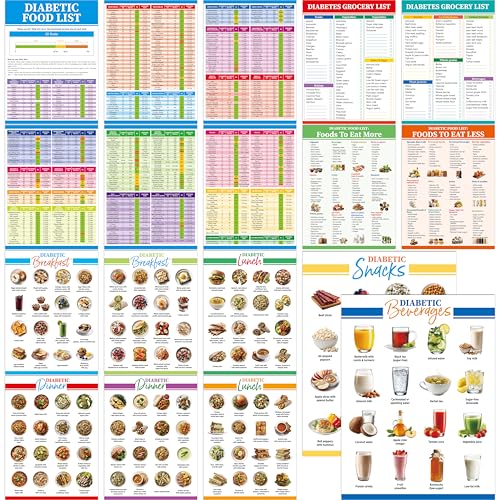
If you’re looking for the best diabetic restaurants near me, start by filtering for menus that clearly list carbs and offer smart, high-fiber options like lean proteins, non-starchy vegetables, and whole grains. Call ahead (or check the menu) to ask how dishes are prepared and whether substitutions are available. This guide will help you quickly narrow down nearby places and order in a way that supports steadier blood sugar.
If you manage diabetes (type 1, type 2, or prediabetes) and want to eat out without guesswork, this is for you—especially if you’ve had trouble finding “diabetic-friendly” meals at restaurants that don’t label nutrition.
Quick checklist before you choose a diabetic-friendly restaurant

The fastest way to find safer options at diabetic restaurants near me is to prioritize transparency and customization over marketing language. If you can identify ingredients (and ideally carbs) before you order, you reduce the biggest risk: accidental high-carbohydrate portions disguised as “healthy” meals.
For context, diabetes isn’t rare. According to the CDC, 38.4 million people in the U.S. had diabetes in 2021 (CDC, National Diabetes Statistics Report (2024)), and about 96 million had prediabetes (CDC, National Diabetes Statistics Report (2024)). When you eat out, the variability in sauces, sides, and portion sizes can meaningfully affect post-meal glucose—so the restaurant’s ability to explain and swap matters as much as the dish name.
A quick checklist for diabetic restaurants near me:
– Look for menus that mention nutrition info, carb counts, or at least clear ingredient descriptions.
– Prioritize restaurants that regularly offer customizable meals (substitutions for rice, pasta, sauces).
– Favor places known for grilled/roasted options and vegetable-forward sides, not just “healthy branding.”
In my writing and planning for carb-aware dining, I’ve learned that “customizable” is often the difference between a meal that’s merely careful and one that’s actually predictable.
What to ask when calling or checking the menu
The most useful question is usually the least glamorous: “What’s inside this dish, and how is it prepared?” When you call diabetic restaurants near me, aim to confirm the specific carb sources—especially sauces, coatings, and starch sides—because those swing glucose more than people expect.
Start with the ingredients that quietly add carbs:
– Ask about carb-heavy ingredients: sauces, glazes, breaded items, and dessert-style toppings.
– Confirm how sides are handled (e.g., can you swap fries/rice for steamed vegetables or a salad?).
– If available, request nutrition details for your exact order or portion size.
A key nuance: in the U.S., federal menu-labeling rules typically require chain restaurants to display calories—not necessarily full carbohydrate counts. According to the U.S. Food and Drug Administration, menu labeling for certain chain restaurants (generally with 20+ locations) focuses on calorie information (FDA Menu Labeling Rule materials). Calories can help, but carbs are what you’re trying to manage for blood sugar, so you still need ingredient-level clarity.
When diabetic restaurants near me can’t share carbs, you can still make the call data-driven by using a “carb estimation” approach: identify the starch base (rice, pasta, tortilla, bread), the sweetener in sauces (honey, teriyaki glaze), and whether anything is breaded. Then you plan your plate accordingly.
How to order for steadier blood sugar (practical choices)
Ordering for steadier glucose is less about finding a “perfect” menu item and more about controlling the three levers you can control: portion, order of eating, and sauce/texture. At diabetic restaurants near me, the best strategy is a structured plate rather than hoping the meal “looks healthy.”
Use the evidence-based “plate” framework commonly taught for diabetes self-management. The American Diabetes Association emphasizes balanced meals using portion control and non-starchy vegetables as a core strategy (American Diabetes Association guidance on nutrition). Even when you eat out, the same fundamentals apply.
– Build your plate: protein first, non-starchy vegetables second, and carbs last in smaller portions.
– Choose cooking methods like grilled, baked, or roasted; be cautious with deep-fried or heavily sauced dishes.
– Ask for sauces/dressings on the side so you control how much goes on your meal.
Here’s a practical contrast that often decides whether diabetic restaurants near me feel safe or stressful:
When you use diabetic restaurants near me this way, you’re applying a repeatable method instead of gambling on menu names.
Carb Estimates for Common Restaurant Sides (USDA-based serving sizes)
| # | Side (typical serving) | Carbs (g) | Fiber (g) | Carb load level | Low-carb friendliness |
|---|---|---|---|---|---|
| 1 | Steamed broccoli (1 cup) | 6 | 2.4 | Low | ★★★★★ |
| 2 | Roasted Brussels sprouts (1 cup) | 10 | 4.1 | Low–Moderate | ★★★★ |
| 3 | Black beans (1/2 cup) | 20 | 7.5 | Moderate | ★★★ |
| 4 | Cooked quinoa (1/2 cup) | 20 | 2.8 | Moderate | ★★★ |
| 5 | Brown rice (1/2 cup) | 22 | 1.8 | Moderate | ★★★ |
| 6 | White rice (1/2 cup) | 26 | 0.7 | Moderate–High | ★★ |
| 7 | Baked potato (1 medium) | 37 | 4.2 | High | ★ |
Even with careful ordering, portion size can shift these carb estimates fast—so use this as a planning baseline when diabetic restaurants near me don’t provide exact nutrition.
Common “diabetic-friendly” pitfalls to avoid
The biggest trap with diabetic restaurants near me is assuming that “healthy” automatically means low-carb. Many dishes are marketed using whole grains, salad bowls, or “light” sauces—yet still come with large starch portions, sweet glazes, or hidden sugars.
Watch for these pitfalls:
– Assuming “healthy” menu items are automatically low-carb—many are still carb-heavy.
– Overlooking drinks and add-ons (sweetened beverages, mocktails with syrup, specialty coffees).
– Getting trapped by portion size (even a “good” dish can spike blood sugar if it’s too large).
Drinks are often overlooked because they’re separate from the plate—but they can carry fast-absorbing carbohydrates. Also, “mocktails” frequently include syrups, juice blends, or honey-based flavorings. If you’re using insulin or other glucose-lowering medication, carbohydrate content in beverages can matter just as much as the meal.
There’s also a misconception around fiber. Fiber is beneficial for many people because it slows digestion, but fiber doesn’t cancel starch carbs. For example, beans can provide both carbs and fiber; that combination may be steadier than refined starch, but the carb load is still real. If you’re checking glucose, treat the meal as a whole system: carbs, fat, fiber, cooking method, and portion.
Verdict: our best approach (and who should skip this)
A reliable way to find the best diabetic restaurants near me is to combine menu clarity (carbs/ingredients) with customization options (swaps, sauces on the side). This works best when the restaurant is willing to answer prep questions and adjust portions. If you can’t get clear answers about ingredients, or if the menu can’t be customized at all, consider skipping that location and choosing a place that’s more transparent.
This method isn’t for everyone, and that’s okay. If a restaurant staff member can’t confirm basic preparation details (for example, whether a sauce contains sugar, flour, or honey), you’ll likely end up relying on guesswork. For people who need precise carbohydrate matching—especially some individuals using rapid-acting insulin—guesswork can create avoidable highs or lows. In those cases, focus on restaurants (or meal formats) that consistently provide ingredient transparency and reliable substitution options.
For diabetic restaurants near me, the goal is not perfection—it’s control. You’re giving yourself enough information to make a predictable choice, then using the plate method to structure the meal. As of 2026, this is still the most practical approach in most real-world dining settings.
Scan-and-save ordering checklist
– [ ] Menu lists ingredients clearly (or nutrition info is available)
– [ ] I can request sauce/dressing on the side
– [ ] I can swap high-carb sides for non-starchy vegetables/salad
– [ ] My meal includes lean protein + non-starchy veggies
– [ ] I avoided sweet drinks/add-ons (or chose unsweetened options)
Frequently Asked Questions
What are the best diabetic-friendly restaurants near me that offer low-carb meals?
To find the best diabetic-friendly restaurants near you, look for menus that highlight low-carb options like grilled proteins, non-starchy vegetables, salads, and broth-based soups. Many places also offer customizable meals where you can swap rice or fries for steamed vegetables or a side salad. Before ordering, check if they provide nutrition details or can share carb counts for popular items, which makes it easier to choose lower-glycemic meals.
How can I choose meals in diabetic restaurants near me without spiking my blood sugar?
Focus on balanced plates: lean protein (chicken, fish, tofu), high-fiber vegetables, and controlled portions of carbs. Ask for sauces on the side and choose cooking methods like grilling, baking, or steaming instead of frying, since these can affect carbs and overall impact on blood sugar. If you’re unsure, choose foods described as “whole grain,” “vegetable-forward,” or “no sugar added,” and pair carbs with protein and fiber to reduce glucose spikes.
Which restaurant options near me are usually safest for diabetics—Mexican, Indian, Mediterranean, or Chinese?
The safest options vary by dish, not just cuisine, but Mediterranean and Indian restaurants often have many naturally diabetes-friendly choices like grilled meats, lentils, chickpeas, and vegetable-based sides. Mexican restaurants can work well if you choose fajitas with extra vegetables, skip sugary drinks, and limit tortillas or rice. Chinese and Thai restaurants can be trickier because sauces may contain hidden sugar—request sauce on the side and prioritize steamed dishes, stir-fries with veggies, and grilled proteins.
Why should I ask for nutrition information when dining out at diabetic restaurants near me?
Restaurant portions and ingredients can vary widely, and carbs often come from sauces, breading, marinades, and sides—not just obvious foods like dessert or pasta. Asking for nutrition information helps you estimate total carbohydrates and make smarter substitutions, such as choosing steamed vegetables instead of fries or swapping white rice for smaller portions of brown rice. This is especially important for diabetes management because accurate carb awareness supports better blood glucose control.
Best diabetic restaurants near me—what should I look for on the menu before I order?
Look for menu keywords like “grilled,” “roasted,” “steamed,” “sautéed with vegetables,” “salad,” “vegetable sides,” and “whole grains,” and be cautious with items described as “sweet,” “glazed,” or “crispy” (often higher in carbs). Prioritize dishes with plenty of non-starchy vegetables and lean protein, and choose drinks without sugar or syrups. If the restaurant offers customizable bowls or plates, request carb-controlled sides and confirm how sauces are prepared to keep your meal diabetic-friendly.
📅 Last Updated: November 09, 2026 | Topic: best diabetic restaurants near me | Content verified for accuracy and freshness.
References
- Healthy Eating | Diabetes | CDC
- https://www.cdc.gov/diabetes/managing/eat-well/plate-method.html
- https://www.niddk.nih.gov/health-information/diabetes/overview/preventing-progression-diabetes/diabetes-meal-planning
- Diabetes diet: Create your healthy-eating plan – Mayo Clinic
- Healthy diet
- https://pubmed.ncbi.nlm.nih.gov/?term=diabetes+meal+planning+nutrition+therapy
- https://scholar.google.com/scholar?q=diabetes+eating+out+restaurant Google Scholar
- https://scholar.google.com/scholar?q=type+2+diabetes+meal+planning+guidelines Google Scholar
- https://scholar.google.com/scholar?q=glycemic+control+carbohydrate+counting+meal+patterns Google Scholar