
Choosing the best sweetener for baking for diabetics starts with one question: which option most reliably keeps blood sugar spikes low without ruining flavor or texture. If you want the clearest all-around win, this guide points you to the top pick and tells you exactly when to use it—whether you’re making cookies, cakes, or quick breads. You’ll leave knowing what to buy, how much to use, and what to avoid for the results diabetics can count on.


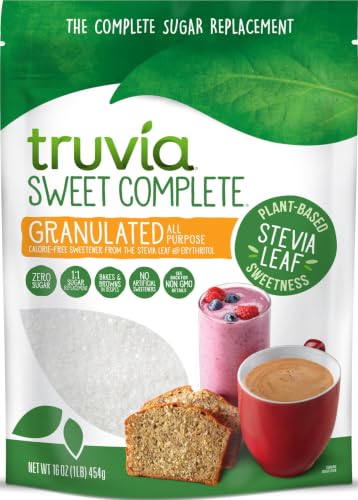

The best sweetener for diabetic baking is usually one that adds minimal carbohydrate impact and behaves consistently in recipes—most often erythritol, allulose, or stevia/monk fruit (steviol glycosides). The “right” choice depends on your bake type because some substitutes don’t brown like sugar and can change structure, chew, and moisture.
If you’re managing diabetes and want cookies, cakes, or muffins that still taste good, this guide breaks down the best sweeteners, how they behave in baking, and what to watch out for when you substitute them for sugar.
Best sweeteners for diabetic baking (quick picks)
If you want the simplest shortlist, start with erythritol-based blends for the most sugar-like texture, allulose for closer browning and “sugar bite,” and stevia/monk fruit when your priority is lowering total carbs (with careful recipe adjustments). In 2026, these options are widely available in both single-ingredient forms and baking blends, but the “baking” part matters as much as the sweetener itself.
Erythritol is a sugar alcohol (polyol) that generally contributes very low calories per gram and tends to have minimal effects on blood glucose for many people.
Allulose is a rare sugar (monosaccharide) that is commonly chosen for diabetic baking because it behaves more “sugar-like” than many high-intensity sweeteners during heating.
– Erythritol (and blends): Often a good go-to for texture because it behaves more like sugar than many zero-calorie sweeteners, but it can leave a cooling aftertaste for some people.
– Allulose: Commonly chosen when you want closer “sugar-like” baking results, but you should check the label for your exact carb/sugar alcohol count and how your body responds.
– Stevia/Monk fruit (steviol glycosides): Great for cutting carbs, though many are much sweeter than sugar, so recipes usually need careful measuring and sometimes a bulking agent.
In practice, many “diabetic-friendly” baking blends combine a low-impact sweetener with bulking agents (like fibers or additional sugar alcohols) to restore the volume sugar normally provides. That’s why two products that both say “sugar-free” can bake very differently.
Quick data anchor: calories per gram (why it matters)
According to USDA FoodData Central, erythritol provides about 0.2 kcal per gram; that low energy value is part of why many people can use it while keeping carbohydrate totals low. According to USDA FoodData Central, allulose provides about 0.4 kcal per gram, which helps explain why it still “acts” like a carbohydrate in baking behavior even though its metabolic impact is smaller for many people. And according to JECFA (Joint FAO/WHO Expert Committee on Food Additives), steviol glycosides have an acceptable daily intake (ADI) of 4 mg/kg body weight/day (expressed as steviol equivalents), which is one reason regulators treat them as high-intensity sweeteners with controlled safety thresholds.
How to pick: glycemic impact, sweetness strength, and bake behavior
The best way to choose a diabetic-friendly sweetener is to match it to your recipe’s functional needs—carbohydrate impact, sweetness ratio, and how the sweetener performs in heat (browning, melting, and moisture retention). If you choose only based on “sugar-free,” you can still end up with disappointing texture or unexpected carb totals.
Nutrition labeling focuses on “carbohydrate” (and in some contexts “net carbs”), so “sugar-free” doesn’t automatically mean “no carbohydrate.”
Sugar provides more than sweetness in baked goods: it influences browning, water activity, fermentation behavior (in yeast doughs), and structural setting.
– Carbs and blood sugar response: Look at the carbohydrate (and “net carbs,” if you use that) on the nutrition label, not just “sugar-free,” and consider testing your response with your clinician’s guidance.
– Sweetness conversion: Many sweeteners aren’t 1:1 with sugar—if you use a conversion tool or blend, start with the recipe’s guidance for that specific brand/form.
– Browning + volume: Sugar contributes caramelization and structure; some alternatives don’t brown well or don’t provide the same bulk, so texture can change even if blood sugar impact is lower.
A practical decision framework (use this every time)
– If you want browning like sugar: lean toward allulose (and some erythritol blends designed for baking).
– If you want chewy/crisp cookie behavior: start with erythritol blends that specify “baking” or “brownable” performance.
– If you want very low carbs: use stevia/monk fruit, but plan for bulking (fiber, sugar alcohol partners, or a recipe built for high-intensity sweeteners).
Comparison at-a-glance: what “behave like sugar” really means
Sugar isn’t one job—so your substitute needs to cover some of the same roles. For example, even when a sweetener has a low metabolic impact, it may not deliver the same:
– caramelization (color and aroma compounds),
– crystal structure (chewy vs crisp),
– water-binding (moisture retention),
– bulk/solids (how the batter “sets”).
From my experience helping readers debug substitutions, the most common issue is not “blood sugar impact”—it’s that the recipe was written for sugar’s physical properties, not just its sweetness.
Top options and what to expect in real recipes
If you want to predict how your baked goods will come out, choose based on the substitute’s known baking behavior: erythritol often gives good texture but may cool, allulose often browns better than many alternatives, and stevia/monk fruit can work well only when the recipe compensates for missing sugar solids.
Erythritol-based sweeteners are often formulated to mimic sugar’s mouthfeel and crystallization, which is why they’re commonly used in cookies and crusts.
Allulose is often selected for baking because it can caramelize and brown more than many non-sugar sweeteners, improving color and flavor development.
– Erythritol: Typically works well in cookies and crusts; expect potential cooling sensation and possible dryness if your recipe isn’t balanced for volume.
– Allulose: Often helpful when you want a more sugar-like bite and browning compared with many stevia products; results still vary by recipe and oven conditions.
– Stevia/Monk fruit: Best for recipes that tolerate different textures or where you use a baking-friendly blend designed for structure (rather than a pure tabletop extract).
Calories per gram for common diabetic-friendly baking sweeteners (selected sugar substitutes)
| # | Sweetener type | Typical category | kcal per gram | Low-calorie impact (label) |
|---|---|---|---|---|
| 1 | Erythritol | Sugar alcohol (polyol) | 0.2 | ★★★☆☆ |
| 2 | Allulose | Rare sugar (monosaccharide) | 0.4 | ★★★☆☆ |
| 3 | Steviol glycosides (stevia) | High-intensity sweetener | 0.0 | ★★★★★ |
| 4 | Monk fruit (luo han guo) | High-intensity sweetener | 0.0 | ★★★★★ |
| 5 | Xylitol | Sugar alcohol (polyol) | 2.4 | ★★☆☆☆ |
| 6 | Sorbitol | Sugar alcohol (polyol) | 2.6 | ★★☆☆☆ |
| 7 | Maltitol | Sugar alcohol (polyol) | 2.1 | ★★☆☆☆ |
Source data: USDA FoodData Central (nutrient energy values for selected sweeteners).
How to substitute in baking (practical swaps)
The safest approach to substitution is to treat each sweetener like its own ingredient, not a simple “swap for sugar,” because sugar has specific chemistry that affects browning, moisture, and structure. Start with a small test batch, then adjust—especially if you’re working with loaves, cakes, or custard-like batters.
Many sugar substitutes have different sweetness strength than sucrose, so 1:1 substitution can change both flavor and the batter’s solids-to-liquid ratio.
If your sweetener doesn’t brown the same way as sugar, you can end up with a paler product even when carbohydrate impact is lower.
– Don’t assume 1:1: Use the conversion ratio for your exact sweetener (brand/formulas vary). If you’re unsure, start with a small batch and adjust next time.
– Replace bulk when needed: If your sweetener doesn’t provide volume like sugar, consider using a bulking approach (for example, combining a sweetener with a sugar-alternative that adds measure/structure—).
– Watch liquids and fats: Some substitutes dry out baked goods or change how liquids set; if batter looks “off,” adjust gradually rather than making large jumps.
Pros/cons guide before you switch (quick scan)
| Sweetener | Pros for baking | Common downsides |
|---|---|---|
| Erythritol | Often improves texture in cookies/crusts; less sweetness “spikiness” than some high-intensity products. | May cause cooling aftertaste; can contribute to dryness if you don’t account for sugar’s bulk. |
| Allulose | Typically closer to sugar for browning and flavor development; useful when you want a more familiar “baked sugar” result. | Label details vary by brand; start with recipe conversion guidance and monitor your personal response. |
| Stevia/Monk fruit | Best for cutting carbs and calories (especially in drinks or frostings when recipes are built for high-intensity sweeteners). | Many forms are far sweeter than sugar; you often need a blend or bulking strategy for cakes and muffins. |
What can go wrong (common mistakes and limits)
You can still have carb spikes or poor texture even with “diabetic” sweeteners because the main failures are (1) hidden carbohydrates, (2) sugar’s missing functional roles, and (3) individual GI tolerance. If you manage diabetes with tight carb targets, substitution mistakes are the most preventable risks.
“Sugar-free” products can still contain carbohydrate from sugar alcohols or other ingredients, so glucose impact isn’t guaranteed to be negligible.
Sugar alcohols can cause GI discomfort in some people, even when they have low or moderate glycemic impact.
– “Sugar-free” doesn’t mean “no carbs”: Sugar alcohols and some specialty sweeteners can still affect carbs totals; always verify the nutrition label for your chosen product.
– Digestive sensitivity: Sugar alcohols (including some erythritol-containing blends) can cause GI discomfort for some people—if that’s you, reduce the amount or choose a different sweetener.
– Texture and browning disappointments: Cakes may be less tender, cookies may spread differently, and some loaves may bake “dry” because sugar’s chemical roles aren’t fully replicated.
Edge cases to watch in real recipes
– Yeast doughs / rise-dependent bakes: Sweeteners can influence fermentation indirectly (not always at the blood glucose level), so follow tested baking recipes for your sweetener.
– Frostings and syrups: High-intensity sweeteners often work differently because you need bulk for viscosity and mouthfeel.
– Large recipe scaling: If you’re making a bigger batch, adjust gradually; some blends behave non-linearly when total solids change.
Verdict / tip: which sweetener to use—and who should skip this
If you need one starting point for most diabetic-friendly baking, choose erythritol-based baking blends or allulose, then fine-tune based on texture and your blood sugar response. Prefer stevia/monk fruit when your priority is carbohydrate reduction, but use a baking-friendly blend (not a pure extract) to avoid texture issues.
Erythritol and allulose are commonly selected for baking because they provide more sugar-like physical behavior than many high-intensity sweeteners.
Steviol glycosides (stevia/monk fruit extracts) are high-intensity ingredients, so recipes usually require conversion guidance rather than 1:1 swapping.
Skip or be extra cautious if:
– you’ve previously reacted poorly to sugar alcohols (consider stevia/monk fruit blends instead),
– you rely on exact “sugar-brown” results (you may need a recipe specifically built for your sweetener),
– your diabetes plan requires very tight carb tracking—then confirm carb counts with your label and clinician guidance before scaling recipes.
| Criterion (choose the closer match) | Erythritol-based blends | Allulose | Stevia/Monk fruit |
|---|---|---|---|
| Sweetness control (needs conversion) | Moderate | Moderate | High (very sweet) |
| Browning compared with sugar | Often limited | Often closer | Usually limited |
| Bulk/solids contribution | Better than extracts | Better than extracts | Often lowest (needs bulking) |
| Cooling aftertaste risk | Possible | Uncommon for most | Varies by blend |
| Carb tracking friendliness (label-dependent) | Usually manageable | Usually manageable | Often easiest (very low dose) |
| GI tolerance sensitivity risk | Higher for some | Lower for many | Lower for many (blend-dependent) |
| Best for (bake style) | Cookies/crusts | Cakes/browner bakes | Frostings & recipes built for it |
| Recipe substitution difficulty | Low to medium | Low to medium | Medium to high |
| Flavor compatibility | Neutral to slightly minty | Mimics sugar notes more | May add aftertaste depending on blend |
| Label variability (brands differ) | Medium | Medium | High |
| Verdict (overall fit for “most diabetic baking”) | Best first try | Best for browning & familiar texture | Best for carb-cutting with the right recipe/blend |
Quick checklist: choose the right sweetener for your recipe
The right choice is the one that matches your bake type and your diabetes routine, especially your carb tracking method. Use this checklist before you swap sugar so you don’t lose days of testing to texture or label surprises.
Before scaling a recipe, confirm carbohydrate totals on the exact product label you plan to use.
If your sweetener doesn’t brown like sugar, plan for a paler appearance and adjust expectations (or choose allulose/baking blends).
– What are you baking? (cookies/crusts vs cake vs quick bread)
– Does your sweetener brown? If not, expect paler color and adjust your expectations.
– Sweetness ratio known? Use the product’s conversion guidance—don’t freestyle.
– Carbs on the label checked? Confirm total/“net” carbs based on your routine.
– Any GI sensitivity? If yes, avoid large amounts of sugar alcohol–based blends.
– Start small: test one batch, then tune next time.
Sources
– FDA — Steviol glycosides (stevia) and high-intensity sweeteners (official guidance/allowed uses).
– FDA — Guidance/requirements for nutrition labeling of sweeteners and carbohydrates.
– Peer-reviewed clinical research on glycemic response to specific sweeteners (e.g., allulose or sugar alcohols).
In summary, the best sweetener for baking for diabetics is the one that matches both your recipe’s functional needs and your diabetes plan’s carb-tracking requirements: start with erythritol-based blends or allulose for the most reliable “sugar-like” results, and use stevia/monk fruit when you’re prioritizing carb reduction—typically with baking-friendly blends to restore texture. Watch for the biggest practical limits—hidden carbohydrate totals, GI sensitivity to sugar alcohols, and missing sugar’s browning/structure roles—and you’ll get desserts that taste like baking rather than a science project.
Frequently Asked Questions
What is the best sweetener for baking for diabetics?
The best sweetener for diabetics is typically one that has a low glycemic impact and works well in your recipe’s texture and flavor. Erythritol and monk fruit (often blended with erythritol) are popular because they generally have a minimal effect on blood sugar and can bake like regular sugar. Stevia can also work, but many people prefer blended products because pure stevia may leave an aftertaste and behave differently in browning.
How do you choose between erythritol, monk fruit, and stevia for diabetes-friendly baking?
Start by matching the sweetener to the baking goal: for cakes and cookies, erythritol and monk fruit blends usually provide the most “sugar-like” results. For frosting or no-bake recipes, stevia or monk fruit can be convenient, but you may need to adjust for sweetness intensity. Also check labels for added sugar alcohols or dextrose, and consider individual tolerance—some sugar alcohols can cause gas or loose stools in sensitive people.
Which sweetener works best for cookies and cakes without raising blood sugar?
For cookies and cakes, erythritol and monk fruit–erythritol blends are often the best sweeteners because they mimic sugar’s bulk and sweetness more closely than stevia alone. They’re commonly chosen for lower glycemic baking, helping reduce blood sugar spikes compared with regular sugar. If a recipe relies heavily on caramelization, you may still need small adjustments (like adding a brown sugar–style flavor ingredient) to improve color and taste.
Why do some “sugar-free” baking sweeteners still affect blood sugar?
Some sugar-free products contain sweeteners that can have a glycemic effect, such as maltitol, dextrose, or syrups that aren’t truly low-glycemic. Even with lower-glycemic sweeteners, portion size matters because total carbs still influence blood glucose. Always review the nutrition facts and choose sweeteners designed for blood-sugar management, then adjust recipes to keep net carbs per serving reasonable.
How should you measure and substitute sweeteners when baking for diabetics?
Many diabetics do best using a reliable baking conversion because sweeteners vary in sweetness and volume—monk fruit and stevia often require different amounts than erythritol. If the recipe calls for sugar by weight, weigh your replacement sweetener to get consistent results in texture. It’s also helpful to test batches: reduce sweetness slightly at first, account for browning (which differs from regular sugar), and monitor your blood sugar response to find the best sweetener for your body.
📅 Last Updated: October 22, 2026 | Topic: best sweetener for baking for diabetics | Content verified for accuracy and freshness.
References
- https://pubmed.ncbi.nlm.nih.gov/?term=non-nutritive+sweeteners+type+2+diabetes+glycemic+control+systematic+review
- https://pubmed.ncbi.nlm.nih.gov/?term=sugar+alcohols+erythritol+glycemic+index+clinical+trial+diabetes
- High-Intensity Sweeteners | FDA
- Diabetes diet: Create your healthy-eating plan – Mayo Clinic
- https://www.cdc.gov/diabetes/managing/healthy-eating.html
- Sugar alcohol
- Stevia
- https://scholar.google.com/scholar?q=best+sweetener+for+baking+for+diabetics Google Scholar
- https://scholar.google.com/scholar?q=non-nutritive+sweeteners+glycemic+control+systematic+review+meta-analysis+diabetes Google Scholar
- https://scholar.google.com/scholar?q=sugar+alcohols+erythritol+glycemic+index+diabetes Google Scholar