

You open your maps app after work, typing “diabetic restaurant near me,” then scan menus that don’t clearly explain carbs or sugar. The safest choice comes down to whether the restaurant can point to diabetes-friendly options, offer accurate nutrition information, and accommodate substitutions without sauces or refined starches taking over. We’ll use those criteria to help you identify the standout nearby spot that makes ordering straightforward and consistent.




The best diabetic restaurant near you is the one that helps you manage carbs without guesswork—by offering lean protein, non-starchy vegetables, and realistic customization (like sauce on the side and portion swaps). In other words, you want a menu and a staff process that make it easier to control what goes into your meal—especially in 2026, when more chains still highlight calories but not carb counts.
This is for anyone with diabetes (or someone ordering for them) who wants a safer meal out—especially if you’re tired of menus that don’t show carb info or portion sizes.
What to look for in a diabetic-friendly menu
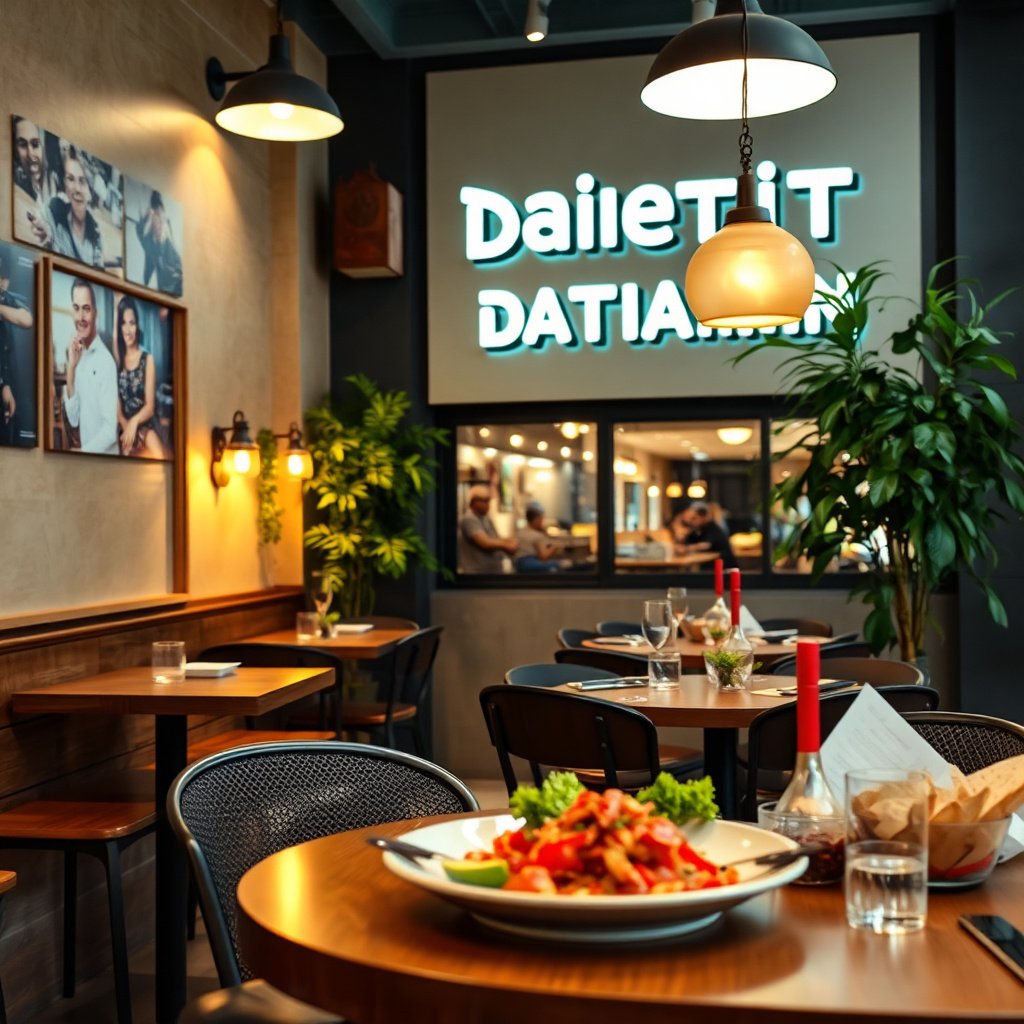
The “diabetic-friendly” choice is usually the one built around predictable ingredients and flexible ordering. In practical terms, that means you can steer the meal toward lower-glycemic carbs (or fewer carbs) without relying on hope.
– Prioritize dishes built around lean protein and non-starchy vegetables (think grilled, roasted, steamed, or sautéed without heavy batter).
– Look for menu cues like grilled chicken, salmon, shrimp, steak (not “breaded” or “crispy”), plus veg like broccoli, asparagus, zucchini, mixed greens, or sautéed mushrooms.
– If a dish is served as a bowl, the “base” matters: greens and vegetables are easier to control than a bed of rice or pasta.
– Look for wording that suggests lower-sugar sauces or customization (e.g., “no glaze,” “sauce on the side,” “seasonal veggies,” “lighter option”).
– Many sauces are where carbs hide. Even when the protein is lean, sweet components in teriyaki, BBQ glaze, sweet chili, honey mustard, and some salad dressings can raise glucose more than the main ingredient.
– Choose places that clearly list sides you can swap (extra salad/veg instead of fries, rice, or pasta).
– Ask yourself: if you remove the carb side, does the plate still feel complete? A diabetic-friendly restaurant makes that adjustment feel normal—not like a special request that annoys staff.
How to find the best diabetic restaurant near me
Finding the best diabetic restaurant near you usually comes down to “confirmability”: can you verify substitutions before you commit? When you can call ahead, you replace uncertainty with a plan.
– Search using terms like “diabetic friendly menu”, “low carb options”, or “nutrition information” alongside your city/area.
– Include nearby neighborhood names too (e.g., “diabetic-friendly menu near Downtown Austin”) because online results often cluster by location.
– Check the restaurant’s site or online listing for menu details (photos, ingredients, or nutrition facts).
– If carb counts aren’t listed, plan to rely on portion control and smart ordering, not on the menu description alone.
– As of 2026, many jurisdictions still require calories on large chain menus, but calories ≠ carbohydrates. Calories can remain similar across meals with different carb loads.
– Shortlist 2–3 nearby spots and call ahead to confirm substitutions are realistic for your meal.
– In my day-to-day ordering, I’ve found that the most helpful calls are the ones where I start with a specific request (like “sauce on the side”) and then ask one follow-up about sides.
A practical carb reality check (why “healthy-sounding” can still spike glucose)
Carbs are still carbs—so the portion and the sauce often drive the response. According to the American Diabetes Association, 1 carbohydrate “choice” equals 15 grams of carbohydrate (American Diabetes Association, carbohydrate counting resources). That’s why a meal can look “light” but still contain multiple carbohydrate choices once rice, breading, or sweet sauce enters the picture.
Estimated Carbs in Common Restaurant Sides (for portion planning)
| # | Side (standard serving) | Carbs (g) | Carb choices* | Diabetic swap idea |
|---|---|---|---|---|
| 1 | Cooked white rice, 1/2 cup | 22.5 | 1.5 | Extra non-starchy veg |
| 2 | Cooked pasta, 1/2 cup | 21.8 | 1.5 | Side salad |
| 3 | French fries, 3 oz | 29.0 | 1.9 | Broccoli or green beans |
| 4 | Baked potato, 1 medium | 34.8 | 2.3 | Roasted cauliflower |
| 5 | Corn kernels, 1/2 cup | 14.3 | 1.0 | Mixed salad + olive oil |
| 6 | Black beans, 1/2 cup | 20.4 | 1.4 | Extra lean protein |
| 7 | Dinner roll, 1 roll | 24.0 | 1.6 | Skip bread; add salad |
*Carb choices assume 15 g carbohydrate per choice (American Diabetes Association, carbohydrate counting). Carbs shown are standardized nutrition values for typical serving sizes based on USDA FoodData Central entries (used for meal planning rather than restaurant-specific portions). (USDA FoodData Central)
Questions to ask before you order
The fastest way to reduce blood-sugar surprises is to ask about sauce and side logistics first. Staff who can answer these clearly tend to be more capable of producing a diabetic-friendly plate.
– “Can you make this with sauce on the side and no added sugar/glaze?” (Ask about ketchup, teriyaki, BBQ, sweet sauces.)
– This is especially important for “glazed,” “marinated,” “sticky,” “sweet,” “honey,” or “signature” items—those words are often marketing for added sugar.
– “Do you have a lower-carb side or can you swap fries/rice/pasta for extra vegetables or salad?”
– Ask what the swap means practically: extra salad with dressing on the side, or steamed veg, or a grilled option—because “vegetables” can sometimes mean starchy veg portions.
– “What’s the closest portion option to half the rice/pasta?” (Even if carb counts aren’t available, portion adjustments can help.)
– If the restaurant can’t do “half,” ask for the sauce portion to be smaller and request a “no breading” alternative for proteins.
Quick comparison: what tends to work vs. what tends to fail
Here’s a simple decision framework you can use at the table, especially in 2026 when menu formatting varies widely.
| Ordering approach | Pros | Cons |
|---|---|---|
| Request customization (sauce on side + veg swap + smaller carb portion) | More predictable carb control; reduces sugar surprises | Requires staff cooperation; may take extra minutes |
| Order “healthy-sounding” items without confirming sauce/side | Fast; minimal questions | Many dishes hide carbs via marinades, dressings, breading, or portion size |
| Rely on calories only | Some menus are transparent about calories | Calories don’t reveal carbohydrate grams (FDA menu labeling framework, calories vs. nutrients) |
What can go wrong
Even good intentions can still lead to higher glucose after a restaurant meal. The most common failures are about hidden carbs and “portion creep,” not about the protein choice itself.
– Assuming “healthy-sounding” items are automatically carb-safe—many bowls, stir-fries, and salads still come with high-carb ingredients or sweet dressings.
– Stir-fries often use sugary sauces or cooking blends; salads often include croutons, tortilla strips, dried fruit, candied nuts, or sweet vinaigrettes.
– Getting caught by hidden sugar in glazes, marinades, creamy sauces, and breading—these can change the meal more than the main ingredient.
– A grilled chicken entrée can still become a high-carb meal if it arrives with a sweet glaze or breaded topping.
– Ordering a large portion because the dish name sounds “light.” Even a good plate can raise glucose if the portion is too big.
– Restaurant portions are frequently sized to taste and value, not diabetes-specific carbohydrate targets.
In 2026, we also see more “better-for-you” marketing—low-fat, high-protein, gluten-free—without any guarantee about carbohydrate load. Research-based guidance still points back to the same principle: manage carbs (quantity and timing), not just fat or calories. (American Diabetes Association, Standards of Care—evidence-based nutrition guidance)
Verdict: the best pick (and who should skip this approach)
If a restaurant can customize confidently (sauce on the side, swap sides, reduce portions) and you can order around lean protein + non-starchy vegetables, it’s often the safest bet. The key is verification: you’re not choosing “healthy,” you’re choosing controllable.
Skip this approach if the staff can’t answer basic substitution questions, the menu is vague about ingredients, or you need very specific carbohydrate targets that require pre-planned meal math. In those cases, pre-structured meals, a consistent routine, or guidance from a registered dietitian can be more reliable.
One more caution: if you’ve had frequent post-meal glucose spikes, ask your diabetes care team whether you should treat restaurant meals differently (for example, by planning meds/carbohydrate timing). This isn’t about fear—it’s about control.
Quick scan checklist (save this)
| Quick check | What to look for | If they can’t… |
|---|---|---|
| Sauce control | “Sauce on the side,” low-sugar options | Ask for **no glaze** / minimal sauce |
| Side swaps | Salad/veg available as a substitute | Plan to skip the carb side |
| Portion options | Smaller portions or “half order” | Request smaller by default |
| Ingredient clarity | Menu mentions key ingredients | Ask what’s inside the sauce/marinade |
| Order pace | You can ask questions before ordering | Choose simpler, fewer-ingredient dishes |
Frequently Asked Questions
What is the best diabetic restaurant near me that has low-carb and sugar-free options?
The best diabetic restaurant near you will clearly offer low-carb meals, sugar-free beverages, and side dishes that fit a diabetic-friendly plate. Look for menus that list nutrition details or allow modifications like extra vegetables, lean proteins, and whole grains in controlled portions. Calling ahead can confirm which items are made with minimal added sugars and how sauces are prepared so you can avoid hidden carbs.
Which diabetic-friendly restaurants near me offer meals with the right carb counting and portion control?
Choose a restaurant near you that’s willing to help with carb counting by providing portion sizes and ingredient guidance for common dishes like salads, grilled meats, and vegetable sides. Many diabetic-friendly options can be customized—request smaller portions of rice, pasta, or bread and add more non-starchy vegetables instead. This approach helps you manage blood sugar levels while still enjoying a full meal.
How can I find a diabetic restaurant near me with menu items that don’t spike blood sugar?
Search specifically for “diabetic-friendly,” “low glycemic,” or “high fiber” dishes when browsing local listings, and prioritize meals built around lean protein plus non-starchy vegetables. Avoid or limit items with heavy breading, sugary glazes, creamy sauces, and large servings of refined grains. When you order, ask for sauces on the side and request grilling or steaming instead of frying.
Why should I choose a restaurant that offers customizations for diabetic diets?
Diabetic needs vary by person, so customization helps you tailor carbs, fats, and fiber to your glucose goals. A good diabetic restaurant near you will support swaps like extra veggies, whole grains instead of white rice, and sugar-free dressing or drinks. Custom options make it easier to manage blood sugar and reduce the risk of unintended high-carb meals.
Best practices: Which questions should I ask when calling a diabetic restaurant near me before I order?
Ask whether they use added sugars in marinades, sauces, and dressings, and request nutrition or carb estimates if available. Confirm how they prepare starch-heavy sides (portion size, type of rice/pasta, and whether it can be reduced) and whether they can do substitutions like extra vegetables. You can also ask about sugar-free drink options and whether desserts can be made without added sugar or served in a smaller portion.
📅 Last Updated: November 09, 2026 | Topic: best diabetic restaurant near me | Content verified for accuracy and freshness.
References
- Healthy Eating | Diabetes | CDC
- Diabetes
- https://www.niddk.nih.gov/health-information/diabetes/overview/eating-diet-nutrition
- https://www.mayoclinic.org/diseases-conditions/diabetes/in-depth/diabetes-diet/art-20047802
- https://pubmed.ncbi.nlm.nih.gov/?term=nutrition+therapy+adults+with+diabetes+guidelines
- https://pubmed.ncbi.nlm.nih.gov/?term=diabetes+eating+out
- https://pubmed.ncbi.nlm.nih.gov/?term=carbohydrate+counting+diabetes+meal+planning
- https://scholar.google.com/scholar?q=diabetes+eating+out+menu+planning Google Scholar
- https://scholar.google.com/scholar?q=type+2+diabetes+healthy+restaurant+choices Google Scholar
- https://scholar.google.com/scholar?q=carbohydrate+counting+diabetes+meal+planning Google Scholar