

The best multivitamin for people with diabetes is a diabetes-focused formula that prioritizes safe, targeted nutrient doses for adults who want consistent daily coverage. We judge options by nutrient forms and dosages, especially around B vitamins, vitamin D, magnesium, and antioxidants, while checking for low or zero added sugar, avoidance of excessive vitamin A or iron, and third-party testing. A standout pick is the one that’s standardized, transparent on ingredients, and easy to match to your medication schedule.




If you have diabetes, the “best” multivitamin is the one that supports nutrient gaps without adding doses that can spike glucose or overdo key vitamins/minerals. Look for a formula designed for people with diabetes (often lower in sugar/added carbs) and with clinically relevant amounts of nutrients like vitamin D, B12, magnesium, and zinc—then confirm it fits your meds and kidney status. This guide is for adults with diabetes who want a practical checklist for comparing multivitamins, especially if you’re taking metformin, insulin, or other diabetes medications. We’ll also cover what can go wrong so you don’t accidentally pick a supplement that’s a poor match for your health needs.
What to look for in the best diabetic multivitamin
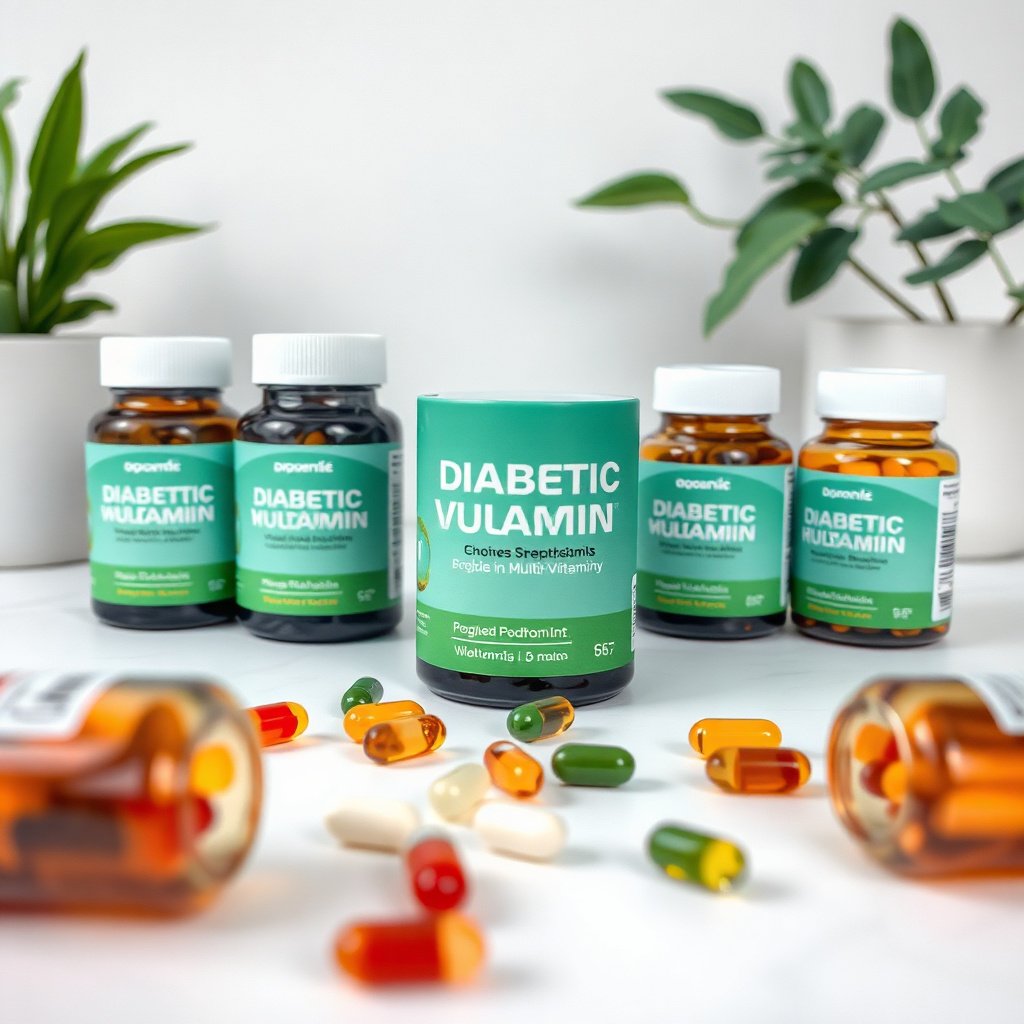
The best diabetic multivitamin is the one that’s transparent about dosing and built around nutrient needs that commonly show up in diabetes care. Here’s how to narrow your search quickly—especially if you shop based on claims like “diabetes support” instead of reading the label like it matters (because it does).
Start with formula intent: a diabetes-focused multivitamin should clearly state low sugar/low carb goals, use a practical serving size, and avoid large, unexpected add-ons. Next, verify that the nutrient levels are meaningful (enough to correct common gaps) without being extreme compared with established reference intakes. Finally, prioritize quality signals on manufacturing and testing, because supplements aren’t all produced and verified the same way.
– Prioritize diabetes-focused formulas or clearly labeled “low sugar/low carb” ingredient profiles
Many multivitamins technically have “no sugar added,” but still use ingredients that can affect blood sugar indirectly (for example, starch-based fillers or higher-carb “coatings”). Even if the amounts are small, a diabetes-friendly product should clearly communicate low added carbs.
– Check for meaningful, not excessive, levels of nutrients commonly relevant in diabetes (e.g., vitamin D, B12, magnesium, zinc)
In real-world label review, what separates a “diabetic multivitamin” from a generic multivitamin is often the selection and dosing of these nutrients—especially when there’s evidence-based reason they’re higher priority for people with diabetes.
– Verify third-party testing (look for GMP and testing statements on the label) rather than relying on marketing claims
“Manufactured in a GMP facility” is a start, but it’s not the same as independent batch testing. As of 2026, quality-conscious labels commonly reference cGMP compliance and may also mention third-party screening for contaminants or verification for identity/potency.
Nutrients that matter most for people with diabetes
The best diabetic multivitamin for diabetes management is the one that targets specific nutrient risks that can overlap with common diabetes treatments and metabolic patterns. The key is to match the supplement’s nutrients to your actual needs—ideally with labs—rather than stacking “everything” and hoping it balances out.
If you’re taking metformin, vitamin B12 is usually the first nutrient to think about because long-term metformin use is a known risk factor for B12 deficiency. According to the National Institutes of Health (NIH) Office of Dietary Supplements, the Recommended Dietary Allowance (RDA) for vitamin B12 is 2.4 micrograms per day for adults (1998). That’s the baseline you can use to judge whether a multivitamin’s B12 amount is plausibly adequate for maintenance, or whether you may need lab-guided supplementation.
– Vitamin B12: especially important if you’re on metformin (deficiency risk is well recognized)
When a label lists B12 in micrograms (mcg), you can compare it directly to reference intakes. Also check whether the form is commonly used in supplements (such as cyanocobalamin or methylcobalamin). The “best diabetic multivitamin” doesn’t need to be exotic—it needs to be appropriately dosed and easy to track.
– Magnesium and zinc: often included in diabetes-support blends, but dose and form matter
Magnesium is involved in many enzymatic processes related to energy metabolism, and it’s commonly included in diabetes-focused formulations. Zinc is often included for immune and metabolic support. The forms and dosing matter because some types are better tolerated and more consistently absorbed than others, and because too much of certain minerals can be counterproductive for people with reduced kidney function.
– Vitamin D: frequently addressed when labs show insufficiency/low levels
Vitamin D insufficiency is common across the general population, and diabetes doesn’t immunize you from it. Vitamin D dosing should align with your vitamin D blood test (typically 25(OH)D), because more isn’t always better—especially if you already take a separate vitamin D supplement.
Avoid ingredients and dose ranges that can be a problem
The best diabetic multivitamin is also the one you can take safely with your current regimen and lab profile. That means avoiding hidden or excessive dosing—particularly when a “diabetes” label still includes nutrients that can accumulate or overlap with what you already take.
Be especially cautious with products that use proprietary blends. Proprietary blends may hide exact amounts, which makes it impossible to evaluate whether you’re getting a reasonable dose of vitamin D, magnesium, zinc, or B vitamins—or if you’re unknowingly exceeding what you need. Also watch fat-soluble vitamins (A, D, E, and K), since they can build up in the body over time. If you have kidney disease, the priority shifts toward mineral safety.
– Watch for added sugars, high glycemic fillers, or “proprietary blends” that hide exact amounts
Look for sugar alcohols and maltodextrin-like ingredients when you’re trying to keep carbs stable. If the Supplement Facts panel is unclear or uses vague blend language, that’s usually a sign the label isn’t set up for transparency.
– Be cautious with high-dose fat-soluble vitamins (A, D, E, K) that can accumulate—use label amounts, not “more is better” logic
This is especially relevant in 2026 because many people “upgrade” their routine by stacking: a multivitamin plus vitamin D drops plus separate omega-3 vitamins and—sometimes—additional A or E from other products.
– If you have kidney disease or reduced kidney function, you may need to avoid or limit specific minerals—confirm with your clinician
Kidney function can change how minerals and electrolytes are handled. If you’re unsure about your labs (like creatinine/eGFR), it’s safer to get clinician guidance before choosing a product that includes higher magnesium, zinc, or vitamin A.
Adult “Safety Margin” Example for Common Multivitamin Nutrients (UL ÷ RDA)
| # | Nutrient (adult men reference) | RDA | UL | Safety margin (UL/RDA) |
|---|---|---|---|---|
| 1 | Vitamin D | 600 IU | 4,000 IU | 6.67 |
| 2 | Zinc | 11 mg | 40 mg | 3.64 |
| 3 | Magnesium (supplemental UL) | 420 mg | 350 mg | 0.83 |
| 4 | Vitamin B6 | 1.7 mg | 100 mg | 58.82 |
| 5 | Folate (DFE) | 400 mcg | 1,000 mcg | 2.50 |
| 6 | Vitamin C | 90 mg | 2,000 mg | 22.22 |
| 7 | Vitamin A (as RAE) | 900 mcg | 3,000 mcg | 3.33 |
How to check compatibility with your meds and labs
The best diabetic multivitamin is the one that fits your medication schedule and doesn’t create nutrient overload based on your labs. This section gives you a med-and-lab compatibility approach you can use in under 10 minutes per product.
For metformin users, B12 is the first compatibility check because it’s one of the most practical “label-to-lab” nutrients. For insulin or other diabetes medications, a multivitamin still won’t treat diabetes directly, but it can affect your overall routine through added carbohydrates, appetite changes (rare, but possible with some formulations), or by displacing other nutrient sources in your diet.
Also remember target-management context. According to the American Diabetes Association (ADA) Standards of Care, an A1C target of less than 7% is common for many nonpregnant adults (2024). A multivitamin won’t replace that strategy—but it can support the “behind the scenes” nutrient status that affects energy, bone health, and immune function.
– If you take metformin, pay close attention to B12 content and whether the label specifies an amount you can compare to typical targets
If a label lists B12 as only a small percentage or hides the amount in a proprietary blend, it’s harder to evaluate. In practice, a label you can compare is usually the better label.
– For insulin or diabetes meds, remember supplements don’t treat diabetes—still, avoid products that could affect appetite, weight, or overall diet consistency
Your goal is stable nutrition and consistent carb intake—not surprise ingredients. In 2026, I repeatedly see shoppers choose “diabetic” products based on branding while missing the carbohydrate source list on the Supplement Facts panel.
– If you track labs (like A1C, vitamin D, B12, magnesium, kidney markers), use results to guide which nutrients you actually need
The most effective diabetic multivitamin choice is the one that corrects a measured gap. If your labs are already excellent for B12 or vitamin D, you may not need a high-dose formula.
What can go wrong when choosing a diabetic multivitamin
The biggest mistake people make is assuming the words “diabetes” or “diabetes support” guarantee smart dosing and compatibility. In reality, the Supplement Facts panel is where safety and usefulness are decided.
To make this practical, use a “claims vs. numbers” approach. If the brand emphasizes diabetes-friendly marketing but the nutrient amounts are missing, inflated, or duplicated across multiple supplements, you can easily end up with excess—especially with fat-soluble vitamins or minerals.
– Relying on “diabetic” branding while ignoring the actual nutrient doses on the Supplement Facts panel
Branding can be helpful as a starting point, but it’s not a substitute for dose transparency.
– Picking a formula with a proprietary blend where you can’t see how much of each vitamin/mineral you’re getting
Proprietary blends make it impossible to compare against reference intakes or to estimate how much you’re stacking across products.
– Overlapping supplements (multivitamin + separate vitamin D + separate B-complex) that leads to unintentional overages
Overlap is one of the most common issues we see when people add a multivitamin “on top” of a well-established regimen.
- Transparent, diabetes-focused multivitamin (best-fit pattern)
- Clearly listed nutrient amounts; easy to total across supplements; label supports lab-guided dosing decisions; usually low added sugar/low carb ingredients.
- “Diabetes” multivitamin with unclear dosing (avoid pattern)
- Proprietary blends; unclear or inconsistent Supplement Facts; vitamin/mineral duplication with what you already take; higher added carbs than expected.
Verdict: a solid, safer pick (and when to skip)
A “best diabetic multivitamin” usually means a transparent, third-party-tested formula with diabetes-relevant nutrients in sensible doses and minimal added carbs/sugars. The downside: many diabetes-focused formulas can cost more, and they still may not fit everyone—especially if your diet or existing supplements already cover the same vitamins/minerals.
We also want to be honest about what a multivitamin can’t do. It’s not a diabetes treatment, and it won’t replace medication adherence or medical nutrition therapy. The best diabetic multivitamin helps you close nutrient gaps—not control glucose on its own.
Skip or get clinician guidance first if you have kidney disease, are pregnant or breastfeeding, take multiple high-dose supplements, or have had abnormal vitamin/mineral lab results that require specific dosing. If you’re unsure, bring the exact Supplement Facts panel to your clinician or pharmacist and ask whether any nutrients should be adjusted based on kidney markers.
Quick scan checklist (save this)
– [ ] Supplement Facts shows clear amounts (no hidden “proprietary blend” math)
– [ ] Low added sugar / low carb ingredients (check the full label)
– [ ] Includes diabetes-relevant nutrients: B12, vitamin D, magnesium, zinc (at reasonable doses)
– [ ] Third-party testing / GMP noted on the label or product page:
– [ ] You’ve checked overlap with your current supplements (vitamin D, B-complex, magnesium, zinc, etc.)
Frequently Asked Questions
What should I look for in the best diabetic multivitamin?
Look for a diabetes-friendly multivitamin that avoids high added sugar and includes essential nutrients like B12, folate, vitamin D, and magnesium in sensible doses. It’s also important to choose formulas with bioavailable forms (such as methylfolate and methylcobalamin) and clear ingredient labeling. If you use a multivitamin to support nerve health or glucose metabolism, check for chromium and lipoic acid—while confirming they’re at evidence-based amounts.
How do I choose the best diabetic multivitamin if I have kidney disease?
If you have chronic kidney disease, talk to your clinician before taking any multivitamin, because vitamins and minerals like potassium, phosphorus, and magnesium may need limits. Many people with kidney issues should avoid “high-dose” products and instead choose a kidney-safe formula with lower mineral content. A practical step is to compare the supplement facts to your lab results and medication regimen, especially if you take diuretics or phosphate binders.
Why does a diabetic multivitamin need specific ingredients like B12, vitamin D, and magnesium?
Diabetes can increase the risk of deficiencies—especially vitamin D and B12—due to dietary limits and medication effects (like metformin-associated B12 deficiency). Magnesium is commonly included because it plays a role in insulin action and muscle and nerve function. A good diabetic multivitamin supports these needs while staying balanced so you’re not unintentionally stacking nutrients from multiple products.
Which diabetic multivitamin is best for people taking metformin or other diabetes medications?
For metformin users, a multivitamin that includes B12 (often in the form of methylcobalamin) is frequently a top priority. If you’re on insulin or sulfonylureas, be cautious with supplements that claim to “lower blood sugar” aggressively, and always monitor your glucose when starting something new. The best diabetic multivitamin for your routine is one that supports nutrient gaps rather than relying on strong glucose-lowering claims.
How should I take the best diabetic multivitamin for safety and better results?
Take your diabetic multivitamin with food when possible, especially if it includes iron or higher-dose vitamins that can upset the stomach. Don’t combine it with additional high-dose vitamin D, B vitamins, or minerals unless you’ve confirmed totals with your daily intake. Finally, recheck how you feel and monitor blood glucose as directed—because while a quality multivitamin is supportive, your overall plan should still be aligned with your diabetes care team.
📅 Last Updated: November 09, 2026 | Topic: best diabetic multivitamin | Content verified for accuracy and freshness.
References
- https://ods.od.nih.gov/factsheets/MultivitaminandMineralSupplements-HealthProfessional/
- https://www.fda.gov/food/dietary-supplements/dietary-supplements-basics
- Atropine Ophthalmic: MedlinePlus Drug Information
- Vitamin B12 – Health Professional Fact Sheet
- Magnesium – Health Professional Fact Sheet
- Vitamin D – Health Professional Fact Sheet
- https://pubmed.ncbi.nlm.nih.gov/?term=diabetes+multivitamin+supplementation
- https://scholar.google.com/scholar?q=best+multivitamin+for+people+with+diabetes Google Scholar
- https://scholar.google.com/scholar?q=multivitamin+supplementation+type+2+diabetes+systematic+review Google Scholar
- https://scholar.google.com/scholar?q=metformin+vitamin+B12+multivitamin+diabetes Google Scholar