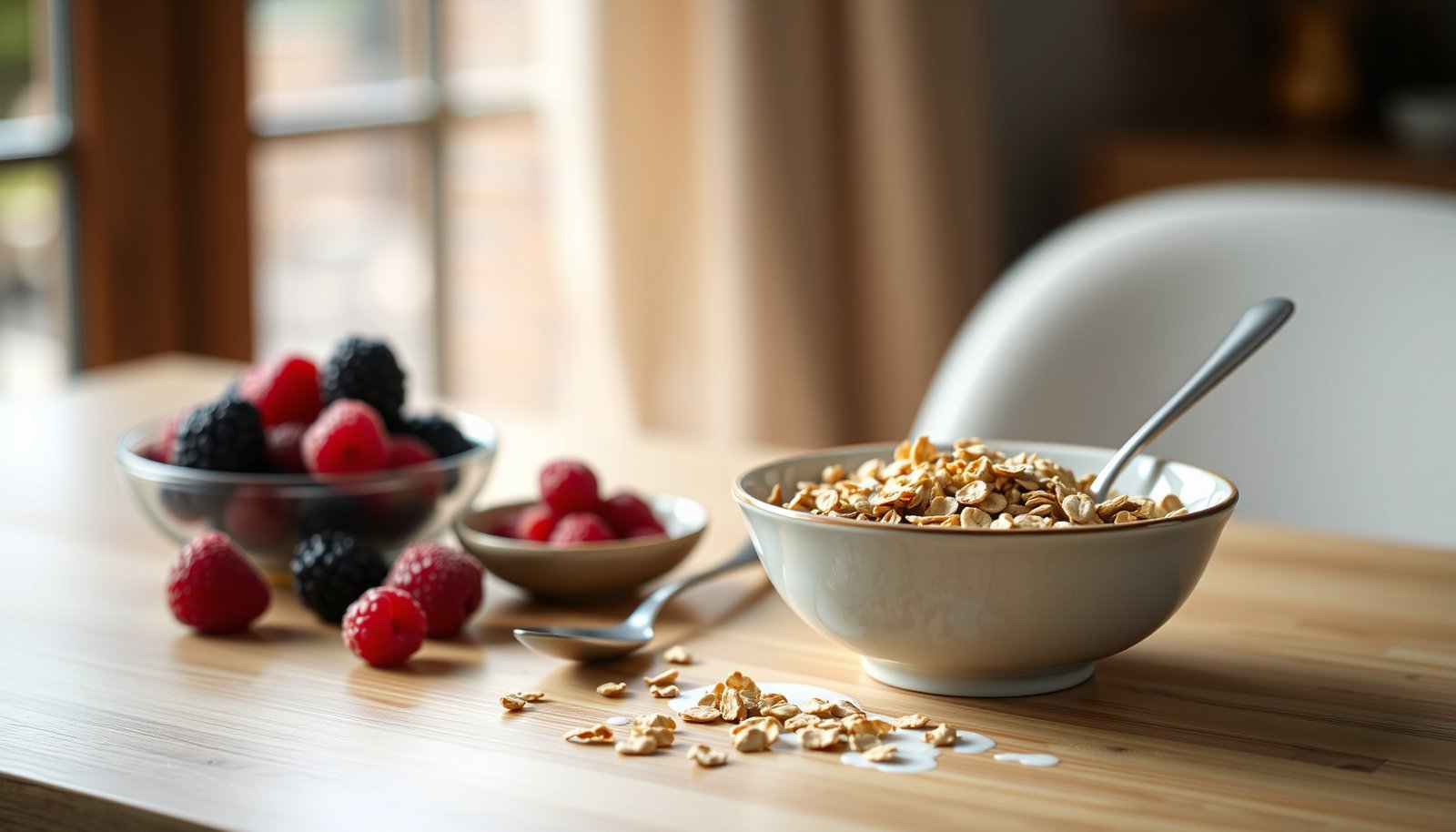

The best cereals for diabetics are the lower-sugar, high-fiber options that keep blood-glucose spikes in check. If you want one clear winner, choose cereals built around whole grains plus at least 3–5 grams of fiber per serving and minimal added sugar. This guide zeroes in on the exact criteria that matter for better glucose control—so you can pick a cereal that works, not one that sounds healthy.




Choose cereals that are high in fiber, made from minimally processed whole grains, and low in added sugar—then manage your portion size. If a cereal gives you fewer “fast carbs,” it usually helps keep your blood sugar steadier after meals. In this guide, you’ll learn how to choose the best cereal options and how to read labels so you don’t rely on “diabetic” marketing.
This is for people with diabetes who want a practical way to pick breakfast cereals that won’t spike blood sugar as easily—and for anyone who’s trying to improve results without giving up cereal entirely. Because medication (especially insulin or sulfonylureas) affects glucose, your ideal cereal list may differ—use this as a starting point.
What to look for in best cereals for diabetic
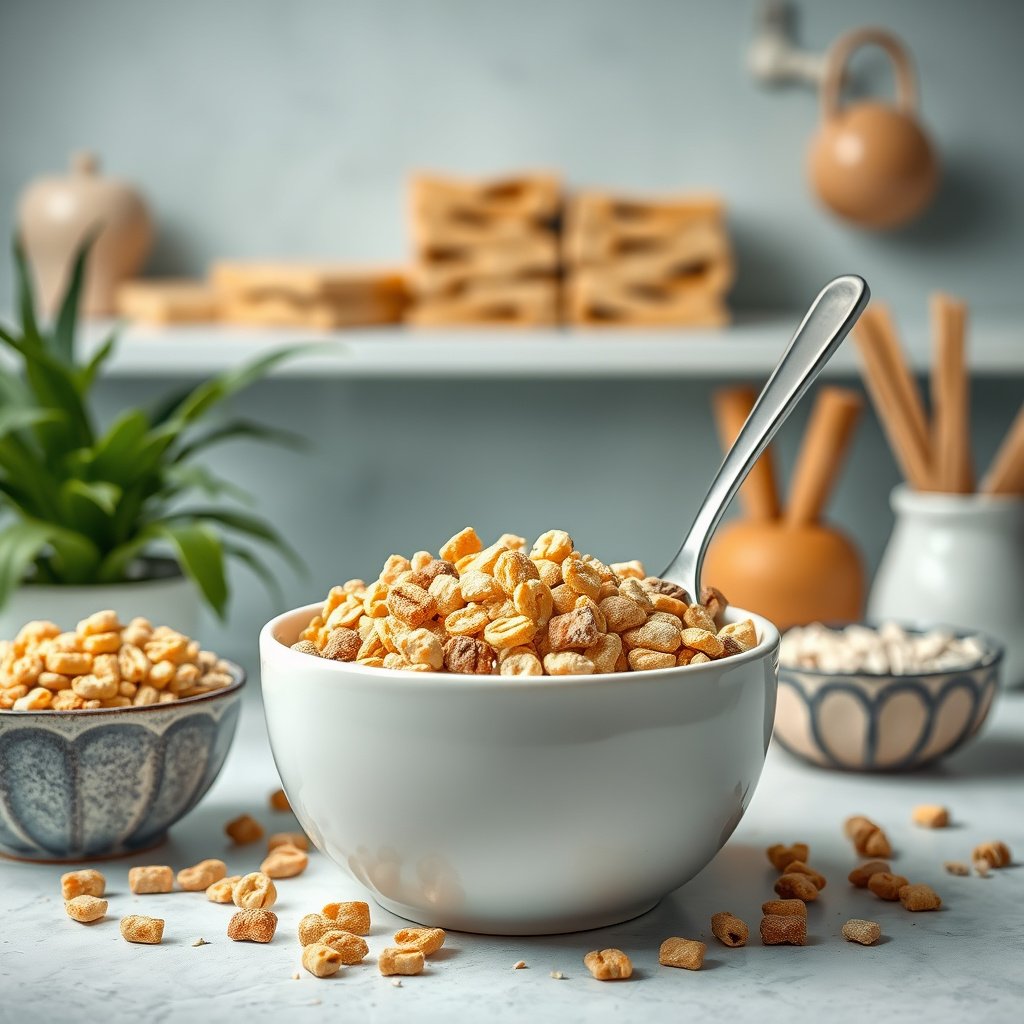
The best cereals for diabetic are the ones that provide meaningful fiber and minimal added sugar while keeping total carbohydrates aligned with your meal plan. The label details that matter are fiber grams, added sugar, and carbohydrate per serving—not the “diabetic” claim.
The practical reason this works is that fiber slows digestion, which can reduce how quickly glucose rises after you eat. Total carbohydrates still matter because carbohydrate is converted into glucose (though the pace can differ), so the goal is to pick a cereal where the carb quality and amount are more favorable. From my experience building a “morning cereal” shortlist, I always start with the Nutrition Facts panel and treat the front-of-box claims as marketing until the numbers confirm the story.
FDA’s Nutrition Facts label uses a daily value of **28 g fiber per day**, which helps you judge whether a cereal’s fiber is actually high.
FDA’s Nutrition Facts label uses a daily value of **50 g added sugars per day**, so you can compare cereals on added sugar using %DV or grams.
7 Label Targets to Screen Cereal Choices (Fiber + Added Sugar)
| # | Label target | Target per serving | DV reference | Blood-sugar support |
|---|---|---|---|---|
| 1 | Fiber (high) | ≥ 5 g | ≥ 18% of 28 g/day | ★★★★★ |
| 2 | Fiber (very high) | ≥ 7 g | ≥ 25% of 28 g/day | ★★★★★ |
| 3 | Fiber (excellent) | ≥ 10 g | ≥ 36% of 28 g/day | ★★★★★ |
| 4 | Added sugar (zero) | 0 g | 0% of 50 g/day | ★★★★★ |
| 5 | Added sugar (low) | ≤ 2 g | ≤ 4% of 50 g/day | ★★★★☆ |
| 6 | Added sugar (moderate) | ≤ 5 g | ≤ 10% of 50 g/day | ★★★★☆ |
| 7 | Added sugar (watch) | ≥ 10 g | ≥ 20% of 50 g/day | ★★☆☆☆ |
Based on FDA label structure (which is current as of recent Nutrition Facts label rules), these fiber and added-sugar targets give you a consistent screening approach across brands. Then you still check total carbohydrates and serving size, because even a “good” cereal can raise glucose if your portion is too large.
Best cereal types to consider
The best cereal types for diabetic tend to be high-fiber oat cereals, whole-grain bran cereals, and unsweetened whole-grain options you can personalize with toppings. These formats make it easier to build a lower-sugar, steadier post-meal pattern with fewer surprises.
From a practical planning standpoint, you’re usually trying to keep two things aligned: (1) fiber is high enough to slow carbohydrate absorption, and (2) added sugar doesn’t crowd out the “nutrient density” of the bowl. If you’re using insulin or a medication that can cause lows, you may also care about how predictable the carb content is—so measured portions beat “free pouring.”
Oats and other whole-grain ingredients are often used to deliver higher fiber per serving compared with many refined-grain cereals.
Choosing plain, unsweetened whole-grain cereal helps you control total added sugar by controlling toppings.
Which cereal type fits which goal?
| Cereal type | Best for | What to watch |
|---|---|---|
| High-fiber oat cereals | Steadier mornings when you want a warm, filling bowl | Sweetened “oat” blends—check added sugar and serving size |
| Whole-grain bran cereals | Higher fiber density in a small portion | Some brands add sweeteners; verify added sugar per serving |
| Plain, unsweetened whole-grain options | Customization (protein topping, fruit, nuts) without hidden sugar | Toppings can dominate carbs—track what you add |
In other words, cereal for diabetes works best when the base cereal supports you—and your toppings don’t quietly negate the label win.
How to read labels (so you pick the right cereal)
The fastest way to pick the best cereals for diabetic is to compare total carbs, fiber grams, and added sugar on the Nutrition Facts panel. Then use ingredient order to sanity-check whether the cereal is truly minimally processed.
Instead of focusing only on the “sugar” number, remember that Nutrition Facts separates total sugars from added sugars. “Total sugars” can include naturally occurring sugars, but added sugars are the ones most directly linked to sweetness and quicker palatability. Also, two cereals can list similar “sugar” yet differ dramatically in fiber and total carbohydrate—so your blood sugar response can diverge.
FDA requires Nutrition Facts to list **added sugars** for packaged foods, enabling you to distinguish sweetness sources on labels.
For diabetes meal planning, the most reliable label comparison is still **carbohydrate per serving** plus **fiber**, rather than relying on a “diabetic” marketing phrase.
A label-reading routine that actually works in-store
– Compare carbs per serving and fiber per serving. Two cereals can have the same “sugar” but different carbohydrate effects.
– Use ingredient order as a hint. If sugar or sweet syrups appear early in the ingredients list, that cereal usually has more added sugar than the box implies.
– Check serving size consistency. Some cereals “shrink” the serving while you naturally pour more.
– Use GI/load only if your care team recommends it and the cereal provides usable data. Many boxes don’t publish glycemic index/load; without credible metrics, carbs + fiber remains more consistent for label-based decisions.
What I do when I narrow down “best cereals for diabetic”
In my checklist, I first filter out cereals with high added sugar, then I rank what’s left by fiber grams per serving. Only after that do I consider total carbohydrate and how I typically portion cereal (measured bowl vs. “eyeballing”). This keeps the decision aligned with the Nutrition Facts panel rather than the front-of-box story.
Serving guide: portions and smart pairings
The best cereals for diabetic can still spike glucose if you eat too much—so portion control and pairing are the second half of the equation. A practical approach is: start with the labeled serving, then pair with protein and/or healthy fats to blunt the peak.
Even when a cereal is lower in added sugar, your body still has to process the carbohydrates. Larger bowls, bigger “dry cups,” and high-carb toppings can increase your total carbohydrate load enough to change your glucose curve—even with the same cereal brand. If you use a CGM, focus on trends after the meal rather than a single reading, since stress, sleep, and timing affect glucose.
US Dietary Guidelines recommend limiting added sugars to **less than 10% of daily calories**, which corresponds to about **50 g/day** on a 2,000-calorie diet.
Adding protein or healthy fats to a carbohydrate-containing meal can reduce the immediate post-meal glucose spike for many people.
Smart pairings that usually make cereal behave better
– Pair cereal with protein and/or healthy fats
Examples: nuts, seeds, plain Greek yogurt, or milk alternatives that fit your nutrition plan.
– Watch extras
Flavored yogurt, dried fruit, honey, and granola mixes can raise total carbs quickly—even if the cereal base looks “low sugar.”
How to adjust without guessing
– Start with the labeled serving, then adjust based on your response. Glucose meter/CGM trends are more useful than guessing.
– If you take insulin, coordinate any changes in meal carbohydrate amount with your clinician/dietitian; dose adjustments may be needed for safety and predictability.
What can go wrong (common mistakes)
Even high-fiber cereal can cause problems if you misunderstand the label or accidentally increase total carbs. The most common issues are confusing “low sugar” with “low impact” and letting toppings undo the cereal’s nutrition advantage.
Many people with diabetes get burned by a simple pattern: the cereal looks acceptable on the front (or has a low “sugar” number), but it still carries a large carbohydrate load per serving or comes with added-sugar ingredients earlier in the ingredient list. Another frequent mistake is relying on “diabetic-friendly” claims without checking fiber, total carbs, and added sugar.
A cereal can be “low sugar” yet still have substantial total carbohydrate per serving, which can still raise blood glucose after eating.
A Nutrition Facts serving size is standardized for the label; eating more than that serving increases your carbs and can change your glucose response.
Common pitfalls to avoid
– Choosing cereals that are “low sugar” but still have high total carbs.
– Relying on “diabetic-friendly” marketing instead of checking fiber, serving size, and ingredient order.
– Overshooting with toppings (sweetened fruit, granola mixes, syrup), which can double the carb load.
Verdict: which cereals usually work best (and who should skip this approach)
The best cereals for diabetic are typically high-fiber, whole-grain, low–added sugar options in measured portions and paired for balance. If you match the cereal to your carb targets and track your response, cereal can fit into diabetes meal planning without becoming a daily glucose gamble.
That said, the downsides are real. Even “good” cereals can raise glucose if portions are too large, the carbohydrate count is high, or toppings add lots of sugar. Also, medication effects matter: insulin and sulfonylureas can shift the timing and risk profile, so cereal alone shouldn’t drive medication decisions.
Diabetes meal planning is medication- and person-specific, so cereal choices should be coordinated with your clinician or dietitian when glucose patterns are unstable.
FDA label data (added sugars, fiber, total carbs) provides a more consistent basis than brand “diabetic” claims when comparing cereal options.
Who should be cautious or skip “cereal-based adjustments”
Skip relying on cereal-only swaps if you have unpredictable glucose patterns, frequent lows/highs, or you’re changing diabetes medications. Work with your clinician/dietitian first so breakfast adjustments don’t inadvertently conflict with your broader plan.
Quick checklist (scan before you buy)
| Label check | What you want |
|---|---|
| Added sugar | As low as possible (avoid syrups/sugar listed early) |
| Fiber | Higher grams per serving (helps slow carb impact) |
| Total carbs | Reasonable for your meal plan and portion |
| Serving size | Doesn’t “shrink” the label while you eat more |
| Ingredients | Whole grains / minimally processed grains first |
Use this 30-second routine:
– Pick the cereal with higher fiber + lower added sugar (per serving).
– Keep your bowl close to the labeled serving at first.
– Add protein/fat if it’s missing, and go easy on sweet toppings.
Frequently Asked Questions
What are the best cereals for diabetics?
The best cereals for diabetics are typically those high in fiber and low in added sugar, such as steel-cut oats, plain shredded wheat, or oat-based cereals with no sweeteners. Look for options with at least 3–5 grams of fiber per serving and minimal added sugars on the nutrition label. Whole grains and minimal processing generally help keep blood sugar spikes smaller.
Which cereals have the lowest impact on blood sugar?
Cereals that are least likely to raise blood glucose are usually high in soluble fiber (like oats) and contain intact whole grains. Options like unsweetened oats, high-fiber bran flakes, and plain muesli (without added sugar) tend to have a lower glycemic response than puffed or highly sweetened cereals. Always check total carbs and fiber, because two cereals with the same “sugar” can differ greatly in how they affect blood sugar.
How can I choose a diabetic-friendly cereal at the grocery store?
Start by checking the ingredient list for whole grains (oats, bran, whole wheat, barley) and avoiding cereals where sugar appears near the top of the list. Next, review nutrition facts for fiber and added sugar; a good target is more fiber with little to no added sugar. If the cereal is sweetened, pair it with protein or healthy fats (like Greek yogurt or nuts) to help reduce blood sugar spikes.
Why is fiber important in cereals for diabetes management?
Fiber slows digestion and helps blunt the rise in blood sugar after meals, which is why high-fiber cereals are often recommended for diabetes. Soluble fiber, found in foods like oats, can be especially helpful for post-meal glucose control. Choosing cereals with more grams of fiber per serving can make it easier to stay within carbohydrate targets.
What should I avoid when eating cereal with diabetes?
Try to avoid cereals that are “sugar-first,” highly sweetened, or made mainly from refined grains (like many frosted or candy-like varieties). Be cautious with “low-fat” claims too, because a cereal can be low-fat yet still high in sugar and low in fiber. Also watch portion sizes—even healthier cereals can raise blood sugar if you eat more than a typical serving.
📅 Last Updated: October 24, 2026 | Topic: best cereals for diabetic | Content verified for accuracy and freshness.
References
- https://www.niddk.nih.gov/health-information/diabetes/overview/eating-nutrition/eating-right-diabetes
- https://www.cdc.gov/diabetes/managing/eat-well/index.html
- Diabetes diet: Create your healthy-eating plan – Mayo Clinic
- Glycemic index
- Whole grain
- https://pubmed.ncbi.nlm.nih.gov/?term=breakfast+cereal+glycemic+index+diabetes
- https://www.fda.gov/food/nutrition-education-resources-materials/questions-answers-about-fda-nutrition-facts-label/added-sugars-and-sweeteners
- https://scholar.google.com/scholar?q=best+cereal+for+diabetes+whole+grain+fiber+glycemic+index Google Scholar
- https://scholar.google.com/scholar?q=high-fiber+breakfast+cereal+type+2+diabetes+randomized+trial Google Scholar
- https://scholar.google.com/scholar?q=glucose+response+oat+bran+barley+breakfast+cereals+diabetes Google Scholar