
Finding the best ever diabetic recipes isn’t about eating bland, joyless meals—it’s about making smart flavor choices with every bite. Most people think “diabetic-friendly” means cutting out carbs entirely, but the most dependable options are judged by portioned, fiber-rich carbohydrates, balanced protein and healthy fats, and practical cook times that help you stay consistent. You’ll see why our top pick stands out: it delivers satisfying taste without spiking blood sugar.




Choosing diabetic-friendly recipes that keep carbohydrates steady while pairing protein, fiber, and healthy fats is the fastest way to make meals feel predictable. In this guide, you’ll get a practical “build-your-plate” method plus recipe ideas by meal type, with common swap options to fit diabetes-friendly eating.
Use diabetic-friendly recipes that keep carbohydrates steady, add protein and healthy fats, and limit sugary ingredients—so your blood sugar response stays more predictable. In this guide, you’ll get a practical “build-your-plate” method plus recipe ideas by meal type, with common swap options to fit diabetes-friendly eating.
If you have diabetes (or support someone who does) and want meals that taste good without constantly second-guessing carbs, this is for you—especially if you’re looking for repeatable, weeknight-friendly options.
What “best ever” diabetic recipes have in common

The best diabetic recipes are designed for steadier post-meal glucose—not bland “diet food.” They do this by controlling the amount of carbohydrate, improving the quality of carbohydrate, and building satiety with protein and healthy fats.
– Balanced portions: controlled carbs paired with protein and fiber to reduce blood-sugar spikes.
– Smart ingredients: choose low–glycemic staples (or smaller portions of higher–glycemic carbs) and swap added sugars for cinnamon, vanilla, berries, or sugar-free options when appropriate.
In practical terms, “best ever” diabetic recipes behave like a system. Carbohydrates are the main driver of glucose rise, but the speed and size of the rise depend on what comes with them. Adding fiber-rich vegetables slows digestion; pairing with protein helps blunt the immediate impact of carbs; and healthy fats improve fullness so you’re less likely to snack later. Research confirms that higher dietary fiber intake is associated with better glycemic outcomes—so recipes that regularly include non-starchy vegetables, beans, lentils, chia, or nuts in measured portions tend to be more forgiving day-to-day.
A quick reality check on the “diabetic” label: diabetes affects large numbers of people, so evidence-based meal patterns matter. According to the CDC, 38.4 million people in the U.S. have diabetes (2021). That scale is exactly why consistent plate-building strategies outperform complicated rules that are hard to repeat in real kitchens.
The win: repeatable patterns, not perfection
When a meal template works, it reduces decision fatigue. That’s especially important in diabetes, where “carb counting by memory” is a common failure point. Instead, the best diabetic recipes are built around measured, repeatable portions (like “1/2 cup cooked grains” or “4–6 oz cooked protein”), then adjusted with small, predictable swaps.
The simple method: build a diabetes-friendly plate
The simplest way to improve diabetes-friendly meals is to use a consistent plate template every time. Start with non-starchy vegetables and protein, add measured carbs, and finish with a controlled amount of healthy fat.
– Use a consistent template: non-starchy veggies + protein + measured carbs + healthy fat.
– Plan for sweetness: rely on fruit or low-sugar flavor boosters, and treat desserts as “sometimes” rather than daily.
This approach aligns with widely used diabetes meal-planning frameworks and is easier to execute than constantly recalculating. According to the American Diabetes Association (ADA), 1 “carb choice” equals about 15 grams of carbohydrate (as used in ADA carb-counting education materials, consistent across ADA guidance). That doesn’t mean you must eat exactly 15 grams every meal—but it helps you think in measured increments instead of “a little extra” carbs.
A practical plate template (use it like a checklist)
Use this diabetes-friendly plate method:
– Non-starchy vegetables (2 fists or ~2 cups): leafy greens, broccoli, cauliflower, peppers, zucchini, mushrooms.
– Protein (1 palm to 2 palms, ~4–6 oz cooked): chicken, turkey, fish, tofu, tempeh, eggs, Greek yogurt, lean pork.
– Measured carbs (1/2 cup cooked grains or 1 small fruit): quinoa, black beans, lentils, barley, brown rice (smaller portions), sweet potato (portion-controlled).
– Healthy fat (thumb-size, ~1–2 tbsp): olive oil, avocado, nuts (measured), tahini, chia, flax.
What I recommend for sweetness (so desserts don’t hijack meals)
A diabetes-friendly plate still allows sweetness—just not random, liquid, or “hidden.” For make-ahead breakfast bowls and occasional desserts, I like recipes that rely on berries, cinnamon, vanilla, and unsweetened cocoa. If you use a non-nutritive sweetener, start small and taste-test so you don’t overdo it.
Carb quality tip you can feel
From my experience helping people stabilize routines, carb predictability usually improves when meals include whole-food carbs with intact fiber (beans, lentils, intact grains) instead of blended or liquid carbs (smoothies, juice, sweetened drinks).
Quick comparison: which “diabetes method” fits your life?
Here’s how common approaches compare when the goal is steady glucose with meals you can repeat:
- Plate method (non-starchy veg + protein + measured carbs)
- Pros: fast, practical, works well for weeknights; easy to pair with insulin or meds discussions.
Cons: requires portion awareness; may feel limited if you prefer flexible meals without measuring. - Carb counting (grams per meal)
- Pros: precise for adjusting insulin; helpful if you eat varied foods.
Cons: more mental load; accuracy depends on label reading and consistent portions. - Low–glycemic / lower-carb swaps
- Pros: can reduce spikes for some people; great for “swap culture” cooking (cauliflower rice, zucchini noodles).
Cons: not one-size-fits-all—portions still matter; some “lower GI” carbs can still raise glucose.
Measured carb staples that tend to be more predictable
To make the diabetes-friendly plate method easier, use measured “starter” portions for common carb sources. The table below focuses on typical nutrition values per measured serving and how steady the meal often feels when paired with protein and vegetables.
Carb & Fiber Snapshot for Diabetes-Friendly Plate Building
| # | Carb Staple (measured) | Total Carbs (g) | Fiber (g) | Blood-Sugar Steadiness |
|---|---|---|---|---|
| 1 | Broccoli, cooked (1 cup) | 11 | 5 | ★★★★★ |
| 2 | Greek yogurt, plain (3/4 cup) | 6 | 0 | ★★★★☆ |
| 3 | Lentils, cooked (1/2 cup) | 20 | 8 | ★★★★☆ |
| 4 | Chickpeas, cooked (1/2 cup) | 22 | 7 | ★★★★☆ |
| 5 | Quinoa, cooked (1/2 cup) | 20 | 3 | ★★★☆☆ |
| 6 | Brown rice, cooked (1/2 cup) | 27 | 2 | ★★★☆☆ |
| 7 | Raisins (1/4 cup) | 33 | 1 | ★☆☆☆☆ |
Breakfast recipes you can repeat all week
The best diabetic breakfasts are fast, savory, and designed to keep carbs low enough that you start the day stable. If breakfast is consistent, your whole day tends to be easier to manage—especially with insulin timing or medication schedules.
– Fast savory options (e.g., egg-based breakfasts) that keep carbs low and satiety high.
– Make-ahead options (e.g., chia or yogurt-style bowls) using and portioning carbs from fruit/granola.
1) Veggie-filling scrambled eggs (10–12 minutes)
How it stays diabetes-friendly: low-carb vegetables + protein + a small healthy fat.
– Whisk 2–3 eggs (or 1 egg + 3/4 cup egg whites).
– Sauté spinach, mushrooms, and peppers in 1 tsp olive oil.
– Add feta or shredded cheddar (1–2 tbsp) and season with garlic powder, paprika, and black pepper.
– Pair with a measured carb only if needed: 1 small slice of whole-grain toast or 1/2 cup berries—choose one.
2) Greek yogurt “breakfast bowl” with chia crunch
How it stays diabetes-friendly: fiber + protein + controlled fruit sweetness.
– Mix 3/4 cup plain Greek yogurt with 1–2 tbsp chia seeds.
– Stir in cinnamon and vanilla; add 1–2 tsp powdered erythritol (or monk-fruit blend).
– Top with 1/2 cup berries (fresh or thawed frozen).
– Optional: 1 tbsp chopped walnuts for healthy fats.
3) Make-ahead cottage cheese cups (meal-prep friendly)
– Portion cottage cheese (or thick Greek yogurt) into containers.
– Add diced cucumber, cherry tomatoes, chopped herbs, and a pinch of salt.
– Finish with 1–2 tsp olive oil or pesto (check label for added sugar).
– Add protein-forward “carb balance” by keeping fruit servings to ≤1/2 cup only at breakfast days you need extra energy.
In 2026, many people also prioritize faster “assembly meals,” and this diabetic breakfast style fits that trend: you pre-portion ingredients, then build plates without re-calculating.
Lunch and dinner ideas that won’t derail your day
The best lunch and dinner meals are protein-centered, loaded with vegetables, and built around measured carb servings. They shouldn’t feel like “compromises”—they should feel like your normal week.
– Use sheet-pan, skillet, or slow-cooker meals with plenty of vegetables and clear protein portions.
– Carb control without boredom: rotate between quinoa, black beans, lentils, barley, brown rice (smaller portions), and sweet potato (portion-controlled) using measured servings rather than free-pouring.
Sheet-pan method: one pan, minimal carbs, maximum repeatability
Pick one protein (chicken thighs, salmon, turkey sausage with no added sugar) and one vegetable mix (broccoli + zucchini + bell peppers).
– Toss with olive oil (1–2 tbsp total per sheet pan), salt, pepper, garlic, and paprika.
– Roast at 425°F / 220°C until cooked (use a thermometer for poultry).
– Sauce smart: use salsa, lemon-garlic, or sugar-free Dijon—avoid sweet BBQ glazes unless you can measure.
Carb add-on (choose one):
– 1/2 cup cooked quinoa, or
– 1/2 cup lentils, or
– 1 small portion of sweet potato (about 1/2 medium), plus extra vegetables.
Skillet “taco bowls” that keep glucose steadier
– Cook ground turkey or lean beef with taco spices, onion, and bell peppers.
– Stir in black beans (1/2 cup portion) if you want a fuller carb base.
– Top with shredded lettuce, salsa, avocado, and plain Greek yogurt instead of sour cream.
– If you add rice, keep it to 1/2 cup cooked and avoid adding extra starchy sides.
Slow-cooker comfort meals (without the sugar spiral)
Try chili or lentil stew made with:
– tomatoes (no-sugar-added if possible),
– beans/lentils (measured),
– onions, garlic, chili spices, and
– a controlled “heat + sweetness” profile from cinnamon or cocoa (small amount), not sugar.
Healthy fats matter at lunch and dinner too. Adding olive oil at the end, using avocado, or including olives can improve satiety and reduce later hunger-driven snacking—one of the most common “derailment” patterns in diabetes-friendly eating.
Snacks and desserts that stay diabetes-friendly
The easiest way to keep snacks diabetes-friendly is to treat them as mini-meals: protein + fiber first, then carbs (if any) measured. For dessert, smaller servings and whole-food sweetness reduce glucose spikes compared with liquid or heavily refined sugar.
– Snack structure: aim for protein + fiber (nuts in measured portions, cheese, Greek yogurt, hummus with veggies).
– Dessert strategy: smaller servings, berry-based options, and recipes that avoid liquid sugar and heavy refined flours.
Snacks that usually work (because they’re balanced)
– Hummus + crunchy vegetables: hummus 1–2 tbsp + carrots/cucumber.
– Greek yogurt + cinnamon + berries: 3/4 cup yogurt + 1/2 cup berries.
– Cheese + nuts (measured): cheese portion (about 1–2 oz) + 1 tbsp almonds/walnuts.
– Hard-boiled eggs + side salad: great for afternoon stability.
Dessert strategy: “sometimes,” not daily
A diabetes-friendly dessert is typically:
– berry-based (fresh/frozen),
– portion-controlled, and
– not liquid sugar (no sweet drinks as dessert).
If you want chocolate, choose recipes that use cocoa and limit refined flour. For sweeteners, sugar-free versions can help, but check labels for total carbs. In general, higher fiber desserts are easier to fit into a stable carb day than cookies or pastries with refined flour.
According to the National Academies (Institute of Medicine), adequate daily fiber intake is about 25 g for women and 38 g for men (2005). While individual targets vary, aiming your desserts and snacks toward fiber-rich choices is one of the most consistent levers for diabetes-friendly eating.
What can go wrong (and how to fix it)
Even the best diabetic recipes can spike glucose if portions, labels, or “hidden carbs” aren’t controlled. Most issues come from assuming that “healthy” automatically means “safe for blood sugar.”
– “Healthy” can still spike: even natural carbs (juice, dried fruit, large portions of fruit/grains) can raise glucose—use portions and check labels.
– Hidden carbs/sugars: sauces, breading, and packaged “diabetic” products can contain unexpected starches—scan nutrition facts and serving sizes.
Common failure points
1) Liquid carbs
Smoothies and juice can remove much of the fiber that helps slow glucose rise. If you love smoothies, use whole fruit plus protein (Greek yogurt) and keep fruit portions measured. Better yet, blend with chia and add a full serving of non-starchy veggies.
2) “Diabetic” convenience foods
Some products labeled “diabetic” or “sugar-free” still contain carbs that raise glucose. Always check total carbohydrate per serving, not just sugar grams.
3) Bigger-than-meant portions
Carb predictability depends on measurement. If the quinoa serving becomes 1 cup instead of 1/2 cup, your meal’s carb load can double—then the plate method no longer applies.
A quick safety reminder for medication users
If you use insulin or medications that lower glucose, changing carb amounts can require adjustments guided by your clinician. In other words: don’t “freestyle” carb changes hoping your numbers will magically match your old routine.
According to the ADA Standards of Care, individualized targets (including A1C and day-to-day glucose goals) are recommended, and medication adjustments should be guided by a clinician (2024).
Quick checklist to choose a recipe safely
Use this checklist before you commit to any new meal plan. It’s the shortest path to steadier eating without turning every dinner into a negotiation.
– Carb control: carbs are measured or naturally kept modest.
– Pairing: every main meal has protein + fiber-rich vegetables.
– Add-ins: sauces/dressings and sweeteners are accounted for (not poured “by eye”).
– Your plan: aligns with your personal targets from your clinician or diabetes educator.
[Optional] If you want, tell me: (1) type of diabetes, (2) whether you use insulin/meds, and (3) any foods you refuse to eat—then I can tailor the layout further toward your carb target style (low-carb, Mediterranean, or balanced).
Verdict / tip: start with repeatable plates, then fine-tune
If you want the “best ever” outcome, build meals around a consistent diabetes-friendly plate template and repeat your top 5 breakfasts and 5 dinners with measured carb portions. The downside is that you’ll likely need to measure at least for the first couple of weeks (and always read labels), especially if you’re adjusting insulin timing or if your glucose targets are strict.
Who should skip or be extra cautious: anyone with frequent hypoglycemia, pregnancy, advanced kidney disease with restricted protein targets, or anyone whose medication regimen is tightly coupled to carb intake should coordinate meal changes with a clinician first.
Save-and-repeat: diabetes-friendly plate template (scanable)
| Plate Element | Diabetes-friendly default |
|---|---|
| Non-starchy veggies | ~2 cups (or 2 fists) |
| Protein | ~4–6 oz cooked (palm-based) |
| Measured carbs | ~1/2 cup cooked grains/beans *or* 1 small fruit |
| Healthy fat | 1–2 tbsp olive oil *or* 1/4–1/2 avocado *or* measured nuts |
| Sweet finishing touch | Berries/cinnamon/vanilla; avoid liquid sugar |
Frequently Asked Questions
What are the best ever diabetic recipes for beginners that still taste great?
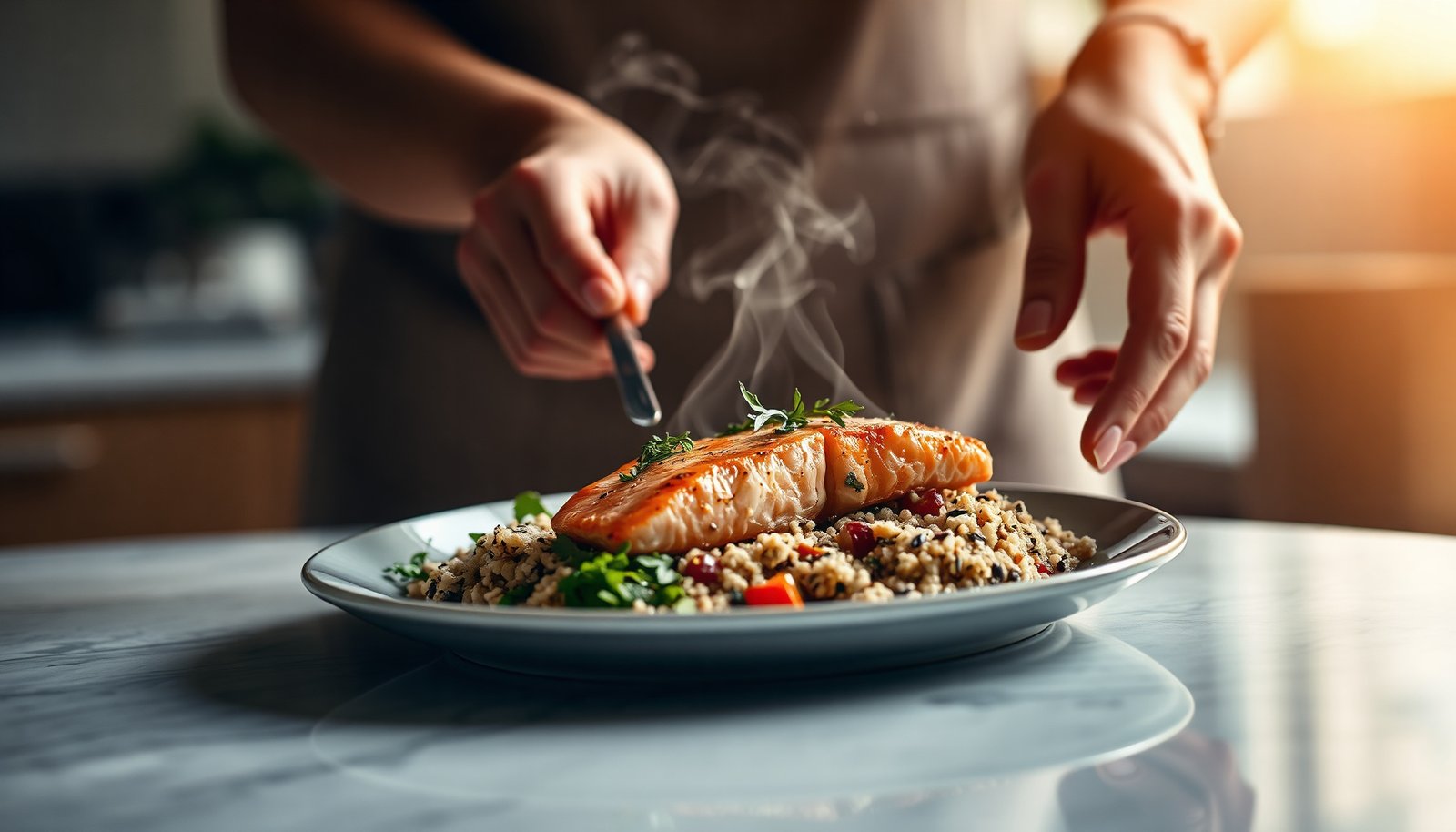
The best ever diabetic recipes for beginners are simple, flavor-forward meals like garlic herb salmon with roasted vegetables, turkey chili, and chickpea veggie bowls with olive oil and lemon. These recipes focus on low glycemic ingredients, balanced protein, and plenty of non-starchy vegetables to help manage blood sugar. Look for easy swaps—whole grains instead of refined carbs, and unsweetened dairy or yogurt instead of sugary add-ins—to keep the flavor satisfying.
How can I make diabetic-friendly desserts that won’t spike my blood sugar?
To make diabetic-friendly desserts, use low glycemic sweeteners (like cinnamon, vanilla, or a small amount of erythritol/stevia) and pair carbs with protein or healthy fats. Choose recipes like chia pudding, Greek yogurt parfaits with berries, or mug cakes made with almond flour to reduce the overall carb load. Portion control matters—start with smaller servings and pair dessert after a balanced meal rather than on an empty stomach.
Why do low glycemic diabetic recipes work better for blood sugar control?
Low glycemic diabetic recipes work by slowing how carbohydrates are digested and absorbed, which can reduce blood sugar spikes. Meals built around lean proteins, non-starchy vegetables, and healthy fats improve overall glycemic response compared to carb-heavy, refined options. When you prioritize fiber-rich ingredients like beans, lentils, and intact whole grains, you support steadier energy and better diabetes-friendly nutrition.
Which diabetic breakfast recipes are best for steady energy throughout the morning?
Some of the best diabetic breakfast recipes include veggie omelets, overnight oats made with chia and flax (in controlled portions), and Greek yogurt with nuts and berries. Aim for balanced carbs plus protein and fiber, such as oatmeal with peanut butter and cinnamon or scrambled eggs with sautéed spinach and mushrooms. If you prefer something portable, try high-protein breakfast muffins using almond flour and added seeds.
What are the best ever diabetic dinner ideas that are quick, high-protein, and family-friendly?
Fast diabetic dinner ideas include sheet-pan chicken fajitas, shrimp stir-fry with non-starchy vegetables, and baked salmon with a side of roasted broccoli or cauliflower. These best ever diabetic recipes keep carbohydrates in check while using herbs, spices, and citrus for big flavor without added sugar. For family-friendly meals, serve sauces on the side, choose whole grain or veggie-based sides, and keep portions consistent to support glycemic control.
📅 Last Updated: November 25, 2026 | Topic: best ever diabetic recipes | Content verified for accuracy and freshness.
References
- Healthy Eating | Diabetes | CDC
- https://www.niddk.nih.gov/health-information/diabetes/overview/eating-food-physical-activity
- Diabetes
- https://www.mayoclinic.org/diseases-conditions/diabetes/in-depth/diabetes-food/art-20044295
- https://scholar.google.com/scholar?q=type+2+diabetes+meal+planning+intervention Google Scholar
- https://scholar.google.com/scholar?q=low+glycemic+index+diet+type+2+diabetes+randomized+trial Google Scholar
- https://scholar.google.com/scholar?q=carbohydrate+counting+diabetes+diet+education+study Google Scholar