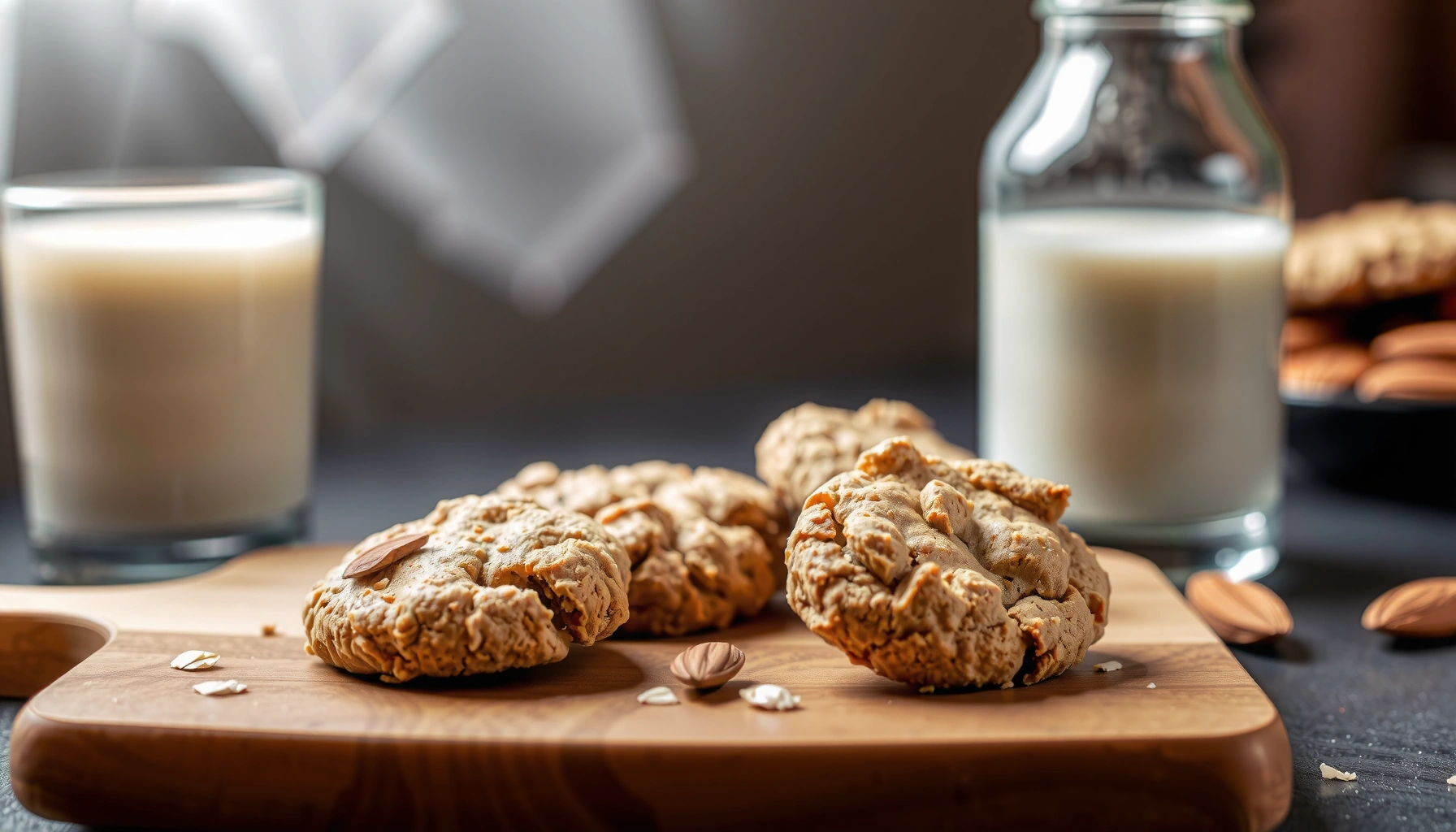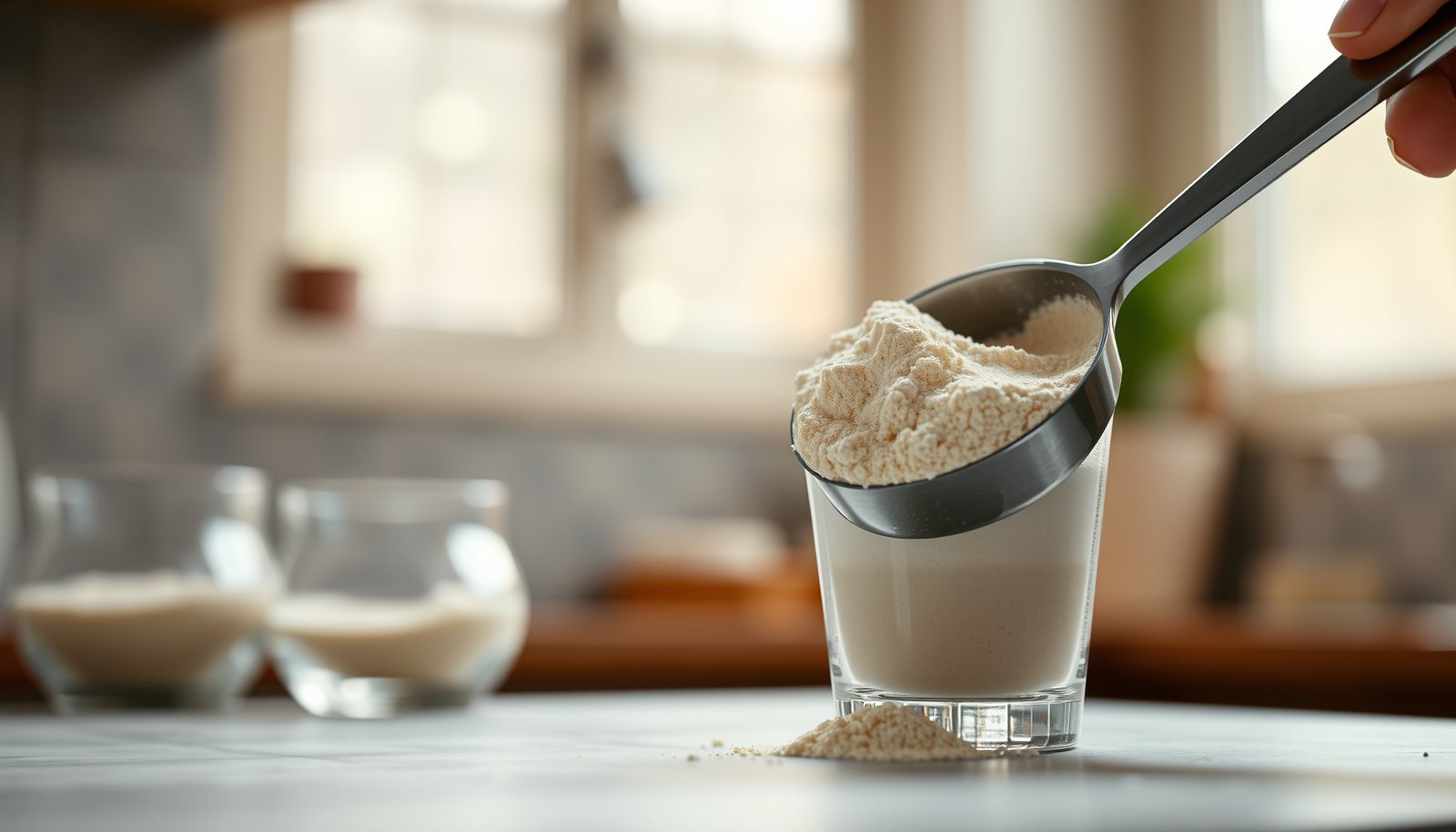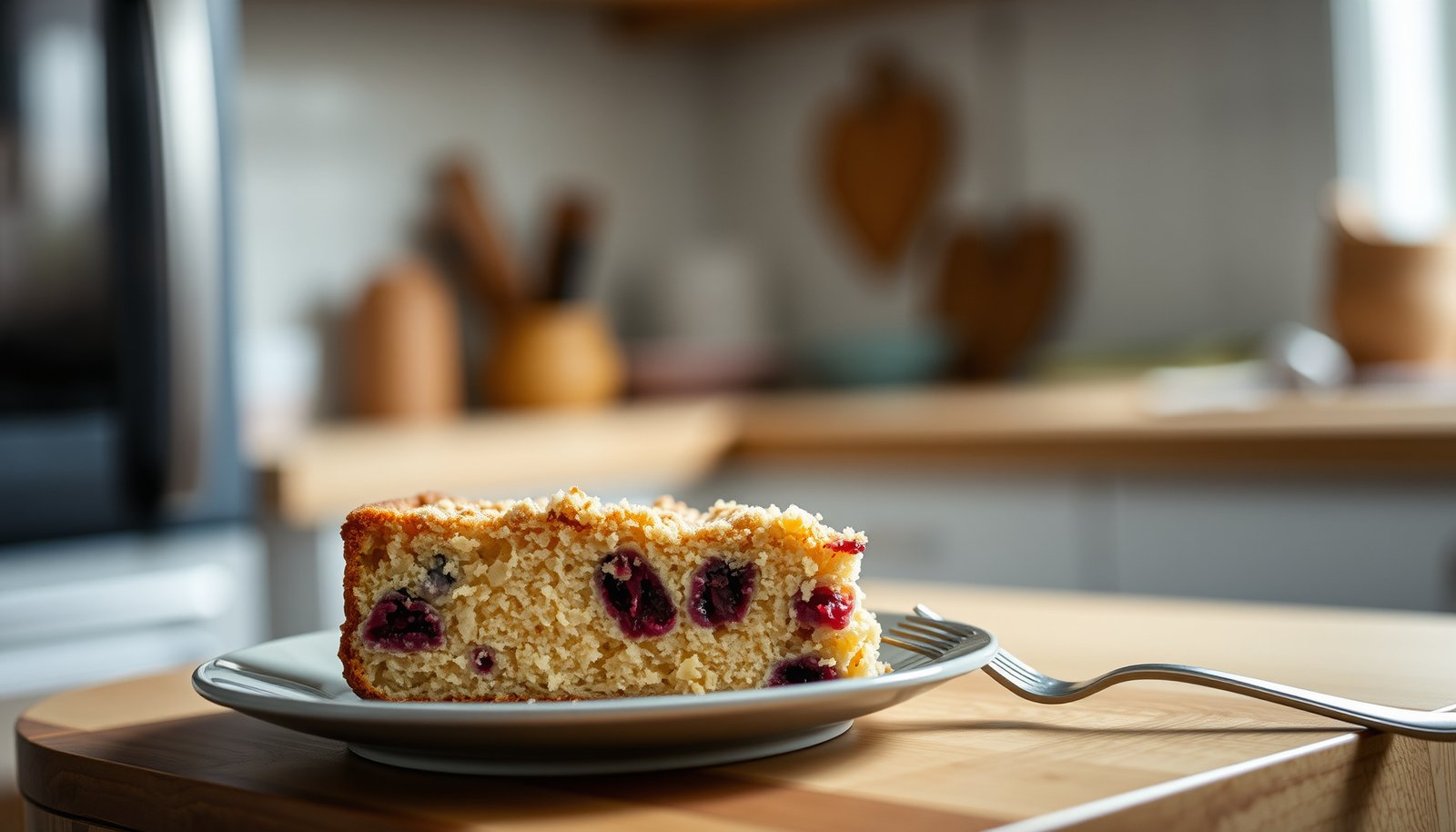

Find the best cake recipes for diabetics that actually keep sugar low without turning flavor into compromise. If you’re searching for the single most reliable option for steadier blood-sugar impact, this list gives you the winners: moist, satisfying cakes built with smart sweeteners and lower-glycemic ingredients. You’ll get practical recipes designed for everyday baking—sweet enough to enjoy, measured enough to manage.
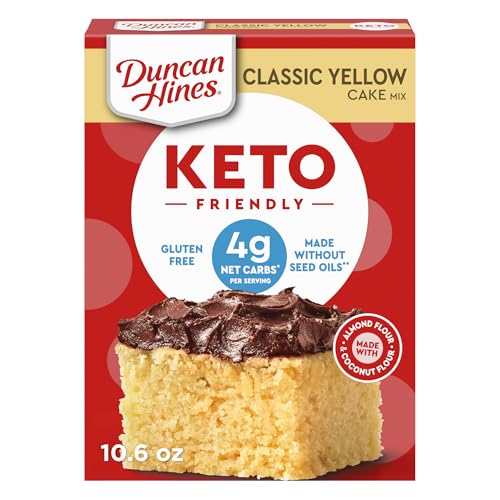



The best cake recipes for diabetics don’t just remove sugar—they reduce the glycemic impact of carbs by using smarter flour choices, balancing sweetness with protein and fiber, and serving portions you can reliably count. If you’re managing diabetes (or helping someone who is) and you still want cake that feels celebratory, this guide shows practical swaps and a few diabetic-friendly recipe options to start with.
If you’re baking in 2026, the same core principle applies: diabetic-friendly cake is about the total carbohydrate load from your exact ingredients (sweeteners, flours, add-ins, and frosting), not the marketing label on the bag.
What makes a cake diabetic-friendly?
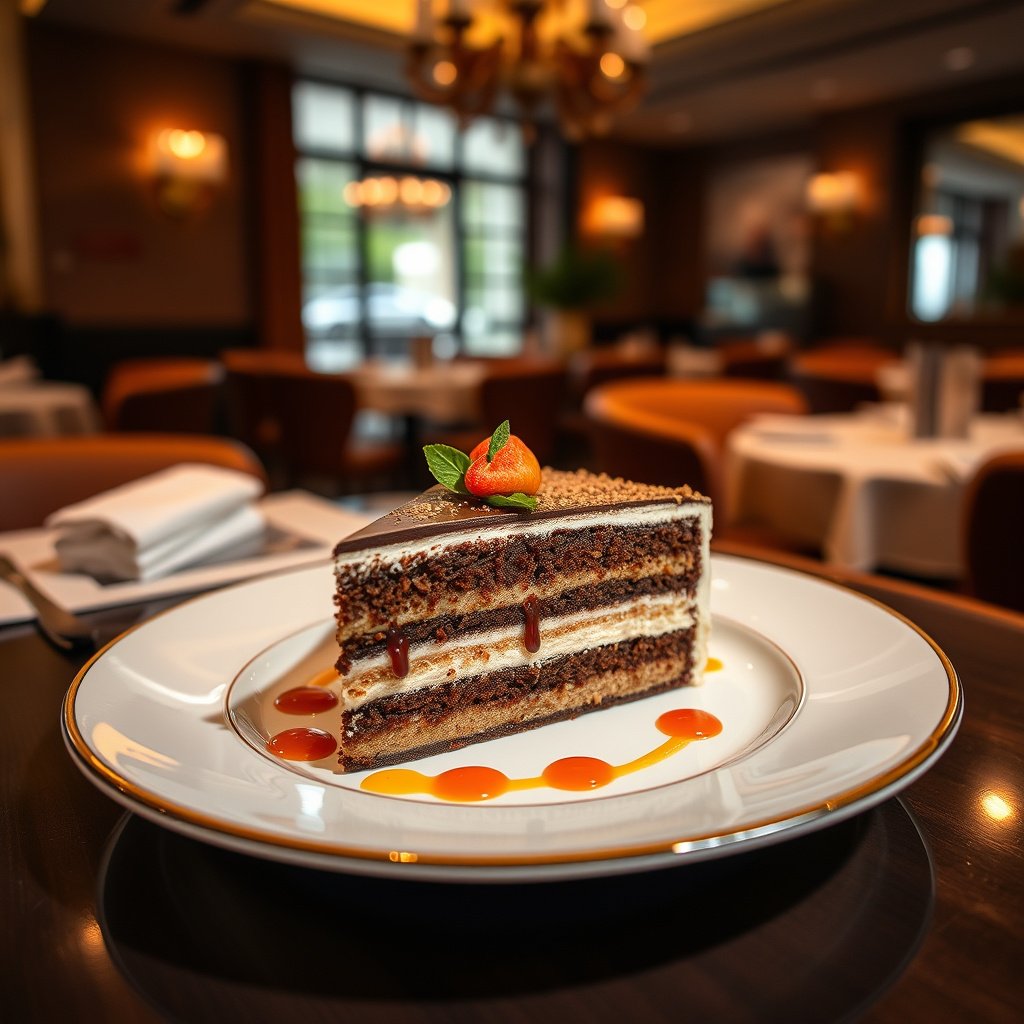
A cake is diabetic-friendly when it minimizes blood-glucose spikes by lowering added sugar, using ingredient types that digest more slowly, and pairing carbs with protein and fiber. In practice, the “best” diabetic cake is the one where you can count carbs accurately and predict your portion’s effect.
According to the American Diabetes Association (ADA), one “carbohydrate choice” is typically defined as 15 grams of carbohydrate—carb counting is the foundation for meal planning in diabetes. ADA, Standards of Care in Diabetes (2024)
According to the ADA, hypoglycemia is generally defined as blood glucose levels below 70 mg/dL, which is one reason monitoring matters when you try lower-sugar desserts. ADA, Standards of Care in Diabetes (2024)
The glycemic index (GI) system uses glucose as the reference point with GI = 100, helping explain why some flour and carb sources raise glucose faster than others. Jenkins et al., The American Journal of Clinical Nutrition (1981)
Lower added sugar—then balance it (protein/fiber matters)
Start by reducing added sugar, because sugar is the most direct route to fast carbs. But in diabetic-friendly cake, sugar reduction alone isn’t enough: the “win” comes from adding ingredients that slow digestion and improve satiety. Greek yogurt, eggs, nuts, and seeds contribute protein and fats; fiber-rich add-ins can also blunt the post-meal glucose rise for many people.
From my experience in everyday home baking, the most consistent improvement to “sugar-free tasting” desserts comes from not over-relying on one swap (like switching sweeteners only). When you adjust the batter for moisture and structure at the same time, diabetic-friendly cake is more likely to taste normal.
Prefer lower-glycemic flour choices (or smaller portions)
Refined white flour tends to digest faster than whole-grain or high-fiber alternatives. Many diabetic-friendly cake recipes use almond flour, flax meal, coconut flour, or measured amounts of oats/whole grains—then compensate for texture changes with eggs, yogurt, or a baking-friendly flour blend.
Plan portions like they’re part of the recipe
Even “sugar-free” diabetic cake can still raise blood sugar because carbs still come from flour, cocoa blends, and some sweeteners. The practical move is to treat cake servings as measurable nutrition, not “free” desserts.
Sweeteners and flour swaps that matter
The fastest way to improve diabetic-friendly cake is to choose sweeteners and flours based on your tolerance and your total carb math, then bake for texture—not just sweetness. Sweeteners affect taste and sometimes digestion, while flour affects how many carbs you’re actually consuming per slice.
The ADA emphasizes that nutrition therapy for diabetes is individualized and includes carb awareness, which means the same diabetic cake recipe can affect different people differently. ADA, Standards of Care in Diabetes (2024)
Sugar alcohols (polyols) can cause GI symptoms for some people, so “tolerated” matters as much as “low sugar.” U.S. Food and Drug Administration (FDA), Information on Non-Nutritive Sweeteners
Sweeteners: taste, carbs, and GI tolerance
Here’s the reality: sweeteners aren’t all the same. Sugar alcohols like erythritol and xylitol can be lower impact for glucose than regular sugar, but they may still cause bloating or diarrhea in some people—especially at higher amounts. Other options (stevia and monk fruit/“mogrosides”) often avoid those GI issues, though you still need to confirm the ingredient label and total carbohydrates.
If you manage diabetes using carb counting, treat sweeteners as ingredients you must include in your totals—because blends and “natural” sweeteners can vary substantially.
Flour swaps: structure and carb load are linked
Replacing all-purpose flour without adjusting the rest of the formula often leads to dense, gummy, or crumbly diabetic-friendly cake. Sugar provides both sweetness and structure; similarly, the flour base provides structure and moisture needs.
Common swap behavior:
– Almond flour–based cakes tend to stay moist without relying on a lot of added sugar, but can brown quickly.
– Coconut flour absorbs more moisture, so batters often need extra liquid and/or eggs.
– Flax meal adds fiber and binding, but it can change flavor and texture.
Below is a practical pros/cons comparison to help you pick a direction for diabetic-friendly cake (without assuming one swap works for everyone).
| Sweetener / flour direction | Pros (what it usually improves) | Cons / watch-outs |
|---|---|---|
| Almond flour–heavy base | Moist texture; fewer carbs than refined wheat for many people (label-check still needed) | Can brown early; crumb can be delicate |
| Coconut flour–heavy base | Often supports a “lighter” feel; fiber adds fullness | Very absorbent—requires extra liquid/eggs; can be dry if under-adjusted |
| Flax meal / seed additions | Fiber + binding; can improve satiety | Flavor shift (nutty/earthy); texture depends on ratio |
| Whole grains in measured amounts | Familiar texture; sometimes easier “regular cake” taste | Higher carb variability—measure and recalc carbs |
| Sugar alcohol sweeteners | Often tastes closer to sugar with fewer carbs | Possible GI upset for some people |
| Stevia/monk fruit sweeteners | No sugar alcohol GI risk for many people | Aftertaste risk; often needs a blend for “baked” flavor |
Carbs counting: do it from your exact labels
In 2026, many people still get tripped up by assuming two sweeteners have the same carb effect. For diabetic-friendly cake, the best practice is simple: calculate carbs from your specific brand and measuring method. Even “the same” flour can differ by manufacturer, moisture, and labeling.
Best cake recipes for diabetics
The best diabetic-friendly cake recipes use a lower-sugar approach that keeps texture pleasant and makes portioning realistic. Instead of relying on a single trick, these recipes balance moisture (yogurt/eggs/avocado), sweetness (tested-friendly sweeteners), and carb control (flour and measured add-ins).
In diabetes meal planning, portion size and carbohydrate counting are key because total grams of carbohydrate—not marketing claims—drive glucose response for many people. ADA, Standards of Care in Diabetes (2024)
When you change flour or sweetener in diabetic-friendly cake, you must recalculate carbohydrates per slice because labels can vary significantly by brand and blend. U.S. Food and Drug Administration (FDA), Labeling guidance for nutrition facts and sweeteners
Lemon yogurt pound cake (lower-sugar, higher-protein)
This diabetic-friendly cake option leans on Greek yogurt for moisture and protein, which can make a smaller amount of sweetener feel satisfying. Lemon zest and a touch of cinnamon can also boost perceived sweetness, which helps you reduce added sugar without losing the “classic cake” vibe.
How to build it
– Base: Greek yogurt + eggs + a diabetic-friendly sweetener blend you tolerate.
– Flavor: lemon zest (and a bit of lemon juice if needed for tang).
– Dry mix: choose a baking-friendly flour base (almond/flax/coconut blend, or a measured whole-grain/oat addition).
– Batter behavior: pound cakes need structure—so don’t skip eggs or proper blending time.
Carb-control notes (important)
– Measure and count carbs from: your flour blend + yogurt (including the brand) + any sweetener that contributes carbs.
– Go lighter on carb-dense add-ins (like chocolate chips) unless you’re counting them.
Chocolate avocado cake (rich texture, less reliance on sugar)
For diabetic-friendly cake lovers who want “fudgy,” ripe avocado plus unsweetened cocoa is a proven approach: cocoa provides deep flavor while avocado supports a dense, satisfying crumb. Sweeten lightly with a blend you’ve tested before, and keep add-ins minimal.
How to build it
– Base: mashed ripe avocado + eggs + unsweetened cocoa powder.
– Sweetness: use a diabetic-friendly sweetener blend in the amount that matches your taste tolerance.
– Texture: avoid large amounts of chocolate chips or dried fruit unless you plan the carb totals.
Carb-control notes
– Chocolate chips and dried fruit can be “hidden” carb accelerators, even in diabetic-friendly cake.
– Use a scale where possible so you can reliably calculate carbs per slice.
Carrot cake with reduced sugar (fiber-forward option)
This diabetic-friendly cake works because finely grated carrot adds natural sweetness and volume, while eggs help keep the cake tender. The key is to reduce frosting carbs (not necessarily eliminate them) and choose a frosting style that doesn’t overwhelm the slice with added sugar.
How to build it
– Base: eggs + grated carrot + a measured amount of sweetener.
– Flavor: cinnamon and optional nutmeg for “warm cake” character.
– Frosting choice: consider a lighter frosting (e.g., yogurt-based) or keep frosting thinner than “classic” servings.
Carb-control notes
– Carrot cake can still be carb-heavy depending on your flour and frosting.
– For steadier response, prioritize frosting thickness control as much as flour choice.
Baking and serving tips for steadier glucose
The most reliable way to keep diabetic-friendly cake from surprising you is to serve it with protein and fiber and start with smaller portions. In 2026, the best practice is “pair + portion + monitor,” because individual glucose response varies even with identical ingredients.
Pairing carbohydrates with protein and/or fiber can slow digestion and reduce the rate of glucose absorption compared with carbs alone. ADA, Standards of Care in Diabetes (2024)
Testing your glucose response to a new food is a practical safety step because food effects differ person to person, even within diabetes nutrition guidelines. ADA, Standards of Care in Diabetes (2024)
Pair cake strategically (don’t serve it solo)
Serve diabetic-friendly cake with:
– Greek yogurt (protein + tang)
– Nuts or nut butter (fat + fiber)
– Cheese (protein), if it fits your dietary preferences
This doesn’t “cancel” carbs, but it often improves the post-dessert glucose curve for many people.
Portion first, then learn your pattern
When you’re trying a new diabetic-friendly cake recipe, start with a smaller slice than you’d eat normally. Monitor your glucose response as directed by your care plan, then adjust next time. This approach is especially important if you’ve changed sweeteners or flour blends.
Control the biggest hidden carb sources
In diabetic-friendly cake, the “small” add-ins are often the biggest carb surprises:
– dried fruit
– candy bits
– thick, sugar-heavy frosting layers
– large “mix-in” amounts in the batter
What can go wrong?
Lower-sugar diabetic-friendly cake can still fail if you treat it like a direct 1:1 substitute for regular cake without adjusting the rest of the formula. Common issues are carb miscounts, texture failures from wrong swaps, and GI intolerance from certain sweeteners.
“Sugar-free” does not necessarily mean “carb-free”; flour, cocoa mixes, and some sweeteners still contribute carbohydrates that can raise blood glucose. U.S. Food and Drug Administration (FDA), FDA labeling of added sugars and nutrition facts
If you replace sugar without adjusting structure (eggs, fats, liquids), diabetic-friendly cake often becomes dry, gummy, or crumbly because sugar contributes more than sweetness. General baking science; sugar affects moisture retention and browning (food science principles)
What can go wrong (and how to prevent it)
– Carb math gets skipped: You swapped sweeteners and forgot flour/cocoa blend carbs. Fix: recalculate carbs per slice from your ingredient labels.
– Texture collapses: 1:1 sugar substitutions can leave too little moisture or incorrect batter behavior. Fix: choose flour blends designed for baking, and don’t remove eggs.
– GI side effects from sugar alcohols: If you notice bloating or diarrhea, reduce the sweetener amount or switch approaches (for example, try stevia/monk fruit blends that don’t rely on polyols).
– Frosting overpowers the slice: Even small frosting increases carbs quickly. Fix: spread thinner, use yogurt-based frosting, or portion carefully.
Verdict / tip (honest guidance)
If you want the simplest win, choose one diabetic-friendly cake recipe that’s built on protein/fiber-forward ingredients, keep portions modest, and calculate carbs from your exact labels. Skip “diabetic-friendly” recipes if you can’t reliably measure ingredients (especially flour) or if you can’t monitor glucose as you try something new—because the goal is predictability, not perfection.
Quick checklist + scan table
Before you bake diabetic-friendly cake, keep carb counting and portioning front and center. This quick checklist helps you stay consistent even when sweeteners and flour blends change brand to brand.
– Count carbs for your exact ingredients (sweetener blend + flour type matter).
– Start with a smaller slice than “regular cake” (especially the first time).
– Pair cake with protein and fiber when possible.
– Monitor your response and adjust your next bake accordingly.
| Cake choice | Best ingredient approach | Portion tip (start small) |
|---|---|---|
| Lemon yogurt cake | Greek yogurt + light sweetener | One small slice; reassess next time |
| Chocolate avocado cake | Cocoa + avocado + measured sweetener | Pair with nuts or yogurt |
| Carrot cake | Grated carrots + eggs + controlled frosting | Go easy on frosting layer |
Sources:
– American Diabetes Association (ADA). Standards of Care in Diabetes—Nutrition therapy guidance (official ADA publication).
– U.S. Food and Drug Administration (FDA). Information on non-nutritive sweeteners and sugar alcohol labeling/characteristics (official FDA pages).
If you want the simplest win: diabetic-friendly cake works best when you choose lower-sugar recipes built on protein and fiber-friendly ingredients, keep servings modest, and adjust based on your own glucose response. Pick one of the three options above, calculate carbs from your exact labels, and bake it once as a “learn your response” session—then iterate from there.
Frequently Asked Questions
What are the best cake recipes for diabetics that still taste like traditional dessert?
The best diabetic cake recipes use lower-glycemic sweeteners like erythritol, monk fruit, or allulose, plus more fiber by adding almond flour, oat fiber, or finely ground nuts. Many people also prefer recipes that include Greek yogurt or unsweetened applesauce for moisture without relying on lots of sugar. Look for “no sugar added” or “sugar-free” diabetic-friendly cake options that specify grams of carbs per slice so you can plan servings.
How can I bake a diabetic-friendly cake without white sugar and still get a fluffy texture?
Replace white sugar with a low-glycemic sweetener designed for baking (like allulose or erythritol blends) because they behave more like sugar during mixing and browning. To keep cake fluffy, use leaveners such as baking powder and consider adding eggs, yogurt, or a small amount of oil to maintain tenderness. If you’re using sugar-free substitutes that don’t caramelize, bake slightly longer and rely on cocoa or vanilla for richer flavor.
Which ingredients help diabetic cakes reduce the blood sugar spike?
Ingredients that can help include fiber-rich flours (almond flour, coconut flour, oat fiber), nuts, chia seeds, and Greek yogurt, which slow digestion and improve satiety. Choosing a lower glycemic sweetener rather than honey, agave, or regular sugar can also reduce rapid blood sugar increases. Pairing cake with protein and healthy fats (like a dollop of Greek yogurt or a small serving with nuts) may further lessen the spike for many people.
Why do some “sugar-free” cakes still raise blood sugar, and what should I check on labels?
Even sugar-free cake recipes can impact blood glucose if they contain high total carbs or starchy ingredients like regular flour, too much tapioca, or large portions of fruit purees. Always check nutrition labels for total carbohydrate grams per serving and serving size, not just “sugar.” If possible, choose recipes that provide net carbs and clearly state portion recommendations for diabetics.
Best for diabetics: should I choose angel food cake, chocolate cake, or carrot cake?
“Best” depends on your carb tolerance, but lighter cakes like sugar-free angel food can be a good choice because they often use less fat and rely on egg whites for volume. Chocolate cakes can work well when made with cocoa, almond flour, and a baking-friendly low-glycemic sweetener blend, while carrot cake is often best when you limit grated carrots and rely on portion control or smaller amounts. For most diabetics, the healthiest option is the one with the lowest carbs per slice and a sweetener/flour combination that matches your blood sugar goals.
📅 Last Updated: October 24, 2026 | Topic: best cake recipes for diabetics | Content verified for accuracy and freshness.
References
- https://www.mayoclinic.org/diseases-conditions/diabetes/in-depth/diabetes-diet/art-20044249
- https://www.cdc.gov/diabetes/managing/eat-well/
- Search – NIDDK
- Glycemic index
- https://pubmed.ncbi.nlm.nih.gov/?term=low+glycemic+index+dessert+type+2+diabetes
- https://pubmed.ncbi.nlm.nih.gov/?term=polyols+glycemic+response+baked+goods+diabetes
- https://scholar.google.com/scholar?q=diabetes+dessert+recipe+low+glycemic+index+cake Google Scholar
- https://scholar.google.com/scholar?q=sugar+substitutes+baking+diabetes+glycemic+response Google Scholar
- https://scholar.google.com/scholar?q=low+glycemic+baked+goods+type+2+diabetes+trial Google Scholar