
Searching for the best anti diabetic diet? For most people with type 2 diabetes, the clear winner is a Mediterranean-style eating pattern centered on high-fiber vegetables, legumes, lean proteins, and unsweetened whole grains—paired with strict limits on added sugars, refined carbs, and sugary drinks. This guide answers exactly what to eat and what to avoid to improve blood-sugar control and reduce spikes.




The best anti diabetic diet focuses on controlling blood sugar by emphasizing non-starchy vegetables, high-fiber carbs (beans, whole grains), lean protein, and healthy fats—while cutting added sugars and refined starches. You’ll learn a practical “plate” approach, smart swaps, and common pitfalls so you can build meals that are more stable for your glucose.
If you’re dealing with prediabetes, type 2 diabetes, or you’re trying to prevent blood sugar spikes, this plan gives you a realistic way to structure meals without extreme rules. If you use insulin or other glucose-lowering medication, you’ll also see the key safety notes to avoid unwanted lows.
Who this anti diabetic diet is for

The best anti diabetic diet is for people who want an evidence-based, repeatable way to eat—without “dieting” every day. It works best when you build long-term habits that reduce glucose variability rather than chasing short-term detox results.
This matters because blood sugar is influenced by both the type of carbohydrate (and how it’s processed) and the context you eat it in (fiber, protein, fat, portion size, and timing). As of 2026, the practical consensus across major guidance is still the same: focus on minimally processed foods, increase fiber, and reduce added sugars—especially sugary drinks.
Prediabetes is commonly defined by A1C of 5.7%–6.4% (American Diabetes Association, 2024). (American Diabetes Association, *Standards of Care in Diabetes—2024*)
The A1C test reflects average blood glucose over roughly the past 2–3 months, which is why sustained diet patterns matter. (American Diabetes Association, *Standards of Care in Diabetes—2024*)
The best anti diabetic diet approach is not one-size-fits-all—especially for people using insulin or sulfonylureas due to hypoglycemia risk. (National Institute of Diabetes and Digestive and Kidney Diseases, NIDDK)
– Works best for people trying to improve blood sugar through long-term food patterns (not short-term detoxes).
– Helpful for prediabetes and type 2 diabetes; it can also support diabetes risk reduction when paired with activity.
– If you have type 1 diabetes or you’re on insulin/sulfonylureas, you must coordinate diet changes with your clinician to prevent hypoglycemia.
Build a best anti diabetic diet plate
The fastest way to make the best anti diabetic diet work in real life is to use a consistent plate method at most meals. When portions and food groups are structured, blood sugar tends to be more stable than with “eat whatever but fewer carbs” strategies.
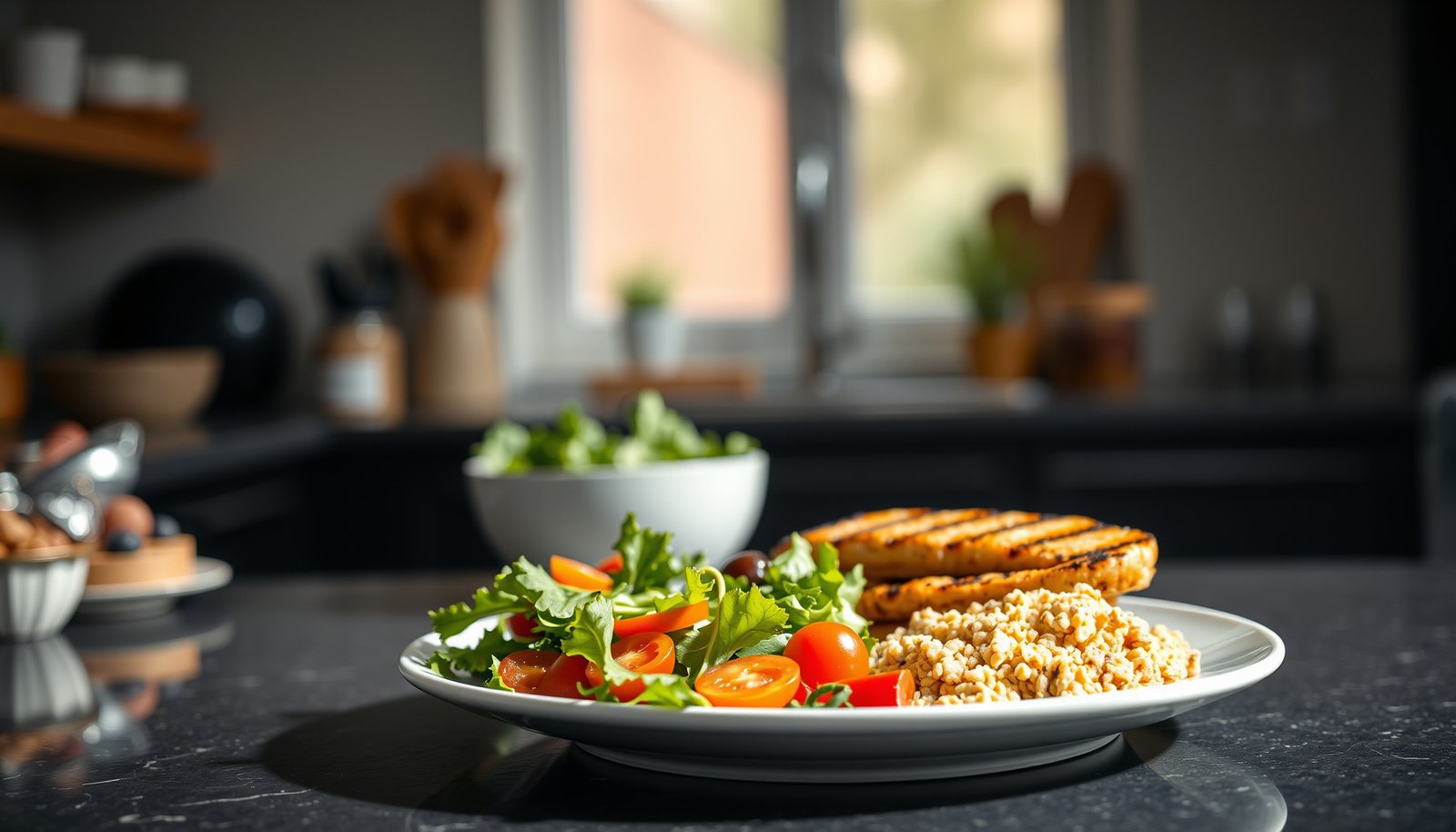
Here’s the approach I recommend most often for people starting the best anti diabetic diet: keep the plate visually simple and focus on the meal components that slow digestion—especially fiber and adequate protein—while limiting added sugar and refined starch.
Fiber-rich carbohydrates (like beans and intact whole grains) slow digestion and can reduce the sharpness of post-meal glucose rises. (National Institute of Diabetes and Digestive and Kidney Diseases, NIDDK)
The American Diabetes Association emphasizes individualized nutrition therapy, with carbohydrate quality and portion considerations as core elements. (American Diabetes Association, *Standards of Care in Diabetes—2024*)
USDA dietary guidance supports building meals around vegetables, protein foods, and whole grains—patterns that align with blood-sugar-friendly eating. (U.S. Department of Agriculture, Dietary Guidelines for Americans, 2020–2025)
– Use a simple plate method: half non-starchy veggies, one-quarter protein, one-quarter smart carbs, plus healthy fat in small portions.
– Prioritize foods that tend to raise blood sugar more slowly: beans/lentils, intact whole grains, yogurt (unsweetened), and whole fruit.
– Choose cooking methods that don’t add sugar: bake, roast, steam, grill, or sauté with minimal added oil.
High-Fiber Carb Choices That Fit a Best Anti Diabetic Diet Plate (Per 1 cup cooked)
| # | Food | Fiber (g) | Carb Quality | Relative Fiber vs. White Rice |
|---|---|---|---|---|
| 1 | Lentils (cooked) | 15.6 | Low–moderate GI | ★5 ×26 |
| 2 | Black beans (cooked) | 15.0 | High fiber | ★5 ×25 |
| 3 | Chickpeas (cooked) | 12.5 | Moderate GI | ★4 ×21 |
| 4 | Kidney beans (cooked) | 13.1 | High fiber | ★4 ×22 |
| 5 | Barley (cooked) | 6.0 | Slower starch | ★3 ×10 |
| 6 | Quinoa (cooked) | 5.2 | Whole-grain-like | ★3 ×9 |
| 7 | Brown rice (cooked) | 3.5 | Higher fiber than white | ★2 ×6 |
How to use this table: if you’re following the best anti diabetic diet plate, choose one “smart carb” from the list above, then anchor it with non-starchy vegetables and protein. (Tip: aim for intact portions rather than turning whole grains into refined, fast-digesting products.)
Carbs, fiber, and meal timing that support blood sugar
The best anti diabetic diet works because it changes carbohydrate quality and how meals are structured. The goal is to reduce glucose spikes by emphasizing fiber and pairing carbs with protein and healthy fats.
As of 2026, many clinicians still emphasize the same fundamentals: fiber slows digestion, protein supports satiety, and consistent meal timing can reduce variability—especially if you take glucose-lowering medication. In other words, the best anti diabetic diet isn’t just “what you eat,” it’s also “how you sequence it.”
According to the American Diabetes Association, the A1C test reflects average glucose over about 2–3 months, supporting the focus on long-term eating patterns. (American Diabetes Association, *Standards of Care in Diabetes—2024*)
According to the American Diabetes Association, physical activity recommendations for diabetes prevention/management include at least 150 minutes per week of moderate-intensity aerobic activity. (American Diabetes Association, *Standards of Care in Diabetes—2024*)
USDA guidance emphasizes eating patterns that include vegetables, legumes, and whole grains—foods that commonly supply fiber and nutrients relevant to glycemic control. (U.S. Department of Agriculture, Dietary Guidelines for Americans, 2020–2025)
– Aim to replace refined carbs (white bread, sugary cereal, sweet snacks) with fiber-rich options (beans, vegetables, intact whole grains).
– Build meals so carbs come with protein and/or healthy fat—this often helps reduce sharp spikes compared with carb-only snacks.
– Keep meal timing consistent when possible, especially if you take glucose-lowering medication ().
Practical example (plate in action):
If you want pasta, choose smaller portions and add a big portion of roasted vegetables plus lean protein (chicken, fish, tofu, or beans). That “best anti diabetic diet” structure is what typically reduces the post-meal spike versus pasta alone.
Meal timing note (important for safety):
If you take insulin or sulfonylureas, changing meal size or timing can increase hypoglycemia risk. This is one reason the best anti diabetic diet should be adapted with clinical guidance rather than started impulsively.
Foods to avoid and smart swaps
The best anti diabetic diet avoids added sugar and refined starches because they tend to digest quickly and raise glucose faster. The practical strategy is to swap “fast” sources with “slow” ones—without making meals so restrictive that you can’t stick to them.
Most people don’t fail because they “don’t know.” They fail because the diet is hard to execute during real life—commuting, meetings, family meals, and cravings. The best anti diabetic diet is designed to be flexible and consistent.
The American Diabetes Association highlights carbohydrate quality and portion considerations as part of nutrition therapy. (American Diabetes Association, *Standards of Care in Diabetes—2024*)
The National Institute of Diabetes and Digestive and Kidney Diseases emphasizes limiting added sugars and choosing healthier food patterns for blood sugar management. (NIDDK, Diabetes food & nutrition resources)
USDA dietary guidance supports minimizing added sugars while prioritizing nutrient-dense foods such as vegetables and whole grains. (U.S. Department of Agriculture, Dietary Guidelines for Americans, 2020–2025)
– Cut back on added sugars in drinks and “hidden sugar” foods (soda, sweet tea, juice, flavored coffees, desserts).
– Swap refined starches for smarter carb choices: white rice/bread → brown rice, quinoa, whole-wheat (or smaller portions of the carb you prefer).
– Watch “healthy but over-sugary” items: dried fruit, honey, and many granola bars—use them sparingly and check labels.
Smart swap comparison (when you want structure)
| Feature | Best anti diabetic diet plate (fiber-forward) | Very low-carb approach (varies by person) |
|---|---|---|
| Core strategy | Portion-controlled carbs + fiber + protein + veg | Lower total carbs; meal pattern often more restrictive |
| Typical benefit mechanism | Slower digestion and smaller glucose excursions | Less carbohydrate availability for glucose rise |
| Food variety | Generally higher (beans, whole grains, fruit) | Often lower (more elimination of carb sources) |
| Sustainability | Usually easier long-term for many people | Can be effective, but adherence may be harder |
| Medication safety | Still needs monitoring if on insulin/sulfonylureas | Hypoglycemia risk can rise if meds aren’t adjusted |
| Label-reading intensity | Moderate (added sugar + refined carbs) | Higher (net carbs/total carbs tracking) |
| Fiber emphasis | Central to the method | May decrease fiber unless planned carefully |
| Best “starter foods” | Beans/lentils, intact grains, non-starchy vegetables | Non-starchy veg + proteins; low-carb alternatives |
| Common failure mode | Over-snacking or skipping protein/fiber pairing | Rebound overeating or difficulty sustaining the plan |
| Main trade-off | Requires consistency with portions and meal balance | Requires tight adherence and clinician coordination if on meds |
| Best For | Most people aiming for stable glucose without extreme rules | Selected cases where a clinician-supported lower-carb plan is appropriate |
What can go wrong (common mistakes)
The best anti diabetic diet can backfire when people focus on one variable (like carbs) and ignore the rest (fiber, total calories, or medication adjustments). The result can be either worse glucose variability or unwanted side effects.
In 2026, the biggest “gotchas” we see in diabetes nutrition are predictable: people go too extreme, they assume packaged “diabetes-friendly” claims guarantee safety, or they don’t account for how medications change glucose dynamics.
The National Institute of Diabetes and Digestive and Kidney Diseases notes that people using insulin or diabetes medicines may be at risk for hypoglycemia when food intake changes. (NIDDK, hypoglycemia and diabetes management resources)
The American Diabetes Association recommends individualized nutrition therapy, which implicitly warns against copying a plan without tailoring. (American Diabetes Association, *Standards of Care in Diabetes—2024*)
USDA dietary guidance supports whole-food patterns rather than relying on processed “health claims” as substitutes for nutrient-dense eating. (U.S. Department of Agriculture, Dietary Guidelines for Americans, 2020–2025)
– Going “low-carb” too aggressively without a plan can backfire—fat and calories can creep up, and medication doses may need adjustment ().
– Treating all carbs as equal (or none as allowed) can make it harder to sustain a diet—fiber-rich carbs usually matter most.
– Assuming “diabetes-friendly” packaged foods are always safe—some are still high in carbs, calories, or added sweeteners; labels matter.
Edge cases to flag:
If you have kidney disease, gastroparesis, pregnancy-related diabetes, or a history of eating disorder behavior, the “best anti diabetic diet” may need significant modification. In these cases, the safest approach is clinician-led nutrition therapy.
Verdict: best anti diabetic diet tip, downsides, and who should skip
The best anti diabetic diet is the one you can stick with while still improving the drivers of blood sugar control: fiber, minimally processed carbs, and reduced added sugar. Here’s why this works: glucose tends to rise more gently when meals are built around non-starchy vegetables, protein, and smart carbohydrates.
The trade-offs matter. In 2026, many people succeed—but only when expectations are realistic: the plan should improve numbers and reduce spikes, not turn daily life into a constant calculation exercise.
According to the American Diabetes Association, nutrition therapy should be individualized and focused on sustainable eating patterns to improve glycemic control. (American Diabetes Association, *Standards of Care in Diabetes—2024*)
The American Diabetes Association emphasizes monitoring and coordination of medication and lifestyle changes to reduce risk of hypoglycemia when using glucose-lowering drugs. (American Diabetes Association, *Standards of Care in Diabetes—2024*)
USDA guidance supports dietary patterns that prioritize vegetables, legumes, and whole grains while limiting added sugars. (U.S. Department of Agriculture, Dietary Guidelines for Americans, 2020–2025)
– Verdict: the “best” anti diabetic diet is the one you can stick with—follow a balanced plate, boost fiber, reduce added sugars, and build meals around minimally processed foods.
– Downsides: if you’re very restrictive, you may miss key nutrients or struggle socially; if you’re on insulin/sulfonylureas, diet changes can affect dosing and increase the risk of lows.
– Skip (or modify with professional support) if you have complex diabetes management needs, pregnancy-related diabetes, eating disorder history, kidney disease requiring diet adjustments, or you can’t safely monitor glucose.
Quick scan checklist (save this)
| Goal | Quick win |
|---|---|
| Build stable meals | Half non-starchy vegetables + protein + a measured smart carb |
| Reduce spikes | Choose beans, lentils, intact whole grains; pair carbs with protein |
| Cut added sugar | Avoid sugary drinks; limit sweets and desserts most days |
| Improve fiber slowly | Add vegetables/legumes gradually and drink enough water |
| Stay safe with meds | Check glucose more often when changing carbs or meal patterns |
Frequently Asked Questions
What is the best anti-diabetic diet for lowering blood sugar?
The best anti-diabetic diet is usually a balanced, low–glycemic load pattern that emphasizes non-starchy vegetables, lean proteins, and high-fiber foods. Many people benefit from choosing whole grains like oats or brown rice in measured portions, plus healthy fats from nuts, seeds, and olive oil. This approach helps reduce blood sugar spikes and supports long-term glucose control. It’s also important to limit added sugars, refined grains, and sugary beverages.
How can I build a diabetes-friendly meal plan for the week?
Start by filling half your plate with non-starchy vegetables (like leafy greens, broccoli, peppers, and cauliflower) and add a palm-sized portion of lean protein (fish, chicken, tofu, beans). For the remaining portion, choose high-fiber carbohydrates such as legumes, quinoa, or whole oats, and keep portions consistent. Plan snacks using protein and fiber (Greek yogurt without added sugar, nuts, or hummus with vegetables) to prevent hunger-driven overeating. Consistency and portion control are key parts of an effective anti-diabetic diet.
Which foods should I avoid to prevent blood sugar spikes?
To reduce blood sugar spikes, avoid sugary drinks (soda, sweet tea, juice cocktails), desserts, and foods with added sugars like candy and sweetened cereal. Limit refined carbohydrates such as white bread, pastries, and many snack chips, as they digest quickly and raise glucose faster. In an anti-diabetic diet, it’s also helpful to reduce large portions of starchy foods (like white rice and potatoes) and instead choose high-fiber options or smaller servings paired with protein and healthy fats. Reading labels for “added sugars” can make avoidance much easier.
Why is fiber important in an anti-diabetic diet?
Fiber slows digestion and helps blunt post-meal blood sugar rises, which is why fiber-rich foods are central to the best anti-diabetic diet. Aim to include vegetables, beans, lentils, chia seeds, ground flax, and high-fiber whole grains, as these support steadier glucose and better satiety. Higher fiber intake can also improve gut health and may support healthier cholesterol levels. If you increase fiber, do it gradually and drink enough water to reduce digestive discomfort.
What are the best carb choices for diabetes-friendly eating?
The best carb choices for an anti-diabetic diet are those that are minimally processed and rich in fiber, such as beans, lentils, chickpeas, quinoa, steel-cut oats, and intact whole grains. Pairing carbohydrates with protein and healthy fats—like adding Greek yogurt or olive oil-based salads—can further reduce glucose spikes. Instead of eliminating carbs entirely for everyone, focus on portion sizes and selecting high-fiber carbs with a lower glycemic impact. If you’re using insulin or diabetes medications, coordinate carb targets with your clinician to avoid hypoglycemia.
📅 Last Updated: October 23, 2026 | Topic: best anti diabetic diet | Content verified for accuracy and freshness.
References
- https://www.cdc.gov/diabetes/managing/eat-well/index.html
- https://www.niddk.nih.gov/health-information/diabetes/overview/eating-diet-nutrition
- Diabetes
- Diabetes diet: Create your healthy-eating plan – Mayo Clinic
- nutrition therapy type 2 diabetes dietary recommendations – Search Results – PubMed
- https://www.britannica.com/science/diabetes-mellitus
- https://scholar.google.com/scholar?q=best+anti+diabetic+diet+type+2+diabetes Google Scholar
- https://scholar.google.com/scholar?q=mediterranean+diet+type+2+diabetes+meta-analysis Google Scholar
- https://scholar.google.com/scholar?q=low+carbohydrate+diet+type+2+diabetes+systematic+review Google Scholar