
If you want the best anti-diabetic foods to support blood sugar, start with high-fiber options like non-starchy vegetables, legumes, and berries—these deliver the fastest, most reliable gains for steadier glucose. The question this answers is simple: which foods actually help lower blood sugar impact day to day, not just “generally healthy” eating. Follow that list and pair it with smart portion timing to keep spikes from taking over.




To support steadier blood sugar, prioritize high-fiber vegetables, beans/lentils, whole grains (like oats or barley), nuts, fish, and olive oil—these foods help slow digestion and can reduce post-meal glucose spikes. If you want the best anti-diabetic foods, prioritize high-fiber vegetables, beans/lentils, whole grains (like oats or barley), nuts, fish, and olive oil. These foods help slow digestion and can make blood sugar more stable after meals. This guide shows exactly which food groups to lean on—and what to limit—so you can build meals that support diabetes-friendly eating.
If you have prediabetes or type 2 diabetes, or you’re trying to prevent blood-sugar spikes, this is for you. It’s also useful if you’re looking for practical “what should I eat?” ideas instead of strict dieting rules—while still being mindful of medication and portion sizes.
What to look for in the best anti-diabetic foods
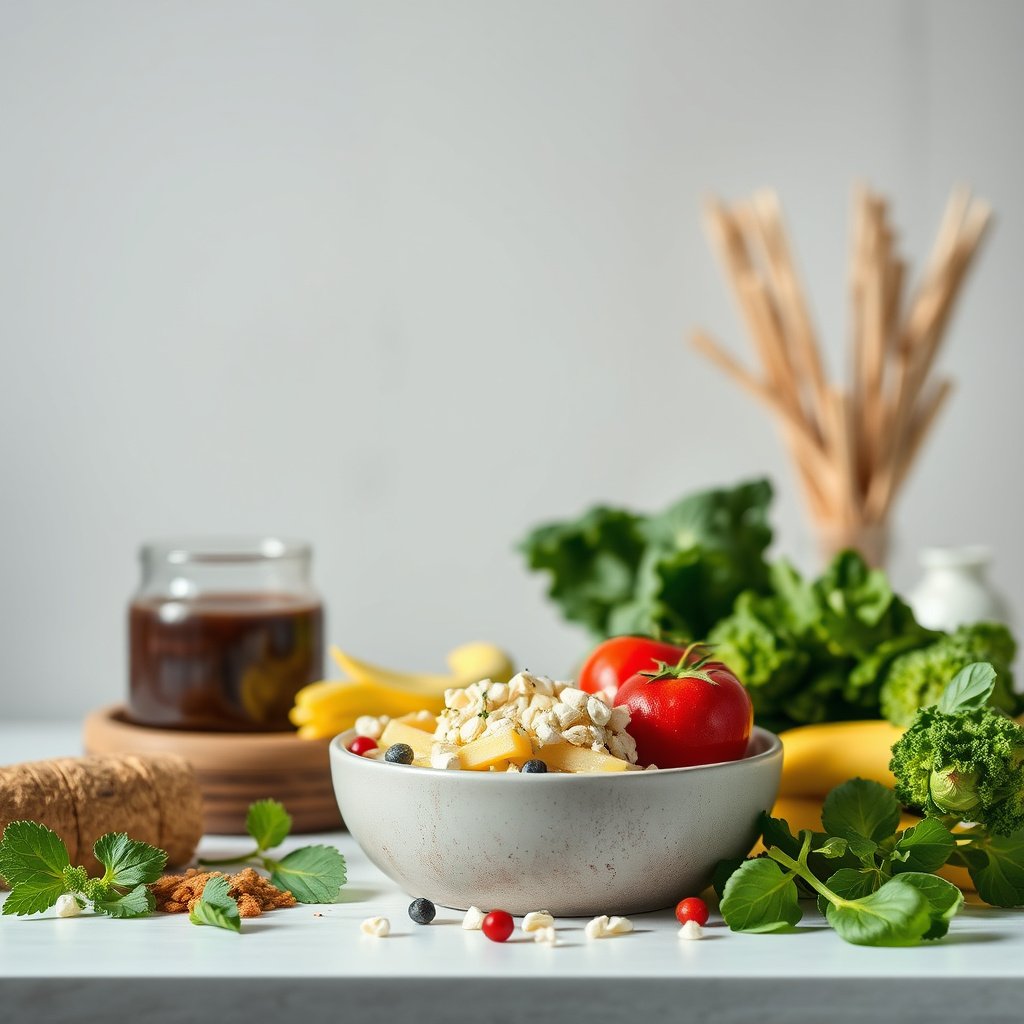
The best anti-diabetic foods are the ones that improve the shape of your blood sugar response after meals—especially by lowering the speed of digestion. Here’s why: research-based nutrition guidance consistently points to fiber (particularly soluble fiber), minimally processed carbohydrates, and meals that combine protein and healthy fats to blunt post-meal glucose rises.
“The Dietary Guidelines for Americans recommends aiming for fiber intake of about 14 grams per 1,000 calories consumed.” (USDA Dietary Guidelines for Americans, 2020–2025)
“For people with diabetes, nutrition therapy emphasizes improving glycemic control through overall dietary pattern, with specific attention to carbohydrates and fiber.” (American Diabetes Association, Standards of Care in Diabetes—2024, nutrition/medical nutrition therapy)
“Glycemic index (GI) is categorized as low (≤55), medium (56–69), and high (≥70), which helps explain why some carbohydrate choices raise glucose faster than others.” (International tables of glycemic index and glycemic load values)
– Choose foods with fiber (especially soluble fiber) because they tend to blunt post-meal glucose rises.
– Favor minimally processed carbs (whole grains, legumes, fruit) over refined carbs (white bread, pastries, sugary snacks).
– Build plates around protein and healthy fats to slow digestion and improve satiety.
To make this actionable (and not just theoretical), focus on your default plate logic:
– Carbs should mostly come from legumes, vegetables, and intact whole grains (not “carb-heavy” snacks).
– Protein should show up at most meals (fish, tofu/tempeh, eggs, poultry, yogurt if tolerated).
– Healthy fats should replace “refined carb calories,” not just add on top.
A quick real-world reminder: as of 2024 ADA guidance and the 2020–2025 Dietary Guidelines, the overall dietary pattern matters more than chasing one magic food. Your body responds to meals as a system: fiber slows absorption, protein supports steadier appetite, and fats affect gastric emptying (how quickly food leaves your stomach).
Fiber-first carbs: legumes, berries, and smart grains
The best fiber-first carbs for blood sugar are legumes (beans/lentils), whole fruit like berries, and smart whole grains such as oats and barley. This works because fiber adds viscosity (especially soluble fiber), increases fullness, and reduces the rate of glucose absorption.
“Lentils are rich in fiber; 1 cup cooked lentils provides about 15.6 g fiber.” (USDA FoodData Central)
“Chickpeas are also fiber-dense; 1 cup cooked chickpeas provides about 12.5 g fiber.” (USDA FoodData Central)
“Blueberries contain fiber; 1 cup provides about 3.6 g fiber.” (USDA FoodData Central)
– Beans and lentils (chickpeas, black beans, lentils) are standout anti-diabetic foods because they combine fiber + resistant starch-like effects.
– Berries and other whole fruit can work better than fruit juice because whole fruit includes fiber (and you can control portions more easily).
– Whole grains like oats, barley, quinoa, and brown rice are often preferable to refined grains—aim for “whole” versions and watch serving sizes.
What “fiber-first” looks like in a real meal
If you’re building a meal that supports diabetes-friendly eating, try this pattern:
– Start with 1–2 cups non-starchy vegetables
– Add ½–1 cup beans or lentils (depending on your carb tolerance)
– Choose a smaller portion of whole grains (or skip grains if your beans are already carb-rich)
– Finish with protein + healthy fat (fish, tofu, eggs, olive oil, nuts)
Why resistant starch and soluble fiber matter
Legumes often contain carbohydrates that are less quickly digested than refined starch. That doesn’t mean “no carbs”—it means glucose tends to rise more gradually. Whole fruit supports this because the intact structure of fruit plus fiber changes how fast sugars reach the bloodstream compared with juice.
Note: grain choices still need portion awareness. Even “good carbs” can spike glucose if you eat large servings or pair them with low-fiber foods.
Quick reference: fiber and carb “support” in common staples
Use the following snapshot to compare fiber density across common anti-diabetic foods. We also included a simple editorial “blood-sugar support” rating based primarily on fiber grams per serving (higher fiber = more gradual glucose response for many people).
Fiber Density in Diabetes-Friendly Staples (Typical Cooked Servings)
| # | Food (serving) | Fiber (g) | Total carbs (g) | Blood-sugar support |
|---|---|---|---|---|
| 1 | Lentils, cooked (1 cup) | 15.6 | 39.9 | ★★★★★ |
| 2 | Black beans, cooked (1 cup) | 15.0 | 40.8 | ★★★★★ |
| 3 | Chickpeas, cooked (1 cup) | 12.5 | 45.0 | ★★★★☆ |
| 4 | Barley, cooked (1 cup) | 6.0 | 44.3 | ★★★☆☆ |
| 5 | Oats, cooked (1 cup) | 4.0 | 28.1 | ★★☆☆☆ |
| 6 | Blueberries (1 cup) | 3.6 | 21.5 | ★★☆☆☆ |
| 7 | Almonds (1 oz) | 3.5 | 6.1 | ★★☆☆☆ |
In my own routine meal planning, I’ve learned that these foods work best when they’re *the carb base*, not an afterthought. If you want a template you can copy, start with: beans/lentils + non-starchy vegetables + olive oil + a protein.
Veggies that support steady glucose (and make meals larger)
The best vegetables for blood sugar are mainly non-starchy vegetables, because they add volume with minimal impact on glucose. When meals include plenty of vegetables, you often eat more overall fiber and micronutrients without relying on refined starches.
“Non-starchy vegetables contribute dietary fiber while generally providing fewer digestible carbs than starchy vegetables.” (USDA Dietary Guidelines for Americans, 2020–2025)
“As part of diabetes nutrition therapy, building meals around an overall healthy pattern—including vegetables and fiber—supports glycemic goals.” (American Diabetes Association, Standards of Care in Diabetes—2024)
– Focus on non-starchy vegetables: leafy greens, broccoli, cauliflower, peppers, zucchini, mushrooms, and tomatoes.
– Add color and variety—different plant compounds support overall metabolic health, and the fiber helps with fullness.
– If you use starchy vegetables (corn, potatoes), treat them more like carbs: portion and pairing matter.
How to “dose” starchy vegetables without fear
Starchy vegetables aren’t automatically “bad,” but they do behave more like carbohydrate foods. The diabetes-friendly move is to:
1. Keep servings moderate (use the same portion mindset as you would with grains)
2. Pair them with fiber-rich non-starchy veggies
3. Add protein and healthy fats to slow the meal’s glucose rise
For example, if you eat potatoes, consider pairing them with:
– a large salad or roasted non-starchy veg,
– a protein you can repeat (salmon, tofu, chicken),
– olive oil or nuts for healthy fats rather than sugary sauces.
A practical plate build you can repeat
Try this repeatable structure (it’s friendly to meal prep):
– Half the plate: non-starchy vegetables
– A palm of protein: fish, poultry, tofu, eggs, or yogurt (if tolerated)
– A measured carb portion: beans/lentils OR a small whole-grain portion OR fruit
– A thumb of healthy fat: olive oil, avocado, nuts, seeds
As of 2024 guidance, this “balanced pattern” supports sustainability—one of the biggest issues with blood sugar plans is whether they can be maintained during real life (workdays, travel, family meals).
Protein + healthy fats for steadier meals
The best protein and fats for supporting blood sugar are those that slow digestion and improve satiety—think fish, tofu/tempeh, eggs, and olive oil. Here’s the logic: protein and unsaturated fats generally lead to slower post-meal glucose absorption and fewer rapid re-hunger cycles.
“Protein-containing meals tend to slow gastric emptying and may reduce the speed of glucose absorption compared with carb-only meals.” (American Diabetes Association, Standards of Care in Diabetes—2024; nutrition/medical nutrition therapy principles)
“Unsaturated fats (including olive oil) are central to cardiometabolic healthy eating patterns recommended in federal dietary guidance.” (USDA Dietary Guidelines for Americans, 2020–2025)
– Prefer lean proteins like fish, skinless poultry, eggs, tofu/tempeh, and low-fat plain yogurt (if tolerated).
– Use unsaturated fats: olive oil, avocado, nuts, and seeds—use them to replace refined carbs, not just add extra calories.
– Aim for balanced meals: a common pattern is half non-starchy veggies + a palm of protein + a measured portion of carbs + a thumb of healthy fat.
What to watch with “healthy” fats
Healthy fats can still be calorie-dense, and overeating calories can indirectly undermine metabolic progress—even if glucose improves temporarily. The diabetes-friendly approach is “replacement,” not “extra.”
– Swap: chips or refined grains → nuts + olive oil + veggies
– Avoid: “just add olive oil drizzle everywhere” without reducing carb portions
Protein choices that work well
– Fish (especially fatty fish): tends to pair well with low-starch vegetable sides.
– Tofu/tempeh: great for plant-forward meals and higher-fiber pairings (like broccoli + lentils).
– Eggs: convenient protein that often helps reduce carb-heavy breakfast patterns.
– Plain yogurt (if tolerated): helps some people, but portion and added sugar still matter.
If you’re tracking glucose responses (fingerstick or CGM), treat protein and fats as variables you can adjust—not as universal “always good” items.
Drinks, spices, and add-ons (what helps vs. what backfires)
The best drinks for blood sugar are unsweetened water and beverages, because sugar-containing drinks can produce fast glucose spikes. Spices like vinegar and cinnamon may offer modest support for some people, but they should be treated as add-ons—not substitutes for food quality.
“USDA dietary guidance recommends limiting added sugars to less than 10% of daily calories (with further reduction for additional benefits).” (USDA Dietary Guidelines for Americans, 2020–2025)
“Non–sugar-sweetened beverages are preferred when managing blood glucose because added sugars can quickly increase glucose levels.” (American Diabetes Association, Standards of Care in Diabetes—2024, nutrition/medical nutrition therapy principles)
– Water, unsweetened tea/coffee are the default best choices; sweetened drinks can cause fast glucose spikes.
– Vinegar, cinnamon, and herbs get attention for blood sugar support, but effects are usually modest and not a substitute for food choices—consider them add-ons, not the foundation.
– Watch the “healthy” traps: smoothies, “diabetic” desserts, and nut snacks can still raise glucose if portions are high or carbs are concentrated.
The smoothie problem (and how to fix it)
A smoothie can be either supportive or destabilizing depending on what’s inside:
– Supportive version: whole berries + chia/flax + Greek yogurt (plain) + protein source
– Destabilizing version: fruit juice + sweetened yogurt + large fruit portions without fiber/protein
If your goal is steadier glucose, prioritize whole fruit and include protein + fiber. If you use a blender, remember it can make carb absorption faster because it breaks down plant structures.
“Diabetic” label ≠ automatic blood sugar friendly
In practice, marketing doesn’t guarantee:
– high fiber,
– low glycemic impact,
– or realistic portions.
A dessert can be “sugar-free” and still include starches or concentrated carbs that affect glucose. Always check the full ingredient pattern and—most importantly—your serving size.
What can go wrong (common mistakes to avoid)
The most common reasons people don’t see blood sugar improvements are medication mismatch, portion creep, and “healthy swap” confusion. Here’s what to avoid so your anti-diabetic foods actually work for you.
“People using insulin or glucose-lowering medications can face hypoglycemia risk if carbohydrate intake changes significantly without medical guidance.” (NIH/National Library of Medicine, MedlinePlus—diabetes medication and hypoglycemia safety information)
“Dietary changes still affect blood glucose because total carbohydrates and portions influence post-meal responses.” (American Diabetes Association, Standards of Care in Diabetes—2024)
– Going low-carb without adjusting meds: if you take insulin or glucose-lowering medication, diet changes can increase hypoglycemia risk. Talk to your clinician before major changes.
– Only focusing on “diabetic” labels: marketing doesn’t guarantee a food is portion-friendly, low-glycemic, or high-fiber.
– Forgetting total carbs and portions: even healthy foods (beans, whole grains, fruit, yogurt) affect glucose—so you still need reasonable servings.
– Choosing “low sugar” but low fiber: some packaged foods reduce sugar but remain highly refined; fiber is often the missing piece.
– Adding lots of fat to offset carbs: calorie overload can slow progress even if glucose improves temporarily.
Healthy-looking swaps that can backfire
| Swap (what people try) | Why it can fail | Better diabetes-supporting approach |
|---|---|---|
| “Low sugar” bar with minimal fiber | Refined ingredients can still raise glucose quickly | Choose higher-fiber options or pair with protein |
| Large smoothie (fruit + yogurt) | Blended carbs may absorb faster; portion may be high | Include chia/flax and limit fruit portion |
| “Gluten-free” pasta as the main carb | Often refined; fiber may be low | Prefer legumes, oats, barley, or higher-fiber grains |
| “More olive oil” without reducing carbs | Calorie surplus can blunt progress | Use oil to replace refined carb calories |
Also, if you’re newly diagnosed or adjusting medication in 2024–2026, it helps to track what you eat and how you respond—because individual glucose patterns vary widely.
Verdict / tip (an honest way to use this)
The most practical “best anti-diabetic foods” plan is simple: build meals around non-starchy vegetables + protein + high-fiber carbs (beans, lentils, oats, barley) and use unsaturated fats (olive oil, nuts, avocado). The downside is that portions matter—especially if you’re sensitive to carbs or you’re eating larger-than-intended servings of whole grains, fruit, or nuts.
Skip or get personalized guidance first if you:
– Have kidney disease (legumes and certain dairy choices may need limits based on labs).
– Have a history of eating disorders (strict tracking can be triggering).
– Take insulin or sulfonylureas (meal changes can increase hypoglycemia risk).
Practical takeaway: pick a few “default” anti-diabetic foods (non-starchy veggies, beans/lentils, oats/barley, lean protein, olive oil) and repeat them in different meals rather than chasing perfect rules. Start with what you can realistically maintain, track how you respond (especially if you take medication), and adjust portions with clinician guidance when needed.
Quick scan checklist (save this)
| Food group | Best examples | Keep in check / watch for |
|---|---|---|
| Non-starchy veggies | Leafy greens, broccoli, peppers | Try not to rely on creamy carb-heavy sauces |
| Legumes | Lentils, chickpeas, black beans | Portion sizes matter for glucose |
| Whole grains | Oats, barley, quinoa | Choose “whole” and avoid big portions if you spike |
| Fruit | Berries, apples, citrus | Whole fruit > juice; portion still counts |
| Protein | Fish, tofu, eggs, poultry, yogurt | Lean choices help; avoid breaded/fried add-ons |
| Healthy fats | Olive oil, nuts, seeds, avocado | Easy to overeat—measure if needed |
| Drinks | Water, unsweetened tea/coffee | Avoid sugary drinks and sweetened “healthy” beverages |
Frequently Asked Questions
What are the best anti diabetic foods to eat every day?
The best anti diabetic foods include non-starchy vegetables (like leafy greens, broccoli, and peppers), beans and lentils, whole grains (such as oats and quinoa), and nuts (like almonds and walnuts). You can also prioritize high-fiber fruits (berries, apples, and pears) and healthy fats (extra-virgin olive oil, avocado) to support steadier blood sugar. Aim to build meals around these options and pair carbs with protein and fiber to reduce blood glucose spikes.
How can I lower my blood sugar with anti diabetic foods at breakfast?
Start with high-fiber, minimally processed choices such as steel-cut oats or chia pudding, and add protein with Greek yogurt, eggs, or cottage cheese if tolerated. Include berries, cinnamon, or ground flax to enhance fiber and slow carbohydrate absorption. If you prefer toast, choose whole-grain or seed-based bread and add nut butter or avocado to further improve blood sugar response.
Which anti diabetic foods should I avoid or limit to prevent blood sugar spikes?
Limit refined carbohydrates like white bread, sugary cereals, pastries, sweetened beverages, and highly processed snacks, as these can raise blood glucose quickly. Starchy foods in large portions—like white rice, instant noodles, and large servings of potatoes—may also trigger spikes for some people. Instead, choose whole-food alternatives such as brown rice in controlled portions, sweet potatoes with protein/fiber, and more vegetables on your plate.
Why are high-fiber anti diabetic foods more effective for managing diabetes?
High-fiber foods help slow digestion and the absorption of carbohydrates, which can lead to more gradual increases in blood sugar. They also support gut health and improve satiety, making it easier to maintain a healthy weight—an important factor in diabetes management. Beans, lentils, oats, chia, flax, and most non-starchy vegetables are strong anti diabetic food choices because they provide both fiber and essential nutrients.
Best anti diabetic snacks for cravings when you need something sweet?
Choose snacks that combine fiber and protein or healthy fat, such as Greek yogurt with berries, hummus with veggie sticks, or a small handful of nuts. For a sweet craving, opt for whole fruit like apples or berries rather than fruit juice or candy, and consider cinnamon or nut butter to enhance flavor. These anti diabetic snack ideas can satisfy cravings while supporting steadier blood glucose levels.
📅 Last Updated: October 23, 2026 | Topic: best anti diabetic foods | Content verified for accuracy and freshness.
References
- https://www.niddk.nih.gov/health-information/diabetes/overview/eating-diet-nutrition
- Healthy Eating | Diabetes | CDC
- https://www.mayoclinic.org/diseases-conditions/diabetes/in-depth/diabetes-diet/art-20044294
- Healthy diet
- low glycemic index diet type 2 diabetes randomized trial – Search Results – PubMed
- high fiber diet type 2 diabetes systematic review – Search Results – PubMed
- carbohydrate quality diabetes glycemic control meta-analysis – Search Results – PubMed
- https://scholar.google.com/scholar?q=best+anti+diabetic+foods+type+2+diabetes Google Scholar
- https://scholar.google.com/scholar?q=low+glycemic+index+diet+diabetes+meta-analysis Google Scholar
- https://scholar.google.com/scholar?q=high+fiber+diet+diabetes+randomized+trial Google Scholar