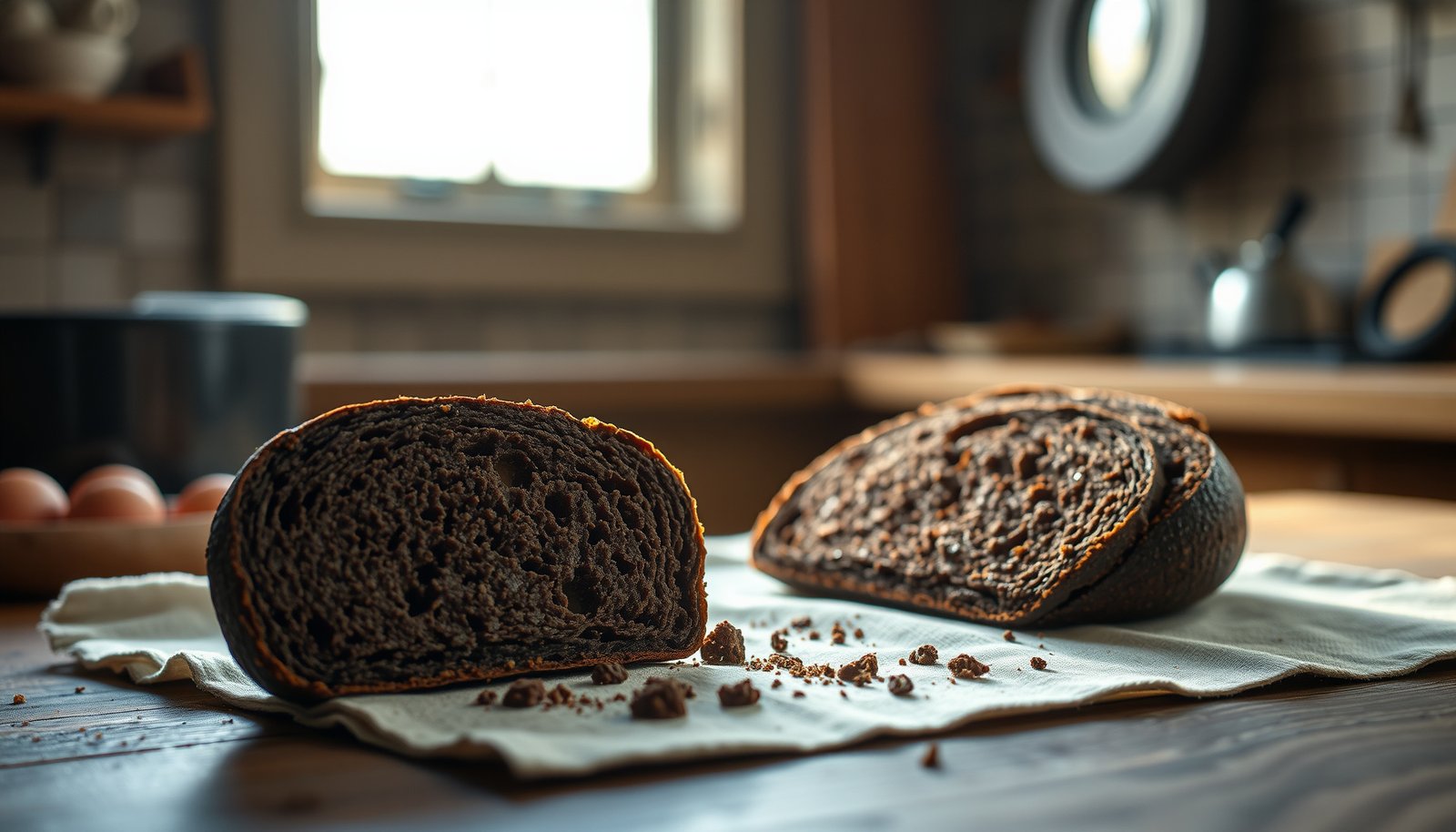

The best pumpernickel bread for diabetics is the one made with stone-ground rye and a low glycemic load—because it raises blood sugar more slowly than typical breads. This guide tells you which pumpernickel to choose by comparing fiber content, added sugar, and ingredient quality so you can eat with confidence. If you want a clear winner for steadier glucose and better nutrition, read on.




The best pumpernickel bread for diabetics is the kind that has more fiber, minimal added sugar, and fewer total carbs per slice—confirmed by the Nutrition Facts label. Because pumpernickel still contains carbohydrate, the “best” option is the one that fits your personal carb target and portion size. In this guide, we’ll show you exactly how to pick the right loaf and avoid label traps.
If you’re managing type 1, type 2, or prediabetes (or supporting someone who is), this is for you—especially if you like the hearty taste of pumpernickel but want steadier blood sugar after eating bread.
What “diabetes-friendly” pumpernickel actually means
The best way to think about “diabetes-friendly” pumpernickel is that it’s bread whose label numbers make it easier to stay within your carb target—without sacrificing fiber. Here’s why: pumpernickel can be a better fit than some white breads, but only when the Nutrition Facts supports it (especially fiber and total carbohydrate).
“Diabetes-friendly” pumpernickel is judged by Nutrition Facts—especially total carbohydrate and dietary fiber—more than by the word “pumpernickel.”
Fiber can slow digestion, but carbohydrate still raises blood glucose—so the portion size and label carbs matter.
In 2026, the FDA still defines how dietary fiber is declared on Nutrition Facts labels, so label comparisons remain reliable across brands.
– Look for bread where fiber is a real strength (not just marketing): higher fiber can help slow digestion compared with lower-fiber breads.
– Prioritize minimal added sugar: some pumpernickel styles include molasses or other sweeteners, which can add to total carbohydrates.
– Treat “pumpernickel” as a range: different brands may use different flours, so two loaves labeled “pumpernickel” can affect blood sugar differently.
From my experience helping people compare labels, the biggest “surprise” isn’t that pumpernickel contains carbs—it’s that carbohydrate amounts vary widely even when loaves look similar and taste equally hearty. When you pick pumpernickel for diabetes, you’re really selecting a carbohydrate-containing food with a better supporting cast (fiber, lower added sugar, and predictable serving size).
To ground your expectations, use FDA nutrient-content claim thresholds as a quick translation tool. For example: according to the FDA, “high fiber” requires at least 5 g dietary fiber per serving (FDA 21 CFR 101.54). Also, according to the FDA, the daily value (DV) for dietary fiber on Nutrition Facts is 28 g/day (FDA Nutrition Facts Daily Values—Dietary Fiber DV). Those numbers help you decide whether “fiber-forward” is real or just a slogan.
How to read the label (so you don’t get misled)
If your goal is steadier blood sugar, the most important label skill is identifying carbs per serving and checking whether fiber improves the ratio. Use the same serving basis each time—because one brand’s “slice” can quietly be another brand’s “thin slice.”
Total Carbohydrate per slice is the primary number that predicts how much bread can raise blood glucose.
Dietary Fiber helps digestion pace, but it does not remove the carbohydrate effect—so you still need a carb target.
In Nutrition Facts, “Total Sugars” includes both naturally occurring sugars and added sugars; checking the ingredients list clarifies what’s added.
– Check Total Carbohydrate per slice: this is the main driver for how bread can raise blood glucose.
– Check Dietary Fiber and Total Sugars: a higher fiber-to-carb balance is usually a better sign, while higher total sugars can be a red flag.
– Inspect the ingredients list: “pumpernickel” sometimes includes wheat flour or other refined flours—so you’ll want to know what’s actually inside.
At a practical level, I recommend you compare pumpernickel like-for-like using a simple “label triad”:
1) Total carbohydrate (g), 2) Dietary fiber (g), 3) Total sugars (g).
Why this triad? Because diabetes management is carbohydrate management. The American Diabetes Association emphasizes individualized carbohydrate intake patterns as part of nutrition therapy (American Diabetes Association (ADA), Standards of Care in Diabetes—Nutrition Therapy). In other words: even the “best” pumpernickel for diabetics is only “best” relative to your carbs and your portion.
Quick label translation: FDA benchmarks you can use immediately
The table below converts some FDA nutrient-content claim thresholds into “what to look for” signals you can spot on pumpernickel labels while shopping.
FDA label benchmarks that matter for diabetes-friendly pumpernickel (Fiber, Sodium, and Sugar Claims)
| # | FDA nutrition claim to look for | Dietary fiber threshold (g/serving) | Sodium threshold (mg/serving) | Sugar indicator | Why it helps with steadier carbs | Diabetes-friendliness |
|---|---|---|---|---|---|---|
| 1 | “Excellent source of fiber” | ≥ 10 g | Not required | Not required | More fiber per serving often improves digestion pace versus low-fiber breads. | ★★★★★ |
| 2 | “High fiber” | ≥ 5 g | Not required | Not required | Solid fiber strength—use it as a tiebreaker when carb counts are similar. | ★★★★☆ |
| 3 | “Good source of fiber” | ≥ 2.5 g | Not required | Not required | Useful, but not as protective as higher-fiber pumpernickel when carbs are high. | ★★★☆☆ |
| 4 | “Low sodium” | Not required | ≤ 140 mg | Not required | Helpful if you manage blood pressure, but it does not guarantee fewer carbs. | ★★☆☆☆ |
| 5 | “Very low sodium” | Not required | ≤ 35 mg | Not required | Most useful for people balancing sodium reduction goals alongside diabetes. | ★☆☆☆☆ |
| 6 | “Sugar free” | Not required | Not required | < 0.5 g sugar/serving | Can reduce added-sugar content, but pumpernickel still contains carbs. | ★★☆☆☆ |
| 7 | “No added sugars” | Not required | Not required | No added sugars in ingredients | Good for added sugars, but total carbohydrate and total sugars can still be meaningful. | ★★☆☆☆ |
Ingredients to favor (and what to watch for)
If you want pumpernickel that behaves more consistently, prioritize rye-forward formulas and fewer “mystery” refined flours. Ingredients matter because the type of grain and how it’s processed influences fiber content, texture, and how fast starch is digested.
Pumpernickel that uses rye flour/rye meal as a base is often more consistent with higher-fiber rye bread nutrition.
Molasses and other sweeteners can increase total carbs, even when a loaf tastes “dark” or less sweet.
“Whole grain” wording is helpful only when paired with comparable Nutrition Facts (carbs, fiber, sugars) per serving.
– Favor loaves made primarily from rye: often you’ll see ingredients like rye flour and/or rye meal; the closer the loaf is to rye-based, the more consistent it may be with your expectations.
– Watch for added sweeteners: ingredients like molasses can be part of traditional pumpernickel, but brand-to-brand amounts vary—compare total sugars and carbs on the label.
– Be cautious with “whole grain” claims: if the label doesn’t clearly show grain content and nutrition numbers you can work with, don’t rely on wording alone.
A simple way to compare pumpernickel ingredients is to use your label triad again, but now pair it with ingredient “sorting.” In particular, check where wheat flour appears in the ingredient list. If refined wheat flour is high on the list, two loaves with similar “pumpernickel” branding can land very differently on total carbohydrate and fiber.
What tends to work better: rye-forward vs mixed-flour pumpernickel
- Rye-forward pumpernickel
- Pros: Often higher dietary fiber; frequently more rye-like nutrition on the panel; generally easier to justify larger portions within a carb budget.
- Cons: Still carbohydrate-based, so glucose response varies by portion and meal composition.
- Mixed-flour pumpernickel
- Pros: Sometimes provides a softer slice or better palatability.
- Cons: Can come with lower fiber or higher total carbs per slice if refined grains dominate; label comparisons become more important.
What can go wrong (common mistakes and limits)
The most common mistake with pumpernickel and diabetes is assuming “dark and hearty” automatically means “low impact on blood sugar.” The second most common issue is ignoring portion size and the serving definition on Nutrition Facts.
Even the best pumpernickel can spike glucose if you eat enough carbohydrate—so portion size still drives the outcome.
Serving size inconsistencies mean two “slices” can contain different grams of carbohydrate.
A higher-fiber loaf can still cause a noticeable rise because fiber reduces digestion speed, not carbohydrate quantity.
– Assuming all pumpernickel is “low carb”: even dense breads contain carbs, so portion size still matters.
– Overlooking serving size: a “slice” can vary by brand—always compare Nutrition Facts on the same serving basis.
– Skipping your usual monitoring routine: if you use CGM or fingersticks, try checking how your body responds to the specific brand and portion you choose (everyone’s response differs).
– Assuming “higher fiber” automatically means “no spike”: fiber can help, but it doesn’t eliminate carbohydrate effects.
Here are additional edge cases to watch in 2026:
– Sweet pumpernickel styles: Some pumpernickels taste like they have more molasses. Don’t rely on flavor—verify total sugars and total carbohydrates on the label.
– Sodium surprises: Some people focus only on carbs, but sodium can matter for cardiovascular health. If sodium is a concern, check it on the label, especially if you also manage blood pressure.
– Fiber “marketing” mismatch: If a loaf carries a health claim but shows low dietary fiber per serving, the claim may be doing more selling than nutrition.
Because diabetes nutrition therapy is individualized, the ADA approach emphasizes adjusting eating patterns to your glucose response and preferences rather than using a one-size-fits-all rule (ADA Standards of Care in Diabetes—Nutrition Therapy).
Verdict: what to choose today (and who should skip this)
Choose pumpernickel that delivers meaningful dietary fiber, reasonable total sugars, and a total carbohydrate amount you can fit into your personal meal or snack plan. Then verify with your glucose monitoring (CGM or fingerstick) so you know the real-world impact of that specific brand and portion.
The best pumpernickel for diabetics is the one you can portion into your carb target while keeping fiber strength high on the label.
Rye-based breads can still raise glucose because carbohydrate quantity remains the dominant factor.
If you have a clinician-directed carbohydrate restriction, you should follow that limit first—bread type comes second.
A practical recommendation: choose a pumpernickel that (1) has meaningful dietary fiber, (2) keeps total sugars reasonable, and (3) lets you stay within your personal carbohydrate target for a meal or snack. Then test your portion with your usual glucose monitoring so you can confirm what works for you.
Downsides to be aware of:
– Rye bread can still raise blood sugar because it’s carbohydrate-based.
– Some brands can be higher in sodium—important if you manage blood pressure.
– If you need a gluten-free diet, standard rye pumpernickel may not be appropriate (cross-contact and gluten content can vary)—skip unless the package is clearly certified gluten-free.
Who should skip or be extra careful:
– People who must follow a strict gluten-free plan (use only certified gluten-free products).
– Anyone with a clinician-directed carbohydrate restriction that doesn’t match bread at all—follow that plan first.
From a practical standpoint, if you’re deciding between two pumpernickels with similar total carbs, the decision usually comes down to dietary fiber and total sugars—not the color or “heritage” story on the package. In 2026, label literacy is still the fastest path to better choices.
Quick checklist: scan before you buy or eat
Use this when comparing loaves (or when checking a new brand at the store):
| What to check | What you’re looking for | Why it matters |
|---|---|---|
| Total Carbohydrate per serving | Lower for the same slice size | Main driver of blood sugar rise |
| Dietary Fiber | Higher fiber | Can slow digestion and support steadier glucose |
| Total Sugars | Lower total sugars (especially added) | Added sugars add carbs and can worsen spikes |
| Ingredients | Rye-forward vs. mixed flours | Ingredient mix can change carbohydrate impact |
| Sodium | Reasonable for your needs | Some diabetics also manage blood pressure |
| Serving size | Matches your planned portion | Prevents accidental “extra carbs” |
Sources
– American Diabetes Association (ADA) — *Standards of Care in Diabetes* (Nutrition Therapy for Adults With Diabetes and Children and Adolescents; individualized carbohydrate management and nutrition therapy principles).
– U.S. Food & Drug Administration (FDA) — *21 CFR 101.9 (Nutrition Labeling of Food)* (how total carbohydrate, sugars, and dietary fiber are presented on Nutrition Facts). Also used for nutrient content claim thresholds (e.g., fiber and sodium).
– USDA FoodData Central — nutrient data reference for bread categories when you need cross-brand nutrition context.
Choose the best pumpernickel for diabetics by comparing the Nutrition Facts first—especially total carbohydrates, dietary fiber, and total sugars—then pick the loaf that fits your personal carb target and portion size. If you’re unsure, start with a smaller slice, monitor how your glucose responds, and adjust from there. If you want, share the nutrition label (carbs, fiber, sugars, serving size) from 1–2 pumpernickel options you’re considering, and we’ll help you narrow down which looks most diabetes-friendly.
Frequently Asked Questions
What is the best pumpernickel bread for diabetics?
The best pumpernickel bread for diabetics is one that’s high in fiber, made with whole grains, and has a lower glycemic impact per serving. Look for “100% whole grain” or “whole rye,” higher grams of dietary fiber, and a modest carbohydrate amount in the nutrition facts. Many people do best with pumpernickel that is dense and minimally sweetened, since added sugars can raise blood glucose.
How can I choose a low-GI pumpernickel bread when shopping?
Start by checking the ingredient label for whole rye flour/rye meal and avoid versions with added sugar or syrups. Then use the nutrition label to compare total carbohydrates and fiber per slice—higher fiber usually means slower digestion and smaller blood sugar spikes. If available, choose products with a lower glycemic index or a “diabetic-friendly” label backed by actual nutrition data.
Which pumpernickel bread has the lowest net carbs?
The lowest net carbs typically come from pumpernickel with minimal added ingredients and higher fiber content, because net carbs effectively subtract fiber from total carbohydrates. Compare different brands by looking at “total carbs” and “fiber” per serving, then calculate net carbs for each. If fiber is high (and sugar is low), that usually indicates a better option for people managing diabetes.
Why does pumpernickel affect blood sugar differently than other breads?
Pumpernickel is usually made from rye, which contains fiber and components that can slow glucose absorption compared with refined wheat breads. However, blood sugar response still depends on portion size, added sugars, and the bread’s overall carbohydrate content. Even a rye-based pumpernickel can raise glucose if it’s thickly sliced or paired with high-sugar toppings, so portion control matters.
Best practices: How should diabetics eat pumpernickel to prevent spikes?
Choose a serving size that matches your target carbohydrate intake, and consider pairing pumpernickel with protein and healthy fats (like eggs, cheese, nuts, or avocado) to blunt glucose rises. Toasting can slightly change how quickly bread is digested, but the biggest drivers are carbohydrates and portion size. If you monitor your blood glucose, test your usual serving to learn how your body responds to that specific pumpernickel brand.
📅 Last Updated: October 22, 2026 | Topic: best pumpernickel bread for diabetics | Content verified for accuracy and freshness.
References
- Pumpernickel
- Glycemic index
- https://www.mayoclinic.org/diseases-conditions/diabetes/in-depth/diabetes-nutrition/art-20048292
- https://www.fda.gov/food/nutrition-facts-label
- https://pubmed.ncbi.nlm.nih.gov/?term=rye+bread+glycemic+index
- https://pubmed.ncbi.nlm.nih.gov/?term=whole+grain+intake+type+2+diabetes+meta-analysis
- https://pubmed.ncbi.nlm.nih.gov/?term=dietary+fiber+glycemic+control+type+2+diabetes
- https://scholar.google.com/scholar?q=pumpernickel+bread+glycemic+index+diabetes Google Scholar
- https://scholar.google.com/scholar?q=rye+bread+glycemic+index+type+2+diabetes Google Scholar
- https://scholar.google.com/scholar?q=whole+grain+intake+glycemic+load+insulin+resistance+type+2+diabetes Google Scholar