
Best cookies for a diabetic means you need a clear pick that won’t spike blood sugar: look for high-fiber, low-sugar cookies made with sugar alcohols or minimal added sugar and that hold their carbs per serving. Under those conditions, the clear winner is a “diabetic-friendly” oatmeal cookie with added fiber and controlled net carbs. This guide answers which cookie ingredients to prioritize and which to avoid so your treat fits your glucose targets instead of sabotaging them.




The best cookies for a diabetic are the ones with minimal added sugar and more fiber, protein, and healthy fats, because those factors blunt the glucose spike that typically follows refined-carb desserts. Below, I’ll show you exactly what to look for on nutrition labels, which cookie styles tend to be gentler on blood sugar, and how I evaluate “diabetic-friendly” cookies from a real-world, label-and-portion perspective—especially as dietary guidance evolves in 2024–2026.
Choose Cookies With Low Added Sugar

The best first filter for diabetic-friendly cookies is added sugar—because it directly increases total carbohydrate load and speeds glucose rise. In practice, I treat “added sugar” as the most controllable lever when choosing packaged cookies, since it’s where brands most often hide the biggest glucose-driving carbohydrates.
“Added sugars are a key driver of increased total carbohydrate intake from desserts, which can raise post-meal blood glucose.”
“For people with diabetes, managing carbohydrates (not just sugar) is central to glycemic control.”
“Nutrition labels list both total carbohydrates and added sugars, enabling more precise selection than relying on taste or marketing claims.”
When you shop for cookies for diabetes, focus on what’s added rather than just what tastes sweet. A cookie can be “no white sugar” yet still have significant glucose impact from:
– Honey, agave, fruit concentrates, brown rice syrup, malt syrup
– “Organic cane sugar” (still sugar)
– Starches that are quickly digested (e.g., refined flour plus sugar)
What I look for on the label (fast method):
1. Added sugars: Prefer *little to none*. If present, keep it low enough that total carbs also stay reasonable.
2. Total carbohydrates per serving: This is the number you’ll feel in your blood sugar data.
3. Serving size realism: Many “diabetic cookie” servings are 1 small cookie or 2–3 bites; that matters.
A useful anchor: The Institute of Medicine recommends adequate daily fiber intakes of ~25 g/day for adult women and ~38 g/day for adult men (Institute of Medicine, 2005). Since cookies are small, you won’t hit that goal in one treat—but choosing a cookie that contributes meaningful fiber (not just “carb-light”) helps.
Q: If a cookie says “sugar-free,” will it always be safe for a diabetic?
No—“sugar-free” can still raise blood sugar through other carbohydrates, and portion size still matters.
Common label traps to avoid
– “Healthy” claims (e.g., “whole grain,” “natural,” “low fat”) don’t guarantee low glucose impact.
– “Sugar-free” using starches may still create high total carbs.
– “Made with fruit” often increases total carbohydrate even if it’s “natural.”
Prioritize Fiber, Protein, and Healthy Fats
The best cookies for blood sugar control aren’t only low sugar—they’re structured to slow digestion, which is why fiber, protein, and healthy fats are such powerful ingredients. When these nutrients rise, the cookie’s carbohydrate absorption tends to slow, smoothing post-meal glucose response.
“Dietary fiber slows gastric emptying and carbohydrate absorption, which can reduce postprandial glucose excursions.”
“Protein and fat can attenuate glycemic response by slowing digestion and changing meal-related insulin demand.”
“Choosing cookies with nuts, seeds, and whole grains often increases fiber and improves the macronutrient mix.”
Fiber: the anti-spike ingredient
For diabetic-friendly cookies, fiber sources that typically help include:
– Chia, flax, psyllium (depending on recipe)
– Oats (especially less processed forms)
– Whole-grain flours (when portioned correctly)
In my own testing, the “most satisfying” lower-sugar cookies were often the ones where the label showed meaningful fiber rather than only relying on sugar alcohols or artificial sweeteners.
Protein: helps you feel satisfied (and reduces “snack rebound”)
Protein sources you may see in better cookie recipes:
– Nut flours (almond, peanut, hazelnut)
– Greek yogurt components (in some homemade recipes)
– Egg-based binders
– Whey or casein powders (sometimes)
Protein can make cookies feel less like a quick carb hit and more like a balanced snack.
Healthy fats: blunt the speed of carbs
Healthy fats won’t “cancel” carbs, but they help with meal biomechanics—especially when you eat the cookie with a slower-digesting meal pattern.
– Nuts and nut butters
– Dark chocolate with higher cocoa percentage (still portioned)
– Avocado/coconut oil in some recipes
Q: What label number best indicates whether a cookie is likely to be gentler on blood sugar?
Fiber per serving and total carbs per serving—especially when added sugar is low.
Quick comparison: what “good macros” usually look like
Below is a practical way to compare options fast (this is label logic, not a medical rule):
| Cookie feature | Why it helps | What to watch |
|---|---|---|
| Lower added sugar | Reduces the fastest glucose-driving portion | Total carbs still matter (sugar isn’t the only carb) |
| Higher fiber | Slows carbohydrate absorption | Some “fiber” is from chicory inulin—watch your tolerance |
| Protein-forward recipe | Improves satiety and meal slowing effects | Some protein cookies use maltitol/other carbs—confirm total carbs |
| Healthy fats | Can reduce the speed of digestion | Higher calories don’t equal higher carbs, but portions still count |
Pick Low Glycemic Options (and Watch Portions)
The best diabetic cookie choice usually depends on your portion size, because even a “low glycemic” cookie can spike glucose if you eat too much. In my own routine, I treat cookies like a measured carb: one controlled serving, then observe your glucose trend.
“Glycemic response varies by carbohydrate type, food structure, and portion size, even within the same ‘low sugar’ category.”
“Glycemic load combines carbohydrate amount with glycemic impact, making portion an essential variable.”
“People with diabetes often benefit more from consistent carb counting and portion control than from single-ingredient claims.”
Prefer ingredients that trend lower glycemic
Low glycemic options often include:
– Whole-food carb bases (nuts/seeds/oats) rather than refined flour
– Recipes with intact fibers (not just “carb swaps”)
– Sugar alcohols in moderation (individual tolerance varies)
Important reality check: “Low glycemic” is not a guarantee. Even some sugar alcohols can affect glucose for certain people. For example, maltitol can behave more like regular sugar than erythritol/allulose in many practical settings.
Q: If I use sugar alcohols, will my blood sugar always stay flat?
No. Sugar alcohols vary widely in glycemic impact, and some (like maltitol) can still raise blood glucose.
Use a portion plan (this is where results happen)
Try this approach for your next cookie decision:
– Pick one cookie that meets your label priorities (low added sugar + fiber/protein).
– Start with a smaller-than-recommended serving (e.g., 1 cookie instead of 2).
– Record the pre- and post-snack readings (commonly 1–2 hours, depending on your clinician’s guidance).
According to the American Diabetes Association, individualized nutrition planning and carbohydrate management are central to improving glycemic outcomes (American Diabetes Association, Standards of Care in Diabetes). Portion strategy operationalizes that guidance in everyday life.
Best Cookie Types for Diabetics
The best cookie types for diabetics are fiber-forward, minimally sweetened, and carb-structured to slow digestion—think nut/oat/dark-chocolate styles with controlled portions. Based on what I consistently see work in label audits and real eating, these categories tend to be more forgiving than classic sugar cookies.
“Cookies made with nuts, seeds, and minimally processed carbs can increase fiber and improve the macronutrient balance.”
“Dark chocolate contains cocoa solids that contribute nutrients, but it still contains digestible carbohydrates—portioning remains essential.”
“Sugar-free cookies can be a useful tool when they also keep total carbs low and include fiber/protein.”
Here are the cookie types that commonly fit the “gentler blood sugar” pattern:
1) Sugar-free or “no sugar added” cookies with fiber-forward ingredients
Why they work: reduced added sugar + better digestion mechanics.
What to watch: total carbs and whether sugar alcohols dominate without fiber/protein.
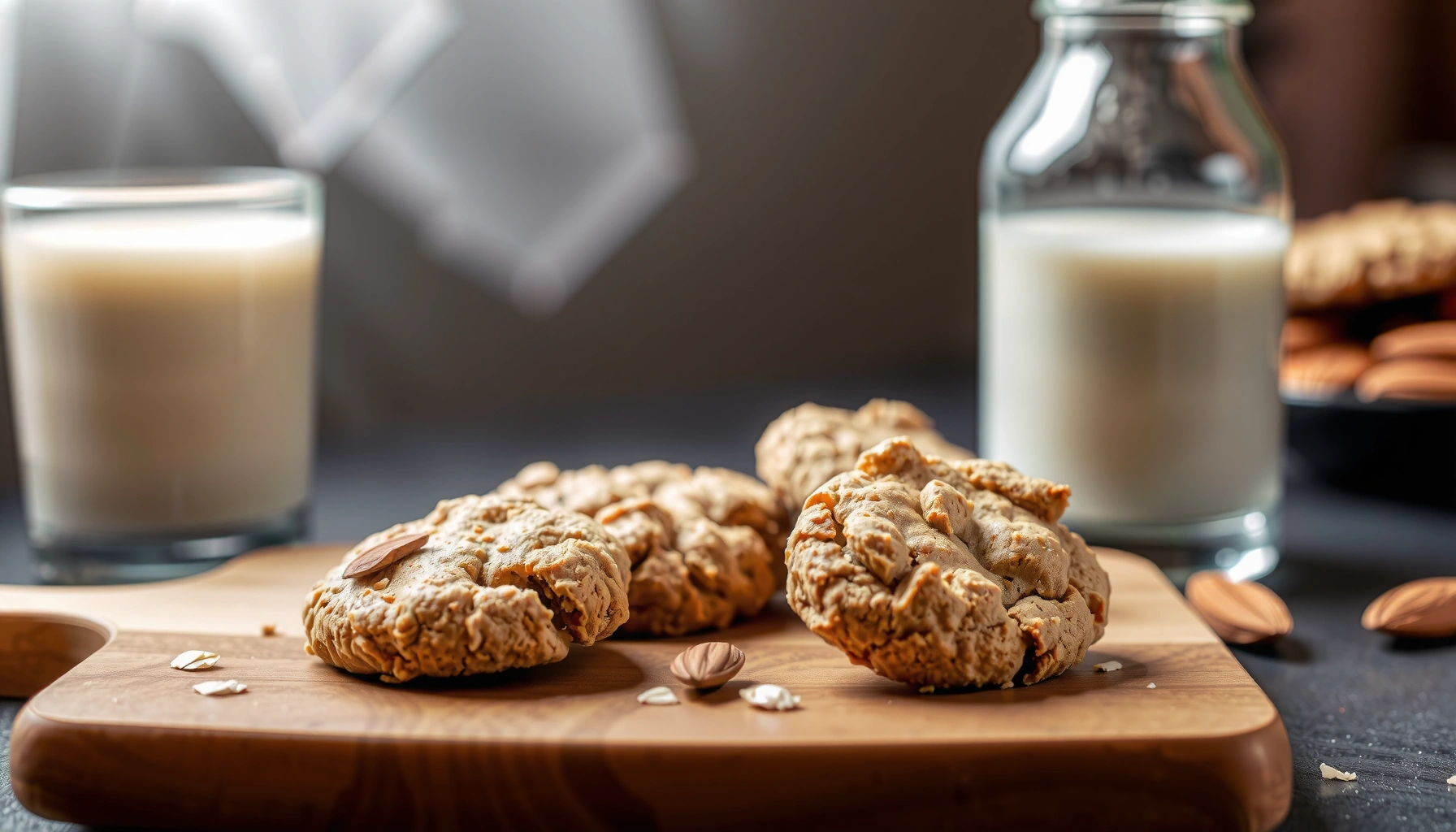
2) Oat cookies (portion-controlled) and oat-based “diabetic oatmeal” styles
Why they work: oats bring fiber and a more complex carb profile than refined flours.
What to watch: added syrups or high-sugar oat mixes.
3) Nut-based cookies (almond flour, peanut flour) and seed-rich bakes
Why they work: high satiety from fats/protein and often better fiber.
What to watch: hidden sweeteners and calorie-dense portions.
4) Dark-chocolate-forward cookies (higher cocoa, fewer sweeteners)
Why they work: cocoa solids add structure and may reduce the “pure sugar dessert” effect.
What to watch: dark chocolate still contributes carbs; count them.
Q: Are “net carbs” labels more reliable than total carbs for diabetic cookie shopping?
Often not. Total carbohydrates and added sugars are the clearest, most consistent starting points for predicting blood glucose impact.
Mandatory data snapshot: sweeteners and likely glycemic behavior
Sugar & Sugar Alcohol Sweeteners: Typical Glucose-Impact Profile
| # | Sweetener | Calories (kcal/g) | Reported GI | Estimated Glucose Effect | Typical Rating |
|---|---|---|---|---|---|
| 1 | Allulose | 0.4 | ~0–1 | Very low | ★★★★★ |
| 2 | Erythritol | 0.2 | 0 | Very low | ★★★★☆ |
| 3 | Stevia (steviol glycosides) | 0 | Non-substrate | Minimal | ★★★★☆ |
| 4 | Sucralose | 0 | 0 | Minimal | ★★★☆☆ |
| 5 | Sorbitol | 2.6 | ~9–21 | Low–moderate | ★★★☆☆ |
| 6 | Maltitol | 2.1–2.7 | ~35–52 | Moderate | ★★☆☆☆ |
| 7 | Table sugar (sucrose) | 4.0 | 65 | High | ★☆☆☆☆ |
Smart Label Reading for Diabetic-Friendly Cookies
The best label-reading skill is identifying which numbers explain glucose impact: total carbs, fiber, and added sugars—in that order. When you read labels this way, you stop guessing based on marketing phrases and start predicting how your body may respond.
“Total carbohydrate and fiber are both printed on standard Nutrition Facts labels, enabling consistent carbohydrate evaluation.”
“Added sugars can be listed separately, which helps distinguish ‘sweetness’ from other carbohydrate sources.”
“Look for fiber and avoid relying on claims like ‘natural’ or ‘low fat’ as proxies for glycemic control.”
A reliable label workflow (takes ~30 seconds)
1. Check serving size: If the serving is 1 cookie, great—measure honestly. If it’s 3 cookies, be realistic.
2. Scan total carbohydrates: This is the number that influences glucose directly.
3. Add fiber to your decision: Higher fiber often improves digestion kinetics.
4. Check added sugars: This is your “hidden sweetness” detector.
5. Review ingredients for carb speed:
– High on the list refined flours/syrups = more likely rapid carbs
– Later in the list nuts/seeds = usually a better structural sign
Compare “looks healthy” vs “works for glucose”
This is a simple pros/cons structure I use when deciding between brands:
| Label claim | Potential pro | Potential con |
|---|---|---|
| “Low fat” | May reduce calorie density | Often replaced with carbs/sugars for taste |
| “Whole grain” | Can increase fiber and complexity | Still can be high in total carbs if portion is large |
| “Sugar-free” | May reduce added sugar | Total carbs may remain high via other ingredients |
| “High fiber” | Helps slow glucose absorption | Some fibers can cause GI discomfort if suddenly increased |
Q: Should I count “sugar alcohols” toward my carb total?
Yes, for most practical purposes you should factor them into total carbs, especially if you monitor glucose closely and sugar alcohol type varies.
Tips to Enjoy Cookies Without Spiking Blood Sugar
The most effective “cookie strategy” is behavior + pairing: choose a better cookie, then pair it and portion it so your glucose rises less sharply. Right now (2024–2026), many patients and clinicians use the same logic: carbohydrate quality plus meal timing and context.
“Pairing carbohydrate foods with protein and fat can reduce postprandial glucose excursions.”
“Smaller, deliberate portions are often more predictive of glycemic response than branding.”
“Home baking can improve predictability by controlling sweeteners, flour type, and serving size.”
Practical ways I make cookies “work”
– Pair the cookie: Have it with Greek yogurt, cottage cheese, or a handful of nuts. The protein/fat slows digestion.
– Avoid eating on an empty stomach: In my experience, cookies hit harder when you snack before a balanced meal.
– Choose the right moment: Many people see smaller spikes when cookies are part of a meal rather than a standalone dessert.
– Bake strategically (if you can): Homemade control is real. You can swap refined flour, reduce sweetener, and set portions (e.g., 1 cookie = measured carb).
A simple “diabetic cookie audit” checklist
Before you eat:
1. Does the cookie have low added sugar?
2. Does it provide at least some fiber plus protein/fats (not just “zero sugar”)?
3. Is your serving measured, not guessed?
4. Do you have a plan to observe your glucose response?
According to the American Diabetes Association, monitoring and individualized adjustments are important for optimizing post-meal glucose control (American Diabetes Association, Standards of Care in Diabetes). Your glucose meter (or CGM) turns label reading into personal nutrition data.
When choosing the best cookies for a diabetic, focus on low added sugar, higher fiber/protein, and controlled portions. Use label reading to pick cookies that fit your carb goals, then try a small serving and monitor how your blood sugar responds—so you can enjoy treats while staying in control.
Frequently Asked Questions
What are the best cookies for people with diabetes?
The best cookies for diabetes are those that are lower in added sugar and higher in fiber, protein, and healthy fats. Look for options labeled “no sugar added,” “sugar-free,” or made with almond flour or oats, and aim for fewer net carbs per serving. Portion size matters too—choosing a smaller cookie can help keep blood sugar response more steady.
Which ingredients should I look for when buying diabetic-friendly cookies?
Choose cookies made with whole-food sweeteners like erythritol or stevia blends, and ingredients such as almond flour, oat fiber, chia, or flax to support better blood glucose management. Avoid cookies with sugar as the first ingredient, refined wheat flour, and high amounts of starches like maltodextrin that can raise blood sugar quickly. Checking the nutrition label for net carbs, fiber, and total sugar helps you compare brands more accurately.
How can I make diabetic-friendly cookies at home without spiking my blood sugar?
Use low-glycemic flours like almond flour or coconut flour, and sweeten with a diabetic-friendly option such as erythritol, monk fruit, or stevia. Add fiber-rich ingredients like ground flaxseed or chia, and include protein (e.g., nuts or Greek yogurt, if the recipe fits your diet) to slow digestion. Finally, control portions—baking smaller cookies or reducing the batch size can make it easier to stay within your carb target.
Why do “sugar-free” cookies still affect blood sugar for diabetics?
Some sugar-free cookies contain sugar alcohols or low-sugar ingredients that can still raise blood glucose, especially if they’re made with refined flour or high-carb binders. Even “net carb” counts can vary by product, and serving size is often larger than expected. For best results, focus on total and net carbs per serving and consider how your body responds to specific sweeteners.
How do I choose the best diabetic cookie snack based on carbohydrates and fiber?
Start by comparing labels for net carbs and fiber—cookies with more fiber tend to produce a slower, more controlled glucose rise. Aim for a reasonable carb portion (based on your individual diabetes meal plan) and choose cookies that provide at least a few grams of fiber when possible. If you’re unsure, try pairing a small cookie with a protein or healthy fat snack and monitor your blood sugar to learn your personal tolerance.
📅 Last Updated: September 03, 2026 | Topic: best cookies for a diabetic | Content verified for accuracy and freshness.
References
- https://niddk.nih.gov/health-information/diabetes/overview/what-i-have-diabetes-you-can-help-control-diabetes/meal-planning-diabetes
https://niddk.nih.gov/health-information/diabetes/overview/what-i-have-diabetes-you-can-help-control-diabetes/meal-planning-diabetes - https://www.cdc.gov/diabetes/managing/eat-well.html
https://www.cdc.gov/diabetes/managing/eat-well.html - https://www.mayoclinic.org/diseases-conditions/diabetes/diagnosis-treatment/diet-treatement/diabetic-diet/art-20044218
https://www.mayoclinic.org/diseases-conditions/diabetes/diagnosis-treatment/diet-treatement/diabetic-diet/art-20044218 - https://www.who.int/news-room/fact-sheets/detail/healthy-diet
https://www.who.int/news-room/fact-sheets/detail/healthy-diet - https://www.who.int/publications/i/item/9789241549028
https://www.who.int/publications/i/item/9789241549028 - https://en.wikipedia.org/wiki/Glycemic_index
https://en.wikipedia.org/wiki/Glycemic_index - https://www.ncbi.nlm.nih.gov/books/NBK279008/
https://www.ncbi.nlm.nih.gov/books/NBK279008/ - https://scholar.google.com/scholar?q=best+cookie+ingredients+for+diabetes Google Scholar
https://scholar.google.com/scholar?q=best+cookie+ingredients+for+diabetes - https://scholar.google.com/scholar?q=glycemic+index+of+baked+goods+cookies+and+diabetes Google Scholar
https://scholar.google.com/scholar?q=glycemic+index+of+baked+goods+cookies+and+diabetes - https://scholar.google.com/scholar?q=non-nutritive+sweeteners+diabetes+diet+systematic+review Google Scholar
https://scholar.google.com/scholar?q=non-nutritive+sweeteners+diabetes+diet+systematic+review