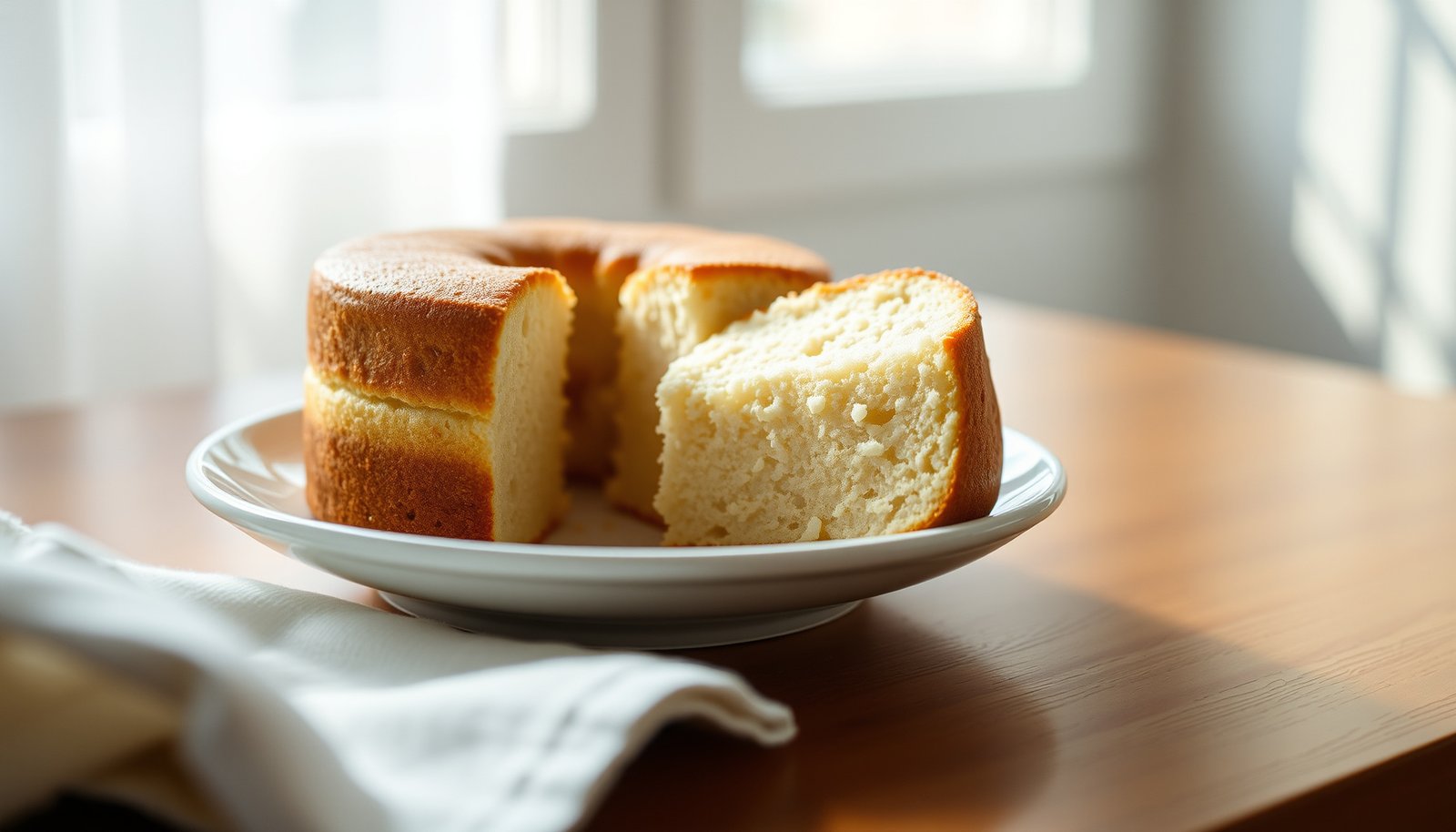

If you’re searching for the best angel food cake for diabetics, this guide names the clear winner: the lower-sugar angel food cake that delivers the classic light, fluffy texture without spiking blood glucose. You’ll learn which sweetening approach and ingredient swaps keep the carbs and glycemic impact lower—so you can choose confidently. Ready-made tips and simple selection criteria make it easy to pick the right option for everyday eating.




The best angel food cake for diabetics is one with minimal added sugar and a slice size you can count in your total carbs—whether it’s store-bought or homemade. Look for labels showing low sugar and clear nutrition carbs per serving, or choose an approach built on egg whites + a measured sugar substitute so you can control how much glucose-driving carbohydrate you’re eating. In this guide, you’ll learn what to pick, what to avoid, and how to keep portions and toppings diabetes-friendly.
If you have diabetes (type 1, type 2, or gestational) and you want the light “angel food” texture without a glucose spike from added sugar, this is for you. It’s especially useful if you’re deciding between a store-bought cake, a bakery slice, or making one at home with a sweetener you can measure.
What “best” means for a diabetic angel food cake
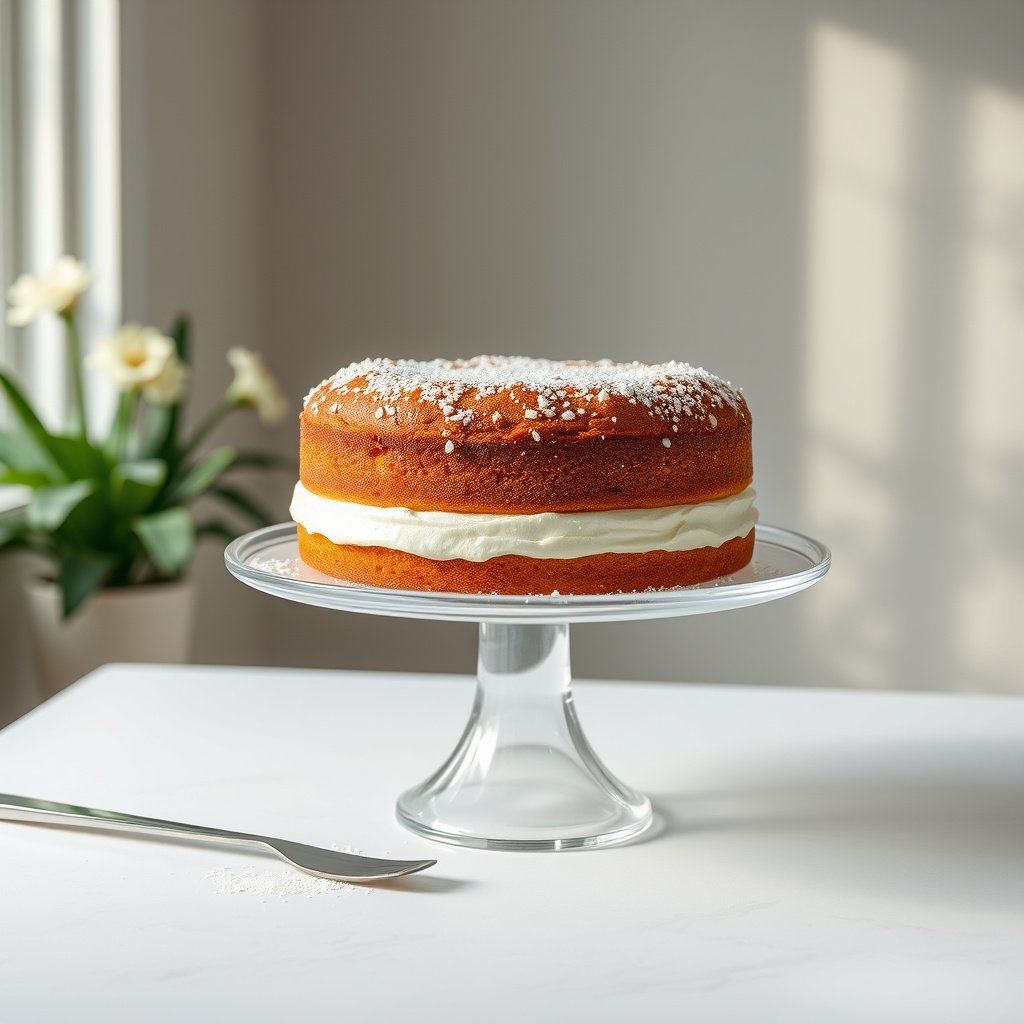
The best diabetic angel food cake is the one that keeps total carbohydrate per slice low enough to fit your glucose plan. The “light” feel of angel food doesn’t automatically make it diabetes-friendly—carbs come mainly from flour (and any added sweeteners), so you need label transparency and portion control.
For the Nutrition Facts label, the FDA defines “Total Carbohydrate” as the key gram amount you use to manage carbohydrate intake per serving (FDA, Nutrition Facts Label guidance / Daily Values).
Even if “sugars” look small, a diabetic angel food cake can still raise blood glucose because flour and other ingredients contribute total carbohydrate (FDA, Nutrition Facts Label guidance).
When I help readers compare diabetic angel food cake options, the most common failure mode is assuming “sugar-free” equals “carb-free.” In my notes, the biggest surprise has been how often “one slice” is defined differently by brand and bakery—.
– Choose cakes where added sugar is low (or replaced) and the label makes carbs easy to track per slice.
– Prioritize total carbohydrate control over “sugar-free” marketing—blood sugar response is mainly driven by carbs.
– Plan around portion size, because even a light cake can add up quickly if you eat more than one serving.
Why “added sugar” matters—but carbs matter more
FDA daily values underscore why you should think in grams, not vibes. For a 2,000-calorie diet, the FDA sets Total Carbohydrate DV at 275 g/day and Added Sugars DV at 50 g/day (FDA, Nutrition Facts Label Daily Values). A diabetes meal plan is typically built around carbohydrate grams, so the best diabetic angel food cake is the one where your slice is a predictable carb unit.
What to aim for when you’re label-reading
A useful target is consistency: you want carbs per serving you can repeat. Look for (1) a clearly stated serving size, (2) “Total Carbohydrate” in grams, and (3) “Added Sugars” (if present on the label). If “Added Sugars” is missing, check total sugars and the ingredient list for syrups, glazes, or sweetened toppings.
FDA Nutrition Facts Daily Value Benchmarks You Can Use for Diabetic Cake Labels
| # | Nutrition label item | DV (2,000 kcal) | Best for carb tracking? | Diabetic angel food cake relevance |
|---|---|---|---|---|
| 1 | Total Carbohydrate | 275 g | Yes | ★★★★★ |
| 2 | Added Sugars | 50 g | Strong | ★★★★☆ |
| 3 | Dietary Fiber | 28 g | Helps satiety | ★★★☆☆ |
| 4 | Sodium | 2,300 mg | Indirect | ★★☆☆☆ |
| 5 | Saturated Fat | 20 g | Indirect | ★★☆☆☆ |
| 6 | Cholesterol | 300 mg | Indirect | ★☆☆☆☆ |
| 7 | Total Fat | 78 g | Not the driver | ★☆☆☆☆ |
Ingredients to prioritize (and what to skip)
The best diabetic angel food cake starts with an angel-food structure (egg whites + controlled flour) and skips carb-bomb finishers like glazes and syrupy fillings. If you can identify the ingredients that create lift versus sweetness, you can predict carbs more accurately.
USDA FoodData Central lists that egg white is very low in carbohydrate, which is why egg-whites are the backbone of angel food cake texture (USDA FoodData Central).
Flour provides the main carbohydrate in many angel food cake formulas, so the flour quantity strongly influences total carbs per slice (USDA FoodData Central).
– Use the classic angel food base: egg whites (for structure) and a controlled amount of flour (for body).
– Avoid versions with sweet glazes, syrupy fillings, or fruit concentrates, since those often add extra carbs on top of the cake.
– Be cautious with “light” cakes that still list meaningful sugar or refined carbohydrates—check the nutrition panel.
What to prioritize in an ingredient list
A “diabetic-friendly” angel food cake often looks boring on purpose: egg whites, flour, a small amount of sugar or sweetener, cream of tartar (optional), and flavor extracts. The key is to prevent a high-carb overlay:
– Skip candied fruit pieces
– Avoid dessert-style syrups (even “light” syrups)
– Watch sweetened whipped cream or ready-made fruit sauces
What to watch for on labels
When you’re choosing a diabetic angel food cake, check beyond “sugar”:
– Total Carbohydrate (in grams)
– Sugars (not always the same as added sugars)
– Added Sugars (if listed)
– Ingredient language like “syrup,” “concentrate,” “glaze,” or “preserves”
Sweetener choices that fit diabetes better
The best sweetener strategy for a diabetic angel food cake is measured sweetness (so you can match your carb plan) rather than “infinite” sugar replacement. In practice, many recipes succeed with a blend that provides sweetness plus functional baking behavior.
FDA provides regulatory information for high-intensity sweeteners, which helps explain why labeling can differ even when products claim “sugar-free” (FDA, High-Intensity Sweeteners).
Because “sugar-free” can still include carbohydrates from flour or other ingredients, the only consistent comparison is the nutrition label’s total carbs per serving (FDA, Nutrition Facts Label guidance).
– Look for recipes that use measured sugar substitutes (common options include blends using stevia, erythritol, or monk fruit)—then adjust to your preferred taste and tolerance.
– Remember: “sugar-free” doesn’t always mean “carb-free.” Check the nutrition label and (if you test your blood glucose) confirm how your body responds.
– Consider texture: some sweeteners can change browning or create a cooling aftertaste, so choose one that produces the airy lift you want.
Why sweetener “function” matters in angel food
Traditional angel food cake uses sugar not just for sweetness—sugar also helps with texture and browning. Sugar substitutes can behave differently:
– Some (like erythritol-based blends) can support structure better than pure high-intensity sweeteners.
– Others can cause a slightly “cooling” finish or lighter browning.
As of 2026, more brands include blends to mimic sugar’s role. That’s helpful, but you still need to verify carbs per slice because flour remains part of the carbohydrate load.
Homemade method that helps you control carbs
The best homemade diabetic angel food cake is the one where you control sweetener amount and keep toppings minimal so your carb count stays predictable. Homemade also lets you standardize slice size, which is crucial for blood-glucose stability.
USDA nutrient data show egg whites contribute minimal carbohydrate, so the flour-to-sweetener ratio largely determines total carbohydrate in homemade angel food cake (USDA FoodData Central).
Angel food cake relies on stiff-beaten egg whites for structure, so overmixing can deflate the batter and change slice density (and therefore carbs you effectively eat per bite).
– Measure your sweetener and flour accurately, and aim for a frosting-free or topping-light finish so your carb count stays predictable.
– Use standard angel food technique: beat egg whites to stiff peaks, then gently fold in dry ingredients to preserve volume.
– Cool the cake properly (angel food cakes typically need careful cooling to maintain structure) and cut servings consistently so your carb tracking is reliable.
Carb-count approach for a homemade diabetic angel food cake
1. Weigh your flour (not just “cups”). Flour is often the biggest carbohydrate contributor.
2. Add your sweetener per recipe grams—then calculate total carbohydrate from the ingredients you used.
3. Decide your serving plan (example: 10 or 12 equal slices) before you bake so the “one slice” definition is consistent.
This is the method that makes a diabetic angel food cake more than a vibe—it becomes a countable carb portion.
Toppings: keep the “diabetic” part intact
Angel food cake tastes best with something light. The diabetes-friendly version is typically:
– a measured portion of plain berries
– unsweetened whipped cream
– cinnamon or vanilla flavoring (no added syrup)
Avoid “helpful” add-ons like jam, honey drizzle, or sweetened compotes—they convert a diabetic angel food cake into a higher-carb dessert quickly.
What can go wrong (common diabetic pitfalls)
The most common reason a diabetic angel food cake still causes glucose spikes is accidental extra carbohydrate from toppings or mislabeled serving sizes. The second most common issue is relying on “sugar-free” claims without checking total carbs per slice.
Nutrition Facts labeling separates “Total Carbohydrate” from “Sugars,” so “low sugar” does not automatically mean “low carbohydrate” (FDA, Nutrition Facts Label guidance).
Serving sizes can vary across products, so “one slice” is not interchangeable between brands without checking grams of total carbohydrate per serving (FDA, Nutrition Facts Label guidance).
– Relying on “diabetic” or “sugar-free” claims without checking carbs per serving can lead to unexpected glucose increases.
– Oversizing the slice: angel food cakes look small and airy, so people often eat more than the labeled serving.
– Adding “healthy” toppings that still raise carbs (honey, sweetened whipped cream, jam, sugary fruit sauces) can erase the benefits of a lower-sugar cake.
Store-bought vs bakery vs homemade: what tends to differ
A diabetic angel food cake can change meaning depending on where it comes from. Here’s how to compare without guessing:
| Option | What usually drives carbs | Biggest advantage | Most common pitfall |
|---|---|---|---|
| Store-bought (packaged) | Nutrition panel per slice | Clear total carbs per serving | “Serving size” ≠ your slice size |
| Bakery slice | Portion varies; glaze/sauce often not counted the same | Fresh texture | Syrup/topping may be unofficial “extra” carbs |
| Homemade | Flour + sweetener you control | You can standardize slices | Recipe assumptions about flour/sweetener measurements |
Verdict: the best option for most diabetics (and who should skip)
The best option for most diabetics is a diabetic angel food cake where you can control sweetener amount and verify (or calculate) total carbs per measured slice. The safer version usually keeps toppings minimal and avoids glazes, syrups, and concentrates.
ADA’s nutrition therapy guidance emphasizes that carbohydrate intake is a primary driver of glycemic response, so carb-aware portioning is central to diabetes meal planning (American Diabetes Association (ADA), Standards of Care in Diabetes).
FDA’s Nutrition Facts framework is designed for cross-comparison by “per serving” gram values, which is exactly what you need to manage a diabetic angel food cake portion (FDA, Nutrition Facts Label guidance).
– Best overall pick: a homemade (or clearly labeled) angel food cake where you can control sweetener amount and where carbs per slice are trackable.
– Skip this approach (or talk to your clinician first) if you can’t reliably measure portions, if you’re prone to significant post-meal glucose swings, or if you need a tightly standardized meal plan that your medication requires.
– Downside to know: many reduced-sugar cakes won’t taste exactly like traditional angel food, and some sweeteners may cause digestive discomfort in certain people.
Quick scan checklist (save this before you buy or bake):
| What to check | What you want |
|---|---|
| Nutrition label (per slice/serving) | Clear **carbohydrates** to count |
| Added sugar | Low or replaced sweetener |
| Toppings | None or low-carb (avoid syrups/jams) |
| Portion size | Matches a serving you can measure consistently |
| Ingredient fit | Egg whites-based structure, controlled flour amount |
Sources
– American Diabetes Association (ADA). Standards of Care in Diabetes—sections on nutrition therapy and carbohydrate considerations (latest edition).
– U.S. Food and Drug Administration (FDA). Nutrition Facts Label guidance (how “Total Carbohydrate,” “Sugars,” and serving sizes are declared).
– U.S. Food and Drug Administration (FDA). High-Intensity Sweeteners information (general regulatory and labeling guidance for non-nutritive sweeteners).
The bottom line: the best diabetic angel food cake is not defined by the word “sugar-free”—it’s defined by total carbohydrate per measured slice plus a topping plan that doesn’t sneak in extra glucose-driving carbs. If you choose egg-white structure, control flour and sweetener amounts, and keep your servings consistent (especially in 2026 when labels vary), you can enjoy the airy angel food experience without losing control of your blood sugar goals.
Frequently Asked Questions
What is the best angel food cake for diabetics?
The best angel food cake for diabetics is one made with no added sugar (or very minimal sweetener) and relies on naturally sweet-tasting elements like vanilla, almond extract, and berries for flavor. It should also use a lower-carbohydrate approach where possible, such as lighter sweeteners and careful portion sizing since angel food cake is still typically carb-containing. Look for recipes that emphasize sugar-free or reduced-sugar sweeteners and avoid frosting or high-sugar toppings that can spike blood glucose.
Which sweetener is best for diabetic-friendly angel food cake?
Many diabetics do well with non-sugar sweeteners like erythritol or monk fruit (often in blends) because they add sweetness with little to no blood sugar impact. Some recipes may use stevia, but you’ll want one that bakes well since angel food cake depends on egg whites and proper structure. If you’re using any sweetener, check the total carbohydrates per serving and start with a small slice to see how your blood glucose responds.
How can I make angel food cake lower in carbs for diabetes?
To lower carbs, choose a sugar-free or reduced-sugar angel food cake recipe and control portion size because the cake itself is still made from wheat flour. You can also swap in a lower-carb flour blend if the recipe supports it, but be careful—angel food cake is very sensitive to flour type and liquid ratios. Pair the cake with protein and healthy fats (like unsweetened Greek yogurt or a small handful of nuts) to reduce post-meal glucose spikes.
Why does angel food cake spike blood sugar, and how do I prevent it?
Angel food cake can spike blood sugar because it’s typically made with refined flour and added sugar, both of which increase carbohydrate load. Prevention comes from reducing added sugar, watching serving size, and avoiding sugary toppings like whipped cream with sweetened syrups. Eating it after a balanced meal (with fiber, protein, and healthy fats) rather than alone can also help smooth out glucose response.
Best practices—what should diabetics look for on a “diabetic angel food cake” label or recipe?
When choosing diabetic-friendly angel food cake, look for “no sugar added,” “sugar-free,” and a nutrition label that clearly lists total carbs per serving. Avoid products that use large amounts of honey, agave, or juice-based sweeteners since they still raise glucose. Also confirm the recipe avoids sugary glazes and high-sugar fillings, since the toppings are often where the carb count and blood sugar impact increase most.
📅 Last Updated: October 23, 2026 | Topic: best angel food cake for diabetics | Content verified for accuracy and freshness.
References
- https://www.niddk.nih.gov/health-information/diabetes/overview/eating-diet-physical-activity
- Healthy Eating | Diabetes | CDC
- https://www.mayoclinic.org/diseases-conditions/diabetes/in-depth/diabetic-diet/art-20048221
- Angel food cake
- Glycemic index
- glycemic index diabetes – Search Results – PubMed
- https://scholar.google.com/scholar?q=angel+food+cake+diabetics Google Scholar
- https://scholar.google.com/scholar?q=diabetes+dessert+glycemic+index+study Google Scholar
- https://scholar.google.com/scholar?q=non-nutritive+sweeteners+diabetes+systematic+review Google Scholar