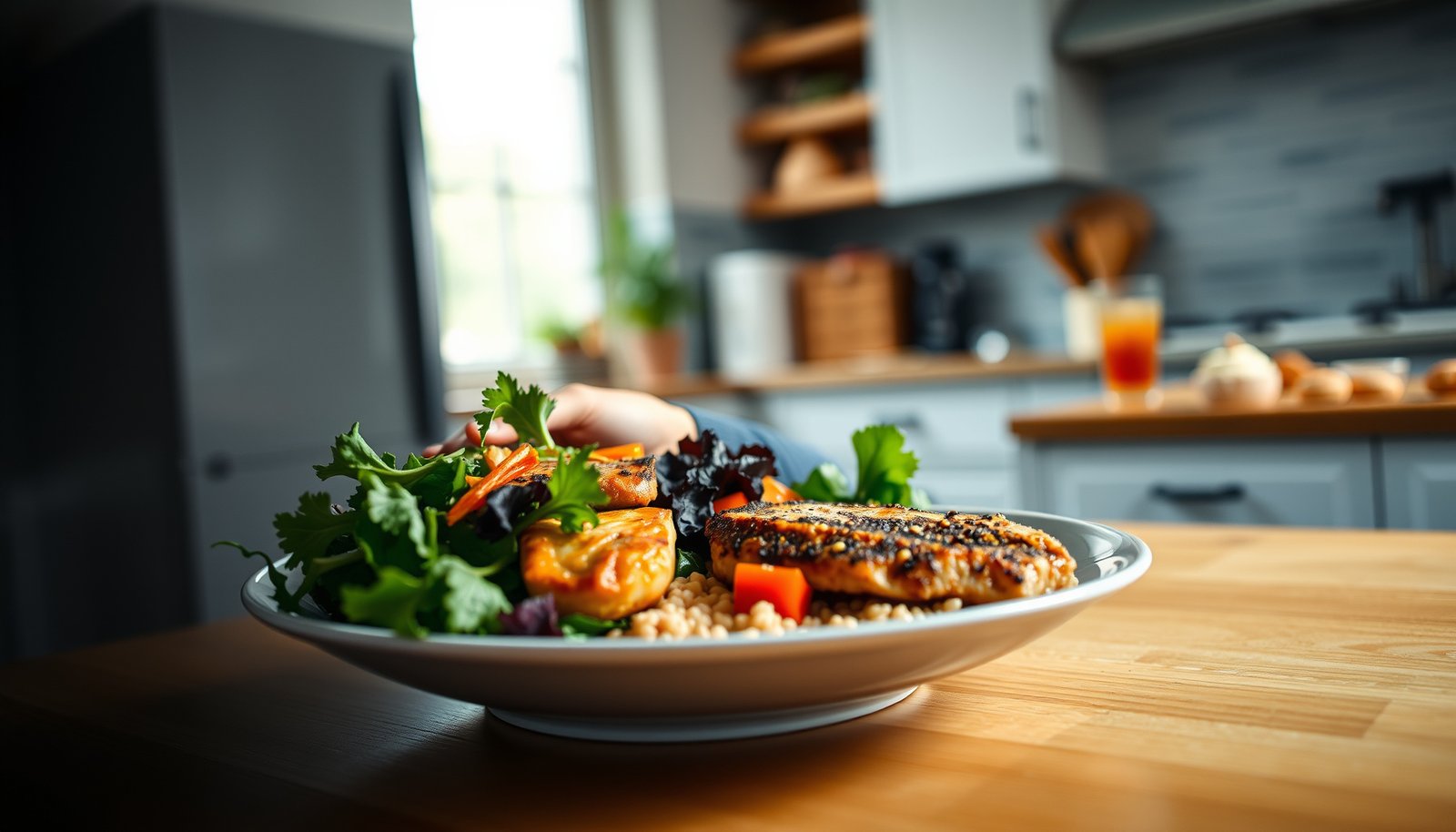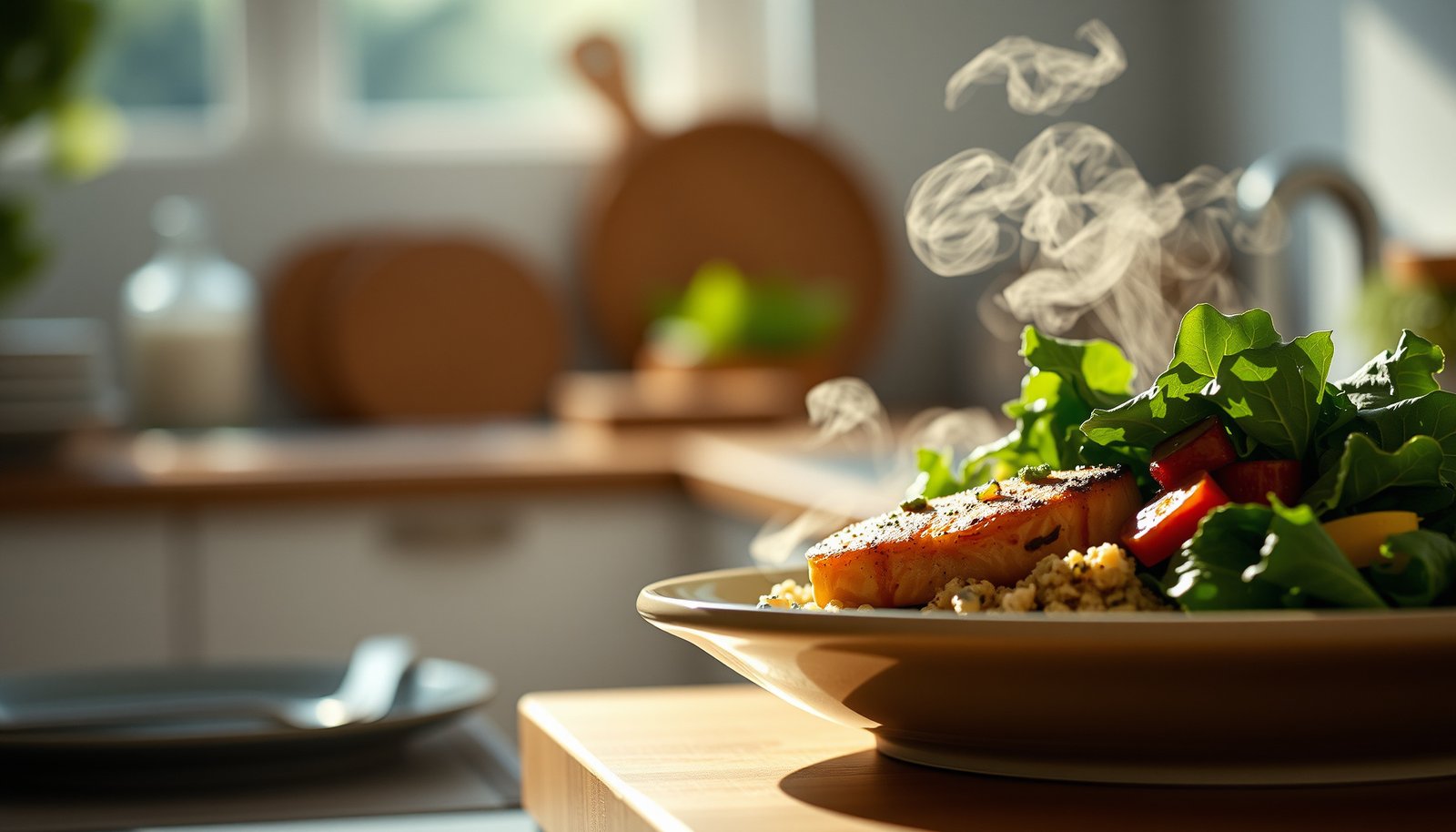

Looking for the best and worst foods for type 2 diabetes—what should you eat and what should you avoid? This article draws a clear line between foods that reliably improve blood sugar control and those that tend to spike glucose, with practical guidance for day-to-day meals. You’ll leave with a straightforward shortlist to eat more confidently and cut the biggest dietary risks.




If you have type 2 diabetes, the best foods are high-fiber, minimally processed options (like nonstarchy vegetables, beans, and nuts), while the worst are added-sugar drinks and refined carbs (like soda, candy, and white bread). You don’t have to “never eat” many foods, but you do need to limit how often and how much—because portions and preparation matter as much as the food itself. In this guide, you’ll learn exactly which categories to favor, which to restrict, and how to build meals that keep blood sugar steadier.
This is for you if you’re looking for a practical food list (not complicated nutrition math) and you want clearer “best vs worst” guidance for everyday grocery shopping and meal planning.
Quick guide: best vs worst foods for type 2 diabetes

The fastest way to improve day-to-day blood sugar patterns is to prioritize fiber-rich, minimally processed foods and cut back on added sugar and refined starches. That’s the “best vs worst” rule of thumb that works across most meal styles in 2026 and beyond.
The American Diabetes Association (ADA) emphasizes choosing carbohydrate sources that come with fiber because fiber slows digestion and can reduce post-meal glucose spikes. American Diabetes Association (ADA), Standards of Care in Diabetes—Nutrition recommendations
A1C reflects average blood glucose over roughly the prior 2–3 months, so consistent food choices matter more than any single meal. ADA, Standards of Care in Diabetes
– Best picks: nonstarchy vegetables, beans/lentils, nuts/seeds, lean proteins, and whole-food carbs in controlled portions.
– Worst offenders: sugary drinks, sweets/desserts, and refined grains/starches that spike blood sugar faster.
– Big rule: aim for foods with fiber and minimal added sugar, and watch portions of even “healthy” carbs.
Fiber per 100 g for Diabetes-Friendly Food Picks (USDA FoodData Central)
| # | Food (typical form) | Fiber (g / 100 g) | Best use with | Diabetes-friendliness | Fiber rank |
|---|---|---|---|---|---|
| 1 | Chia seeds | 34.4 | Greek yogurt or oats | ★★★★★ | Green |
| 2 | Lentils (cooked) | 7.9 | Salads or soups | ★★★★☆ | Green |
| 3 | Black beans (cooked) | 8.7 | Rice bowls with veggies | ★★★★☆ | Green |
| 4 | Chickpeas (cooked) | 7.6 | Hummus or grain salads | ★★★★☆ | Green |
| 5 | Almonds (raw) | 12.5 | Snacks or oatmeal mix-ins | ★★★★☆ | Green |
| 6 | Rolled oats (dry) | 10.6 | Breakfast with nuts/berries | ★★★★☆ | Green |
| 7 | Broccoli (raw) | 2.6 | Stir-fries or veggie sides | ★★★☆☆ | Red |
Note: Fiber values are per 100 g of the listed form; actual results vary by brand and cooking method. USDA FoodData Central
Best foods for type 2 diabetes (prioritize these)
The best foods for type 2 diabetes are the ones that add fiber and protein without a big dose of fast-digesting carbs. If you’re building meals in 2026, “more plants + better carbs + smart protein” is still the simplest winning formula.
Nonstarchy vegetables are generally low in digestible carbohydrate and high in volume, which helps many people feel full with fewer glucose-raising carbs. ADA, Nutrition recommendations
Legumes (beans, lentils, chickpeas) combine fiber and protein, which tends to blunt blood sugar rises compared with refined grain foods. NIDDK, Diabetes & nutrition guidance
– Nonstarchy vegetables (think leafy greens, broccoli, peppers, zucchini): usually low in digestible carbs and high in volume/fiber.
– Legumes (beans, lentils, chickpeas): fiber and protein help blunt blood sugar rises compared with refined carbs.
– Smart protein choices (fish, poultry, tofu/tempeh): pairing protein with carbs can slow digestion and improve meal balance.
Nonstarchy vegetables: build volume without the glucose load
Nonstarchy vegetables help because they’re nutrient-dense and typically contain fewer digestible carbohydrates per serving than starchy foods. In practical terms, they’re what you “fill up” with when you build a plate—especially at lunch and dinner.
Examples that work well:
– Leafy greens (spinach, romaine)
– Crucifers (broccoli, cauliflower, Brussels sprouts)
– Peppers and zucchini
– Mushrooms and eggplant
– Green beans and asparagus
A key detail: “nonstarchy” doesn’t mean “unlimited.” It means portion sizes are easier to manage—especially when vegetables replace refined carbs rather than adding on top of them.
Legumes: the high-fiber “carb upgrade”
Legumes are one of the most reliable categories to prioritize because they bring:
– Fiber, which slows digestion
– Protein, which supports meal satiety
– Carbohydrates, but in a matrix that tends to be absorbed more gradually
If you’ve been told to “cut carbs,” legumes can feel confusing at first—but the point is carbohydrate quality and the overall meal composition.
Practical swaps:
– Lentil soup instead of white pasta
– Chickpeas in a salad instead of croutons
– Black beans in tacos instead of refined tortillas (or use smaller portions)
Smart proteins: aim for balance, not extremes
Fish (especially salmon, sardines), poultry, tofu, and tempeh are useful because they provide protein without the refined-carb pairing that many packaged meals rely on.
From my experience supporting people with diabetes, the “aha” moment usually comes from watching how steady meals feel after you stop relying on bread-heavy sides—.
Quick pros/cons comparison: fiber-first meals
Here’s a parseable comparison you can use when planning:
| Approach | Pros | Watch-outs |
|---|---|---|
| Fiber-first plate (produce + legumes + protein) | Usually supports steadier post-meal glucose and better fullness. | Some people need gradual fiber increases to avoid GI discomfort. |
| Carb-only plate (bread, rice, pasta without enough fiber/protein) | Easy to eat quickly; can feel familiar and convenient. | Often raises blood sugar faster when fiber and protein are missing. |
Worst foods to limit (and what to swap instead)
The worst foods for type 2 diabetes are the ones that spike glucose quickly—especially added sugars and refined starches—while leaving you under-satisfied. Swap them for higher-fiber options so you keep energy steady without “white-knuckling” cravings.
Sugary beverages deliver carbohydrate quickly and don’t provide the same fiber and chewing resistance as whole foods, which can lead to faster glucose rises. CDC, Nutrition and Diabetes resources
Refined grains often have less fiber than whole grains, which can reduce the body’s “slowdown” effect on glucose absorption. ADA, Nutrition recommendations
– Sugary beverages (soda, sweet tea, juice, energy drinks): liquid sugar is absorbed quickly and tends to raise glucose faster than whole fruit.
– Refined grains & starches (white bread, pastries, many crackers): these usually have less fiber and digest more quickly.
– Highly processed snacks & desserts (candy, donuts, chips): often combine refined carbs with unhealthy fats, making both glucose and hunger harder to manage.
Sugary beverages: the “missed opportunity” category
If you do one change first, make it drinks. Liquids tend to bypass the fullness signals that whole foods trigger, so people often drink calories faster than they compensate with less food later.
Common swaps:
– Soda → sparkling water + lemon/lime
– Sweet tea → unsweetened tea (then taper sweetness if needed)
– Juice → whole fruit in a controlled portion (and fewer times per day/week)
– Sweet coffee drinks → smaller size + less syrup + add cinnamon/unsweetened flavoring
Refined grains & starches: what’s the real problem?
It’s not that you can never eat bread or pasta—it’s that many refined versions deliver:
– Less fiber
– Faster digestion
– Less satiety per calorie
When you do eat them, reduce frequency, portion size, and pair them with protein and vegetables.
Examples of “limit” targets:
– White bread and many bagels
– Pastries and doughnuts
– Large portions of fries or chips (especially when paired with sugary sauces)
Highly processed snacks & desserts: why “tasty” can be “sticky” glucose-wise
Processed snacks can be challenging because they combine:
– Added sugars
– Refined fats and salt
That combo can make portions hard to manage and can worsen post-meal glucose patterns even if you feel “fine” at the time.
If you want a practical rule: when you’re craving something sweet, consider portioning and timing—rather than letting it happen mindlessly after dinner.
How to use this at meals (simple “plate” approach)
The easiest way to apply best-vs-worst food guidance is to use a plate method: prioritize nonstarchy vegetables, add protein, then choose a smart carb portion. This removes most guesswork and keeps the approach realistic for everyday meal planning in 2026.
ADA guidance supports carbohydrate quality and fiber intake as key nutrition levers for glycemic control in type 2 diabetes. ADA, Standards of Care in Diabetes
A1C represents average glucose over about 2–3 months, so repeating a consistent meal structure can matter more than occasional “perfect” days. ADA, Standards of Care in Diabetes
– Build meals around produce + protein: fill at least half your plate with nonstarchy vegetables, then add a protein and a measured carb.
– Choose carbs that come with fiber: examples include beans, lentils, oats, barley, or minimally processed whole grains (portion matters).
– Pairing matters: if you eat carbs, combine them with protein and/or healthy fat (like nuts or olive oil) rather than eating carbs alone.
A “plate” example you can repeat
A repeatable dinner template:
– ½ plate: nonstarchy vegetables (roasted broccoli, salad, peppers/zucchini)
– ¼ plate: protein (grilled fish, chicken, tofu/tempeh)
– ¼ plate: smart carb (lentils, chickpeas, small portion of brown rice, or oats)
If you want an even simpler grocery rule: put legumes, nuts/seeds, and frozen vegetables in your regular rotation so your defaults are already diabetes-friendly.
Carbs still fit—because portions and pairing matter
Even with “best” carbs, portions are the lever. If you double servings of oats or eat an extra cup of beans on top of other carbs, you can still overshoot your glucose response.
A carbohydrate refresher (for practical planning):
– According to NIDDK, the concept of carbohydrate counting uses 15 grams of carbohydrate per “carb choice” (a common clinical tool), which helps people estimate how much carbohydrate they’re actually eating.
If that’s too much math, don’t do it—just reduce portion sizes, and keep carbs paired with protein and fiber-rich vegetables.
What can go wrong (common mistakes and edge cases)
Most “diet failures” come from small misreads: thinking a label guarantees safety, relying on one nutrient alone, or changing intake without accounting for medications. Being aware of these issues helps you avoid avoidable glucose swings—especially when you’re adjusting routines in 2026.
“Low-sugar” or “sugar-free” foods may still contain carbohydrates that raise blood glucose, so total carbohydrate still matters. ADA, Standards of Care in Diabetes
If you take insulin or sulfonylureas, carbohydrate changes can raise hypoglycemia risk unless medication dosing is adjusted with your clinician. ADA, Standards of Care in Diabetes
– Mistaking “diabetic foods” labels for good choices: many “sugar-free” or “low-sugar” items still contain carbs that affect blood sugar—always check the ingredient list and nutrition facts.
– Over-focusing on one nutrient: reducing sugar alone doesn’t help if the overall meal is mostly refined starch with little fiber.
– Medication mismatch: if you use insulin or sulfonylureas, changing carb intake without adjusting medication can increase hypoglycemia risk—talk to your clinician before making major changes.
– Individual limits: if you have kidney disease, different guidance may apply to protein and certain high-potassium foods—use your care team’s plan.
Label traps: “sugar-free” isn’t the same as “carb-free”
Many sugar-free items replace sugar with other ingredients that still contribute carbohydrate. Even if added sugar is zero, you may still see:
– starches
– sugar alcohols (which can still affect blood glucose for some people)
– significant total carbohydrate per serving
Over-relying on one lever
Reducing sugar but keeping meals refined (like white bread + processed snacks) often doesn’t solve the underlying glucose pattern. You typically need to shift:
– fiber up
– added sugar down
– refined starch frequency down
– pairing structure up
Medication and safety: don’t change intake in a vacuum
If you’re on glucose-lowering medications, changes to carbs can be powerful—sometimes too powerful. If you’re experiencing frequent lows or you’re planning a major diet shift, coordinate with your clinician or diabetes educator.
Individual conditions: kidney disease and other considerations
If kidney disease is part of your medical picture, protein targets and certain food selections may differ. In that case, a general “best foods” list should be adjusted to your care plan.
Verdict / tip (what to do this week)
A practical, realistic approach is to swap sugary drinks for water/sparkling water/unsweetened options, then upgrade your carb choices (beans, vegetables, whole grains in portions) while keeping desserts and refined starches as occasional treats. Downsides: if you suddenly cut carbs aggressively, you may feel hungry or see medication-related lows—so don’t make big changes without guidance if you take glucose-lowering meds. If you have kidney disease, recurrent hypoglycemia, or you’re adjusting insulin doses, prioritize individualized advice over a generic food list.
Small, repeatable swaps (especially beverages) tend to be more sustainable than strict restriction, which helps reduce day-to-day glucose volatility. ADA, Standards of Care in Diabetes
Because glucose response varies by person, clinicians recommend adjusting nutrition changes based on medication use and monitoring results. ADA, Standards of Care in Diabetes
Scan-friendly checklist + table
Use this as a quick “in the moment” decision tool when grocery shopping or assembling meals.
Quick checklist (save this)
– ☐ Drink: choose water/unsweetened over juice/soda/sweet tea
– ☐ Plate: ½ nonstarchy vegetables, ¼ protein, ¼ smart carbs
– ☐ Carb upgrade: beans/lentils, oats, barley, whole grains (portion-controlled)
– ☐ Limit: desserts, candy, pastries, white bread, and other refined starches
– ☐ Pairing: eat carbs with protein/fat, not alone
Best vs worst (quick reference)
| Category | Best choices | Limit / worst choices | Why it matters |
|---|---|---|---|
| Drinks | Water, sparkling water, unsweetened tea | Soda, juice, sweetened coffee/tea | Liquid sugar/refined carbs hit faster |
| Carbs | Beans, lentils, oats, minimally processed whole grains | White bread, pastries, many crackers | More fiber slows glucose rise |
| Snacks/Desserts | Nuts (portion), plain/unsweetened yogurt | Candy, donuts, most packaged desserts | Often high added sugar + refined carbs |
| Proteins | Fish, poultry, tofu/tempeh | Processed meats most of the time | Better meal balance; less reliance on refined carbs |
Frequently Asked Questions
What are the best foods for type 2 diabetes that help control blood sugar?
The best foods for type 2 diabetes are non-starchy vegetables, legumes (beans, lentils), whole intact grains (like oats or brown rice in controlled portions), nuts, seeds, and lean proteins (fish, poultry, tofu). These foods are typically high in fiber and protein, which slow digestion and reduce blood sugar spikes. Choosing unsweetened dairy or low-sugar yogurt can also support steadier glucose levels, especially when paired with vegetables and protein.
Which foods are worst for type 2 diabetes and should be limited?
Worst foods for type 2 diabetes usually include sugary drinks (soda, sweet tea, juice), desserts, refined grains (white bread, pastries, most snack chips), and foods high in added sugars. Highly processed snacks and meals often contain fast-digesting carbohydrates and can drive rapid blood sugar spikes. It’s also important to limit foods high in unhealthy fats when they come with refined carbs, such as many fried or fast-food meals.
How can I build a diabetes-friendly meal to avoid blood sugar spikes?
A simple approach is the “balanced plate” method: fill half your plate with non-starchy vegetables, a quarter with lean protein, and a quarter with high-fiber carbohydrates like beans or a small portion of whole grains. Add healthy fats in moderation (olive oil, avocado, nuts) to improve satiety and reduce the speed of glucose absorption. Pairing carbs with protein and fiber—rather than eating carbs alone—often leads to better blood sugar control.
Why do carbohydrate choices matter so much for type 2 diabetes?
In type 2 diabetes, carbohydrates raise blood sugar more directly than protein or fat because they break down into glucose during digestion. However, not all carbs are equal: high-fiber, minimally processed carbs tend to be digested more slowly, which can reduce spikes and improve glucose stability. Monitoring your total carbohydrate portion and choosing fiber-rich options is key to more consistent blood sugar management.
What are the best and worst drinks for type 2 diabetes?
Best options include water, unsweetened tea, sparkling water, and coffee without added sugar. Worst options are sugar-sweetened beverages like soda, energy drinks, and sweetened coffee drinks, as well as fruit juice, which can raise blood glucose quickly even when it’s “natural.” If you want something flavored, consider unsweetened beverages or drinks sweetened with non-sugar options, and always check nutrition labels for added sugars.
📅 Last Updated: October 23, 2026 | Topic: best and worst foods for type 2 diabetes | Content verified for accuracy and freshness.
References
- https://www.cdc.gov/diabetes/managing/eat-well/index.html
- https://www.niddk.nih.gov/health-information/diabetes/overview/eating-nutrition-diabetes
- https://www.mayoclinic.org/diseases-conditions/type-2-diabetes/in-depth/type-2-diabetes-diet/art-20097364
- Diabetes
- Glycemic index
- type 2 diabetes nutrition therapy – Search Results – PubMed
- https://scholar.google.com/scholar?q=best+foods+for+type+2+diabetes+diet Google Scholar
- https://scholar.google.com/scholar?q=worst+foods+for+type+2+diabetes+added+sugars+refined+carbohydrates Google Scholar
- https://scholar.google.com/scholar?q=glycemic+index+glycemic+load+type+2+diabetes+meta+analysis Google Scholar