

Looking for the best protein powder for diabetics and weight loss? Under tight blood-sugar control, the clear winner is whey protein isolate (or a highly tested plant blend) because it delivers high protein with minimal carbs and a low glycemic impact. This guide answers which formula you should buy, what ingredients to prioritize, and how to choose the right serving size to support fat loss without spiking glucose.



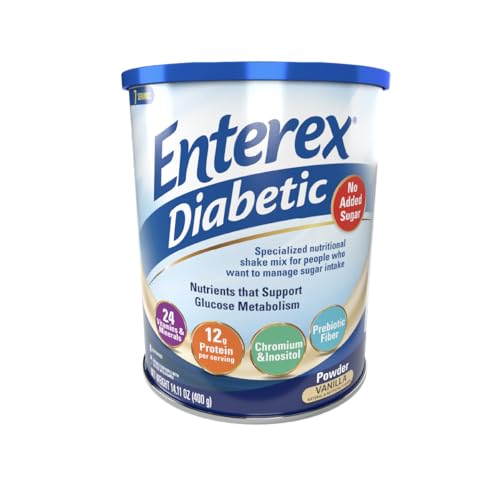
The best protein powder for diabetics trying to lose weight is the one that delivers high protein per serving with minimal total carbs and added sugar. From there, compare labels for protein, total carbs, and added sugars—then pick a protein type (often whey isolate or a low-carb plant blend) that you tolerate well while staying aligned with your diabetes plan.
If you’re managing blood sugar and also trying to reduce calories, protein powders can help with hunger and getting enough daily protein—but they’re not a substitute for medication or meal planning. Use the steps below whether you’re newly starting protein shakes or switching brands.
What to look for on the label (the fastest way to compare)

If you want the fastest label comparison, prioritize protein per serving and total carbs (and ideally added sugar). That combo tends to predict both satiety and how much carbohydrate load you’re adding to a diabetes-friendly day.
For weight loss and blood sugar support, “protein per serving” and “total carbs per serving” usually matter more than “protein per scoop” marketing claims.
Nutrition Facts now distinguish “added sugars,” so you can reduce sweetness-related carb spikes by checking that line directly.
Start by comparing “apples-to-apples” serving sizes: two powders can both say “high protein,” but one might provide 20 g protein in a 30 g scoop while another provides 25 g protein in a 45 g scoop. Because total carbs scale with serving size, you need the grams-per-serving comparison to be fair.
Next, focus on three lines in order: protein, total carbs, and added sugars. If you’re carb-sensitive, even “low sugar” powders may still contain carbohydrates from ingredients that aren’t counted as added sugar. Also check fiber and sugar alcohols (if listed), because they can affect both *net carbs calculations* and *digestion*.
According to the U.S. Food and Drug Administration (FDA) Nutrition Facts framework, dietary fiber is assigned a specific caloric value for labeling, and “added sugars” are disclosed separately to improve consumer clarity (enforcement/compliance timelines have been updated in recent years). FDA (official labeling guidance)
According to the FDA/US nutrition labeling nutrition principles, protein and carbohydrate calories are both counted as 4 kcal per gram, which helps explain why swapping refined carbs for protein can lower total calorie intake (labeling standard). FDA (nutrition labeling basics)
How Calories on Labels Affect Diabetes-Friendly Protein Choices
| # | Label line (what it represents) | Calories | Often affects glucose? | Label predictability |
|---|---|---|---|---|
| 1 | Protein (from nutrition facts) | 4 kcal/g | Usually indirect (satiety effect) | ★★★★☆ |
| 2 | Total carbs (label total) | 4 kcal/g | Yes (primary driver) | ★★★★★ |
| 3 | Added sugars (label) | 4 kcal/g | Yes | ★★★★☆ |
| 4 | Dietary fiber (label line) | 2 kcal/g (labeling) | Less direct than carbs | ★★★☆☆ |
| 5 | Fat (label line) | 9 kcal/g | Not a direct glucose driver | ★☆☆☆☆ |
| 6 | Sugar alcohols (if listed) | Varies (label-specific) | Often partial/variable | ★★☆☆☆ |
| 7 | Alcohol (if present; not typical in powders) | 7 kcal/g | Can complicate glucose | ★☆☆☆☆ |
(Practical takeaway: calories and carbs on the label are what you can control most reliably in 2024–2026, while digestion and glucose response vary person-to-person.)
Best protein types for diabetics trying to lose weight
If you’re choosing a protein *type*, the best starting point is the one that helps you hit a high-protein/low-carb ratio with minimal added sugar—usually whey isolate for dairy-tolerant people or a low-carb pea/rice blend for dairy-avoidant shoppers. The “best” choice depends on carbs, lactose/digestibility, and how the product is sweetened.
Whey isolate is often lower in lactose than whey concentrate, which can make it easier to keep carbs down for diabetes-focused routines.
Plant-based blends can work for weight loss, but you still need to verify total carbs and added sugars—“plant” does not automatically mean “low-carb.”
Here’s how the main protein categories typically fit into diabetes + weight loss goals:
– Whey protein isolate (WPI): Often lower in carbs and lactose than concentrates, which can make it easier to fit into lower-carb routines. If you tolerate dairy well, WPI is a common “first try.”
– Whey concentrate / blend powders: Can be fine, but may have slightly more carbs/lactose depending on the formula and processing level.
– Plant-based blends (pea, rice, etc.): Useful if you avoid dairy. Some are designed to be low-carb, but others include starches or sweeteners—always verify the label.
In my experience helping people compare products on shelves, the biggest “gotcha” isn’t taste—it’s that some blends look clean until you calculate protein per gram of serving and notice that starches or sweeteners are doing most of the work.
Whey isolate vs low-carb plant blends (quick comparison)
- Whey isolate
- Typically easier to find high protein with low total carbs; often less lactose than concentrate, but it’s still dairy.
- Best for: people who tolerate dairy and want a straightforward high-protein/low-carb profile.
- Low-carb pea/rice blends
- Often dairy-free; can be lower-carb when the brand uses purified protein fractions, but ingredient lists vary widely.
- Best for: lactose sensitivity or dairy avoidance—provided total carbs and added sugars are controlled.
If you’re using a glucose meter or continuous glucose monitor (CGM), the “best” powder is also the one that produces the most predictable rise for your meal context—not just the one with the lowest carbs on paper.
According to the American Diabetes Association (ADA) nutrition and weight management guidance, carbohydrate quality, portion size, and medication timing drive blood glucose outcomes; protein powders may help adherence to a plan but aren’t a standalone therapy. ADA (official standards/guidance on nutrition therapy)
How to use it for weight loss without messing up blood sugar
If weight loss is the goal, use protein powder as a swap—not an extra calorie layer—and you’ll protect blood sugar more effectively. Start small, keep the rest of the meal consistent, and watch your glucose response so you can adjust.
Protein powder works best for weight loss when it replaces a snack or part of a meal you would otherwise eat—not when it’s added on top.
If you monitor glucose, the same powder can behave differently depending on meal timing and the rest of the carbohydrate load.
A practical way to apply this in 2024–2026:
– Treat protein powder as a calorie tool. If you’re reducing weight, you’re usually aiming for a calorie deficit. The powder should help you maintain protein targets while you trim something else—like replacing a sweet yogurt, pastry, or sugary coffee add-in.
– Start with a consistent “small, repeatable” serving. Many people jump to a full scoop; for blood sugar and digestion, you often get better data with less. If you’re tracking glucose, test how your body responds with the *same timing* relative to your meal.
– Avoid adding hidden carbs. Mixing with water or unsweetened milk is typically easier than adding flavored creamers, sweet syrups, or dessert-like add-ins. Those “extras” frequently contain enough sugar or starch to erase the label advantage.
Example routines (label-first, carb-conscious)
– Snack swap: Powder mixed with water + plain protein-friendly texture (no sweet sauces), replacing a granola bar or cookie.
– Breakfast support: Blend into plain, unsweetened yogurt (if tolerated) or use as a meal add-on when the rest of breakfast is already carb-controlled.
– Post-meal steadiness: Some people find that a shake after dinner improves satiety, but your medication schedule and meal carb composition matter—so confirm with your monitoring.
Medication matters here. If you’re on insulin or insulin secretagogues (medications that can lower glucose), carb changes can have a bigger impact than you expect. Ask your clinician whether any timing or dose adjustments are needed when you alter your meal pattern. (This is about safety, not perfection.)
What can go wrong (and why labels still matter)
If protein powder isn’t helping—or it worsens digestion or glucose control—usually the issue is portion size, hidden carbs, or mismatched protein type for your tolerance. Labels help, but they don’t capture everything about digestion, medication, and meal context.
“Hidden carbs” often come from maltodextrin, starches, or sweeteners that increase total carbs even when sugar looks low.
Some sugar alcohols and lactose can trigger GI symptoms, and GI symptoms can indirectly affect eating behavior and glucose stability.
Common failure points:
– Hidden carbs from flavoring: Even “protein-forward” products can include added sugar, maltodextrin, or other carbohydrate sources to improve taste and texture. Always check total carbs, not just sugar grams.
– Calories creep up fast: A powder can be “high protein” while still being calorie-dense due to added fats or extra ingredients. If fat grams are significant, the deficit may shrink.
– Digestive side effects: Lactose sensitivity (especially with whey concentrate or higher-lactose formulas) and sugar alcohols (in some plant blends) can cause gas, cramps, or diarrhea—particularly when you increase serving size quickly.
– Kidney disease risk (important): If you have chronic kidney disease or have been told to limit protein, don’t treat this as a generic weight-loss hack. Protein advice should come from your clinician or dietitian based on your condition and labs.
According to the National Kidney Foundation (NKF), people with chronic kidney disease may need individualized protein targets, and recommendations can differ by stage of disease and whether dialysis is involved. NKF guidance on protein intake in CKD
Medication timing and glucose response
Your diabetes meds can change how strict you need to be with carb changes. If you change your eating pattern (for example, using a shake at a different time than your usual snack), you should coordinate with your clinician on how to monitor and interpret results—especially if you take medications that can cause hypoglycemia.
Verdict: the honest “best pick” strategy (plus downsides)
The best pick strategy is simple: choose a protein powder with high protein, low total carbs, and low added sugar, then match the protein type to your digestion and preferences. In practice, that often means whey isolate for dairy-tolerant people or a low-carb pea/rice blend for dairy-avoidant shoppers.
The most diabetes-relevant comparison is still total carbs per serving, because “low sugar” does not automatically mean “low carbohydrate.”
Even low-carb protein powders can raise glucose for some people depending on dose, mixing liquid, and what else is in the meal.
Downsides to keep in mind:
– Even low-carb protein powders can still raise glucose for some people—especially if you take them with other carb-containing foods.
– “Low sugar” doesn’t always mean “no carbs.” Always compare total carbs per serving, not just “sugar.”
– Some plant blends trade taste and texture for lower carbs, so you may need to experiment with brands, mixing methods, or sweetness-free options.
Who should skip (or get clinician guidance first)
Skip this approach (or at least get clinician guidance first) if you have:
– Kidney disease or have been told to limit protein
– A history of significant protein restrictions
– You’re changing your diabetes regimen and can’t monitor your glucose response closely
Pros/cons (so you can decide quickly)
| Choice | Pros for diabetes + weight loss | Possible downside |
|---|---|---|
| Whey isolate | Often high protein with lower carbs/lactose than many concentrates; generally straightforward nutrition | Not ideal if you avoid dairy or have whey/lactose sensitivity |
| Low-carb plant blend | Dairy-free option; can be effective if label confirms low total carbs | Ingredients vary—some contain starches/sweeteners; texture and GI tolerance may differ |
| “High protein” but higher-carb/flavored formulas | May be easier to find and palatable | Flavor systems can add carbs that make glucose outcomes less predictable |
Quick scan checklist (save this)
Use this before you buy or switch brands:
| Check | What you’re looking for |
|---|---|
| Protein | Higher protein per serving (compare apples-to-apples serving sizes) |
| Total carbs | Low total carbs per serving |
| Added sugar | Low or none (verify on the label) |
| Ingredients | Simple profile; watch for starches/sweeteners if you’re carb-sensitive |
| Digestion fit | Choose a type you tolerate (whey isolate vs plant blend) |
| Use plan | Replace a snack/meal component—not an extra “bonus” meal |
Sources
– American Diabetes Association (ADA) nutrition guidance on macronutrients/carbohydrates and diabetes meal planning ()
– FDA nutrition labeling regulations for added sugars and Nutrition Facts panel format ()
– National Kidney Foundation (or equivalent) guidance on protein intake considerations for chronic kidney disease ()
– Manufacturer spec sheets for the specific protein types (e.g., whey isolate vs concentrate describing typical carb/lactose differences) ()
If you tell me your preferred protein type (whey vs plant), any dairy sensitivity, and whether you track carbs or glucose, I can help you turn this into a tighter “label shortlist checklist” for your exact situation—without guessing beyond what the label actually shows.
Protein powder can be a useful tool for diabetes-friendly weight loss, but the safest “best choice” is always the one that matches your label priorities (high protein, low total carbs/added sugar), your digestion, and your overall diabetes plan—with clinician input when kidney disease or medication changes are involved.
Frequently Asked Questions
What is the best protein powder for diabetics trying to lose weight?
The best protein powder for diabetics and weight loss is typically one with minimal added sugar, low carbohydrates, and a high protein-to-calorie ratio. Look for whey isolate or hydrolyzed whey, or non-dairy options like pea protein, which can support fullness without spiking blood glucose as much as sugar-heavy blends. Check the label for “total carbs” and choose products with few grams of carbs per serving, ideally with added sweeteners kept to a minimum.
Which protein powder is safest for diabetics—whey, casein, or plant-based?
Whey isolate is often a popular choice because it’s usually low in carbs and lactose compared with regular whey, which may help with steadier blood sugar. Casein can be more slowly digested, which may support satiety for some people, but it can be higher in calories depending on the product. Plant-based protein powders (like pea, brown rice, or a pea+rice blend) can be a great option if you’re lactose sensitive, and they’re often suitable for weight loss when kept unsweetened.
How can protein powder affect blood sugar levels for people with diabetes?
Protein itself generally has a smaller impact on blood glucose than carbohydrates, but the overall effect depends on the formula’s carbs, added sugars, and serving size. Powders with added sugars, maltodextrin, or heavy “carb” blends are more likely to raise glucose than unsweetened, low-carb protein. For best results, start with a measured serving, choose low-glycemic ingredients, and monitor your blood sugar response if your diabetes is medication-managed.
Why does protein help with weight loss for diabetics?
Protein helps with weight loss by increasing satiety, reducing hunger, and supporting lean muscle during calorie deficits. For diabetics, maintaining muscle and staying full longer can make it easier to stick to a balanced eating pattern that supports better glycemic control. A quality protein powder can also be a practical way to hit daily protein targets without adding extra carbs or calories.
How do I choose the right protein powder for fat loss without spiking glucose?
Choose a powder that lists “0–3 grams of net carbs” (or very low total carbs) per serving, has minimal added sugars, and provides enough protein—often around 20–30 grams per scoop. Prefer whey isolate or unflavored plant-based protein, and avoid blends labeled “mass gainer” or “high carb” that contain maltodextrin or significant added sugars. If you’re unsure, consult your healthcare team and consider testing different options while tracking blood glucose to find the best protein powder for your body.
📅 Last Updated: October 22, 2026 | Topic: best protein powder for diabetics and weight loss | Content verified for accuracy and freshness.
References
- https://www.niddk.nih.gov/health-information/diabetes/overview/eating-well-diabetes
- https://www.mayoclinic.org/diseases-conditions/diabetes/in-depth/diabetes-diet/art-20044296
- https://ods.od.nih.gov/factsheets/Protein-Consumer/
- https://pubmed.ncbi.nlm.nih.gov/?term=whey+protein+supplementation+type+2+diabetes+glycemic+control
- https://pubmed.ncbi.nlm.nih.gov/?term=whey+protein+weight+loss+meta-analysis+overweight+obesity
- https://pubmed.ncbi.nlm.nih.gov/?term=plant+protein+supplementation+type+2+diabetes+systematic+review
- https://www.cdc.gov/healthyweight/losing_weight/index.html
- https://scholar.google.com/scholar?q=best+whey+protein+for+type+2+diabetes+glycemic+control Google Scholar
- https://scholar.google.com/scholar?q=whey+protein+weight+loss+randomized+controlled+trial+meta-analysis Google Scholar
- https://scholar.google.com/scholar?q=plant+protein+soy+pea+protein+type+2+diabetes+systematic+review Google Scholar