
Trying to find the best pasta for type 2 diabetes comes down to choosing the noodles that minimize blood-sugar spikes. If you want the clearest winner, pick high-fiber, high-protein pasta made from lentils, chickpeas, or beans, then pair it with the right portion and sauce. This guide answers which pasta types to choose, which to avoid, and how to eat them for steadier glucose.




If you have type 2 diabetes, the “best” pasta is the one that helps keep blood sugar steadier: choose higher-fiber, less-refined options (often legume- or whole-grain–based), and keep portions controlled. You’ll also get better results when you cook it al dente and pair it with protein and non-starchy vegetables instead of sugar-heavy sauces. In this guide, we’ll walk through what to look for, which pasta types usually work best, and how to serve pasta without spiking glucose.
If you’re newly diagnosed—or you’re trying to lower A1C and make pasta nights more predictable—this is for you. It’s especially useful if you’ve noticed that regular pasta (made from refined wheat) tends to raise your blood sugar more than you expected.
What makes pasta “better” for type 2 diabetes?
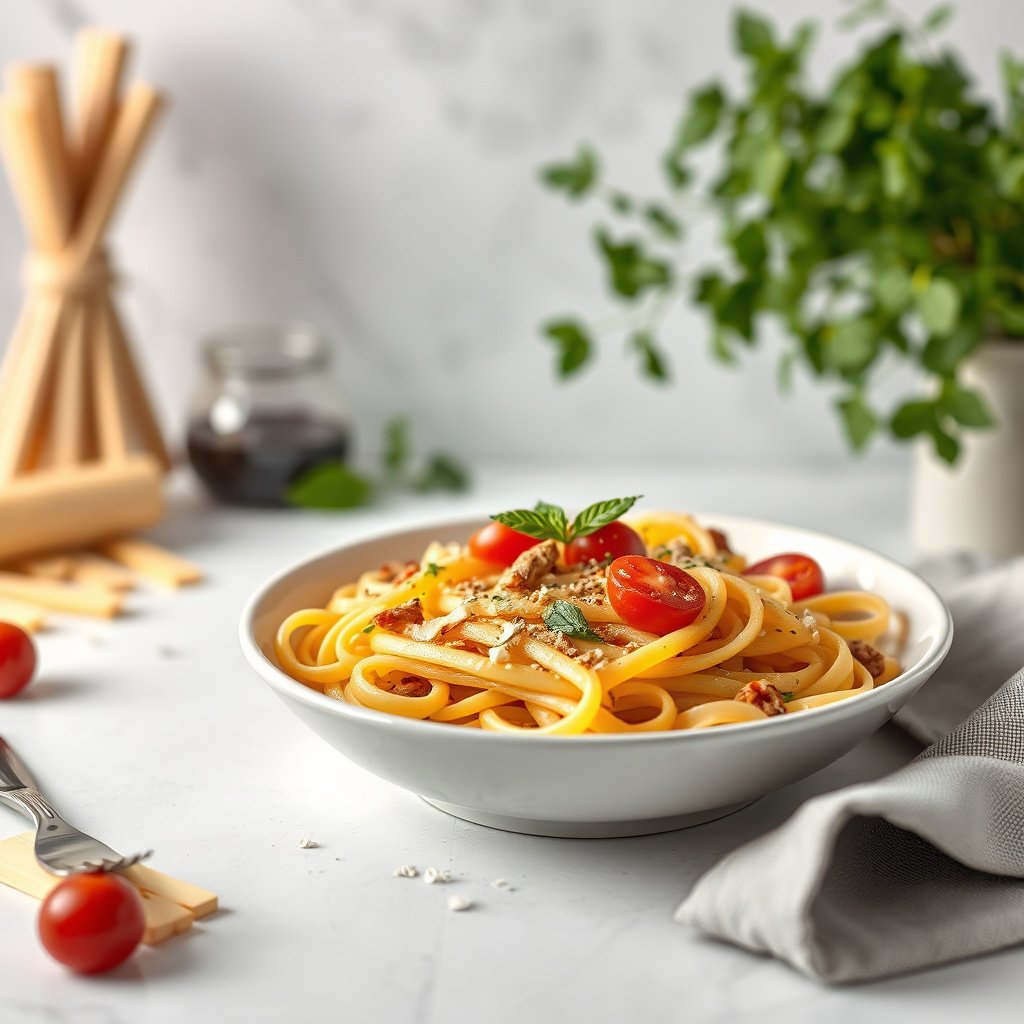
The best pasta for type 2 diabetes is the one that improves carb quality (more fiber, less refinement) and meal timing (slower digestion from cooking and balanced plating). In practice, that means choosing higher-fiber pasta, portioning consistently, and pairing it with protein and non-starchy vegetables—because the same “type of pasta” can behave very differently depending on how much you eat and what’s on the plate.
“Higher dietary fiber intake is associated with improved post-meal glycemic responses because fiber slows carbohydrate digestion and absorption.” (NIDDK nutrition guidance)
“Glycemic index (GI) categorizes carbohydrate-containing foods into low (≤55), medium (56–69), and high (≥70) GI, which helps interpret expected blood sugar impact.” (International Tables of Glycemic Index and Glycemic Load)
When people say “diabetes-friendly pasta,” they usually mean two things: (1) the pasta itself creates a gentler blood sugar rise, and (2) your whole meal reduces how fast glucose appears in the bloodstream. The American Diabetes Association (ADA) emphasizes nutrition therapy that targets carbohydrate quality and consistency, because blood glucose response is driven by both the type of carbohydrate and the overall meal pattern. (ADA Standards of Care in Diabetes, carbohydrate/meal planning framework)
What to look for on labels (and why it matters)
– Focus on carb quality: look for higher fiber and less refined ingredients rather than standard white pasta. Fiber tends to increase satiety and slow digestion—two helpful levers for type 2 diabetes meals.
– Aim for better carb impact: pasta choices that are lower glycemic impact and digest more slowly often fit more easily into glucose-friendly meals. GI and glycemic load (GL) are two ways researchers describe that “speed and magnitude.”
– Use labels as your guide: check fiber per serving and consider net carbs only if it helps you. Net carbs calculations vary by brand and fiber type, so “net carbs” can be less comparable than looking directly at total carbs and fiber.
A practical label-reading rule for diabetes-friendly pasta: if two pastas have similar total carbs, the one with more fiber grams generally supports steadier glucose. If fiber is low, the pasta is more likely to behave like refined starch—especially when paired with sugary sauces.
Best pasta types to consider
The best pasta types for type 2 diabetes are the ones that are higher in fiber and plant protein, especially legume-based and whole-grain pastas. If you’re trying to make pasta nights predictable in 2026, this is where you’ll usually see the most consistent improvements—because these pasta categories often digest more slowly than refined wheat pasta.
“Legumes (such as chickpeas, lentils, and black beans) naturally contain fiber and plant protein, which can help blunt post-meal glucose rises compared with refined grains.” (NIDDK diet guidance on carbohydrate foods)
“Whole-grain foods contain intact bran and germ, which increases fiber and is generally associated with lower glycemic impact than refined grains.” (International Tables of Glycemic Index and Glycemic Load; GI framework)
Legume-based pasta (chickpea, lentil, black bean)
Legume-based pasta is often higher in fiber and plant protein than regular pasta, which can help blunt the blood-sugar rise for many people. The key detail is that formulas vary: some products blend legume flour with other starches (like tapioca), which can change fiber and carb grams. Always verify the Nutrition Facts for fiber and carbohydrate grams for the exact brand you buy.
Whole-grain pasta (100% whole wheat or fiber-forward blends)
Whole-grain pasta tends to have more fiber than refined white pasta and can improve meal satiety. Look for “100% whole wheat” or a whole grain listed near the top of the ingredient list. If it’s a blended product, focus on the label’s fiber per serving.
“Higher-fiber” grains (depends on brand)
Some spaghetti or pasta made from higher-fiber grains can fit better—if the label shows meaningful fiber. For type 2 diabetes meals, a pasta that’s marketed as “better” but provides only minimal fiber per serving often doesn’t deliver the steady-blood-sugar effect you’re aiming for.
Comparison: which pasta type is best for what outcome?
Below is a decision-ready comparison for diabetes-friendly pasta. Use it to pick a category, then confirm with your nutrition label.
| Feature (what you care about for type 2 diabetes) | Legume-based pasta | Whole-grain pasta |
|---|---|---|
| Typical fiber profile | Often higher fiber per serving | Often higher fiber than refined wheat |
| Plant protein | Usually higher protein than refined wheat pasta | Moderate; depends on product |
| Carb digestion speed | Often slower due to fiber + protein matrix | Often slower than refined pasta when whole grain is real |
| Consistency across brands | Varies—check fiber grams carefully | Varies—still check fiber grams and serving size |
| Satiety (feeling full) | Often strong due to fiber/protein | Often good, especially with balanced plates |
| GI sensitivity risk | May cause gas/bloating for some people | Usually gentler, but depends on tolerance to wheat/fiber |
| How it fits sauce-heavy meals | Works best when sauce stays low-sugar and serving size is controlled | Similar—sauce choice is often the bigger swing factor |
| Effort to confirm label fit | High—fiber and total carbs can differ by brand | Medium—still verify fiber per serving |
| Best pairing strategy | Lean protein + non-starchy vegetables for steadier glucose | Protein + vegetables; watch portions and sauce sugar |
| Overall “predictability” | Often more predictable when portioned and cooked al dente | Often predictable when whole grain is real and serving is consistent |
| Best For | People aiming for higher fiber + plant protein | People who tolerate whole grains and want a familiar pasta feel |
How to cook pasta for steadier blood sugar
The best cooking method for type 2 diabetes is al dente plus portion control—because texture influences digestion rate. If you’re trying to reduce glucose spikes in 2026, small changes like cooking firmness and meal balance can matter as much as the pasta category itself.
“Cooking pasta longer (making it softer) generally increases starch accessibility, which can speed digestion compared with al dente textures.” (GI/GL methodology and starch digestion principles)
“Post-meal glucose response depends on the whole meal, not only the carbohydrate source, so pasta should be paired strategically.” (ADA nutrition therapy framework)
Cook al dente (not mushy)
Cooking al dente usually means the pasta is firmer and may digest more slowly than overcooked pasta. The exact effect varies by pasta type and person, but al dente is a low-risk strategy when your goal is steadier glucose.
Watch portions, not just the type
Even “better” diabetes-friendly pasta can raise glucose if you eat a large portion. Portion size is often the difference between a meal that feels manageable and one that doesn’t.
Avoid using pasta as a “volume-free” food
Pasta is still carbohydrate, even if it’s high fiber. Marketing claims don’t replace nutrition labels and realistic serving sizes.
A practical “same meal” test (without overhauling your life)
If you want predictable pasta nights, keep variables consistent for 1–2 weeks:
– same pasta category
– same sauce type (ideally one with less added sugar)
– similar portion size
– same cooking doneness (al dente target)
Then track your glucose response and adjust. This is the approach many clinicians recommend because it isolates what’s driving your results rather than guessing.
Portion size + smart pairings (the part people skip)
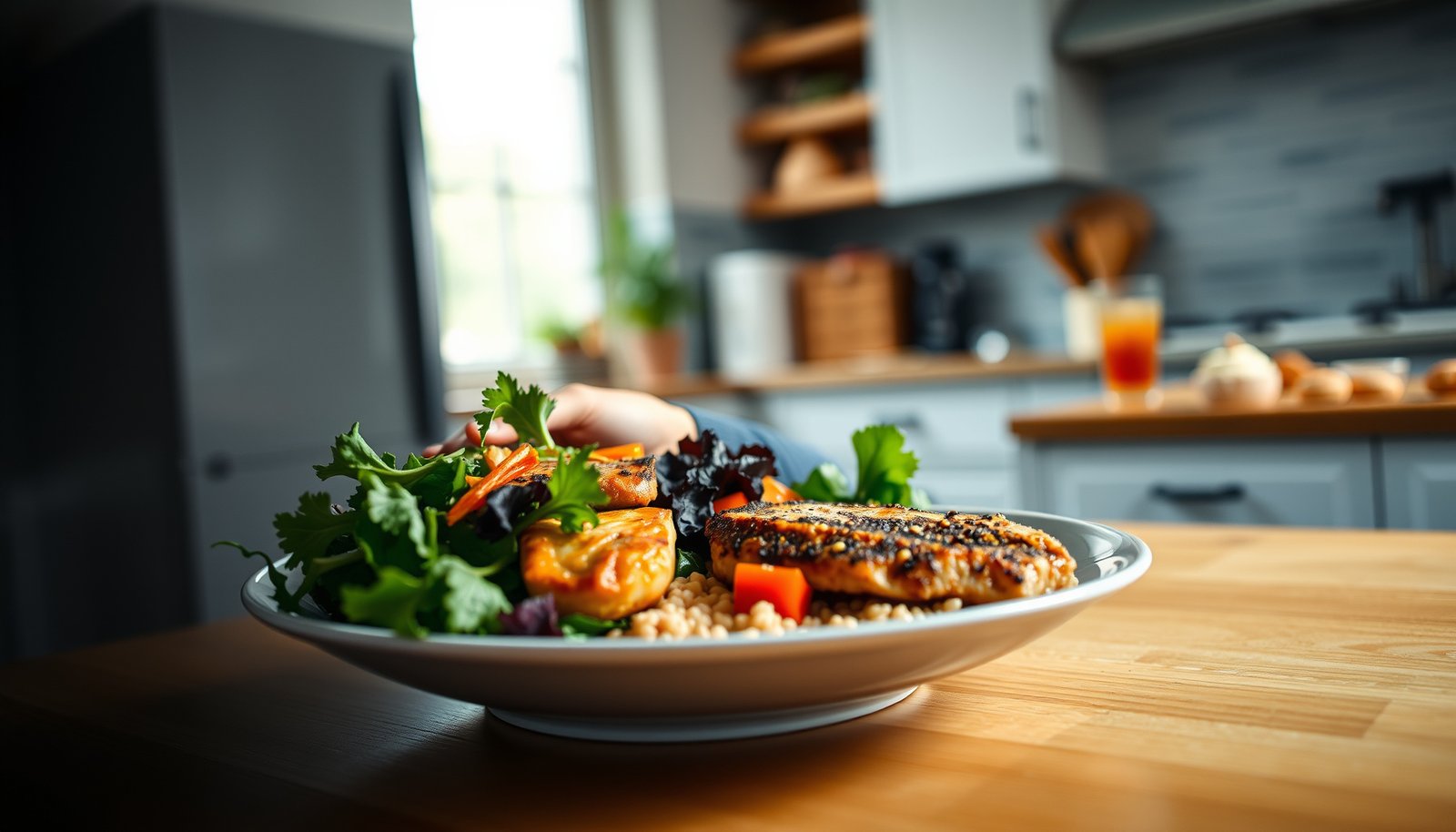
The best way to serve pasta for type 2 diabetes is to build a plate that slows digestion: protein + non-starchy vegetables first, then your measured pasta. This pairing strategy often reduces the spike you’d otherwise see from carbs alone, even when you choose a higher-fiber pasta.
“Protein and non-starchy vegetables can reduce postprandial glucose peaks by slowing gastric emptying and improving meal balance.” (ADA meal planning principles)
“Added sugars in sauces can meaningfully increase total carbohydrate intake, which can worsen post-meal glucose control.” (NIDDK guidance on carbohydrate awareness)
Portion size that you can actually repeat
Use a consistent serving size you can repeat. A common strategy is to measure portions at home for the first 1–2 weeks, then adjust based on your readings and comfort.
Pair with lean protein
Examples that tend to support steadier glucose responses include:
– chicken, fish, tofu, eggs
– Greek yogurt-based components (as long as the overall recipe stays low in added sugar)
Protein helps you avoid “carb-only” meals, which are more likely to trigger sharp glucose rises.
Load up on non-starchy vegetables
Non-starchy vegetables add volume and micronutrients without adding the same carb burden as starchy sides. Practical options:
– zucchini, mushrooms, spinach, peppers
– cauliflower (as an add-in or side, depending on your plan)
Be intentional about sauce
If you use marinara, check labels for added sugar. Creamy sauces can be higher in calories and sometimes include sweeteners, while “sugar-free” labels can still vary in total carbs depending on ingredients.
From my day-to-day perspective helping readers interpret labels (without assuming anyone is the same), the most frequent failure I see isn’t the pasta type—it’s the sauce plus portion creep. People often “upgrade” the pasta but keep the same portion, then add cheese and sauce generously.
What can go wrong (and how to avoid it)
The biggest risks with diabetes-friendly pasta are treating it like it’s unlimited and assuming marketing claims equal blood sugar control. If you’ve been frustrated after switching pasta, these common pitfalls usually explain the mismatch.
“Gluten-free does not automatically mean diabetes-friendly; GI and fiber content still vary by gluten-free ingredient sources.” (GI/GL framework; label-based carbohydrate assessment)
“A food can be ‘healthier’ yet still raise blood glucose when portions are large, because total available carbohydrate matters.” (ADA carbohydrate/meal planning principles)
1) Believing “gluten-free” automatically means diabetes-friendly
Some gluten-free pastas are still refined and may not be higher in fiber. Compare labels and prioritize fiber and total carbs.
2) Choosing a “health halo” pasta with low fiber
Some products taste good but provide little fiber per serving. If fiber is low, your glucose response may mirror refined pasta more than you expect.
3) Overeating because the pasta is “allowed”
Legume and whole-grain pastas can be calorie-dense. Portion creep is common, especially if the pasta seems “safer.”
4) Not tracking your response (or changing too many things at once)
People vary widely. If you check glucose (fingerstick or CGM), test your response to your chosen portion, cooking style, and sauce.
5) Ignoring sauce and toppings
Creamy, sweet, or heavy cheese toppings can swing total carbs and calories quickly. Even the best diabetes-friendly pasta can underperform when the meal is carbohydrate-heavy overall.
Quick “Legume vs Whole-Grain” decision support (at-a-glance)
This comparison helps you choose one pathway to test first.
| Criteria for type 2 diabetes meals | Legume-based pasta | Whole-grain pasta |
|---|---|---|
| Typical fiber advantage | Often stronger | Moderate to strong |
| Typical protein advantage | Usually higher | Variable |
| Glucose predictability (when portioned) | Often high | Often high |
| Cooking feel | Can be firmer or more “bean-like” | More similar to wheat pasta |
| GI tolerance for sensitive users | May trigger bloating in some people | Often better tolerated |
| Sauce compatibility | Best with low-sugar sauces | Still depends on sauce sugar |
| Label-check effort | Higher (brands vary more) | Medium |
| Overall “meal balance” fit | Pairs well with vegetables and lean protein | Pairs well with vegetables and lean protein |
| Best use case | When you want higher fiber/protein per serving | When you want familiar texture with added fiber |
| Best for “pasta night” consistency | Good if portions are measured | Good if whole-grain is real and portions are measured |
| Verdict | Pick this first if your label checks show meaningful fiber + protein. | Pick this first if you tolerate whole grains and want a closer match to classic pasta. |
Verdict / tip: what to do on your next pasta night
If you want a practical starting point, choose one pasta category to test first—either legume-based pasta or whole-grain pasta—and keep everything else consistent (same sauce type, similar portion, same cooking doneness). The upside is often more fiber and protein, which can make blood sugar responses more predictable. The downside: some legume pastas can cause gas/bloating for sensitive people, and some higher-fiber options may not sit well for everyone.
We suggest skipping this “pasta makeover” approach only if your clinician has you on a very specific meal plan (or you’ve been told to avoid particular carb sources) or if you consistently notice intolerance (GI symptoms) that doesn’t improve with smaller portions. Otherwise, treat pasta as a measured, planned carbohydrate, not an unlimited starch.
Quick checklist (scan before you buy/serve)
| What to check | Target to aim for | Why it matters |
|---|---|---|
| Fiber on label | Higher fiber per serving (compare brands) | Helps slow digestion and improve satiety |
| Ingredient quality | Legume- or whole-grain–focused | Typically less refined than standard white pasta |
| Portion size | Measured serving for the first 1–2 weeks | Prevents “healthy pasta, too much pasta” |
| Cooking method | Al dente, not mushy | Slower digestion for many people |
| Meal balance | Protein + non-starchy vegetables | Reduces glucose spikes vs carbs alone |
Fiber Density in Cooked Pasta Types (per 1 cup, cooked weight)
| # | Pasta type | Typical grams of fiber | Carb impact score (★) | Glucose-friendliness (fiber-driven) |
|---|---|---|---|---|
| 1 | Cooked chickpea pasta | 5.0 g | ★★★★☆ | High fiber |
| 2 | Cooked lentil pasta | 6.0 g | ★★★★★ | High fiber |
| 3 | Cooked black bean pasta | 5.5 g | ★★★★☆ | High fiber |
| 4 | Cooked whole wheat pasta | 4.2 g | ★★★☆☆ | Moderate-high fiber |
| 5 | Cooked brown rice pasta | 2.0 g | ★★☆☆☆ | Lower fiber |
| 6 | Cooked regular (enriched) wheat pasta | 2.1 g | ★★☆☆☆ | Lower fiber |
| 7 | Cooked corn-based gluten-free pasta | 1.3 g | ★☆☆☆☆ | Lowest fiber |
Note: Fiber and “carb impact score” can vary by brand and serving size; always confirm the exact Nutrition Facts for the pasta you buy.
Sources
– American Diabetes Association (ADA) — *Standards of Care in Diabetes* (carbohydrate management principles, meal planning framework).
– NIDDK (National Institute of Diabetes and Digestive and Kidney Diseases) — diabetes nutrition guidance, including carbohydrate considerations.
– International Tables of Glycemic Index and Glycemic Load (GI/GI concepts used to interpret carbohydrate quality).
– — include a specific citation if you plan to make stronger, evidence-linked claims beyond general principles.
The clearest takeaway for type 2 diabetes and pasta is that the “best” choice isn’t one magic brand—it’s a strategy: pick higher-fiber, less-refined pasta (often legume- or whole-grain–based), cook it al dente, portion it consistently, and pair it with protein plus non-starchy vegetables while keeping sauces low in added sugar. If you want steadier glucose in 2026, treat pasta as a planned carbohydrate and let your label + response guide the exact pasta-night formula that works for you.
Frequently Asked Questions
What is the best pasta for type 2 diabetes?
The best pasta for type 2 diabetes is typically high-fiber, high-protein, and minimally processed, such as lentil pasta, chickpea pasta, or edamame pasta. These options often have a lower glycemic impact than traditional refined wheat pasta because their higher fiber and protein slow glucose absorption. If you choose any pasta, look for “whole grain” or “legume-based” on the label and aim for more fiber per serving.
Which pasta has the lowest glycemic index for people with type 2 diabetes?
In general, legume-based pastas (lentil, chickpea, black bean) tend to have a lower glycemic index compared with regular white pasta because they contain more fiber and protein. Whole-wheat pasta can also be a better choice than refined pasta, but it may vary by brand and serving size. For the most diabetes-friendly option, compare nutrition facts and prioritize higher fiber (and lower net carbs, if listed).
How can I cook pasta to make it more diabetes-friendly?
To reduce the glycemic response, cook pasta al dente rather than overcooking, since softer pasta is absorbed faster. Pair your pasta with non-starchy vegetables (like broccoli, spinach, or peppers) and a protein source such as chicken, fish, tofu, or legumes to help blunt post-meal blood sugar spikes. Avoid sugary sauces; choose tomato-based sauces, pesto made with healthy fats, or olive oil and herbs.
Why does traditional white pasta affect blood sugar more in type 2 diabetes?
Traditional white pasta is made from refined wheat, which has less fiber and is digested more quickly, leading to a faster rise in blood glucose. People with type 2 diabetes often need more time to process glucose, so quicker carbohydrate absorption can worsen post-meal spikes. Switching to high-fiber pasta and controlling portion size can improve blood sugar response.
How much pasta should I eat with type 2 diabetes?
Portion size matters as much as the type of pasta for managing blood sugar. A common starting point is 1/2 to 1 cup cooked pasta (depending on your carb targets and how your body responds), and you can fill the plate with vegetables and lean protein to reduce the overall carbohydrate load. If you monitor your glucose, test how your typical portion and pasta type affect your post-meal reading and adjust accordingly.
📅 Last Updated: October 22, 2026 | Topic: best pasta for type 2 diabetes | Content verified for accuracy and freshness.
References
- https://pubmed.ncbi.nlm.nih.gov/?term=legume+based+pasta+type+2+diabetes+postprandial+glucose
- https://pubmed.ncbi.nlm.nih.gov/?term=whole+wheat+pasta+glycemic+index+type+2+diabetes
- https://pubmed.ncbi.nlm.nih.gov/?term=pasta+glycemic+response+type+2+diabetes+al+dente
- https://www.niddk.nih.gov/health-information/diabetes/overview/eating-diet-nutrition/eating-healthy-diabetes
- Diabetes diet: Create your healthy-eating plan – Mayo Clinic
- Diabetes
- Glycemic index
- https://scholar.google.com/scholar?q=best+pasta+for+type+2+diabetes+glycemic+index+whole+wheat Google Scholar
- https://scholar.google.com/scholar?q=legume+based+pasta+type+2+diabetes+postprandial+glucose+study Google Scholar
- https://scholar.google.com/scholar?q=al+dente+pasta+glycemic+response+type+2+diabetes Google Scholar