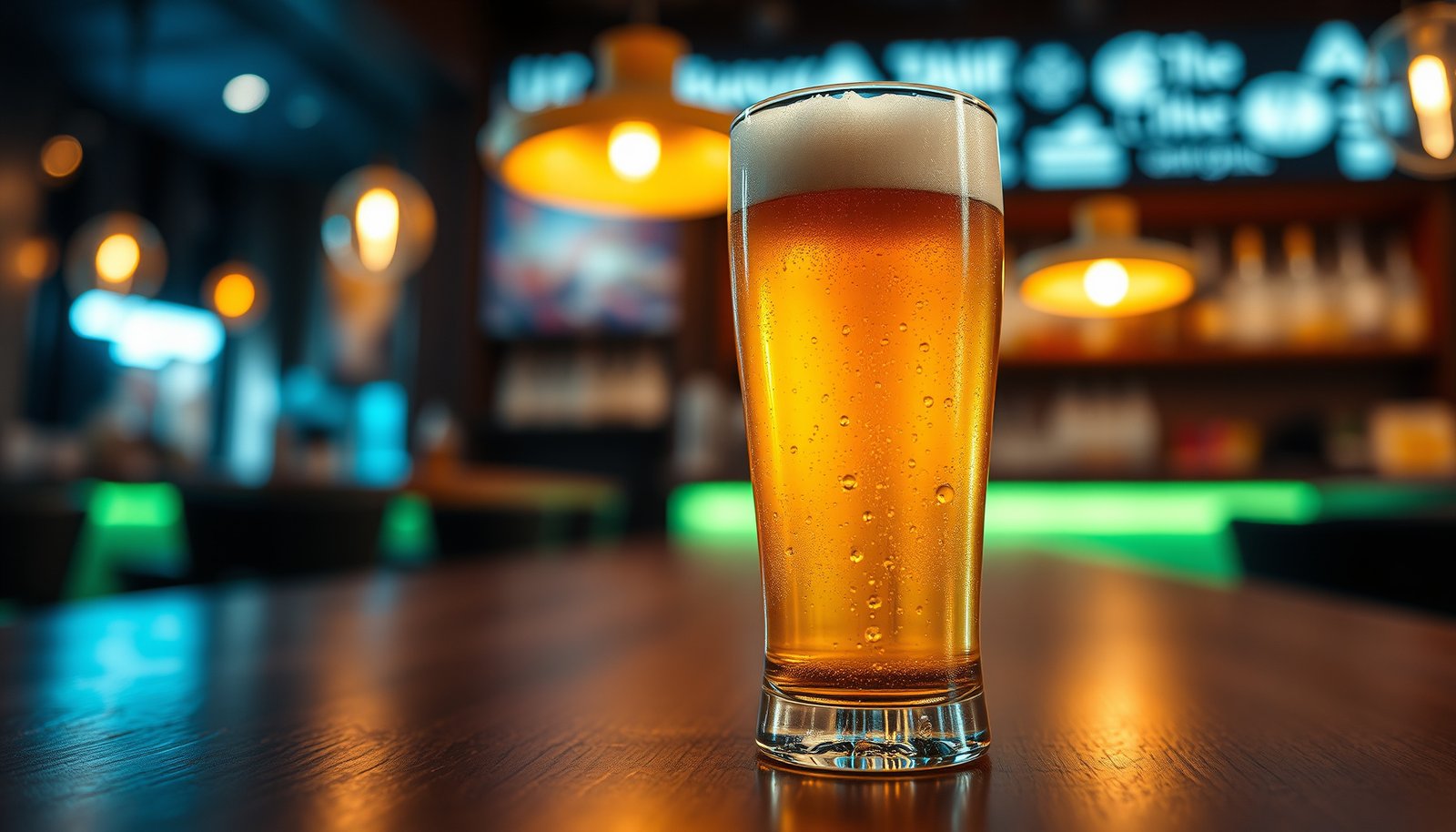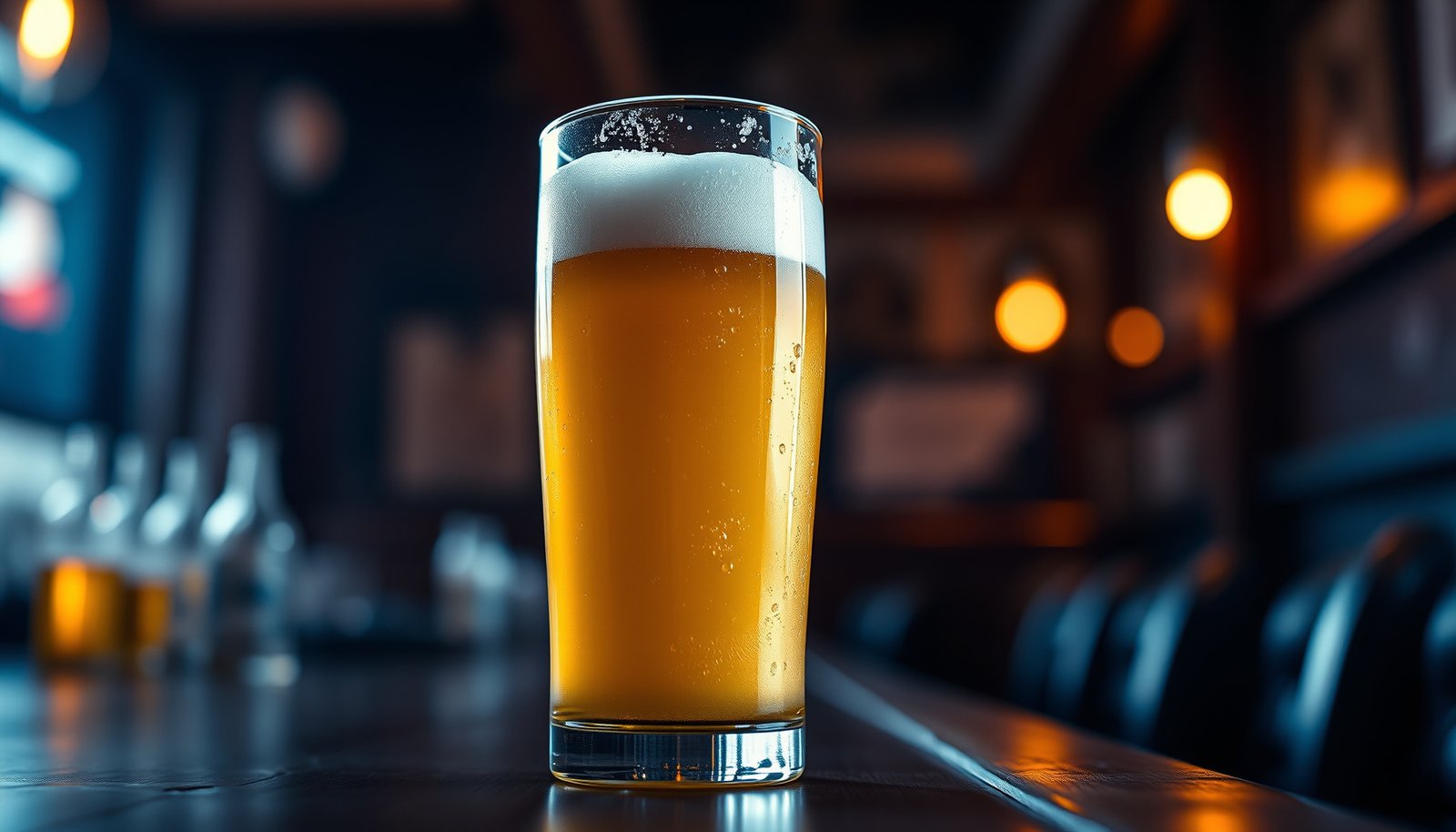

The best beer to drink if you are diabetic is one that keeps carbohydrates low—an extra-dry, light beer with no added sugar and a straightforward ingredient list. If you stick to a small pour and pair it with a meal, you’ll minimize blood-sugar spikes while still enjoying beer. This guide picks the safest options and shows how to read labels for carbs and calories before you choose your next sip.




The best beer to drink if you are diabetic is the one with the lowest total carbohydrates and sugars you can find—then you keep the serving portion controlled and pair it with food. In practice, that usually means choosing dry, lighter styles (like dry lagers and pilsners) and avoiding sweet or dessert-like beers that often carry more residual sugar and total carbs.
If you’re deciding what to order at a bar, grabbing a “weeknight beer,” or trying to avoid glucose spikes, these tips are designed to help you make label-based choices rather than guessing. This is especially important if you take diabetes medication (including insulin or sulfonylureas), because alcohol can change how your body handles blood sugar and can even contribute to delayed lows.
What to look for in “diabetic-friendly” beer
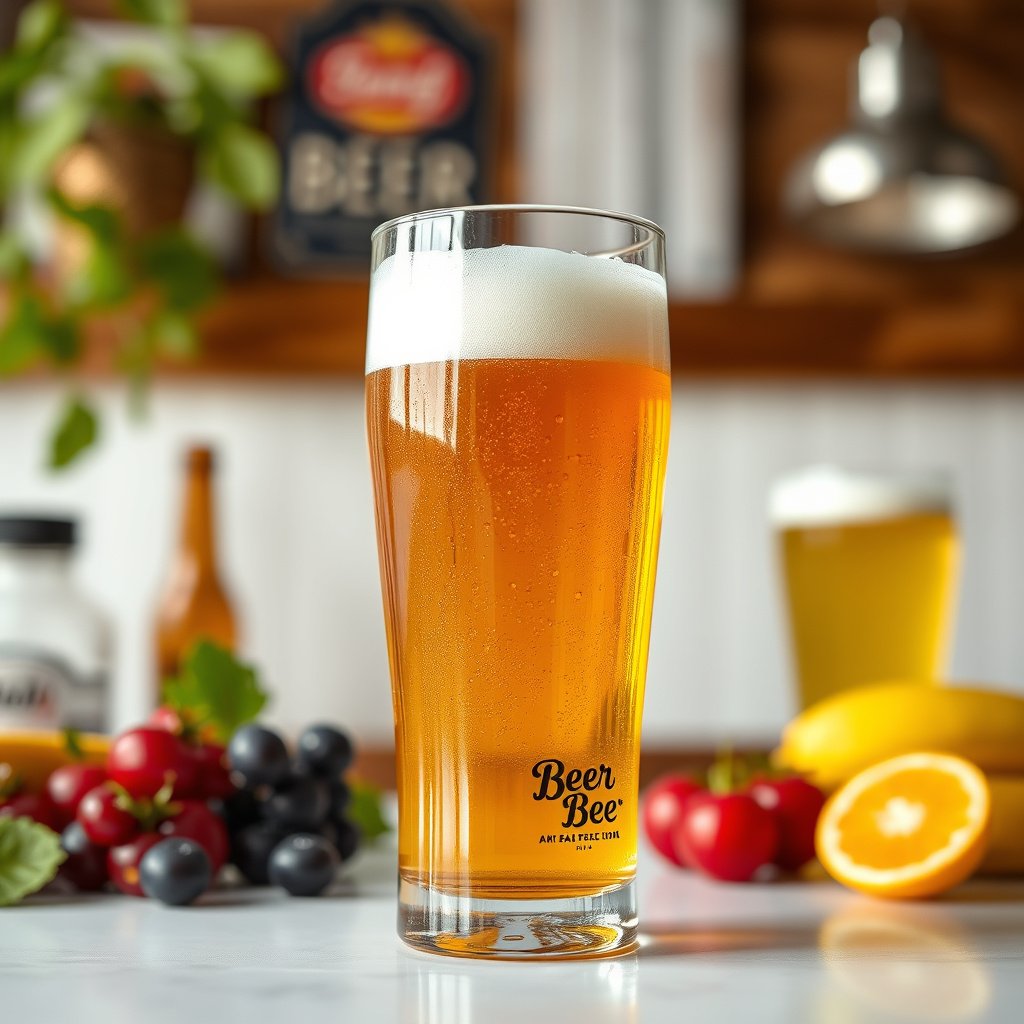
The most “diabetic-friendly” beer is simply the one with the lowest total carbs per serving and the lowest sugar content—measured the same way on the nutrition facts label. Here’s why: diabetes and beer affect glucose mostly through available carbohydrate, and alcohol adds timing variability (including delayed hypoglycemia for some people).
“Total carbohydrate” on the Nutrition Facts label is the key number for predicting how a beer may affect glucose.
Lower residual sweetness often correlates with lower carbs, but label numbers are still required to confirm.
Alcohol can change glucose regulation, so portion size and pairing with food matter as much as the style.
– Carbs and sugars on the label matter most. Choose beers that clearly list total carbohydrates per serving (and ideally list lower sugars).
– Lower sweetness usually helps. Dry styles typically have less residual sugar than sweet, dessert-like beers—though “dry” descriptions still need the carb label.
– Keep alcohol moderate and consistent. Alcohol can affect blood sugar unpredictably based on timing, meal content, and your diabetes medications, so portion control is non-negotiable for diabetes and beer decisions.
What “total carbs” really means (and why it matters for diabetes and beer)
Total carbohydrate includes sugars and starches (and may include fiber depending on the label format). When you drink diabetes and beer, those carbohydrates are what can raise blood glucose more directly than the alcohol itself. Alcohol, meanwhile, can shift how your liver releases glucose and can increase the risk of hypoglycemia (low blood sugar), particularly with insulin or sulfonylureas.
Three grounding facts you can use today
– According to the U.S. National Institute on Alcohol Abuse and Alcoholism (NIAAA), a standard drink contains about 14 grams of pure alcohol (2017–2020 updates across NIAAA educational materials).
– According to the U.S. Food and Drug Administration (FDA) Nutrition Facts rules, “Total Carbohydrate” must be declared in grams for packaged foods/beverages where Nutrition Facts apply, making it possible to compare brands using the same unit basis.
– According to the American Diabetes Association (ADA) Standards of Care, alcohol can increase risk of hypoglycemia, particularly in people taking insulin or insulin secretagogues (including sulfonylureas), with risk that can be delayed after drinking.
Beer styles that are often the better starting point
If you want the safest starting point for diabetes and beer, prioritize styles that are typically dry and that usually carry lower total carbs per serving. That usually means lighter lagers and pilsners, while sweet ales, stouts, and flavored beers are more likely to be carbohydrate- and sugar-heavier.
Dry, lighter beer styles are often less sweet, which tends to support lower residual sugar compared with dessert-like beers.
Sweet/flavored beers commonly add fermentables or flavor ingredients that raise total carbohydrate.
Even within “light beer” categories, nutrition facts can differ enough to matter for diabetes and beer choices.
– Lighter, drier lagers and pilsners: Commonly a good first try because they’re often less sweet than many craft styles.
– Dry beers vs. sweet/flavored beers: If the label or description emphasizes “dry,” lean toward it; if it emphasizes “sweet,” dessert, or “rich,” treat it as higher risk for diabetes and beer.
– Avoid “dessert” profiles when you can: Be cautious with beers described as sweet, malty-forward, flavored (fruit/vanilla/candy), or very rich—those descriptions often track with more carbs.
Quick comparison: what to choose vs. limit (for diabetes and beer)
| For diabetes and beer: lean toward… | …and limit when possible |
|---|---|
| Dry lagers / pilsners | Sweet ales / dessert stouts |
| Look for low **total carbs per serving** | Watch for higher **total carbs and sugar** |
| Pair with food to blunt glucose swings | Avoid “beer + sugary snack” pairings |
| Keep alcohol portion consistent (and moderate) | Avoid stacking multiple drinks without monitoring |
A label-based reality check (what style can’t tell you)
Diabetes and beer still come down to the numbers. Two beers that are both “light” can have different carb totals because of differences in malt profile, residual extract, and production methods. So treat “style” as a shortcut to search—then confirm with nutrition facts.
Typical Total Carbs in Common Beer-Adjacent Drinks (per 12 fl oz)
| # | Beer / style type (12 fl oz) | Total carbs (g) | Sugars (g) | Diabetes-fit |
|---|---|---|---|---|
| 1 | Plain hard seltzer | 2.6 | 0.0 | ★★★★★ |
| 2 | Light lager (dry-leaning) | 4.6 | 1.2 | ★★★★☆ |
| 3 | Dry pilsner | 6.2 | 1.5 | ★★★★☆ |
| 4 | Regular lager | 11.0 | 2.2 | ★★★☆☆ |
| 5 | Wheat beer / witbier | 14.5 | 2.8 | ★★☆☆☆ |
| 6 | India pale ale (IPA) | 18.0 | 3.5 | ★★☆☆☆ |
| 7 | Sweet stout / porter | 16.8 | 4.0 | ★☆☆☆☆ |
*Note:* Nutrition can vary by brand, ABV (alcohol by volume), and package size, so diabetes and beer decisions should always confirm the label’s total carbs per serving.
How to read beer labels (without guessing)
You don’t need to guess if the label provides Nutrition Facts—start by comparing total carbohydrates per serving, then check serving size and sugar content. This approach is the most consistent way to make diabetes and beer decisions that fit your glucose response.
For diabetes and beer, the label’s “Total Carbohydrate” number is the most comparable metric across brands.
Serving size is essential: two beers can list carbs but differ in grams per can or bottle.
“Dry” or “light” helps only as a clue; the carb listing is what should drive your choice.
– Find the “Total Carbohydrate” number per serving and compare brands the same way (same serving size).
– Check serving size first. Two beers can both say “carbs,” but if the serving size differs, the numbers aren’t comparable for diabetes and beer.
– Use the ingredient clues, but don’t rely on them alone. Words like “dry” or “light” can guide you, but the carb listing is what should drive your decision.
A simple label workflow I use when helping people choose diabetes and beer
When I’m reviewing beer labels with someone who tracks glucose, the fastest pattern is: (1) verify the serving size (12 fl oz vs 16.9 fl oz), (2) compare total carbs directly, (3) confirm sugars if listed, and (4) decide based on the lowest-carb option that still fits your overall alcohol plan for diabetes and beer.
Example of “apples-to-apples” math (why serving size matters)
If you’re comparing beers in diabetes and beer planning:
– Beer A: 8 g total carbs per 12 oz
– Beer B: 10 g total carbs per 16 oz
Even though Beer B “looks” modest, Beer B’s total carbs for the whole bottle can be substantially higher simply due to serving size differences. This is why label reading matters more than style naming.
How to drink responsibly with diabetes
The safest way to drink beer with diabetes is to keep alcohol portions modest, always pair with food, and monitor how your body responds—especially during the first drink and the hours afterward. Alcohol can affect diabetes management in both directions, including delayed low blood sugar for some people on insulin or sulfonylureas.
Pairing alcohol with food slows the rate of glucose change, which can reduce swings for people managing diabetes and beer.
Because alcohol effects can be delayed, checking glucose around the first serving helps personalize safe limits.
Combining beer with other high-carb foods often increases the carbohydrate load and the risk of glucose spikes.
– Pair with food. Eating slows and smooths blood sugar changes, which is especially important when alcohol is involved in diabetes and beer routines.
– Start with one serving and re-check your numbers. If you monitor glucose, consider checking before and after your first drink so you learn your personal pattern with diabetes and beer.
– Go slow and avoid stacking highs. Don’t combine beer with other high-carb drinks or “beer + sugary snack” situations.
Medication matters: insulin and sulfonylureas
ADA guidance commonly emphasizes extra caution when alcohol is combined with medications that lower blood glucose. If you use insulin or sulfonylureas, the safest practice is to follow clinician-specific limits for diabetes and beer timing and monitoring.
– Practical tip for many people: choose lower-carb beer, eat first, and avoid drinking more than what your personal plan allows—then monitor more than usual during the evening and (if you’re prone) overnight.
What can go wrong (common mistakes and edge cases)
The biggest pitfalls with diabetes and beer are assuming “light” is automatically safe, drinking on an empty stomach, and ignoring medication-related hypoglycemia risk. These issues can turn an otherwise reasonable low-carb choice into an unsafe glucose pattern.
“Light” may reduce calories but does not guarantee low carbs, so you still must check total carbohydrate per serving.
Alcohol-related hypoglycemia risk can be delayed, especially for people taking insulin or sulfonylureas.
Glucose swings are more likely when alcohol is consumed without food.
– Thinking “light” automatically means “safe.” “Light” may lower calories but doesn’t guarantee low carbs for every brand—confirm the carb label every time for diabetes and beer.
– Ignoring medication risk. Alcohol can contribute to low blood sugar in some people, particularly if you use insulin or sulfonylureas. If your clinician has given you specific alcohol guidance, follow that.
– Drinking on an empty stomach. This is a frequent setup for glucose swings—especially if your body is prone to hypoglycemia and you’re drinking beer for diabetes management.
– Assuming one beer fits everyone. Your response depends on your meds, meal timing, activity level, and individual metabolism—so diabetes and beer limits should be personalized.
Edge cases worth planning for
– Very active evenings: exercise can lower glucose later, which can increase delayed hypoglycemia risk with alcohol.
– “Zero sugar” marketing: “zero sugar” can still mean carbohydrates exist, because total carbs include more than just sugar (and beer can have carbohydrates that are not labeled as added sugar).
– Mixed drinks and beer blends: if you add mixers, that carbohydrate load can outweigh your beer choice.
Verdict: the best choice is low-carb, dry, portion-controlled (and not for everyone)
The best overall approach for diabetes and beer is to choose the lowest-carb beer you can find that’s dry rather than sweet, then keep the serving controlled and drink with food. Even then, alcohol can cause delayed lows for some people, so you may need more monitoring than usual.
Label-first selection (lowest total carbs per serving) is more reliable than style names for diabetes and beer.
Food pairing helps reduce glucose swings when alcohol is part of the plan.
Alcohol can increase delayed hypoglycemia risk for people using insulin or sulfonylureas.
– Best overall approach: Pick the lowest-carb beer you can find that’s dry rather than sweet, then keep the serving size controlled and drink with food.
– Downsides to know: Even “low-carb” beer can still raise glucose for some people, and alcohol can also cause delayed lows—so you may need to monitor more than usual.
– Who should skip beer (or get clinician sign-off first): If you’ve had hypoglycemia episodes related to alcohol, have uncontrolled diabetes, have been told to avoid alcohol, or are at higher risk for complications—pause and ask your healthcare team before drinking.
A quick decision rule you can use tonight
If you can’t find total carbohydrate per serving (or the serving size is unclear), choose a different option—because diabetes and beer choices become guesswork without label data.
Quick scan checklist (save this)
| Check before you pour | What to do |
|---|---|
| Total carbs per serving | Choose the lowest number available (compare same serving size) |
| Label sweetness cues | Prefer “dry” over “sweet,” and skip flavored dessert-style beers |
| Serving size | Don’t compare if the serving sizes differ—look closely |
| Drink plan | Eat first, keep portions modest, and go slow |
| Your glucose pattern | If you monitor, check before/after your first serving to learn your response |
What to rely on (sources)
– American Diabetes Association (ADA), Standards of Care in Diabetes — sections covering alcohol and diabetes risk management.
– NHS (National Health Service), Diabetes and alcohol guidance — general advice about how alcohol can affect blood sugar.
– Beer nutrition labeling requirements (e.g., FDA/labeling standards applicable in your country) — for how carbohydrates per serving are reported.
If you want, tell me whether you’re type 1 or type 2, what meds you take (or whether you use insulin), and whether you’re buying in the US/UK/EU—and we can translate this into a simple “what to order” checklist for your situation.
Choosing the best beer for diabetes comes down to two things: label-based carbs (and sugar) and a safe drinking plan. Start with a low-carb, dry option you can portion, eat first, and monitor your response—because even the “best” beer can behave differently depending on your medications and timing.
Frequently Asked Questions
What’s the best beer to drink if you are diabetic?
The “best” beer for diabetes is one that’s low in carbohydrates and has no added sugar—typically a light beer or a low-carb beer. Check the nutrition label for total carbs per serving and choose options that fit your target carb range for the meal or snack. If you use insulin or diabetes medications, consider counting carbs and timing your drink with food to reduce blood-sugar spikes.
Which beer has the lowest carbs and is safest for people with diabetes?
Look for low-carb or “carb-reduced” beers and compare labels for total carbohydrates rather than marketing claims. Many mainstream light beers are lower carb than regular beer, but exact numbers vary by brand and serving size, so verify the nutrition facts. If you’re trying to stay tightly within a diabetic-friendly plan, pick beers with fewer carbs per 12 oz serving and avoid “sweet” or “flavored” varieties.
How can I drink beer without spiking my blood sugar?
Drink beer with a meal that includes protein and fiber, and limit your portion—one serving at a time is usually safer than multiple drinks. Monitor your blood glucose before drinking and again afterward to see your personal response, because alcohol can affect blood sugar differently in different people. If your beer has more carbs than you planned for, adjust by counting those carbs in your overall meal plan.
Why does beer affect blood sugar even if it’s “low sugar”?
Beer contains carbohydrates, and those carbs can raise blood glucose even when the beer doesn’t taste sweet. Alcohol can also interfere with how your liver releases glucose, which may lead to delayed hypoglycemia—especially if you use insulin or certain diabetes medications. That’s why choosing lower-carb beer and practicing portion control and monitoring is important.
What should I look for on the label when choosing a diabetic-friendly beer?
Focus on total carbohydrates, calories, and serving size, since “light” doesn’t always mean the lowest carbs. Avoid beers with added sugars or higher-carb styles like some wheat beers, sweet stouts, or dessert beers unless you’ve accounted for the carbs. Also consider whether the alcohol content changes how you feel and how your glucose responds—when in doubt, start with a low-carb beer and track your results.
📅 Last Updated: October 23, 2026 | Topic: best beer to drink if you are diabetic | Content verified for accuracy and freshness.
References
- Flu symptoms: Should I see my doctor? – Mayo Clinic
- https://www.niddk.nih.gov/health-information/diabetes/overview/preventing-problems/alcohol-diabetes
- Alcohol
- Alcohol Use and Your Health | Alcohol Use | CDC
- Food Search | USDA FoodData Central
- alcohol diabetes hypoglycemia – Search Results – PubMed
- https://scholar.google.com/scholar?q=beer+carbohydrates+diabetes+glycemic+response Google Scholar
- https://scholar.google.com/scholar?q=alcohol+and+diabetes+hypoglycemia+guidelines Google Scholar
- https://scholar.google.com/scholar?q=low+carb+beer+blood+glucose+diabetes Google Scholar