
Find the best snacks for diabetes patients that actually keep blood sugar steadier between meals—without turning every bite into a diet compromise. If you want the clearest, most reliable winner, choose snacks built around fiber and protein (like nuts, seeds, Greek yogurt, or hummus with veggies), because they typically blunt glucose spikes better than sweet or refined-carb options. This guide answers which diabetes-friendly snacks work best, how to portion them, and what to avoid for steadier readings.



The best snacks for diabetes patients are high-fiber, minimally processed foods that include protein or healthy fats—plus a modest amount of carbohydrates. The goal is to keep blood sugar steadier by pairing carbs with fiber and protein, not by cutting snacks out completely. In this guide, you’ll get practical snack ideas and a quick way to portion them.
This is for people living with diabetes (and caregivers) who want safer snack choices for between-meal hunger, cravings, or “quick bite” moments—without turning every snack into a blood-sugar experiment.
What makes a snack diabetes-friendly

The most diabetes-friendly snacks reduce the speed and size of glucose absorption by combining fiber with protein and/or healthy fats. In 2026, the most consistent approach is still the same: smart pairings and portion awareness beat “perfect” snack choices.
High-fiber foods help slow digestion, which can reduce the size of post-meal (or post-snack) glucose swings. USDA Dietary Guidelines for Americans, 2020–2025
Unsweetened, minimally processed snacks generally outperform cookies, candy, and sweetened drinks because they contain fewer refined carbohydrates and added sugars. American Diabetes Association, Standards of Care in Diabetes—2024
Fiber + protein/fat slows digestion
Fiber (especially from vegetables, beans, nuts, and berries) is the foundation. Protein and healthy fats—such as hummus, plain Greek yogurt, cheese, nuts, or nut butter—further slow gastric emptying and digestion, which helps blunt glucose spikes for many people.
Prefer whole foods over refined carbs
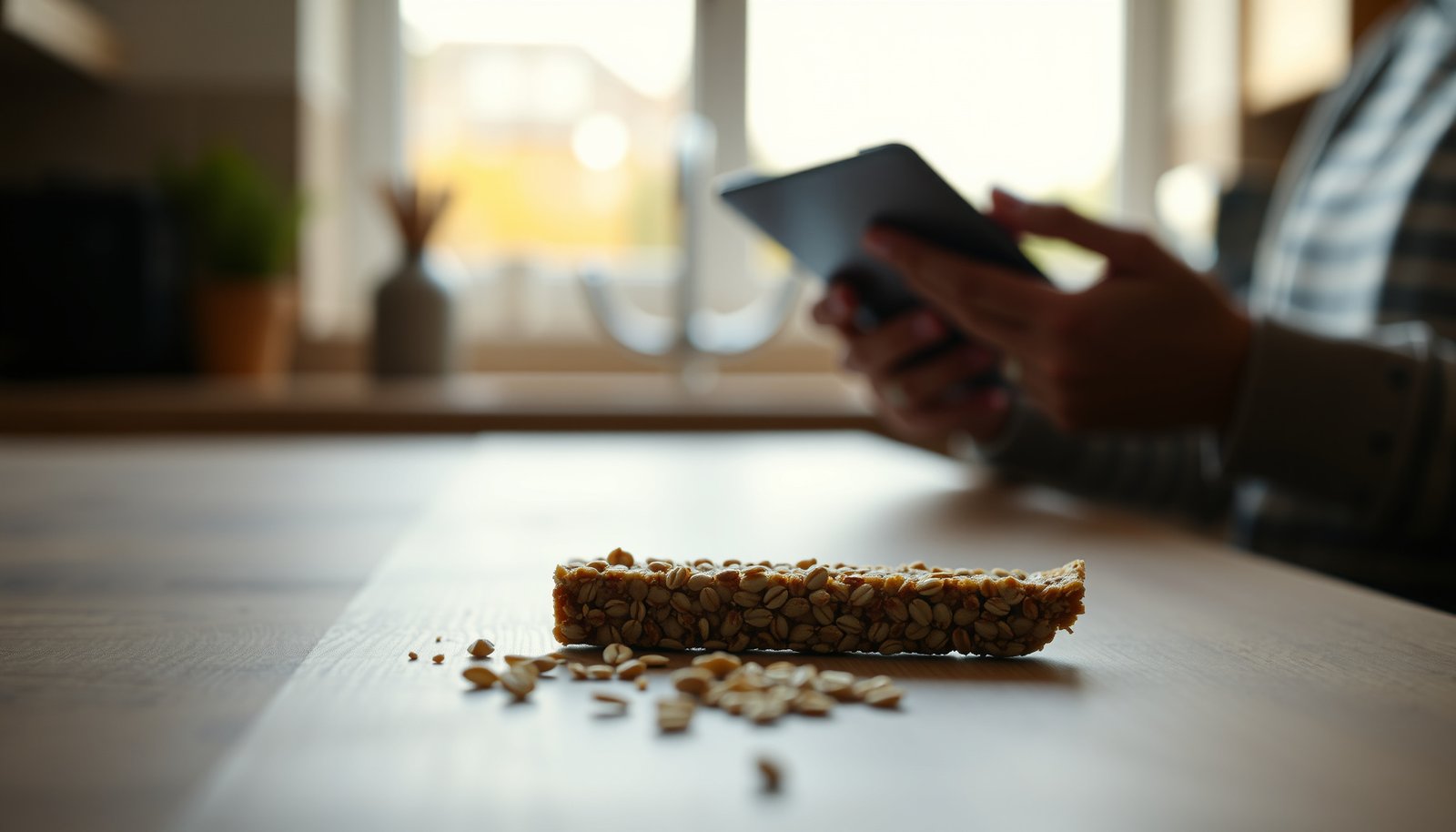
Sweet snacks and refined carbohydrate sources (for example, candy bars, pastries, sweetened beverages, and many granola bars) often deliver carbs quickly and with little fiber. The result is usually a faster rise in blood sugar—especially if the snack is eaten alone.
A practical fiber target you can aim for
According to the USDA Dietary Guidelines for Americans (2020–2025), total fiber is recommended at about 14 grams per 1,000 calories per day for adults. USDA Dietary Guidelines for Americans, 2020–2025
For snack planning, that translates to a simple rule of thumb: build snacks that include at least one fiber-rich component (veggies, beans/chickpeas, berries, or nuts/seeds).
Best snacks for diabetes patients (by type)
The best snack categories are the ones that naturally combine carbs (if any) with fiber and protein/fat. Here are practical, repeatable options by “sensory type,” so it’s easier to choose when hunger hits—especially in 2026 when routines can get busy.
Pairing carbohydrate foods with protein or fat can reduce the rate of glucose rise compared with eating the carbohydrate alone. American Diabetes Association, Standards of Care in Diabetes—2024
Berries, apples, and pears can fit into a diabetes meal plan when portions are controlled and they’re paired with nuts or dairy/cheese for added protein and fat. National Institute of Diabetes and Digestive and Kidney Diseases (NIDDK), Eating, Diet, and Nutrition for Diabetes
Crunch + fiber
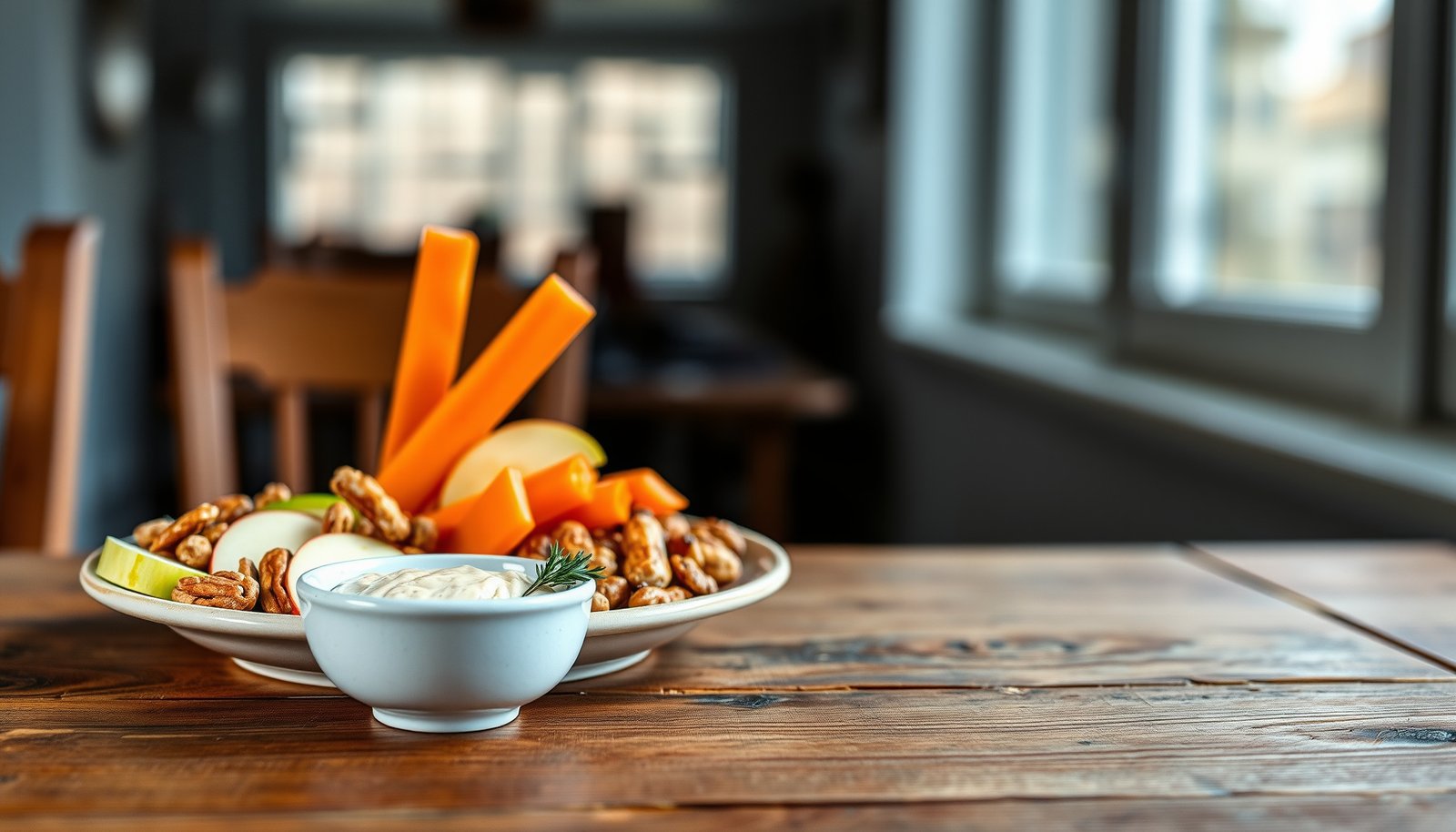
– Raw veggies (carrots, cucumber) with hummus
– Roasted chickpeas (choose unsweetened versions)
– Nuts in portion-controlled servings (they’re nutrient-dense, but easy to overeat)
Creamy + protein
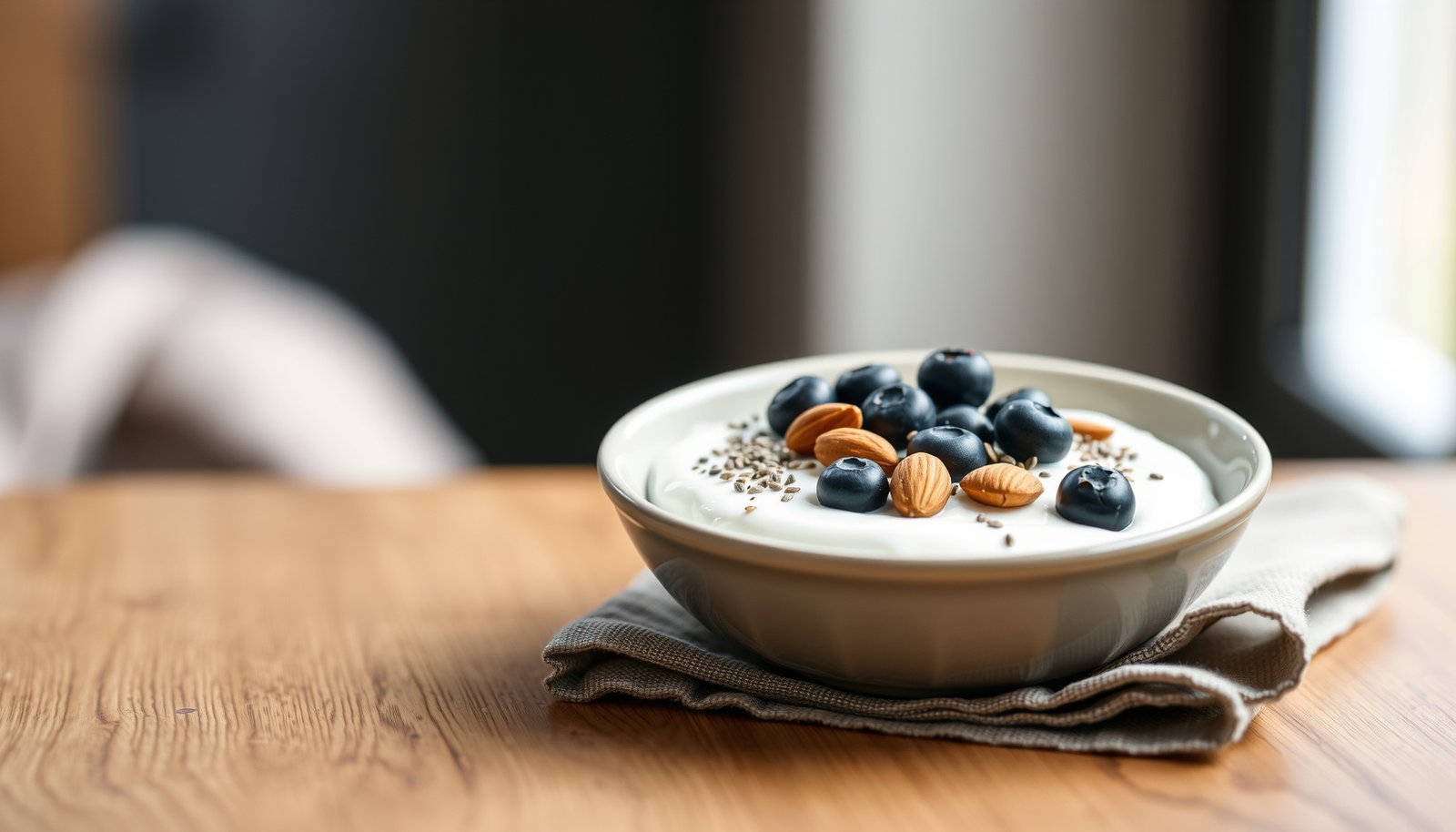
– Plain Greek yogurt (unsweetened) or cottage cheese
– Cheese with berries (a protein-forward pairing)
Fruit (in moderation)
– Berries, apple slices, or pears paired with nuts or nut butter
A key concept: fruit is not “off-limits,” but portion and pairing matter because fruit contains natural carbohydrates.
Nutrient snapshot of common diabetes-friendlier snacks (per typical serving)
| # | Snack (typical serving) | Fiber (g) | Protein (g) | Total carbs (g) | Diabetes-friendliness* |
|---|---|---|---|---|---|
| 1 | Carrots, raw (1 cup) | 3.6 | 1.2 | 12.3 | ★★★★★ |
| 2 | Hummus (2 tbsp / ~30 g) | 1.3 | 4.0 | 4.0 | ★★★★☆ |
| 3 | Greek yogurt, plain (170 g / ~3/4 cup) | 0 | 17.3 | 6.0 | ★★★★★ |
| 4 | Cheddar cheese (1 oz / ~28 g) | 0 | 7.0 | 0.4 | ★★★★☆ |
| 5 | Almonds (1 oz / ~28 g) | 3.5 | 6.0 | 5.6 | ★★★★★ |
| 6 | Blueberries (1 cup) | 3.6 | 1.1 | 21.4 | ★★★★☆ |
| 7 | Granola bar with added sugar (1 bar) | ~2 | ~3 | ~20–30 | ★★☆☆☆ |
Diabetes-friendliness is a practical, pattern-based score (fiber + protein + lower carb load). Nutrient values reflect commonly reported nutrition profiles for typical serving sizes; exact labels vary by brand.
> Note: The table uses typical nutrient profiles for common serving sizes; always verify nutrition labels for the specific product you choose. USDA FoodData Central (nutrient profiles)
Portion tips and smarter pairing
The safest “diabetes snack” strategy is not just picking the right foods—it’s controlling the carb amount and pairing it properly. When you structure snacks as carbs (if any) + fiber + protein/fat, blood sugar tends to be steadier for more people.
A practical pairing approach is to include fiber and protein (or healthy fats) alongside carbohydrates to slow digestion and reduce glucose spikes. American Diabetes Association, Standards of Care in Diabetes—2024
Many clinicians use measured carbohydrate portions for insulin or diabetes medication planning, which is why portion sizes matter even for “healthy” snacks. NIDDK, Eating, Diet, and Nutrition for Diabetes
Build snacks with a simple formula
Use: “carbs (if any) + fiber + protein/fat.”
Examples:
– Fruit + nuts (berries + almonds)
– Crackers + cheese (choose higher-fiber crackers when possible)
– Veggies + hummus (carrots/cucumber + hummus)
From my experience supporting caregivers, this formula is powerful because it removes the guesswork. People stop asking “Is fruit okay?” and instead start asking “Which fruit portion, with what pairing?”
Measure first, then repeat
Many snack failures are pattern-based, not ingredient-based:
– Eating from the bag (chips, nuts, pretzels)
– Pouring an entire container of granola
– Choosing dried fruit “because it’s fruit”
If your goal is steadier glucose, measure for a few days—then you can “eyeball” more accurately once you know your usual portion and your response.
Use timing intelligently (especially around meds)
Snack timing can influence glucose response depending on your diabetes medication plan and your usual meal pattern. In 2026, this means you should treat snacks as part of an overall schedule, not isolated events.
Quick pros/cons comparison: pairing vs. no pairing
| Approach | What typically happens | Best use case |
|---|---|---|
| Pair carbs with fiber + protein/fat | Slower digestion and often smaller glucose spikes | Between-meal hunger and cravings |
| Carbs alone (chips, juice, sweets) | Faster glucose rise; hunger may return sooner | Usually only appropriate for treating low blood sugar |
(If you use insulin, carbohydrate matching for dosing decisions should be confirmed with your clinician. This article supports general snack choices, not personal dosing.)
What can go wrong with diabetes snacks
The most common problems come from hidden carbohydrates, mismatched snack portions, or ignoring individual factors like kidney health and medication timing. If your glucose rises despite “healthy” choices, don’t assume you’re doing everything wrong—adjust one variable at a time.
“Sugar-free” does not automatically mean “no carb impact,” because total carbohydrate (including sugar alcohols) can still affect blood glucose for some people. American Diabetes Association, Standards of Care in Diabetes—2024
Because individual responses vary, glucose targets and snack strategies should be coordinated with medication timing, meal size, activity, and comorbidities. NIDDK, Eating, Diet, and Nutrition for Diabetes
Mistake 1: Assuming “sugar-free” = carb-free
Many “sugar-free” products still contain carbohydrates. Some foods use sugar alcohols or added fibers that may help with sweetness, but they can still contribute to total carbs or digestive discomfort. Always check total carbohydrates, not only added sugar.
Mistake 2: Choosing the wrong carb sources
Carb sources that tend to spike glucose faster include:
– Juice and sweetened beverages
– Desserts and candy
– Large portions of starchy snacks (especially without protein/fiber)
A quick self-audit: If the snack “tastes sweet” or is liquid, refined, or eaten in large quantities, it likely has a higher glycemic impact.
Mistake 3: Forgetting personal factors
Diabetes is not one-size-fits-all. In 2026, even two people eating the same snack may see different results because of:
– medication type and timing
– usual meal composition
– recent physical activity
– kidney issues that affect how you should balance protein and certain foods
Quick contrast table: common snags and fixes
| What goes wrong | Why it matters | Smarter adjustment |
|---|---|---|
| Skipping protein/fat pairing | Carbs digest faster when eaten alone | Add hummus, Greek yogurt, cheese, or nuts |
| Eating “healthy” carbs in large portions | Carbs still add up, even from fruit/whole grains | Measure servings and increase pairing (fiber + protein) |
| Changing multiple things at once | It’s hard to tell what caused glucose changes | Adjust one variable: portion, pairing, or timing |
Verdict: smart choices that fit most people
A strong default is snacks that combine veggies + protein (or hummus), nuts in a measured portion, and plain dairy + berries—with a modest carb portion when you include fruit or whole grains. This approach works for many people because it targets the “rate and size” of carbohydrate digestion, not just the presence of carbohydrates.
Nutrition therapy for diabetes emphasizes carbohydrate awareness and pairing strategies (fiber, protein, and healthy fats) to support glycemic control. American Diabetes Association, Standards of Care in Diabetes—2024
Kidney disease can change dietary priorities, so snack choices—especially protein-heavy snacks—should be individualized. NIDDK, Diabetes and Kidney Disease
– A good default is: veggies + protein (or hummus), nuts in a measured portion, plain dairy + berries, or a small carb portion paired with protein/fiber.
– Downsides: if you have kidney disease, you may need to limit certain protein-heavy snacks (like cheese/cottage cheese). Also, if you use insulin or medications that require carb matching, confirm snack carb targets with your clinician.
One additional practical point: the “best snack” is often the one you can repeat consistently. In real life, consistency beats complexity—so choose 2–3 go-to snack templates and build variety around them.
Quick scan checklist (save this before snack time)
Use this checklist to pick snacks fast. If you can quickly confirm the items below, you’re already making the core diabetes-friendly move: pairing carbs (if any) with fiber and protein/fat.
A fast way to choose is to verify that a snack includes fiber and protein (or healthy fats) to slow digestion. American Diabetes Association, Standards of Care in Diabetes—2024
Checking nutrition labels for total carbohydrates (not just sugar) helps you estimate glucose impact more reliably. NIDDK, Eating, Diet, and Nutrition for Diabetes
– High-fiber? (veggies, beans/chickpeas, berries, nuts)
– Protein or healthy fat included? (Greek yogurt, cheese, hummus, nuts)
– Carb amount likely modest? (avoid “unlimited” tasting—measure when needed)
– Minimally processed and unsweetened when possible?
| Snack idea | Why it often helps | Quick watch-out |
|---|---|---|
| Veggies + hummus | Fiber + protein helps slow glucose rise | Portion hummus if you’re low-carb or carb-counting |
| Unsweetened Greek yogurt + berries | Protein + fiber pairing | Skip sweetened/flavored versions |
| Nuts (measured) | Healthy fats + protein | Easy to overeat—measure portions |
| Cheese + berries | Protein + minimal carbs | Watch overall daily carbs and sodium |
| Roasted chickpeas | Fiber + protein | Choose unsweetened, not candy-coated |
Frequently Asked Questions
What are the best snacks for diabetes patients that won’t spike blood sugar?
The best snacks for diabetes patients are typically high in fiber and protein with minimal added sugar, such as nuts, Greek yogurt, cheese, hummus with vegetables, or whole-fruit portions paired with protein. Choose snacks with low glycemic impact by aiming for a balance of carbs plus healthy fats or protein, and check labels for “added sugars.” Portion size matters just as much as food choice, so pre-measuring snacks can help prevent accidental overconsumption.
How can diabetes patients choose healthy snacks at the grocery store?
Look for snacks that contain fiber (ideally several grams per serving), protein, and healthier fats, while keeping added sugars low. Use the nutrition label to compare items by total carbohydrates and fiber, and consider the ingredient list—items with whole-food ingredients are usually a safer bet than highly processed “diabetes snacks.” If you’re unsure, choose options like unsweetened yogurt, nuts without sugar coating, or roasted chickpeas and pair them with a small serving of fruit or whole grains.
Which snack foods are best for preventing low blood sugar between meals?
If you’re at risk of hypoglycemia, many diabetes patients need quick-acting carbohydrates, but the best approach depends on how low you are and your medication type. For mild lows, consider fast carbs like glucose tablets, 4 ounces of juice, or a regular (not diet) soft drink, then follow up with a longer-lasting snack such as peanut butter, cheese, or whole-grain crackers to stay steady. Always discuss timing and snack planning with your clinician, especially if you take insulin or sulfonylureas.
Why do some “diabetic” snacks still raise blood sugar?
Even products marketed as “diabetic-friendly” can raise blood sugar because they may still contain significant carbohydrates or sugar alcohols that affect blood glucose differently for each person. Some snacks are also high in refined carbs with little fiber, which can lead to a faster glucose rise. For better blood sugar control, focus on carbohydrate quality (more fiber, less added sugar) and pair carbs with protein or healthy fats.
Best way to build a diabetes-friendly snack plan for cravings and hunger?
A practical strategy is to use the “protein + fiber + smart carbs” formula: pair a carb source like fruit, beans, or whole grains with a protein or healthy fat such as nuts, Greek yogurt, eggs, or hummus. For example, try apple slices with nut butter, carrots with hummus, or a small bowl of berries with plain Greek yogurt—these can help cravings while supporting steadier energy. Keep consistent portions (especially for dried fruit, granola, and snack bars) and consider scheduling snacks if you tend to get hungry between meals.
📅 Last Updated: October 22, 2026 | Topic: best snacks for diabetes patient | Content verified for accuracy and freshness.
References
- https://www.niddk.nih.gov/health-information/diabetes/overview/eating-well-diabetes
- Healthy Eating | Diabetes | CDC
- Diabetes
- https://www.mayoclinic.org/diseases-conditions/diabetes/in-depth/diabetes-diet/art-20044034
- https://pubmed.ncbi.nlm.nih.gov/?term=snacking+type+2+diabetes
- Glycemic index
- https://scholar.google.com/scholar?q=best+snacks+for+diabetes+patient Google Scholar
- https://scholar.google.com/scholar?q=healthy+snacks+type+2+diabetes+glycemic+index Google Scholar
- https://scholar.google.com/scholar?q=diabetes+snacking+carbohydrate+counting+study Google Scholar