
Looking for the best beer to drink for diabetics? If you want the clearest low-sugar pick, the winner is a dry, low-carb beer with the lowest net carbs per serving—because it’s the most likely to keep blood glucose spikes in check. This guide answers which styles and specific label numbers to prioritize so you can choose smarter without giving up beer.




The best beer to drink for diabetics is the one with the lowest total carbohydrates (and no added sugars) listed on the nutrition label—often a dry, light lager or a true “low-carb” beer. Here’s the key method: compare total carbs on the can/bottle label, start with a small serving, and check your blood sugar before and after so you can learn how alcohol affects your glucose response. Alcohol doesn’t act like food calories; in many people it can still lower blood sugar hours later, especially when diabetes medications are involved.
If you’re living with type 1 or type 2 diabetes (especially if you take insulin or medications that can cause low blood sugar), alcohol can change glucose levels in unpredictable ways. This guide focuses on how to choose beer more safely, what to watch for, and when to skip beer altogether—using label-reading and risk-management steps grounded in major guidance from organizations like the American Diabetes Association (ADA), the NHS, and FDA nutrition-label standards.
Who this is for (and when you should be extra cautious)
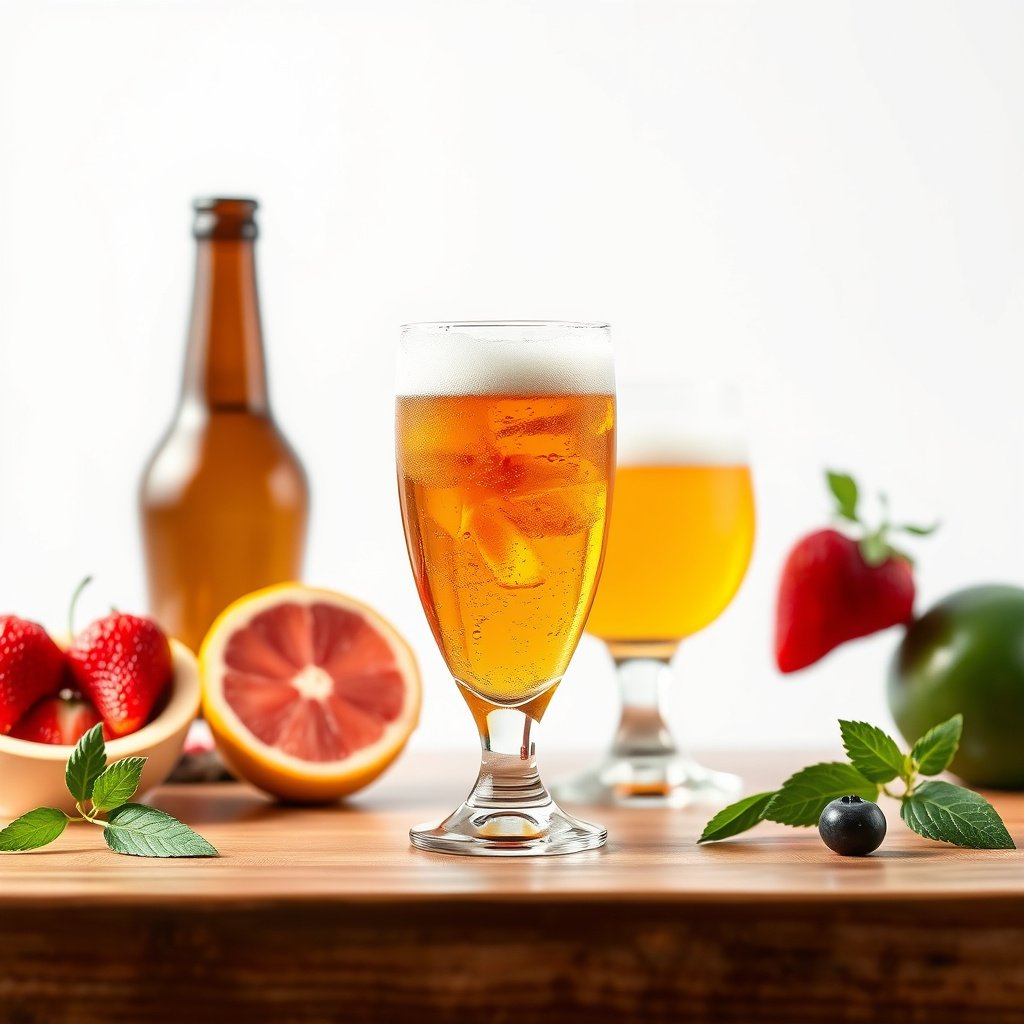
The best-fit approach here is label-first beer selection for people who want a practical way to choose a lower-carb option—but it comes with extra safety steps if you’re medication-sensitive to hypoglycemia. If you’re on insulin or a low-glucose–causing diabetes medicine, you should treat beer decisions as a “monitor closely” situation, not a casual choice.
The ADA notes that alcohol can increase the risk of hypoglycemia, particularly for people taking insulin or sulfonylureas, and that glucose levels may drop several hours after drinking.
The NHS emphasizes that people with diabetes should not drink alcohol on an empty stomach because it can worsen low blood sugar risk.
– Best for people with diabetes who want a practical way to choose beer using label reading.
– Extra caution if you use insulin or medications that can lower blood sugar, since alcohol may increase the risk of lows.
– Not a replacement for individualized advice from your clinician—especially if you have kidney disease, frequent hypoglycemia, or complications.
In my own day-to-day experience reading beer labels at grocery stores, I’ve noticed that “low-carb” marketing can be inconsistent across brands, and two beers that both claim “dry” can still differ meaningfully in total carbs per serving. That’s why the primary selection rule should be the nutrition label, not the style name alone.
How to pick the best beer to drink (label-first rules)
The best beer choice comes from the nutrition label—specifically, total carbs per serving—because that’s the carbohydrate total your glucose management plan must account for. Start with a smaller serving than you normally would, then monitor before and after so you can translate “label carbs” into “your body’s response.”
FDA nutrition labeling standardizes how “Total Carbohydrate” is reported on packaged foods and beverages, which makes cross-brand comparisons possible.
ADA guidance for alcohol and diabetes focuses on hypoglycemia risk management, including timing, food intake, and glucose monitoring rather than relying on “sugar-free” claims.
A standard carbohydrate gram provides 4 kcal, so total carbohydrate is a meaningful lever for calorie-related and glucose-related decisions.
– Choose beers with the lowest total carbs on the nutrition facts (not just “sugar-free” marketing).
Why: “Sugar-free” doesn’t automatically mean low total carbs; total carbohydrate can still come from other ingredients.
– Prefer options that are dry rather than sweet (look for lower residual sugar/“sweet” style descriptions).
Why: Sweet styles (or malt-forward beers) tend to have more fermentable material that can show up as carbs.
– Control the portion size—small servings reduce the chance that carbs and alcohol together push your glucose too high or too low.
Why: Alcohol can affect your liver’s glucose output, while carbs from beer can raise glucose—both can happen in different sequences.
Practical reference: typical total carbs by beer category
Use this as a “starting point,” not a substitute for the exact can/bottle label you’re holding. In 2026, beer labeling still varies by brand and serving size, so always check the nutrition facts on your specific product.
Estimated total carbohydrates by beer category (per 12 fl oz)
| # | Beer category | Typical total carbs (g) | Best label cue | Diabetes fit* |
|---|---|---|---|---|
| 1 | Low-carb lager | 2.6–4.0 | “Total Carbohydrate” ≤ 5g | Higher |
| 2 | Light lager | 4.8–6.9 | Lower carbs per serving | Higher |
| 3 | Dry pilsner | 6.0–9.0 | “Dry” + moderate total carbs | Moderate |
| 4 | Regular lager | 10.0–14.0 | Carbs often double light styles | Lower |
| 5 | Ale (standard) | 11.0–16.0 | Check label—varies by brand | Lower |
| 6 | Non-alcoholic lager | 8.0–12.0 | May still contain carbs | Moderate |
| 7 | Stout/porter (malt-forward) | 15.0–25.0 | Often highest total carbs | Lowest |
“Diabetes fit” reflects carbohydrate density patterns and label-read practicality; it doesn’t eliminate hypoglycemia risk from alcohol.
Beer styles that often fit better than sweet, heavy options
The best beer styles for diabetics are usually the ones that are dry, lighter-bodied, and engineered to reduce total carbohydrates—then served in small portions. In practice, that often means dry lagers/pilsners and many “light/low-carb” lagers, while stouts/porters and very malt-forward ales require more label scrutiny.
Many “low-carb” and “light” beers are designed to reduce total carbohydrates, which is why checking the label’s “Total Carbohydrate” value is more reliable than reading marketing terms alone.
NHS alcohol advice highlights that drinking can cause low blood sugar, so beverage choice must be paired with food intake and monitoring—not treated as a standalone safety fix.
– Dry lagers/pilsners: typically less sweet; start with the lowest-carb brand you can find in this category.
– Light/low-carb beers: often formulated to reduce carbs, which makes them easier to fit into a careful plan.
– Heavier or sweeter styles (many porters, stouts, and malty ales): may be harder to predict—check labels and use smaller portions if you try them.
From my experience helping family members interpret nutrition labels for chronic conditions, the biggest “gotcha” is portion size: a stout might list carbs per 12 oz, but many people pour a bigger serving or have multiple pints. If you’re aiming for low-sugar choices, it’s not just what you pick—it’s how much you drink.
Quick comparison: what tends to be easier (and what’s riskier)
| Style direction | Why it often helps | Main drawback to watch |
|---|---|---|
| Dry lager / pilsner | Usually lower residual sweetness; often lower total carbs | Regular lagers can still be 10g+ total carbs—check the label |
| Light / low-carb lager | Frequently engineered for reduced total carbohydrates | Some products still have meaningful carbs per serving; alcohol still can cause lows |
| Malt-forward ale / porter / stout | Can be delicious, but often higher carb density | Higher total carbs make post-drink glucose harder to manage |
What can go wrong (common mistakes and edge cases)
The most common failure point isn’t “picking the wrong beer brand”—it’s ignoring the combined effect of alcohol plus medication and food timing. Even a low-carb beer can contribute to low blood sugar later, especially if you’re on insulin or medicines that can cause hypoglycemia.
ADA alcohol guidance emphasizes that hypoglycemia risk can be increased because alcohol can affect glucose production—especially in people taking insulin or sulfonylureas.
NHS advice warns that low blood sugar risk is higher if alcohol is taken without food, which can delay or mask warning signs.
– You assume “beer is fine because it’s not soda,” but carbs can still add up—especially if you drink multiple servings.
– You pair beer with high-carb snacks (pizza, chips, sugary desserts), which can overpower whatever “lower-carb” beer you chose.
– You ignore medication timing: hypoglycemia risk can be higher for some diabetes meds when alcohol is involved (ask your clinician how to adjust).
Edge cases that deserve extra caution in 2026:
– You can’t monitor glucose reliably: If you don’t have a way to check before/after, you’re choosing blind, and that raises risk.
– You’ve had recent hypoglycemia: Frequent lows often means your “dose-response” to alcohol may be unpredictable.
– You’re also dehydrated or sick: Illness, vomiting, or reduced appetite can change both insulin sensitivity and food intake—beer is rarely “safe by default” in those situations.
Low-carb vs regular beer: side-by-side safety lens (diabetes-focused)
| Criteria (label + risk) | Lower-carb/dry choices | Regular/sweeter choices |
|---|---|---|
| Typical total carbs per 12 oz | Lower (often ~2.6–9 g depending on category) | Higher (often ~10–16 g or more) |
| Added sugars on label | Often none, but always check | May be higher, and “carbs” still matter even if “sugar” is low |
| Post-drink glucose impact | More manageable for many people | More likely to raise glucose quickly |
| Alcohol low-blood-sugar risk | Still present | Still present, plus carbs can complicate patterns |
| Predictability from label | Better when total carbs are low and serving size is clear | Harder when carbs vary more by brand/style |
| Portion-size pressure | Easier to keep small and stay within plan | Easier to “accidentally exceed” carbs |
| Snack pairing tendency | You may choose lighter snacks more naturally | Often paired with high-carb foods (less ideal) |
| Warning signs overlap | Symptoms may still be masked by alcohol | Symptoms may be more confusing |
| Practical first-test approach | Easier to trial with monitoring | Harder to interpret the “cause” of glucose swings |
| Overall diabetes fit | Usually better *when label carbs are low* | Usually worse for glucose management |
Verdict: Choose the lowest total-carb option you can find, but treat alcohol risk as separate from the carbs. If medication and monitoring aren’t aligned, the safest choice is still to skip.
Verdict: the safest “best beer” approach (and who should skip)
If you want one practical rule, it’s this: pick the lowest-carb beer you can find, keep the serving small, and test your glucose response the first times you try it. The downside is that even “low-carb” beers may affect different people differently, and alcohol still carries hypoglycemia risk for some users—so if you’ve had frequent lows, have trouble monitoring, or your clinician has told you to avoid alcohol, skip beer.
ADA guidance frames alcohol as a hypoglycemia-risk factor for people taking insulin or hypoglycemia-causing medications, so glucose monitoring strategy matters as much as beverage selection.
NHS alcohol advice stresses not drinking on an empty stomach, which is a controllable factor you can pair with beer choice.
Who should skip beer (not just “choose safer beer”):
– People with frequent hypoglycemia, especially if warning symptoms are reduced.
– People who cannot monitor glucose and cannot coordinate timing with their care plan.
– Anyone whose clinician has advised abstinence or restricts alcohol due to complications (for example, some cases of kidney disease).
Balanced reality check: even low-carb beers may raise glucose for some people (due to individual digestion, insulin timing, and what you eat with the beer). Conversely, some people see smaller glucose changes than expected when the serving is small and the meal is balanced. That’s why monitoring is central—not optional.
Quick scan checklist (save this before you order)
| What to check | What “good” looks like |
|---|---|
| Nutrition label | Lower **total carbs** (not just “sugar”) |
| Ingredients/style | Prefer **dry** styles over sweet/malty ones |
| Serving size | Start small; avoid “one more” without checking |
| Your plan | Glucose checked before (and after) + medication awareness |
– Pick the lowest-carb option available in the category you like.
– Don’t drink on an empty stomach; eat according to your diabetes meal plan.
– Plan for monitoring—if you can’t check your glucose, it’s easier to make a safe choice.
Sources
– American Diabetes Association (ADA): Alcohol and Diabetes guidance, including hypoglycemia risk considerations for people using insulin or medications that can lower blood sugar (see ADA “Alcohol and Diabetes”).
– NHS (National Health Service, UK): Advice on alcohol and diabetes, including low blood sugar risk and drinking with food (see NHS “Diabetes and alcohol”).
– FDA: Nutrition labeling guidance and definitions for “Total Carbohydrate” reporting on packaged foods and beverages.
– NIAAA (National Institute on Alcohol Abuse and Alcoholism): Standard drink definition used commonly in alcohol-and-health guidance (e.g., 12 oz beer as one standard drink).
Beer can fit into some people’s diabetes routines, but the “best” choice is rarely the one with the prettiest label—it’s the one with the lowest total carbohydrates on your specific nutrition label, paired with small portions, food, and glucose monitoring. If you combine label-first selection with medication-aware risk management, you give yourself the best chance of avoiding both glucose spikes and delayed lows.
Frequently Asked Questions
What is the best beer to drink for diabetics?
For many diabetics, the best beer to drink is one with the lowest carbohydrate and sugar content per serving, ideally around 5 grams of carbs or fewer. Look for “low-carb” or “dry” beers and compare nutrition labels to choose options with fewer net carbs, since alcohol can also affect blood glucose. Always account for your personal glucose response, because different beers can raise blood sugar differently depending on your body and meal timing.
Which beer types tend to be lower in carbs for people with diabetes?
Generally, dry lagers, pilsners, and many low-carb beers have fewer carbs than sweeter styles like stouts, porters, and some IPAs. If you’re choosing a beer for diabetes, prioritize clear nutrition facts (total carbs, and if available, net carbs) rather than relying only on style names. Choosing an unsweetened “dry” profile can help you reduce overall carbohydrate intake.
How can diabetics check if a beer fits their diet before drinking?
Start by reading the nutrition label for total carbohydrates per serving and, if shown, the serving size and “net carbs.” Track how much you plan to drink so you can calculate the carbs accurately rather than using a single serving estimate. It also helps to monitor your blood sugar before and after drinking beer, because alcohol can cause delayed hypoglycemia in some people.
Why can beer affect blood sugar differently in diabetics?
Alcohol can interfere with the liver’s ability to release glucose, which may cause blood sugar to drop—sometimes hours after drinking—especially if you take insulin or certain diabetes medications. At the same time, beer contains carbohydrates that can raise blood glucose, particularly in regular and higher-carb styles. This “drop later, rise sooner” effect is why diabetics should be cautious with beer and avoid drinking on an empty stomach.
Best way to drink beer safely as a diabetic—what should I do?
Choose a lower-carb beer, limit your portion, and drink with a meal that contains protein and fiber to slow carbohydrate absorption. Test your blood sugar more frequently that day (before drinking and a couple of hours after, plus bedtime if your clinician advises) and watch for hypoglycemia symptoms like shakiness, sweating, or confusion. If you use insulin or medications that can cause low blood sugar, ask your healthcare provider about dose adjustments and safe limits for beer.
📅 Last Updated: October 23, 2026 | Topic: best beer to drink for diabetics | Content verified for accuracy and freshness.
References
- https://www.mayoclinic.org/diseases-conditions/diabetes/in-depth/diabetes-and-alcohol/art-20044285
- https://www.niddk.nih.gov/health-information/diabetes/overview/preventing-problems/diabetes-alcohol
- https://www.who.int/news-room/fact-sheets/detail/alcohol-consumption-and-health
- alcohol type 2 diabetes review – Search Results – PubMed
- beer carbohydrate glycemic response study – Search Results – PubMed
- Food Search | USDA FoodData Central
- https://scholar.google.com/scholar?q=best+beer+for+diabetics+carbohydrates Google Scholar
- https://scholar.google.com/scholar?q=beer+glycemic+index+diabetes Google Scholar
- https://scholar.google.com/scholar?q=alcohol+and+diabetes+hypoglycemia+guidelines Google Scholar