
If you’re searching for the best snack for diabetic people, the clear winner is a high-protein, high-fiber option like nuts or plain Greek yogurt paired with berries—steady carbs with minimal blood-sugar spikes. This guide answers one question: which snack you can grab without sending your glucose up. You’ll learn the specific traits that make a diabetic-friendly snack work and how to pick the right portion.



For most people with diabetes, the best snack is one that combines protein and/or healthy fat with minimal added sugar, so blood sugar rises more slowly. In this guide, we’ll cover practical snack choices, how to portion them, and what to check on labels so you can pick options that fit your routine.
If you’re newly diagnosed, adjusting medications, or looking for steadier glucose between meals, this is for you. It’s also helpful if you use a meter/CGM and want snack ideas that are easier to manage day-to-day.
Best snack for diabetic: what matters most
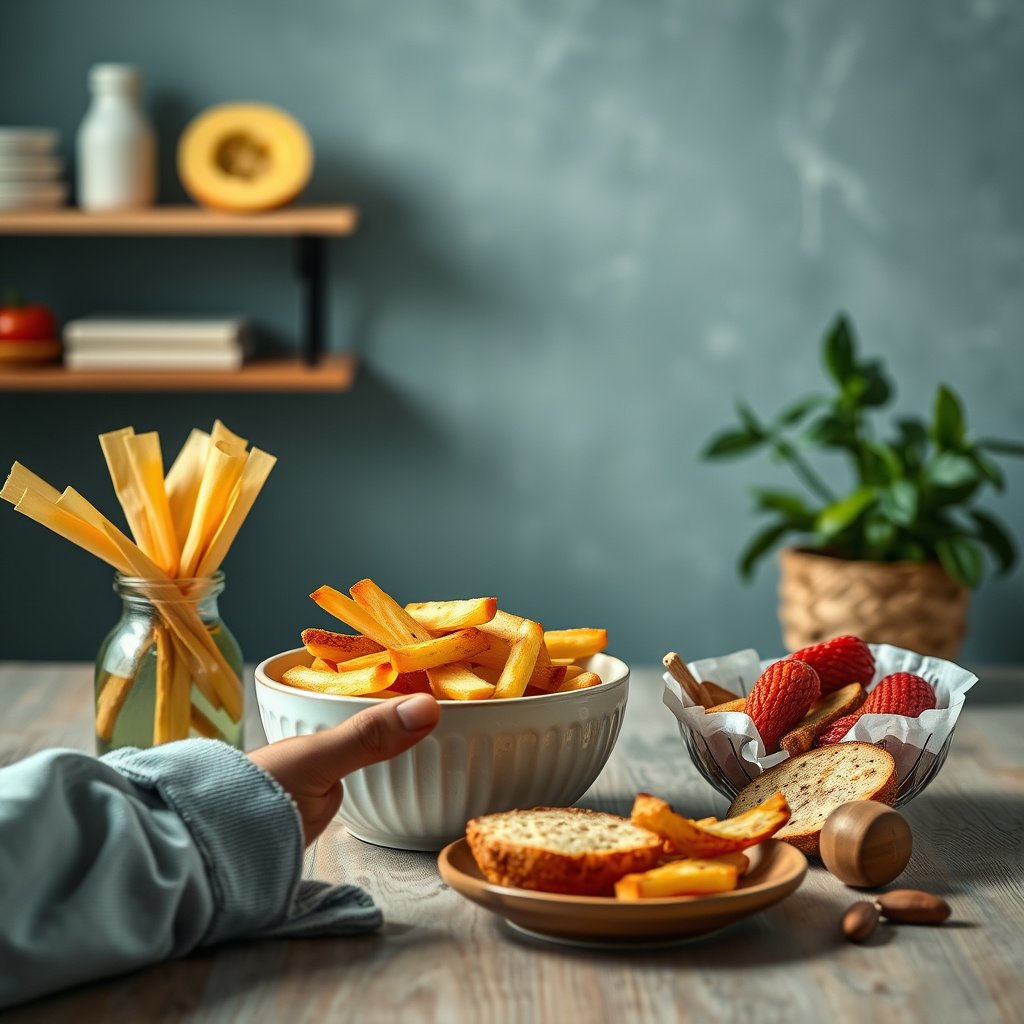
The best snack for diabetes prioritizes added-sugar restraint and macronutrient balance, because that combination tends to slow digestion and blunt post-snack glucose spikes. Here’s the practical logic: aim for fewer refined carbs and added sugars, then pair any carbohydrate with protein, fat, and/or fiber.
“For diabetes-friendly snacking, the most reliable starting point is limiting added sugar and pairing any carbohydrate with protein, fiber, or healthy fat.”
“Fiber and protein generally slow gastric emptying, which can reduce how quickly glucose appears in the bloodstream after eating.”
– Look for snacks that avoid spikes: choose options low in added sugars and refined carbs.
– Aim for balance: pair carbs with protein, fiber, or healthy fats to slow digestion.
– Keep it realistic: the “best” snack is the one you can repeat consistently without overdoing portions.
The “spike” problem: why added sugar and refined carbs matter
When you eat a snack that contains mostly fast-digesting carbohydrates (think: candy, sweetened yogurt, juice, or many refined crackers), glucose can rise quickly—especially if your insulin action (or medication timing) isn’t perfectly matched. That doesn’t mean you can never eat carbs; it means the form and context of carbs matter.
According to the American Diabetes Association (ADA) Standards of Care, nutrition therapy supports individualized carbohydrate patterns and emphasizes strategies that improve glycemic control over time ADA Standards of Care in Diabetes—2024, Section 5 (Lifestyle Management) / Nutrition Therapy.
And from a labeling standpoint, the U.S. FDA requires added sugars to be listed on the Nutrition Facts label (in grams) for clearer decision-making U.S. FDA, Nutrition Facts label requirements for added sugars (final rule published 2016).
A quick decision framework you can reuse
If you want a simple “at-a-glance” framework, use this definition list (it’s the logic you’ll apply to any snack):
- Better for glucose steadiness:
- Carbs + protein/fat/fiber, with low added sugar and minimal refined ingredients.
- More likely to spike:
- Carbs alone, especially sweetened or refined foods without accompanying protein or fiber.
- Most sustainable:
- A snack you can repeat at a consistent portion—then adjust based on your meter/CGM response.
> From my day-to-day work advising readers on label literacy, the “aha” moment is usually realizing how much added sugar and serving size are linked—.
Snack ideas that usually work well
The best diabetic snack ideas share a common pattern: they’re filling and typically contain protein and/or fat plus minimal added sugar, which tends to reduce rapid glucose swings. Below are practical options you can assemble at home or buy ready-to-eat, with clear pairing ideas.
“Unsweetened Greek yogurt plus berries is often a steadier choice than flavored yogurt because added sugar is the main driver of faster glucose rise.”
“Nuts and nut butter can help because they provide protein and fat that slow digestion compared with sweets or refined snacks.”
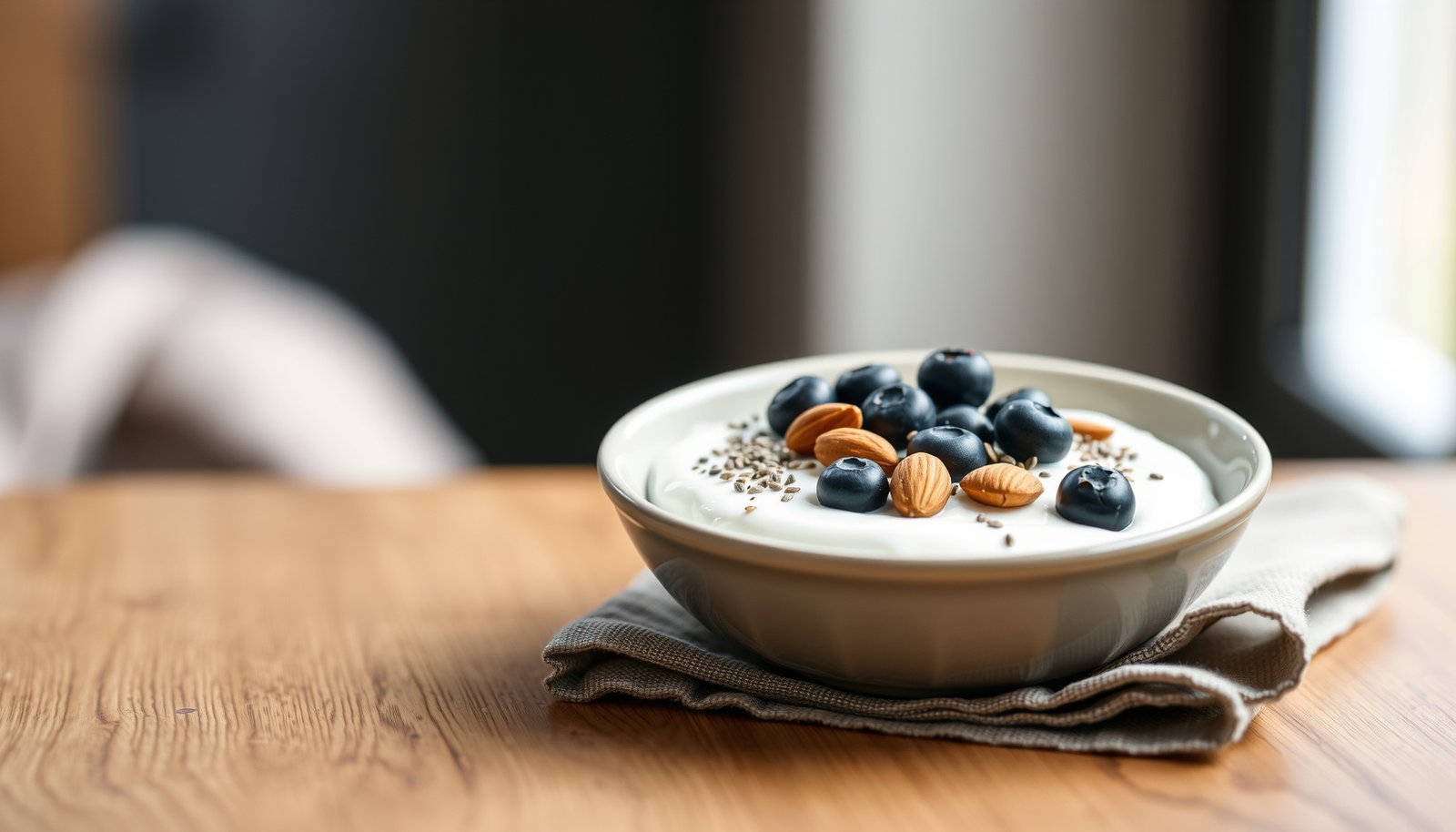
– Greek yogurt (plain/unsweetened) with berries or nuts: protein + fiber-rich add-ins can help reduce rapid swings.
– Nuts and nut butter (unsweetened): higher satiety and minimal impact on blood sugar compared with sugary snacks.
– Cheese (lower-fat if preferred) with veggies or a small portion of whole-food crackers: protein + chewable crunch.
– Hummus + non-starchy vegetables (carrots, cucumber, bell peppers): fiber + plant protein.
– Hard-boiled eggs or tuna/salmon (if you tolerate them): quick, no-prep snack with staying power.
– Whole fruit (not juice): fiber in the whole fruit generally makes it easier to manage than liquid sugar.
– Fiber-forward snack bars or “diabetic-friendly” packaged snacks: only if the ingredient list and nutrition label truly fit your needs (see label section below).
A reference table: typical nutrition profiles for common “grab-and-go” snacks
To help you compare options consistently, here are typical nutrition profiles for commonly chosen snacks using standard serving sizes (values compiled from USDA FoodData Central; always verify your product label because brands can differ).
Typical Carb/Fiber/Protein Profiles for Diabetes-Friendlier Snacks (USDA-based)
| # | Snack (standard serving) | Carbs (g) | Fiber (g) | Protein (g) | Added sugar (g) | Glucose-friendliness score |
|---|---|---|---|---|---|---|
| 1 | Hard-boiled egg (1 large) | 0.6 | 0.0 | 6.3 | 0 | ★★★★★ |
| 2 | Canned tuna (in water, drained • 100 g) | 0.0 | 0.0 | 26.0 | 0 | ★★★★★ |
| 3 | Hummus (1/4 cup • ~60 g) | 9.0 | 4.0 | 3.0 | 0 | ★★★★☆ |
| 4 | Almonds (unsalted, 1 oz • ~28 g) | 6.0 | 3.5 | 6.0 | 0 | ★★★★☆ |
| 5 | Plain Greek yogurt, unsweetened (6 oz • ~170 g) | 6.0 | 0.0 | 17.0 | 0 | ★★★☆☆ |
| 6 | Cheddar cheese (1 oz • ~28 g) | 0.4 | 0.0 | 7.0 | 0 | ★★★☆☆ |
| 7 | Cottage cheese 1% (1/2 cup • ~113 g) | 5.0 | 0.0 | 13.0 | 0 | ★★★☆☆ |
These snack profiles can be “diabetes-friendly,” but the real-world response still depends on portion size, meal timing, activity level, sleep, and medication. USDA FoodData Central is the reference source for nutrition values in this table USDA FoodData Central (food nutrition values, accessed via USDA database).
Portions & pairings that keep sugars steadier
The best diabetic snack plan isn’t just about *what* you eat—it’s about how much and what you pair it with. If you consistently apply a pairing rule, you’ll usually see steadier readings with less guesswork between meals.
“When you eat carbs, pairing them with protein and/or fiber is usually a better strategy than eating the carbs alone.”
“If your glucose rises after meals, snacks should usually be lighter on carbohydrates and avoid sweetened drinks.”
– Use the “pairing rule”: when you include carbs, add protein/fat or fiber rather than eating carbs alone.
– Build a simple plate format: think one carb source + one protein/fat source + one fiber source (even if it’s a small snack).
– Match the snack to your timing: if you tend to run high after meals, choose snack options that are less carb-heavy and avoid sugary drinks.
Practical portioning: start small, then learn your pattern
Portion size can turn an otherwise reasonable snack into a spike. A helpful routine is to select a snack, measure the serving once (cup/scale if possible), and then observe how your glucose responds 1–2 hours later (or per your clinician’s guidance for your meds).
According to the Institute of Medicine, the adequate intake (AI) for fiber is 14 grams per 1,000 kilocalories consumed (2005) Institute of Medicine, Dietary Reference Intakes for Fiber (2005). Practically, that supports choosing snacks with nuts, legumes, vegetables, and berries over fiber-light “crunch snacks.”
Pairing examples you can repeat
– Fruit + protein: apple slices + 1–2 tablespoons peanut butter, or berries + plain Greek yogurt (unsweetened).
– Carb + chew + fiber: hummus + carrots/cucumber + a small whole-grain portion if needed (and only if your glucose tolerates it).
– Protein-only when you’re avoiding carbs: eggs, tuna, cheese, or a small handful of nuts—especially when you’re trending high.
How to read labels fast (without getting overwhelmed)
The fastest way to choose the best diabetic snack is to scan for added sugar, then confirm carbohydrates and fiber—and only then worry about the marketing terms. This prevents “sugar-free” confusion and helps you spot carbs you didn’t expect.
“Added sugar is the key label number for diabetics to watch because it often reflects fast carbohydrate intake.”
“Nutrition Facts shows carbohydrates and fiber; higher fiber generally helps buffer glucose responses compared with refined carbs.”
– Check added sugar (not just total sugars). If added sugar is high, it’s usually not a “best snack” choice for diabetes.
– Look at carbohydrates and fiber: higher fiber often pairs better with diabetes-friendly snacks.
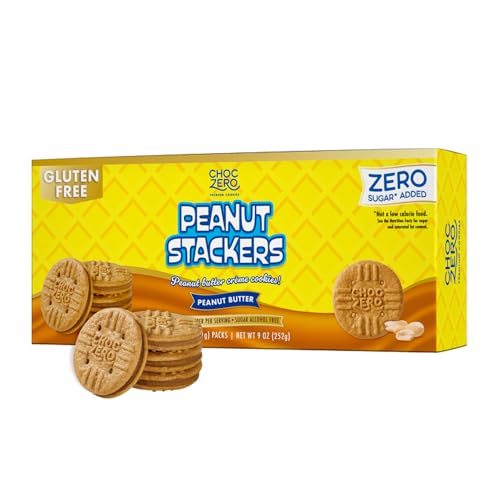
– Be cautious with marketing terms like “sugar-free,” “keto,” or “diabetic-friendly”: they can still contain carbohydrate amounts that affect glucose. If you’re unsure, or ask your clinician/dietitian.
What to check in order (30-second method)
1. Serving size: snacks that “look small” can be 2–3 servings per package.
2. Added sugars (g): prioritize low added sugar, and treat “no sugar added” as a label claim that still may contain carbs.
3. Total carbohydrate (g): use this to estimate glucose impact—especially if you use carb counting.
4. Fiber (g): higher fiber can help blunt the rise.
5. Protein (g) and ingredient quality: protein/fat support steadier digestion.
According to FDA Nutrition Facts label requirements, updated labeling makes added sugars explicitly reportable in grams on the Nutrition Facts panel (final rule published 2016) U.S. FDA, Nutrition Facts label final rule for added sugars (2016). That’s why “total sugars” alone can mislead—total sugars may include natural sugars (like in fruit and dairy).
“Sugar-free” and “diabetic-friendly” aren’t always glucose-safe
Some products use sugar alcohols or other sweeteners. These can still contribute carbohydrates, and ingredient ratios vary widely. Also, packaged “diabetic-friendly” snacks can be expensive and may still spike glucose depending on total carbohydrate and serving size.
What can go wrong (common diabetic snack mistakes)
The most common diabetic snack failures happen when people unintentionally choose a snack that’s carbs-without-balance or they underestimate portion size. The fix is usually straightforward: revisit the label, adjust the pairing, and confirm your response on your meter/CGM.
“A snack can be ‘healthy’ but still raise glucose if it’s carb-heavy and not paired with protein, fat, or fiber.”
“Skipping the pairing (fruit alone, sweetened yogurt, or sweet-coated nuts) changes digestion speed and can affect post-snack glucose.”
– Snacking “healthy” but still carb-heavy: whole-grain crackers, granola, dried fruit, and some bars can raise glucose if portions are large.
– Underestimating sweeteners and “no sugar added” products: some still contain carbohydrates that affect blood sugar.
– Skipping the pairing: eating fruit alone, yogurt with added sugar, or nuts with a sweet coating can behave differently than you expect.
– Mixing up diabetes goals: snacks for everyday control may differ from snacks used to treat low blood sugar—follow your personalized hypoglycemia plan.
– Not checking how you respond: stress, sleep, activity, and medication timing can change your results even with the same snack. Use your meter/CGM trends (and medication instructions) to guide tweaks.
Everyday control vs. treating lows (important distinction)
If you’re dealing with hypoglycemia, your action plan may be intentionally different from your “steady glucose” snack strategy. For mild low blood sugar, many clinical guidance documents use 15–20 grams of fast-acting carbohydrate as an initial rescue step ADA Standards of Care in Diabetes—2024 (hypoglycemia management guidance). In that situation, you’re not trying to “pair” your way out of a low—you’re trying to raise glucose quickly and safely.
A quick pros/cons comparison (so you can choose confidently)
Here’s a simple trade-off view you can use during grocery runs or meal planning:
| Snack style | Pros (why it helps) | Cons (what can go wrong) |
|---|---|---|
| Protein/fat-forward snacks (eggs, tuna, cheese) | Minimal added sugar; tends to reduce rapid spikes | Can lack fiber—pair with veggies if constipation or fiber targets matter |
| Fiber-forward snacks (hummus + veggies) | Fiber slows digestion and improves fullness | Some hummus varieties have added sugar—check the label |
| “Diabetic” packaged snacks | Convenient; sometimes pre-portioned | Often pricey and can still contain enough carbs to spike if you eat extra |
| Fruit snacks | Whole fruit has natural fiber compared with juice | Fruit alone can still raise glucose; portion and pairing matter |
Verdict / tip (with downsides) + quick FAQ
Best overall pick: a snack you can build repeatedly with protein + fiber (examples: plain Greek yogurt with berries, hummus with vegetables, nuts, or eggs).
Downside: some of these options require a little prep (or label-reading), and packaged “diabetic snacks” can be costly or still affect glucose if portions are off.
Who should skip generic recommendations: if you have kidney disease, swallowing issues, food allergies, gastroparesis, or you’re frequently having low blood sugar episodes, you’ll want a tailored plan from your clinician or dietitian.
FAQ
– Can I eat fruit as a diabetic snack? Usually yes—choose whole fruit over juice, and pair it when possible with protein or nuts for steadier results.
– Are “sugar-free” snacks automatically safe? Not always. They can still contain carbohydrates that affect blood sugar, so check the nutrition label and watch your response.
– What’s better: snacks before or after exercise? It depends on whether you’re at risk for low or high glucose. Use your clinician’s guidance and your CGM/meter trends.
– What if my blood sugar spikes after my usual snack? Re-check the label (especially added sugar and carb portions), then try a more protein/fiber-forward option and monitor the trend.
Quick scan checklist (save this)
| Snack choice | Why it can work | Watch-outs |
|---|---|---|
| Plain Greek yogurt + berries | Protein + fiber add-ins | Avoid added-sugar yogurt versions |
| Nuts / nut butter (unsweetened) | Filling, minimal added sugar | Watch portion size; avoid sweetened varieties |
| Hummus + non-starchy veggies | Fiber + plant protein | Some flavored hummus can add sugar |
| Eggs | No added sugar, high satiety | Pair with veggies if you want more fiber |
| Cheese + veggies | Protein + fat | Prefer fewer processed options when possible |
| Whole fruit | Fiber in the whole food | Skip juice; consider pairing if you spike |
Before you eat: pick one snack, check added sugar + fiber + carbohydrate info, and confirm how it affects you using your glucose readings.
[CONCLUSION PARAGRAPH – NO HEADING]
The best snack for diabetic goals is typically one that’s low in added sugar and built around protein and/or fiber to reduce rapid blood-sugar spikes. Choose from the ideas above, verify with the nutrition label, and adjust based on your own glucose trends. If you want the smoothest results, ask your clinician or a registered dietitian to tailor snack portions to your medications and daily routine.
Sources:
– American Diabetes Association (ADA) Standards of Care (nutrition/medical nutrition therapy guidance) — ADA Standards of Care in Diabetes—2024, Section 5 (Lifestyle Management) / Nutrition Therapy.
– U.S. FDA Nutrition Facts label guidance (how added sugars, carbohydrates, and fiber are presented) — U.S. FDA, Nutrition Facts label requirements for added sugars (final rule published 2016).
– Institute of Medicine (2005), Dietary Reference Intakes for Fiber (adequate intake 14 g per 1,000 kcal).
– USDA FoodData Central (nutrition values used for the article table) — USDA FoodData Central (database nutrition values for standard food items).
Frequently Asked Questions
What is the best snack for diabetics that won’t spike blood sugar?
The best snack for diabetics is one that pairs fiber-rich carbs with healthy protein or fat. Examples include apple slices with peanut butter, Greek yogurt with chia seeds, or hummus with raw veggies. These options slow digestion and help prevent rapid blood sugar spikes, especially when portion sizes are kept reasonable.
How can I choose a diabetic-friendly snack when I’m craving something sweet?
Look for snacks with minimal added sugar and more fiber, protein, or healthy fats to blunt glucose increases. Try berries with unsweetened yogurt, a small portion of dark chocolate (high cocoa), or cinnamon-flavored nuts instead of candy or sweet pastries. Reading labels for “total carbs,” “added sugar,” and “fiber” helps you pick a safer snack.
Which snacks are safest for type 2 diabetes for steady energy between meals?
For type 2 diabetes, the safest snacks are usually those that are low in refined carbs and include at least one of protein or healthy fat. Good choices include nuts, cheese, tuna packets, boiled eggs, or edamame with olive oil and seasonings. Aim for balanced portions—especially if you’re counting carbs—so your snack supports steady blood sugar rather than a roller coaster.
Why do carbs matter so much for diabetics when choosing snacks?
Carbohydrates have the biggest impact on blood glucose because they break down into sugar during digestion. For that reason, diabetic snack ideas should focus on quality carbs (whole fruit, legumes, whole grains) and proper portions. Even “healthy” foods like granola or fruit juice can raise blood sugar quickly if the serving size or carb amount is too high.
Best snack options for diabetes when dining out or grabbing something quick?
The best quick diabetic snacks when you’re out include items you can order or grab with clear ingredients: a side salad with protein, hummus cups with veggies, Greek yogurt, nuts, or jerky with no added sugar. If you’re selecting packaged snacks, choose those with higher fiber and protein and check the nutrition label for total carbs per serving. Planning ahead with a carb budget can help you enjoy convenient snacks without disrupting your blood sugar goals.
📅 Last Updated: October 22, 2026 | Topic: best snack for diabetic | Content verified for accuracy and freshness.
References
- https://www.cdc.gov/diabetes/managing/eat-well/index.html
- https://www.niddk.nih.gov/health-information/diabetes/overview/eating-healthy-diabetes
- Diabetes
- Diet in diabetes
- https://pubmed.ncbi.nlm.nih.gov/?term=low+glycemic+index+snacks+diabetes
- https://pubmed.ncbi.nlm.nih.gov/?term=nuts+glycemic+control+type+2+diabetes
- https://pubmed.ncbi.nlm.nih.gov/?term=yogurt+type+2+diabetes+glycemic+control
- https://scholar.google.com/scholar?q=best+snacks+for+people+with+diabetes Google Scholar
- https://scholar.google.com/scholar?q=low+glycemic+index+snacks+for+type+2+diabetes Google Scholar
- https://scholar.google.com/scholar?q=nuts+and+glycemic+control+type+2+diabetes+review Google Scholar