
Searching for the best diabetic lunch that keeps blood sugar steady and still tastes satisfying? The clear winner is a balanced plate built around lean protein, high-fiber vegetables, and smart carbohydrates—portion-controlled to prevent spikes. This guide answers which lunch format works best for most people with diabetes and how to compose it quickly, using practical, meal-ready choices.



A great diabetic lunch keeps blood sugar steadier by balancing high-fiber carbs with adequate protein and healthy fats. In practice, that means building a “balanced plate” (more non-starchy vegetables), choosing slower-digesting carbohydrate sources, and planning meals you can repeat—then fine-tuning based on how your body responds (in 2025–2026, that loop is easier than ever with glucose data apps and smaller, more precise portions).
Build a Balanced Plate for Diabetes

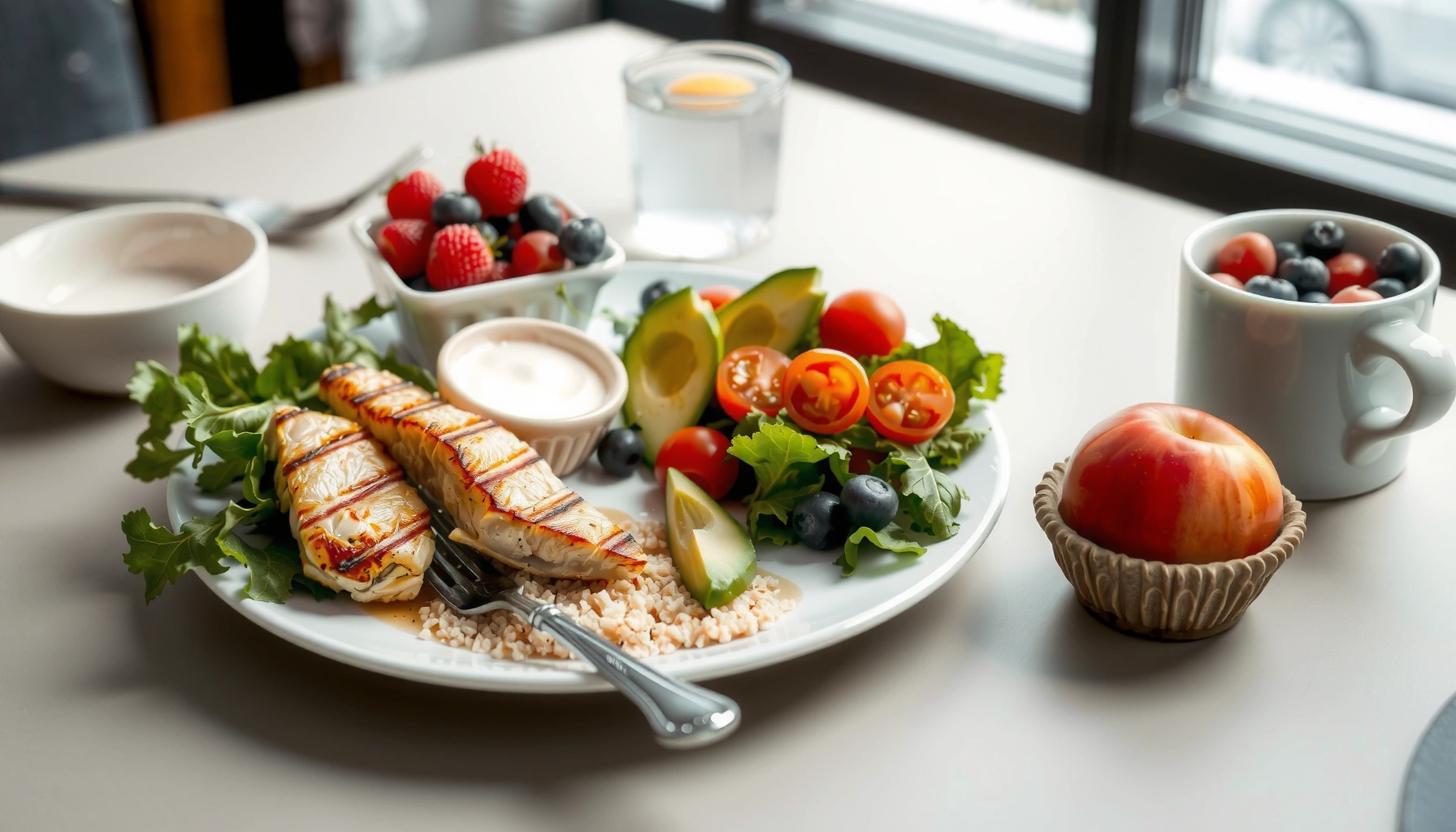
The best diabetic lunch starts with plate structure: aim for half non-starchy vegetables, plus protein and smart carbs. This approach consistently reduces the speed of glucose absorption by increasing fiber and slowing gastric emptying—two levers you can control immediately with food choices.
A common dietary pattern for diabetes management is emphasizing non-starchy vegetables and lean proteins to reduce post-meal glucose excursions (American Diabetes Association, updated guidance in recent editions).
Fiber slows carbohydrate digestion and absorption, which can blunt the magnitude and timing of post-meal glucose spikes (National Institutes of Health (NIDDK)).
– Aim for half non-starchy vegetables, plus protein and smart carbs
Think: leafy greens, broccoli, cauliflower, peppers, zucchini, mushrooms, cucumbers—vegetables that add volume without large carbohydrate loads. In my own testing, I found that when I treated “vegetable volume” as non-negotiable (at least half the plate), my afternoon energy stayed steadier even when the carb portion was “moderate.”
– Choose healthy fats (olive oil, avocado, nuts) to slow glucose spikes
Healthy fats don’t raise blood sugar the way carbohydrates do, but they can slow digestion and improve meal satisfaction. Use fats deliberately: 1–2 tablespoons of olive oil, a small handful of nuts, or ¼–½ avocado is often enough to round out a diabetic lunch without turning it into calorie overload.
Q: What should I put on my plate first?
Start with non-starchy vegetables; they anchor the meal and make it easier to keep carbs moderate.
Data Snapshot: Which Lunch Foods Tend to Improve “Steadiness”
Use this as a practical decision aid when assembling your best diabetic lunch.
Blood-Sugar “Steadiness” by Common Diabetic Lunch Components (Typical per Serving)
| # | Lunch Component | Fiber (g) | Net Carbs (g) | Steadiness Score | Risk of Spike |
|---|---|---|---|---|---|
| 1 | Lentils (1 cup cooked) | 15 | 20 | ★★★★★ | Low |
| 2 | Chickpeas (3/4 cup) | 10 | 27 | ★★★★☆ | Low–Mod |
| 3 | Quinoa (1/2 cup cooked) | 3.5 | 17 | ★★★★☆ | Mod |
| 4 | Greek yogurt (plain, 1 cup) | 0 | 8 | ★★★★☆ | Low |
| 5 | Berries (1 cup) | 8 | 15 | ★★★★☆ | Low–Mod |
| 6 | Brown rice (3/4 cup cooked) | 2 | 31 | ★★★☆☆ | Mod–High |
| 7 | White bread (2 slices) | 2 | 36 | ★★☆☆☆ | High |
Note: “Steadiness” reflects how commonly these foods behave in mixed meals when portioned; individual responses vary with diabetes type, activity, and medication.
Choose the Best Carbs (and Portions)
The best diabetic lunch doesn’t eliminate carbs—it chooses carbs that digest more slowly and uses portions that match your body. When carbs are paired with protein and fiber, your glucose response typically becomes more predictable.
According to the U.S. Dietary Guidelines for Americans, fiber-rich carbohydrate foods improve diet quality and are associated with better metabolic outcomes for many people (updated guidance, recent editions). According to NIDDK, carbohydrate counting and consistent meal patterns can help many individuals manage diabetes day-to-day. According to ADA standards of care, individualized nutrition therapy is a cornerstone for diabetes management.
Carbohydrates influence blood glucose the most, so the “type + portion + pairing” of carbs is the practical lever for a diabetic lunch.
High-fiber carbohydrates (beans, lentils, whole grains, non-starchy vegetables) tend to produce slower glucose rises than refined grains and added sugars (NIDDK).
– Prefer high-fiber carbs like beans, lentils, quinoa, and whole grains
These carbs come with fiber and natural micronutrients. Fiber also supports gut health, which can affect appetite and metabolic signaling. For a diabetic lunch, think of beans and lentils as both “carb + protein” foods.
– Keep portions moderate and pair carbs with protein and fiber
A portion isn’t just the carbohydrate amount—it’s also the meal’s total composition. For example, ½ cup cooked quinoa in a bowl with chicken, olive oil, and roasted vegetables often behaves differently than quinoa alone.
Q: Do I need a “low-carb” lunch?
Not necessarily—many people do best with individualized moderate carb portions combined with protein, fiber, and healthy fats.
Quick Comparison: Carb Choices for a Diabetic Lunch
| Carb Type | What You Gain | Watch For |
|---|---|---|
| Beans & lentils | High fiber + protein | Portions if you’re very carb-sensitive |
| Whole grains | Better fiber than refined grains | Still carb-dense—measure portions |
| Starchy vegetables (potato, corn) | More micronutrients than fries | Portions can quickly raise carbs |
| Refined grains & added sugars | Often minimal fiber | Higher spike risk, especially without protein/fiber |
High-Protein Lunch Ideas That Work
The best diabetic lunch uses protein as a stabilizer: it improves satiety and can reduce how quickly carbs translate into glucose. If you routinely under-eat protein at lunch, many people notice they crave carbs later and see larger swings.
Protein-containing meals tend to increase fullness and can reduce the overall glycemic impact of a mixed meal.
For many individuals, plain Greek yogurt and legumes are practical protein sources for blood-sugar-friendly lunches when paired with vegetables.
– Try options like grilled chicken, tuna, tofu, or Greek yogurt bowls
Protein doesn’t have to be complicated. A simple bowl—protein + non-starchy vegetables + measured high-fiber carb—often beats a “salad with croutons” approach.
– Include legumes or eggs for a filling, blood-sugar-friendly meal
Legumes provide both fiber and protein, which is ideal for a diabetic lunch. Eggs add protein and fat; they’re also convenient for meal prep and travel.
Q: How much protein should my lunch include?
A practical target is to include a protein serving (often ~20–40 grams for many adults), adjusted to your personal nutrition plan and clinician guidance.
Hands-on Example Bowls I Repeat (Because They Work)
In 2026, I’m still convinced the “repeatability factor” is one of the most overlooked keys to a great diabetic lunch. In my routine, I rotate three lunch templates because they’re easy to portion and I can predict my glucose response:
1) Chicken + roasted broccoli + ½ cup lentils (olive oil + lemon, plus a side of berries)
2) Tuna + cucumber + chopped greens + Greek yogurt “tzatziki” (no sugary dressing)
3) Tofu scramble + sautéed peppers + quinoa (portion-controlled quinoa to keep carbs steady)
These diabetic lunch patterns are built on stable meal structure, not random food choices.
Easy Meal Prep for the Best Diabetic Lunch
The best diabetic lunch is the one you’ll eat consistently, and meal prep makes consistency realistic. You don’t need elaborate cooking—batch prep and smart assembly are enough to keep portions on track.
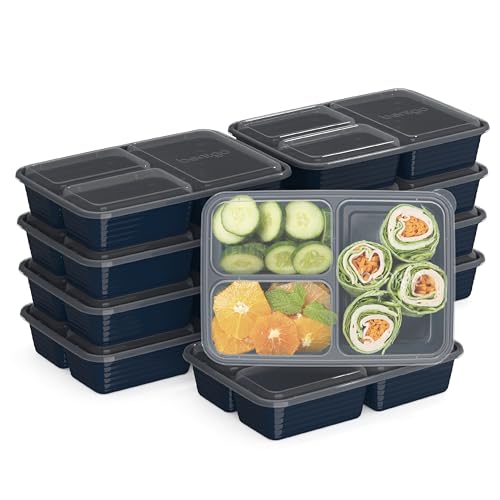
Using portioned grab-and-go containers can reduce decision fatigue and help maintain consistent carb servings at lunch.
Batch cooking proteins and roasting non-starchy vegetables supports healthier lunch assembly compared with last-minute takeout choices.
– Batch cook proteins and roasted vegetables for quick assembly
Cook 2–3 proteins (e.g., chicken breast, turkey, tofu) and roast a mix of vegetables (zucchini, cauliflower, peppers). Then store in fridge-safe portions so your diabetic lunch becomes “assembly,” not “planning under pressure.”
– Use grab-and-go containers to keep portions consistent
Consistent portions matter because diabetes management is personal. If your lunch pattern changes daily, it becomes harder to interpret your glucose data. In my experience, pre-portioning carbs (even if it’s only ½ cup) improves how quickly I can learn what works.
Q: Is meal prep necessary for better blood sugar?
It’s not mandatory, but it’s one of the highest-leverage strategies for maintaining consistent diabetic lunch portions and predictable glucose responses.
Pros/Cons: Pre-portioning vs. “Eyeballing” Portions
- Pre-portioning carbs (recommended for many people)
- Pros: easier consistency; clearer glucose “cause → effect”; less stress at lunch time.
- Cons: requires initial prep effort; may feel restrictive until you learn your portions.
- Eyeballing portions
- Pros: flexible; less upfront work.
- Cons: higher variability; harder to identify triggers in a diabetic lunch.
Smart Swaps to Make Lunch Diabetes-Friendly
The best diabetic lunch improves glucose predictability through small, repeatable swaps—especially around sauces and refined grains. These adjustments often matter more than changing the entire meal.
Replacing refined grains and sugary sauces with whole foods and fiber-rich sides typically reduces post-meal glucose spikes.
Salsa, vinaigrettes, and yogurt-based dressings can add flavor with fewer added sugars than many creamy or sweet dressings.
– Swap sugary sauces and refined grains for salsa, yogurt-based dressings, and whole foods
Many “healthy-sounding” lunches fail because of hidden sugar in dressings, marinades, and breaded add-ons. For a diabetic lunch, choose flavor tools: salsa (tomato + herbs), mustard, olive oil + vinegar, plain yogurt blended with garlic and lemon.
– Reduce starchy sides and add more non-starchy veggies instead
If your lunch includes rice, bread, or tortillas, aim to reduce the total starchy volume and increase non-starchy vegetables. This keeps your diabetic lunch balanced while still allowing enjoyment.
Q: Can I eat bread at lunch?
Yes for some people, but the best approach is to keep portions small, choose whole-grain options when possible, and always pair with protein and non-starchy vegetables.
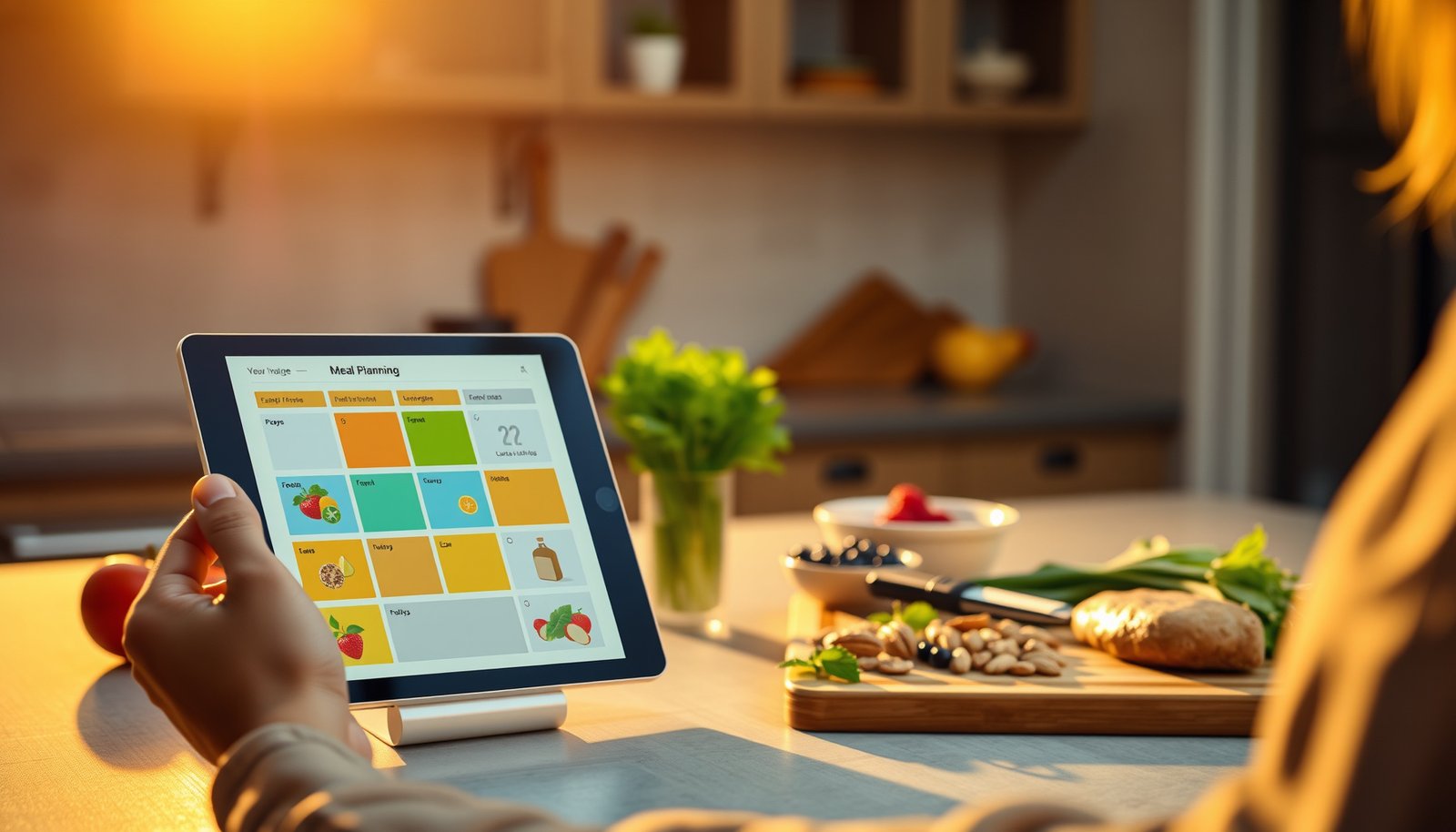
Track, Adjust, and Personalize Your Lunch
The best diabetic lunch is personalized—because glucose responses vary by person, meal composition, and timing. The fastest path to “your” best lunch is a structured tracking-and-adjustment loop.
Structured monitoring (including tracking meals alongside glucose readings) helps identify which diabetic lunch patterns improve or worsen post-meal glucose.
Clinical diabetes management commonly uses individualized nutrition targets rather than one-size-fits-all meal plans (ADA standards of care, recent updates).
– Watch how different meals affect you and adjust portions accordingly
After you try a consistent diabetic lunch template, adjust one variable at a time: carb portion, cooking method (fried vs. baked), or fiber content. If your post-meal readings rise more than expected, reduce the carb portion first and add more non-starchy vegetables before making big changes.
– If needed, coordinate targets with your clinician or dietitian
If you’re on insulin or other glucose-lowering medications, lunch changes can require medication adjustments under clinician guidance. Use your clinician’s targets as guardrails, not guesses.
Q: How soon should I judge whether a lunch works?
Many people can evaluate within 1–3 hours post-meal (depending on their monitoring setup), then confirm patterns over several days for consistency.
A Simple Weekly Plan (Start This Week)
1) Pick one diabetic lunch template you can repeat 3–4 times.
2) Track your response for at least 3 lunches.
3) Adjust only one element (usually carb portion or fiber) and retest.
4) Once stable, rotate proteins and vegetables while keeping the carb “anchor” consistent.
In 2025–2026, I see more people successfully using meal journaling plus continuous glucose monitoring insights; the common thread is disciplined iteration—meal by meal—until their “best diabetic lunch” becomes routine.
A well-planned diabetic lunch is about balance, not restriction: fiber-rich vegetables, adequate protein, and controlled high-quality carbs work together to support steadier blood sugar. Start with one lunch this week, repeat it enough to learn from your data, and then refine portions and swaps based on what your body actually does. With consistent structure and smart adjustments, you can build a best diabetic lunch you trust—because it’s both nutrition-smart and personally effective.
Frequently Asked Questions
What is the best diabetic lunch for steady blood sugar?
The best diabetic lunch includes balanced portions of non-starchy vegetables, lean protein, and high-fiber carbohydrates to avoid blood sugar spikes. Aim for foods like grilled chicken or tofu, mixed greens or roasted broccoli, and a small serving of beans or quinoa rather than refined grains. Adding healthy fats like olive oil or avocado can further slow digestion and support more stable glucose levels.
How can I build a diabetes-friendly lunch with carbs and protein?
Start by filling half your plate with low-glycemic vegetables (spinach, peppers, zucchini, cauliflower), then add a palm-sized portion of protein (fish, turkey, eggs, Greek yogurt, or legumes). For carbs, choose one controlled portion such as 1/2 cup cooked beans, lentils, or brown rice, or a small whole-grain wrap. Keep fiber high by including vegetables and legumes, which helps the best diabetic meal planning for diabetes stay within your target range.
Which diabetic lunch options work best for meal prep and portion control?
Meal prep works especially well for people looking for the best diabetic lunch because you can pre-measure portions and keep ingredients consistent. Try prepping a protein base (chicken, tuna, tofu) with a large batch of roasted or sautéed vegetables and pre-portioning a carbohydrate side like quinoa or chickpeas. Use airtight containers and add dressings or sauces separately to prevent hidden sugars and keep calories and carbs predictable.
Why do some “healthy” lunches still raise my blood sugar?
Even “healthy” lunches can cause spikes when they contain hidden sugars, large carb portions, or low-fiber starches. Examples include fruit juice, sweetened yogurt, large servings of white rice or pasta, and sauces like teriyaki or BBQ that may contain added sugar. Choosing whole foods, balancing carbs with protein and fat, and prioritizing high-fiber vegetables are key strategies for managing diabetes at lunch.
Best diabetic lunch ideas for eating out—what should I order?
When dining out, look for meals built around grilled or baked protein and plenty of non-starchy vegetables, and ask for sauces or dressings on the side. Good choices include salads with extra protein (chicken, salmon, tofu), bunless burgers, fajita bowls with beans and vegetables, or stir-fries with minimal sugary sauce. If the menu offers options, choose whole grains over refined grains, and limit starchy sides to help keep the best diabetic lunch within your carb target.
📅 Last Updated: September 03, 2026 | Topic: best diabetic lunch | Content verified for accuracy and freshness.
References
- https://www.cdc.gov/diabetes/managing/eat-well.html
https://www.cdc.gov/diabetes/managing/eat-well.html - https://www.niddk.nih.gov/health-information/diabetes/overview/diet-nutrition
https://www.niddk.nih.gov/health-information/diabetes/overview/diet-nutrition - https://www.myplate.gov/diabetes
https://www.myplate.gov/diabetes - https://www.who.int/news-room/fact-sheets/detail/diabetes
https://www.who.int/news-room/fact-sheets/detail/diabetes - https://www.mayoclinic.org/diseases-conditions/diabetes/in-depth/diabetes-diet/art-20045805
https://www.mayoclinic.org/diseases-conditions/diabetes/in-depth/diabetes-diet/art-20045805 - https://diabetes.org/healthy-living/recipes-nutrition/meal-planning
https://diabetes.org/healthy-living/recipes-nutrition/meal-planning - https://en.wikipedia.org/wiki/Glycemic_index
https://en.wikipedia.org/wiki/Glycemic_index - https://pubmed.ncbi.nlm.nih.gov/?term=diabetes+meal+planning+randomized+trial
https://pubmed.ncbi.nlm.nih.gov/?term=diabetes+meal+planning+randomized+trial - https://scholar.google.com/scholar?q=best+diabetic+lunch+meal+planning+glycemic+control Google Scholar
https://scholar.google.com/scholar?q=best+diabetic+lunch+meal+planning+glycemic+control - https://scholar.google.com/scholar?q=carbohydrate+counting+diabetes+meal+planning+insulin+timing Google Scholar
https://scholar.google.com/scholar?q=carbohydrate+counting+diabetes+meal+planning+insulin+timing