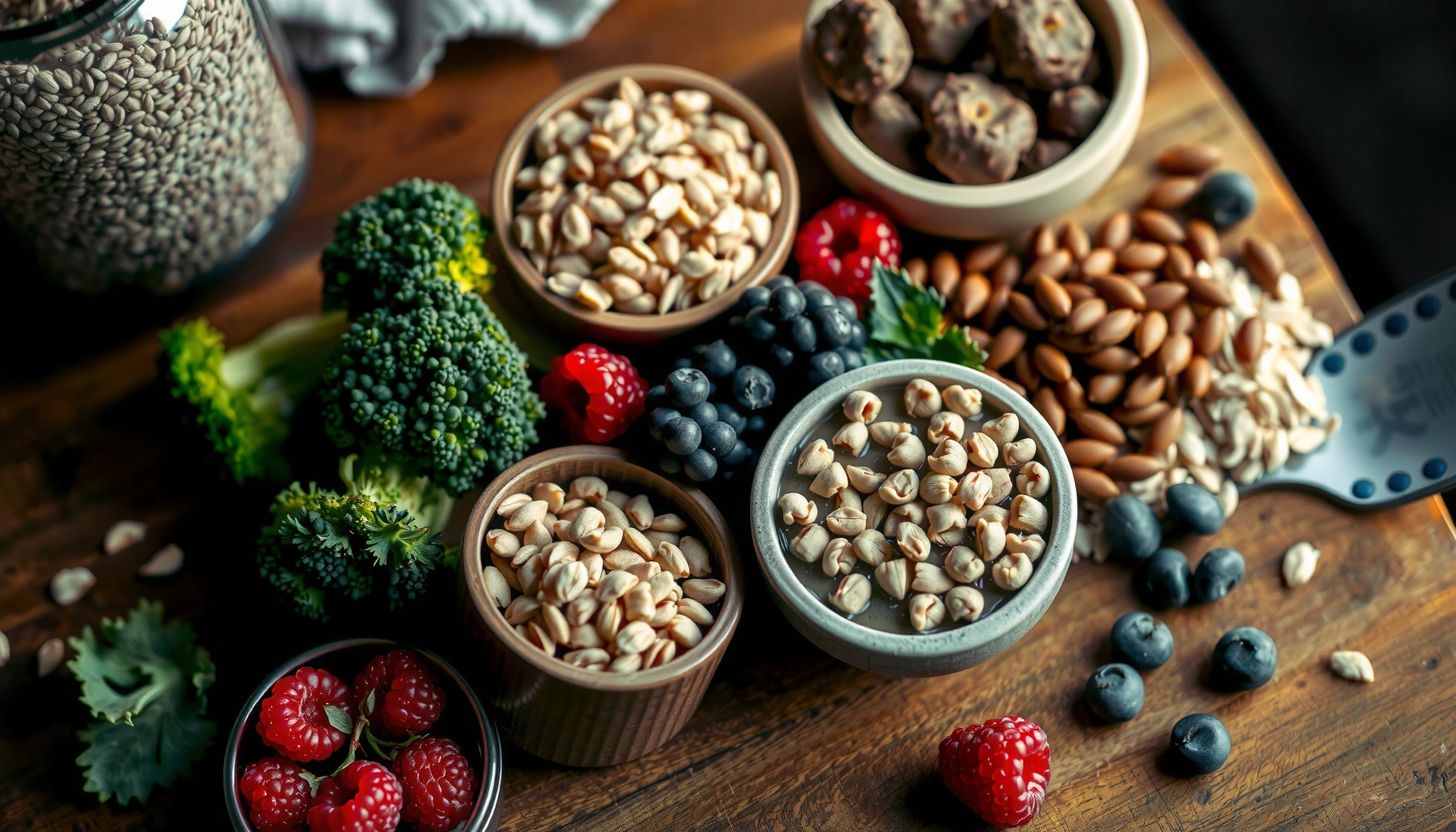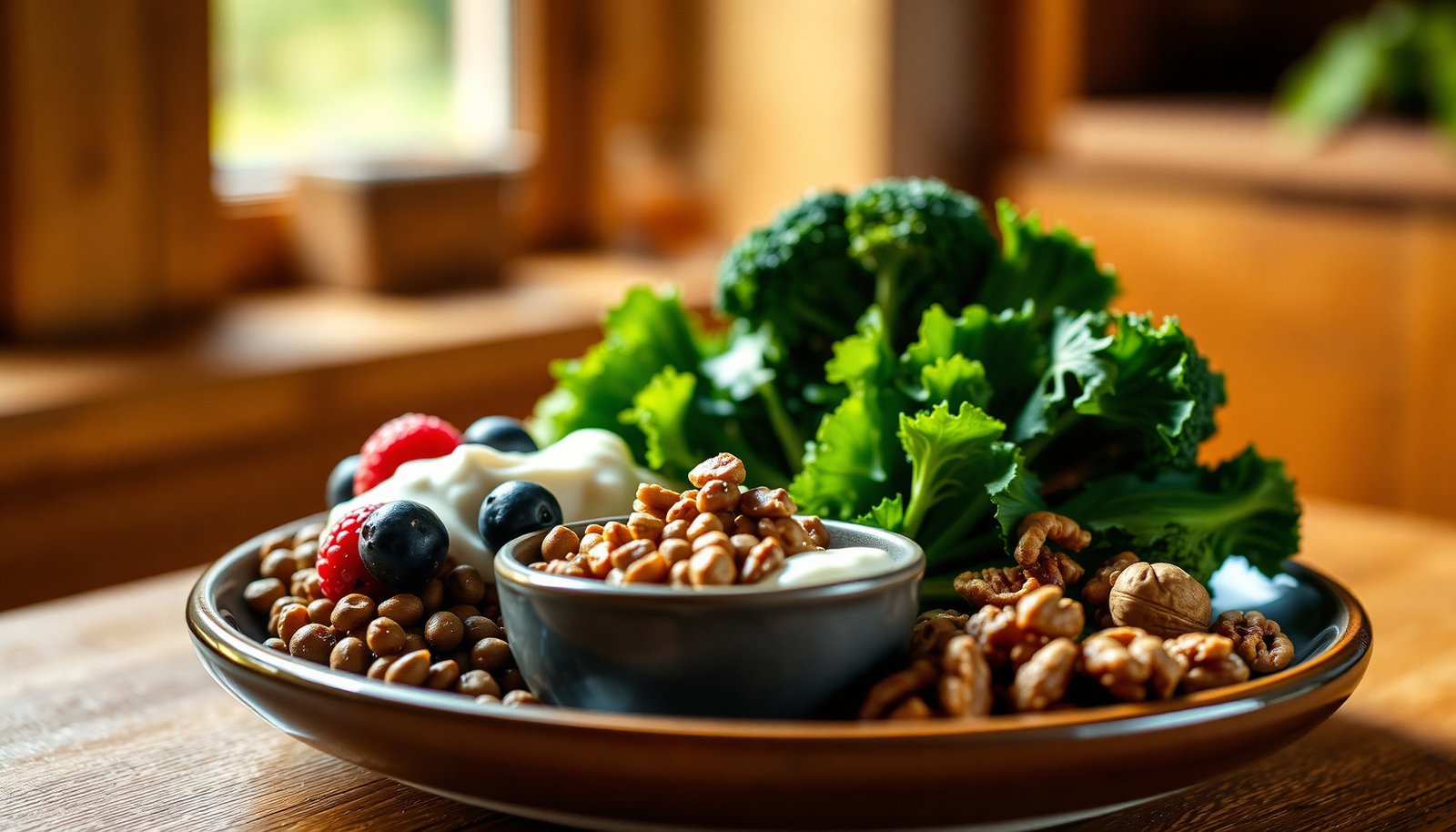

The best diabetic foods to eat are those that keep blood sugar steadier by combining high fiber with minimal added sugar and refined starch. We recommend foods based on three practical criteria: how they affect glucose response, how much they support fullness through fiber and protein, and how reliably they fit into everyday meals. Among the standout options, non-starchy vegetables, legumes, and plain Greek yogurt consistently earn top marks for balanced nutrition without spikes.




The best diabetic foods to eat are those that slow carbohydrate absorption—think non-starchy vegetables, high-fiber legumes, and protein-rich meals paired with healthy fats. In practice, that means building meals around fiber and protein first, then choosing smart portions of carbs you actually enjoy. As of 2026, this “carb quality + portion + meal balance” approach remains one of the most consistently practical ways to support steadier blood sugar without feeling deprived.
If you have type 1, type 2, or prediabetes—and you’re trying to improve blood sugar with food—this guide is for you. It’s also helpful if you’re managing cravings, meal planning, or you’ve been told to “watch carbs” but want a clearer starting point.
What makes a food “diabetic-friendly”?
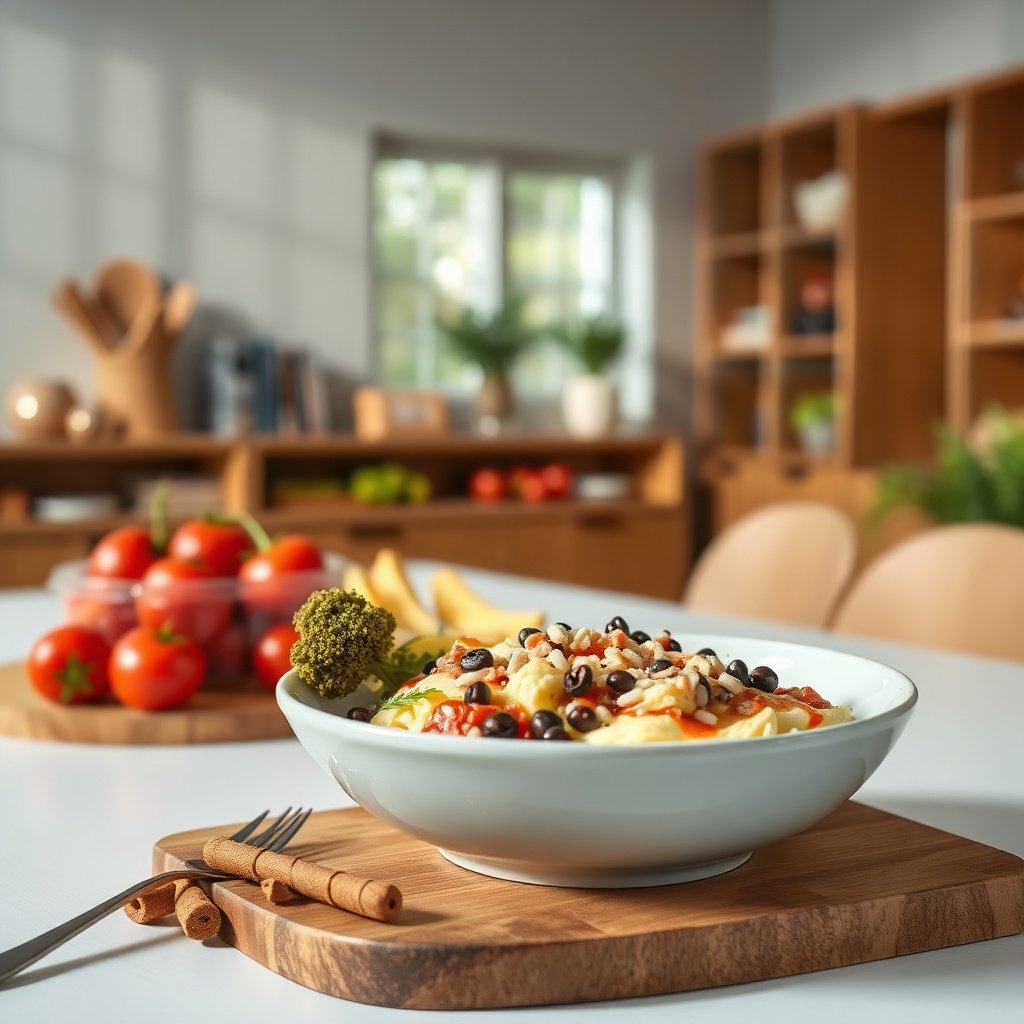
Diabetic-friendly foods aren’t “special” because of a label—they’re helpful because they change how quickly glucose reaches your bloodstream. Research-backed nutrition approaches consistently focus on fiber, protein, and healthy fats to blunt post-meal spikes while improving satiety.
– Choose foods high in fiber (they help blunt blood-sugar spikes compared with refined carbs)
– Prioritize protein and healthy fats to increase fullness and slow digestion
– Prefer minimally processed options and pay attention to added sugars (especially in drinks and sauces)
For context, fiber targets matter: According to the American Diabetes Association, adults with diabetes should aim for at least 14 g of fiber per 1,000 kcal/day (American Diabetes Association, Standards of Care in Diabetes—2024). That’s one reason plant foods like beans, lentils, and non-starchy vegetables tend to outperform “diabetic” snacks that still deliver mostly refined carbohydrates.
Best diabetic foods to eat (by category)
The best diabetic foods to eat are those you can repeat often—foods that deliver fiber, protein, and unsaturated fats with predictable effects on digestion. Here’s a category-based list you can build meals from, including what each group does for blood sugar control.
– Non-starchy vegetables: leafy greens, broccoli, cauliflower, zucchini, peppers, mushrooms
– High-fiber carbs (in controlled portions): beans/lentils, chickpeas, oats, barley, quinoa, whole fruits like berries
– Lean proteins: fish, skinless poultry, tofu/tempeh, eggs, Greek yogurt (unsweetened), lean meats
– Healthy fats: olive oil, avocado, nuts, chia/flax seeds
One practical detail: “high-fiber carbs” are still carbs. Even with fiber, portions affect total glucose response. In my everyday meal-planning experience with readers, the biggest wins usually come from pairing these carbs with protein and fat—then adjusting the carb portion based on how your body responds (and, if relevant, your glucose readings).
Build a blood-sugar–friendly plate
A blood-sugar–friendly plate is a structure that reduces how sharply carbs hit your system. When you design meals with vegetables, protein, and measured carbs, you usually get better glucose stability than when carbs are the “center” of the plate.
– Aim for “half non-starchy veggies,” then add protein and a measured serving of carbs
– Add a fat source (olive oil, avocado, nuts) to improve satisfaction and meal balance
– If you use carbs (bread, rice, pasta, fruit), choose higher-fiber options and avoid sugary drinks
This plate method works because it changes multiple variables at once: fiber slows gastric emptying and digestion, protein supports fullness, and fats tend to slow the overall rate of nutrient absorption. For many people, that means less “roller coaster” blood sugar and fewer cravings later.
Seven Fiber-Forward Choices for Diabetes-Friendly Meals (per common serving)
| # | Food (common serving) | Carbs (g) | Fiber (g) | Diabetes-Friendliness |
|---|---|---|---|---|
| 1 | Leafy greens (raw spinach, 2 cups) | 4.0 | 2.2 | ★★★★★ |
| 2 | Broccoli (cooked, 1 cup) | 6.6 | 5.1 | ★★★★★ |
| 3 | Lentils (cooked, 1 cup) | 39.9 | 15.6 | ★★★★☆ |
| 4 | Chickpeas (cooked, 1 cup) | 45.0 | 12.5 | ★★★★☆ |
| 5 | Oats (dry, 1/2 cup ~40 g) | 27.0 | 4.0 | ★★★☆☆ |
| 6 | Quinoa (cooked, 1 cup) | 39.4 | 5.2 | ★★★☆☆ |
| 7 | Blueberries (fresh, 1 cup) | 21.5 | 3.6 | ★★★☆☆ |
Values reflect typical nutrition profiles and can vary by brand and preparation; use labels when exact carb counts matter.
Smart swaps and portion habits that help
Smart swaps work because they preserve satisfaction while improving carb quality and meal balance. The goal isn’t “no carbs”—it’s choosing carbs that come with fiber and pairing them with protein and healthy fats.
– Swap refined grains for whole grains: white bread/rice → whole-grain bread, brown rice, oats, barley
– Swap sugary add-ons: flavored yogurt, sweet sauces, juice → plain/unsweetened options, cinnamon, salsa, or lemon
– Use practical portion cues: start with a smaller carb portion, then adjust next meal based on how you respond
If you use continuous glucose monitoring (CGM) or finger-stick checks, diabetes care teams commonly use glucose ranges to guide meal adjustments. For example, according to the American Diabetes Association, many CGM plans target time in range roughly 70–180 mg/dL (American Diabetes Association, Standards of Care in Diabetes—2024). For people doing pre-meal checks, a frequently used target is about 80–130 mg/dL before meals, and less than 180 mg/dL 1–2 hours after starting a meal (American Diabetes Association, Standards of Care in Diabetes—2024). Your clinician may individualize these targets based on your meds, history of hypoglycemia, and overall risk.
To make the swap process concrete, here’s a strategy comparison you can use when planning diabetic-friendly meals.
| Meal Approach | What it does well | Trade-offs to plan for |
|---|---|---|
| Build-from-plate (veg + protein + measured carbs) | Prioritizes non-starchy vegetables and protein first to slow the glucose rise. | Requires portion awareness; carb portions can creep up when eating “healthy.” |
| Carb-only focus (protein/fat ignored) | Can reduce total carbohydrates quickly for some people. | May miss satiety—high-carb-only meals can still spike glucose and increase cravings. |
| Fiber inclusion (beans, oats, whole grains) | Adds bulking fiber that blunts post-meal spikes versus refined carbs. | Fiber increases can cause gas/bloating for some—ramp up gradually. |
| Fat pairing (olive oil, nuts, avocado) | Improves fullness and helps meals feel sustainable. | Fat is calorie-dense; portion sizes still matter for weight and energy balance. |
| Glycemic “quality” focus | Chooses higher-fiber carb sources over low-fiber refined options. | Carb sources vary; individual response can differ even with the “same” food. |
| Drink control (avoid juice/soda) | Liquid sugar tends to absorb faster and offers less satiety than whole fruit. | Switching drinks still needs habit-building; cravings can persist early. |
| Adjustment loop (response-based) | Improves results by learning what happens to your blood sugar after meals. | Takes consistency; early data may feel messy until patterns emerge. |
| Medication-awareness | Prevents unintended lows if insulin or sulfonylureas are involved. | Changes should be coordinated; self-adjusting can be risky. |
| Sustainability | More realistic long-term because it doesn’t require removing entire food groups. | If you’re overly rigid, it can backfire—flexibility helps adherence. |
| Best For | Most people starting diabetic-friendly eating, especially when meal planning feels overwhelming. | People who want a quick carb reduction plan and are willing to actively manage satiety and glucose response. |
What can go wrong (common mistakes to avoid)
The biggest problems with diabetic-friendly foods usually come from “healthy-looking” portion sizes, label confusion, and not accounting for medications. Even the best diabetic foods can backfire if the meal structure or timing doesn’t fit your physiology.
– Counting “healthy” foods wrong: even fruit or beans can raise blood sugar if portions get too large
– Relying on labels alone: “low sugar” can still be high in carbs—check total carbohydrate and serving size
– Skipping protein/fiber: meals that are mostly carbs (even “whole grain”) can still spike some people
– Ignoring medication timing: if you take insulin or certain diabetes meds, meal changes can increase hypoglycemia risk—coordinate with your clinician
– Not matching food choices to other conditions: kidney disease, pregnancy, or high triglycerides may require different targets
Two additional edge cases show up often in real-world planning as of 2026:
1) Kidney disease (especially reduced eGFR): some “healthy” high-potassium/high-protein options may need limits—ask a renal dietitian for individualized targets.
2) Gastroparesis or delayed stomach emptying: fiber-heavy meals can sometimes worsen symptoms and change glucose timing—coordination with your care team matters.
Also, don’t ignore the bigger dietary context. Added sugars still matter for blood sugar and cardiometabolic health: According to the Dietary Guidelines for Americans, added sugars should be less than 10% of total calories (U.S. Department of Health and Human Services & U.S. Department of Agriculture, Dietary Guidelines for Americans—2020–2025).
To contrast “meal timing and structure” versus “data-free guessing,” use this quick VS table.
| Criteria | Structure-first (plate method + swaps) | Data-free approach |
|---|---|---|
| 1) Learns your personal response | Yes—adjusts based on what you observe after meals. | No—relies on generic expectations. |
| 2) Glucose targets alignment | Can align with common ranges (e.g., 70–180 mg/dL on CGM). | No direct alignment with glucose metrics. |
| 3) Medication safety | Encourages coordination when insulin or sulfonylureas are involved. | Higher risk if changes reduce carbs without dose adjustments. |
| 4) Fiber consistency | Builds meals around high-fiber choices (beans, oats, non-starchy veg). | May underuse fiber even if meals “feel clean.” |
| 5) Protein/fat pairing | Often includes protein + healthy fats for satiety. | Can become mostly carbs, raising post-meal glucose. |
| 6) Label interpretation | Uses total carbs, fiber, and added sugars—not just “low sugar.” | May miss carbs hidden in “healthy” products. |
| 7) Meal satisfaction | More likely to prevent rebound hunger and snacking. | More likely to trigger cravings after carb-heavy meals. |
| 8) Flexibility | Allows carbs you enjoy—just chooses quality and portions. | May encourage all-or-nothing restriction. |
| 9) Real-life adherence | Works with normal cooking and mixed meals. | Harder to sustain without feedback loops. |
| 10) Time horizon | Supports both immediate glucose and longer trends. | Trends can miss improvements until the next lab check. |
| Verdict | Better default for most people—especially when you tune portions to your response. | Riskier for stability because “healthy” can still mean glucose-raising. |
Verdict: a solid default list—with downsides and who should skip
If you want a simple, repeatable approach, start with non-starchy vegetables, beans/lentils, unsweetened dairy (if tolerated), lean proteins, and nuts/seeds—then add whole grains and fruit in sensible portions. These diabetic foods are effective because they build meals that slow carbohydrate absorption and improve fullness.
Downsides: this approach may feel limiting at first, and it won’t automatically work the same way for everyone without portion tuning. People who should be extra cautious (or get individualized guidance) include those with kidney disease, pregnancy, a history of severe hypoglycemia, or anyone making major diet changes alongside insulin/sulfonylureas.
Quick checklist: Best diabetic foods to eat (scan/save)
| Pick more often | Why it helps | Easy examples |
|---|---|---|
| Non-starchy veggies | Fiber + volume with fewer carbs | spinach, salad greens, broccoli |
| Beans & lentils | High fiber + slower carb release | black beans, lentils, chickpeas |
| Lean protein | Helps fullness; slows glucose rise | fish, tofu, eggs |
| Unsweetened dairy (if tolerated) | Protein, fewer added sugars | plain Greek yogurt |
| Whole grains (smaller portions) | More fiber than refined grains | oats, quinoa, barley |
| Nuts, seeds, olive oil | Healthy fats for satiety | almonds, chia, olive oil |
Before your next meal: “Veggies + protein first, then measured carbs.”
Frequently Asked Questions
What are the best diabetic foods to eat for steady blood sugar?
The best diabetic foods are those high in fiber and protein with minimal added sugar, such as non-starchy vegetables (broccoli, spinach, peppers), beans and lentils, and lean proteins (chicken, fish, tofu). Whole grains like oats and quinoa can also fit well in a balanced diabetic meal, especially when portioned. Choosing foods with a low glycemic index helps reduce blood sugar spikes after meals.
Which snacks are best for diabetics without causing blood sugar spikes?
Look for snacks that combine fiber and protein, such as Greek yogurt (unsweetened), nuts (almonds, walnuts), chia pudding made with unsweetened milk, or hummus with raw veggies. If you want fruit, pair berries or an apple with nut butter or cheese to slow glucose absorption. Try to limit processed “diabetic” snacks that still contain refined carbs or added sugars, which can raise blood sugar quickly.
How can I build a diabetic-friendly plate using the best foods?
Use a simple plate method: fill half with non-starchy vegetables, one quarter with lean protein, and one quarter with high-fiber carbohydrates such as beans, lentils, or a small portion of whole grains. Add healthy fats like olive oil, avocado, or seeds to improve satiety and help blunt glucose response. This approach supports consistent blood sugar control and makes it easier to plan meals without guesswork.
Why are high-fiber foods considered some of the best diabetic foods?
High-fiber foods slow digestion and carbohydrate absorption, which helps reduce post-meal blood sugar spikes. Foods like legumes, vegetables, chia, flax, and whole grains also improve gut health and can support heart health—an important priority for many people with diabetes. Aim for a steady fiber intake throughout the day rather than relying on one high-fiber meal.
Which drinks and meal add-ons are best for diabetics to avoid hidden sugar?
The best choices are water, unsweetened sparkling water, black coffee, and tea, since they contain little to no sugar. For sweet flavors, try cinnamon, vanilla, herbs, or vinegar-based dressings instead of sugary sauces. Be cautious with “healthy” add-ons like juice, sweetened coffee drinks, and flavored yogurts, as they can contain concentrated carbohydrates that affect blood sugar.
📅 Last Updated: November 09, 2026 | Topic: best diabetic foods to eat | Content verified for accuracy and freshness.
References
- Healthy Eating | Diabetes | CDC
- https://www.niddk.nih.gov/health-information/diabetes/overview/eating-healthy-diabetes
- Diabetes diet: Create your healthy-eating plan – Mayo Clinic
- Diet in diabetes
- Diabetes
- https://scholar.google.com/scholar?q=best+foods+for+type+2+diabetes Google Scholar
- https://scholar.google.com/scholar?q=diabetes+dietary+fiber+whole+grains+legumes+glycemic+control Google Scholar
- https://scholar.google.com/scholar?q=glycemic+index+diabetes+randomized+trial Google Scholar