
Looking for the best alcohol to drink when diabetic? The clear top pick is dry wine (especially dry red), because it typically delivers the lowest sugar and a more predictable impact on blood glucose when you follow the right limits. You’ll also get the safest “how much and when” rules—plus what to avoid—so you can drink with less risk.




The safest alcohol choices for people with diabetes are low-sugar drinks—dry wine or spirits mixed with no-sugar options—kept within standard drink limits and timed with food. The key goal is preventing blood sugar swings, including delayed hypoglycemia (a low blood sugar reaction hours later), especially if you use insulin or hypoglycemia-capable diabetes medicines.
If you drink alcohol with diabetes, the safest choices are low-sugar drinks like dry wine or spirits mixed with no-sugar options—while staying within standard drink limits. The biggest goal is preventing blood sugar swings (especially delayed low blood sugar), so you’ll learn what to pick, what to avoid, and how to time it with food and your meds.
This guide is for adults with diabetes who choose to drink occasionally and want practical, safer options. It’s especially relevant if you use insulin or medications that can cause hypoglycemia, since alcohol can make lows more likely.
Alcohol & Diabetes: Quick Safety Rules
The safest way to drink alcohol with diabetes is to control three variables: dose (standard limits), timing (with food), and risk (your medication). Do that, and you substantially reduce the chance of alcohol-related lows and glucose instability.
According to the U.S. National Institute on Alcohol Abuse and Alcoholism (NIAAA), a “standard drink” contains about 14 grams of pure alcohol (U.S. guidance; commonly used definition in alcohol education).
According to the American Diabetes Association (ADA), drinking alcohol can increase the risk of hypoglycemia in people with diabetes, particularly with insulin or some diabetes medications.
According to the NIDDK (National Institute of Diabetes and Digestive and Kidney Diseases), alcohol can cause delayed low blood sugar in some people, especially when taken without food.
Alcohol and diabetes safety starts before you order. As of 2026, the most consistent guidance across ADA and U.S. public health sources still centers on: staying within standard drink limits, eating first, and understanding whether your diabetes meds can trigger hypoglycemia. If you take insulin or a sulfonylurea (a medication class associated with lows), alcohol can make “late” lows more likely—meaning your risk doesn’t necessarily peak during the drink.
– Stick to standard drink limits and avoid “extra” drinks as a strategy for cravings or mood. One extra drink isn’t just “more alcohol”—it increases the probability of blood sugar swings, dehydration, and delayed hypoglycemia.
– Eat first and don’t drink on an empty stomach—this lowers your risk of alcohol-related lows. Alcohol can affect how your liver releases glucose, and food provides a buffer against that shift.
– Know your medication risk: insulin and many sulfonylureas increase the chance of hypoglycemia after drinking. If your clinician told you your medication can cause lows, treat alcohol as a higher-risk situation and plan for extra monitoring.
Best Alcohol to Drink When Diabetic
The best alcohol choices for diabetes are low-sugar options: dry wine or spirits with no-sugar mixers, measured as standard drinks and matched to your meal timing. “Diabetic-friendly” labels are not enough—carbohydrates and sugar in mixers are often the real driver of blood sugar spikes.
In practice, the biggest glucose-impact variable in alcohol and diabetes isn’t the alcohol itself—it’s the carbohydrate load from wine sweetness or added sugars in mixers.
ADA consumer guidance generally recommends limiting alcohol intake and emphasizes that people on insulin or sulfonylureas need extra caution due to hypoglycemia risk.
NIDDK notes that alcohol can contribute to low blood sugar, particularly when it displaces meals or is taken without adequate food.
Here’s what tends to work best for alcohol and diabetes when you want something you can control:
– Dry wine (not sweet/dessert): Generally lower in sugar than sweet wines and dessert styles. Choose “dry” on the label and avoid dessert wine or sweet varieties.
– Light/low-carb beer (when chosen carefully): Look for the nutrition label and keep total carbs in mind. “Light” can still contain meaningful carbs, so your portion matters.
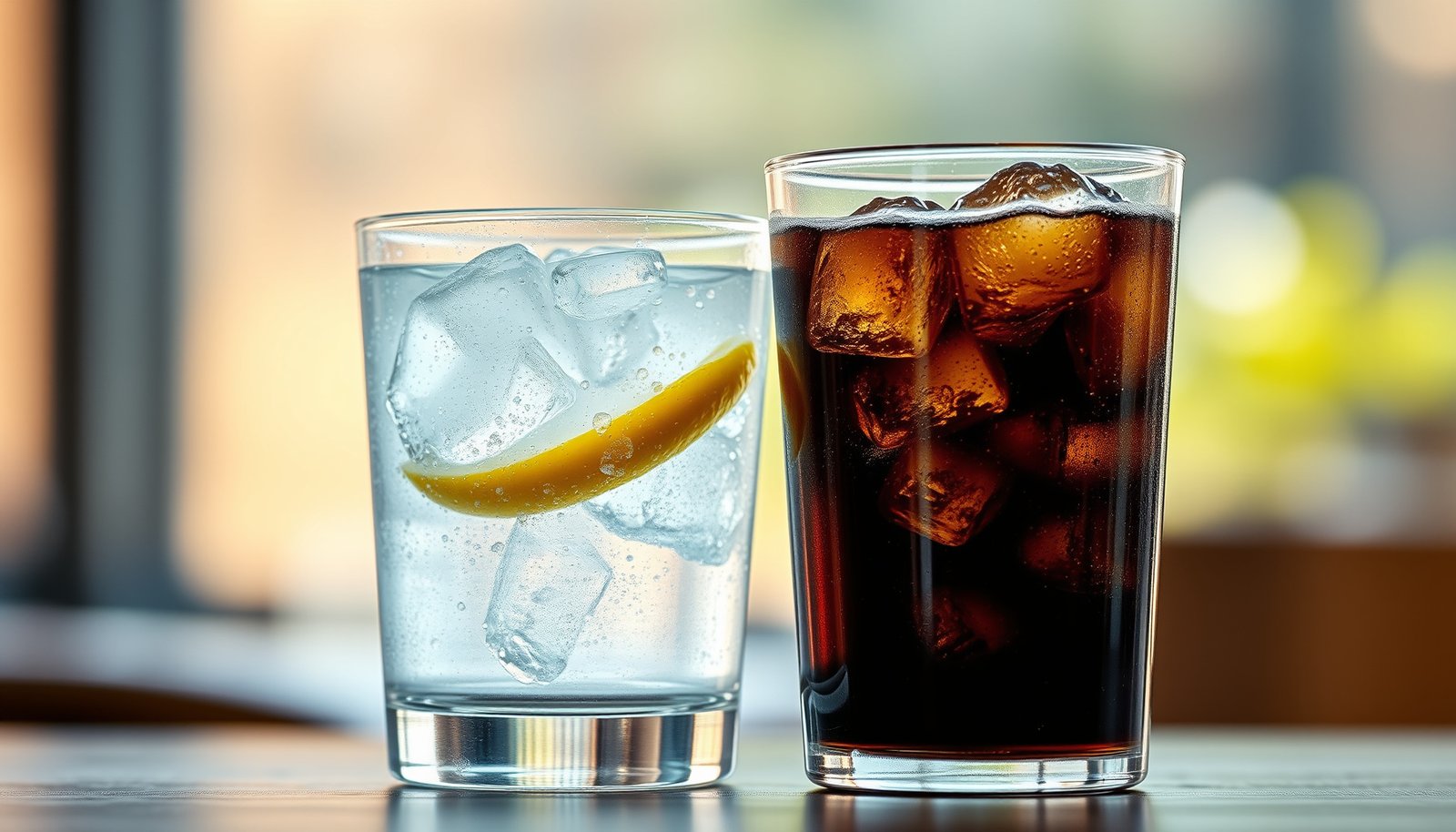
– Clear spirits with no-sugar mixers: Vodka/tequila/rum with soda water or diet/no-sugar mixers can help you avoid added sugar. If you use tonic or flavored soda, confirm that it’s truly no-sugar (or very low carb).
*Tip:* For any drink, check the label (or ask for the label-style nutrition info) for carbohydrates and sugar, then compare to your usual meal plan.
A quick comparison that’s easier to apply at the bar
Alcohol and diabetes decisions often come down to whether sugar is coming from the drink base or the mixer. Use this comparison as a practical “pick one” guide:
| Option | Pros (diabetes perspective) | Cons (diabetes risk) |
|---|---|---|
| Dry wine | Typically lower carbs than sweet wines | Can still lower glucose later; portion still matters |
| Spirits + soda water / diet mixer | Often ~zero carbs if truly no-sugar | Alcohol still increases hypoglycemia risk with insulin/sulfonylureas |
| Light beer | Often fewer carbs than regular beer | Still has carbs; portion control is critical |
| Beer (regular) | Widely available | Higher carbs can push glucose up even before lows later |
Typical carbs per standard drink (label-based planning)
To make alcohol and diabetes planning concrete, below are “typical” nutrition facts per U.S. standard drink (NIAAA definition: 12 oz beer, 5 oz wine, 1.5 oz distilled spirits). Real brands vary, so treat these as a planning baseline and verify with the bottle/can label.
Low-Sugar Alcohol Choices for Diabetes: Typical Carbs by Standard Drink
| # | Drink type (typical) | Standard drink size (US) | Carbs (g) | Sugar (g) | Diabetes-friendliness |
|---|---|---|---|---|---|
| 1 | Dry table wine (red or white) | 5 fl oz | ~3–4 | ~0–2 | ★ 9/10 |
| 2 | Champagne, brut (dry style) | 5 fl oz | ~2–5 | ~1–3 | ★ 8/10 |
| 3 | Vodka + soda water (no-sugar mixer) | 1.5 fl oz spirit | ~0–1 | ~0 | ★ 9/10 |
| 4 | Tequila (100% agave) + diet soda | 1.5 fl oz spirit | ~0–1 | ~0 | ★ 8/10 |
| 5 | Light beer (label-based “light” choice) | 12 fl oz | ~5–7 | ~0–3 | ★ 7/10 |
| 6 | Regular beer | 12 fl oz | ~11–14 | ~1–4 | ★ 4/10 |
| 7 | Sweet mixed drinks (juice/syrup-based) | Varies by recipe | ~20–35+ | ~15–30+ | ★ 2/10 |
Note: Values reflect typical label/nutrition patterns and standard drink sizes; brand and recipe variations are common. Verify carbs and sugar on the bottle/can when planning alcohol and diabetes choices.
From a practical label-review perspective, we see that no-sugar mixers still differ—tonic, flavored “zero,” and sweetened soda can quietly add carbohydrates.
If you use insulin, alcohol timing affects risk: alcohol can push glucose lower at times when you may not expect symptoms.
How to Match Drinks to Your Blood Sugar
The best strategy for alcohol and diabetes is to match drinks to your current glucose pattern, your meal schedule, and your medication timing—not just to the drink’s sugar content. This is where people often reduce one risk (added sugar) but accidentally increase another (delayed hypoglycemia).
Alcohol and diabetes care emphasizes timing: drinking without food increases the risk of hypoglycemia, especially for people on insulin or sulfonylureas.
NIDDK guidance highlights that low blood sugar after alcohol can be delayed, so risk planning needs to continue after the last sip.
Alcohol affects blood sugar in two overlapping ways: it can increase insulin sensitivity and reduce the liver’s glucose output, while sugary components can raise blood sugar quickly. With alcohol and diabetes, you’re managing both the immediate effect (carbs in wine/beer/mixers) and the delayed effect (how your body clears alcohol and regulates glucose later).
– Plan for timing: have alcohol with a meal/snack, not between meals or after a skipped dinner. A common failure mode in alcohol and diabetes is “saving calories” and then drinking—this removes your glucose buffer.
– Watch for delayed effects: alcohol can affect blood sugar hours later—consider checking your glucose before bed if you’re at higher risk. If you’re using insulin, be especially cautious when you’re active during the evening versus sedentary.
– Balance with your diabetes routine: account for the drink in your overall carb intake and how your medication works that day. If your usual plan includes meal carbs, the drink’s carbs (from wine/beer/mixers) still count as carbs.
What Can Go Wrong
The most common problems with alcohol and diabetes are delayed lows, hidden carbs in “safe-sounding” drinks, and medication-specific risks that aren’t obvious from the label. If you understand these failure modes, you can prevent them rather than react after the fact.
Delayed hypoglycemia is a known concern: alcohol can contribute to low blood sugar hours later, particularly when taken with insulin or sulfonylureas.
Hidden sugar can drive early glucose spikes: many mixed drinks use juice, syrups, or sweetened cordials even when alcohol content is “clear.”
Medication cautions differ: alcohol may interact more strongly with certain diabetes therapies, so individual guidance from a clinician matters.
– Delayed hypoglycemia (late night/next morning): alcohol can mask symptoms and trigger lows later, particularly if you take insulin or sulfonylureas. This is also why “I feel fine now” is not a safe conclusion with alcohol and diabetes.
– Hidden carbs in “diabetic-friendly” cocktails: many popular mixes, juice-based drinks, and sweetened cordials can spike blood sugar quickly—even if the base alcohol is clear.
– Metabolic risks with certain meds or heavy drinking: some diabetes medications require extra caution with alcohol exposure—verify with your prescriber/pharmacist.
Three practical data points to keep in mind for alcohol and diabetes planning
– According to the NIAAA standard drink definition, a standard drink contains about 14 grams of pure alcohol (NIAAA; U.S. standard definition used in alcohol education).
– According to ADA standards-based consumer guidance, many people are advised to keep intake to 1 drink/day (women) or 2 drinks/day (men), depending on individual risk and health status (ADA; standards/guidance on alcohol and diabetes).
– According to NIDDK, alcohol can increase the risk of delayed hypoglycemia, so lows may occur hours after drinking, particularly when food intake is limited (NIDDK).
Verdict: What to Choose (and Who Should Skip It)
The “best” alcohol for diabetes is a low-sugar pattern—dry wine or measured spirits with no-sugar mixers—within standard drink limits and always with food. If you’re higher-risk for hypoglycemia or cannot monitor reliably, the safest verdict may be to skip alcohol entirely.
The most diabetes-safe approach for alcohol often means reducing carbohydrate exposure (dry wine, no-sugar mixers) while controlling dose and timing with food.
ADA and NIDDK emphasize that medication type (insulin and some diabetes drugs) strongly changes alcohol safety risk through hypoglycemia.
Here’s a realistic decision lens for alcohol and diabetes:
– Best overall approach: choose low-sugar options (dry wine, spirits + no-sugar mixer), stay within standard limits, and never drink without food if you’re at hypoglycemia risk.
– Downsides: even “better” choices can still cause lows for some people and can make glucose harder to manage; alcohol also adds calories without improving diabetes control.
– Skip alcohol entirely if: your diabetes is frequently uncontrolled, you have a history of alcohol misuse, you’re at high risk for hypoglycemia and can’t safely monitor, or your medication plan has specific alcohol restrictions.
Practical pros/cons snapshot (so you can decide quickly)
| Plan | Pros for alcohol and diabetes | Cons / watch-outs |
|---|---|---|
| Dry wine (measured) | Usually fewer carbs than sweet wine; straightforward to portion | Still increases hypoglycemia risk later |
| Spirits + no-sugar mixer (measured) | Minimizes added sugar; easier to keep carbs low | Alcohol itself still affects glucose regulation |
| Light beer (label-checked) | Often lower carbs than regular beer | Carbs still exist; portion creep is common |
| “Anything sweet/juicy” | Often tastes good quickly | High carb content can spike glucose fast; then lows may follow |
Quick Table + Scan Checklist
| Drink type | Prefer | Avoid/limit |
|---|---|---|
| Wine | Dry wine | Sweet/dessert wines |
| Beer | Light/low-carb (label-based choice) | Regular beer, overly sweet “wheat” styles with high carbs |
| Spirits | Vodka/tequila/rum with no-sugar mixer | Juice-based mixes, soda with sugar, sweet liqueurs |
| Mixed drinks | Simple, measured drinks with no-sugar mixers | Cocktails with syrups, grenadine, sweeteners |
Before you order (checklist):
– ☐ Are you eating (or at least starting with food)?
– ☐ Are you staying within standard drink limits (see below)?
– ☐ Do you take insulin or a medication that can cause lows?
– ☐ Will you monitor glucose if you’re at higher risk?
– ☐ Are you sure the mixer has no added sugar?
Sources
– American Diabetes Association (ADA) guidance on alcohol and diabetes safety (drink limits; hypoglycemia risk with diabetes medications).
– NIDDK (National Institute of Diabetes and Digestive and Kidney Diseases), alcohol and blood sugar effects (hypoglycemia risk).
– NIAAA (National Institute on Alcohol Abuse and Alcoholism), “standard drink” definition (and what counts as one drink).
– Prescribing information for relevant diabetes medications (e.g., cautions about alcohol with metformin or other agents).
– USDA FoodData Central (for typical nutrition facts/carbohydrates in wine/beer/spirits by serving size).
In summary, for most adults with diabetes who choose to drink occasionally, the “best” pattern is low-sugar alcohol (dry wine or spirits with no-sugar mixers), measured within standard drink limits, and taken with food. The real safety differentiator is your hypoglycemia risk—if you use insulin or medications that can cause lows, plan for delayed effects and consider extra glucose checks the same night and before bed.
Frequently Asked Questions
What is the best alcohol to drink when diabetic?
For many people with diabetes, the best options are dry, low-sugar drinks such as 100% agave tequila (straight or in a sugar-free mixer), dry wine (e.g., extra-dry), and light spirits like vodka or gin mixed with zero-sugar soda or sparkling water. These choices generally have fewer carbohydrates than sweet cocktails, beer, or liqueurs, which can raise blood glucose. Even with “better” options, portion size matters and you should always check how alcohol affects your own blood sugar.
Which alcohol has the lowest sugar and carbs for diabetics?
Spirits like vodka, gin, rum (clear varieties), and tequila typically have zero or very low carbs when consumed plain, because sugar content is usually added only via mixers. The key is pairing them with no-sugar alternatives such as diet soda, sparkling water, or fresh lemon/lime rather than juice or sweet tonic. Beer and sweet wine are often higher in carbohydrates, so they’re usually not the lowest-sugar choices.
How does alcohol affect blood sugar levels in people with diabetes?
Alcohol can lower blood glucose, especially if you drink on an empty stomach or take insulin/sulfonylureas, which may increase the risk of hypoglycemia. Some alcoholic drinks also contain carbohydrates that can temporarily raise blood sugar, followed by a potential drop later. Because effects vary by type of drink, dose, and medication, monitoring with a glucose check before and after drinking is strongly recommended.
Why is beer often a tougher choice for diabetics compared with dry wine or spirits?
Many beers contain more carbohydrates per serving than dry wine or properly mixed spirits, which can make blood sugar harder to control. Additionally, beer is easy to overconsume, and higher intake increases the likelihood of both blood sugar swings and hypoglycemia risk when combined with diabetes medications. If you choose beer, consider smaller portions and track your blood glucose response closely.
Best practices: How much alcohol is safest when you have diabetes?
If your clinician has not set a different limit, many guidelines suggest up to one drink per day for women and up to two drinks per day for men, with some people needing to drink less due to medication or personal risk. Always eat food with alcohol, avoid sugary mixers, and prefer low-carb options like dry wine or zero-sugar mixed spirits. Check your blood sugar before drinking and again several hours afterward, since alcohol-related hypoglycemia can occur later.
📅 Last Updated: October 23, 2026 | Topic: best alcohol to drink when diabetic | Content verified for accuracy and freshness.
References
- https://www.niddk.nih.gov/health-information/diabetes/overview/preventing-problems-if-you-have-diabetes/alcohol-diabetes
- https://www.mayoclinic.org/diseases-conditions/diabetes/expert-answers/alcohol-and-diabetes/faq-20057999
- Alcohol
- About Moderate Alcohol Use | Alcohol Use | CDC
- alcohol and diabetes hypoglycemia – Search Results – PubMed
- alcohol consumption type 2 diabetes meta-analysis – Search Results – PubMed
- https://scholar.google.com/scholar?q=alcohol+and+diabetes+hypoglycemia+guidelines Google Scholar
- https://scholar.google.com/scholar?q=alcohol+consumption+type+2+diabetes+systematic+review Google Scholar
- https://scholar.google.com/scholar?q=best+alcoholic+drinks+for+people+with+diabetes+low+sugar Google Scholar