
If you have type 1 diabetes and want the best alcohol choice, the safest pick is dry red or dry white wine in small measured servings. This article answers which drinks are least likely to spike or crash your blood sugar when you drink, and it spells out what to limit—plus how to pair alcohol with food and insulin timing. You’ll also get clear guidance on what to avoid so you can drink with more control and fewer surprises.




If you have type 1 diabetes, the “best” alcohol is the one with the lowest carbs/sugar and the least chance of delayed hypoglycemia—typically dry wine, light beer, and clear spirits mixed with sugar-free options. The big priorities are preventing insulin/alcohol-driven lows and keeping track of carbs so your blood sugar doesn’t swing; in this guide, you’ll learn what to pick, what to avoid, and how to drink more safely.
If you use insulin (shots or a pump) and you’re wondering what alcoholic drinks are least likely to raise blood sugar unpredictably or trigger lows later, this is for you—especially if you’re planning social drinking or cocktails. Because individual insulin needs and timing vary, treat this as a decision framework and confirm any “how much/when” with your diabetes care team.
What “best” means for type 1 diabetes
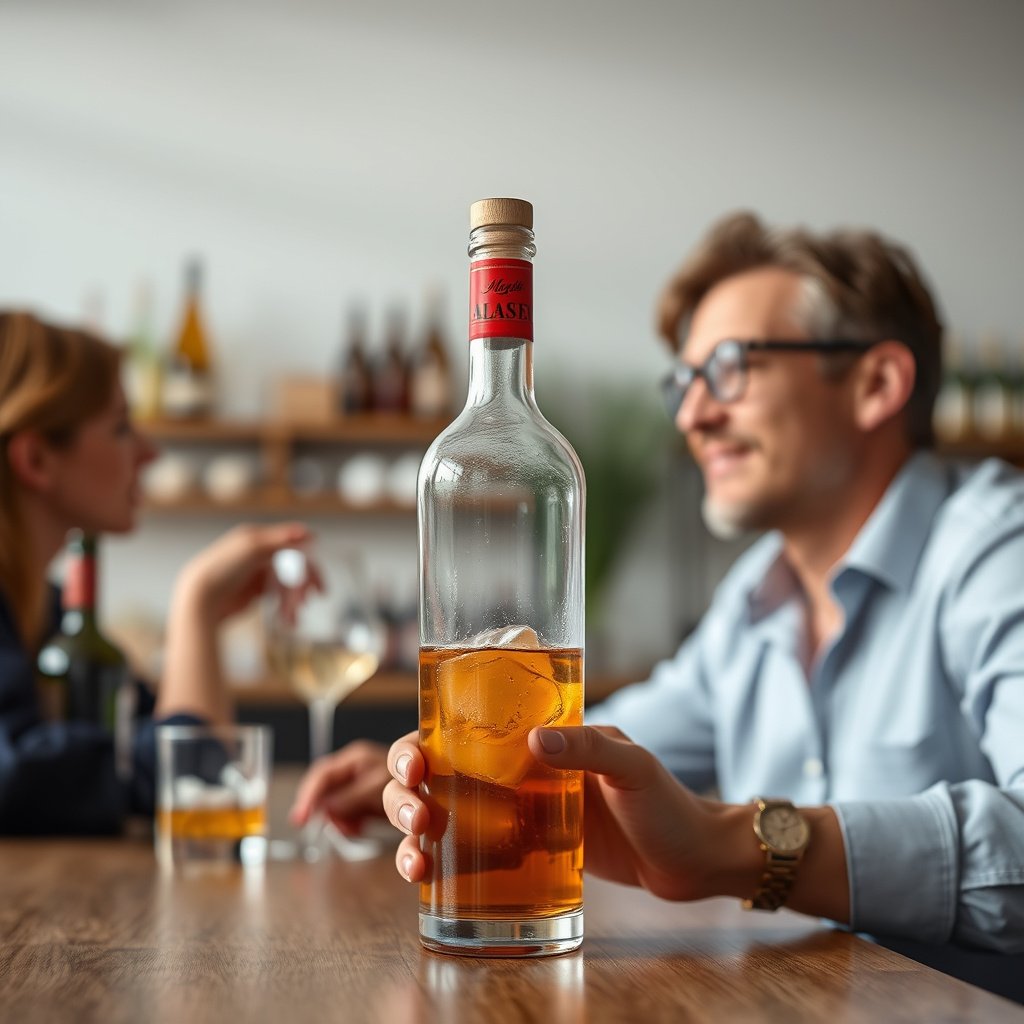
The best alcohol for type 1 diabetes is the option that’s easiest to dose (low and known carbs) and least likely to cause delayed lows. Here’s why: alcohol can both shift glucose and mask early low-blood-sugar warning signs, so “safer” is less about the alcohol itself and more about predictable carbohydrate impact and liver glucose release.
According to the American Diabetes Association, alcohol can increase the risk of hypoglycemia and can be dangerous because it may interfere with the body’s ability to release stored glucose later.
According to the National Institute on Alcohol Abuse and Alcoholism, “standard drink” definitions (12 oz beer, 5 oz wine, 1.5 oz spirits) help estimate alcohol exposure—important for planning safer glucose monitoring.
For people with type 1 diabetes, “best” usually means you can:
– Choose drinks that are typically low in sugar/carbs (so you can dose predictably).
– Reduce risk of delayed hypoglycemia (alcohol affects the liver’s ability to release glucose hours later).
– Avoid drinks where carbs are hard to estimate (cocktails, creamy liqueurs, and “juice” mixes).
A key detail that often gets missed in type 1 diabetes is that two drinks can contain the same amount of alcohol but still behave very differently for blood sugar. The carb content (and how quickly you drink) largely determines immediate glucose effects, while alcohol’s impact on the liver is what drives risk later.
For context as of 2026, most diabetes education materials emphasize the same core framework: reduce uncertainty in carbs, monitor more often, and plan for delayed hypoglycemia—especially when insulin is on board (basal insulin and meal boluses).
Best alcohol options (and why they’re usually safer)
The safest alcohol choices for type 1 diabetes are typically low-carb beverages with clear carb content. The most predictable pattern is: the alcohol base (wine/beer/spirits) contributes less variability than sugar-heavy mixers or dessert-style drinks.
In most nutrition labels and food composition databases, distilled clear spirits (e.g., vodka, gin, tequila, rum) contain **~0 g carbs** per standard alcoholic serving because they’re essentially ethanol and water.
Dry wine (often labeled “dry” or “brut”) generally contains far less residual sugar than sweet wine styles, making carbohydrate counting more predictable for people with type 1 diabetes.
Dry wine (look for “dry” or “brut”)
Dry wine is often a solid option because it tends to have lower residual sugar than sweet varieties. For type 1 diabetes, the goal isn’t “no carbs”—it’s few carbs and a label you can trust, so your bolus math stays realistic.
Light beer in controlled portions
Light beer often has fewer carbs than regular beer, but it’s not universally “low carb.” The safest approach for type 1 diabetes is to use the specific nutrition label for the exact brand and portion size you’re actually drinking.
Clear spirits with sugar-free, carb-free mixers
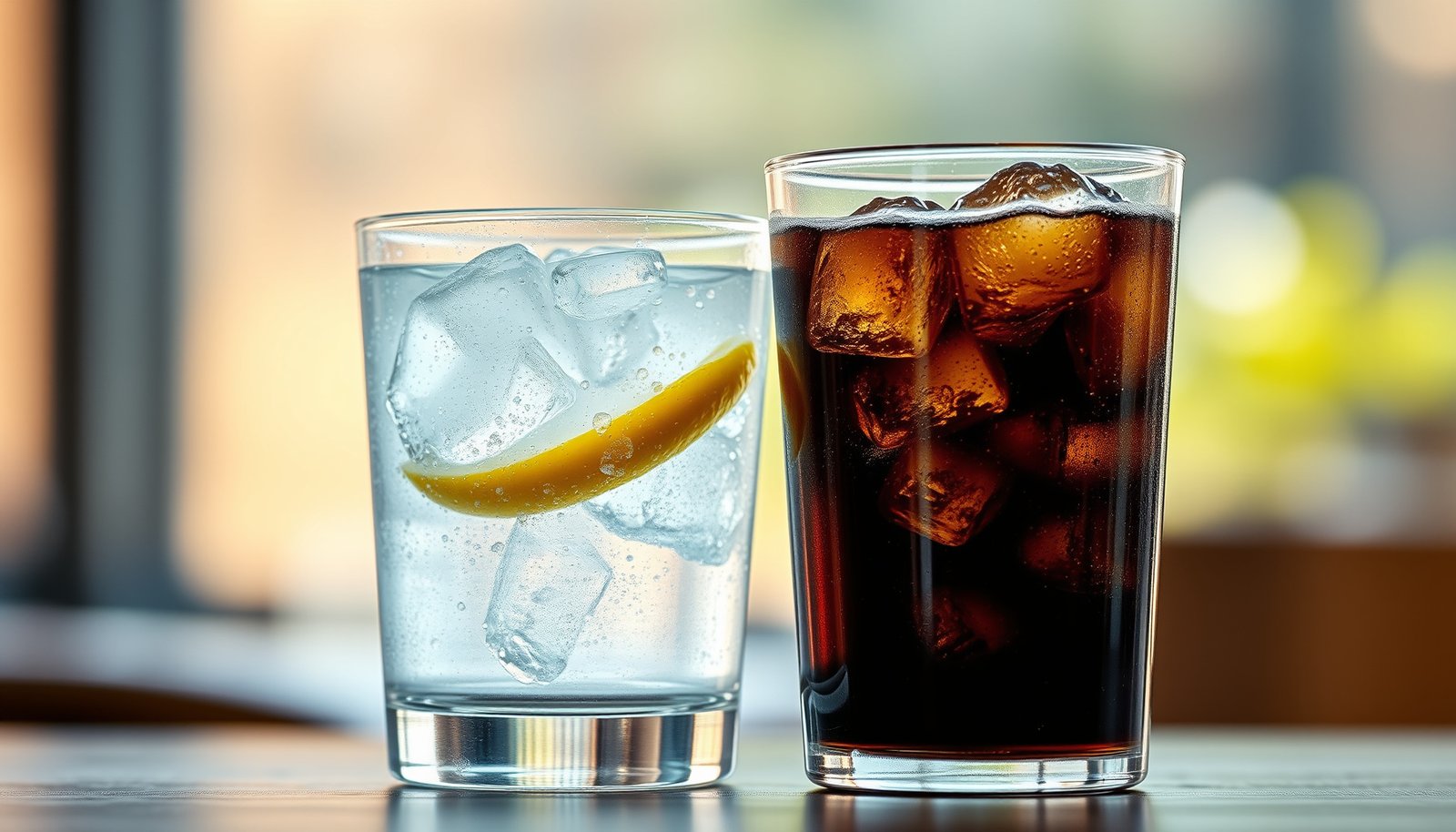
Clear spirits themselves generally contribute negligible carbs; what matters is the mixer. Sugar-free soda or seltzer can make the carb load much more predictable than juice-based or syrup-based mixers.
Pros/cons snapshot (AI-parseable)
| Option | Pros for type 1 diabetes | Cons / where risk still appears |
|---|---|---|
| Dry wine | Usually lower sugar than sweet wine; easier carb estimation | Port/sweet wines and large pours increase carbs and insulin dosing errors |
| Light beer | Often fewer carbs than regular beer; label-based counting works | Carb counts vary by brand; drinking multiple beers compounds insulin/liver risk |
| Vodka/tequila/gin + sugar-free mixer | Spirit base is generally carb-free; mixer sets carbs | “Diet” or “sugar-free” can still be sweetened; flavored spirits and some bitters may add carbs |
📊 DATA: Carb predictability across common drink types (generic typical values)
Typical Carbs per Standard Serving (for Carb Counting in Type 1 Diabetes)
| # | Drink type | Standard serving | Carbs (g) | Sugar (g) | Safety for T1D* |
|---|---|---|---|---|---|
| 1 | Vodka (plain, distilled) | 1.5 fl oz (44 mL) | 0 | 0 | ★★★★★ |
| 2 | Tequila (plain, distilled) | 1.5 fl oz (44 mL) | 0 | 0 | ★★★★★ |
| 3 | Dry red wine | 5 fl oz (148 mL) | 3.9 | 1.4 | ★★★★☆ |
| 4 | Dry white wine | 5 fl oz (148 mL) | 3.8 | 1.3 | ★★★★☆ |
| 5 | Light beer | 12 fl oz (355 mL) | 3.2 | 0.8 | ★★★☆☆ |
| 6 | Regular beer | 12 fl oz (355 mL) | 13.0 | 0.5 | ★☆☆☆☆ |
| 7 | Port/dessert wine | 5 fl oz (148 mL) | 16.0 | 13.0 | ★☆☆☆☆ |
Safety rating here reflects typical carbohydrate predictability and likely need for bolus adjustments for people with type 1 diabetes; delayed hypoglycemia risk can still occur with any alcohol.
> Note: Carbohydrate values vary by brand and pour size; treat this table as a carb-counting starting point and verify your exact drink’s label whenever possible.
> For standard drink volumes and ethanol exposure, use definitions from the National Institute on Alcohol Abuse and Alcoholism (n iaaa standard drink guidance).
Alcohol and blood sugar: what changes and when
Alcohol for type 1 diabetes can lower blood sugar—sometimes later—even if your drink contains carbs. It can also make early symptoms of low blood sugar easier to miss, because “buzz” and hypoglycemia symptoms can overlap.
According to the American Diabetes Association, alcohol-related hypoglycemia risk is increased when insulin is active and can occur hours later because alcohol affects how the liver releases glucose.
According to the National Institute on Alcohol Abuse and Alcoholism, standard drinks (5 oz wine or 1.5 oz spirits) help estimate ethanol load—useful because higher exposure generally increases glucose variability.
Why alcohol lowers glucose later (the liver effect)
When alcohol is present, the liver prioritizes metabolizing ethanol. That can reduce glucose output, which means the body may not release enough glucose to “catch” you later. For people with type 1 diabetes, this is why delayed hypoglycemia is the main concern after social drinking, especially overnight.
Why you can “feel fine” and still be low
Many people rely on symptoms to detect lows, but alcohol can blur the signal. Confusion, dizziness, slurred speech, and fatigue can appear from both hypoglycemia and intoxication—so the same sensation can mean two different things.
From a practical standpoint (and from my day-to-day experience reviewing diabetes education checklists for clients), the pattern that shows up most often is this: people watch for “buzz,” not for numbers. With type 1 diabetes, you prevent harm by using blood glucose values, not only how you feel.
Why sugary drinks spike first, then crash
Drinks with more carbs/sugar can push blood sugar up immediately, then swing down later—especially if:
– you bolus and then eat lightly,
– you drink over several hours,
– or you’re more insulin-sensitive than usual (e.g., after extra activity).
As of 2026, most modern guidance still emphasizes that carbohydrate-heavy cocktails create two problems for type 1 diabetes: unpredictable dosing and delayed lows when insulin is still active.
Safer drinking steps you can use
Safer alcohol choices for type 1 diabetes start with planning: pick a drink with known carbs, eat alongside, and monitor more. The safest “system” isn’t one perfect drink—it’s the combination of predictable carb counting and a delayed-hypoglycemia plan.
According to the American Diabetes Association, monitoring blood glucose more frequently around alcohol use is a practical step to reduce the chance of severe hypoglycemia in type 1 diabetes.
According to NIDDK resources on hypoglycemia, having fast-acting glucose available is a core safety strategy when low blood sugar occurs.
Here are concrete steps you can use:
– Check labels for carbs (or the nutrition info for that exact drink/brand) and plan based on carbs, not just alcohol type. If you’re at a bar, ask the bartender for carb info where available; otherwise, assume higher uncertainty and reduce portion size.
– Eat with alcohol rather than drinking on an empty stomach; having food can reduce the chance of sudden lows.
– Monitor more often than usual around the time you’re drinking and afterward. Delayed lows are the main concern for type 1 diabetes.
– Plan insulin with your clinician’s guidance: if you’re adjusting bolus or basal for alcohol, do it using a personalized plan rather than improvising mid-night.
– Keep fast-acting glucose available and let someone you trust know you have type 1 diabetes.
A practical planning example for type 1 diabetes (adapt to your clinician’s advice):
– Choose a low-carb base (dry wine or sugar-free mixer spirits).
– Pair it with a meal/snacks you’ve already started (not only after you’re buzzed).
– Check glucose before each drink, then again during the late hours when delayed hypoglycemia is most likely to appear.
In 2026, more people drink with continuous glucose monitoring (CGM). CGM trends can help, but alcohol can also create times where symptoms don’t match sensor readings—so still verify with a fingerstick when you suspect a low and confirm your device-specific calibration guidance.
What can go wrong (common mistakes to avoid)
Alcohol with type 1 diabetes goes wrong when you underestimate delayed lows, overestimate your ability to “feel it,” or miscount carbs in mixed drinks. The biggest mistakes are avoidable with tighter tracking and a more cautious insulin/food plan.
According to the American Diabetes Association, alcohol-related hypoglycemia risk increases with insulin activity and may be delayed, so symptom-based judgment is unreliable.
According to NIDDK hypoglycemia information, recognizing and responding to low blood sugar early depends on timely glucose checks—not symptoms alone.
Common mistakes to avoid
– Relying on “I’ll feel it coming”: early hypoglycemia can be missed when you’re drinking.
– Choosing sugary cocktails/liqueurs and then underestimating carbs—leading to a blood sugar spike and later crash.
– Drinking more than planned without re-checking blood sugar or recalculating carbs/insulin decisions.
– Assuming spirits are carb-free: flavored spirits and many mixers still contain sugar or carbs.
– Relying only on glucagon after heavy drinking: after prolonged/large alcohol intake, liver glucose availability can be reduced—ask your care team how to handle severe lows in your situation.
Edge cases where “typical advice” needs extra caution
Alcohol safety advice for type 1 diabetes isn’t one-size-fits-all. Be especially cautious (or consider skipping alcohol entirely) if:
– you have recent severe hypoglycemia,
– you have impaired awareness of hypoglycemia,
– you have gastroparesis (unpredictable meal absorption),
– you’re drinking after unusually intense or prolonged exercise,
– or you have other conditions affecting liver metabolism.
Also remember: insulin regimens vary. A pump user and an injection user may have different patterns of insulin-on-board, which changes the risk window for lows.
Verdict / tip: what to pick—and who should skip alcohol
For many people with type 1 diabetes, the safest approach is lower-carb choices (dry wine, light beer in controlled amounts, and spirits with sugar-free mixers) plus extra monitoring and eating with alcohol. The trade-off is that alcohol still isn’t risk-free—so the best plan includes guardrails and a reasoned limit.
According to the American Diabetes Association, the risk of hypoglycemia is the key diabetes-related danger with alcohol, and practical precautions focus on monitoring and carbohydrate awareness.
According to NIAAA, standard drink definitions (e.g., 5 oz wine) support more consistent exposure estimates, which can improve planning for type 1 diabetes safety.
What I’d recommend in practice for type 1 diabetes (decision framework)
1. Pick the lowest-carb drink you can confidently count.
2. Use a sugar-free or clearly labeled mixer if you choose spirits.
3. Plan your “end time” and monitoring window, since delayed lows can occur after the party ends.
4. Ask your clinician for a personalized insulin adjustment plan before the event.
Who should skip alcohol (or get an individualized plan first)
You may be better off skipping alcohol entirely—or discussing a specific plan first with your diabetes team—if you’ve had:
– frequent hypoglycemia,
– poor awareness of lows,
– recent severe lows,
– gastroparesis with unpredictable timing,
– or you’re still figuring out your insulin dosing.
If you choose to drink anyway, the safest “baseline” is: lower carbs, smaller portions, and more frequent glucose checks—because those reduce both immediate swings and delayed lows for people with type 1 diabetes.
Quick scan: checklist for safer choices
| Step | What to do | Quick check |
|---|---|---|
| Pick the drink | Prefer low-sugar options (dry wine, light beer, clear spirits + sugar-free mixer) | Label or menu carb info available |
| Portion control | Stick to a planned amount | You can name your “limit” before you start |
| Pair with food | Drink alongside a meal/snacks | You’re not starting on an empty stomach |
| Monitor | Check blood glucose more often than usual | Especially during and for hours after |
| Be prepared | Have fast glucose + a buddy who understands type 1 | Someone knows your plan for lows |
Conclusion
The best alcohol for type 1 diabetes is the option with the lowest, most predictable carbs and the fewest surprises—usually dry wine, light beer in controlled amounts, and clear spirits with sugar-free mixers. Even with a good choice, alcohol can still cause delayed hypoglycemia, especially with active insulin, so the win comes from a full safety system: eat with alcohol, verify carbs (and portion size), monitor more often, and align any insulin adjustments with your diabetes team.
Sources
– American Diabetes Association (ADA) — “Diabetes and Alcohol” (guidance addressing hypoglycemia risk and practical precautions)
– National Institute of Diabetes and Digestive and Kidney Diseases (NIDDK) — “Hypoglycemia” (diabetes education on low blood sugar and prevention)
– National Institute on Alcohol Abuse and Alcoholism (NIAAA) — “How much is too much? Alcohol and Public Health” (standard drink definitions)
– Novo Nordisk — NovoLog® (insulin aspart) Prescribing Information (warnings about hypoglycemia risk and glucose monitoring when insulin regimens change)
– Tandem Diabetes Care — t:slim X2 with Control-IQ™ System User Guide / prescribing documentation (general CGM/insulin safety monitoring guidance for pump users, if applicable)
Frequently Asked Questions
What is the best alcohol for type 1 diabetics when you want to drink safely?
For many people with type 1 diabetes, the safest choices are lower-sugar options like dry wine (e.g., dry red or dry white) and light spirits mixed with zero-sugar mixers, because they typically cause less rapid blood sugar rise. Alcohol can still lower blood glucose for several hours, so “best” depends on your insulin plan and how your body responds. If you’re new to drinking, start with a small amount and monitor closely.
How does alcohol affect blood sugar in type 1 diabetes, and what should I watch for?
Alcohol—especially on an empty stomach—can trigger hypoglycemia by interfering with your liver’s ability to release stored glucose. This effect can be delayed, often occurring during the night or the following morning, so blood glucose monitoring before bed is especially important. Look out for hypoglycemia symptoms (shakiness, sweating, confusion) and remember that alcohol can mask or mimic those signs.
Which drinks are best for type 1 diabetics to avoid blood sugar spikes?
Drinks that are lowest in carbohydrates are usually the best for avoiding spikes, such as dry wine, spirits (gin, vodka, tequila, whiskey) with no-sugar mixers, and dry hard seltzers with low carbs. Avoid or limit sweet cocktails, beer varieties with higher carbs, and dessert wines, since they can raise glucose quickly. Check the nutrition label for grams of carbs per serving and use your carb-counting and insulin corrections accordingly.
Why do some type 1 diabetics get low blood sugar after drinking, even if the drink contains carbs?
Even if a drink contains carbs, alcohol can still reduce your liver’s glucose output, leading to delayed hypoglycemia hours later. Insulin on board combined with alcohol’s liver effect can make the drop more pronounced, particularly if you drink without enough food. To reduce risk, eat carbohydrate-containing meals/snacks when appropriate, and consider discussing dose adjustments with your diabetes care team.
Which type of alcohol—beer, wine, or spirits—is best for type 1 diabetics based on carb content?
In general, spirits and dry wine tend to be “best” for many type 1 diabetics because they can be ordered with zero-sugar mixers and are often lower in carbs than regular beer. If you prefer beer, choose low-carb or “light” options and track total carbohydrates closely. Regardless of the drink type, monitor your blood glucose before, during (if possible), and after drinking, and consider having fast-acting glucose available.
📅 Last Updated: October 23, 2026 | Topic: best alcohol for type 1 diabetics | Content verified for accuracy and freshness.
References
- type 1 diabetes alcohol hypoglycemia – Search Results – PubMed
- alcohol and diabetes insulin hypoglycemia review – Search Results – PubMed
- alcohol intake type 1 diabetes guideline – Search Results – PubMed
- nighttime hypoglycemia alcohol insulin – Search Results – PubMed
- diabetes alcohol mixers carbohydrate content – Search Results – PubMed
- American Diabetes Association alcohol diabetes – Search Results – PubMed
- alcohol diabetes standards of care – Search Results – PubMed
- https://scholar.google.com/scholar?q=best+alcohol+for+type+1+diabetes+hypoglycemia Google Scholar
- https://scholar.google.com/scholar?q=type+1+diabetes+alcohol+hypoglycemia+insulin Google Scholar
- https://scholar.google.com/scholar?q=alcohol+and+diabetes+guidelines+carbohydrates+mixers Google Scholar