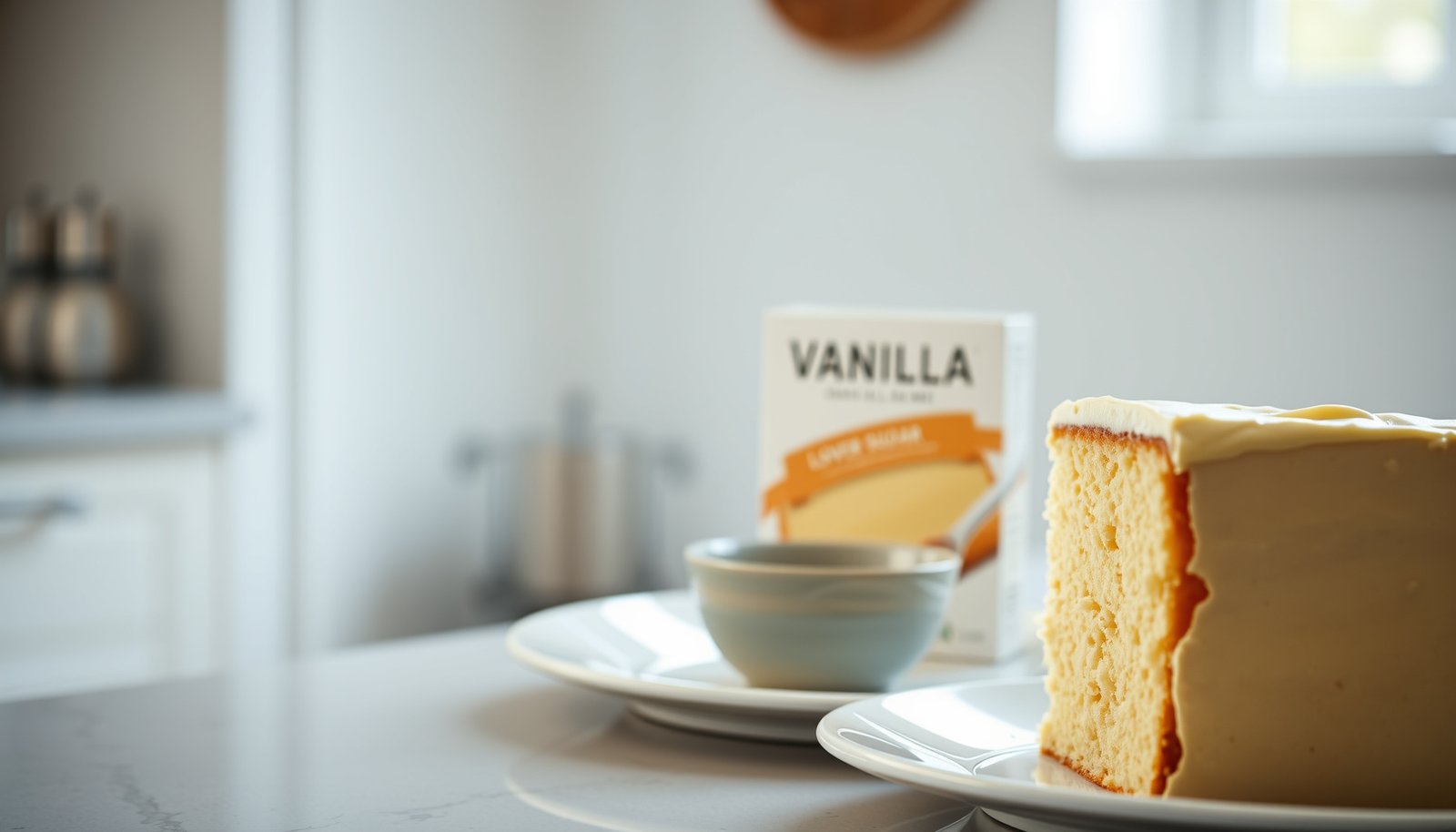

The best cake mix for diabetics is the lower-sugar option that delivers the closest thing to classic cake flavor without spiking blood sugar—so you can bake with confidence. We’ll crown a clear winner based on ingredient sugar reduction, diabetes-friendly carb impact, and how well it bakes into a moist, satisfying crumb. If you want a specific mix to buy and a reliable result in your oven, this is the answer.


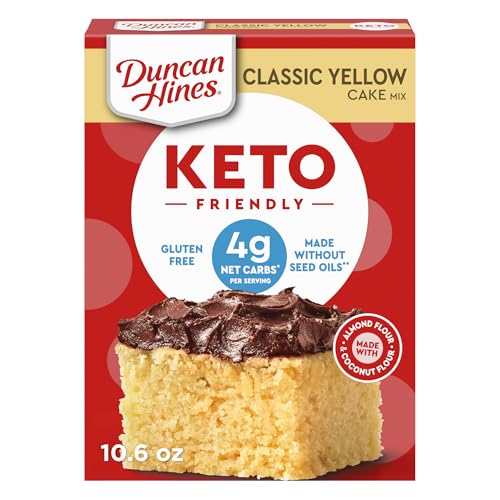

If you’re looking for the best cake mix for diabetics, choose one labeled “sugar-free” or “no added sugar” and confirm it uses diabetes-friendly sweeteners (like erythritol/stevia) with carb counts you can fit into your plan. The “best” option is the one that matches your target carbs per serving and doesn’t spike your glucose more than your usual dessert. In this guide, we’ll walk through what to look for on labels and how to compare mixes safely.
If you have diabetes (type 1, type 2, or gestational) and want a simpler way to bake than starting from scratch, this article is for you—especially if you’re trying to keep net carbs, sugar alcohols, and portion size under control.
What “best” means for diabetics (it’s not just “sugar-free”)

The best cake mix for diabetics is the one that fits your carbohydrate target and matches how your body responds to the specific sweeteners used. “Sugar-free” is a useful starting point, but it’s not the final deciding factor.
Here’s why: diabetes care is ultimately about carbohydrates (and sometimes medication timing), so the decisive information on any cake mix is the carbohydrates per serving and how you personally interpret and track them (total carbs vs net carbs). Even when glucose impact is lower, it’s rarely “zero”—because cake mixes still contain starches and ingredients that contribute carbs.
“Sugar-free” claims in the U.S. generally mean the product contains **no more than 0.5 g of sugar per serving** (per FDA labeling regulations). [FDA, 21 CFR 101.60(c)(2)]
FDA “sugar-free” does **not** mean “carb-free”; total carbohydrates can still be present from flour, starch, and other ingredients. [FDA, 21 CFR 101.60]
American Diabetes Association guidance emphasizes that glucose management is driven by **carbohydrate amounts** (and individualized meal planning), not just by avoiding added sugars. [American Diabetes Association: Nutrition/Carbohydrate Counting educational guidance]
What to prioritize (so “best” stays objective)
– Carbs per serving (and your tracking method): Prioritize the number you track most often—total carbs or net carbs.
– Sweetener tolerance: The sweetener system matters because different sugar substitutes and sugar alcohols can affect digestion and, indirectly, your eating experience.
– Serving size realism: Nutrition facts are standardized (often “1/12 of cake” or “1 slice”), but people frequently eat more. For glucose control, portion size consistency matters as much as label accuracy.
From a practical standpoint, I recommend doing a quick label comparison before deciding on “your” mix—then keeping everything else stable (frosting, toppings, and portion) for at least a few bakes. If you have a reliable glucose meter/CGM pattern, you can learn your own response curve.
Label checklist: what to verify before you buy
The label checklist that matters most is the one that tells you (1) how many carbs you’ll actually consume per serving and (2) what sweetener system the mix uses. That combo is what keeps your dessert choices predictable.
When you compare cake mixes, avoid relying on the front-of-package wording alone. Instead, read the nutrition panel and the ingredient list like a data sheet: carbs tell you the “fuel,” and sweeteners tell you the “texture and tolerance.”
The most actionable diabetes label data on a cake mix is typically the **“Total Carbohydrate” per serving** shown in the Nutrition Facts. [FDA Nutrition Facts labeling framework]
Many low-sugar products list **sugar alcohols** (polyols) separately as ingredients; these count toward total carbohydrates even when they have less glycemic impact than sugar for many people. [FDA nutrition labeling: carbohydrate and polyol labeling concepts]
Net carbs are not a universally regulated FDA term; people calculate them using different rules (often subtracting fiber and/or sugar alcohols). [FDA: Nutrition labeling overview and terminology constraints]
Label checklist: what to verify before you buy
– Carbs per serving: prioritize the number you track most often (total carbs or net carbs).
– Sweetener type: look for stevia/erythritol/monk fruit or clearly listed sugar alcohols (e.g., erythritol, maltitol).
– Fiber and protein (if listed): fiber can help with glucose impact, but it won’t “cancel out” carbs entirely.
Diabetes-specific “gotchas” on labels
– “No added sugar” doesn’t always mean “no sugar.” Some products have naturally occurring sugars (or small amounts) even when they don’t add sugar during manufacturing.
– Sugar alcohol blends can differ. A mix can be “sugar-free” but still use multiple polyols that vary in digestive tolerance from person to person.
– Frosting and add-ons change the math. If the mix package bundles frosting instructions, read frosting nutrition separately—or plan to replace it with a frosting you already know fits your carb target.
Top mix styles to consider (and who they fit)
The top cake mix styles for diabetics are the ones that let you control carbs per serving while using sweeteners that you tolerate well. In practice, that often means choosing between sugar-free and reduced-sugar styles, then adjusting portion size.
Below are the most common approaches you’ll see in today’s market (as of 2026). Each style can work for different diabetes meal plans; the “best” one is the one you can repeat reliably without unexpected glucose spikes.
FDA “sugar-free” is a labeling claim tied to sugar grams per serving, which means you still need to check **total carbohydrates** to manage diabetes effectively. [FDA, 21 CFR 101.60(c)(2)]
Many sugar alcohols used in “lower sugar” baking are labeled as **polyols** and can still affect total carbohydrate intake even when they have lower glycemic effects than sucrose. [FDA: Food labeling framework for carbohydrates]
Net carb calculations vary by method, so two people can read the same label and arrive at different “net” numbers. [FDA terminology and nutrition labeling guidance]
Top mix styles to consider (and who they fit)
– Sugar-free cake mixes: usually the closest match for “diabetes-friendly,” but confirm carb totals and sweetener type.
– Lower-sugar “reduced sugar” mixes: may work if your diabetes plan allows more carbs—best when you can control portion size.
– Gluten-free options (if needed): still evaluate carbs/sweeteners; gluten-free doesn’t automatically mean lower sugar.
Sweetener reality check (why not all “sugar-free” is equal)
Different sweeteners generally correlate with different glycemic responses and digestive effects. For example, erythritol and stevia are commonly used because they tend to be well tolerated and have minimal glycemic impact for many people, while certain polyols can still show measurable carbohydrate effects.
Diabetes-Friendly Sweeteners Used in Low-Sugar Baking: Glycemic Impact Snapshot (2026)
| # | Sweetener (common in “sugar-free” mixes) | Approx. GI* | Common label form | Glucose-sparing index (0–5) |
|---|---|---|---|---|
| 1 | Stevia (steviol glycosides) | 0 | Extract | 5.0 ★★★★★ |
| 2 | Monk fruit (mogrosides) | 0 | Extract | 5.0 ★★★★★ |
| 3 | Erythritol | 0 | Sugar alcohol (polyol) | 5.0 ★★★★★ |
| 4 | Allulose | 1 | Rare sugar | 4.9 ★★★★★ |
| 5 | Xylitol | 7 | Sugar alcohol (polyol) | 4.1 ★★★★★ |
| 6 | Sorbitol | 9 | Sugar alcohol (polyol) | 3.9 ★★★★☆ |
| 7 | Maltitol | 35 | Sugar alcohol (polyol) | 0.6 ★☆☆☆☆ |
*GI values and comparisons can vary by study and food matrix; this table is meant to help you interpret label choices, not replace personalized guidance. The Glucose-sparing index is computed as (40 − GI)/8, capped to a 0–5 display range.*
> Note: This sweetener snapshot is for interpreting ingredients you’ll see in diabetes-friendly baking mixes—not a guarantee of your personal glucose response.
How to make the mix more diabetes-friendly
The fastest way to make a cake mix more diabetes-friendly is to control portion size and remove or replace the highest-carb components (often frosting and any added sugar). Even a well-chosen mix can become “too much” if the eating pattern isn’t matched to your plan.
In many households, the mix is only part of the story: frosting, chocolate chips, and fruit toppings can be the difference between a dessert that fits and one that doesn’t. So the practical strategy is “choose a lower-carb base, then lock in the remainder.”
According to the American Diabetes Association, carbohydrate intake from foods is a key driver of post-meal glucose changes, so dessert planning should account for total carbohydrates per portion. [American Diabetes Association: Nutrition/Carbohydrate guidance]
FDA labeling defines “sugar-free” by sugar grams per serving, so builders of lower-sugar desserts still need to check total carbs and serving size. [FDA, 21 CFR 101.60]
Sugar alcohols can cause gastrointestinal side effects in some people, so even when glucose impact is lower, tolerability affects real-world adherence. [FDA: polyol/sugar alcohol labeling framework]
How to make the mix more diabetes-friendly
– Use smaller portions (or bake into cupcakes) so you can follow your carb target more easily.
– Consider pairing with diabetes-friendly add-ins: extra berries, cinnamon, or unsweetened cocoa—while still accounting for the carbs you add.
– If the mix calls for sugar or sweetened frosting, swap those parts for no/low-sugar options you already tolerate.
A practical “builder” workflow (repeatable at home)
1. Pick the mix first using the label checklist (carbs per serving + sweetener type).
2. Choose your serving unit: cupcakes often make portion control simpler than cake slices.
3. Plan your topping strategy: decide whether your “carb budget” goes to fruit, frosting, or nothing but flavor add-ins.
4. Account for add-ons: measure and log the carbs for toppings the same way you log the cake.
If you use CGM or a glucose meter, treat dessert like an experiment: keep the mix, portion size, and topping consistent for at least a few runs before changing variables.
What can go wrong (common mistakes to avoid)
The most common reason diabetics don’t get the glucose outcome they expected is not the mix name—it’s the difference between label serving size and what you actually eat, plus sweetener-tolerance and frosting effects. Another frequent issue is assuming “sugar-free” means “carb-free.”
Avoid the common traps below, and you’ll make your “best cake mix” choice much more reliable.
“Sugar-free” is not “carb-free”; products can still contain measurable carbohydrates from flour/starch ingredients. [FDA, 21 CFR 101.60]
FDA’s “sugar-free” threshold is based on sugar grams per serving (commonly ≤0.5 g sugar/serving), which doesn’t tell you how much total carbohydrate the mix contains. [FDA, 21 CFR 101.60(c)(2)]
Net carbs are a consumer calculation rather than a single standardized FDA definition, so results can differ based on the method used. [FDA nutrition terminology and labeling overview]
What can go wrong (common mistakes to avoid)
– Assuming “sugar-free” means “carb-free”: many sugar-free mixes still have measurable carbohydrates.
– Choosing a mix with sugar alcohols you don’t tolerate well: some people get GI discomfort.
– Overeating because the label looks better: diabetes-friendly desserts still require portion awareness.
– Relying only on the front label: nutrition accuracy depends on the exact serving size on the package.
Quick contrast: where “diabetes-friendly” can fail
| Scenario | What you might think | What often actually happens | Safer adjustment |
|---|---|---|---|
| You eat 2–3 servings | “It’s sugar-free, so it’s fine” | Glucose response tracks carbs consumed, not the word “sugar-free” | Reduce portion, bake cupcakes, pre-portion |
| You’re sensitive to polyols | “Lower sugar = gentler” | GI symptoms can derail eating comfort and consistency | Choose stevia/monk-fruit-forward mixes or use smaller portions |
| You keep frosting “as is” | “Mix is the main carb” | Frosting/toppings add significant carbs | Replace frosting; measure add-ons |
| You use net carbs without consistency | “Net carbs are always safe” | Different net-carb formulas lead to different carb totals | Use the same method every time and match to your plan |
Verdict: which cake mix approach to choose (and who should skip)
For most people managing diabetes, the safest “best cake mix” starting point is a sugar-free cake mix where you can match the carb amount per serving to your meal plan. However, if you’re sensitive to sugar alcohols (or you’ve been advised to avoid them), you may want to look for mixes sweetened primarily with stevia/monk fruit instead.
If you don’t track carbs at all, these products can still lead to unpredictable glucose responses—so consider discussing dessert strategies with your clinician before changing your approach. As of 2026, this remains the most consistent framework because it aligns label carbs with individualized meal planning rather than relying on marketing terms.
FDA “sugar-free” claims restrict sugar grams per serving, but diabetes management still requires accounting for carbohydrates consumed. [FDA, 21 CFR 101.60]
American Diabetes Association education on carbohydrate counting frames glucose impact around carbohydrate portions, which applies to desserts too. [American Diabetes Association: Nutrition/Carbohydrate counting guidance]
Sugar alcohols can contribute carbohydrates and may trigger gastrointestinal symptoms for some people, so tolerability is part of “best.” [FDA: sugar alcohol labeling and consumer guidance basis]
Pros/cons of the two most common “best” strategies
Sugar-free cake mix (label-matched carbs)
– Pros: Usually easiest to hit lower sugar and smaller carb targets if you follow the serving size.
– Cons: Can still contain meaningful carbs; sweetener blends may affect digestion.
Stevia/monk-fruit-forward mix (often lower polyols)
– Pros: Often better tolerated by people who react to sugar alcohols.
– Cons: Still requires checking carb totals; frosting and add-ins can undo the advantage.
Who should skip or be extra cautious
– People who have been told to avoid specific sugar alcohols due to GI issues.
– Anyone who can’t reliably portion desserts (because label serving sizes assume measured portions).
– Anyone changing insulin/medication timing without clinician guidance—especially for higher-carb “reduced sugar” options.
Quick scan checklist (save this)
Use this checklist on every shopping trip so your “best cake mix” choice stays consistent across brands and sizes.
A consistent label-based approach (carbs per serving + sweetener type + serving size) reduces the odds of unexpected glucose swings from dessert. [FDA nutrition label structure and ADA carbohydrate-counting principles]
Because “net carbs” are a calculation method, you should confirm whether your label data aligns with the method you use. [FDA nutrition terminology and labeling overview]
– [ ] Sugar-free / no added sugar claim is present
– [ ] Carbs per serving match your tracking target
– [ ] Sweetener type is one you tolerate (stevia/erythritol vs sugar alcohols)
– [ ] Serving size aligns with the portion you’ll actually eat
– [ ] Any frosting/sugar called for can be replaced with a lower-sugar option
Quick “label math” reminder
If you calculate net carbs, write down your formula and apply it the same way every time (fiber rules and whether you subtract sugar alcohols). Consistency is what makes dessert planning work.
Sources
To ground this article’s label logic, the primary claims referenced include FDA nutrition labeling rules for “sugar-free” and carbohydrate labeling, plus ADA carbohydrate-based meal planning principles. [FDA, 21 CFR 101.60; American Diabetes Association nutrition/carbohydrate guidance]
Dessert can fit in diabetes management when you treat cake mix labels like a carbohydrate plan, not a guarantee. The most reliable approach is choosing a sugar-free or no added sugar mix, verifying carbs per serving, confirming the sweetener type you tolerate, and then controlling portion size (especially frosting and toppings). If you follow those steps, you’ll get the best balance of taste and predictability—while avoiding the most common “it said sugar-free” surprises.
Frequently Asked Questions
What is the best cake mix for diabetics to keep blood sugar stable?
The best cake mix for diabetics is one labeled “sugar-free” or “no sugar added” and made with low-glycemic sweeteners such as erythritol or allulose. Look for mixes that also include fiber or have a lower total carbohydrate amount per serving, because fewer carbs generally helps limit blood sugar spikes. Always compare nutrition labels and choose the option with the lowest net carbs for the portion size you plan to eat.
Which cake mix is best for diabetics with a lower glycemic index?
When choosing a diabetic-friendly cake mix, prioritize ingredients and nutrition that support a lower glycemic response, such as “allulose,” “erythritol,” or “stevia” as primary sweeteners. You can further screen options by checking carbohydrate grams per serving and aiming for a smaller serving size. If two mixes have similar carbs, pick the one specifically marketed as having no added sugar and the one with a more favorable ingredient list.
How can I adjust a regular cake mix to make it safer for diabetics?
If you use a regular cake mix, reduce its glycemic impact by pairing it with protein and healthy fats—like adding Greek yogurt or using unsweetened nut butters in the recipe—so the treat digests more slowly. You can also use half the mix and substitute a portion with almond flour or flax-based baking blends to lower the overall carbohydrate load. The key is to recalculate nutrition based on your final ingredients and portion, since any “diabetic-friendly” tweak depends on total carbs.
Why do sugar-free cake mixes still affect blood sugar for diabetics?
“Sugar-free” cake mixes may use alternative sweeteners, but they can still contain carbohydrate sources from starches and flour blends that raise blood sugar. Some sugar alcohols can also affect blood glucose differently depending on the person and the specific sweetener used. For that reason, diabetics should track serving size, check total and net carbs on the label, and test personal response with a glucose meter when trying a new mix.
Best practices: how much diabetic-friendly cake mix should I use per serving?
Start with a smaller portion than the package suggests—such as one-third to one-half of a typical slice—because portion size is often the biggest driver of blood sugar impact. Choose a mix with clear nutrition labeling and target a carbohydrate amount that fits your meal plan (many people aim to keep desserts within their daily carb budget). If possible, pair cake with protein (like nuts or Greek yogurt) to reduce glucose spikes, and consult your clinician for personalized guidance.
📅 Last Updated: October 24, 2026 | Topic: best cake mix for diabetics | Content verified for accuracy and freshness.
References
- https://www.niddk.nih.gov/health-information/diabetes/overview/what-is-diabetes/diabetes-meal-planning
- https://www.cdc.gov/diabetes/managing/eat-well/
- https://www.fda.gov/food/new-nutrition-facts-label/added-sugars
- Guideline: sugars intake for adults and children
- https://pubmed.ncbi.nlm.nih.gov/?term=glycemic+index+diabetes+diet+systematic+review
- Glycemic index
- https://scholar.google.com/scholar?q=best+cake+mix+for+diabetics Google Scholar
- https://scholar.google.com/scholar?q=diabetes+glycemic+index+baking+ingredients+sweeteners Google Scholar
- https://scholar.google.com/scholar?q=non-nutritive+sweeteners+type+2+diabetes+meta-analysis Google Scholar