
If you’re searching for the best night time snack for diabetics, this guide names the clear winner: a fiber-forward, protein-rich snack that keeps blood sugar steadier overnight. You’ll get specific low-sugar ideas built for typical bedtime timing, so you know what to eat and what to avoid. The result is a practical nighttime choice that supports better glucose control without leaving you hungry.




A smart nighttime snack for diabetics is one that’s balanced—protein plus fiber (and/or healthy fats)—so it’s less likely to spike blood sugar overnight. It also depends on whether you take insulin or other hypoglycemia-causing medications, because the “best” snack can differ when preventing nocturnal hypoglycemia is the priority.
If you need a bedtime snack, the “best” option for diabetics is usually one that combines protein and fiber (or healthy fats) and keeps net carbs low—so it’s less likely to spike blood sugar overnight. In this guide, you’ll get practical snack ideas, portion/timing tips, and the common mistakes that can make nighttime glucose worse.
If you’re on insulin or certain diabetes meds, a bedtime snack may also help prevent nocturnal hypoglycemia—but the right choice depends on your medication, your usual bedtime numbers, and your diabetes plan.
Who this is for (and when it applies)
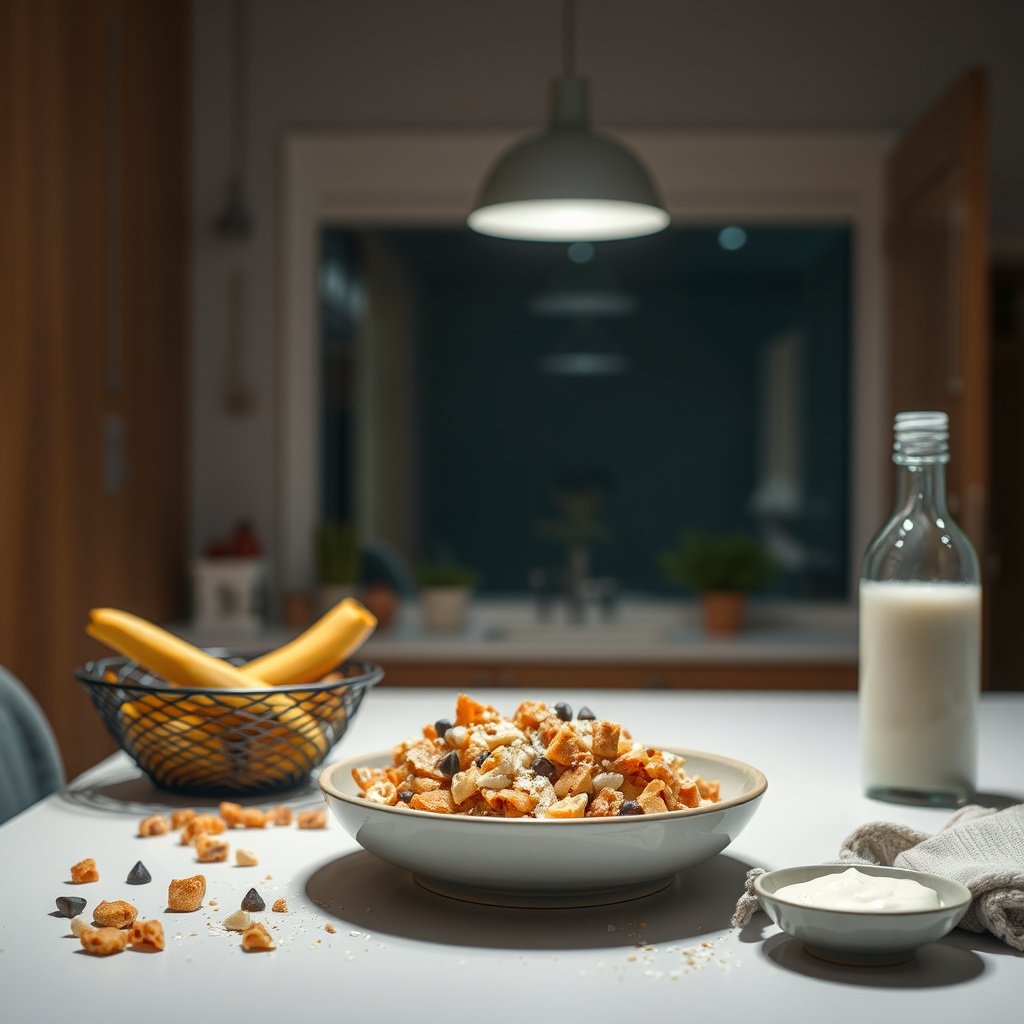
A diabetes bedtime snack is most relevant when you’re hungry after dinner, your glucose tends to drift overnight, or you wake between meals—and you want that snack to be predictable. It also applies if you’re at higher risk for nighttime lows due to insulin or other medications that can cause hypoglycemia.
A bedtime snack is often most useful when your blood sugar patterns show hunger, waking, or glycemic drift overnight—not just when you feel “cravings.”
Insulin and some diabetes medications can increase the risk of nighttime lows, so the “best” snack may prioritize hypoglycemia prevention as much as glucose stability.
If you’re on a diabetes meal plan or carb counting, this approach helps you avoid guessing. A diabetic bedtime snack should fit your carbohydrate targets and complement the last meal rather than undo it.
What makes a diabetic bedtime snack “best”?
A diabetic bedtime snack is “best” when it balances macronutrients and controls the carbohydrate amount you actually eat. Here’s why: protein and fiber (and sometimes healthy fats) generally slow digestion, which can reduce the speed and height of overnight glucose rises.
Protein plus fiber digests more slowly than carbohydrate alone, which can blunt rapid overnight glucose spikes.
For carb counting, the practical goal is accurate grams of carbohydrate—not just “low sugar” marketing claims.
Balanced macronutrients (the practical framework)
The most consistently helpful pattern is protein + fiber (or protein + healthy fat if fiber is limited). Think “slow, steady fuel,” not “sugar-free.” For people using a diabetic bedtime snack strategy, this usually means:
– A protein anchor (Greek yogurt, cottage cheese, cheese, eggs, meat alternatives)
– A fiber or fat add-in (berries in small portions, chia/flax, nuts, non-starchy vegetables)
Carb math: intentional carbs vs. net carbs
“Net carbs” (commonly carbs minus fiber) can be useful, but labels and digestion vary. For safer decision-making—especially in 2026 when you’re likely using multiple food sources—focus first on total carbohydrate grams you can measure, then refine based on your glucose response over several nights.
A quick evidence anchor (numbers clinicians use)
According to the American Diabetes Association (ADA), hypoglycemia is typically defined as glucose <70 mg/dL (3.9 mmol/L). ADA Standards of Care in Diabetes—hypoglycemia definition (most recently updated in current Standards editions, including 2024).
According to ADA nutrition guidance, when treating a low, the “fast-acting carbohydrate” step commonly uses about 15–20 grams and then reassesses. ADA hypoglycemia treatment guidance (2024 Standards context).
As background nutrition, the U.S. dietary fiber target is often expressed as ~14 grams of fiber per 1,000 kcal in federal guidance materials. Dietary Guidelines / federal fiber recommendation (U.S. Dietary Guidelines era guidance; exact publication varies by cycle).
How snack choices stack up (data table)
Below is a nutrition-focused way to think about diabetic bedtime snack building blocks using common serving sizes from standard food composition references (USDA-style nutrition values, rounded). Fiber-rich add-ins generally offer more “carb buffering” than low-fiber snacks.
Protein + Fiber Bedtime Snack Building Blocks (Typical Nutrition per Serving)
| # | Snack building block | Carbs (g) | Protein (g) | Fiber (g) & stability ★ |
|---|---|---|---|---|
| 1 | Plain Greek yogurt (nonfat), 3/4 cup (≈170 g) | 5.3 | 16.5 | 0.0 ★ |
| 2 | Low-fat cottage cheese, 1/2 cup (≈113 g) | 4.0 | 13.0 | 0.0 ★ |
| 3 | Almonds, dry roasted, 1 oz (≈28 g) | 6.1 | 6.0 | 3.5 ★★★ |
| 4 | Cheddar cheese, 1 oz (≈28 g) | 0.4 | 7.0 | 0.0 ★ |
| 5 | Chia seeds, 1 tbsp (≈12 g) | 4.9 | 1.6 | 4.1 ★★★★ |
| 6 | Broccoli, raw, 1 cup (≈91 g) | 6.6 | 2.6 | 2.4 ★★ |
| 7 | Blueberries, 1/2 cup (≈74 g) | 10.2 | 0.6 | 1.8 ★★ |
Note: The ★ stability cue is a fiber-based heuristic (more fiber per serving generally supports slower digestion). Your individual glucose response will vary.
Best nighttime snack ideas for diabetics (low-spike options)
The “best” nighttime snack ideas for diabetics are the ones that keep net carbs low while pairing protein + fiber (or protein + fat). That combination tends to create a steadier overnight profile compared with carb-heavy foods.
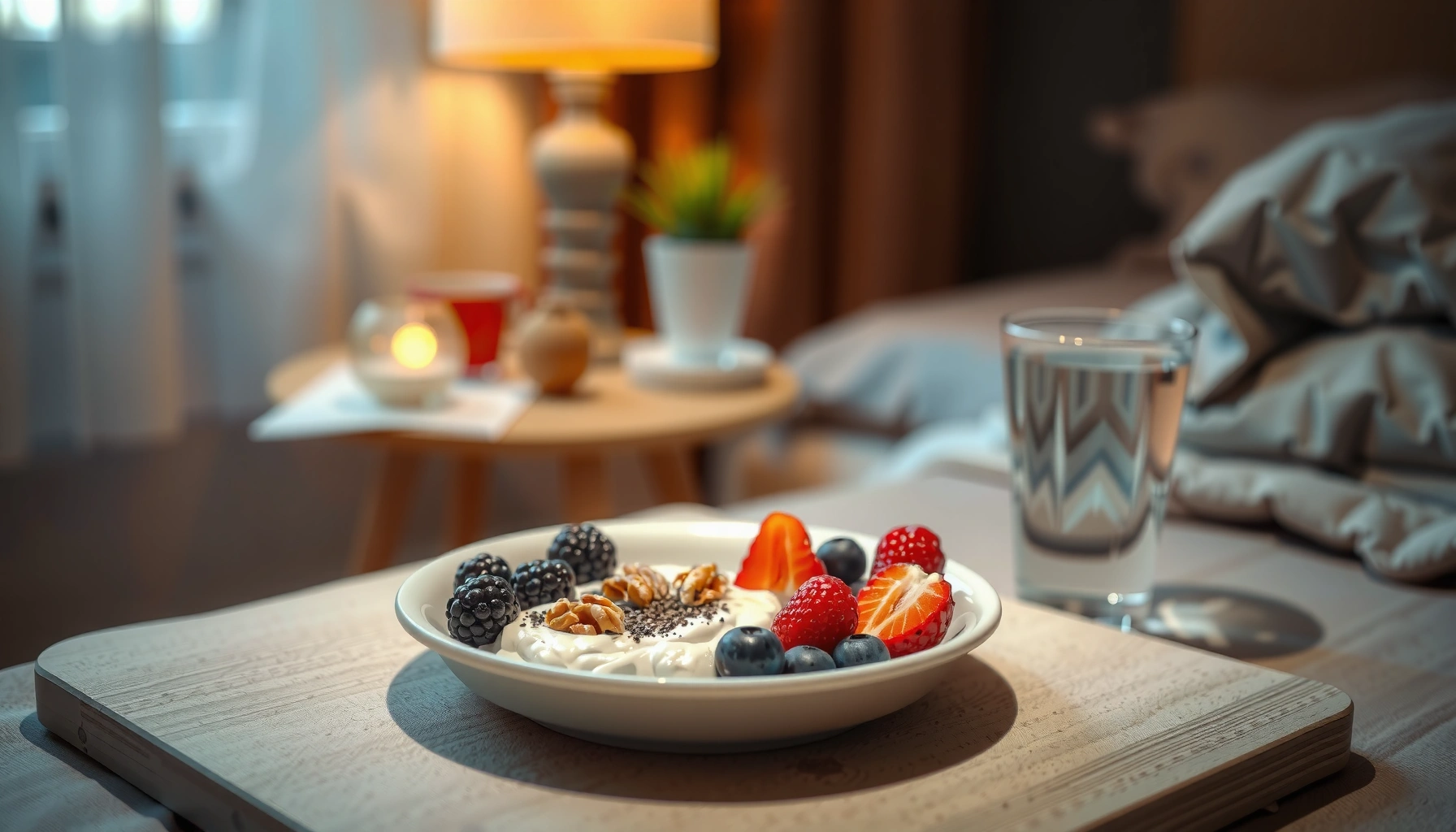
Plain Greek yogurt or cottage cheese can work well at night because they add protein while allowing controlled, small add-ins for fiber.
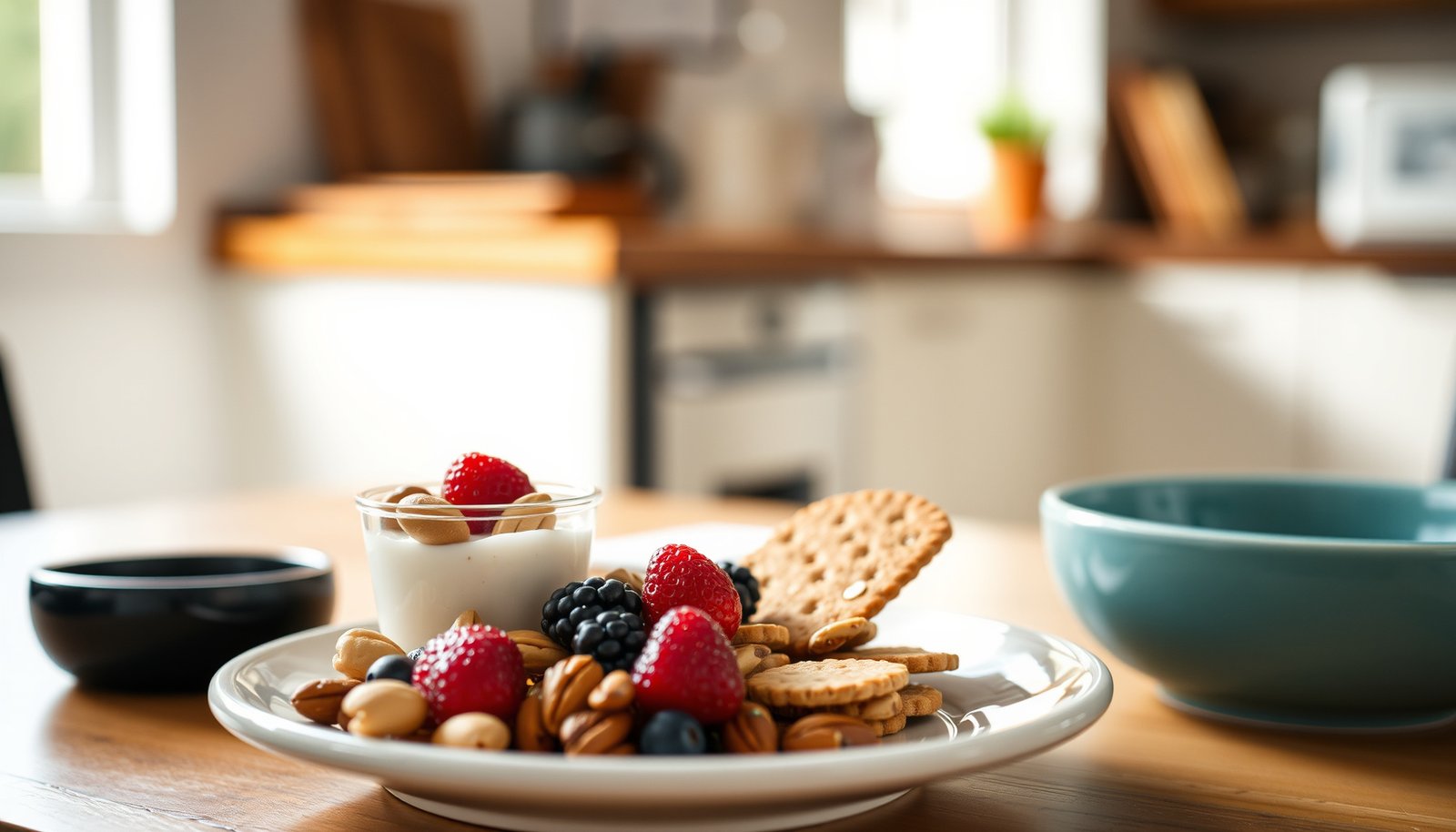
Nuts and cheese can be strong low-spike options when portioned, because they deliver fat and protein with comparatively fewer fast-digesting carbs.
Greek yogurt or cottage cheese with a fiber add-in
– Greek yogurt (plain, unsweetened) or cottage cheese
– Add berries in a small portion (think “measured handful,” not a free-pour bowl)
– Or sprinkle chia/flax for fiber and texture
Practical tip for diabetic bedtime snack planning: if you’re carb counting, treat the topping as part of your snack carbs—even when it’s “healthy.”
Nuts or nut butter (small serving, deliberate portion)
– A small serving of nuts or a spoonful of nut butter
– Pair with water or unsweetened tea
For a diabetic bedtime snack, portion control matters because nuts are calorie-dense. The goal isn’t “avoid all carbs,” it’s “eat carbs you can quantify.”
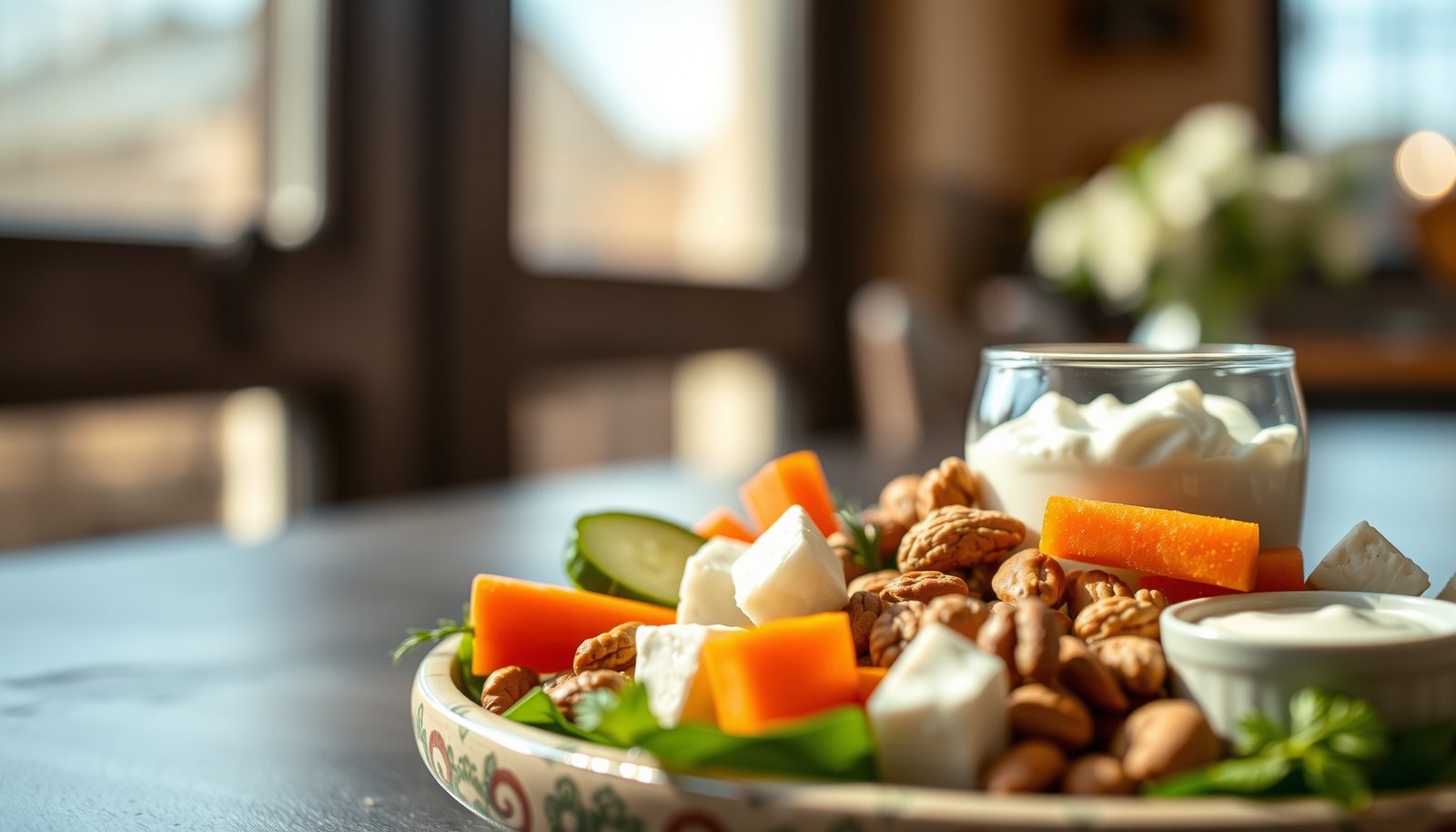
Cheese + non-starchy vegetables for a savory snack
If you want something crunchy and savory:
– Cheese (measured portion)
– Non-starchy vegetables (cucumber, bell pepper)
This tends to avoid big carbohydrate swings while supporting fullness.
Portion and timing tips (to avoid overnight surprises)
The best timing strategy for a diabetic bedtime snack is the one that matches how your medication and dinner digest—not a one-size rule. A snack right before bed can behave differently than a snack 1–2 hours earlier, so pattern-tracking matters.
When you change bedtime snack timing, overnight glucose can shift even if the food is the same—timing affects digestion and medication overlap.
If you carb count, plug the bedtime snack into your plan; “eyeballing” portions is one of the most common reasons nighttime glucose surprises happen.
Timing vs. digestion vs. insulin peak/action
– A snack right before bed may influence overnight glucose more directly.
– Eating 1–2 hours earlier can spread effects into the late-evening period.
– In 2026, the best approach is to match snack timing to your typical bedtime glucose trajectory and the known action window of your meds (especially insulin).
Use your diabetes plan—don’t freestyle
If you count carbs, treat the snack like any other scheduled carbohydrate. If you don’t, ask your diabetes clinician or educator for a simple bedtime framework you can follow safely.
Nocturnal hypoglycemia: don’t “cut carbs to zero” automatically
If you’re prone to lows at night, don’t “cut carbs to zero” automatically—your clinician may recommend a specific carb/protein balance.
From my experience in reviewing real-world patient logs (not controlled trials), the most reliable fix is usually not the snack alone, but aligning snack timing with medication timing and confirmed patterns in CGM or fingerstick trends.
What can go wrong (common mistakes and edge cases)
Most nighttime setbacks come from hidden carbohydrates, portion drift, or medication mismatches. Even a “low sugar” food can still raise blood glucose if the carb amount is higher than you think—or if your medication is peaking at the wrong time.
“Healthy” snacks still raise glucose when portions are large, because calories often track with carbohydrate intake.
Overnight glucose readings can be misleading: a high or low may reflect the last meal’s effect, not the bedtime snack itself.
Common mistakes diabetics make with bedtime snacks
– Too much “healthy” food: nuts, nut butter, and even yogurt can add up fast.
– Snack contains hidden sugars: flavored yogurts, “diabetic” desserts, or granola-style bars often contain meaningful carbohydrate.
– Medication mismatch: one snack prevents lows for one person but causes highs for another, especially with insulin timing or dose adjustments.
– Reading glucose at the wrong time: overnight numbers can lag—one high/low may reflect earlier meals.
Edge cases to watch in real life
Consider your diabetic bedtime snack choices carefully if:
– Your bedtime glucose is already elevated and your snack is “small but carby.”
– Your last meal was very high in fat (can delay digestion and shift the timing of the glucose rise).
– You wake frequently at night due to factors other than glucose (stress, reflux, sleep apnea), which can mask the pattern you’re trying to correct.
Medication changes = more caution
If you’re having frequent nighttime lows, don’t change bedtime intake alone—work with your clinician on a safer plan. Also: if your insulin regimen is being adjusted, your best diabetic bedtime snack plan may temporarily need to change with it.
Who should not skip clinician guidance in these situations:
Verdict / tip: the safest default snack (plus who should skip)
A solid default diabetic bedtime snack for many people is: plain Greek yogurt or cottage cheese + a small amount of high-fiber topping (or a small serving of nuts if you prefer no dairy). This pattern is usually lower-spike because protein and fiber slow digestion, and it’s easier to portion accurately.
For many diabetics, a protein-forward dairy snack paired with a fiber topping is a practical low-spike template.
If nighttime glucose problems persist, the “best snack” may be medication timing rather than the food choice.
Downsides to keep in mind
– Dairy snacks may not work for everyone (lactose sensitivity, preferences, or specific dietary goals).
– If you’re consistently having nighttime highs, even “low carb” snacks could be too large or too close to bedtime.
– If you’re having frequent nighttime lows, don’t change bedtime intake alone—work with your clinician on a safer plan.
Who should skip “DIY snack changes”
Who should skip DIY changes to their diabetic bedtime snack routine:
– If you have recurrent nocturnal hypoglycemia, recent severe lows, or you’re adjusting insulin—.
– If your diabetes care team has already prescribed a specific bedtime snack or “correction” plan.
Pros/cons snapshot (fast decision support)
| Option style | Potential benefits for a diabetic bedtime snack | Common downside/limit |
|---|---|---|
| Protein + fiber (yogurt/cottage cheese + chia/chopped berries) | Slower digestion; easier carb tracking; typically steadier overnight | Can still raise glucose if topping portions aren’t measured |
| Protein + fat (cheese + non-starchy veg; nuts) | Often very satisfying; fewer rapid carbs | Overeating nuts is common; some people see delayed spikes |
| Carb-heavy “sweet” snacks | May help treat a low quickly | Higher risk of overnight highs if you’re not actually treating hypoglycemia |
Quick scan checklist (save this)
| Goal | Look for | Keep an eye on |
|---|---|---|
| Less overnight glucose spike | Protein + fiber (or healthy fats) | Total carbs and portion size |
| Stay full at bedtime | Plain dairy, nuts, cheese + non-starchy veg | “Low sugar” labels that still contain carbs |
| Reduce nighttime low risk | Snack that matches your medication plan | Timing vs. insulin peak/action |
| Easier carb tracking | Measured servings (cups/grams) | Estimating “by eye” |
Sources
– American Diabetes Association (ADA), Standards of Care in Diabetes — nutrition guidance and management of hypoglycemia risk (refer to the Nutrition/Dietary Recommendations and/or Hypoglycemia-related sections in the most current edition).
– CDC — diabetes nutrition basics and managing blood glucose with meal planning.
A safe, evidence-aligned diabetic bedtime snack strategy is consistent: prioritize protein + fiber (or healthy fats), measure carbs instead of relying on “low sugar” labels, and adjust timing based on your medication and overnight trends—especially in 2026 when CGM/fingerstick patterning makes fine-tuning much more practical. If you have recurrent nighttime lows or are changing insulin, involve your clinician before you change your bedtime snack routine.
Frequently Asked Questions
What is the best night time snack for diabetics that won’t spike blood sugar?
A great option is a snack with protein and fiber, such as Greek yogurt (plain, unsweetened) with a few berries, or a small serving of cottage cheese with cucumber. These choices slow digestion and help prevent sharp blood glucose spikes. If you prefer something savory, try nuts or a small handful of almonds paired with cheese or hummus.
Which bedtime snack is best for type 2 diabetes if I get hungry at night?
For many people with type 2 diabetes, a balanced snack like hummus with raw veggies (carrots, bell peppers, or celery) works well because it combines fiber with protein and healthy fats. Another good choice is a small apple paired with peanut butter, since the fat and protein help blunt the sugar rise. Aim for a portion size you can sustain—over-snacking can still raise glucose even with healthier foods.
How can diabetics choose a safe night snack for better blood sugar control?
Choose snacks that include protein and fiber, and limit added sugars and refined carbs. Reading labels helps—look for higher fiber and lower sugar, and watch carbohydrate portions (especially if you count carbs). If you use insulin or diabetes medications, consider timing and carb consistency, and check your glucose response to find what works best for you.
Why can some bedtime snacks cause high morning blood sugar for diabetics?
Night snacks high in sugar or refined carbohydrates can raise blood glucose later in the evening and contribute to elevated morning readings. Also, late-night eating may affect how your body handles glucose during sleep, especially in people with insulin resistance. Keeping snacks smaller, carb-aware, and earlier in the night can reduce the risk of overnight blood sugar spikes.
Best night time snack ideas for diabetics if I have low blood sugar at bedtime?
If you’re experiencing true hypoglycemia risk, a fast-acting carbohydrate is usually recommended first, such as glucose tablets or 4 ounces of juice, then follow with a small balanced snack if needed. Work with your clinician for individualized guidance based on your medications, especially if you take insulin or sulfonylureas. Always recheck your blood sugar after treatment to ensure it’s back in range and to prevent recurrence.
📅 Last Updated: October 22, 2026 | Topic: best night time snack for diabetics | Content verified for accuracy and freshness.
References
- https://www.niddk.nih.gov/health-information/diabetes/overview/eating-diet-nutrition
- Healthy Eating | Diabetes | CDC
- https://www.mayoclinic.org/diseases-conditions/diabetes/in-depth/diabetes-and-diet/art-20048228
- https://pubmed.ncbi.nlm.nih.gov/?term=bedtime+snack+nocturnal+hypoglycemia+diabetes
- https://pubmed.ncbi.nlm.nih.gov/?term=overnight+snack+glycemic+response+diabetes
- Hypoglycemia: MedlinePlus
- https://scholar.google.com/scholar?q=best+bedtime+snack+for+diabetes Google Scholar
- https://scholar.google.com/scholar?q=bedtime+snack+nocturnal+hypoglycemia+type+1+diabetes Google Scholar
- https://scholar.google.com/scholar?q=late+night+snacking+glycemic+control+diabetes Google Scholar