
Many people with diabetes assume ethnic meals are automatically off-limits, but the real problem is hidden sugar, refined grains, and portion sizes in sauces and breads. The safest recommendations are chosen for how they affect blood sugar: high fiber from legumes and vegetables, slower-digesting carbs, added-sugar-free seasonings, and cooking methods like grilling or stewing instead of frying. You will see why bean-and-lentil dishes such as dal and chana often stand out, especially when paired with nonstarchy sides.




The best ethnic foods for diabetics are the ones that keep carbs steady and emphasize non-starchy vegetables, lean proteins, and healthy fats—think grilled meats, lentils/beans, seafood, and whole-food sides. You’ll get better results by choosing dishes with minimal added sugar, avoiding heavy breading or sweet sauces, and controlling portions of rice, noodles, and starchy sides. If you have diabetes and want satisfying meals with fewer blood-sugar surprises, use the guidance below as a practical ordering-and-cooking checklist (not a rigid “diet”).
If you have diabetes (type 1, type 2, or gestational) and want to keep meals satisfying without frequent blood-sugar spikes, this guide is for you—especially if you eat out or enjoy ethnic cooking styles. Use it as a practical “ordering and cooking checklist” rather than a strict diet.
What to look for in ethnic meals (so carbs don’t spike)
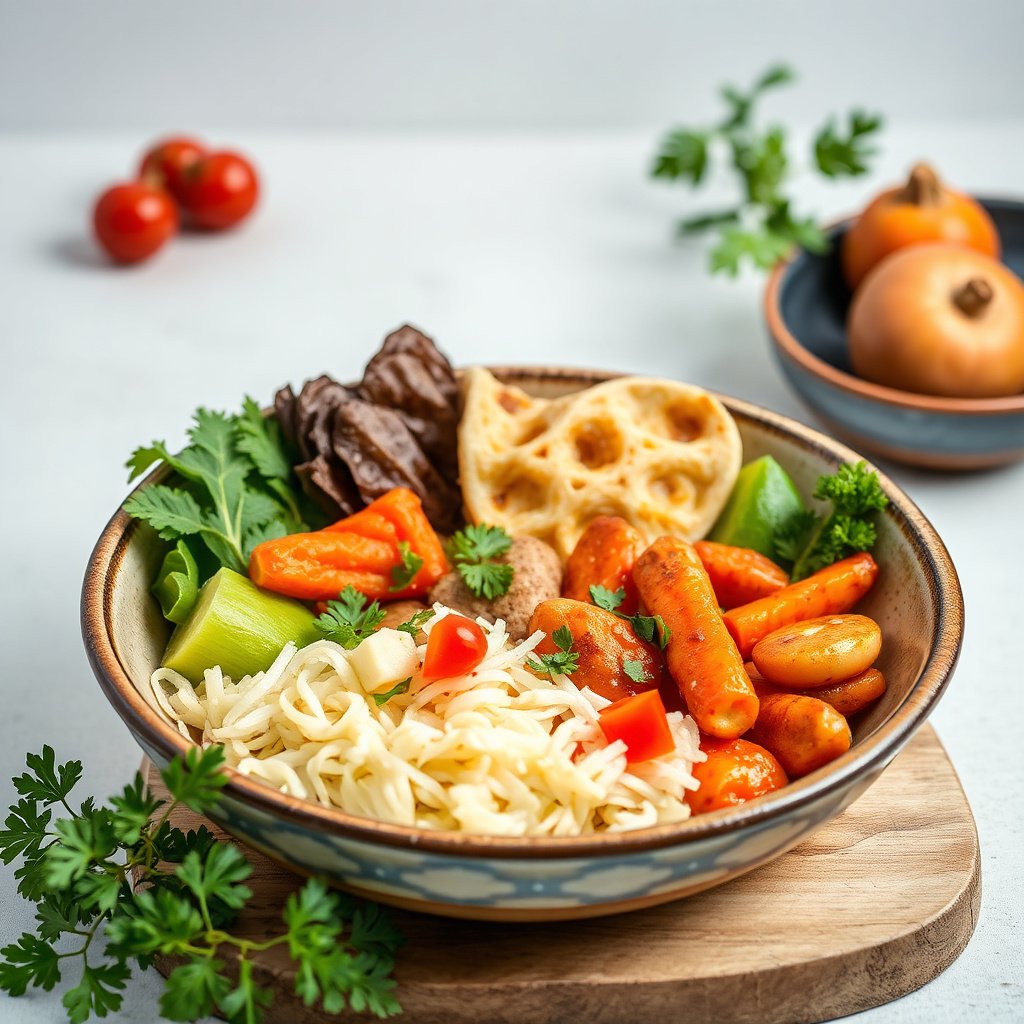
The best ethnic meals for blood sugar follow one main rule: carbohydrates should come with fiber, protein, and plenty of non-starchy vegetables. Here’s why: when carbs are paired with fiber and lean protein, they digest more gradually, which can soften post-meal glucose peaks.
Start with balanced plates. In practice, you’re aiming for a protein (chicken, fish, tofu, eggs, lean meat) plus non-starchy vegetables, then a deliberate, moderate portion of rice/noodles/bread. This “plate math” approach aligns well with how clinicians often teach the Diabetes Plate Method: half the plate non-starchy veggies, a quarter protein, and the remaining portion for starch/fruit—then individual targets adjust based on your meds and glucose response.
Next, prioritize cooking methods that reduce hidden sugar and fat overload. Grilled, roasted, steamed, stewed, and braised meals tend to avoid the double hit common in many restaurant versions: deep frying plus sweet glaze (or sugary sauce). That matters because both high-fat and high-sugar components can worsen glycemic variability for some people—even when the carbs “look reasonable.”
Finally, treat sauces and portion size as the real carbs. Many popular ethnic dishes taste savory but still contain added sugar in the form of glazes, marinades, chutneys, and “sweet heat” sauces. Creamy sauces can also add calories quickly, which may indirectly affect insulin needs and appetite control. And even a “healthy” entrée can spike glucose if the rice/noodles plus bread plus appetizer stack too high.
Practical targets you can use right now
Carb-smart ordering becomes easier when you know what “counts.” The American Diabetes Association recommends 15–20 grams of fast-acting carbohydrate for treating low blood sugar (hypoglycemia) episodes (ADA, Standards of Care in Diabetes). That same logic works in reverse for meal planning: you’re trying to avoid accidentally adding large carb chunks together—especially refined carbs without fiber.
Also consider that fiber supports slower digestion. The National Academies’ Dietary Reference Intakes include targets of 25 g/day for adult women and 38 g/day for adult men (National Academies/Institute of Medicine, DRI Fiber Recommendations). Many vegetable-forward ethnic meals naturally help you get closer.
Best ethnic foods to prioritize (by cuisine style)
The best ethnic foods for diabetics are the ones whose “default build” already favors protein + vegetables, with carbs kept modular. Here’s a cuisine-by-cuisine guide to what to prioritize, what to limit, and how to steer the plate without killing the flavor.
Indian & South Asian: legumes and veggie curries first
Indian and South Asian food often shines for diabetes because lentils and chickpeas deliver fiber and protein together. Prioritize dal (lentil-based dishes), chana (chickpeas), tandoori-style proteins, and vegetable-forward curries. Then pair with a smaller portion of brown rice—or swap to extra vegetables when you want the same comforting curry experience.
Watch out for two common “sugar creeps” in some restaurant versions: (1) sweeter masala gravies, and (2) large servings of naan paired with rice. If the curry is mild and savory (not sweet), you can typically enjoy it—just keep starch portions intentional.
Mediterranean, Middle Eastern, and Greek: grilled proteins + smart starch
Mediterranean and Middle Eastern menus are often diabetes-friendly when they’re vegetable-forward: grilled meats or seafood, salads dressed with olive oil, and hummus in reasonable portions. Look for sides like roasted vegetables, lentils, and bean-based dishes.
Be cautious with large pita portions, rice, and sugary yogurt sauces (sometimes sweetened with fruit or added sugar). A simple fix is to ask for sauce on the side and keep bread/pita to a single serving.
East Asian & Southeast Asian: stir-fries with less sauce
East Asian and Southeast Asian meals can work well when they’re built around stir-fries, soups, egg-based dishes, and tofu—not thick noodle stacks plus sweet glazes. Favor stir-fries with lots of vegetables and lean protein. When possible, request less sauce (and more vegetables).
Go easier on thick noodle dishes (especially those with sweet-and-sour or sticky sauces). Miso soups can be a good option, but confirm whether they include added sugar or large starchy add-ins.
How to order at restaurants (without losing the flavor)
The most effective restaurant strategy is simple: modify the carb-heavy elements first, then control sweetness and serving size. If you do those two steps consistently, diabetic-friendly ethnic food can stay satisfying without turning every meal into a glucose roller coaster.
Here’s a field-tested ordering sequence you can use at most restaurants:
1) Modify the carb-heavy parts first. Ask for rice/noodles on the side, request half portions, or substitute extra vegetables.
2) Ask about sauces and sweetness. Try phrases like “sauce on the side,” “less sweet,” or “no glaze.” This matters most for teriyaki, sweet chili, orange-chicken-style sauces, and some chutneys.
3) Build your plate around fiber. Add an extra salad/veg side. Choose lentil/bean sides when they’re available. Treat fried appetizers as occasional, not routine.
From a consistency standpoint, pay attention to what you order repeatedly. In my own meal-planning routine, I’ve learned that the biggest difference usually comes from sauce requests and starch portioning—not from avoiding the cuisine entirely.
Quick restaurant comparison (what to do vs. what to watch)
| Restaurant move | Why it helps | Potential watch-out |
|---|---|---|
| Rice/noodles on the side | Reduces accidental carb stacking | Some sides still come with hidden sugar |
| Less sweet sauce or “no glaze” | Limits added sugar | Ask if sauce contains sugar or honey |
| Extra non-starchy vegetables | Adds volume + fiber | Watch creamy dressings |
| Lentil/bean sides | Protein + fiber together | Portion still matters |
Home cooking swaps for popular diabetic-friendly versions
The best home-cooking approach keeps the flavors you love but rebalances the plate structure. Diabetic-friendly ethnic food at home usually improves most when you increase vegetables per serving, tighten portion control on starch, and reduce added sugar in marinades and sauces.
Use the “same cuisine, smarter build” method:
– Bulk up stews/curries with extra vegetables. Cauliflower, mushrooms, and spinach can add texture without dramatically raising starch.
– Reduce added sugar in marinades and sauces. Many recipes rely on sweeteners for balance—swap or reduce and taste-test.
– Use smart carb choices. When you enjoy them, choose whole grains, and pair them with legumes or extra veg to increase fiber.
– Portion rice/noodles deliberately. Don’t remove carbs entirely unless your clinician has guided you to. Instead, keep the portion consistent.
A practical plate math strategy is helpful: if you double non-starchy vegetables and reduce rice/noodles by about a third, many people experience a more stable glucose response without feeling deprived. Your personal targets may vary, especially if you use insulin or other diabetes medications.
A reality check with common staples (nutrition-minded)
Below is a quick reference to help you visualize why some ethnic base ingredients tend to be “easier” for blood sugar than others. Carb and fiber values can vary by brand and cooking method, so treat this as guidance—not a guarantee.
Common Ethnic Meal Components: Carbs, Fiber & Blood-Sugar Friendliness (per typical cooked serving)
| # | Ethnic staple (typical use) | Serving | Carbs (g) | Fiber (g) | Blood-sugar friendliness |
|---|---|---|---|---|---|
| 1 | Lentils (dal) | 1 cup cooked | ~40 | ~16 | ★★★★★ |
| 2 | Chickpeas (chana) | 1 cup cooked | ~45 | ~13 | ★★★★☆ |
| 3 | Black beans | 1 cup cooked | ~41 | ~15 | ★★★★☆ |
| 4 | Broccoli (stir-fry or roast) | 1 cup cooked | ~11 | ~5 | ★★★★☆ |
| 5 | Hummus (Middle Eastern) | 1/2 cup | ~15 | ~5 | ★★★☆☆ |
| 6 | Eggplant (roasted/steamed) | 1 cup cooked | ~7 | ~3 | ★★★☆☆ |
| 7 | White rice (common in many menus) | 1 cup cooked | ~53 | ~1 | ★☆☆☆☆ |
These values are meant to support your diabetic-friendly ethnic food decisions by highlighting the broad pattern: legumes and non-starchy vegetables tend to bring more fiber per carb than refined starches. For exact nutrition, always check the specific restaurant recipe or product label.
What can go wrong (common mistakes and edge cases)
Even “healthy-sounding” ethnic food can spike glucose if you miss hidden carbs, stacking, or sauce sweetness. Here are the most common failure points that prevent diabetic-friendly ethnic food from working as expected.
Healthy doesn’t always mean low carb
Some ethnic favorites look wholesome but can be high in carbs when portions get large. Examples: naan + rice combo meals, fried snack platters, and sweet desserts. If you treat every dish as a complete “carb package,” your glucose may rise even with a protein-heavy entrée.
Sauces are often the hidden issue
Teriyaki, sweet chili, tikka masala-style sweetness, sweet-and-sour glazes, and creamy sauces can add sugar fast. Restaurant sweetness isn’t always obvious—sometimes it’s in the glaze, sometimes in the marinade, and sometimes in the way chutneys are prepped.
Total meal carbs are what matter
A great entrée won’t automatically protect you if the meal includes multiple starch sources: rice/noodles plus bread plus appetizer. The fix is to pick one primary starch, keep the rest minimal, and let vegetables carry the volume.
Medication mismatch can change the rules
If you use insulin or sulfonylureas, sudden changes in meal timing and carbohydrate amount can affect glucose safety. Coordinate meal targets (carb goals, timing, and monitoring) with your clinician rather than relying on “swap” rules alone.
Verdict: the best picks (and who should skip this approach)
The overall winner for diabetics is ethnic food built around lean protein + non-starchy vegetables + controlled portions of rice/noodles/bread, with sauces kept lower-sugar and served on the side. This approach works because it prioritizes fiber and balanced digestion rather than chasing “perfect” foods.
That said, don’t treat this as a one-size-fits-all plan. If you’re newly diagnosed or you’ve had hypoglycemia/hyperglycemia episodes, coordinate targets with your healthcare team before making large changes in portion sizes or meal timing. Also, if a specific cuisine consistently includes heavy sweet sauces or carbohydrate-dense pairings you can’t moderate (for example, certain buffet styles), you may need a more structured meal plan—possibly with registered dietitian support.
Finally, remember that diabetic-friendly ethnic food works best when you measure your response. Track how you respond to sauce-on-the-side versions versus sweet glaze versions, and adjust portions based on your glucose trends.
Quick checklist: save this before ordering
| Choose more often | Keep portions moderate | Ask to change / avoid |
|---|---|---|
| Grilled/steamed protein (chicken, fish, tofu, eggs), soups/stews with veg | Rice/noodles/bread (request sides or half portions) | Sweet sauces, glaze, breading/frying, dessert drinks |
| Lentils/beans (dal, chana, hummus in reasonable amounts) | Whole grains if you like them (smaller portions) | “Sweet” chutneys, thick creamy sauces |
| Non-starchy vegetables (salads, stir-fry veg, roasted veg) | Starchy sides with a clear portion | Apps that stack carbs (fried + bread + rice) |
If you want the easiest next step: pick one cuisine you love, order it once using the “sauce on the side + rice/noodles on the side + extra vegetables” rule, and then note how your glucose responds so you can refine from there.
The best ethnic food for diabetics is the kind that stays balanced: non-starchy vegetables, lean proteins, fiber-rich legumes, and controlled portions of rice/noodles/bread—while keeping sweet sauces and sugary add-ons to a minimum. Use the restaurant and home-cooking tips above to make familiar dishes work for your blood-sugar goals. Try your next meal with the checklist rules, monitor how you respond, and adjust portions or sauce requests accordingly.
Frequently Asked Questions
What are the best ethnic foods for diabetics that still taste authentic?
Many diabetic-friendly ethnic foods focus on vegetables, lean proteins, and healthier cooking methods like steaming, grilling, or stir-frying with minimal oil. Look for options such as Mediterranean Greek salads with olive oil and lemon, Thai dishes that feature basil and vegetables (ask for no added sugar), Vietnamese pho with lean meat and herbs, and Indian dal with reduced portions of rice. The key is pairing carbs thoughtfully and choosing sauces that aren’t sweetened.
How can I eat Italian food with diabetes without spiking my blood sugar?
Choose dishes like minestrone, grilled chicken with a side of non-starchy vegetables, or whole-meal pasta in smaller portions paired with protein and fiber. Ask for marinara instead of creamy Alfredo, and avoid sugary sauces or bread-heavy meals; if you eat pasta, aim for “half the usual portion” and add extra vegetables. Monitoring your blood glucose response and using consistent carb portions can help you find the Italian foods that fit your diabetes meal plan.
Why are some Chinese dishes high in sugar and carbohydrates for diabetics?
Many Chinese-American staples like sweet and sour sauce, teriyaki glaze, fried rice, and some noodle dishes can be high in added sugar and refined starch, which raise blood glucose. Even “savory” options may contain hidden carbs in sauces, thickened starches, or batter for frying. To keep Chinese food diabetes-friendly, request sauce on the side, choose steamed or stir-fried (not breaded) items, and prioritize vegetables plus lean protein.
Which ethnic foods are best for diabetics when dining out—South Asian, Middle Eastern, or Mexican?
All three can work well depending on the dish and portioning. Middle Eastern options like grilled kebabs with salad, hummus in a moderate portion, and tabbouleh tend to be easier to balance; South Asian dal, chickpea curries, and vegetable pakoras (less fried) can fit when rice is limited; Mexican meals can be great with fajitas or grilled meats, but be cautious with tortillas, refried beans portions, and sweet drinks. The “best” choice is usually the one that includes high fiber vegetables, lean protein, and controlled starchy sides.
How do I choose a diabetes-friendly Indian curry or Thai curry without added sugar?
For Indian curry, look for dal, chicken tikka masala (lighter oil), or vegetable curries where you can request less oil and reduced cream; keep rice portions small and add extra non-starchy vegetables. For Thai curry, choose versions based on coconut milk or broth without sweetened syrups, and ask whether the sauce contains sugar or condensed milk. Ask for “no added sugar,” sauces on the side, and opt for brown rice or cauliflower rice when possible to better manage carbs and blood sugar.
📅 Last Updated: November 25, 2026 | Topic: best ethnic food for diabetics | Content verified for accuracy and freshness.
References
- https://www.cdc.gov/diabetes/managing/eat-well/index.html
- https://www.niddk.nih.gov/health-information/diabetes/overview/diet-nutrition/eating-healthy-foods-diabetes
- Diabetes
- Diabetes diet: Create your healthy-eating plan – Mayo Clinic
- Mediterranean diet
- https://pubmed.ncbi.nlm.nih.gov/?term=dietary+patterns+type+2+diabetes+Mediterranean+South+Asian+traditional
- https://scholar.google.com/scholar?q=best+diet+for+type+2+diabetes+Mediterranean+cuisine Google Scholar
- https://scholar.google.com/scholar?q=South+Asian+diet+type+2+diabetes+glycemic+index+carbohydrate+quality Google Scholar
- https://scholar.google.com/scholar?q=ethnic+food+cuisines+type+2+diabetes+dietary+pattern+study Google Scholar